4 Beiträge · Ausgabe 10/2022
Editorial
Issue 10/2022Der Moment ist schon lang vorbei, an dem diese Mächte aus eigener Kraft sich befreien könnten
Eine neue Zeit, ein neue Geschichte, ein neues Gegen- und Miteinander beginnen. So lauten die Versuche, das Ungeheuerliche der Kriegstage zu fassen. Die Corona-Zeit, so war auch hier in Artikeln zu lesen, ist ein Okular, sie bringe alles ans Licht, lege uns die vernachlässtigten, verborgenen und verdrängten Probleme und Pathologien auf den Tisch. Nun geschieht es mit ungeahnter Gewalt. Dass ein Mensch allein eine Großmacht führt und damit alles in ihm, auch die Schatten, multipliziert wirksam werden, ist eine Unmöglichkeit in einer Welt, die so nach dem Mit- und Füreinander ruft. Wie kann es weitergehen? Friedrich Glasl und Gerald Häfner suchen Antworten.
Weitere Beiträge
4 Beiträge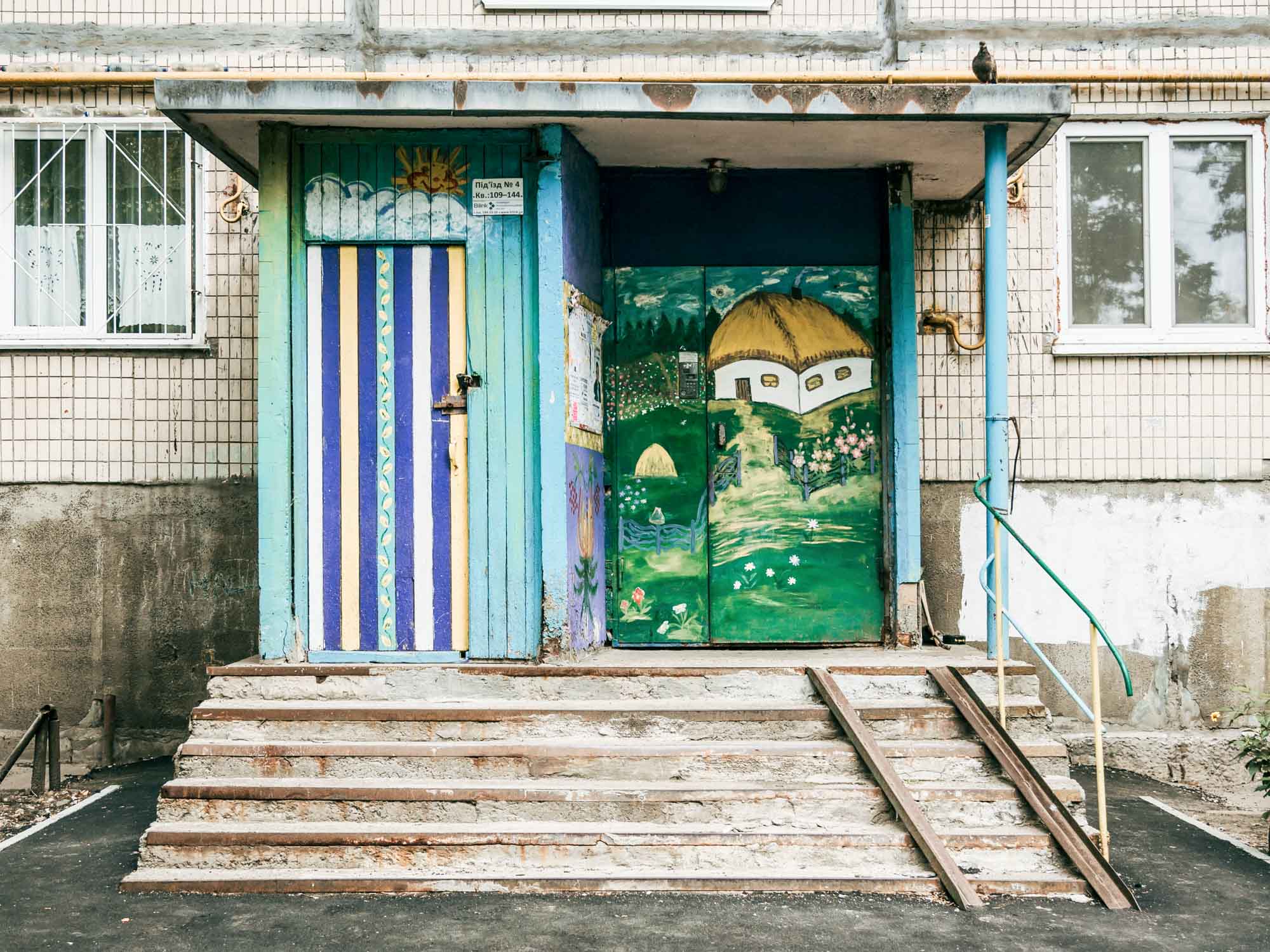
Im Fokus
A Free and Neutral Ukraine in the Heart of Eurasia
As I write, the tanks are rolling in Ukraine. Guns target buildings, people run and flee in fear, mothers try to bring their children to safety, men of military age are called up for military service and defend their country against military superiority. On the other side of the border in Russia, courageous people are demonstrating against the war and putting their freedom at risk. Stunned and horrified, we witness war in the middle of Europe. There is a great…
Gerald Häfner · 10. März
Conversation
How Peace Could Happen
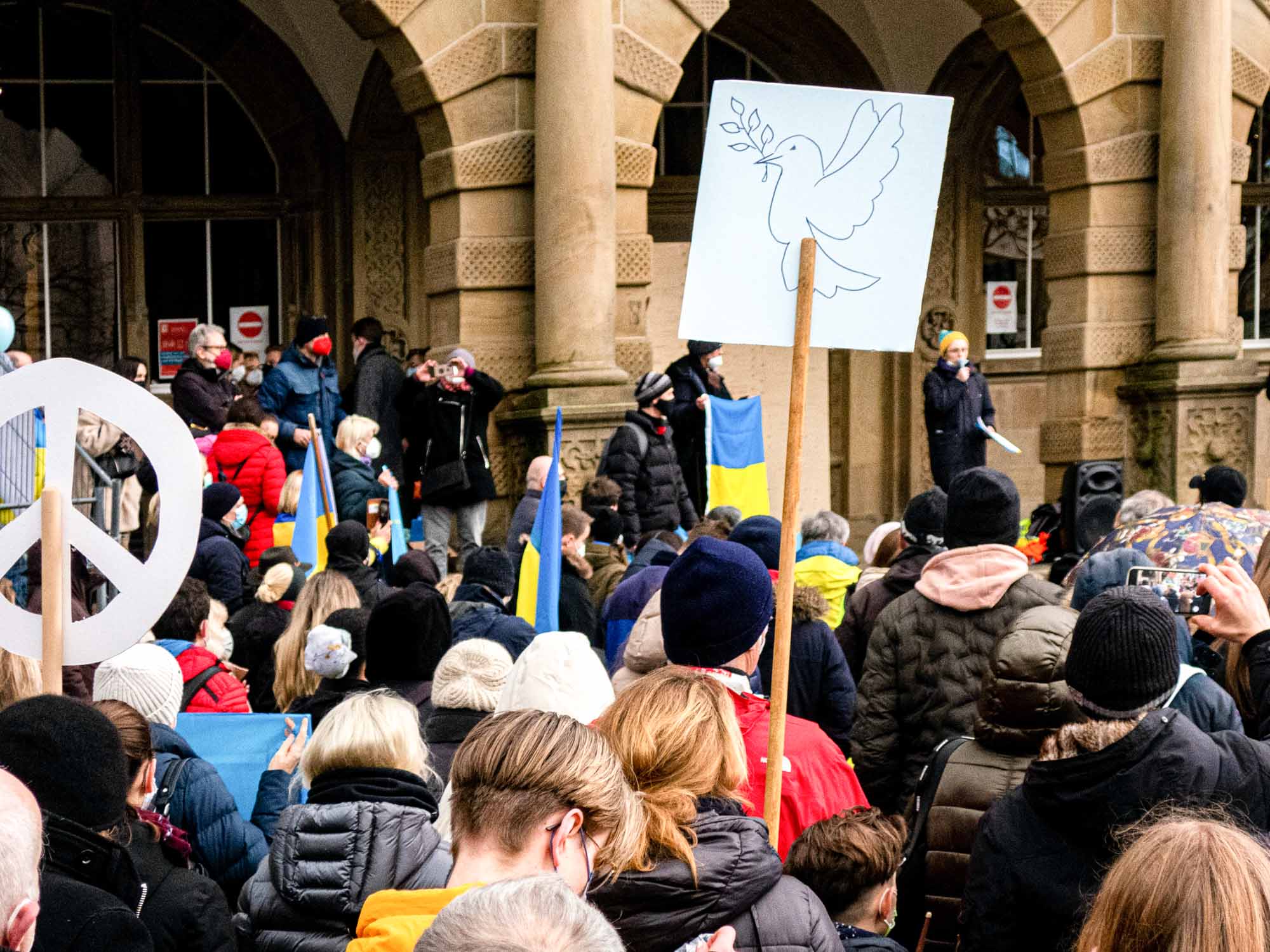
A conversation with the conflict researcher and mediator Friedrich Glasl about the origins and peace perspectives of the Russian invasion of Ukraine. The questions were asked by Wolfgang Held. What is going through your soul in the face of this escalation in Ukraine? Friedrich Glasl This affects me very deeply and personally as a convinced, non-violent pacifist, conscientious objector, and conflict researcher. So I would not have thought that such a boundary as this would be crossed by the Russian…
Friedrich Glasl · 10. März
Column
Nine Stages Down
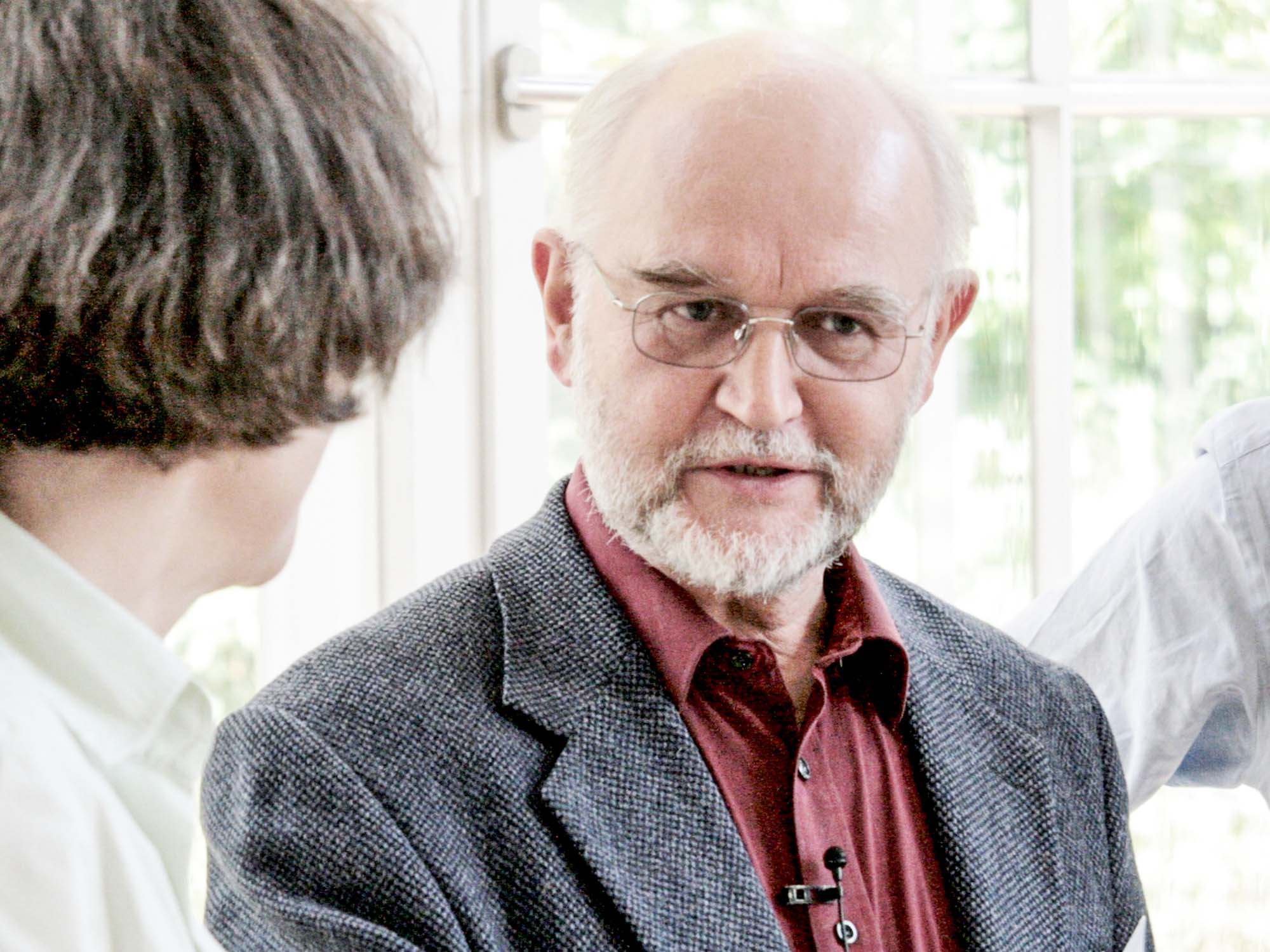
According to Friedrich Glasl, the escalation in the event of conflict goes downwards, because «the path of escalation leads with a certain compelling force to regions that call for great subhuman energies, but which in the long run elude human control and domination». Glasl observes that the parties to the conflict are increasingly acting irrationally, orienting themselves more and more closely to what they have experienced so far and ignoring the consequences of their actions. All this is usually hidden…
Friedrich Glasl · 10. März

Society
What Do I Mean by Peace?
I believe ‹positive peace› has two principles. One is ‹equality› or more precisely cooperation with mutual and equal benefit. Please underline ‹and equal›! The West has nothing against mutual benefit, which is called ‹capitalism›. But it is not equal. The tragedy of the West is that it would like an extra portion, that 120 percent extra. The second component is ‹harmony›. This quality lies within. It means that one empathizes and compassionates with the other. You suffer when millions die…
Johan Galtung · 10. März