7 Beiträge · Ausgabe 17/2023
Editorial
Issue 17/2023Aufleuchten einer neuen Wissenschaft
Ökologie, die vor nur wenigen Jahrzehnten noch von einer marginalen Bewegung vertreten wurde, ist mittlerweile zum zentralen Thema bis in die internationale Politik hinein geworden. Doch wenn man das ökologische Problem mit der gleichen Denk- und Gefühlsweise angeht, die es verursacht hat, droht, dass man zu den Problemen, die man bewältigen will, neue hinzufügt. Vielmehr verlangt die ökologische Krise nach einer profunden Ökologie, die eine Transformation des Blicks, des Empfindens und der Erkenntnis anregt und die menschliche Freiheit in vollem Umfang bewahrt. Die vorliegende Ausgabe lädt ein, in die Gedankenwelt zweier Forscher einzutauchen, die diesen Weg eingeschlagen haben, indem sie versuchten, die Wissenschaft selbst umzugestalten, um die Erde besser bewohnen zu können: Goethe und Latour.
Weitere Beiträge
7 Beiträge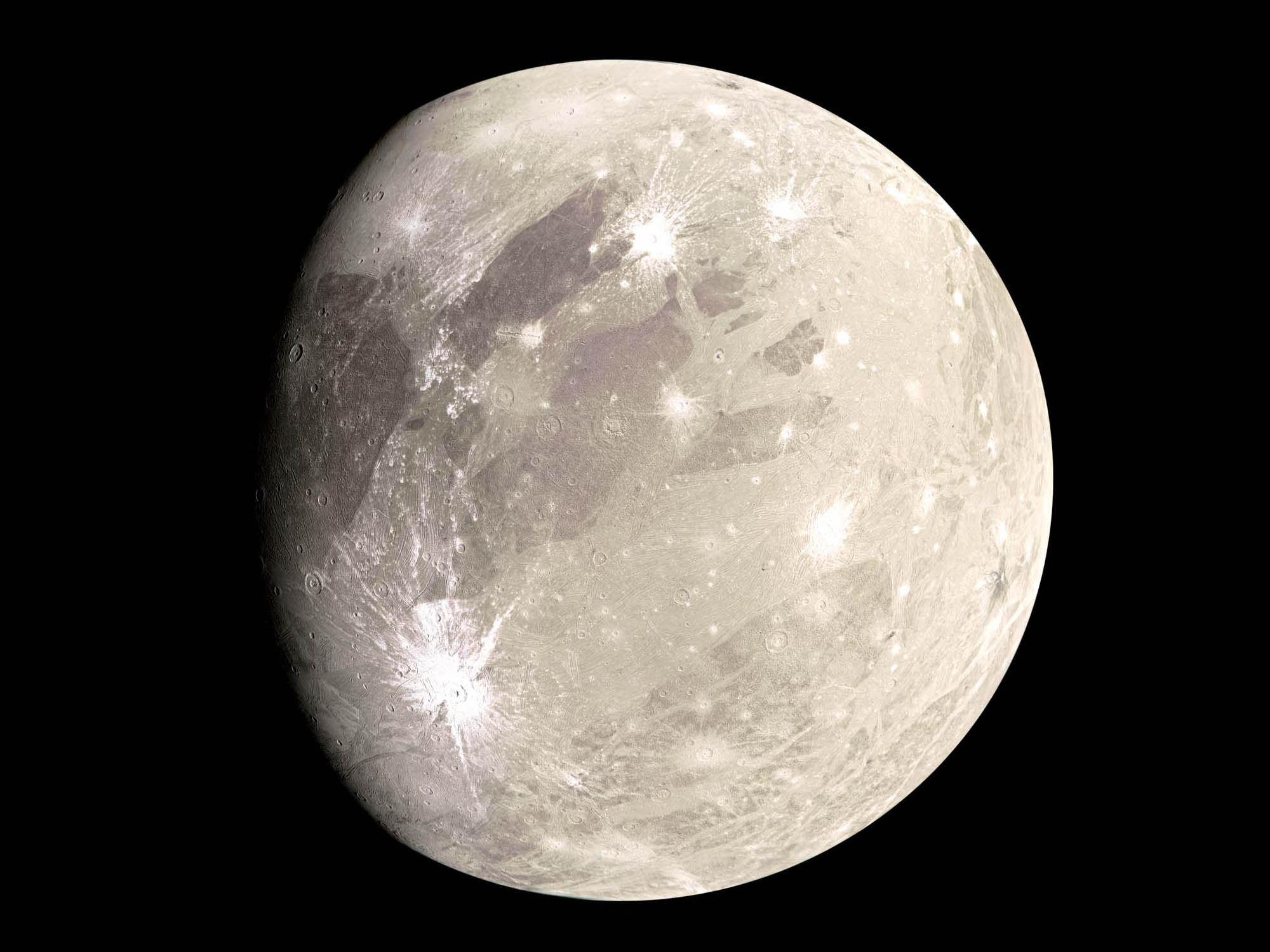
Im Fokus
The Journey to the Big Water
The Spacecraft JUICE has been launched successfully by the European Space Agency (ESA) and sent on its journey to Jupiter and its mysterious satellite, Ganymede. The information it will transmit in ten years’ time could change our worldview. Twice before the observation of Jupiter’s moons changed the image of the world as seen from Earth. The first time was in 1610, when Italian astronomer Galileo Galilei, holding a first simple telescope from the Netherlands in hand, saw the moon and…
Wolfgang Held · 27. Apr.

Current Issues
The End of Marriage
Emilia Roig, founder of the Center for Intersectional Justice in Berlin, is one of the most important feminist voices in Germany today. In her new book, she is challenging old thought patterns about marriage. New forces are at work: The gender debate, the LBGTQ movement, and thoughts on decolonising thinking are a matter of course, especially for the younger generation; the fact that marriage is now also being questioned is not entirely attributable to today. Since the 1920s and earlier…
Gilda Bartel · 27. Apr.
Agriculture
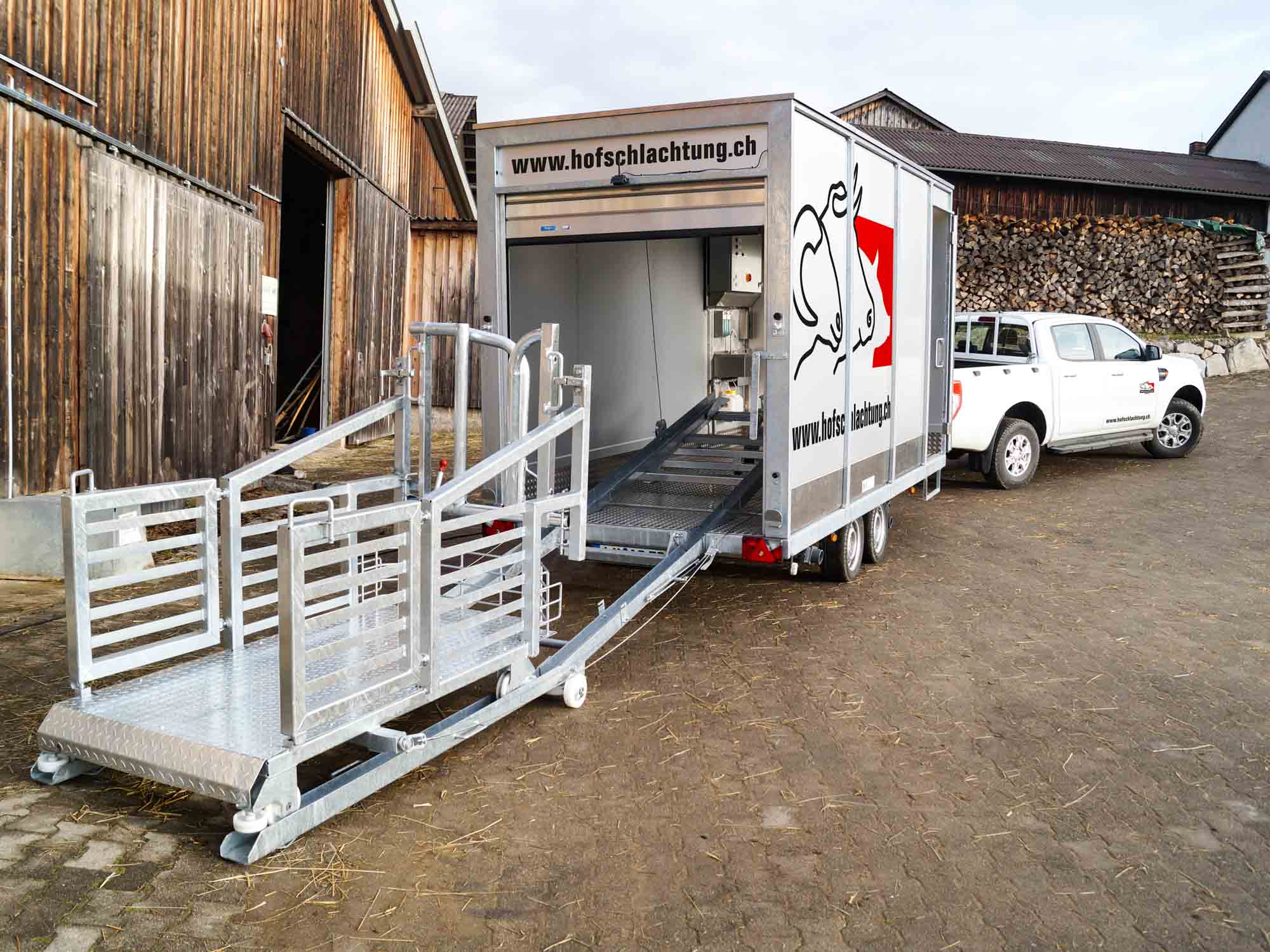
Preserving the dignity of animals
Meeting the natural needs of an animal – from breeding to slaughter. Demeter prescribes best animal husbandry practices for farm-based production enterprises. Specialized farms that are smaller than 40 hectares are exempt from this. Ruminants, due to their manure, ensure that the material cycle is closed – they also enrich life on a farm with their different dispositions. How does an animal end its life? This question is one of the great concerns of producers. At the end of its…
Redaktion · 27. Apr.
Germany
An Introduction to Emergency Pedagogy
How can we use pedagogy to deal with the consequences of war and trauma? At the Rudolf Steiner House on May 9–10, there will be a double lecture and seminar with Berndt Ruf. Ruf is well known as a doctor in anthroposophical emergency and trauma education which he advocates for with the initiative ‹Emergency Education Without Borders›. In two seminars on Tuesday evening from 6 pm, he will be speaking about trauma caused by war, and fleeing from it, and then…
Franka Henn · 27. Apr.
Column
Terrestrial Notes
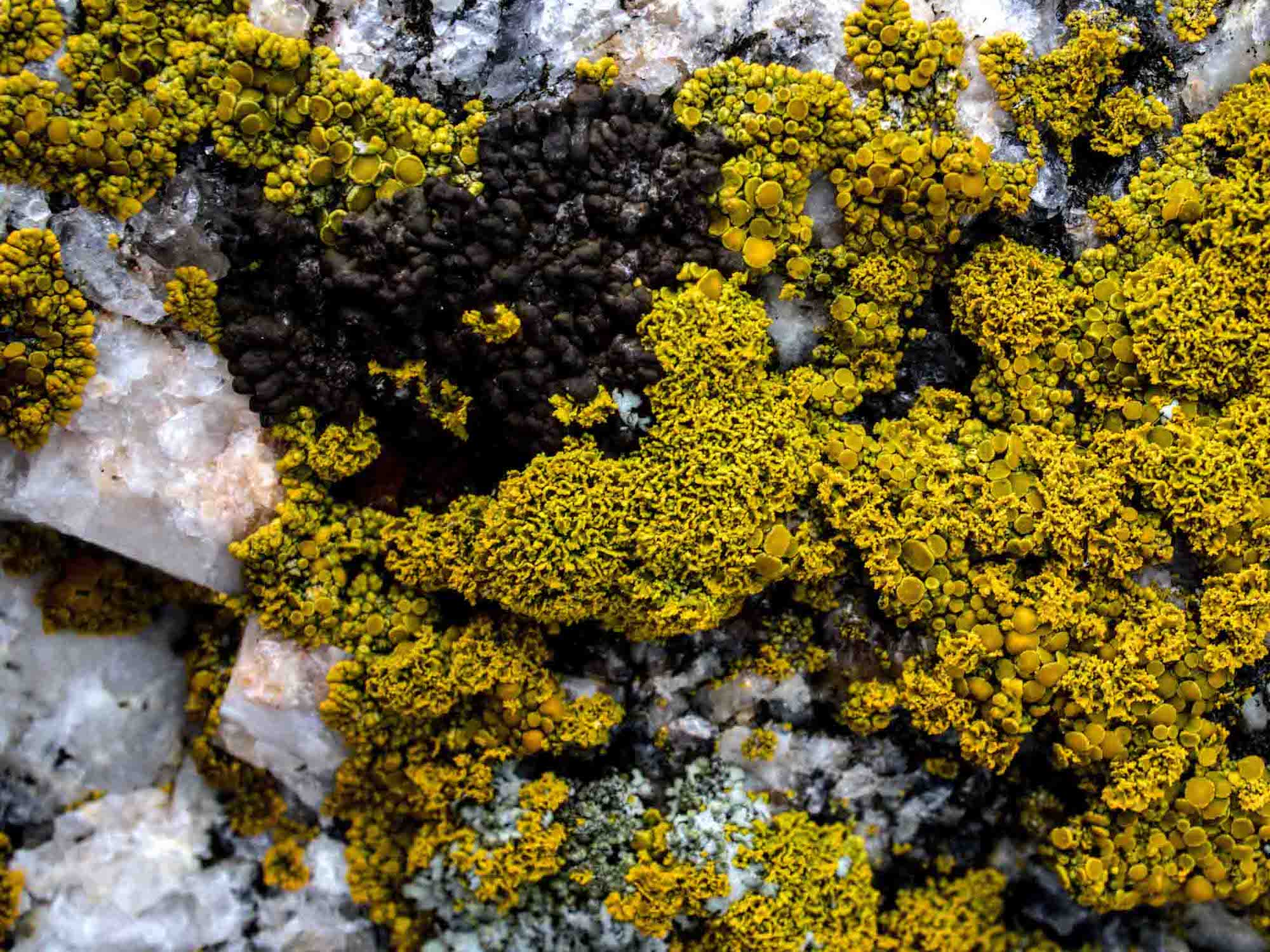
What dying tells us about life: The last leaves, already pale on the graphic undergrowth, and the moment of finding in them a gateway to the essence of the world. In the cloud-shrouded silence under the Ettersberg, silence is the gateway to matter and to inner images. As the snow began to get old, and the storm blew the ice skin from branches, my nights grew shorter.The sky was evil, a battle raged at its edges.Blue openings slid in at…
Gilda Bartel · 27. Apr.

Natural Sciences
The Self-Metamorphosis of the Researcher
Self-education is a recurring theme in Goethe’s work, for example in his Bildungsromane and plays. However, this dimension of inner development is less known in the context of his scientific research. Iris Henningfeld shares her research in this field here and gives an inspiring insight into the connection between self-development and the process of cognition in Goethe’s sense. It is an approach to cognition that encourages rootedness in the earthly world and sensory experience, but at the same time also…
Iris Hennigfeld · 27. Apr.
Nature
Landing on Earth
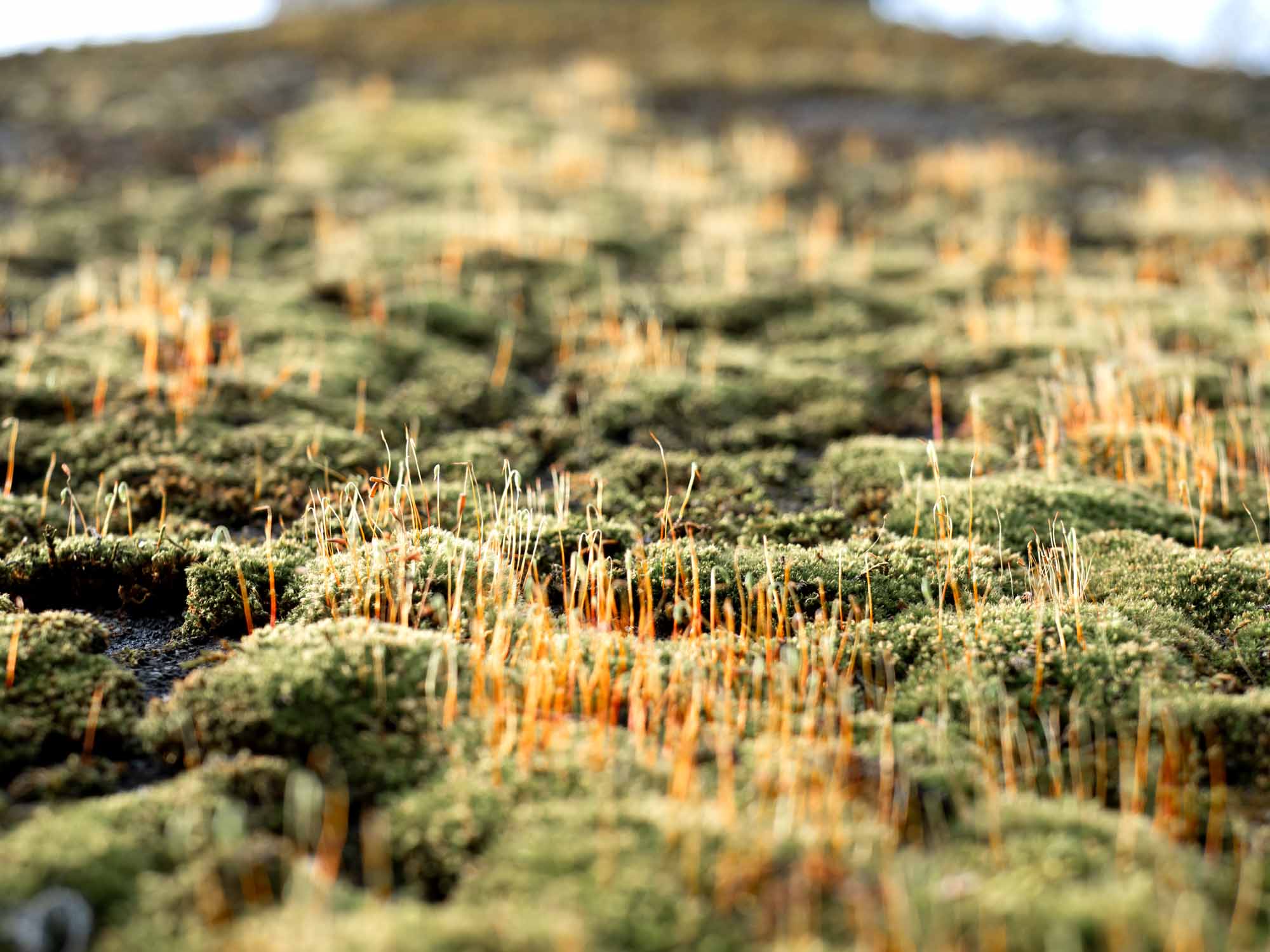
What happens when the concepts we have formed no longer apply? When we say ‹nature›, but nature is not addressed or does not understand itself to be addressed? The sociologist and philosopher Bruno Latour, who died in October 2022, in one of his last works, developed the thesis that we have not yet landed on earth. He proposes a new political force that could break open and unite the hardened opposition between populists and progressives. The work appeared in 2017…
Johannes Nilo · 27. Apr.