7 Beiträge · Ausgabe 18/2023
Editorial
Issue 18/2023Sieben Visionen für die Anthroposophische Gesellschaft
Es war eine kluge Komposition: Zu Beginn der Generalversammlung warf Peter Selg einen Blick auf Rudolf Steiners Vision einer Anthroposophischen Gesellschaft. Sieben Wünsche, Hoffnungen und Bitte destillierte er aus Steiners Ansprachen, Hinweisen und Schriften heraus, wie die Mitglieder seiner Gesellschaft sich engagieren sollten. Ein Begriff leuchtete dabei hervor: ‹Interesse›, und zwar dreifach: füreinander, für die anthroposophischen Unternehmungen wie Schule, Arztpraxis und Hof und für das Schicksal der Welt. Dieser Ruf nach ‹Interesse› lenkte den Blick vom Persönlichen zum Wesentlichen, vom Kleinen zum Grossen. Ich freue mich, dass Peter Selgs Ansprache jetzt hier zu lesen ist.
Weitere Beiträge
7 Beiträge
Im Fokus
What Have I Observed at Teachers’ Conferences?
“If colleague Z says one thing, I can guarantee that colleague Y will say the opposite in response; and if colleague O says something, I stop listening altogether, because it’s always the same and always takes too long.” Our habits are not only mirrored in the classroom but also in real life; even deeper habits sit in our thought processes—in our thinking habits, in our listening and responding habits. In person-to-person conversation, these habits are not as consciously perceived because…
Christof Wiechert · 04. Mai
History
“Energetic and Strong-Willed”
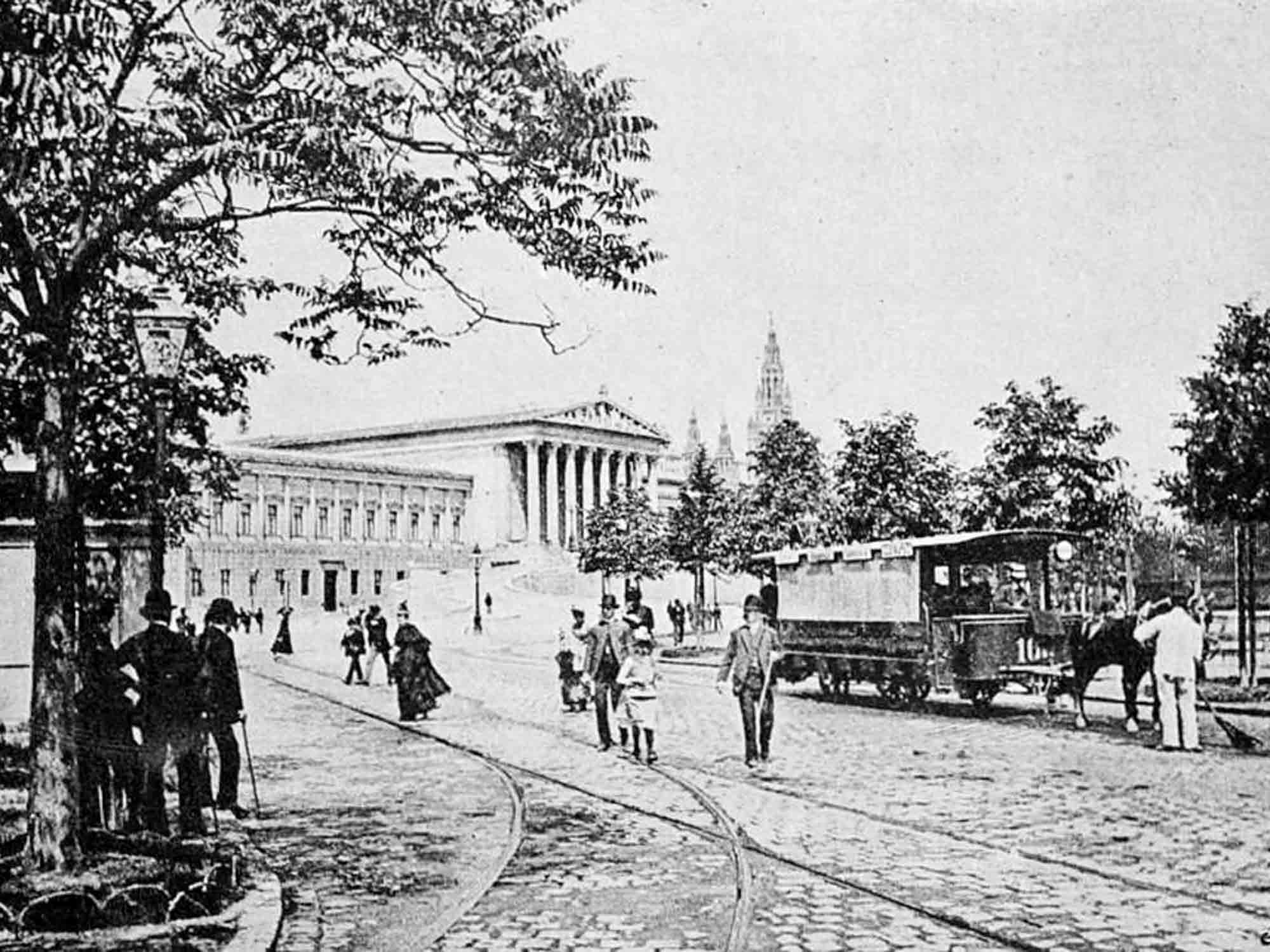
Marginalia on Rudolf Steiner’s Life and Work 26 In his Autobiography, Rudolf Steiner wrote in detail about a personality who would later turn both against him and Anthroposophy: the “liberal politician” Dr. Heinrich Fränkel (1859–1939), “an adherent of Eugen Richter and politically active in the same spirit.” Richter represented the Deutsche Freisinnige Partei (German Liberal Party) which was critical of the government and economically liberal. In 1893, he founded the even more leftist Freisinnige Volkspartei (Liberal People’s Party). Fränkel, who came…
Martina Maria Sam · 04. Mai

History
Steiner’s Vision for the Anthroposophical Society
Having been asked what kind of vision Rudolf Steiner developed in 1923 for the Anthroposophical Society after the Goetheanum burned down and on the way to the Christmas Conference – an Anthroposophical Society fit for the future, which makes possible, deserves and needs a second Goetheanum – I will briefly report on what was important, indeed essential, to him in doing so. Friedrich Wilhelm Schelling wrote in his 1811 work ‹The Ages of the World›: «The past is known, the…
Peter Selg · 04. Mai
Consciousness
Hypermoralism Kills Freedom
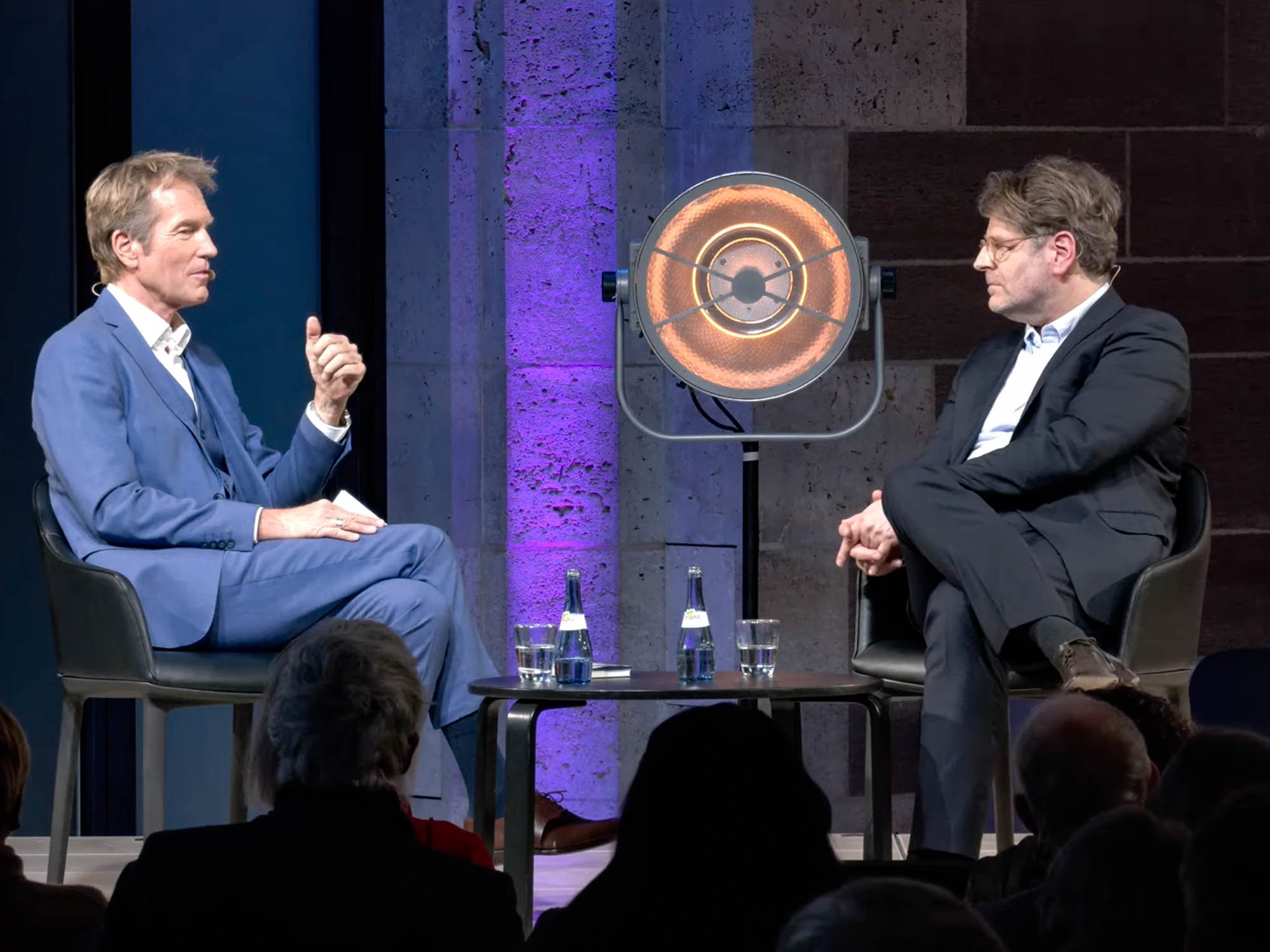
As part of its series on Humanity, Development and the Future, the Mahle Foundation invited the philosopher and journalist Alexander Grau, who has been critical for some time of the current “hypermorality”. Grau speaks of the victory of morality over reason and wonders if we are dealing with a modern form of the inquisition. Below are a few passages from and about the conversation. We like to make the point that Germany is a country that guarantees freedom of speech.…
Gilda Bartel · 04. Mai
Pedagogy
A Day at Ümüt-Nadjeschda
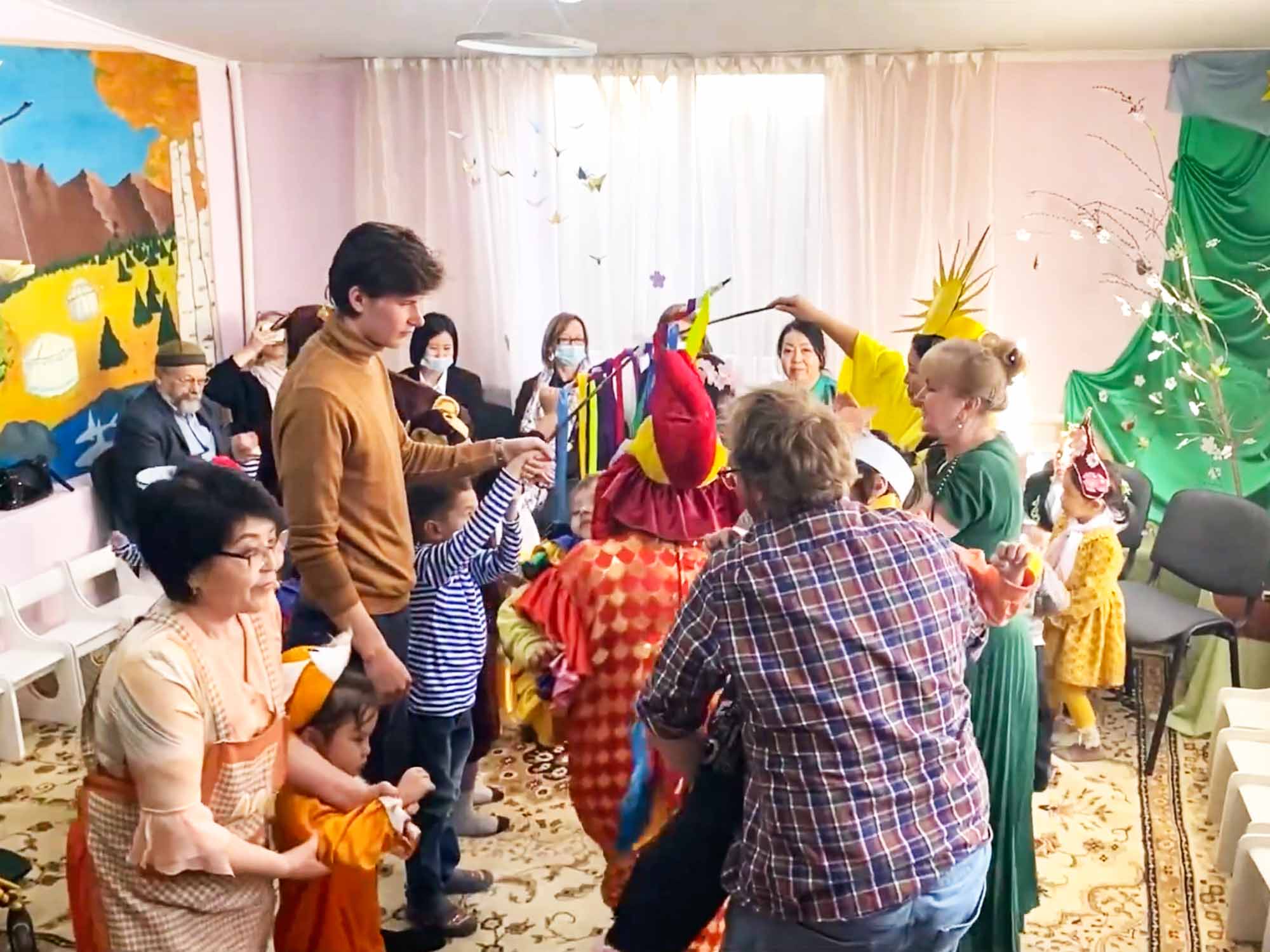
A film about life and work at the Ümüt-Nadyezhda Children’s Centre. In 2022, young people spending a year in Kyrgyzstan as part of an international voluntary service made a wonderful film about the Ümüt-Nadjeschda Children’s Centre, which can be viewed on the website of the Anthroposophic Council for Inclusive Social Development. Founded in 1989 by Karla Maria and Igor Schälike, the centre offers a wide range of activities: four inclusive kindergarten groups, a curative education school with four classes, residential…
Redaktion · 04. Mai

General Anthroposophy
100 Years of the Anthroposophical Society
The 100th anniversary of the Anthroposophical Society is being celebrated in Germany. From June 23-25, the annual conference of the Anthroposophical Society in Germany will take place at the Anthroposophical Centre in Kassel. In addition to looking back at the founding impulses, we will consider the present “with appreciative clarity” and take a probing, questioning look towards the future. There will be 14 different working groups, as well as a plenum which will participate in the shaping of the society.…
Franka Henn · 04. Mai
Agriculture
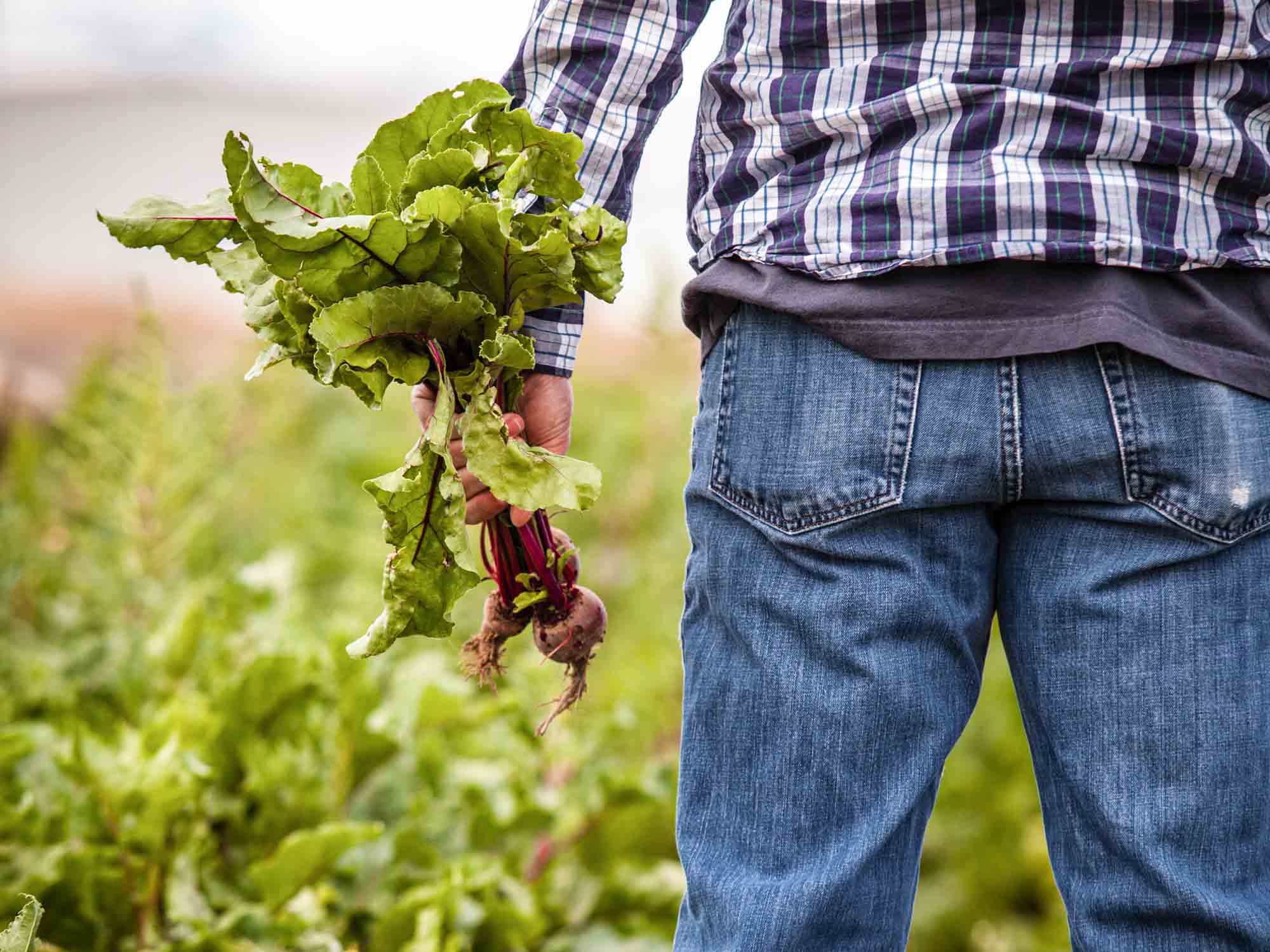
How Can Farms Successfully Continue?
The Platform for Agricultural Socioeconomics analyses the transfer of family farms and identifies knowledge gaps and the need for action. The platform, which brings together scientific research with agricultural institutions and organizations, is critical of the the fact that the social dimension hardly ever features in the current debate on the transformation of agriculture. In a discussion paper, it has analyzed the generational change in family farms and the need for action regarding science, consultation, and politics. The work was…
Redaktion · 04. Mai