10 Beiträge · Ausgabe 20/2023
Editorial
Issue 20/2023Der Teich von Narziss – Über künstliche Intelligenz
Technische Entwicklungen geschehen oft in drei Phasen: Erst erscheint das Neue im Kleid des Alten – motorisierte Kutschen. Dann verändert das Neue die Alltagswelt – die Dampfmaschinen entfachen die Industrialisierung. Schließlich befreien wir uns von der Knechtschaft, dem Schattenwurf der technischen Befreiung, wir müssen Maschinen nicht länger überwachen und steuern, das tun sie selbst. In der künstlichen Intelligenz beginnen Maschinen, uns ihre Entwicklung abzunehmen. Welchen Preis zahlen wir für diese Befreiung? Um ihn in den nächsten Jahren zu bestimmen, lohnt es sich zu verstehen, was künstliche Intelligenz ist, welche Grenzen sie sprengt und welche Grenzen ihre Natur sind. Dafür ist der Beitrag des Philosophen David Bentley Hart aus dem Land der Computerentwicklung USA ein Beitrag.
Weitere Beiträge
10 Beiträge
Im Fokus
How Do I Want to Think Today?
Car, motorcycle, electric bike, and on foot – these are the different methods of transport available to me for my three-kilometre trip to the Goetheanum. Four ways of moving at four different speeds, four different relationships to the environment, four forms of experience, four ways of arriving, with four different ecological consequences. Listening to the news and staying dry is only possible in a car, while being fast works well on a motorcycle. Being fast but with a better ecological…
Wolfgang Held · 19. Mai

Literature
What Does Steiner Mean by ‘Intuition’?
Rudolf Steiner sharply distinguishes the spiritual meaning of the term ‘intuition’ from its everyday usage. If one generally associates the word with a somewhat unclear, unconscious, and emotional intuition, then intuition in anthroposophy is comparable to the clear, pure concept of a mathematical theorem. ‘Intuition’ is the first supersensory form of cognition mentioned by Rudolf Steiner, in the introductions to Goethe’s scientific writings (contained in GA 1.) Goethe’s concept of intuition leads back to two thinkers: Kant and Spinoza. Rudolf…
Rudolf Steiner · 19. Mai

Healing Arts
You Healing Spirits
Although Rudolf Steiner didn’t give a special meditation for pharmacists, they like to use the meditations he gave to the medical community. A meditation that I personally like to use in my preparation of medicinal plants—especially when sorting, crushing and mortaring—comes from the fourth lecture in Meditative Contemplation and Guidance for Deepening the Art of Healing (Dornach, January 5, 1924, in Course for Young Doctors, GA316.) There, Rudolf Steiner describes how the physician should cultivate access to nature in order…
Vesna Forštnerič Lesjak · 19. Mai
History
Waldorf Education for Czechoslovakia
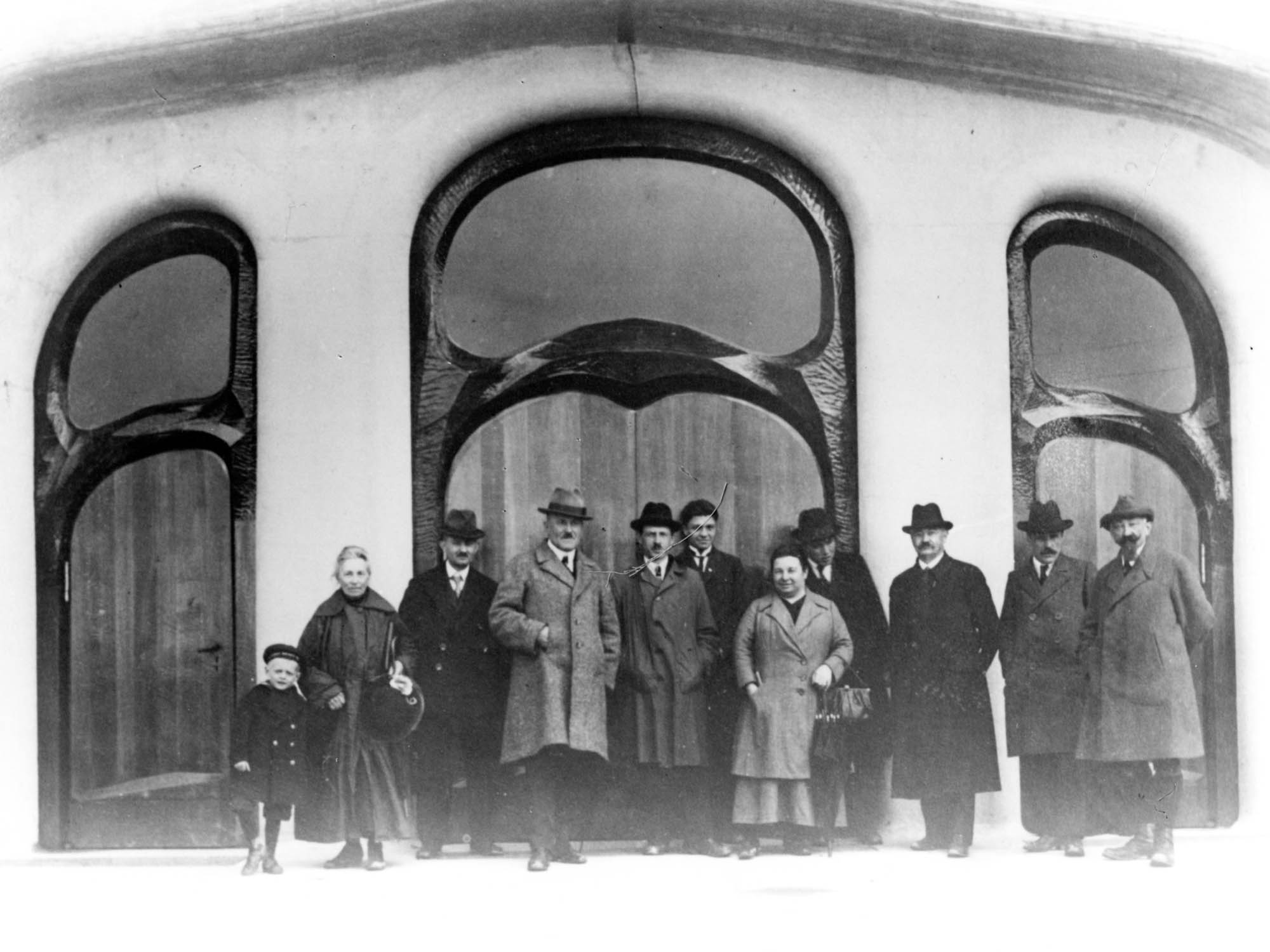
From April 15 to 22, 1923, a course for Swiss teachers was held in the carpentry workshop (Schreinerei) right next to the ruins of the burnt down first Goetheanum. A group of Czech teachers also travelled to Dornach for the course. During that week, Rudolf Steiner gave eight lectures (GA 306) and additional talks were given by Walter Johannes Stein, Ernst Blümel, Hermann von Baravalle, and Caroline von Heydebrand. An article in the Bern school newsletter (Berner Schulblatt) described the…
Tomáš Zdražil · 19. Mai

Philosophy
The Pool of Narcissus
…and when he sought to quench his thirst, another thirst arose; and when he drank, he was captivated by the image of the form he saw—he loves a bodiless hope, he mistakes for a body what is only a shadow…[Dumque sitim sedare cupit, sitis altera crevit,dumque bibit, visae correptus imagine formaespem sine corpore amat, corpus putat esse, quod umbra est …] Ovid, Metamorphoses, Book III According to Ovid—whose version of the tale is the loveliest, most wistful, and most touchingly…
David Bentley Hart · 19. Mai

Consciousness
Unlived Life and Destiny
He (The Lord) said to Abram:Go from your country, your people and your father’s household to the land I will show you. Thomas Fuchs, in an essay, writes about the dimension of the “unlived life” and its relevance with regard to accounting for life in the face of approaching death. Drawing on aspects set out by Viktor von Weizsäcker, he deals with the discrepancy that can be found in many biographies between the original life plan and the shape of…
Peter Selg · 19. Mai
Society
The Courage to Confront Materialism
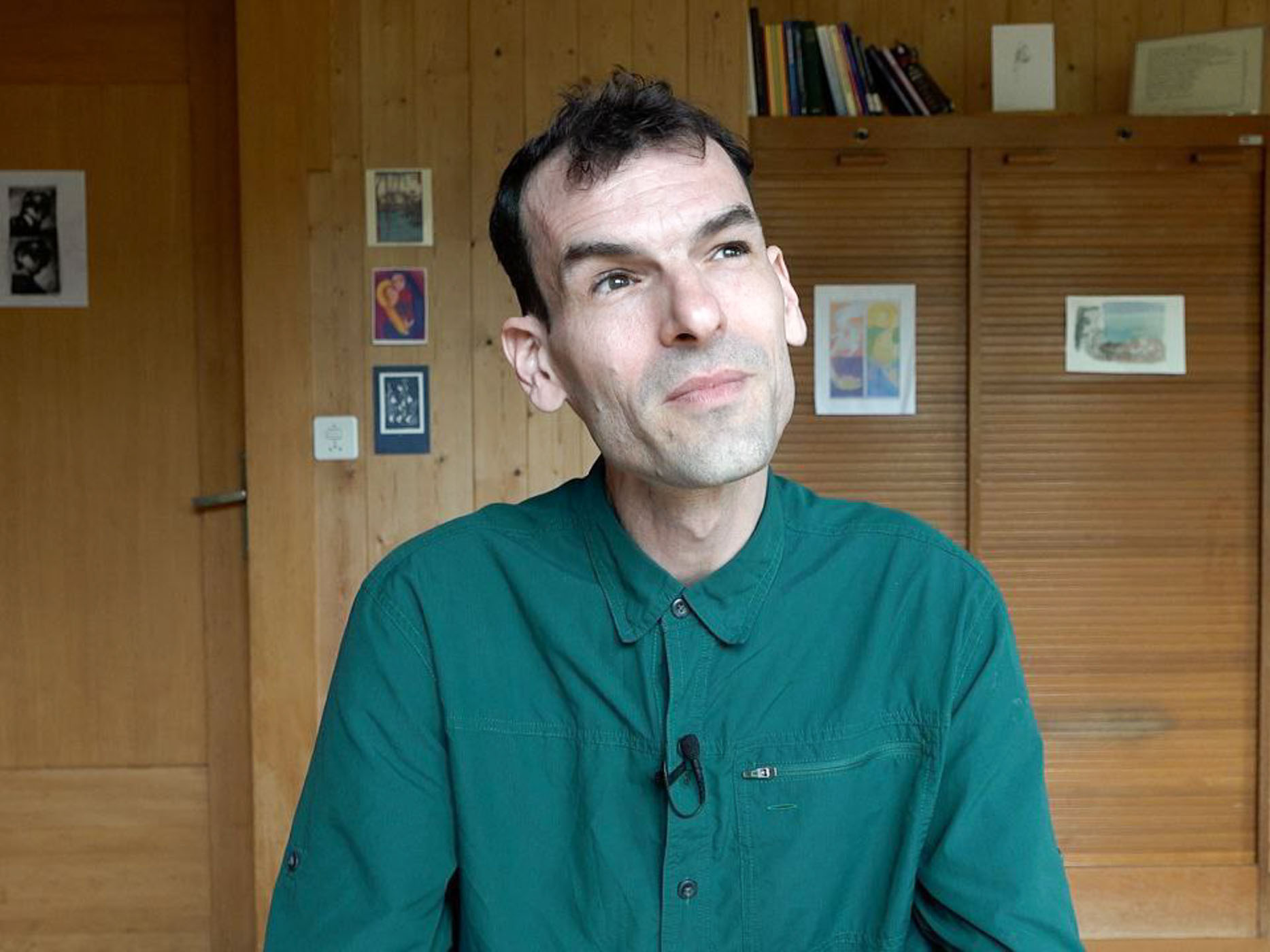
Nathaniel Williams, head of the Youth Section, has created a new and forthcoming podcast and video series called «Questions of Courage», in collaboration with the Weekly Journal and Goetheanum TV. We will publish excerpts of his podcasted conversations here. In the first episode, he will introduce us to the concept of Courageous Questioning that inspired the series’ title. It’s a paradox that today, perhaps, people in the United States and in Europe are more open and interested in spirituality, and…
Nathaniel Williams · 19. Mai
Youth
Individual Freedom in Service of the Whole
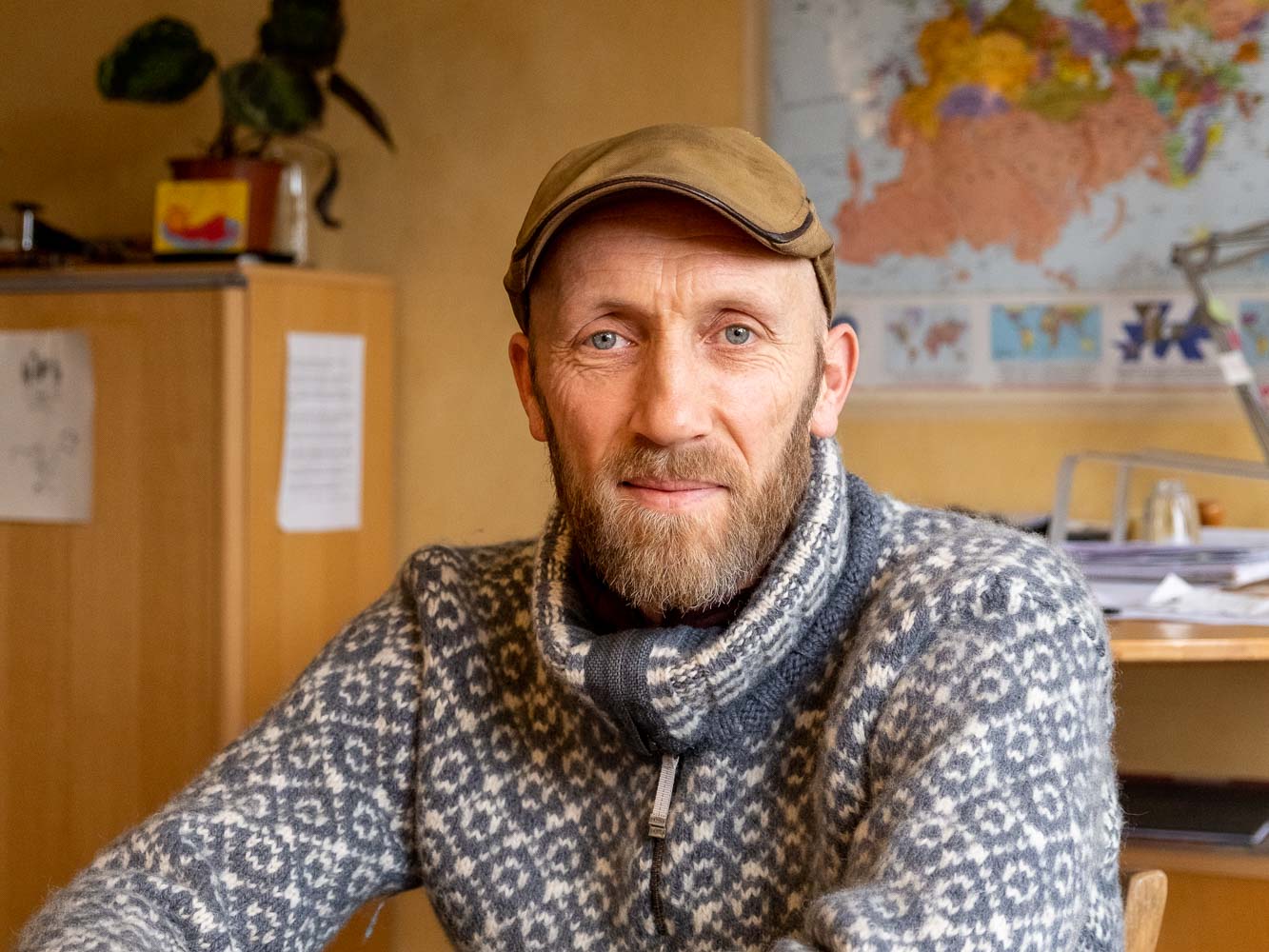
An interview with Reinoud Mejier of YIP: the International Youth Initiative Project, in Järna, Sweden, by Nicole Asis. How did YIP evolve from its founding impulse to the program it is today? The story that I hold for it is that YIP is founded at the Goetheanum. Our statutes even states that it started at the Youth Section: Dorneckstrasse 1, Dornach, Switzerland. This idea stemmed out of the questions “Can you learn while you do? Can you do while learning?“…
Reinoud Meijer · 19. Mai

Eurythmy
Trauma and Growth
A one-week further training course for those working with trauma. Following this year’s well-attended online trauma conference, the Eurythmy4you face-to-face event will take place this summer in London. From July 21-27, those interested are invited to St Paul’s Steiner School to work with Theodor Hundhammer and other therapists on the theme of ‘Trauma and Post-Traumatic Growth’. There will be particular focus on the question of the spoken word and how eurythmy can work in this context. Andrew Wolpert will use…
Franka Henn · 19. Mai
Consciousness
Love and Crisis
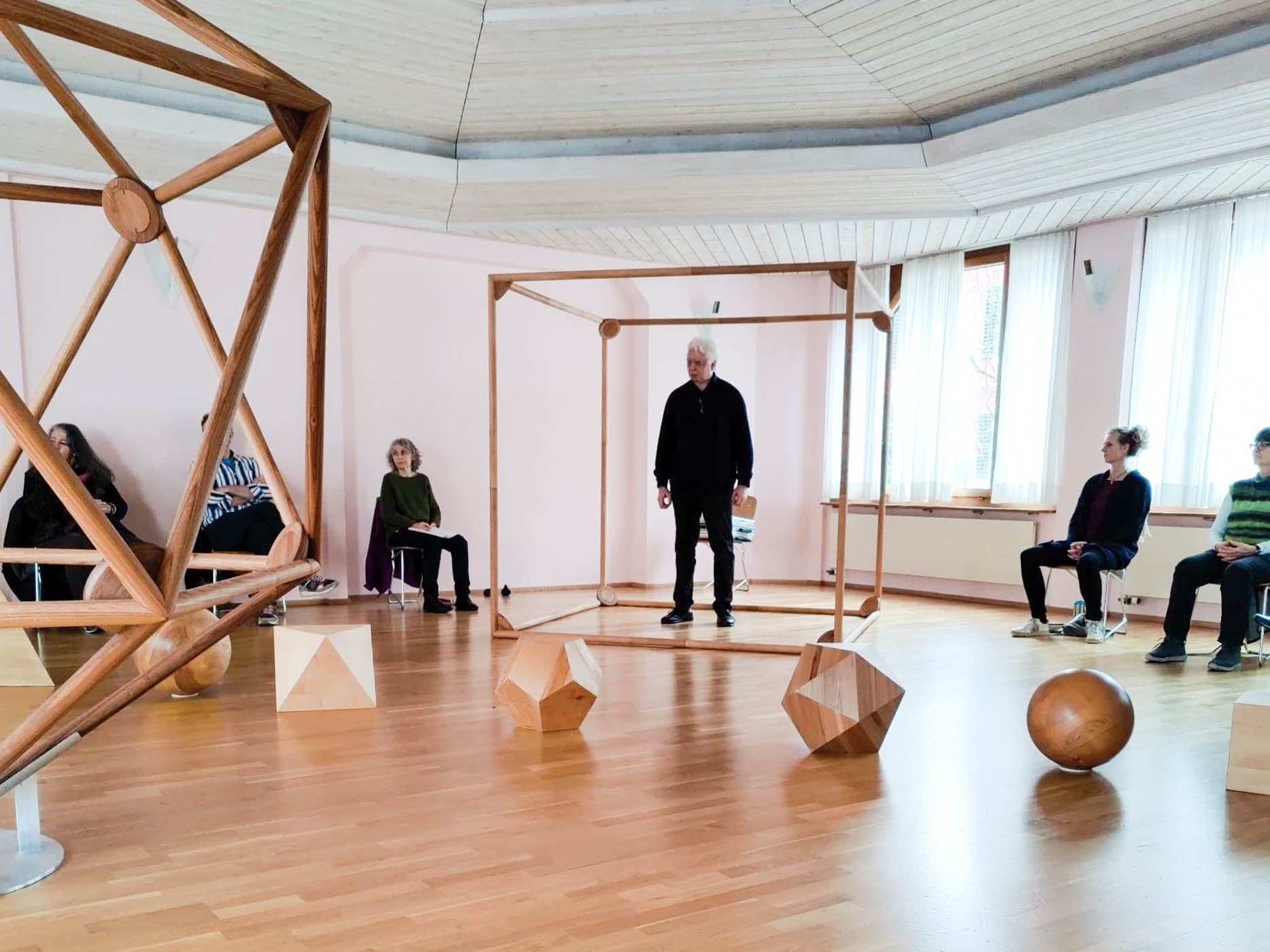
From July 14-17, the Anthroposophical Summer Conference will once again attract participants with a rich program on the topic of ‘love.’ A new aspect of the conference format is the forum, where participants will be able to contribute their own impulses and ideas; the conference will be moderated by Simon Andreas. Wolf-Ulrich Klünker will speak about relationships and depression, Ateş Baydur about psychotherapy and the path of inner development, Markus Osterrieder about waking consciousness. There will also be an artistic…
Franka Henn · 19. Mai