40 Beiträge · Ausgabe 24/2022
Editorial
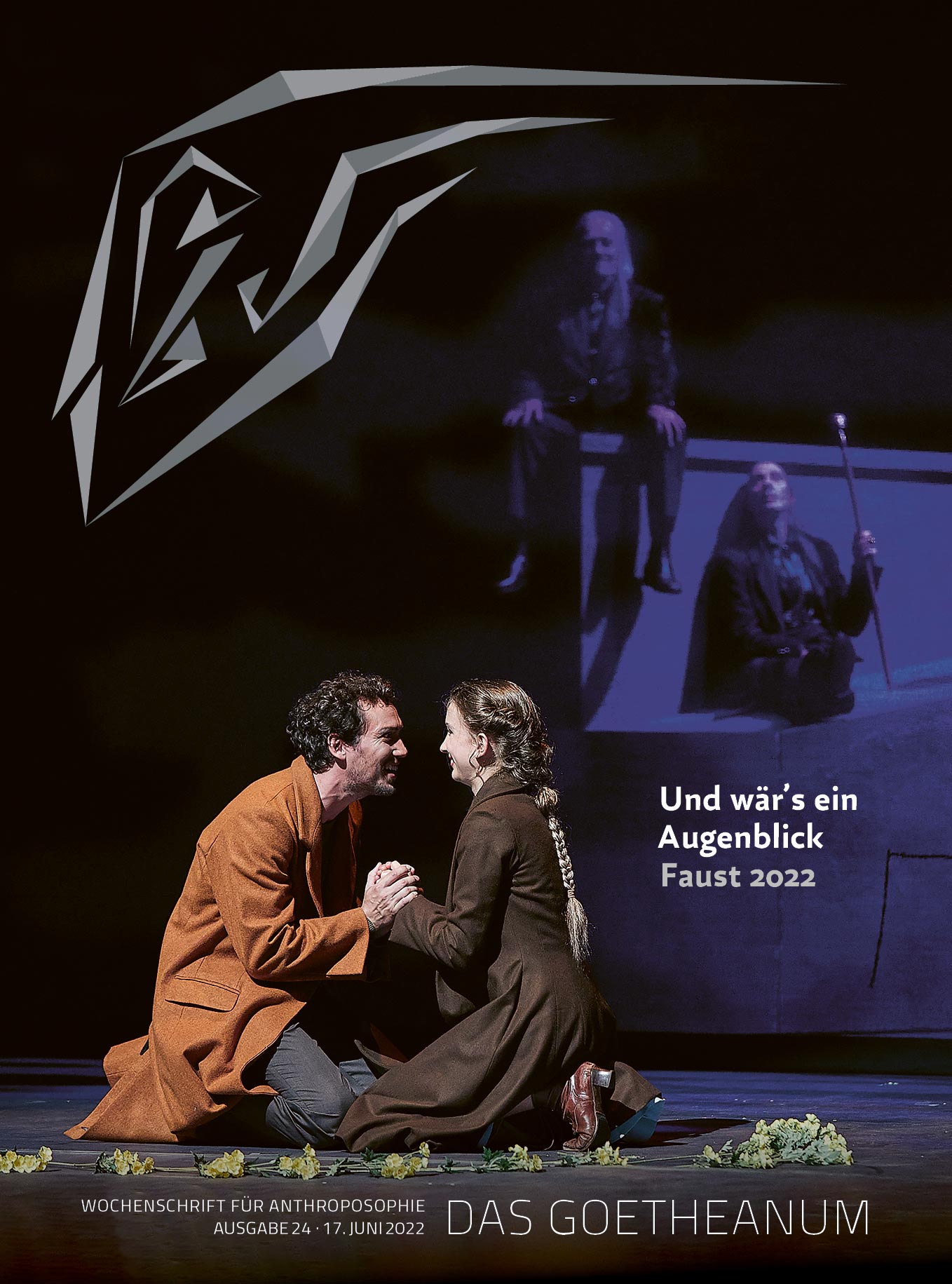
Issue 24/2022Und wär's ein Augenblick – Faust 2022
Goethes ‹Faust› auf die Bühne zu bringen, gehört zu den schönsten Aufgaben des Goetheanum. In vier Wochen ist es wieder so weit. Kürzlich hat die Regisseurin des ‹Faust› Andrea Pfaehler dazu im Scala Basel einen Vortrag gehalten. Wir haben daraus einen Artikel gemacht und möchten so Ihr Interesse für das Bühnenereignis wecken, zu einem der drei ‹Faust›- Wochenenden ans Goetheanum zu kommen.
Mit herzlichem Gruß aus der Redaktion.
Weitere Beiträge
40 Beiträge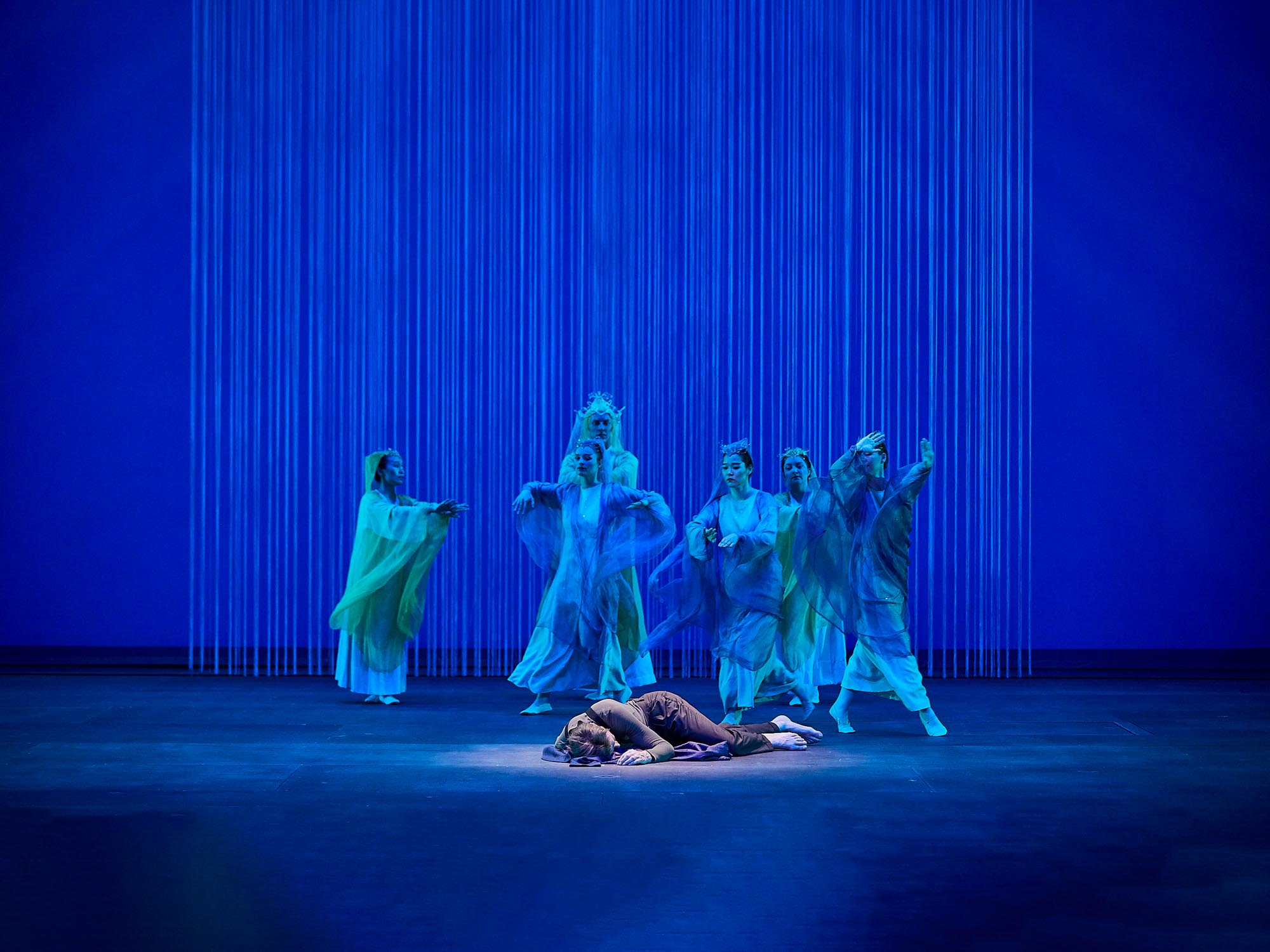
Im Fokus
The Three Heavens
Thee heaven appears in ‹Faust› three times: at the beginning, when God and Mephisto negotiate the soul of Faust, at the end when Faust ascends, and in the middle when Gretchen calls the heavenly ones to herself in the dungeon. It is the way from the fatherly, ordering heaven to the benevolent, feminine reason, the Earth, Mater, becomes the new heaven. If at the beginning the Lord has the word, at the end the Mater has it. In between lies…
Wolfgang Held · 16. Juni

Philosophy
What Do I Mean By Death?
In their sleep, human beings enter a world from which they supply their life body with the forces that strive to renew the physical body again and again. If these forces are no longer sufficient, the physical body dies. – In death, human beings enter a world from which they get the power to rebuild a physical body from scratch. Partial renewal is replaced by a total renewal. Just as human beings fall asleep so that partial renewal can take…
Christof Lindenau · 16. Juni
About Rudolf Steiner
“This Life Had Profound Tragedy”
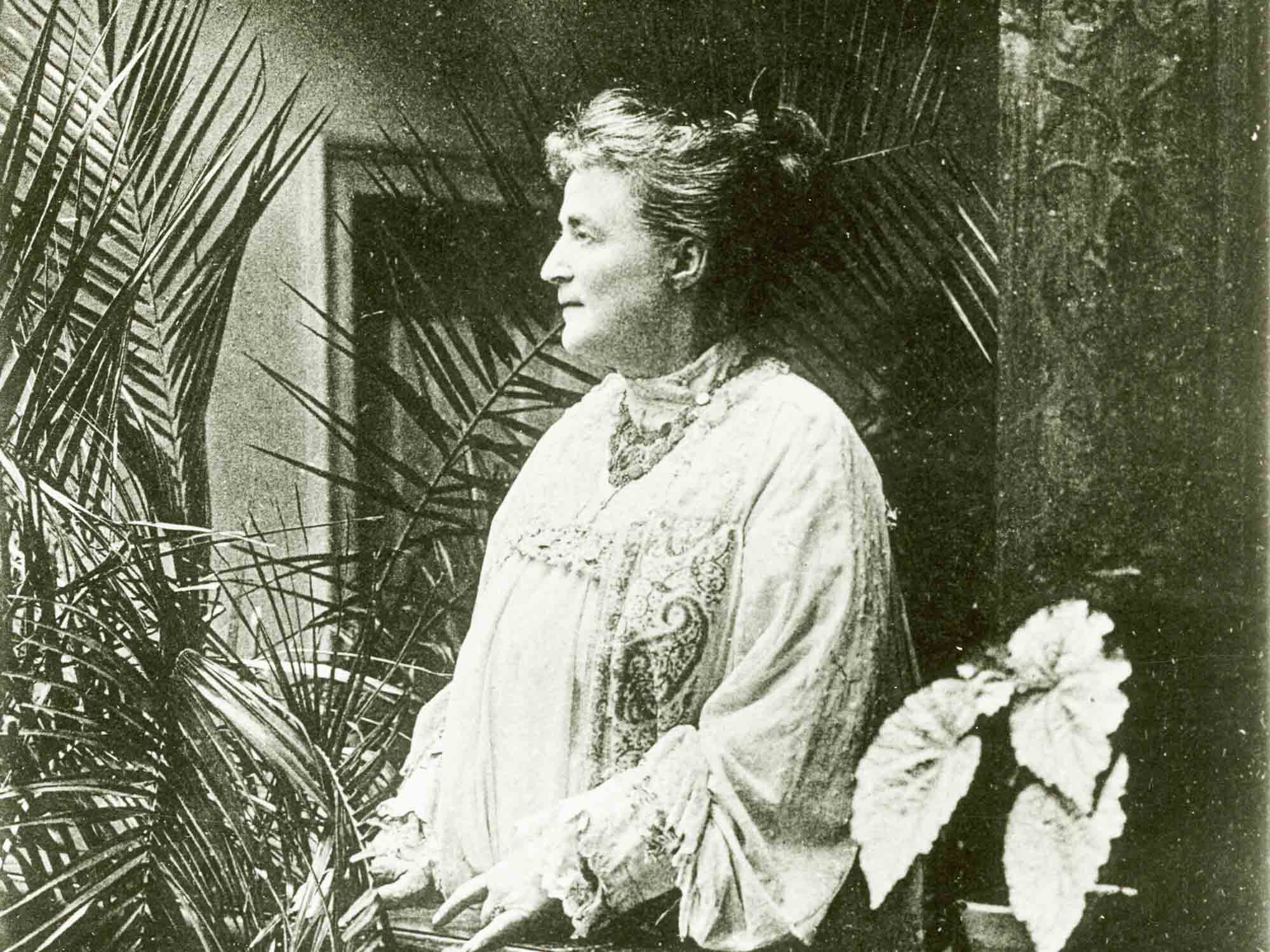
The life of Helene von Schewitsch was so incredibly dramatic, so full of twists and turns, and populated with so many of her famous contemporaries that if this extraordinary woman’s biography were a novel, much of it would be considered a complete exaggeration. Alfred Meebold described “her indomitable temperament, her perpetually lively intellect, . . . her empathy, which was instantly implemented as either sympathy or antipathy, her lively imagination . . . . All this contained, as I understand it, an enormously strong urge for freedom.…
Martina Maria Sam · 16. Juni
Astrology
Growth Will Be Internal
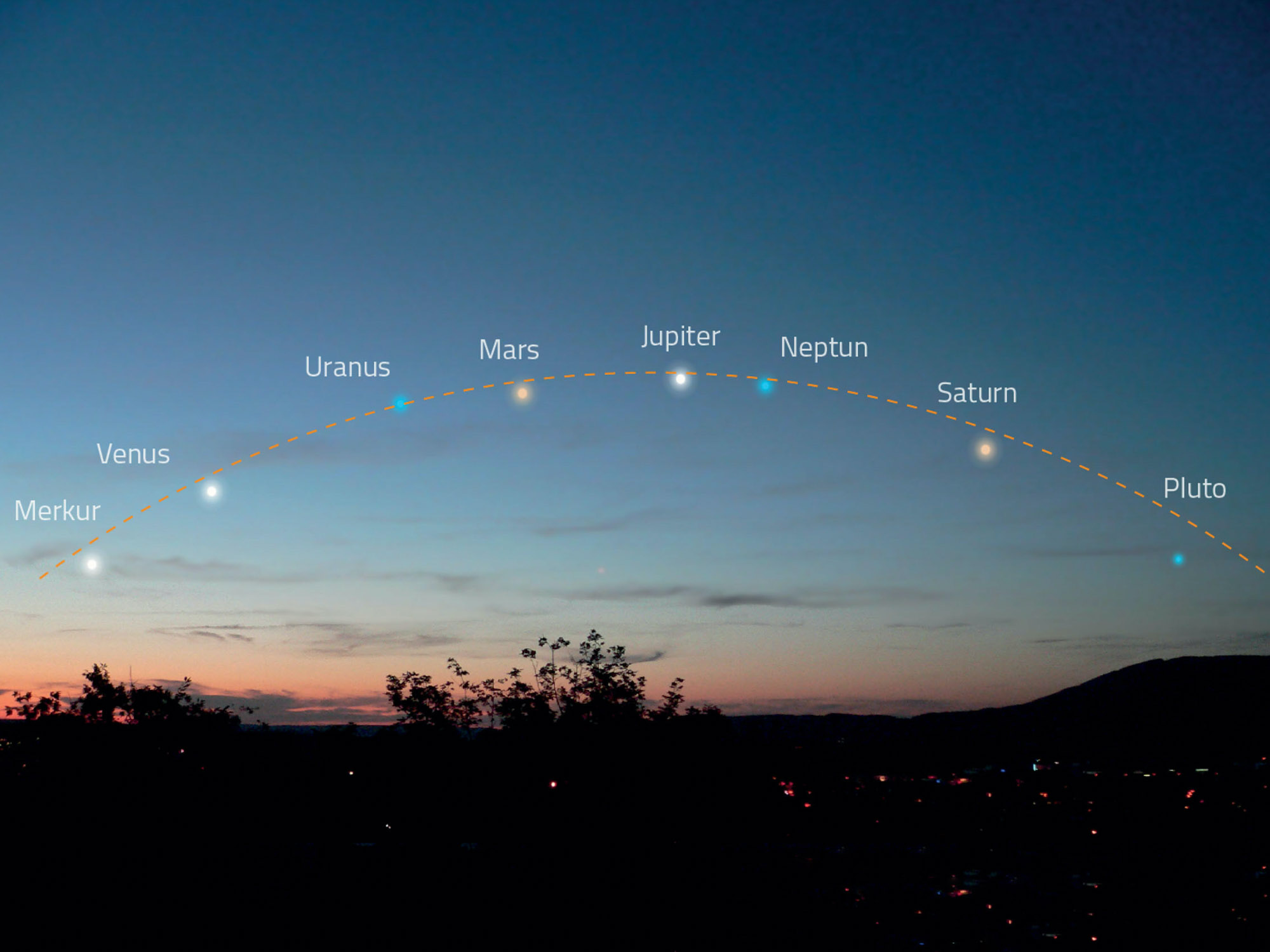
What is the most beautiful moment in a conversation? Probably, when new words and thoughts suddenly emerge from listening. It is the turning point when you no longer talk to each other, but the word of the other brings something new in your own soul to birth. This is a Johannine moment because St. John is the celebration of repentance. The sun cannot rise higher. Growth is now becoming inner growth. «He has to grow, but I have to lose…
Wolfgang Held · 16. Juni
Theater
Parsifal In Taiwan
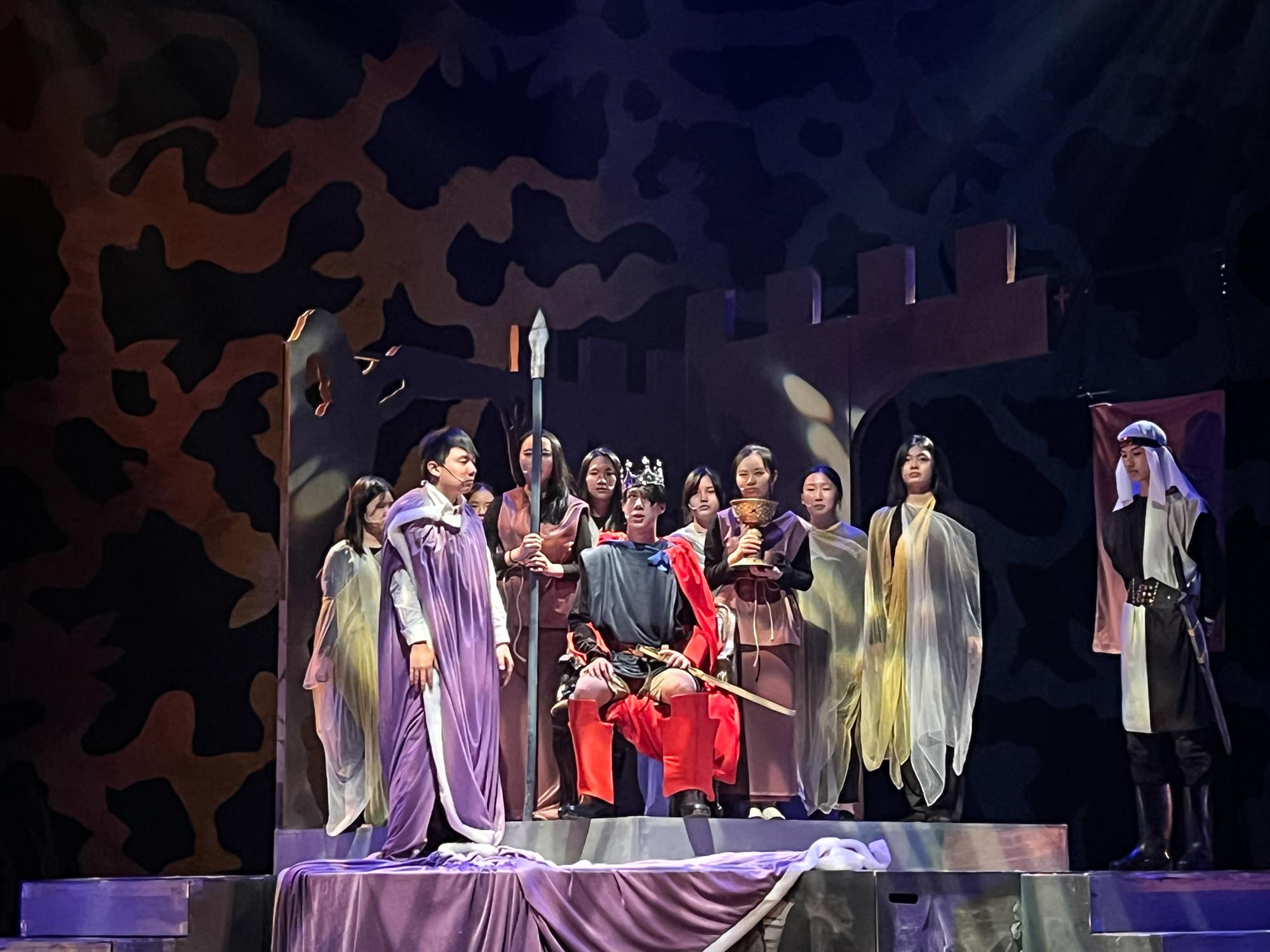
The Lei Chuan Waldorf School in Taichung has been intensively rehearsing since May, and on June 8, 2022, the first performance of ‹Parzifal› in Taiwan took place in the city’s theatre. How did this come about? «We wanted to find out whether this story we had heard about helps our students in their development» was the motif six years ago. The first attempts were made for an era in the 11th grade, which was further developed every year. The Parzifal…
Jörg Peter Schmidt · 16. Juni
Announcements
Social Threefolding As A Peacemaker
Also this year, the call to celebrate the day of social threefolding on June 26, 2022, and network. Developments take place in rhythmic processes. Always after about 100 years, matters can be looked at anew and be led to increases. The ‹Year of Social Threefolding 2022› offers the opportunity to bring this idea into the center of society. «It is worthwhile to deal with the social threefolding, also for the sake of peace,» says Magnus Schlichtig, initiator of this day.…
Gilda Bartel · 16. Juni
Painting
Zvi Szir Art Classes in the US
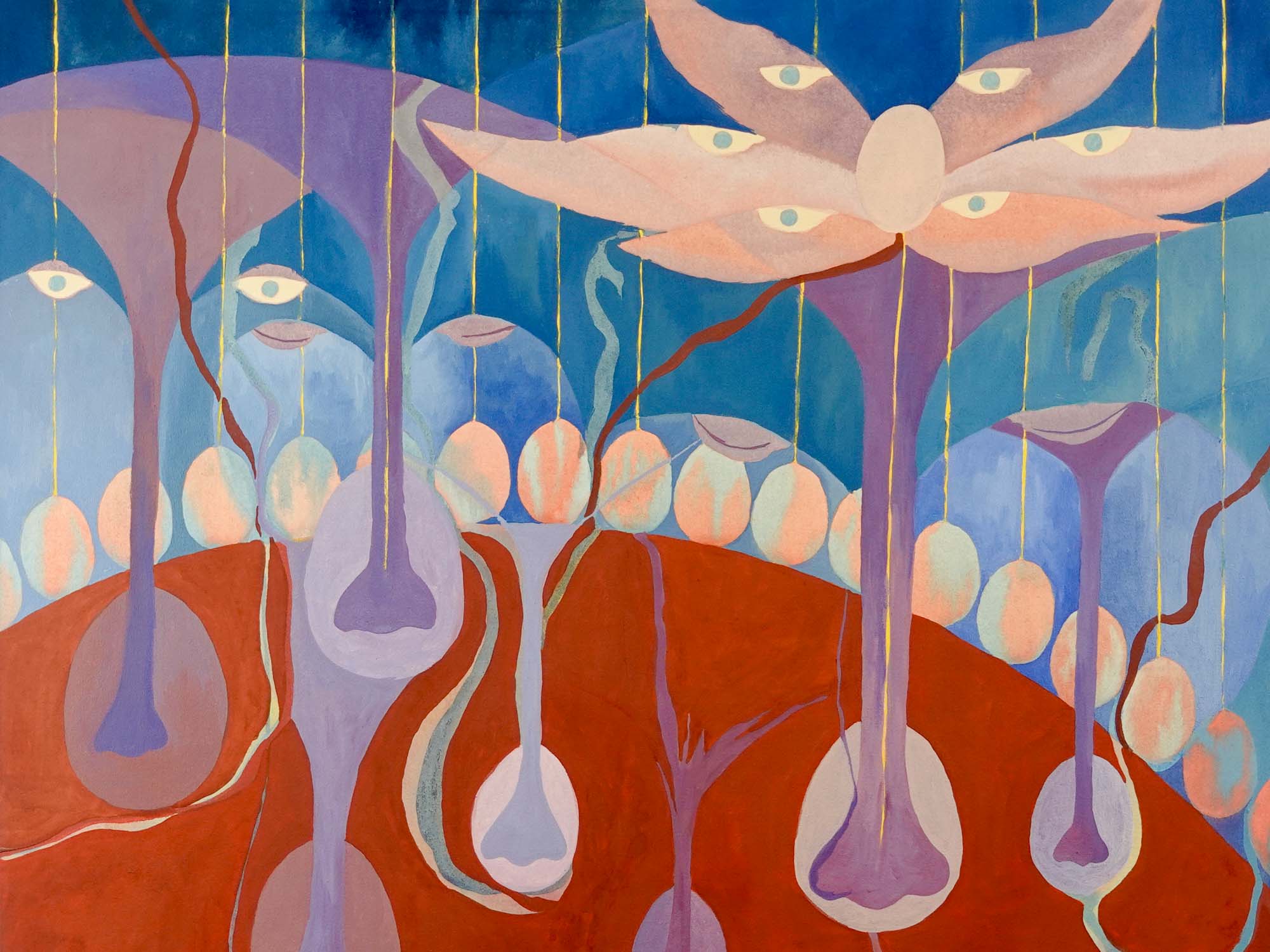
Free Columbia, a cultural center for art and Anthroposophy in Hudson, New York, USA, is offering a rare opportunity to experience the lively and deeply esoteric work of Zvi Szir. Zvi Szir is a co-founder and director of the newARTschool in Basel, Switzerland, where he has been teaching painting, contemporary art, and Anthroposophy for the last 24 years. He is a painter, writer, and lecturer. Zvi will be leading courses in painting over three weeks this summer. Attendees will be…
Gilda Bartel · 16. Juni
Column
Who Is Enthroned Above
«Who is he up there?« ask visitors, pointing to the small winged creature that Rudolf Steiner recently placed at the top of his wooden sculpture. The wingman towers over all the dramatic events and gives the nine-meter-high (29.5 feet high) sculpture its balance. I first point to Lucifer: «This figure is related to itself! Wings, hands, and head are turned inwards. He is close to himself and far from the world.» Then the eyes wander to the bony figure below,…
Wolfgang Held · 24. Juni

General Anthroposophy
The School of Spiritual Science
Recently the scientific character of Anthroposophy has been often publically questioned or denied in principle. The Goetheanum and other Anthroposophical institutions have attempted to respond to this, knowing full well that the accusations are part of an overall social context and are often more an instrument and method of deflection or defamation than an expression of a genuine interest in knowledge or a desire for truth. The Goetheanum sees itself as a School of Spiritual Science with various departments (Sections),…
Peter Selg · 24. Juni
Society
It’s No Laughing Matter!
A serious study on the role of humor in pedagogical practice. It prevents blockages, regulates the heat balance, helps with proper breathing, and even leads to new hair growth. It’s no laughing matter!! If the Paris metro does not run every three minutes during rush hour, thousands of people will be stuck in underground passages. The anger and annoyance at those responsible for these conditions condense into tremendous pressure in each stuck individual, accumulating in the arteries, muscles, larynx, and…
Philipp Reubke · 24. Juni
Literature
What Do I Mean By Rhythm?
Rhythmic processes can be understood as vibrational phenomena, as they are also described physically using the example of mechanical vibrations. In addition, one will have to look for the peculiarity of vibrations in the realm of the living, for which physical vibrations can only have a model character. Thus, rhythm can be understood as a continuous movement between polar opposites, which is regularly repeated in similar time conditions. Going through the opposites results in emphasis. Their connection through the movement…
Bernd Rosslenbroich · 24. Juni
Retrospective
An Unwilling Editor
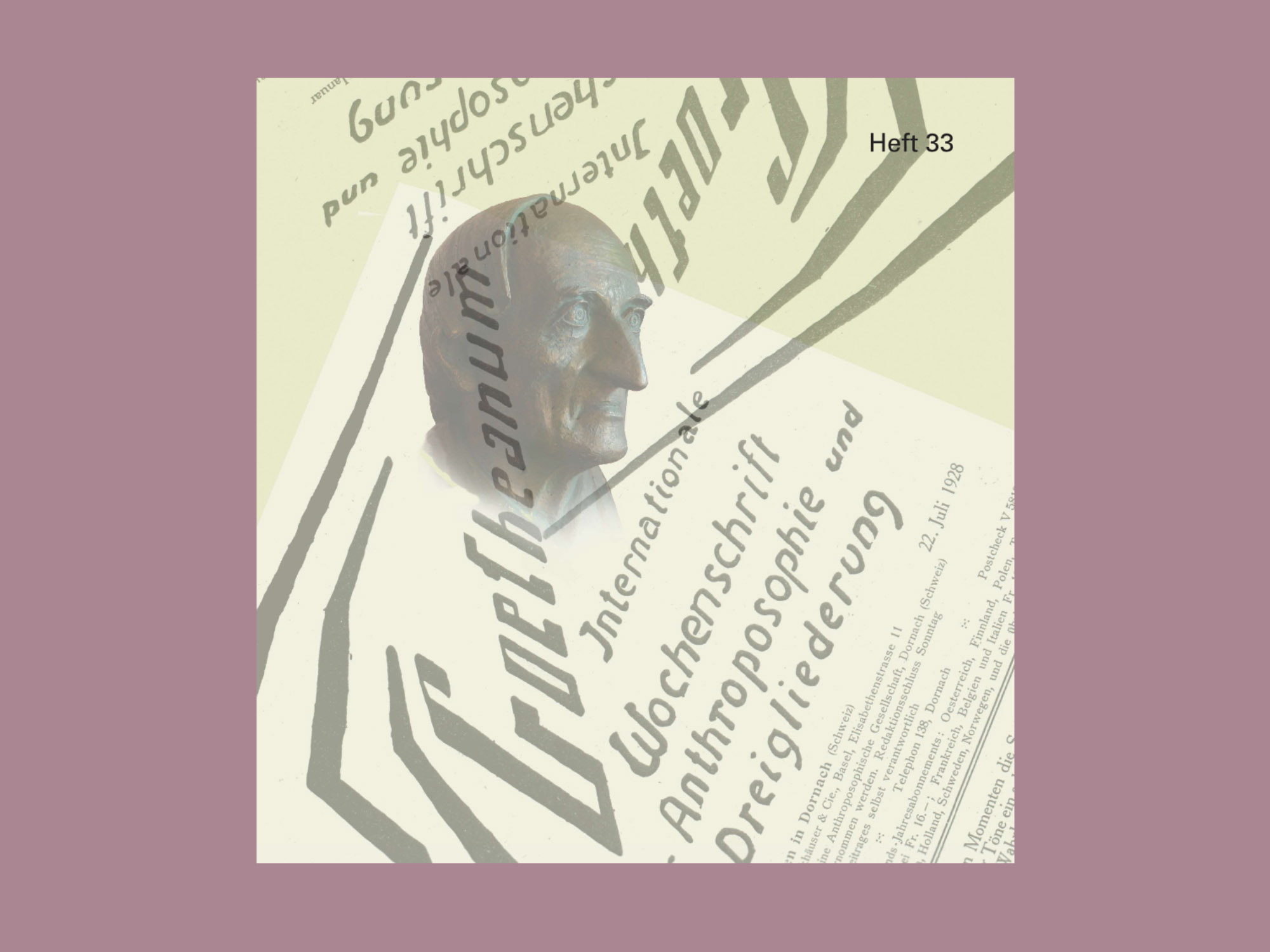
Albert Steffen took over editorship of the weekly journal ‹The Goetheanum›, founded in 1921. The personal tragedy associated with this was described in detail by Ruedi Bind in the last study booklet published by the Albert Steffen Foundation. It impresses with a rich selection of documentary evidence – especially the many excerpts from Steffen’s diary, which is an invaluable testimony for understanding the history of the Anthroposophical movement. Due to these statements by Steffen, which are touching because of their…
Alexander Lüscher · 24. Juni
Society
Room To Be At Ease
Laughter is an experience the spirit makes, and there has been a work group for clowns at the Section for the Performing Arts since September 2021. Who should know best about humor than those, whose vocation is to make people laugh. Gilda Bartel inquired about their work and their thoughts. What happens when laughing, that is, in your workshops? Catherine Bryden, alias Carrottini Milton Berle said: «Laughter is an instant vacation.» Angela Hopkins asks in the movie ‹Annika›, «When was…
Sebastian Jüngel, Catherine Bryden, Debora Kleinmann und Robert McNeer · 24. Juni
Agriculture
Young and Organic
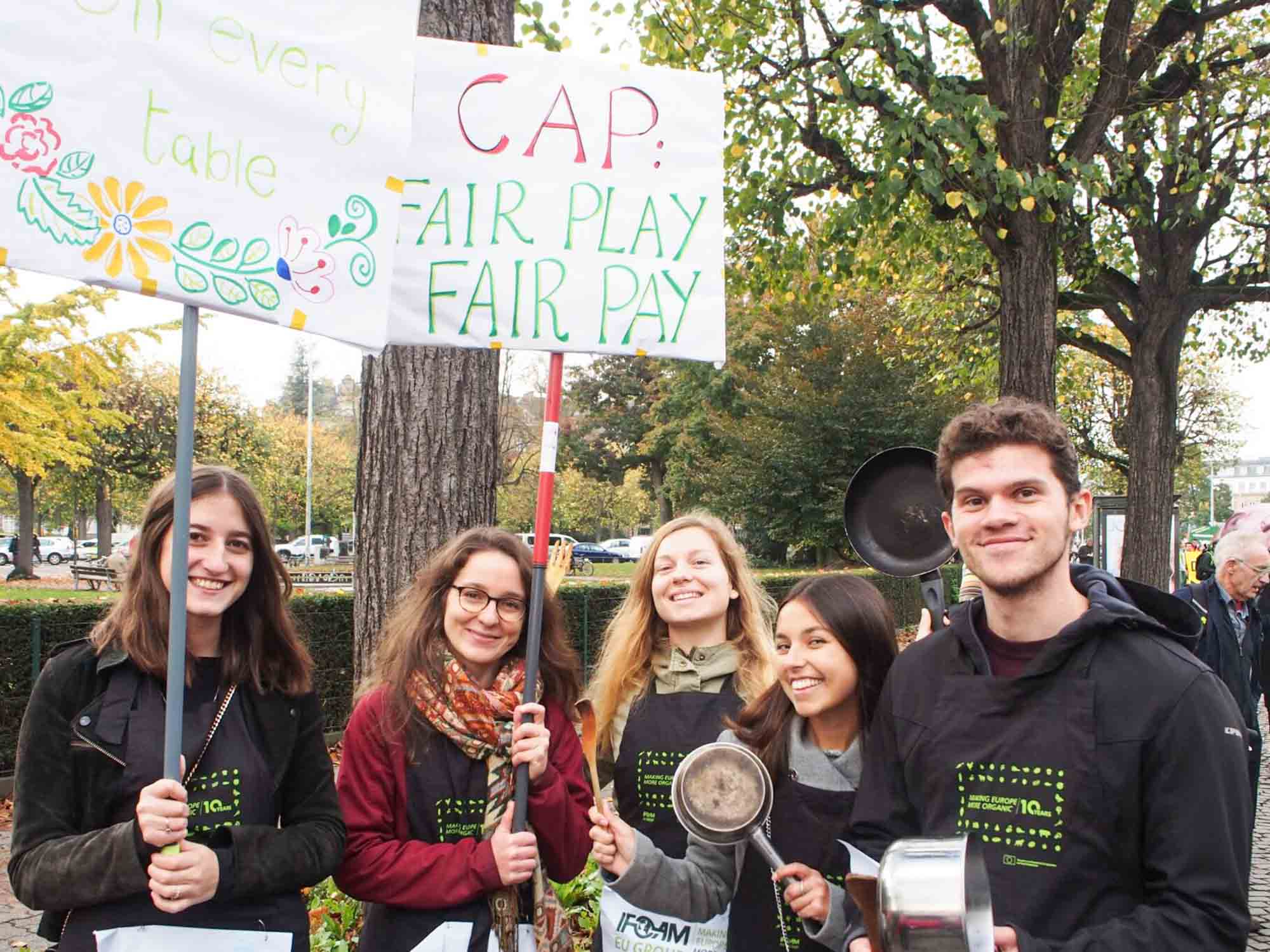
The Research Institute of Organic Agriculture (FiBL), Bio Suisse, and the European umbrella organization of organic farming organizations (IFOAM Organics Europe) are organizing an event for young people who are active in the organic sector or interested in the topic: The Organics Europe Youth Event (OEYE), from August 31 until September 1, 2022, in Frick, will offer them the opportunity to network, discuss, and learn more about the potential of organic farming and its role in a sustainable food system.…
Mirjam Schleiffer, Nathalie Windlin und Asta Donielaite · 24. Juni
Society
Authenticity in an Inauthentic Form of Appearance
If you are able to laugh despite the difficulties of life, it provides you with the distance you need to reconnect. Laughter raises above everyday worries without ridiculing them. Every human being has experienced humor. What is humor though, actually? Let us begin, as befits a serious treatise, with a definition of the subject. According to the Duden dictionary, humor is «a human being’s gift to be able to face the inadequacy of the world and of human beings, the…
Johannes Denger · 24. Juni
Germany
After Ascension Day Is Before Ascension Day
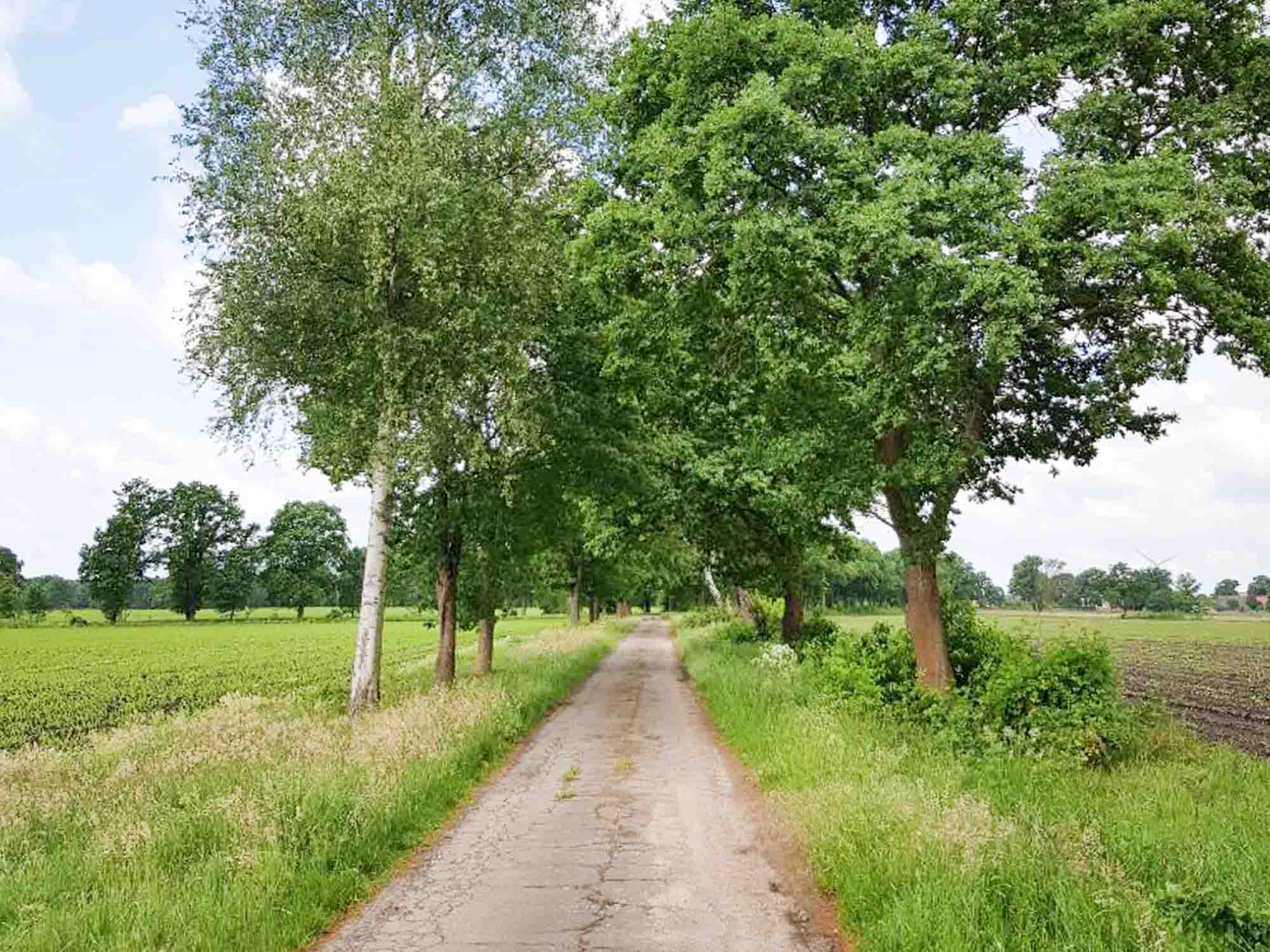
For more than 15 years, bird lovers have been meeting on Ascension Day at Hof Michael in Endeholz/Lower Saxony. Hans-Christian Zehnter from Dornach and Wolter Bos from Amsterdam always take over the guidance. In the beginning, it was a small group of trusted friends. Now, it has grown into a seminar with people joining from the Netherlands, Germany, and Switzerland. It is about looking at the bird world in a Goetheanistic-phenomenological way and immersing oneself in it, looking at the…
Alma Wichmann Erlen · 24. Juni
Agriculture
Agricultural Visions, East and West
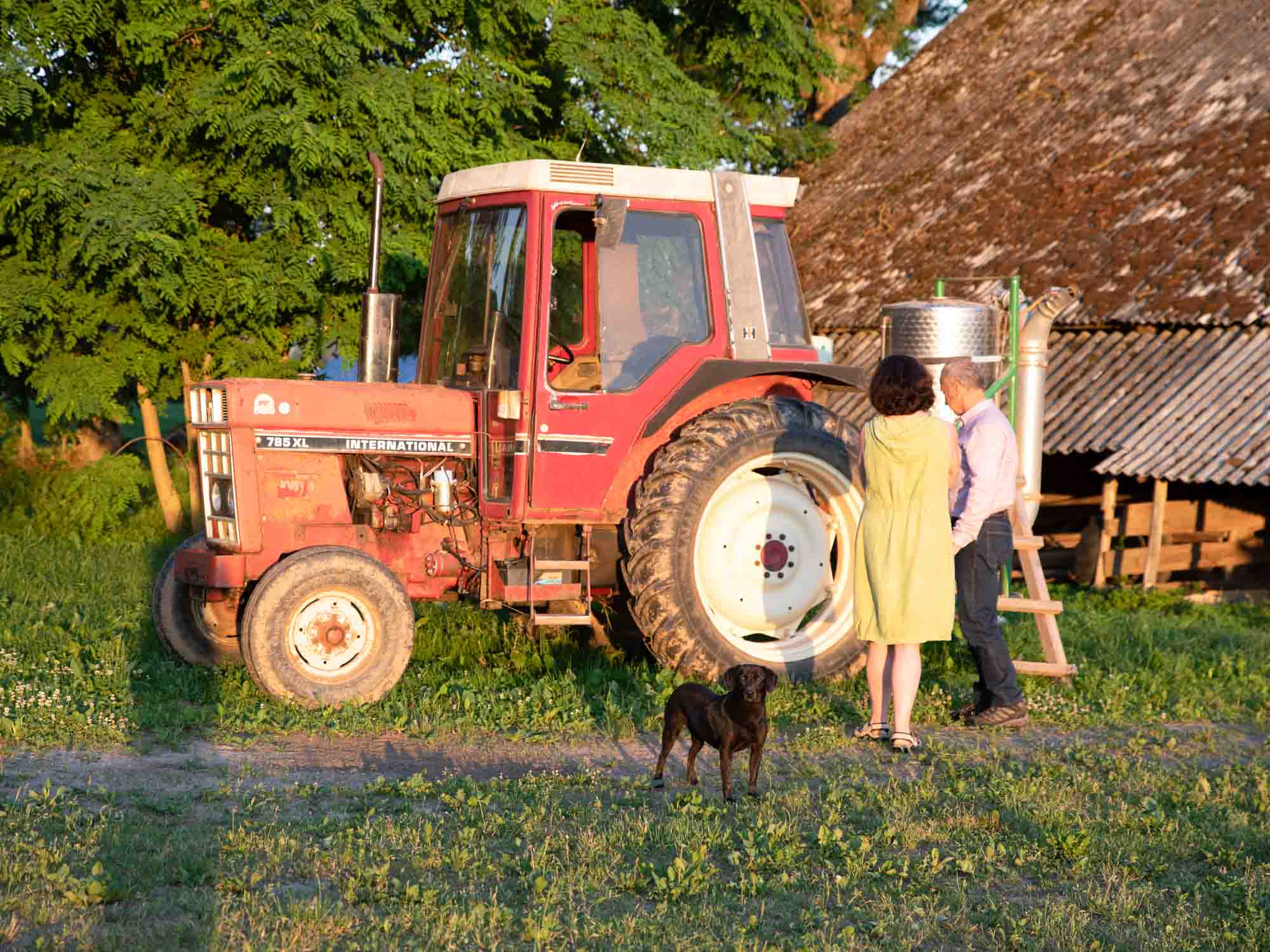
Community building around farms is now taking place in many countries around the world. But where did the approaches that emerged almost simultaneously in the USA, Germany, and Japan come from? In the years 2007/08, we worked on ideas of social sculpture for the Voluntary Year of Social Design in Germany. Then one of us moved to Brazil and the other to the Philippines. A few years later, each of us found a new potential form of expression of social…
Walter Siegfried Hahn · 24. Juni
History
Rebellious Love
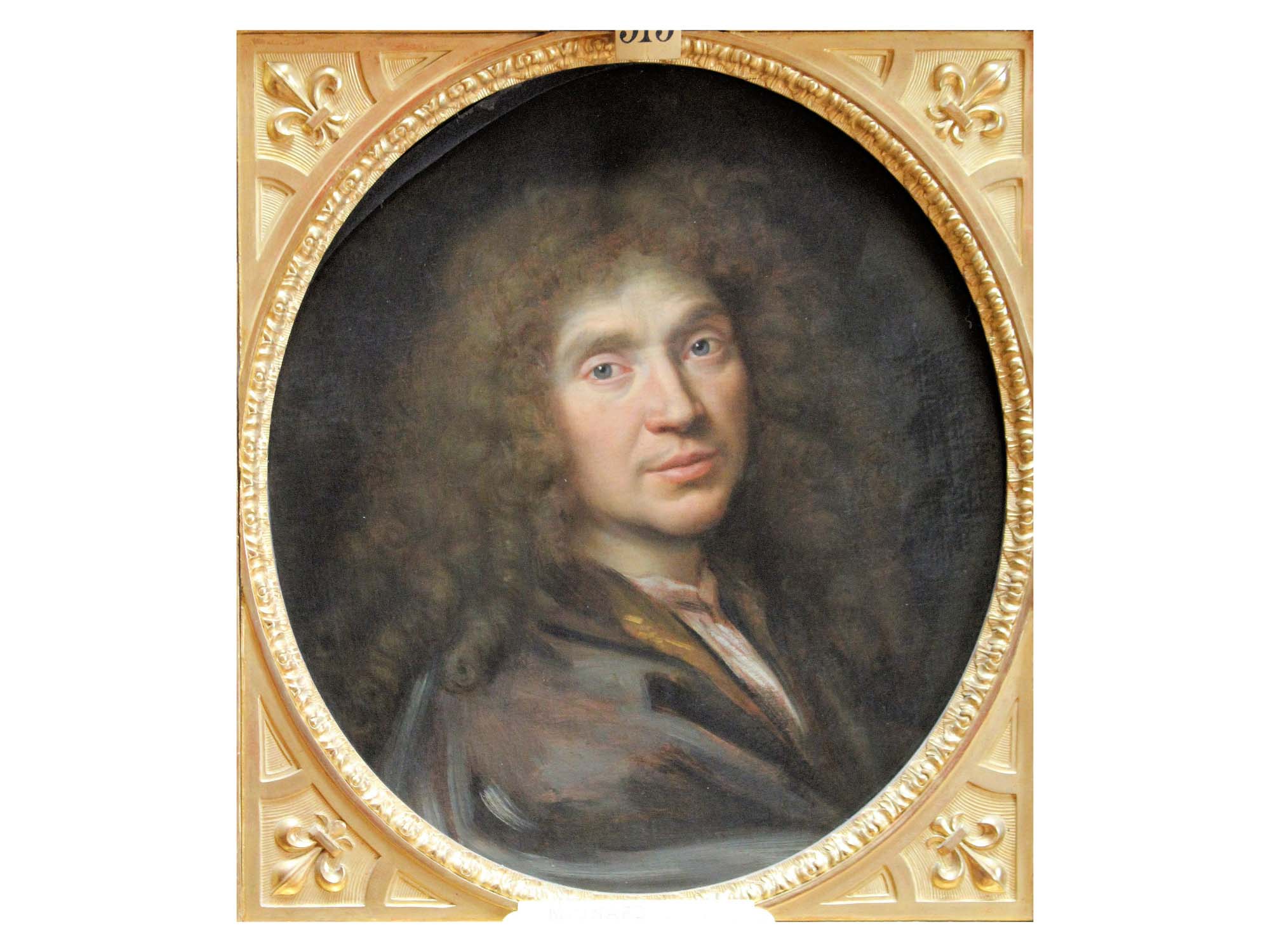
Molière would have been 400 years old this year. Despite the four centuries that separate us from this genius of humor, his social criticism, his commitment to the human soul, his clairvoyance, and the trials he went through can still inspire us today. Jean-Baptiste Poquelin came from a wealthy Parisian family and was born in January 1622 in the Les Halles district. Very early on, his grandfather regularly takes him to the Théâtre de Bourgogne, which is right next to…
Louis Defèche · 24. Juni
Column
When We Feel Again
Do you know the exhaustion where you can no longer see clearly? You run through the world, and you don’t see. The eyes have become numb, blurred as if their light could no longer connect with the world’s light. A dullness has come upon them and the soul. This is an unpleasant condition and quite worrying. On the other hand, alert senses are perceptive, nimble like a weasel, and register colors, sounds, and heartbeats. In most cases, they compare the…
Gilda Bartel · 08. Juli

Literature
What Do I Mean By New?
New things always enter the world through pain. Birth does not exist without pain. For new things, it is also painful to live in an old world. Old and new bump into each other. One must never envision new things as too glorious and superheroic. It is always our wounds and our pain and weaknesses that make us especially sensitive. That is where new things reveal themselves first. The fact that time management is an issue for so many people…
Paul Franke · 08. Juli
Review
Humanity and Its Reality
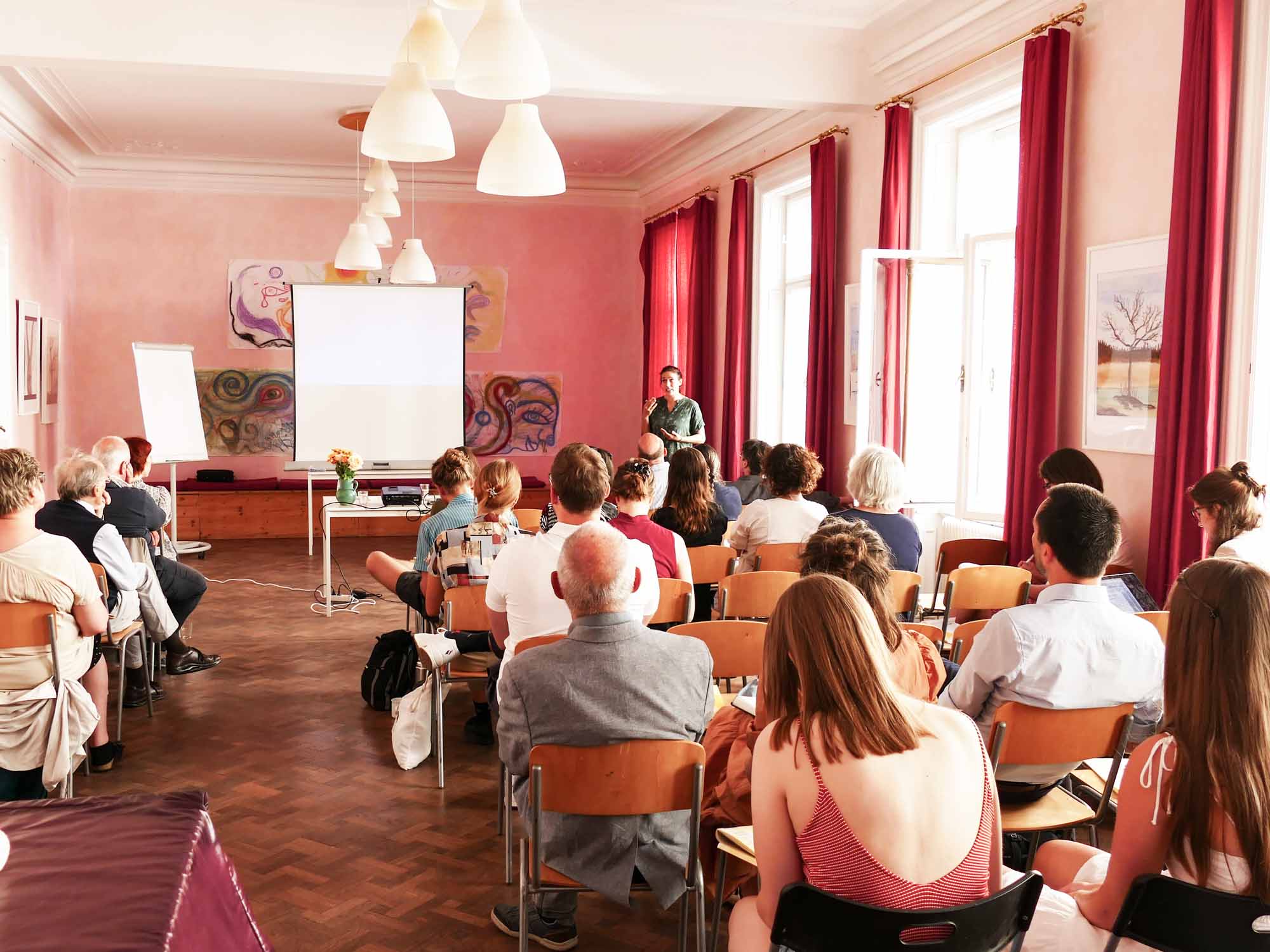
After cancellations due to COVID in 2020 and 2021, the conference of the International Network of Academic Steiner Teacher Education (INASTE) ‹Realizing Humanity› could finally take place, in the beautiful month of May and in the beautiful city of Vienna. 150 participants from Germany, Scandinavia, Austria, and the Netherlands came together seeking perspectives on education. This was the fourth INASTE conference in which professors, lecturers and students related to Waldorf education and other academic institutions met to exchange views. The…
Peter Lutzker · 08. Juli
Art
The Dawn of the Beautiful: A Utopian Future?
In the context of the present dire world situation, in which we witness ever-present threats of destruction and darkness, thoughts about Beauty and the Beautiful assume an aura of utopian speculation. On the other hand, such speculations might be considered pathways to the light. Faced with suffering, destruction, and death, can a deeper questioning of Beauty and the Beautiful illuminate our world situation—or are we merely indulging in utopian fantasies? Christiane Haid, head of the Section for the Literary Arts…
Christiane Haid · 08. Juli
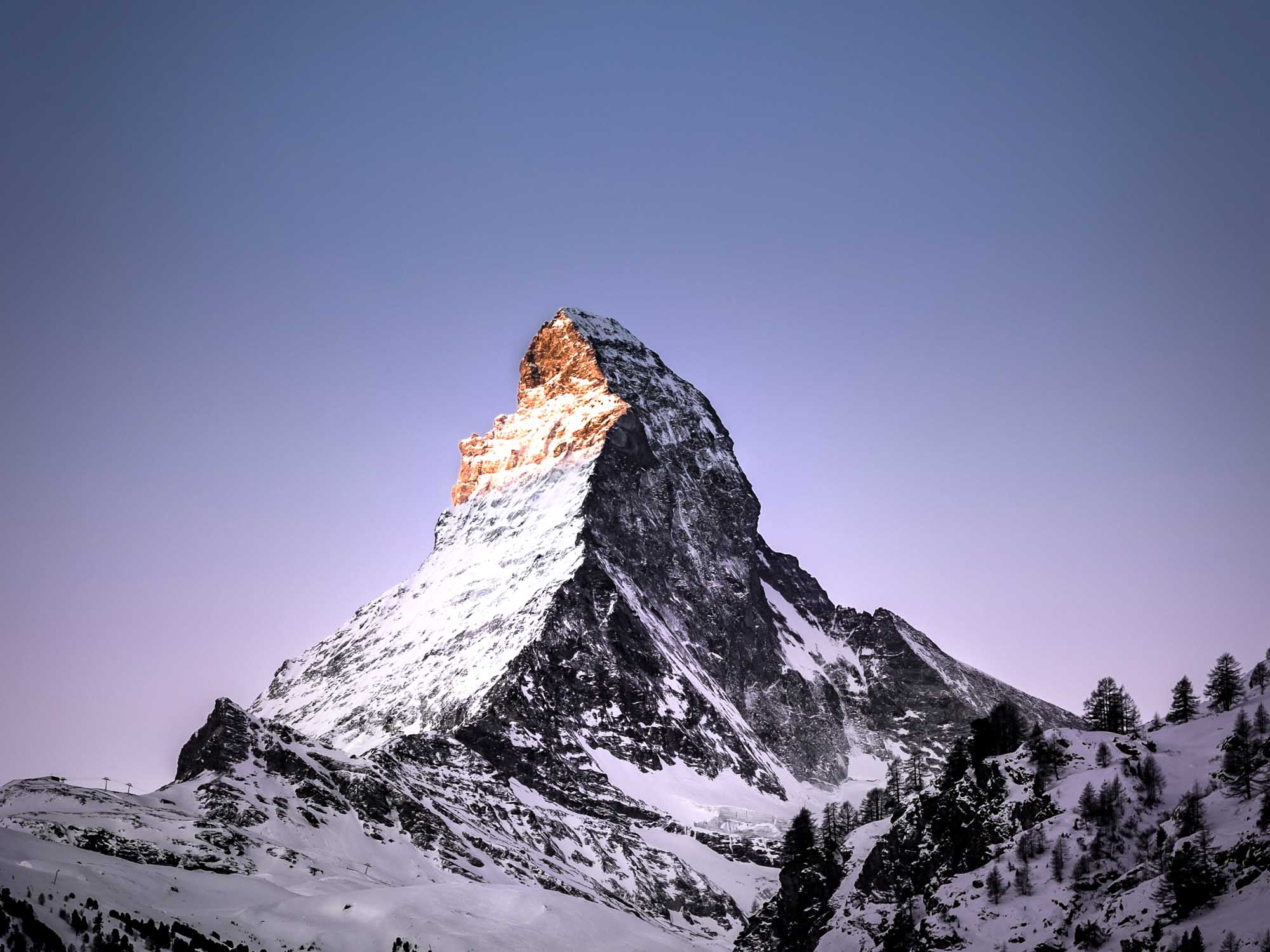
Nature
Mountains in Motion
Rigid, still, immobile – these are some of the words we use to describe mountains. If anything, geologists are taught that such movements occur over eons of time. So movement on a human time scale is a surprise. Though on our time scale, mountains are constantly shaking and swaying. They are alive. With musical energy – what is that? Every object wants to oscillate at a certain frequency – the so-called natural frequency – depending on how it is shaped…
David Auerbach · 08. Juli
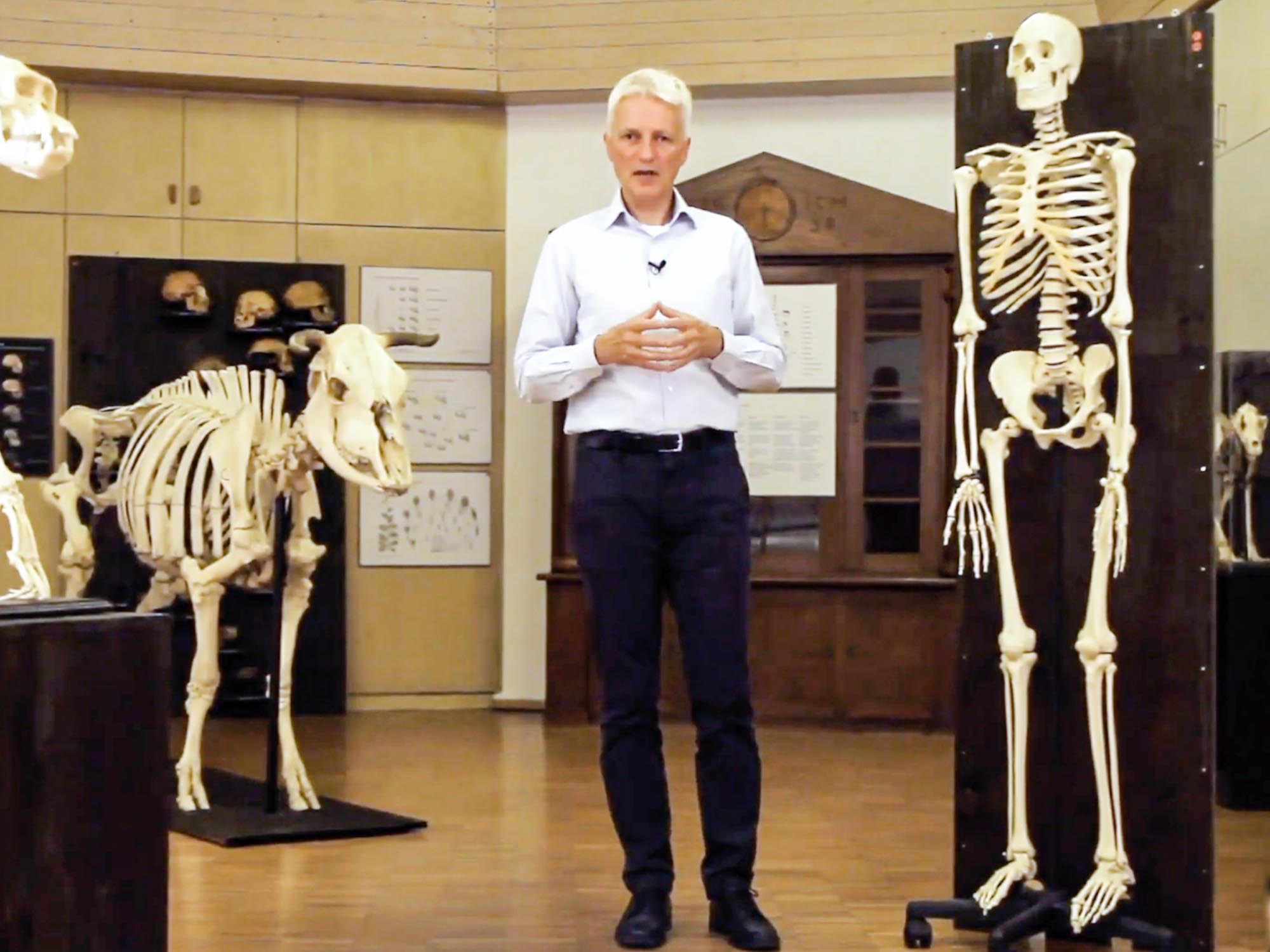
Natural Sciences
Finding Meaning Through Goetheanism
Coming from biology and chemistry, Christoph Hueck received his doctorate in bacterial genetics. He worked as a Waldorf teacher and helped found the Akanthos Academy in Tübingen in 2014. Why do we have five fingers and not four or six? Why is the head round? Why do we walk on two legs? Science says that all this has developed by chance and ultimately serves survival. However, if we had six fingers, an elongated head, and walked four-legged, the answer would…
Christoph J. Hueck · 08. Juli
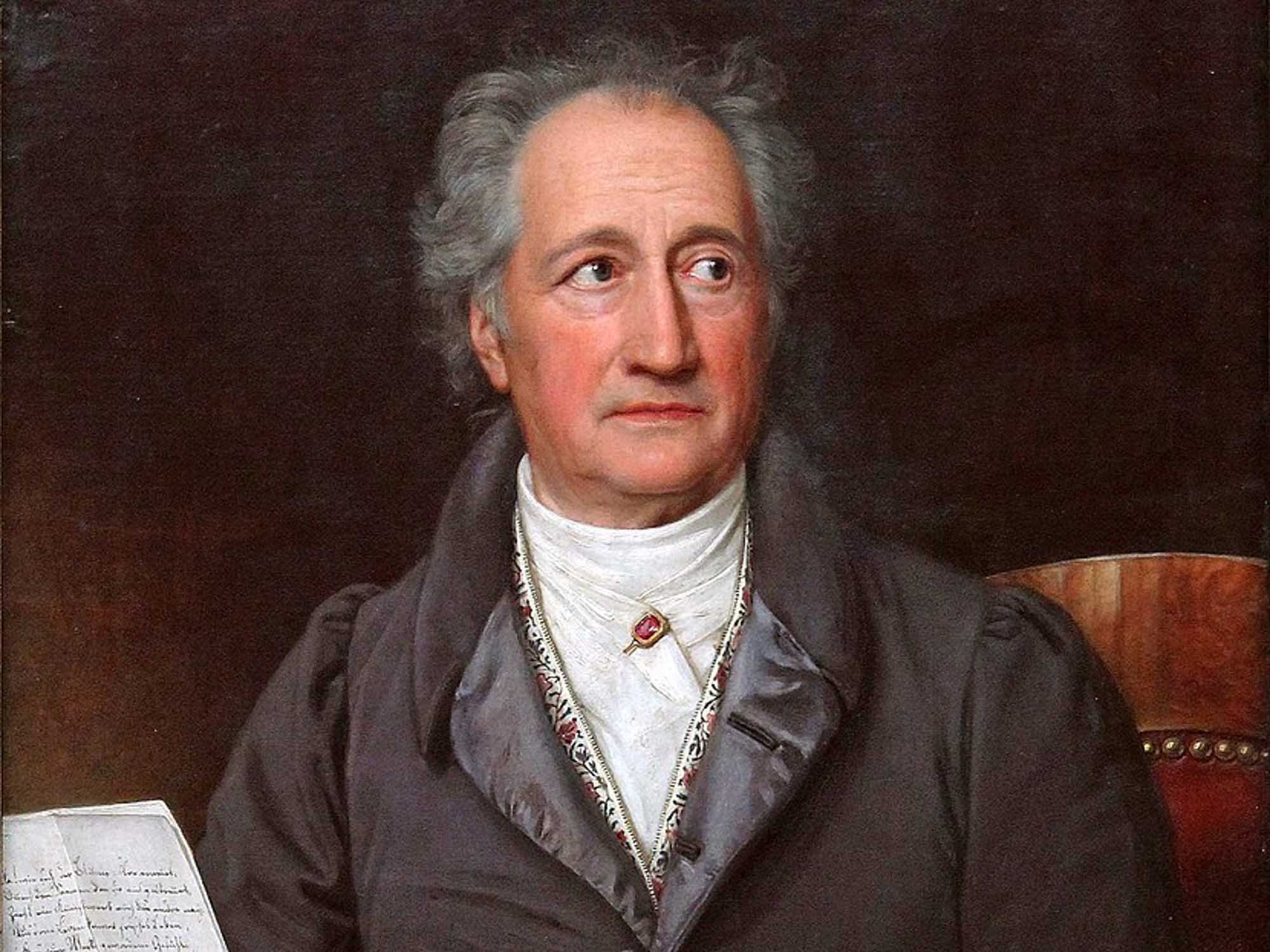
Natural Sciences
Human Beings as an Organ of Knowledge
Iris Hennigfeld works on ‹Goethe’s Natural Science as Phenomenology› at the Friedrich Schiller University in Jena. She is also co-editor of the English-language ‹Goethe Lexicon of Philosophical Concepts› at the University of Pittsburgh. Phenomenology is not a technique that, once learned, could be applied uniformly to this or that field. Instead, the method is developed in the course of research on and with the phenomena – and with new phenomena in new ways. The corresponding organs of perception and cognition…
Iris Hennigfeld · 08. Juli
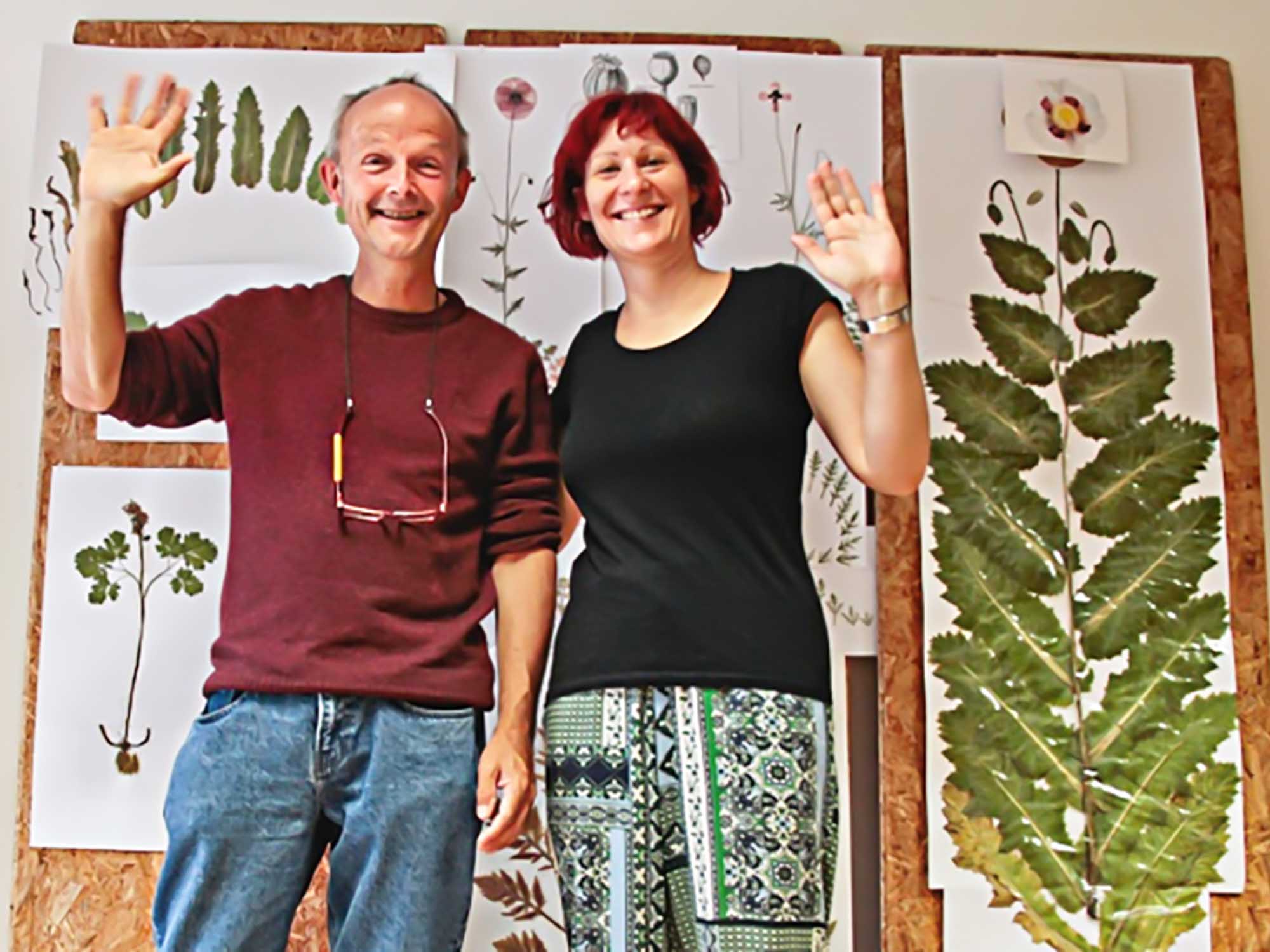
Natural Sciences
A Small Initiation
Phenomenology: for the first time, looking at the world properly! As an active participant in the field of further education in Goetheanistic natural sciences, Anthroposophical pharmacy, and Biodynamic agriculture, I move in different circles, professions, and age groups. Again and again, I experience how crucial concrete practice in nature is. Going to the world’s phenomena through loving and careful attention leads to a real awakening for many people, to a kind of small initiation. The Goetheanist approach is accessible to…
Vesna Forštnerič Lesjak · 08. Juli
Natural Sciences
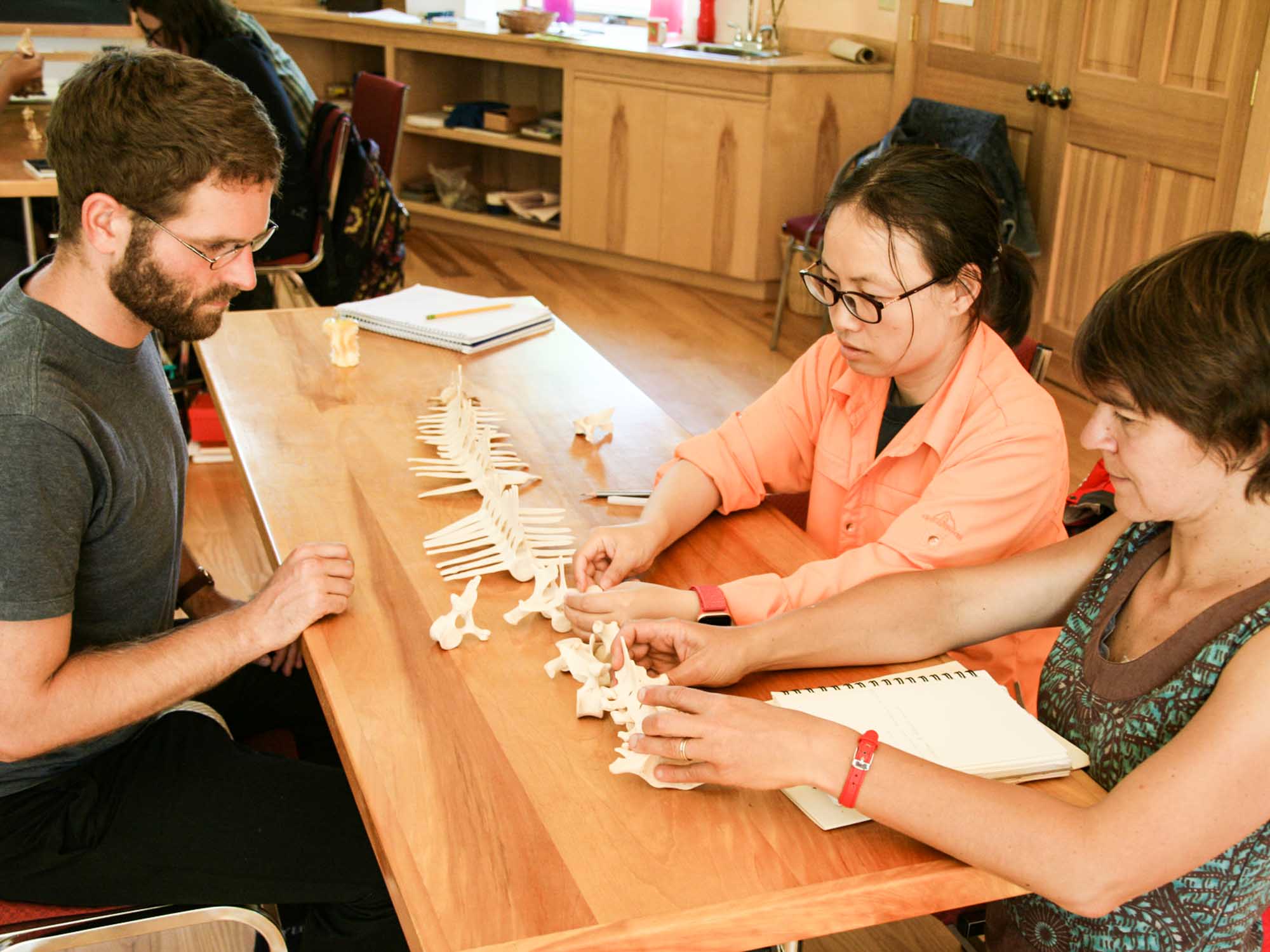
Goethean Science
Craig Holdrege is director of the ‹Nature Institute› in Ghent. Its goal is to broaden the view of nature from the laboratories. I experience «Goethean Science» as a way of transforming and developing human abilities. It makes it possible to gradually immerse oneself in the sensory world’s meaningful living nature and recognize it. It is a path of experience that leads out of the abstractness of modern consciousness and its attachment to what has become (whether thought or thing). Thinking…
Craig Holdrege · 08. Juli
Natural Sciences
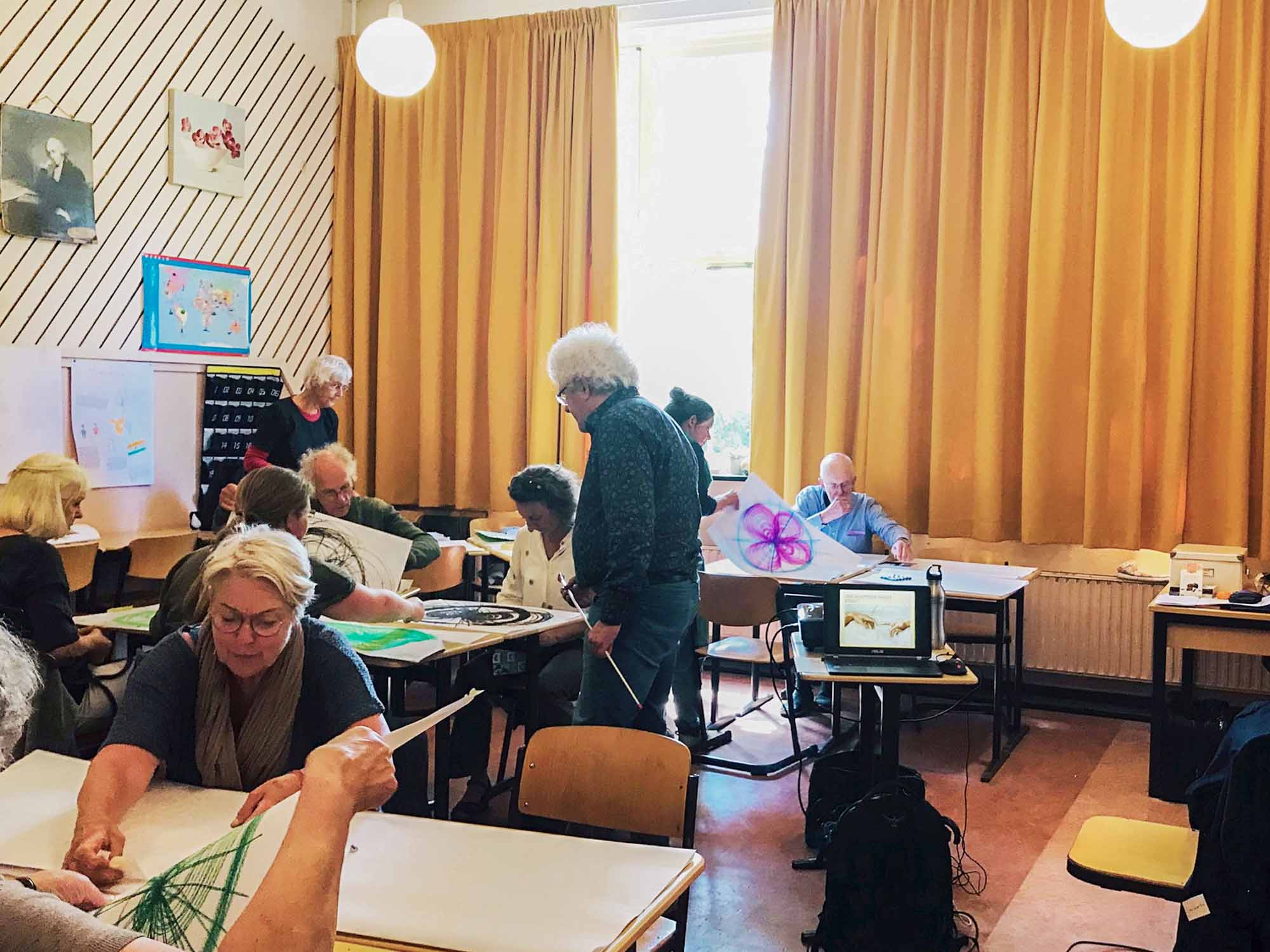
Phenomenology Day
On May 14, the Day of Phenomenology took place for the second time to ensure more awareness of phenomenology among the Dutch public. This day was the ‹crowning achievement› of our Goetheanistic phenomenological courses, which we have been conducting for laypeople for five years on topics such as plants, trees, birds, rocks, water, and chemistry. We also wanted to reach young people and teachers so that a new generation of people interested in phenomenology can come up. Jaap van der…
Silfriede Bos, Antoon van Hooft, Willemien Roelse und Wolter Bos · 08. Juli
Nature
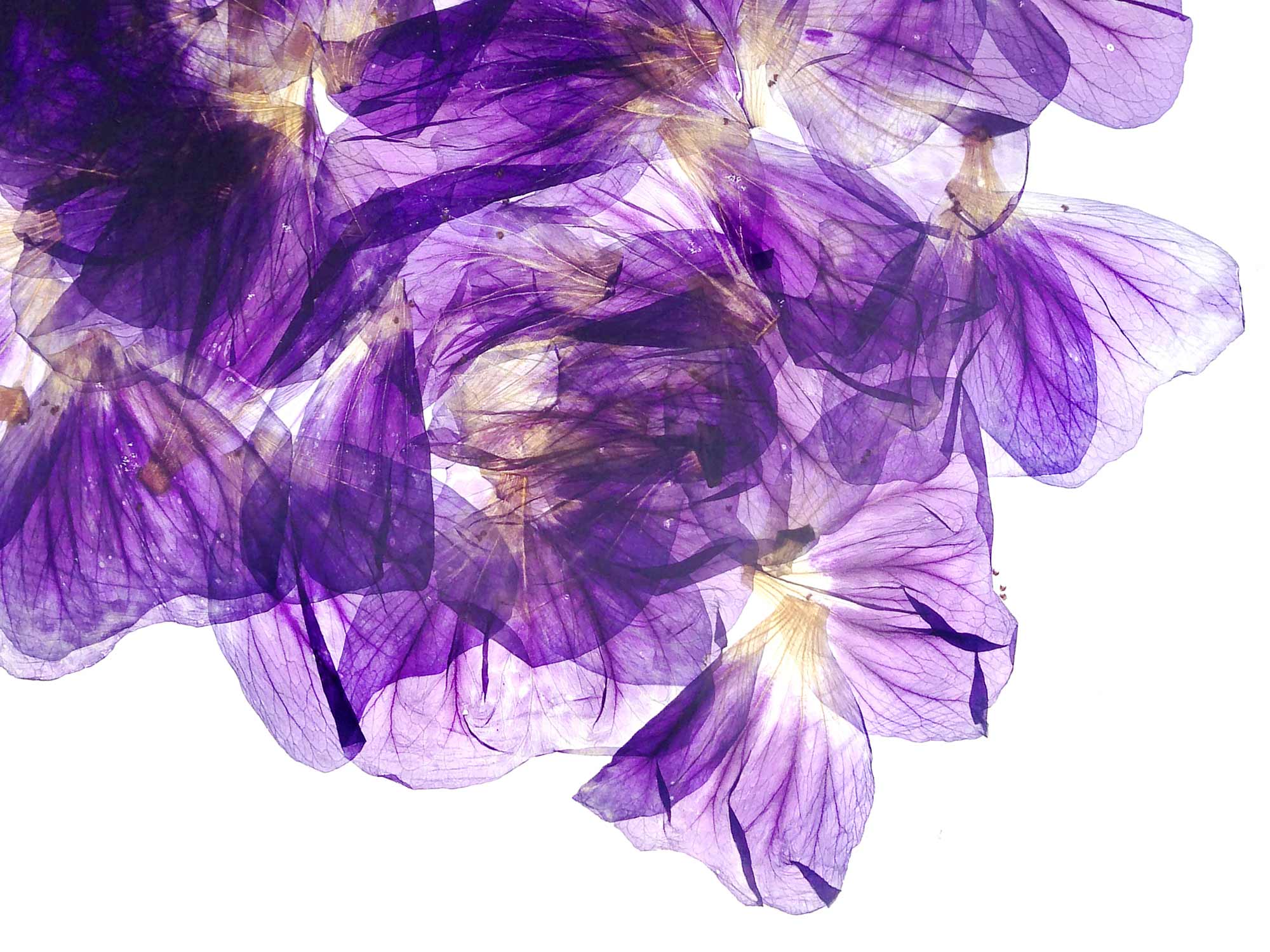
Beauty Will Save the World
Beauty will save the world! This is what the fool promises in Fyodor Dostoyevsky’s novel The Idiot, and fools tell the truth, the truth that no one dares to tell because it is so simple. But how can this saviour of the world – beauty – be understood? I was walking with a friend along the Birs, a small river at the bend of the Rhine, engrossed in conversation. It was midday, and the southerly sun was sparkling on the…
Wolfgang Held · 08. Juli
Column
A Question For All
Peace is when I can let go of this: the craving for ego, the longing for the mother’s breast. Peace begins when weapons fall silent. For this, will is required.Peace needs contentment, sufficiency but not bloatedness.Peace needs the will to show consideration for the needs of others.Peace needs to overcome the logic of the strongest.In peace, our identity resides in ourselves, even without flags and nations.In peace, we feel the meaning of our life.In peace, I am aware of the…
Gilda Bartel · 20. Juli
Fine Arts
Doing Art
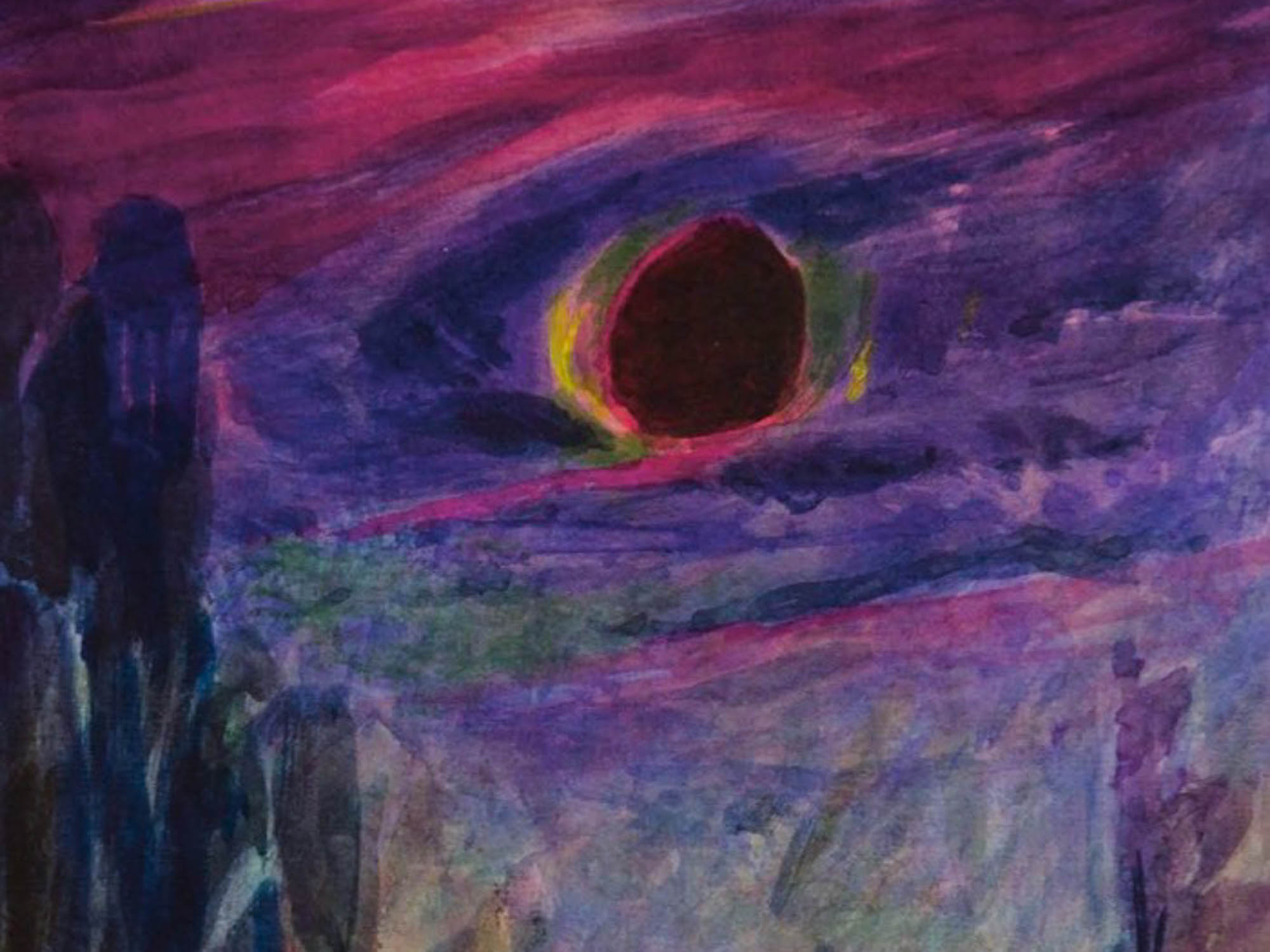
Artistic activity familiarises us with creative processes. In Anthroposophy they are not put in a museum but provide inspiration in agriculture, medicine and education. An intensive art week opens up avenues in architecture, painting and sculpture. Since the 1970s, at the latest, we have been familiar with dying trees, the decline in biodiversity, and the disappearance of insects as signatures of an ecological crisis. How do we arrive at actions to change this initial situation? For Christiane Haid, art is…
Sebastian Jüngel · 20. Juli
Faust
Turning Inwards
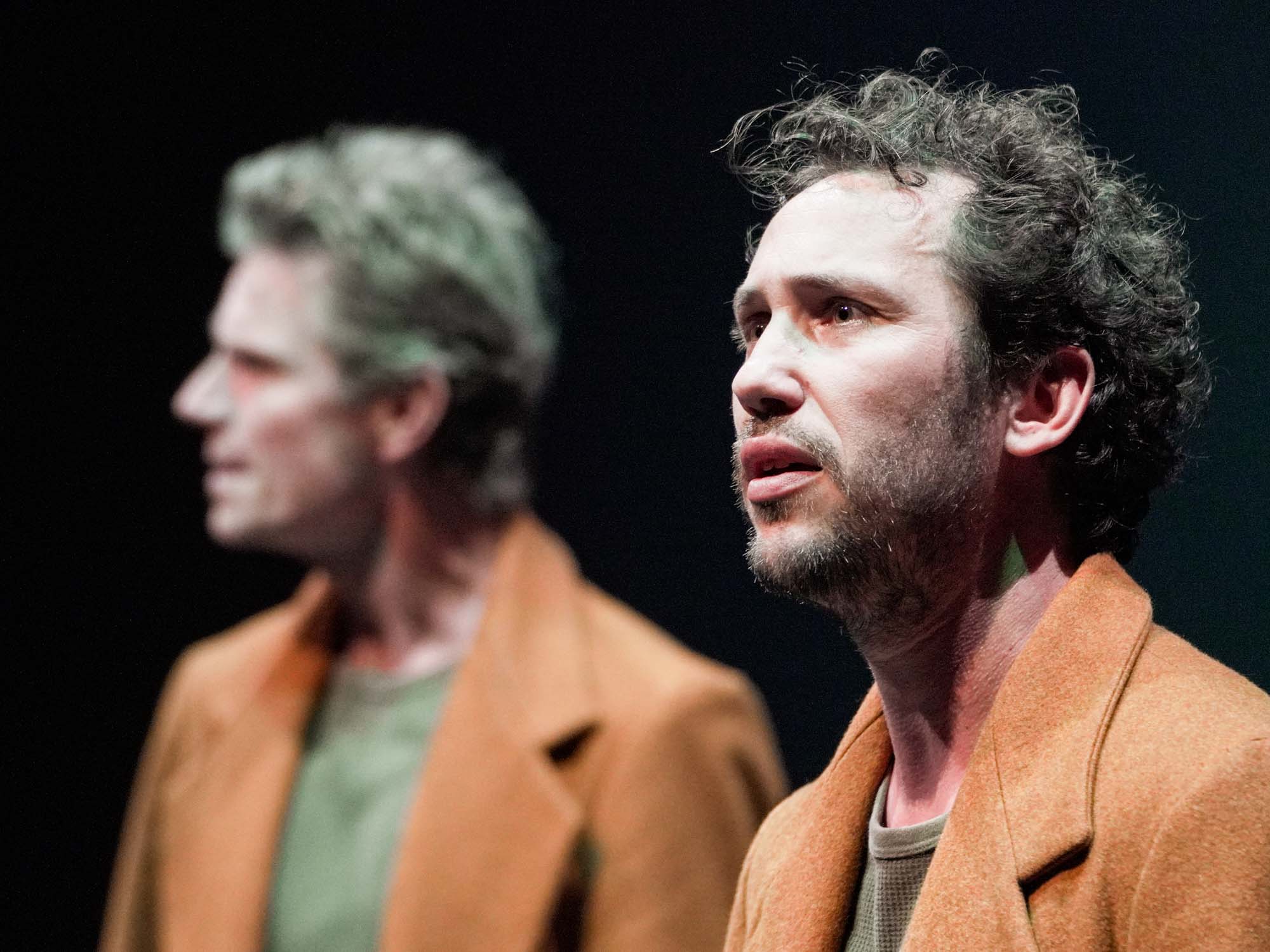
Speed into the future in your mind and write a letter to yourself from there. This is what therapists advise when life is hard. Your future wiser and more loving self radiates into the present and allows you to soar. The reverse is also true. Sometimes it is good to think of yourself as younger, more willing to take risks, and more impetuous – this is how the next step succeeds. The issue is always the integration of time, inviting…
Wolfgang Held · 20. Juli
History
Rudolf Steiner’s Family. II – The Parents
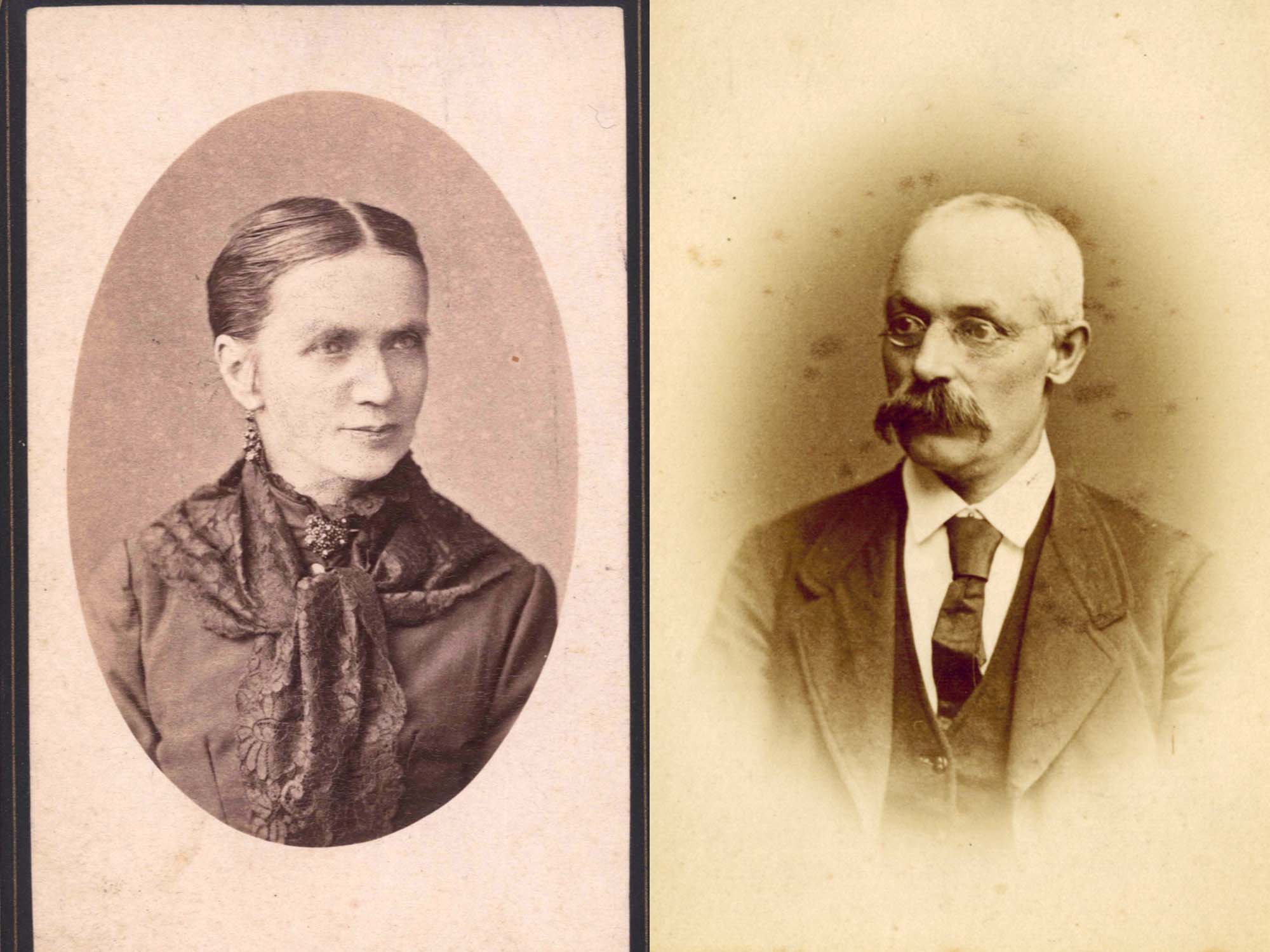
His father fought for his children and was a freethinker. His quiet mother feared throughout her life that her son was overexerting himself because of the financial support he kept sending home. It was a poor but loving home. Rudolf Steiner came from a family that lived in modest circumstances. His parents, he relates, had «always shown a willingness to give their last penny for the good of their children; but there were not very many such last pennies available.»…
Martina Maria Sam · 20. Juli
Conversation
The Heart Around Us
‹The Heart Around Us› – this is the title of the upcoming annual conference of the Medical Section from 13 to 18 September. It is aimed at those working in the medical professions, as well as those with a general interest. It is about the therapeutic community. Wolfgang Held in conversation with Georg Soldner, co-leader of the Medical Section. What does ‹a therapeutic community› mean? Anthroposophic Medicine by its conception is what we call a multiprofessional system of medicine. Doctors,…
Georg Soldner · 20. Juli
History
War – What Happens Between People?
The question of war and peace has preoccupied humanity for millennia. When the Greek comic playwright Aristophanes wrote his play ‹Peace›, he was really advocating against war. Actually, we might expect that civilisation, through its moral and technical development, would learn to avoid devastating wars, but this is not the case. War has taken a new and crueller form since the twentieth century. In this context, it is important to reflect on the sources of war and to understand why…
Louis Defèche · 20. Juli
Art
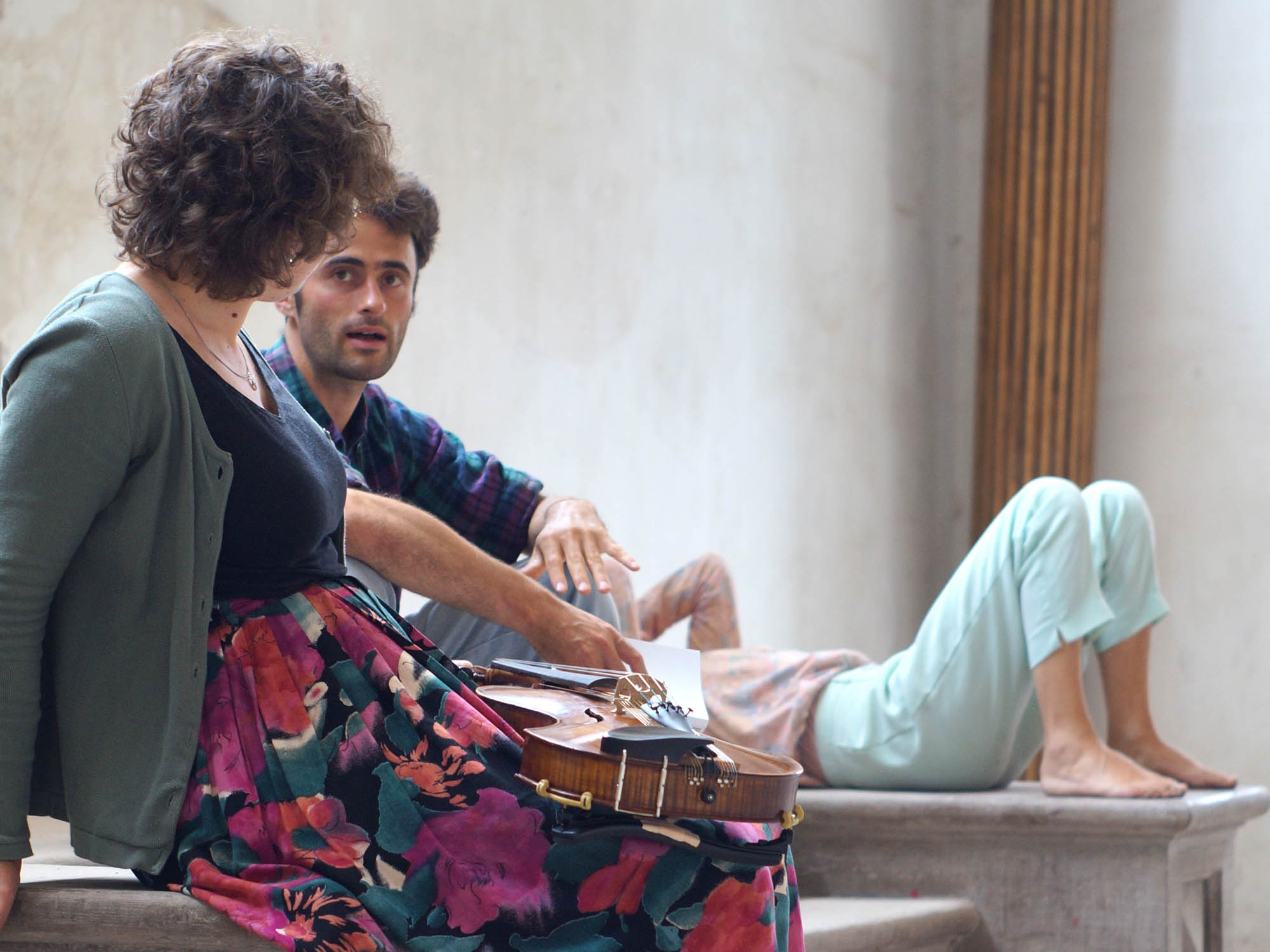
Stage Moments in Images and Text
Since the fall of 2015, a dozen young artists and cultural professionals from Germany and Switzerland have been meeting with the interdisciplinary colloquium ‹Bühne heute› (‹Stage today›) for regular cooperation. Since the summer of 2020, the colloquium has expanded into an artistic research collective with an annual one-week summer residency. The wish was to deepen the substantive examination of texts from Anthroposophy and philosophy and to explore possibilities of cooperation across one’s own discipline. The working method is exploratory and…
Johanna Lamprecht und Miriam Wahl · 20. Juli

Education
Basics of Anthroposophical Medicine
On September 24, a wide range of training courses for basic education in Anthroposophical Medicine will be launched. We initiate new courses aimed at many therapeutic professional groups: medical students, tutors, nurses, speech therapists, etc. Judit Kedves and Philipp Busche report on the new, flexible training project. What inspires you to create this new training format? We are inspired by the growing international demand for systematic training in Anthroposophical Medicine. As a project group, we are enthusiastic about interprofessional cooperation…
Franka Henn · 20. Juli
Medicine
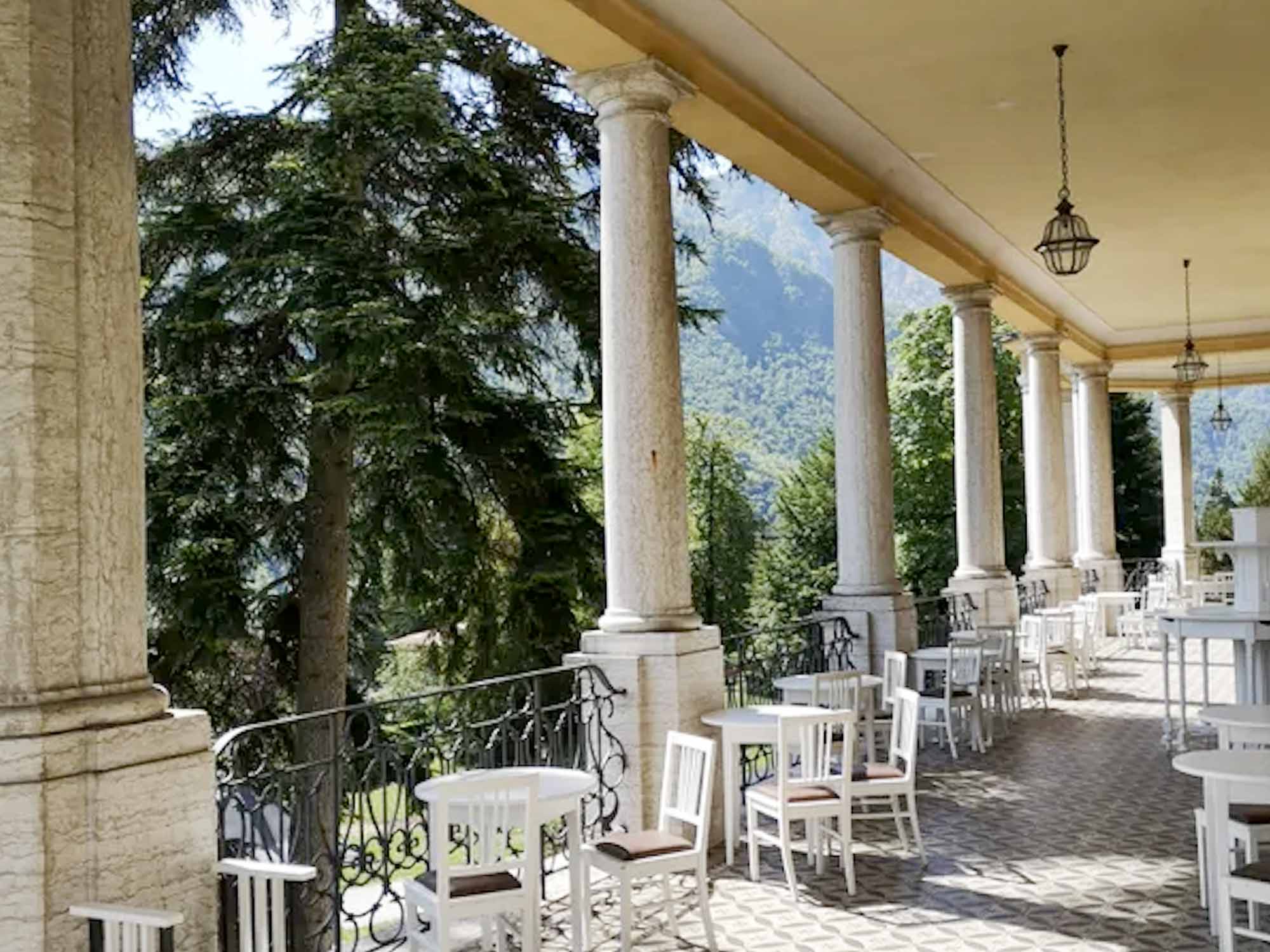
Human Medicine
Interdisciplinary training in Italy in Anthroposophical Medicine. In October 2022, a three-year training in Anthroposophical Medicine will begin in Roncegno (IT), to which doctors, pharmacists, dentists, and veterinarians are invited. The training concept is based on more than twenty years of teaching experience focusing on an interdisciplinary approach to medical professions, where science is enriched by art to create a new perception. The progressive mechanization of medicine, its distancing from the concrete human being, and its drift into transhumanist tendencies…
Franka Henn · 20. Juli
Education
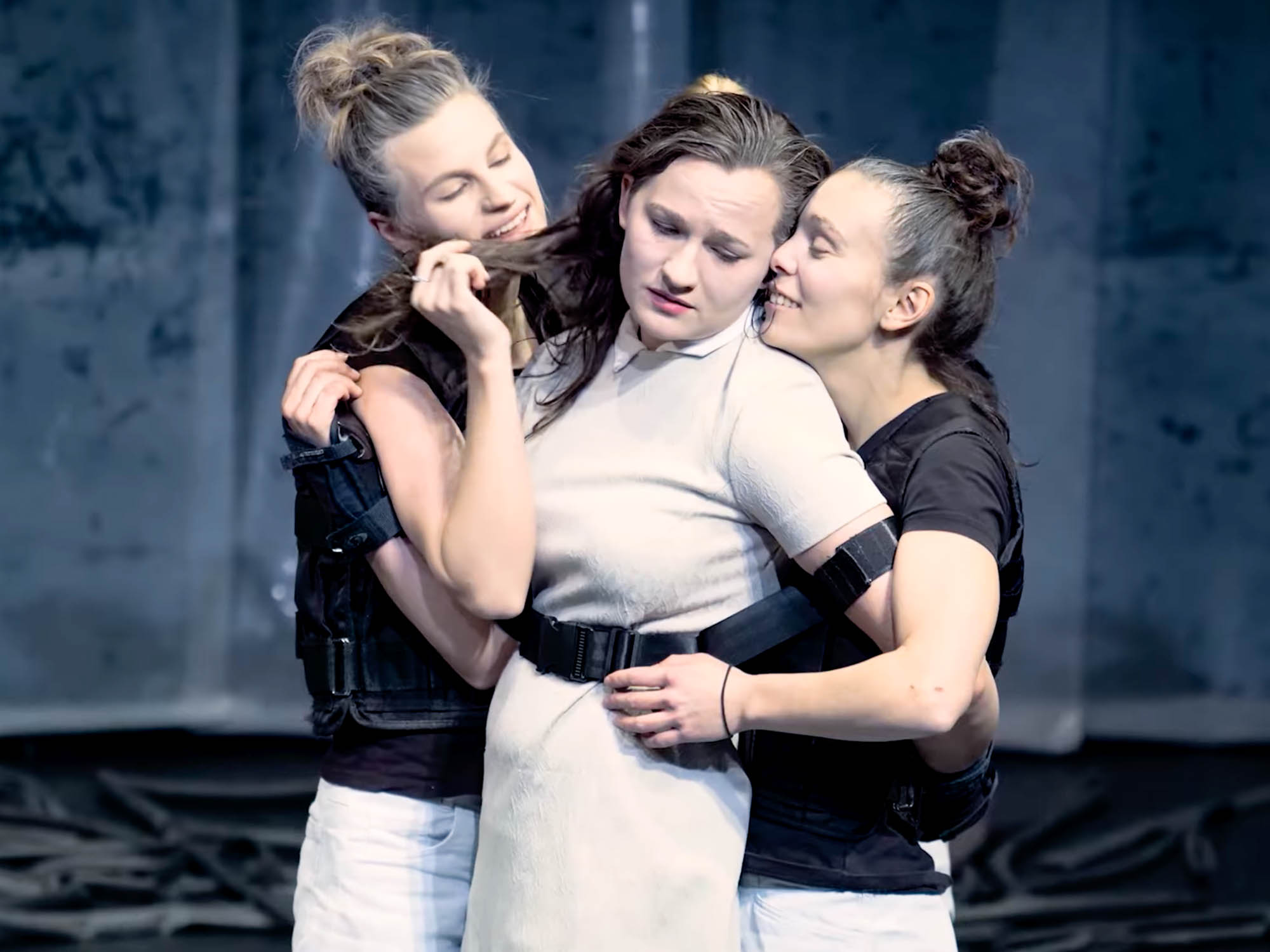
Learning Economy Through Play
In the fall, many young people start their studies at Alanus University again. This includes the unique Bachelor’s degree program ‹Economics and Drama›. Students will learn advanced acting courses and a freely selectable specialization from the Faculty of Economics. At the heart of the degree program is teaching a playful understanding of roles and empathetic empathy for others, which are needed for management tasks. The handling of one’s own voice and rhetoric is also trained. This allows students to undergo…
Franka Henn · 20. Juli

Literature
What Do I Mean by ‹Missed Opportunity›?
Children have always been close to my heart. But I would also have liked to become a painter. I feel it is a missed opportunity in this life. If I could choose now and start anew, I would choose both: child welfare and painting. With a proper education – the Kunstgewerbeschule, for example. That is what I would have liked. In retrospect, I feel a deficiency. I would do both. As a child, I rejoiced when I was allowed to…
Anneliese Schnell · 20. Juli