13 Beiträge · Ausgabe 24/2023
Editorial
Issue 24/2023Leib sein, Körper haben – World Teachers' Conference
Es war die erste große Pädagogiktagung nach der Pandemie und ist die erste des neuen Leitungsteams von Constanza Kaliks und Philipp Reubke. Mit der World Teachers' Conference zeigen sie die Richtung, in die sie mit den 40 000 Waldorfpädagoginnen und -pädagogen gehen wollen. Deshalb freue ich mich, dass wir in diesem ‹Goetheanum› ausführlich von der World Teachers' Conference berichten können.
Weitere Beiträge
13 Beiträge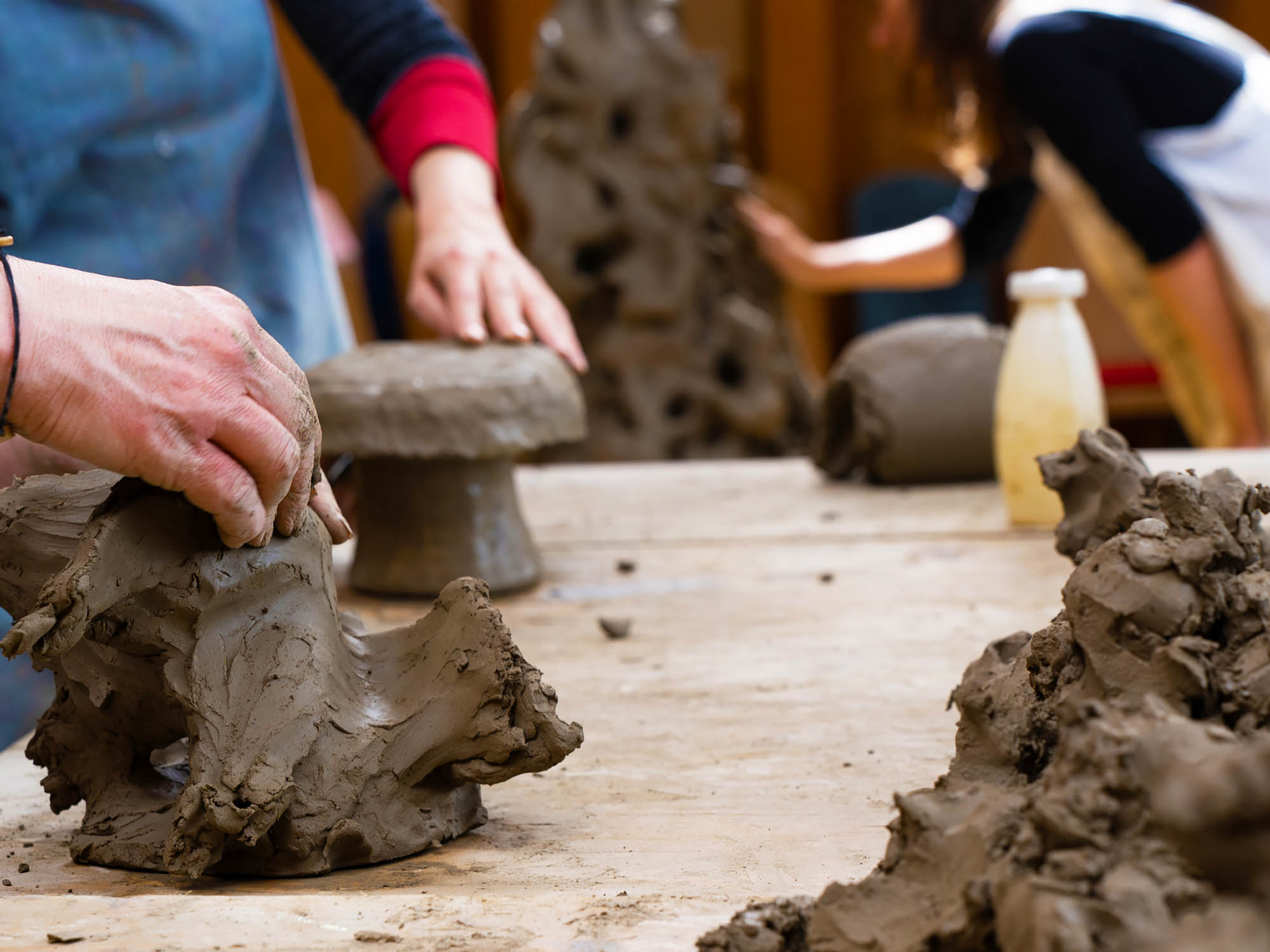
Im Fokus
Divine Play
A new flute was invented in China. A Japanese master, upon hearing the beauty of its sound, took the flute to Japan and played it all over the country. Once, after playing the flute in a small village, there was hushed silence and then the oldest man present said: “Like a god.” The villagers asked how long it would take to learn to play the flute like that. “Years,” said the master, but he was willing to take on a…
Kathy MacFarlane · 15. Juni
History
The School for Spiritual Science and Its Pedagogical Section
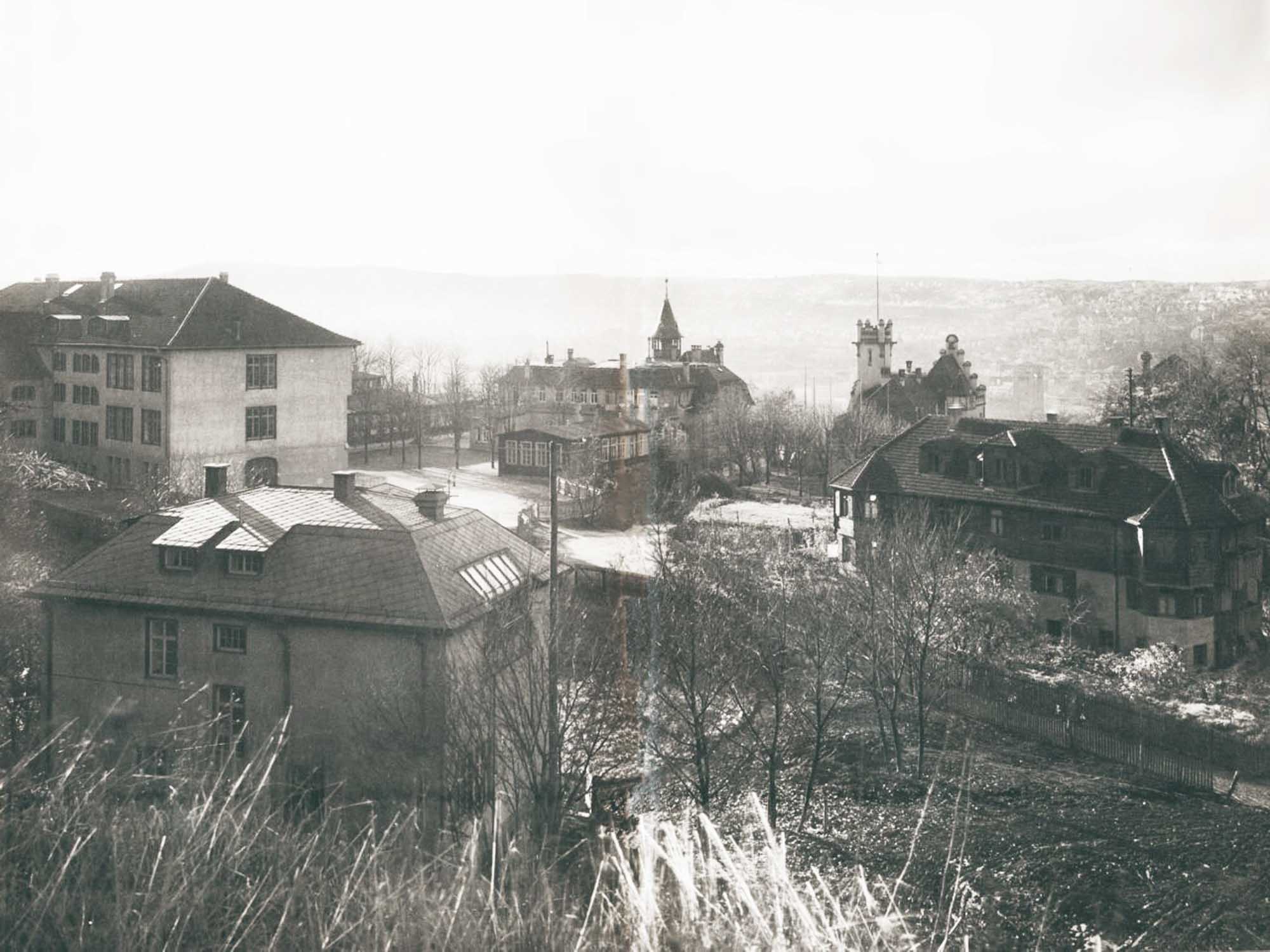
At the recent World Teachers’ Conference, there was an event devoted to themes on the tasks of the School for Spiritual Science, its inauguration through Rudolf Steiner, and the meaning of the Sections—the Pedagogical Section in particular. This Section, along with the General Anthroposophical Section, was led personally by Rudolf Steiner. Another theme was the pedagogical course given by Steiner one hundred years ago in the Dornach carpentry shop—the first professional training course after the destruction of the building (The…
Peter Selg · 15. Juni

pedagogy
Being a Body: Pedagogical Tasks in a Digital Lifeworld
The World Teachers’ Conference dedicated both a forum and a working group to education for a digital world. Children and young people have a sense that the fundamental changes that are taking place today in nature, in humanity, and in society will only come to fruition in the decades to come. Young people are increasingly aware that climate change, migration, and digital transformation will impact their biographies, but they don’t know how. In earnest but sometimes irritating and cynical ways,…
Robin Schmidt · 15. Juni
Retrospective
Diverse Human Community
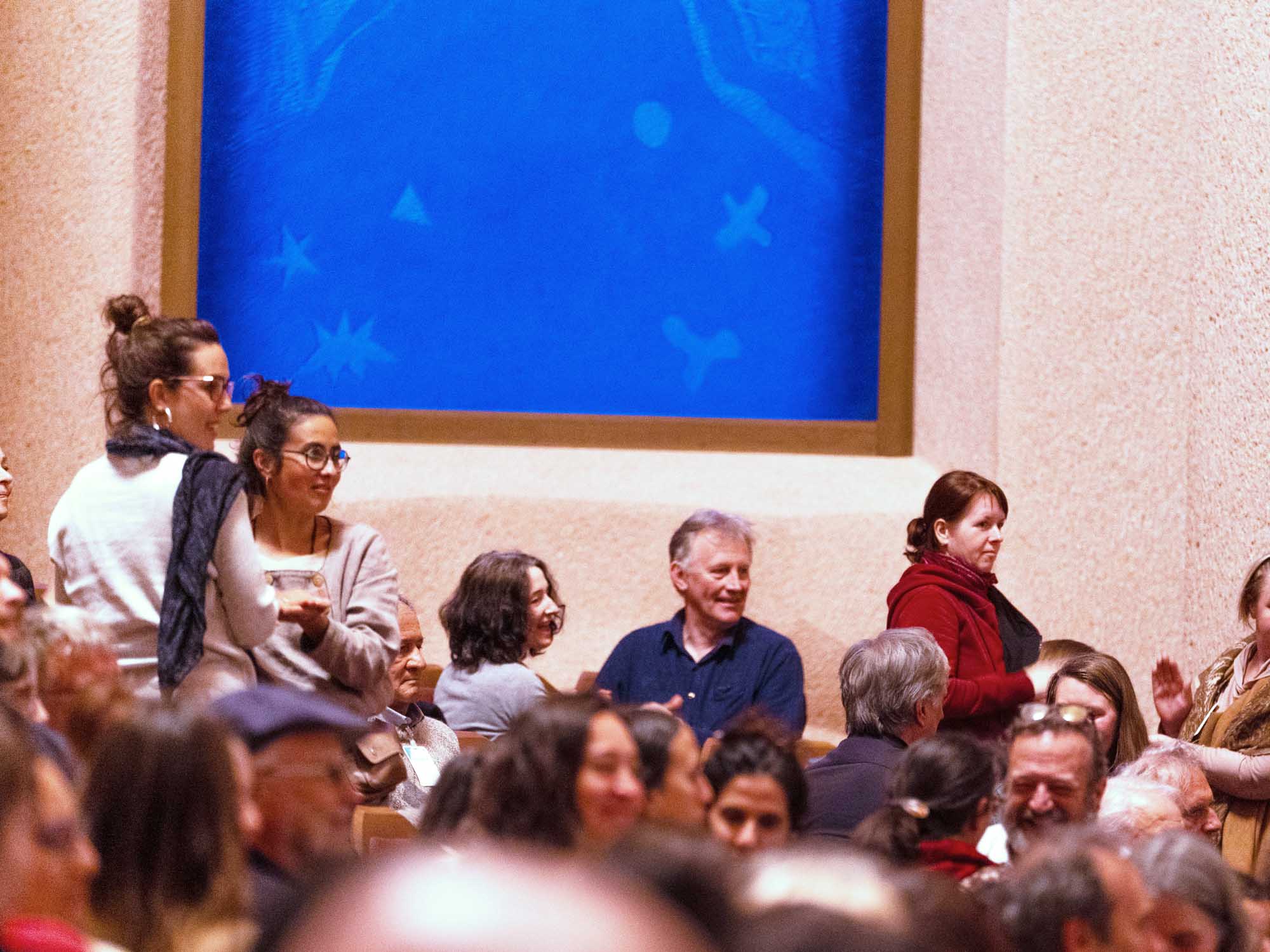
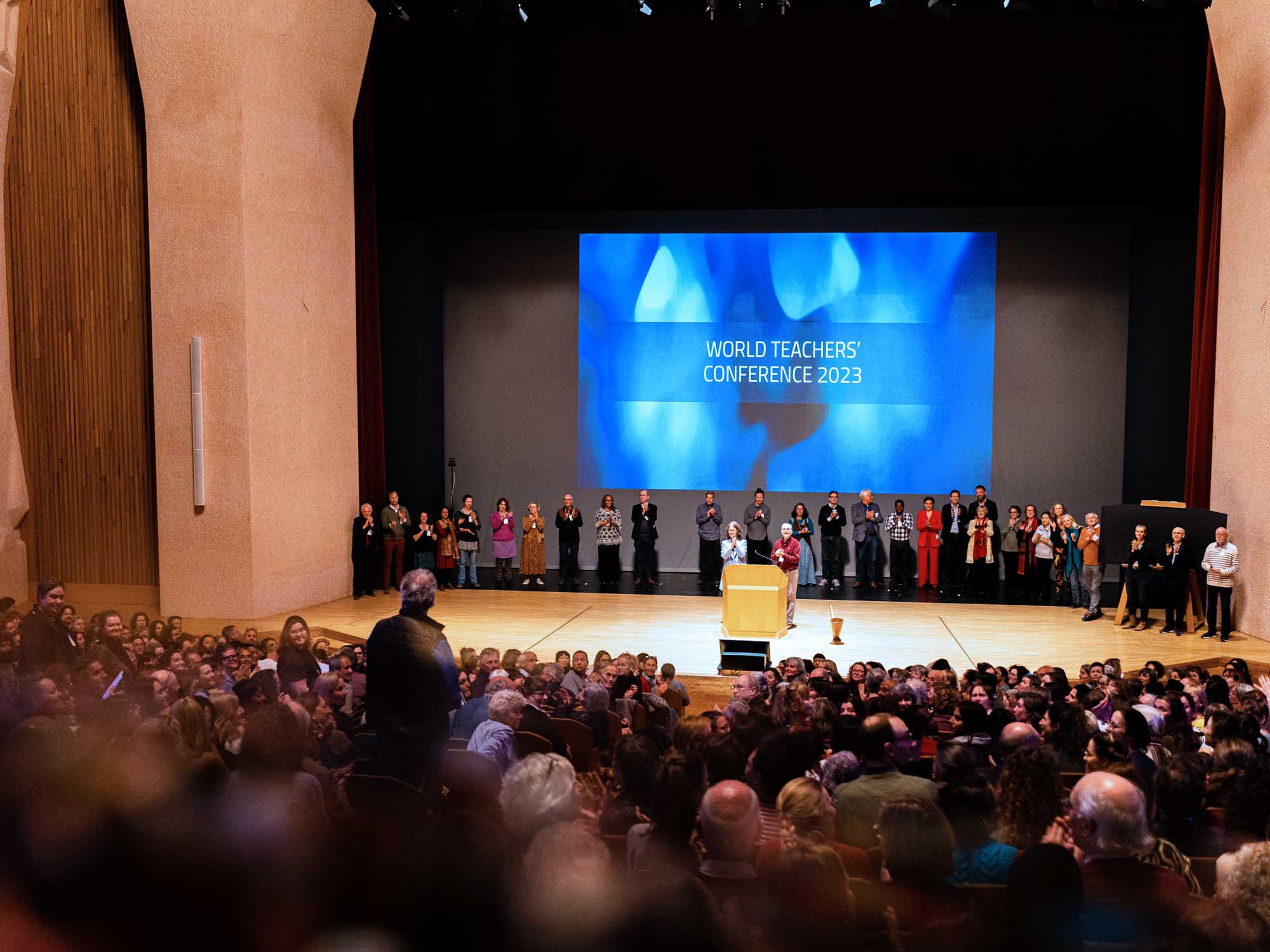
It was a joyful celebration when the world came together at the Goetheanum—diverse and yet united in the will to shape the future of childhood. Monday, 10 April, 8.30pm: 995 teachers and educators from 61 countries have just heard a lecture by the Spanish philosopher Josep Esquirol, when a man, dressed in a leather jacket, a telescope in hand, steps onto the stage. A group of flamboyantly attired ladies and gentlemen follow him, speaking several conference languages simultaneously. In the…
Philipp Reubke · 15. Juni
Pedagogy
Learning for Our Common World
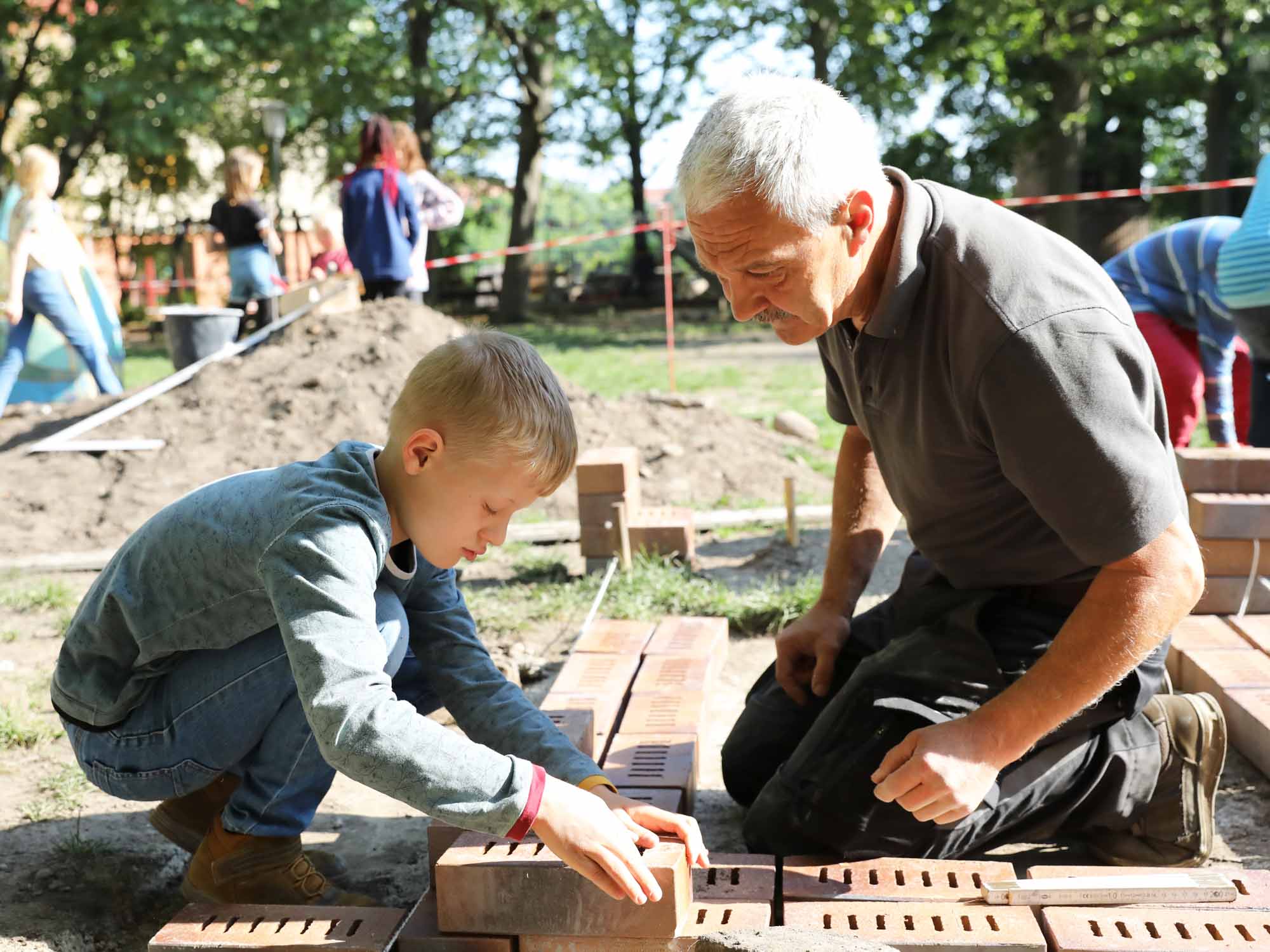
More human, more world: this was a guiding motif in Josep Maria Esquirol’s opening lecture, echoing what lived at the Goetheanum during the World Teachers’ Conference. More human, more world: the child trusts the teacher because the teacher tries to stay steeped in the world, because they always engage with the world anew—recognizing it, affirming it, wanting it—and because they are oriented towards the child—affirming their presence, seeing them, recognizing their potential. Rudolf Steiner shows this dual devotion to be…
Constanza Kaliks · 15. Juni
pedagogy
Nurturing the Most Human in Humans
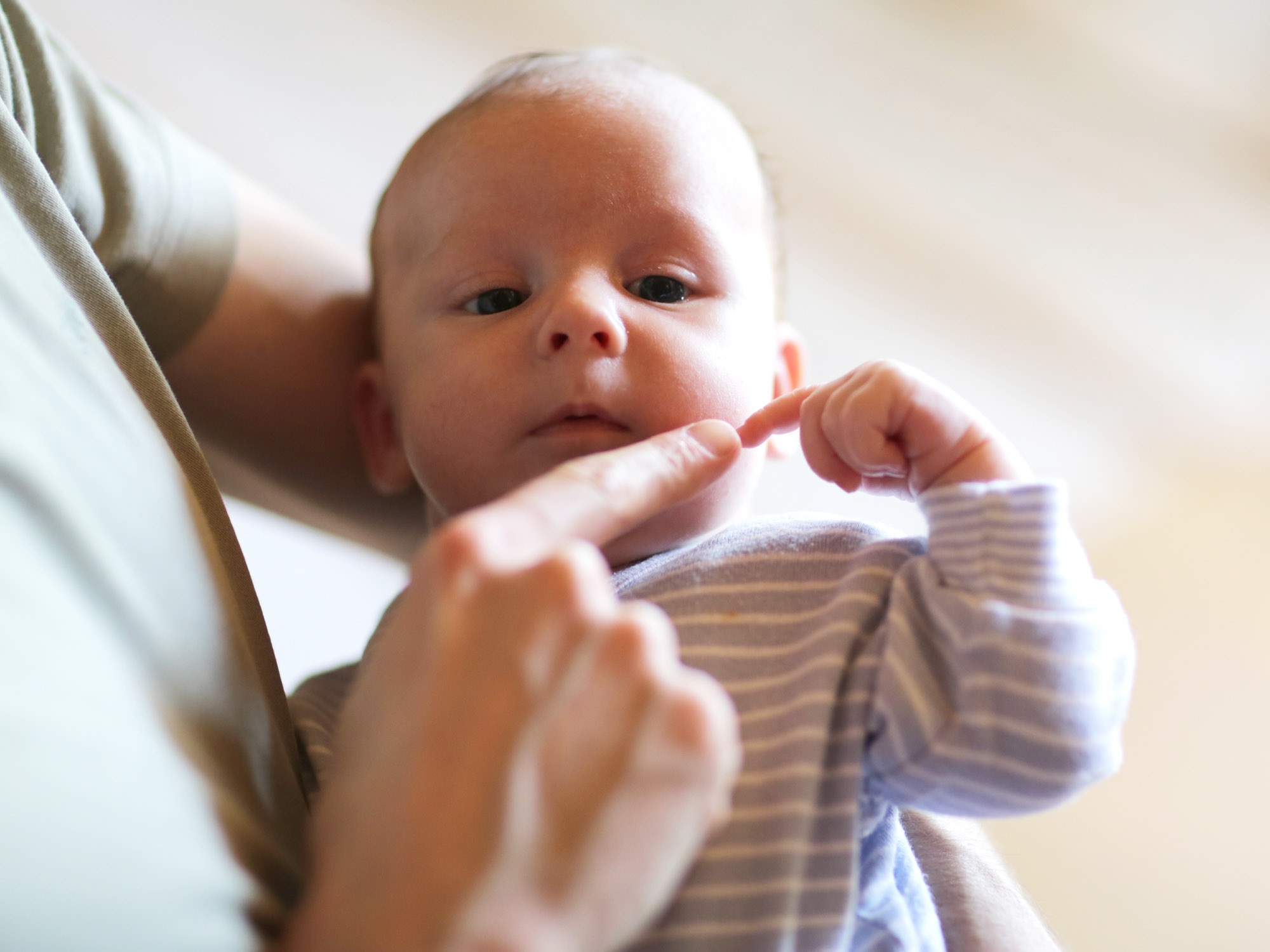
It has been ten years since I decided to articulate a philosophical anthropology – an understanding of the fundamental situation of the human being – and to publish the results of these studies in the form of essays. Josep Maria Esquirol That resulted in La resistència íntima (The Intimate Resistance, 2015), then La penúltima bondat (The Penultimate Goodness, 2018) and finally Humà, més humà (Human More Human, 2021). As I write these lines, I’m working intently on the volume that…
Josep Maria Esquirol · 15. Juni
Pedagogy
The Lived Body Accomplishes Life
Every person has an objective body. This consciousness is not primary—we grow into it over time. However, focusing on the objective body as an object alienates us from our presence. Being in the subjective or lived body, on the other hand, is the source of our spontaneous expression and individual development. The German language allows a distinction that does not exist in many other languages: the distinction between Leib (subjective or lived body) and Körper (objective body). Leib is the…
Thomas Fuchs · 15. Juni
The Digital World
Perspectives on Transhumanism
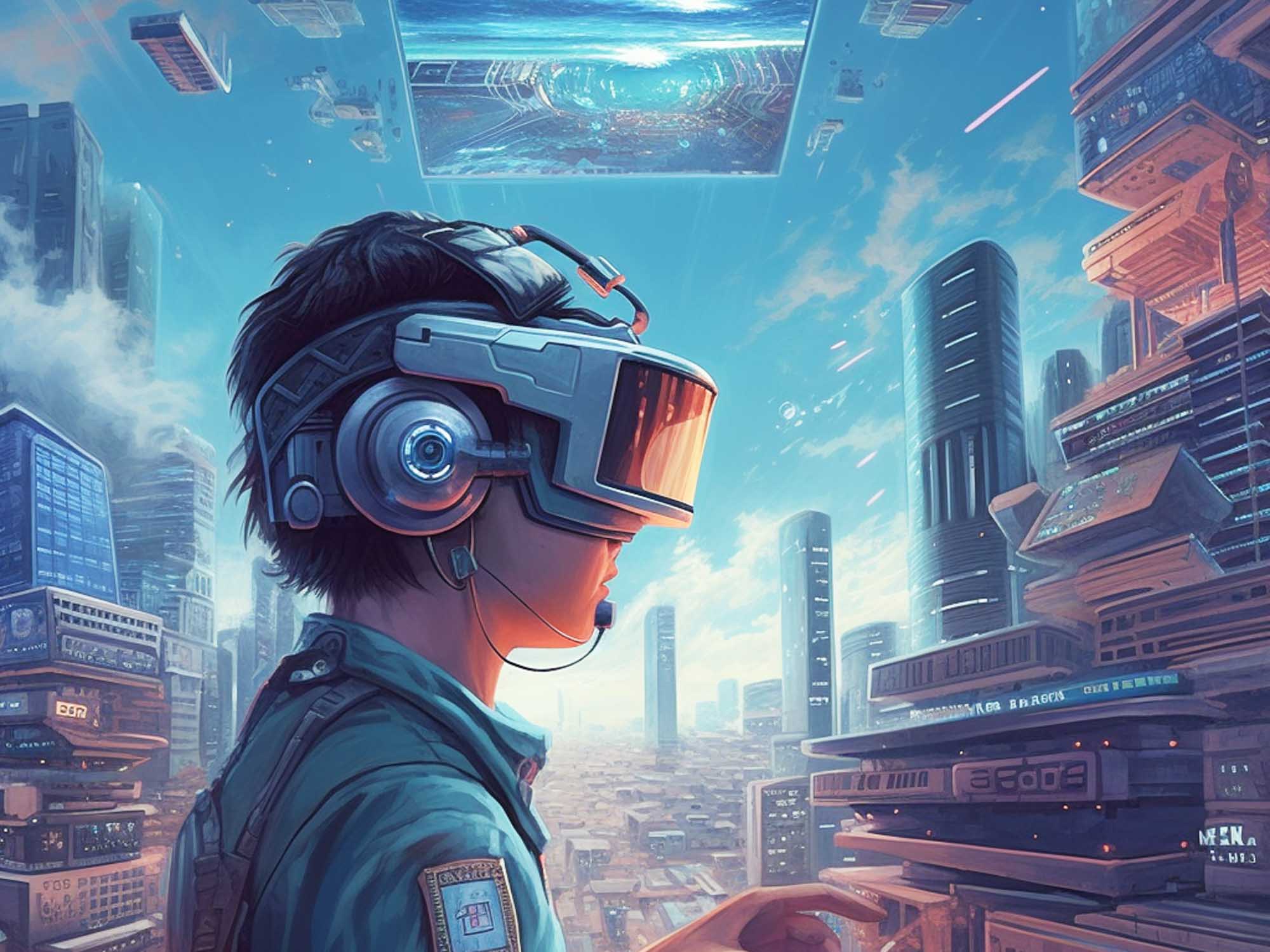
Technology is an expression of human nature. From the very beginning of their appearance on earth, humans have invented technical aids: tools, then devices and appliances, and finally machines and complex mechanical systems that span the entire world as global networks. What challenges does this new, growing technical realm present us with? If we observe the past, it becomes apparent that the state of technological development corresponds to the development of humanity’s consciousness. From this perspective, current technologies have become…
Edwin Hübner · 15. Juni
Column
The Pentecostal Question
And as the time of the fifty days neared its fulfilment, they were waiting with shared devotion for the beginning of the Pentecost festival. Then suddenly a sound came from the spiritual heights like the rushing of a mighty wind, and it filled the whole house in which they were gathered. And to their seeing there appeared tongues of fire, like flames which divided until they came to rest on each one of them. And they were all filled by…
Wolfgang Held · 15. Juni
Social
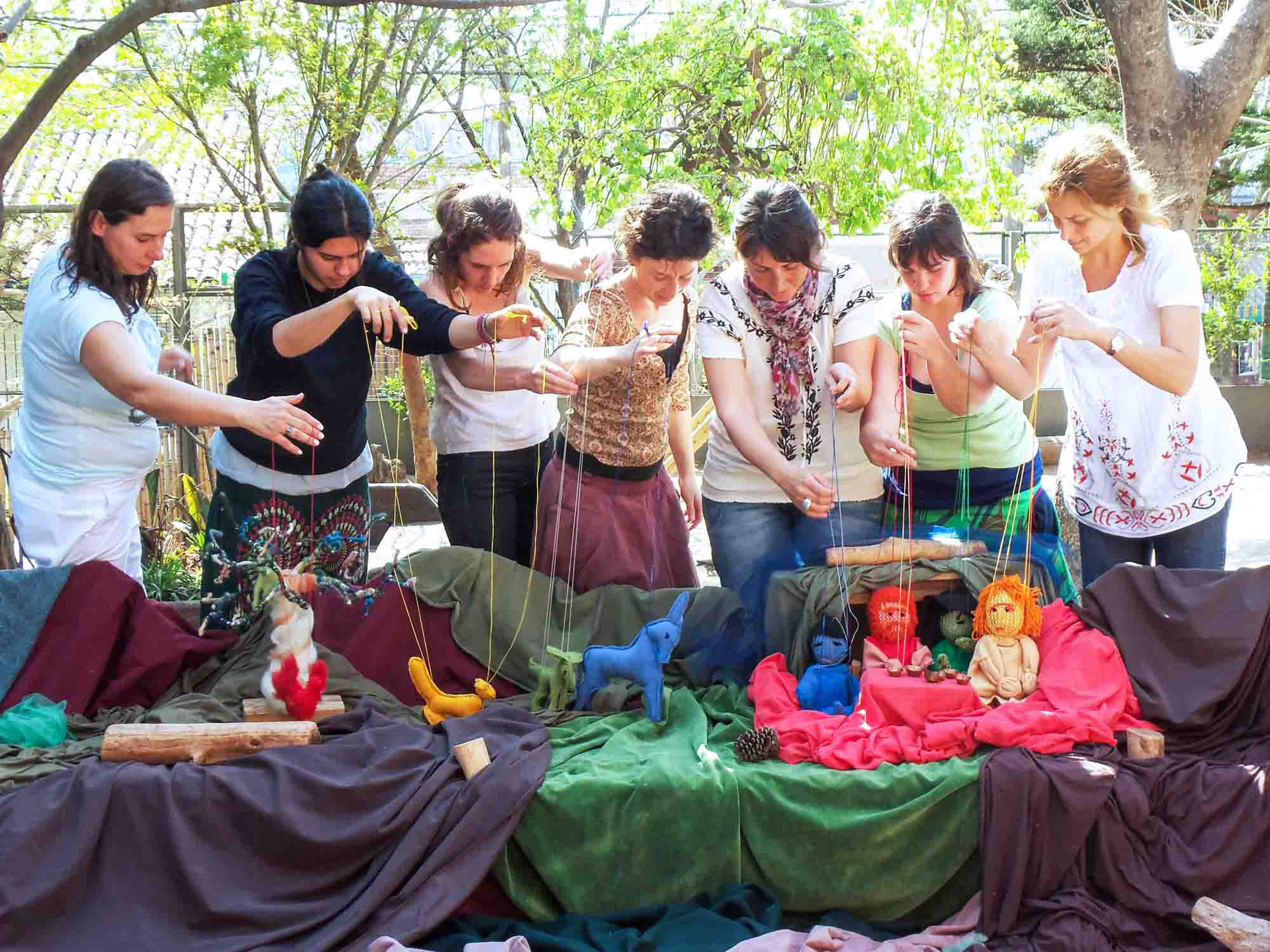
Seeing the Light in Others
The online Whitsun Festival organized by The Anthroposophical Society in America and the World Social Initiative Forum (WSIF) took place on Whit Monday. One of the initiatives on the program was Argentina’s Perito Moreno Educational Institute. Feeling connected to others is a central need of humans, and as such, connectedness within the anthroposophical community was also celebrated at this year’s Whitsun Festival. The motto, ”Bridging the Temple Between”, served to draw an arc to the New Testament in which Jesus’s disciples received the Holy Spirit in…
Paula Boslau · 15. Juni
Nepal
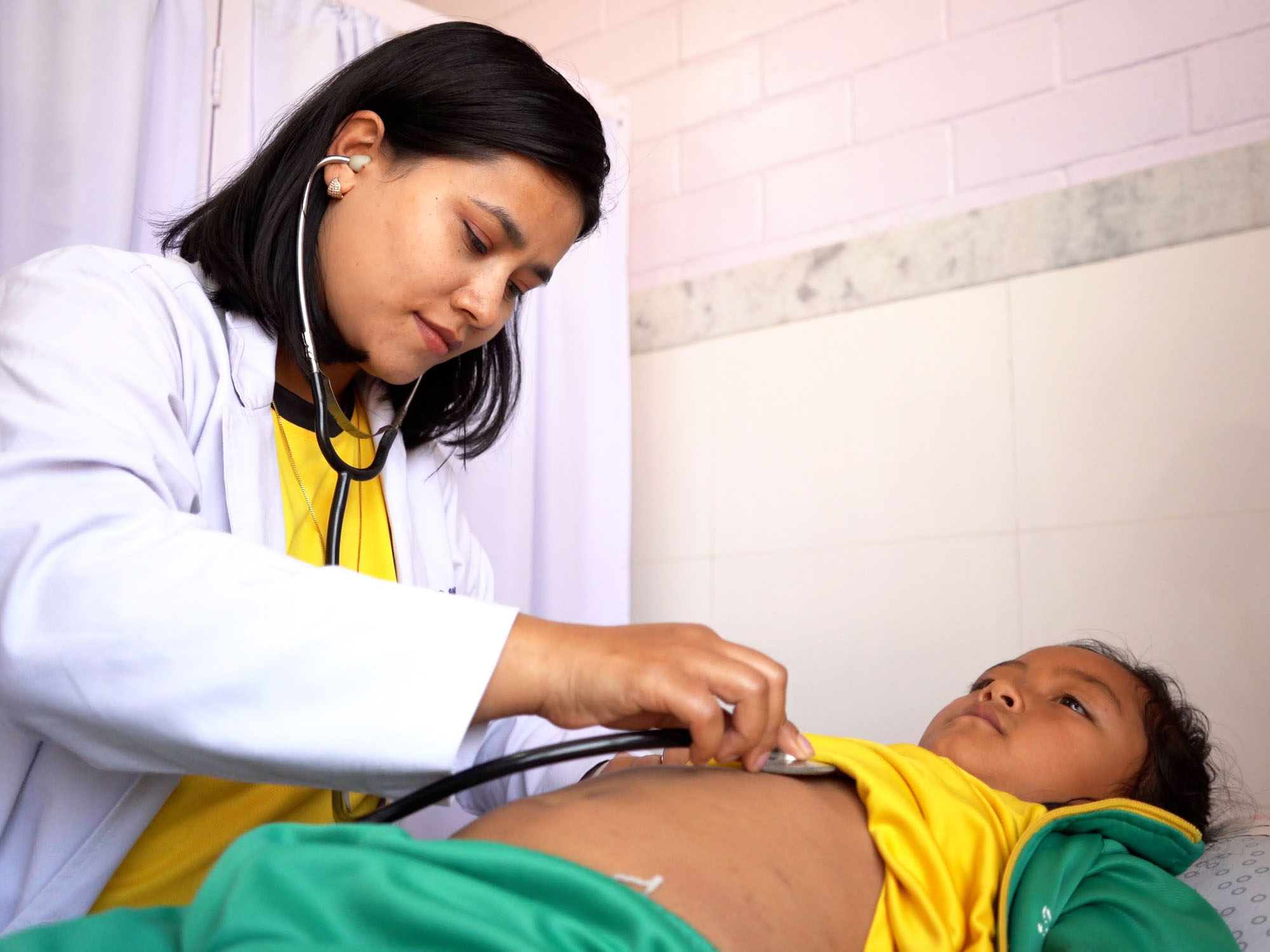
Improving Quality of Life in Khahare
The Kevin Rohan Memorial Eco Foundation supports village communities on their path to a more sustainable future. At the Whitsun Online Festival organized by the Anthroposophical Society in the USA, Krishna Gurung gave a presentation about his foundation, the Kevin Rohan Memorial Eco Foundation, which was launched in 2010 and named after his son. The project has a clear vision: its members aim to improve the quality of life in Nepal’s poorest regions by means of ecologically inclusive lifestyles. Regenerative practices include the transformation of agriculture…
Paula Boslau · 15. Juni
Kenya
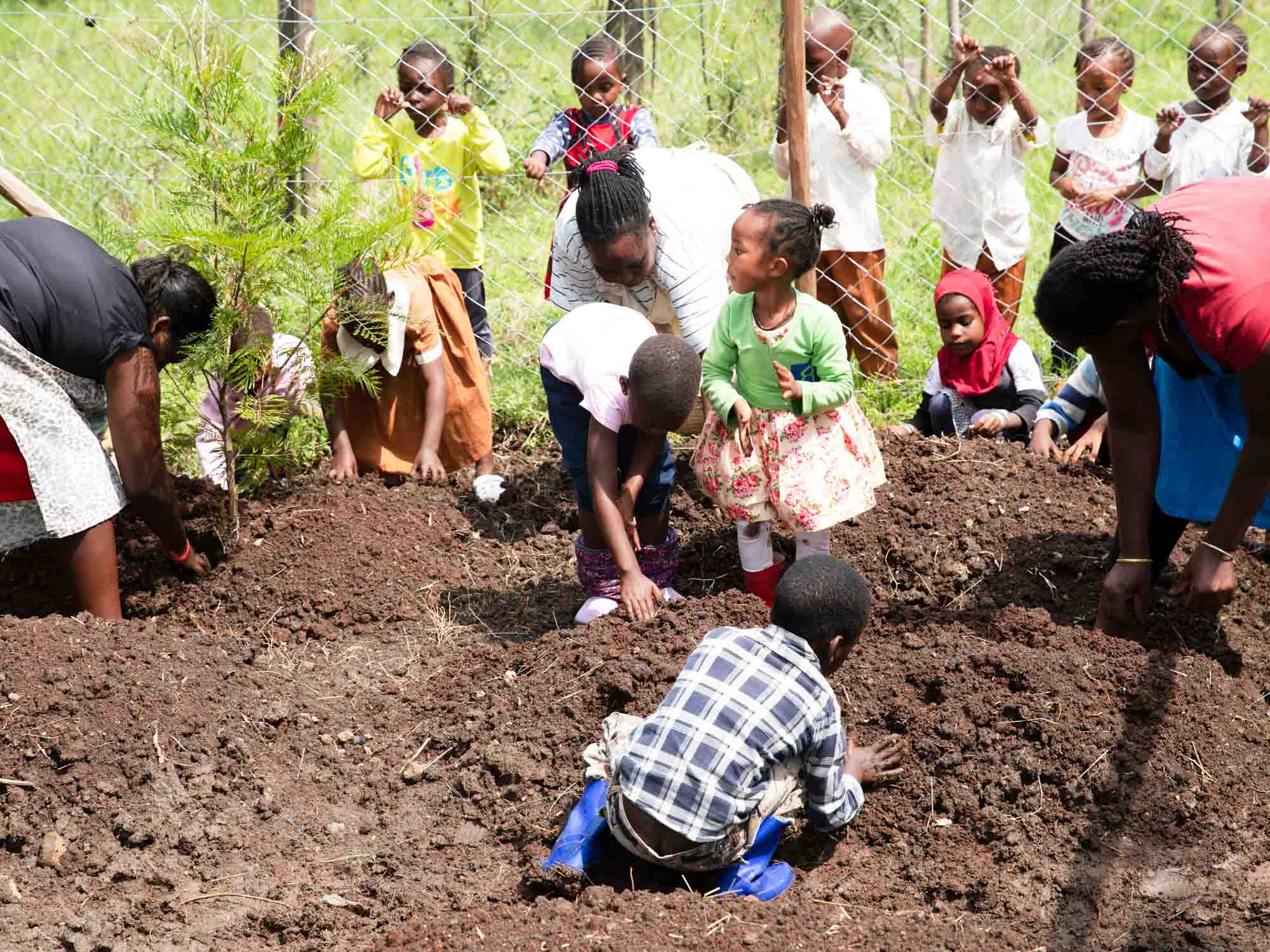
Holistic Education for Everyone
The Waldorf movement has been growing in East Africa since the 1980s. In 2007, individual educational initiatives joined to form the East Africa Association of Waldorf Steiner Schools. The East Africa Association has been working to link Waldorf projects from Kenya, Tanzania, and Uganda. At this year’s Whitsun Online Festival organized by the Anthroposophical Society in the USA, the association presented its goal: to establish Waldorf schools and biodynamic agriculture in East Africa. The heart of the organization is the Rudolf Steiner School in Mbagathi, Kenya,…
Paula Boslau · 15. Juni
Agriculture
Connecting Humans and the Cosmos
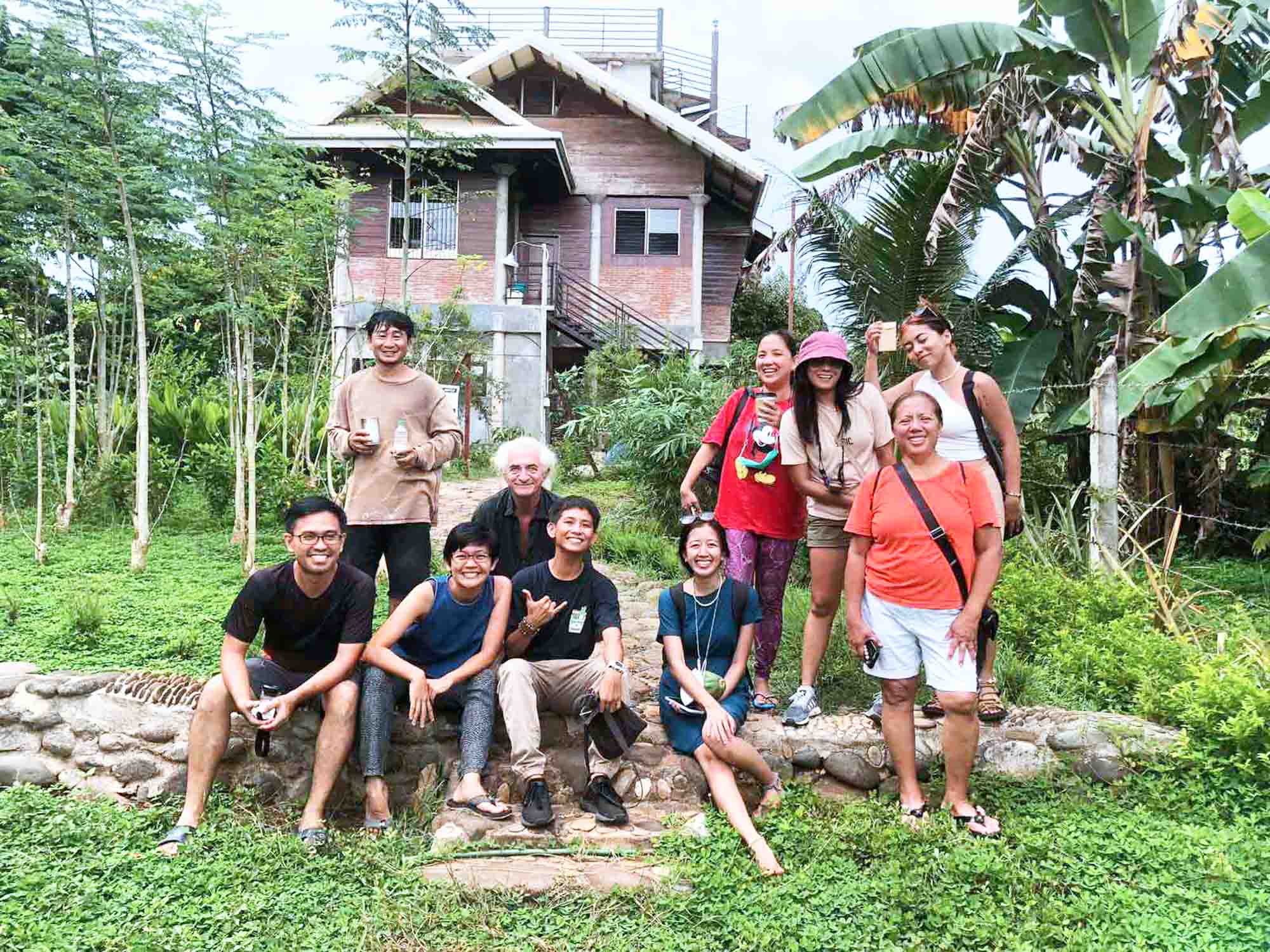
“Connecting Humans and the Cosmos, Healing the Earth” is the mission statement of Koberwitz 1924, Inc, a Philippines-based center for biodynamic agriculture, health, nutrition, and education. The non-profit initiative was presented at this year’s Whitsun Online Festival organized by the Anthroposophical Society in the USA. The name of the project refers to Rudolf Steiner’s 1924 Koberwitz lectures on the renewal of agriculture. The village of Koberwitz, which is now part of Poland, is considered the birthplace of biodynamic agriculture. The initiative…
Paula Boslau · 15. Juni