5 Beiträge · Ausgabe 36/2022
Editorial
Issue 36/2022Fühlende Einsicht – Pädagogik im Gespräch
Kinder sind die Zukunft, sagt man manchmal auch leichtfertig dahin. Und gerade die Jugendlichen von heute sind sehr aktiv, um sich ihre Zukunft nicht vom Gewordenen nehmen zu lassen. Oft sind sie aber auch deprimiert, weil das Alte blockiert und so sehr zerstört hat. Die Aufgabe der Pädagogik ist, darin zu vermitteln. Sie steht in der Welt, im Vergangenen, im Gewordensein und will doch dem noch nicht Dagewesenen, dem Geheimnisvollen und noch nicht Offenbaren eine Tür öffnen, eine Hand reichen. «Das Lebenselement der Erziehungskunst ist Freiheit, Kreativität und das Nicht-alles-schon-vorher-Wissen», sagt Philipp Reubke im Vortrag, den er zusammen mit Constanza Kaliks gehalten hat. Eine frühlingshafte Stimmung kommt darin auf, auch wenn wir uns bewusst sind, dass das Werden immer geschieht. Das Urbild des Anfangs, des ewig Neuen ist sicher das Kind, aber in jedem von uns lebt seine Ermöglichung.
Gute Grüße aus der Redaktion
Weitere Beiträge
5 Beiträge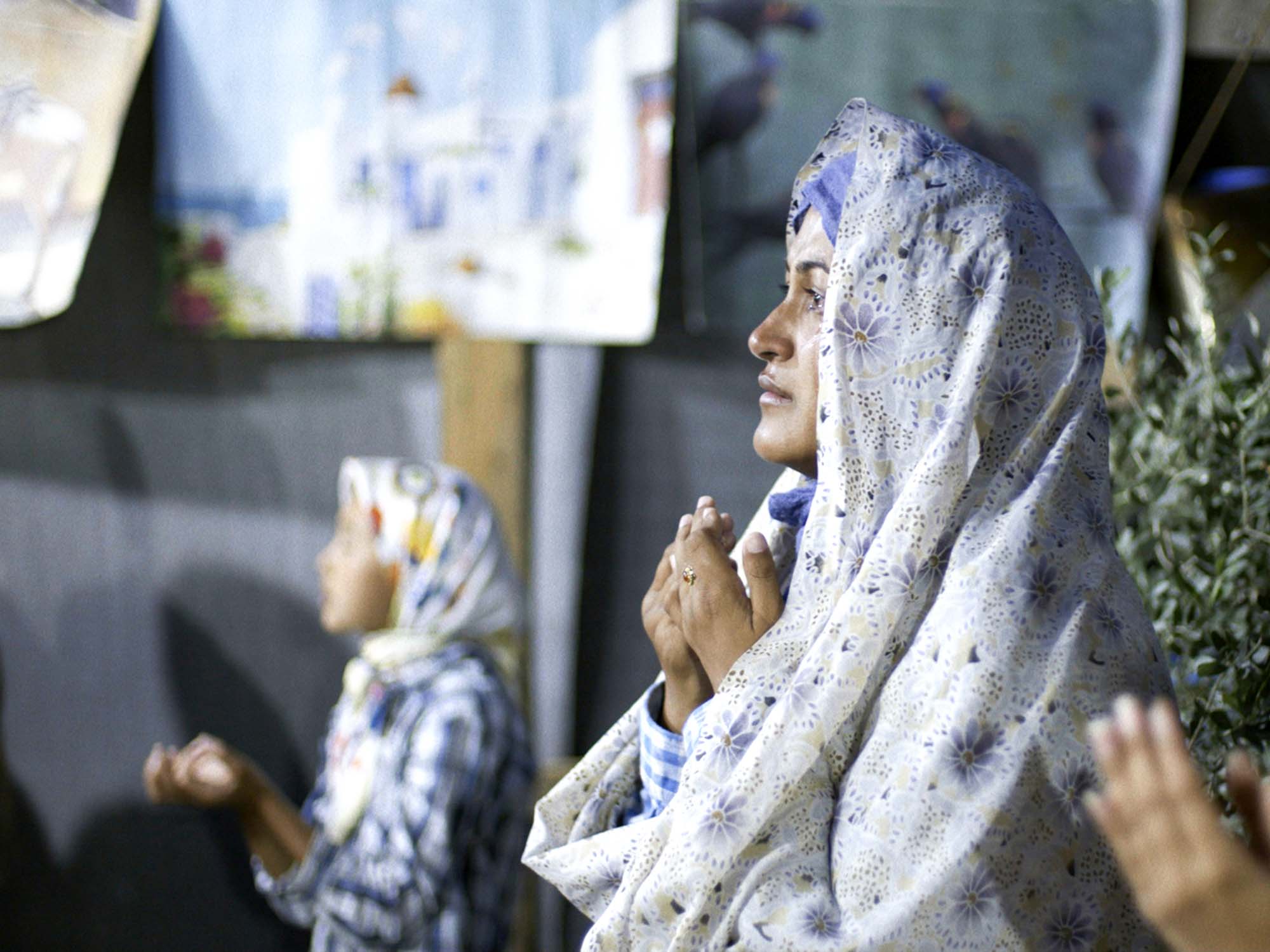
Im Fokus
Home Is Nowhere
Can you imagine what it’s like to arrive at Europe’s borders as a refugee? The film ‹Nasim› tells the story of such a woman from an on-the-ground perspective, not from a political-theoretical bird’s eye view. Nasim is stranded with her family in the camp of Moria and was accompanied there from March to September 2020 by two German documentary filmmakers. The movie is a peephole into a humanitarian abyss in which the protagonist’s power lights up. Greece, an island, blue…
Franka Henn · 08. Sept.
Event
Rethinking Our Coexistence
From the 25th to the 27th of November the Goetheanum will be hosting the conference ‹Threefold Order Switzerland›. The impact of the measures against the COVID-19 pandemic and the war in Ukraine has further destabilized world conditions. All over the world, people are longing for adequate provision of the necessities of life with moderate working conditions for all, with due regard for sustainability in nature. Furthermore, many people seek to live ever more self-determined and free lives through education and…
Jonathan Keller · 08. Sept.
Worldwide
Audible Impulses
Those who want to immerse themselves in Anthroposophical history in English can become patrons of a new podcast. On the Patreon website, people can support others’ audible projects, such as podcasts or lectures, by choosing to make a regular donation. The site also features a project called ‹Anthroposophical Impulses›. In this series, the history of Anthroposophy in art, architecture, and literature is presented as ‹oral history›. For this concept, oral history is mainly collected in conversations with elderly people. Another…
Franka Henn · 08. Sept.

United States
Online Painting Classes Starting in September
Artist and educator Laura Summer has opened various online courses for enthusiastic painters. After her surprisingly positive experience during the COVID-19 pandemic with digital forms of teaching, new courses are starting now. The co-founder of the Free Columbia arts and education initiative will teach the dynamics of colors in a weekly morning or afternoon class (New York time zone). Every two weeks in the morning a course for painters on Rudolf Steiner’s sketches will take place. At noon or in…
Franka Henn · 08. Sept.

Pedagogy
Love Is Always Practical
Constanza Kaliks and Philipp Reubke head the Pedagogical Section at the Goetheanum. In the series ‹Anthroposophy – an Extension of Science?› they spoke about pedagogy as enabling what has never been seen before. It is a balancing act to mediate between the world that is and the still unknown future of the child. Rudolf Steiner’s approach, from which the Waldorf school movement emerged, is a pedagogy oriented towards knowledge of the human being. The struggle towards this is the starting…
Philipp Reubke · 08. Sept.