
6 Beiträge · Ausgabe 49/2021
Editorial
Issue 49/2021Medienerziehung zur Freiheit – #KidsOnTech
Der Pandemie-Ausnahmezustand hat nicht nur die Spannungen im Gesundheitswesen, in der Politik oder im sozialen Miteinander verschärft. Auch pädagogisch sind die Zeiten herausfordernd. Lehrkräfte und Familien mussten eine hohe Belastung aushalten und gleichzeitig neue Vermittlungsformen und Homeschooling-Methoden erfinden. Dafür sind vermehrt Medien nötig, und es zeigt sich, dass es für eine gesunde Erfahrung von Technik Voraussetzungen gibt. Damit Kindern und Jugendlichen der freie Umgang mit digitalen und sozialen Medien und den sich entwickelnden Technologien gelingt, brauchen sie Kompetenzen und eine gefestigte Basis. Ich sprach mit Henning Kullak-Ublick über den neuesten seiner coproduzierten Filme, ‹#KidsOnTech›, der ein Zeitbild und Ansätze praktischer Medienpädagogik skizziert.
Weitere Beiträge
6 Beiträge
Im Fokus
Joint Work of Humanity and Elemental Beings
Peat is suitable to protect us humans from the effects of technology. With this statement by Rudolf Steiner, peat fiber research began in 1920. It was budding. Gilda Bartel spoke to Peter Böhlefeld, who has been researching this topic since 1998 and who has developed a range of peat products for the Wandil company. How did the idea of using peat fiber come about? There was a fiber exhibition in Berlin in 1917. Nettle fiber, which Rudolf Steiner found to…
Peter Böhlefeld · 01. Dez.
Reflection
Life is So Thin
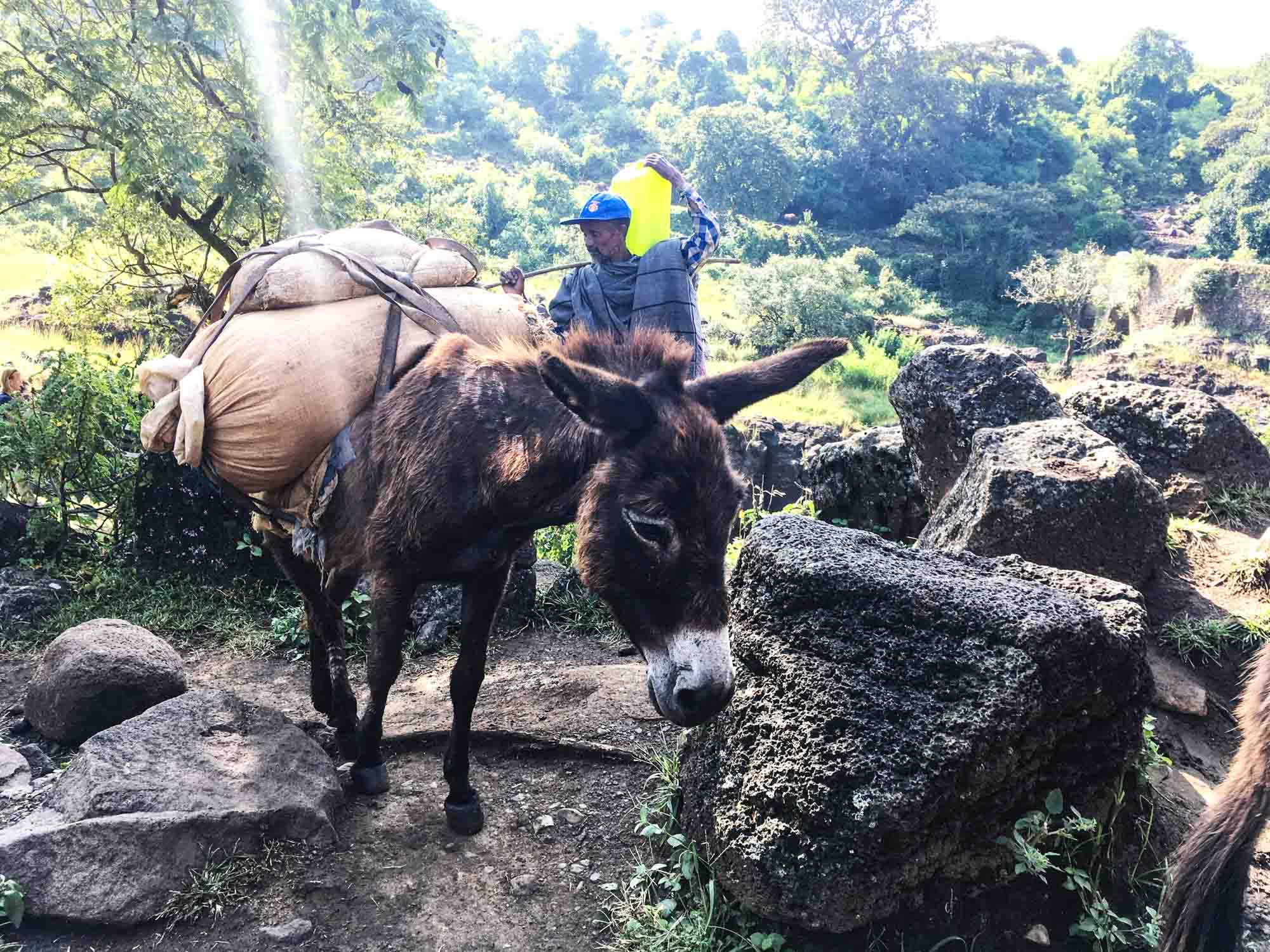
Civil war has been raging in Ethiopia for nearly two years. It is not easy to pinpoint the blame for the suffering of the civilian population, but life there is getting thinner and thinner. Two main causes are entanglements over political power and identification with one’s own ethnicity. Five years ago, the Oromo protests were still in the foreground, causing states of emergency in which people died – we were not allowed to leave our hotel. At that time, a…
Gilda Bartel · 01. Dez.

Column
Process Instead of Processor
Summer 2020, I was on a chapel tour with an architect friend. We finally reached Dornach via Cologne, the Eifel and Alsace. After the first impressive tour around the Goetheanum, unknown to him and as a non-anthroposophist, my companion asked friends the unsuspecting question: But where is the chapel, the sacred space? After initially smiling and tasting the question, a conversation ensued about what the holy place in Dornach is for each of us. The eurythmist in the group named…
Gilda Bartel · 02. Dez.

Conversation
Media Education for Freedom: #KidsOnTech
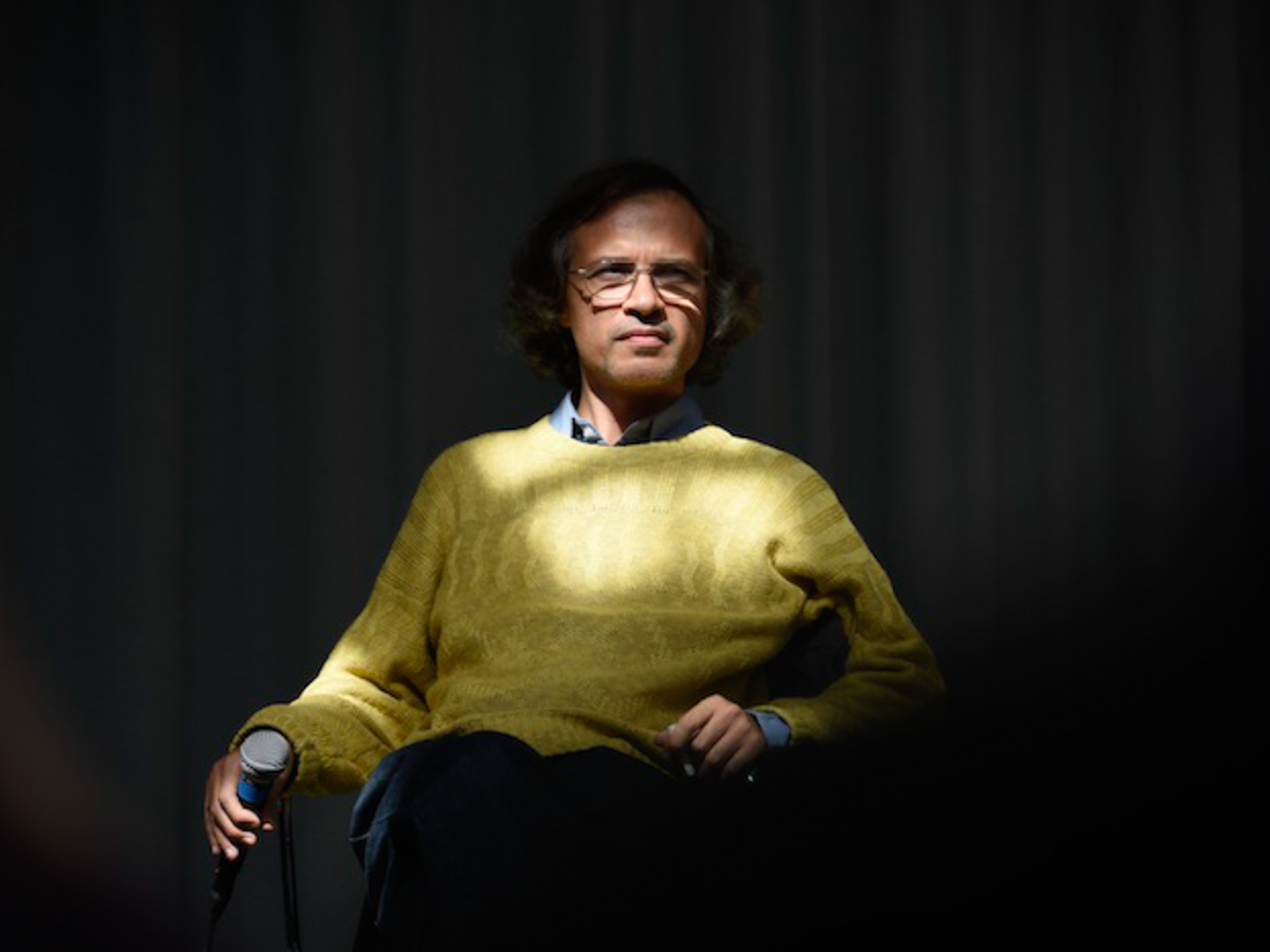
Spaces and time are dwindling in which children can have sensory, natural experiences and discover and play at their own pace. Childhood has never been as unchildlike as it is today. The working world of adults outshines everything else. With the advent of the internet, digital work and social media, adults often don’t know how to take time for themselves and their children. How does education for autonomy succeed in the digital age? Henning Kullak-Ublick introduces ways and co-produced a…
Henning Kullak-Ublick · 02. Dez.
Philosophy
Human Locations
A lecture on the future of the self and artificial intelligence was planned for the ‘Long Night of Philosophy’ in Zurich. This big topic is distilled into a little conversation with Salvatore Lavecchia. How does the “I” differ from artificial intelligence? Artificial intelligence is based on processing what is “stored”. What emerges in this way is a derivation from the past, not a real present / future. The I, which experiences itself as spiritual beyond the physical and mental, is,…
Salvatore Lavecchia · 02. Dez.
Germany
Preserve Habitats
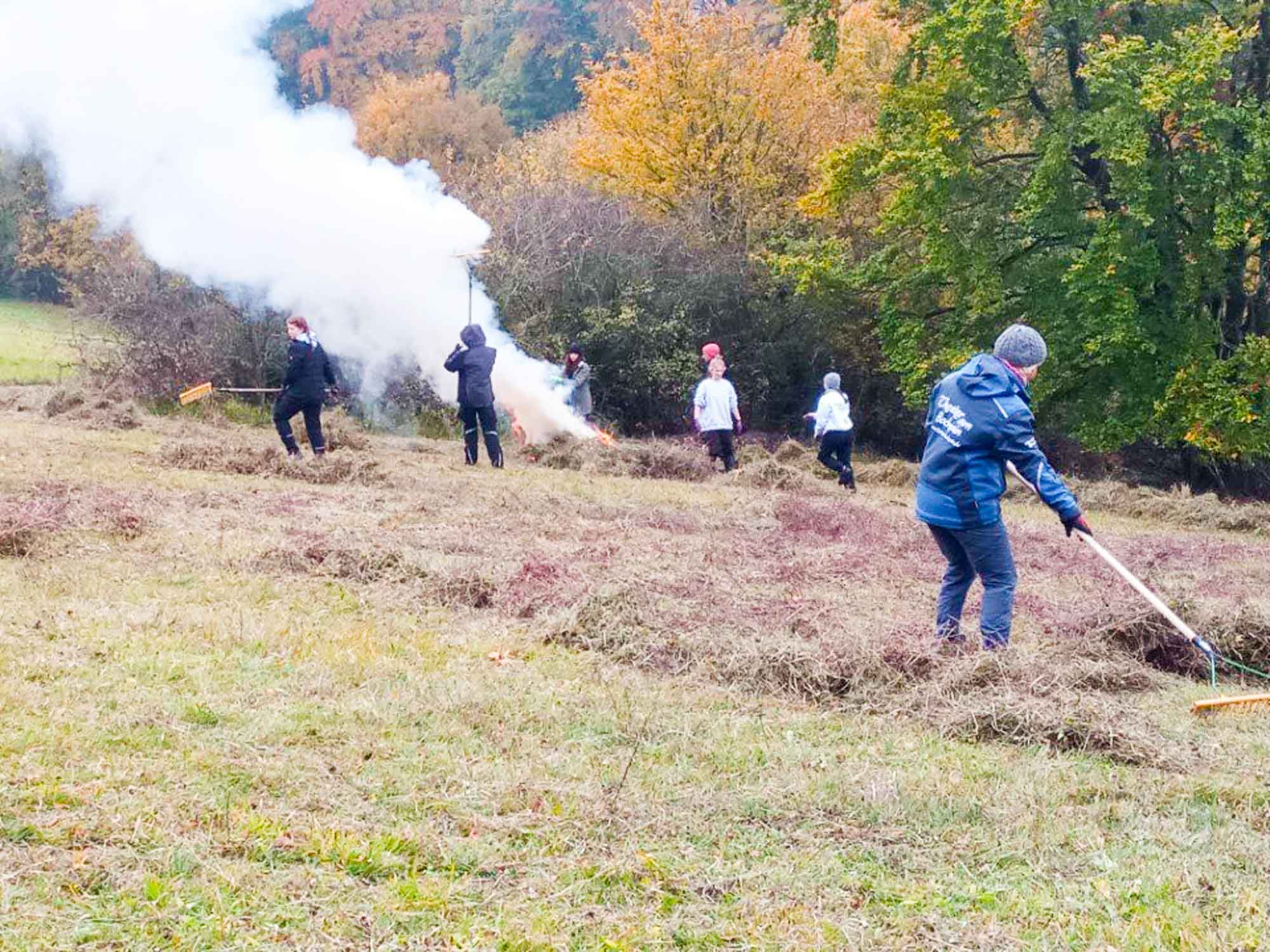
Local species protection is becoming a community tradition. Machines are too brutal for the flora and fauna of the UNESCO Rhön Biosphere Reserve. Manual work is necessary and has to be done every year so that the protected areas do not become permanently overgrown. The Rudolf Steiner School Loheland has had a forestry internship as part of its curriculum and supported the rangers for years. This is how habitats are preserved. This autumn they removed cuttings, burned brushwood, and tended…
Gilda Bartel · 02. Dez.