21 Beiträge · Ausgabe 11/2025
Editorial
Issue 11/2025
Kein Editorial verfügbar.
Weitere Beiträge
21 Beiträge
Im Fokus
Speaking from the Heart
We all know it, mostly from our social relationships: the deep ache of not being able to make ourselves understood. It feels powerless to have become speechless, at a loss for words, inaudible, having not yet found the sheltering blackness of the blackbird’s feathers in the twilight of a winter’s day, the solace which tells me that we need not be afraid. Instead, like frozen clouds, I’m stuck in the shadows that tell me of my past. Something begins to…
Gilda Bartel · 25. Feb.
Essay
Sands of Eternity
On a shore, stones lie scattered in the sand. I pick one up, look at it in my hand. The sand runs on and on through my fingers. A whole life slips through my fingers. I move them gently as if trying to move a string that isn’t there. A whole life slips from my hand. The stone lies heavy in it, but the sand does not stop falling. It falls and falls and scatters and spreads upon the beach.…
Andreas Blaser · 25. Feb.
Steiner as
Finding Trust in Anthroposophy
The sheltering embrace, acceptance, and openness to wonder that a child feels playing in nature are the maternal, feminine qualities that Laura Scappaticci found again in anthroposophy to support and guide her in challenging times. Growing up in the 80s, my brother and I were sent outdoors to play for hours. We made mud stew in plastic orange buckets and climbed the maple tree in our front yard. The bright green caterpillar and strange looking chrysalis under our apple tree…
Laura Scappaticci · 25. Feb.
Conversation
Learning to Talk about Eurythmy
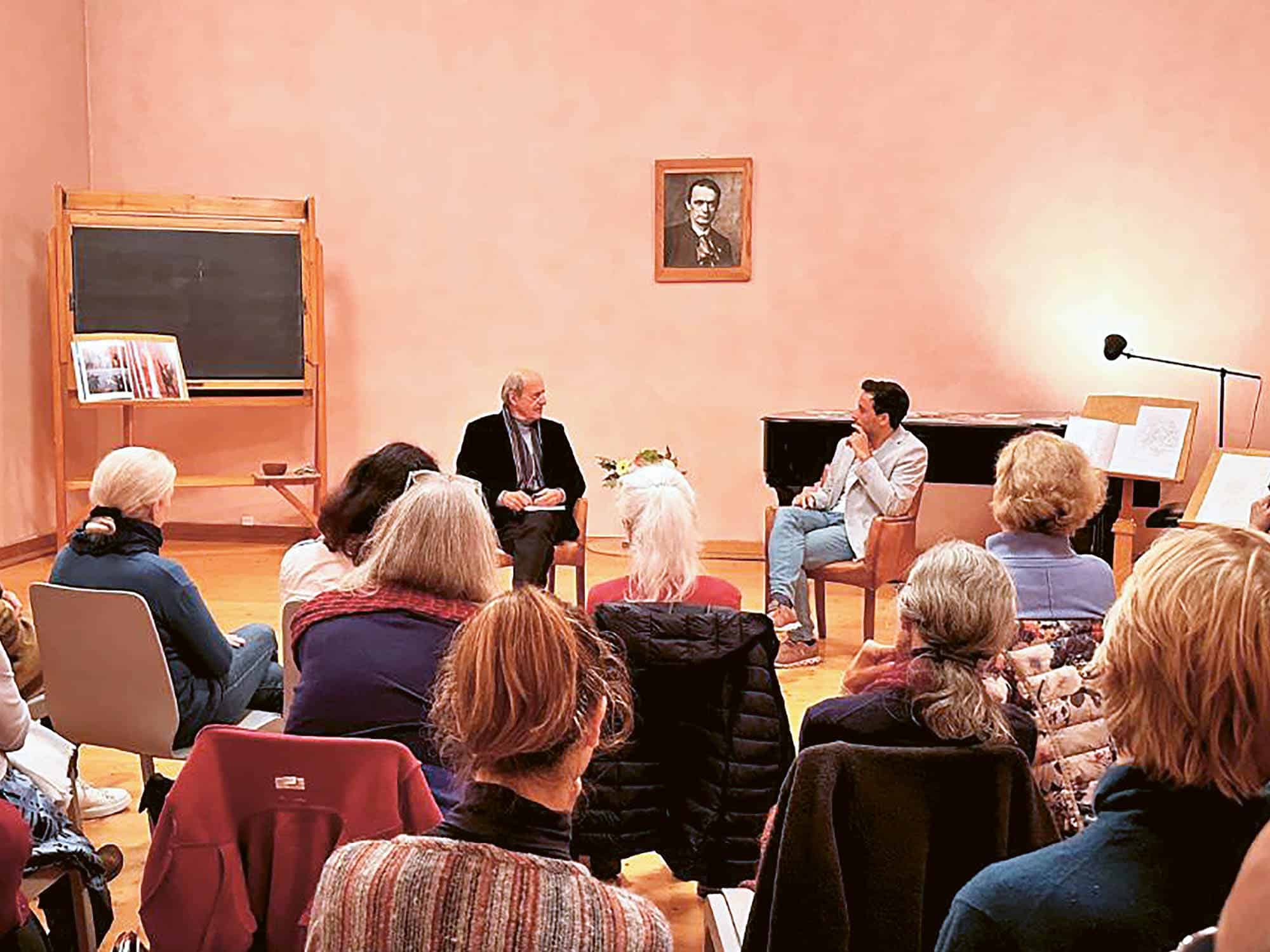
Eurythmy is one of the major new creations from the heart of anthroposophy. It’s more well known today but is still finding its way into a dialogue with itself and the world. For four years now, “Eurythmy in Conversation” [Eurythmie im Gespräch] has been a regular event at the Goetheanum, initiated by the Goetheanum Eurythmy Ensemble. In this interview, Christine Prestifilippo, Nicolas Prestifilippo, and Marianne Dill talk about their motivations for the series. Franka Henn: Already in the title of…
Christine Prestifilippo, Marianne Dill und Nicolas Prestifilippo · 25. Feb.
Essay
The Negativity of the I
To what extent can anthroposophy be identified with humane values? The ethical individualism on which anthroposophy is based does not endorse external moral norms, and yet it leads to the very core of human dignity. Nicolas Criblez examines the origin of moral values in the light of an anthroposophical philosophy of freedom, using the concepts coined by Rudolf Steiner in his philosophical works. Rudolf Steiner’s social thought is predicated on his notion of ethical individualism and freedom. However, he is…
Nicolás Criblez · 25. Feb.
Conversation
Ready for the Opportunity
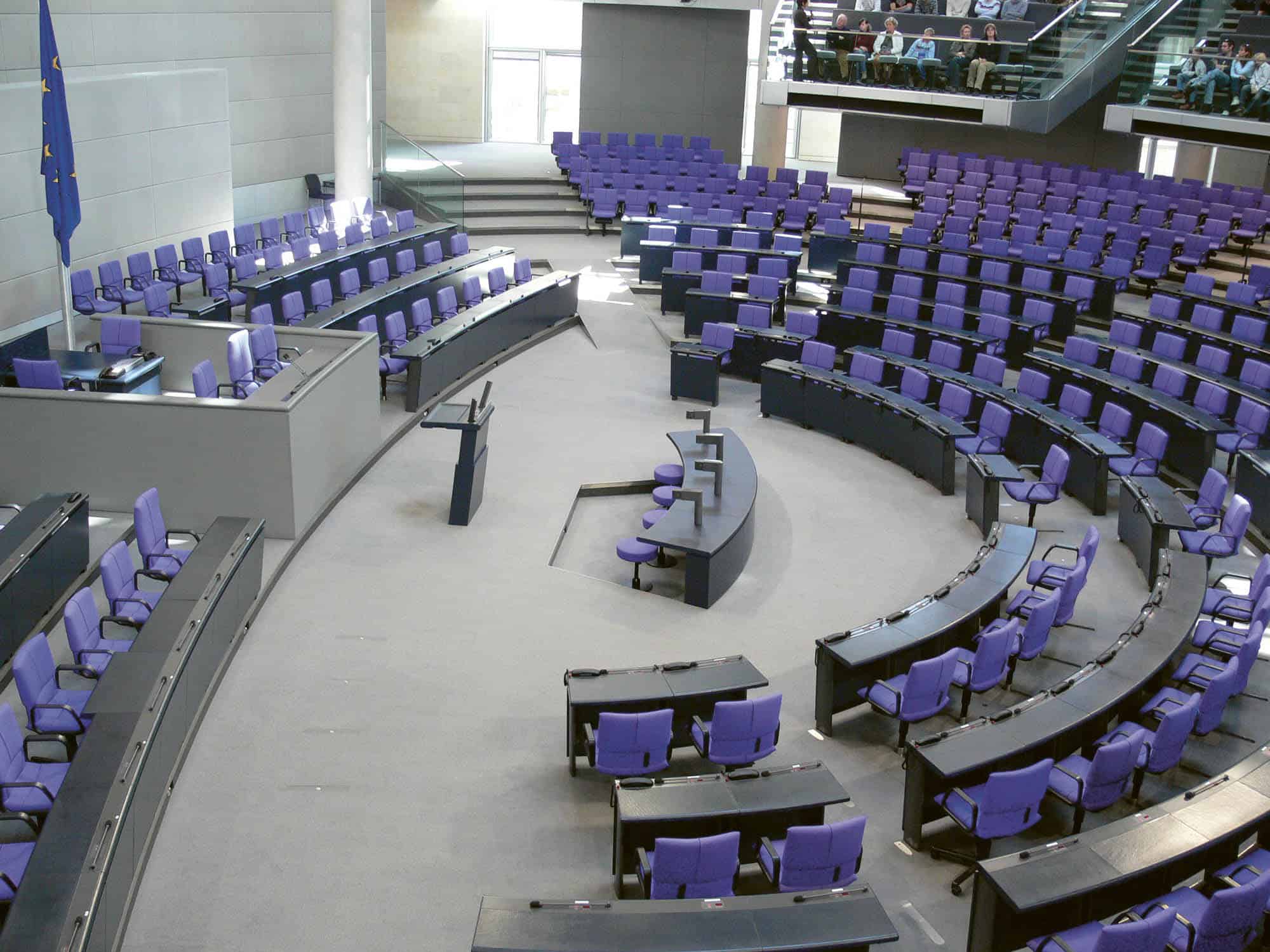
Last year, elections were held in France, the USA, the Netherlands, and Austria, now in Germany. Wolfgang Held spoke with Gerald Häfner. WH: Do you think the elections show an overall worrying picture? GH: They worry me because our democratic societies are at risk of breaking down. Democracy is built on creating a space where different points of view meet and change in order to reach decisions that are supported by as many people as possible. This space for discussion…
Gerald Häfner · 25. Feb.
News
Diving into the Mysteries
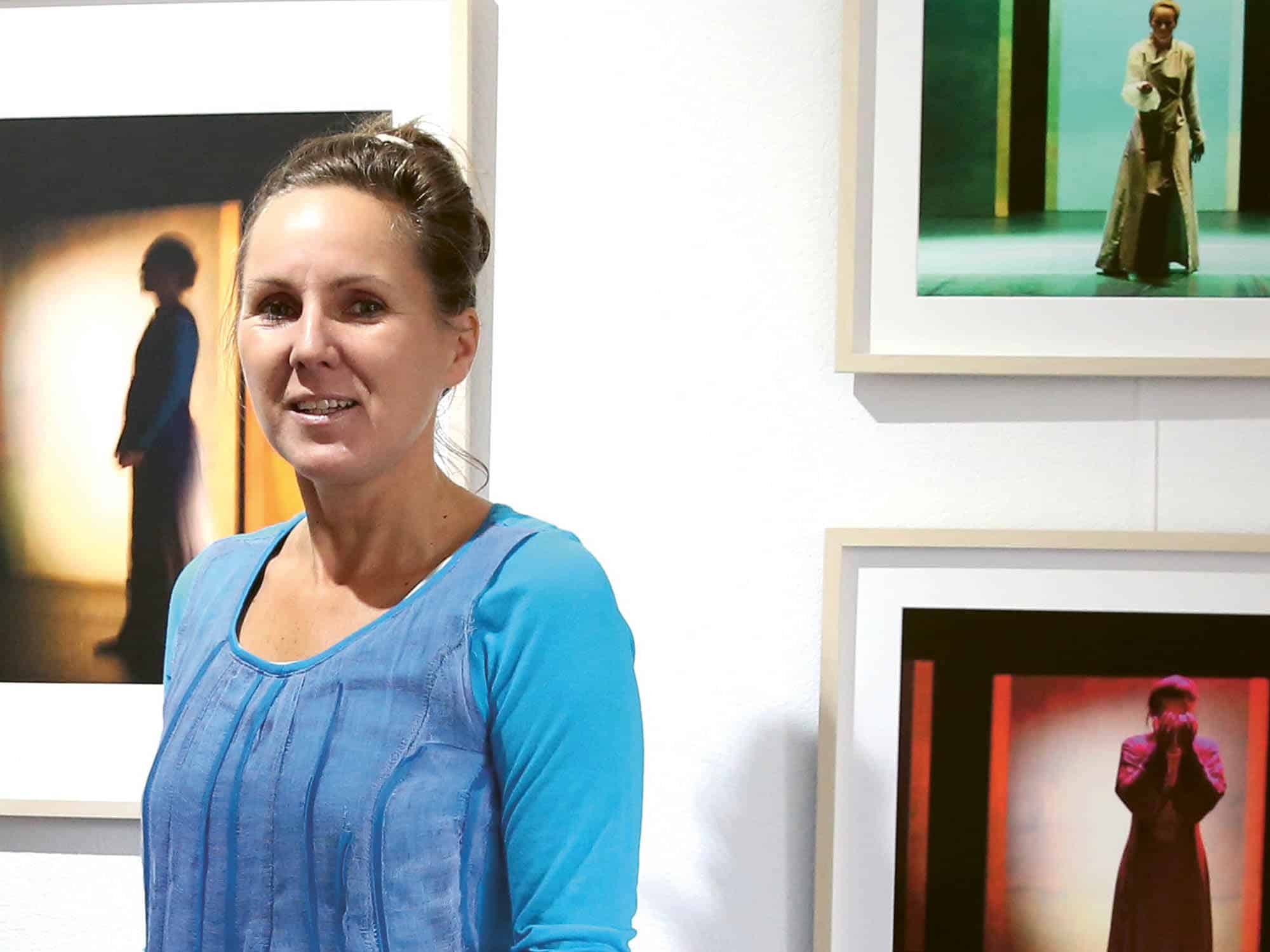
Basel, Switzerland / Copenhagen, Denmark. 2025 is the 100th anniversary of Rudolf Steiner’s death. How does he live on in specific individuals? Vera Koppehel, eurythmist and lecturer in applied eurythmy, gives her answers. Which sentence by Rudolf Steiner particularly moved you, and why? “On the sixth day of creation, the human appeared physically on earth, but not materially.” (GA 122, freely quoted). Short statement—powerful context. This topic of evolutionary development refreshes and catches me again and again. In 2009, I…
Vera Koppehel · 25. Feb.
News
Holistic Therapy
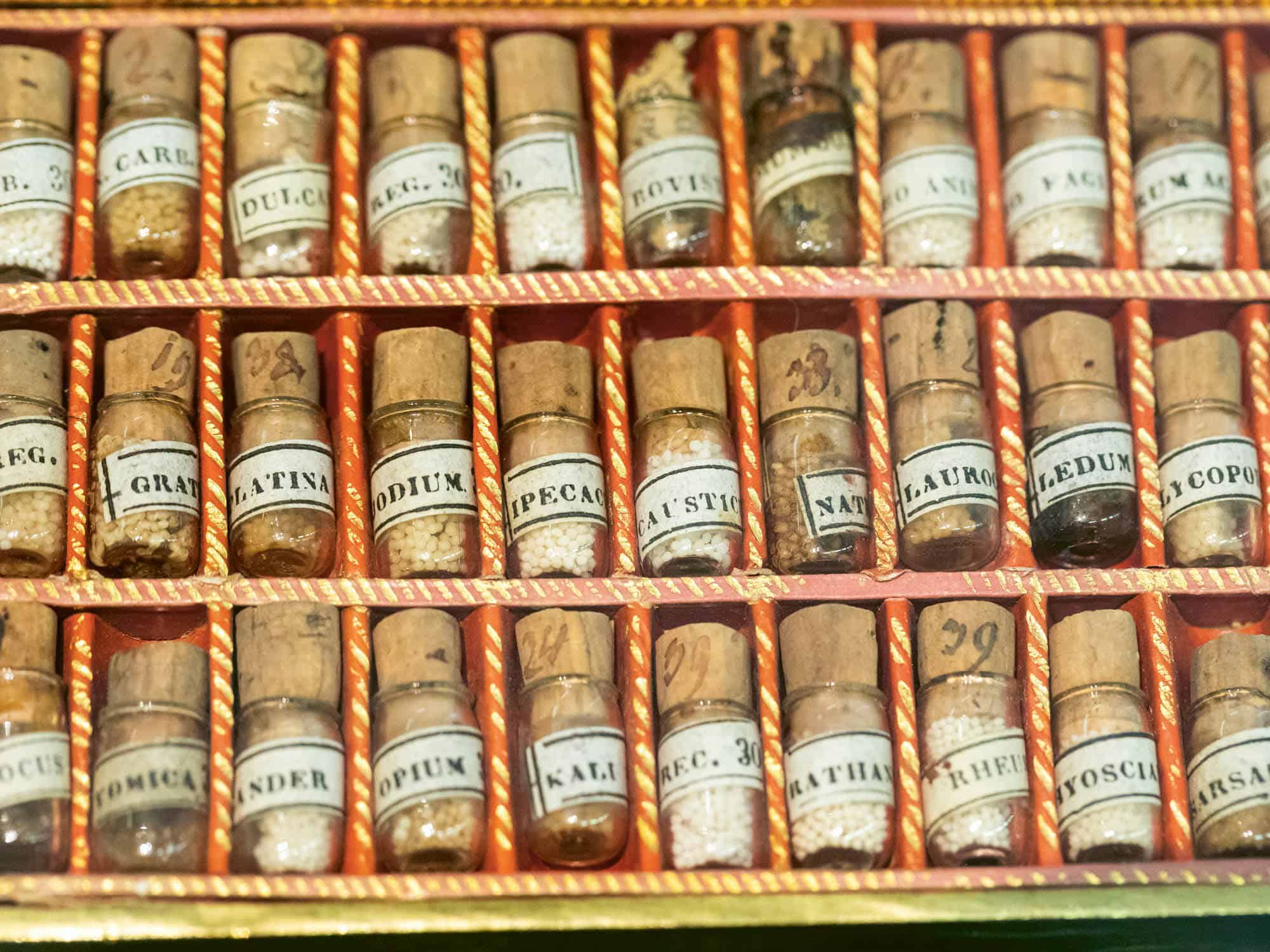
Vienna, Austria. A new study on anthroposophic medicine. Compared to other countries, the use of complementary medicine is very popular among the Austrian population. In 2020, a survey revealed that 12% of Austrians had sought integrative medical treatment at least once in the past twelve months. In an international comparison, only China (13%), India (14%) and Switzerland (15%) were ahead of Austria in terms of use. The results of a study conducted by the Vienna Insurance Company in 2023 also…
Paula Boslau · 25. Feb.

Event
Being Human
Driebergen-Rijsenburg, Netherlands. A two-day festival in the Netherlands. On the weekend of May 30 and 31, the “Mens! Festival” [Humans! Festival] will take place in Driebergen in the Netherlands. It is all about one thing: celebrating being human. The event will focus on the richness of the anthroposophically inspired integration of humanity in various areas of society, such as education, business and healthcare. Organizations and initiatives such as Weleda, Waldorf schools, eurythmy ensembles and biodynamic farms will be represented. The…
Paula Boslau · 25. Feb.
News
The Art of Living
Dornach, Switzerland. A new theater project at the Goetheanum. The Goetheanum Studium is organizing a new course with Gosha Gorgoshidze in collaboration with Bühnenkunst amwort. It begins with the question: What can we learn from the art of theater for our lives? In a series of improvisation and theater workshops, participants will explore the qualities of intuition, the experience of freedom and playfulness as a skill that develops our sense of life. They will also work on finding their own…
Paula Boslau · 25. Feb.

Column
From Reading to Love
I remember clearly the first page of the first lecture series by Rudolf Steiner that I ever read. I was astonished. Steiner writes what an imaginary ancient oriental sage, in contemplating modern Western civilization, would say: “You are living entirely in fear; your whole mood of soul is governed by fear. All that you do, as well as all that you feel, is saturated with fear and its reverberations in the most important moments of life. And since fear is…
Louis Defèche · 14. März
Steiner as
Shattering All Stereotypes
Was Rudolf Steiner an Aristotelian or somehow, at least in some respects, a Platonist? These questions have evoked much controversy over the last 100 years. Such questions naturally concern not only Rudolf Steiner, but anthroposophy in general. Was anthroposophy born Aristotelian in order to integrate the Platonic into itself at some point? Indeed, what if Rudolf Steiner was neither a Platonist nor an Aristotelian but, quite simply, a Socratic? I immediately hear the concerns this question raises: should we introduce…
Salvatore Lavecchia · 14. März

Essay
The Riddle of the ‘I’
Many years ago, I read the following: “The ‘I’ receives its being and meaning from that with which it is connected.” It was like a bolt of lightning; I sat up at full attention. My previous understanding of the ‘I’ was totally shaken and set in motion. I realized that I’d always thought of the ‘I’ as beginning in a center. The ‘I’ as a center—and from out of this center, we direct our view to the world; from out…
Christiane Haid · 14. März

Essay
What Is Feeling?
In The Philosophy of Spiritual Activity, Rudolf Steiner frequently refers to feeling as a soul event. In Chapter 3, he starts by sharply distinguishing feeling from active thinking, which cannot be observed while it is occurring. He says that feeling is observable, along with certain other soul activities (having thoughts or mental pictures, wishes, and cravings). Again, in contrast to active thinking, which is universal, feeling is attributed to the individual personality. Active thinking takes on a personal and individ…
Renatus Ziegler · 14. März

Essay
Everything in the World Is Conscious
Many years ago, I was talking to the wife of a colleague in the stairwell of the Rudolf Steiner House in Stuttgart. Something must have upset me because I was talking very enthusiastically and stuck my right hand out, pointing my finger at the woman listening. As the conversation went on, I became aware of my gesture, which I hadn’t consciously noticed before. The woman I was with had noticed it, and it was clear that I had then noticed…
Anna-Katharina Dehmelt · 14. März

Essay
Christianity as Mystical Fact
In Jesus, the Logos itself has become a person. This book is not the first where Rudolf Steiner “became openly completely esoteric.” He’d already taken this step by writing on Goethe’s “Fairy Tale” in his Maga Would you like to keep reading? We’re pleased to present our Summer 2026 offer, valid until August 8: three months of free access – cancel anytime. If you’re already a subscriber, please log in here to continue reading.
Jaap Sijmons · 14. März
Conversation
Milder Climate
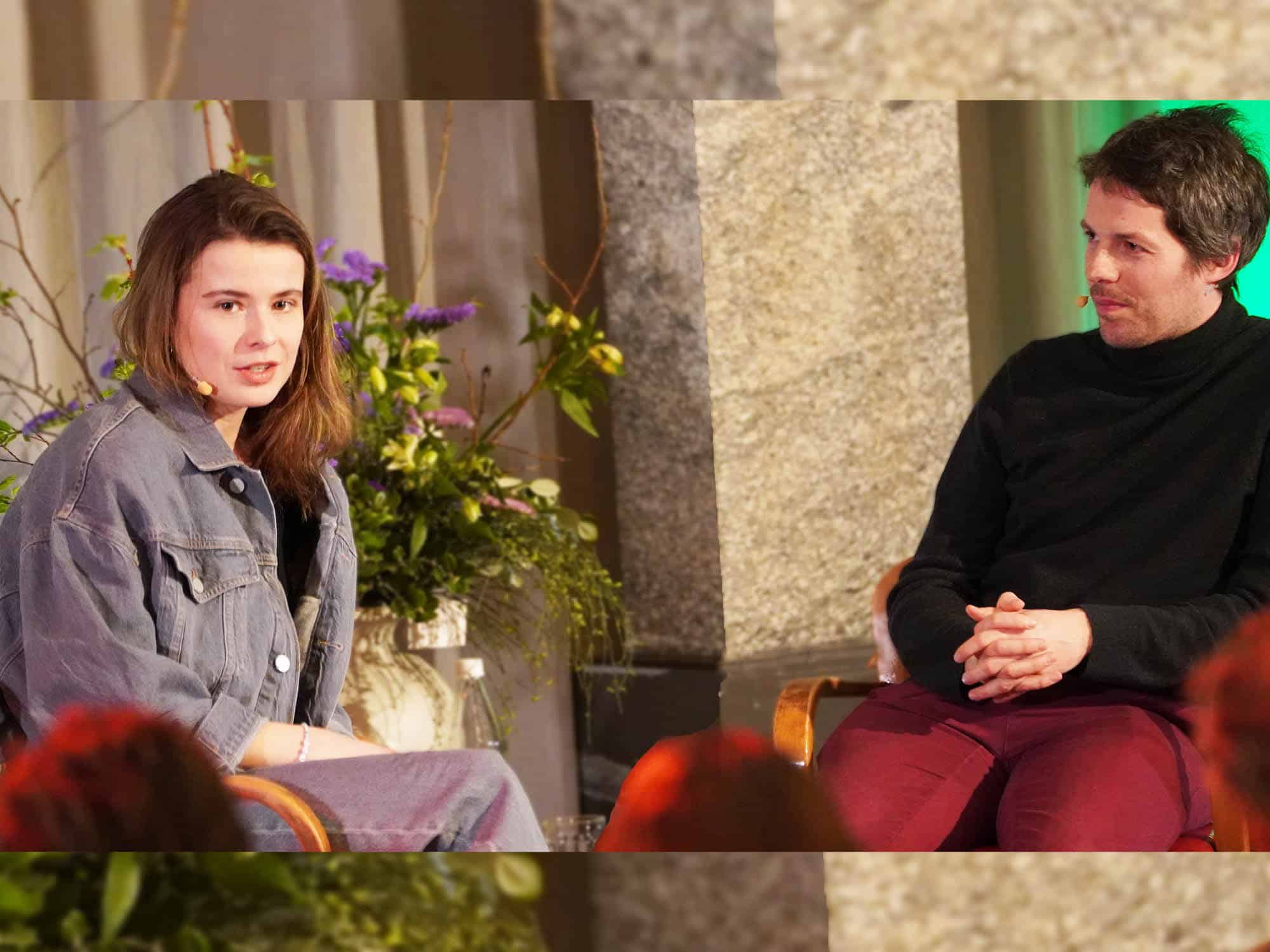
Luisa Neubauer in conversation with Philip Kovce for the “Politics Talks” series at Unternehmen Mitte. Her call: to overcome fossil thinking and live with determination and a willingness to compromise. The Caféhaus Unternehmen Mitte was filled to capacity. Many of the visitors couldn’t see the stage where Philip Kovce and Luisa Neubauer were in conversation. Instead of leaning around a pillar to get a clear view or pushing their way to the front, they used the limitation as an opportunity…
Wolfgang Held · 14. März
Tribute to Rudolf Steiner
A Space of Freedom
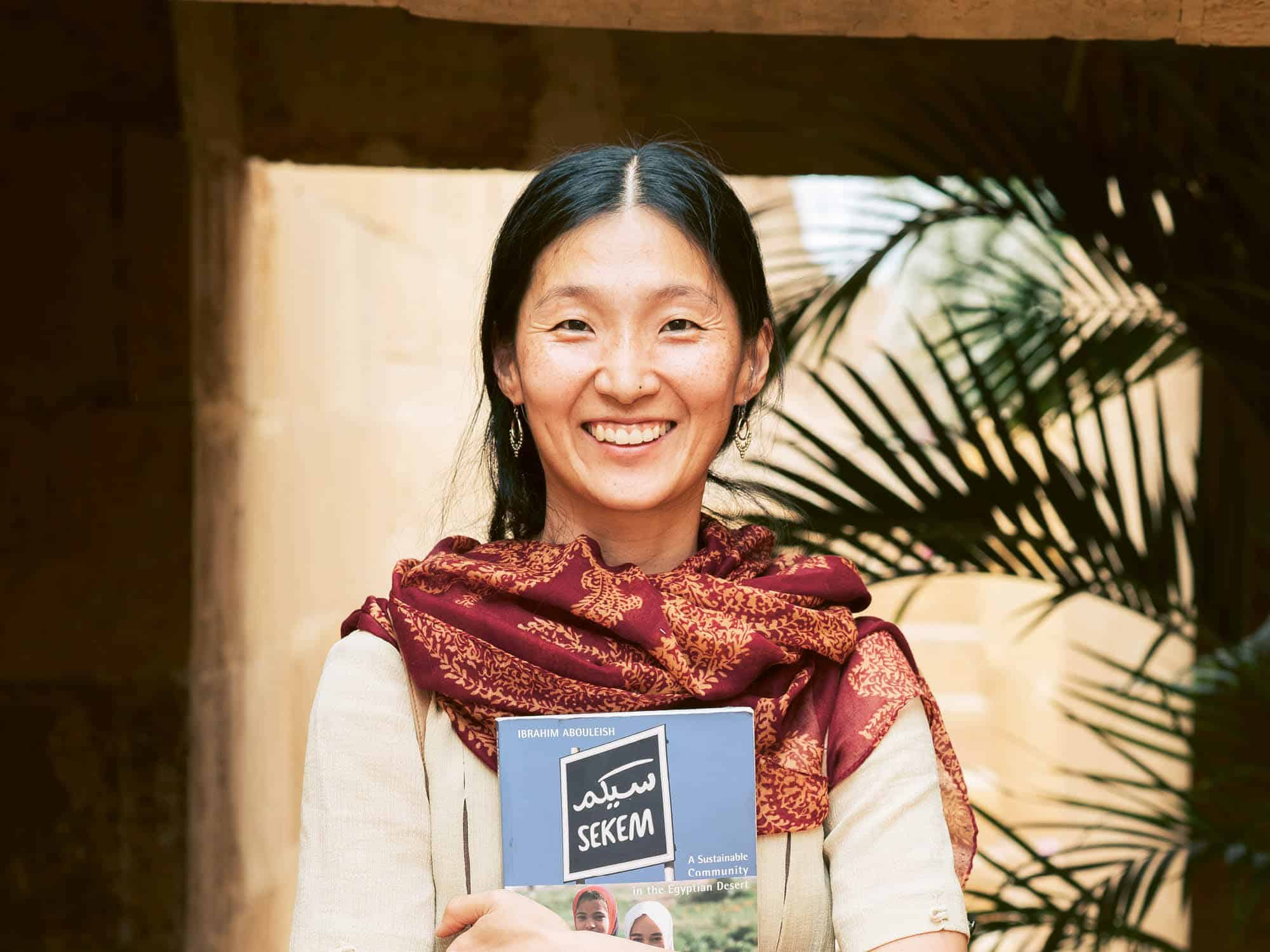
Cairo, Egypt. 2025 is the 100th anniversary of Rudolf Steiner’s death. How does he live on in individual people? Nana Woo, eurythmy therapist and director of the Women’s Health Project in Sekem, Egypt, gives her answers. How can people around you tell that you are interested in Rudolf Steiner? In Egypt, people in my community are not familiar with Rudolf Steiner, and therefore, would not be able to directly comment on my interest in him. However, they may perceive that…
Paula Boslau · 14. März
News
Assenza and His School
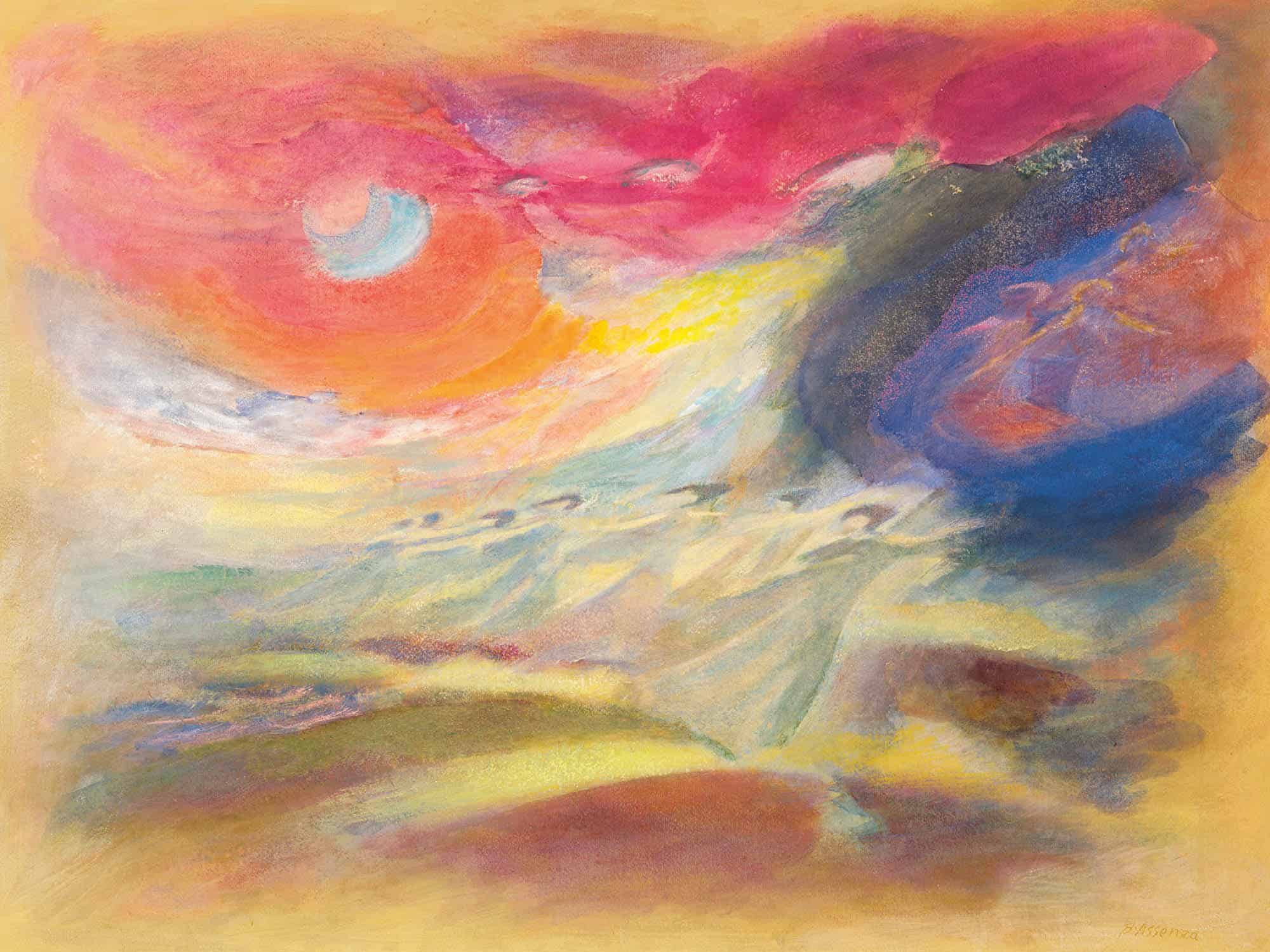
Dornach, Switzerland. An exhibition of 50 works by the master and over 50 works by his students. Beppe Assenza is an artist who is well-known and highly regarded in Italy and who received major commissions during his lifetime. In the 1950s, his wife’s serious illness took him to a clinic in Arlesheim; after her death, he chose Dornach as his new home. Here, he began his work as a teacher at a painting school, which, thanks to his skills, attracted…
Clemens Engel · 14. März
Announcements
The Youth House
Chestnut Ridge, USA. A new initiative in New York state. The Threefold Foundation is in the process of building a new program around its youth house for younger people interested in anthroposophy. From September onward, the berry-colored wooden house will be home to three initiatives: a full-time year-long residence for people between the ages of 18 and 35, the Threefold community course as an introduction to anthroposophy for all age groups, and various offerings for the young anthroposophical generation. The…
Paula Boslau · 14. März
News
Art as a Guest
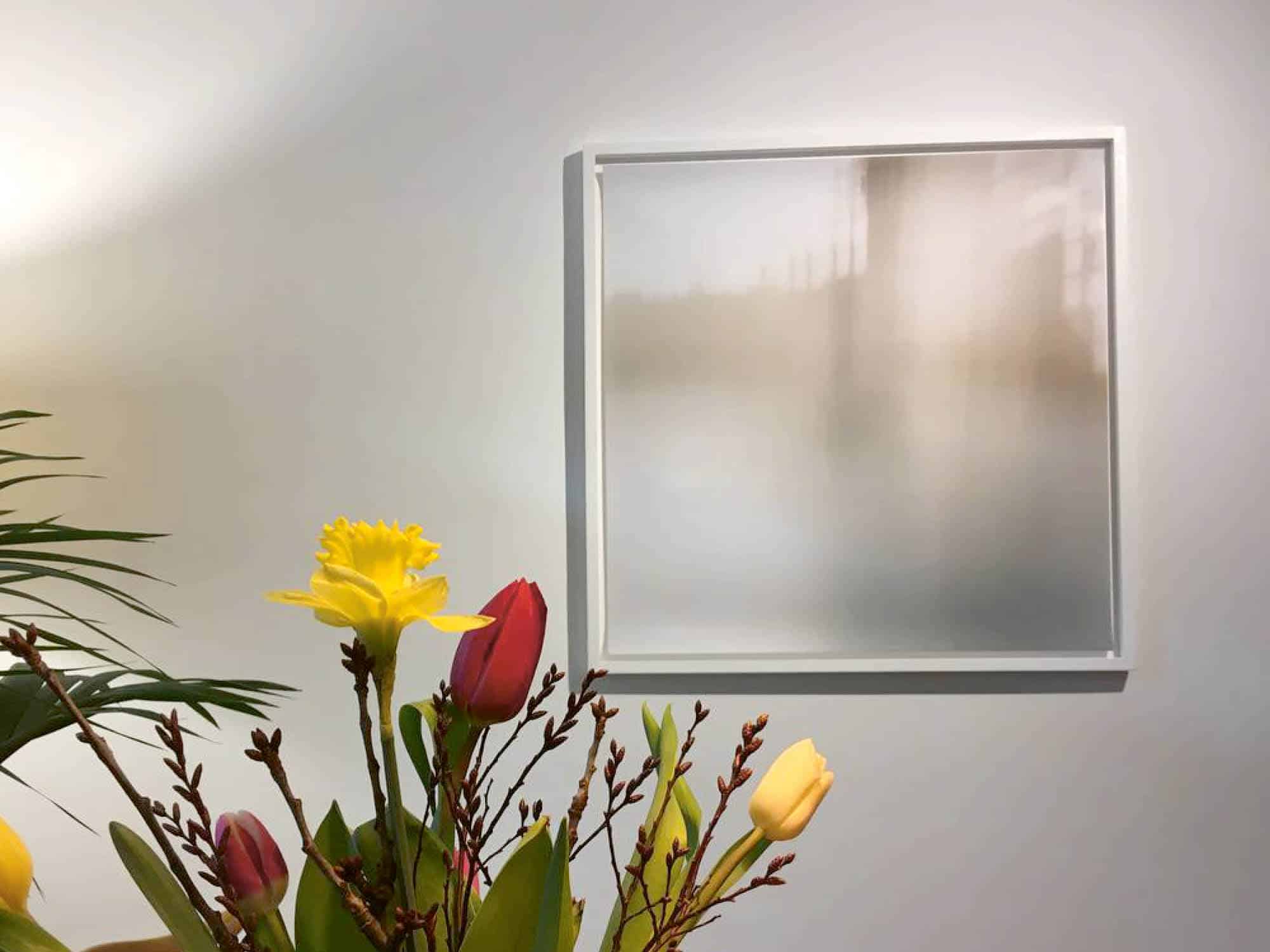
Basel, Switzerland / Witten, Germany. Temporary homes for works of art. We have a picture as a guest in our kitchen. It was made by the artist Philip Stoll, who rents out his works of art—and thus enables interaction between them and everyday living spaces. The picture really is like a guest who greets me in the morning with my first cup of tea, touches me lightly, then questions my own peace and space a little more brashly in the…
Johanna Lamprecht · 14. März