18 Beiträge · Ausgabe 13-14/2024
Editorial
Issue 13-14/2024
Wherever we find ourselves on this beautiful planet, our experience of the exquisite manifestations of death and rebirth in nature at this time of year is like an embodied parable for taking up new responsibility to effect an inner rebirth. The season seems to offer an invitation, through example: release what is dead and done, reclaim living, evolve! In this issue, Jan Diek van Mansvelt invites us to explore this question through corresponding flowering processes in human beings and plants; Wolfgang Held gives us insight and encouragement as gifts from the configuration of planets and stars at Easter time; and Philipp Reubke takes the perspective of the teacher and considers the blossoming that’s possible when we work with our thoughts, feelings, and deeds as living, evolving practices.
Weitere Beiträge
18 Beiträge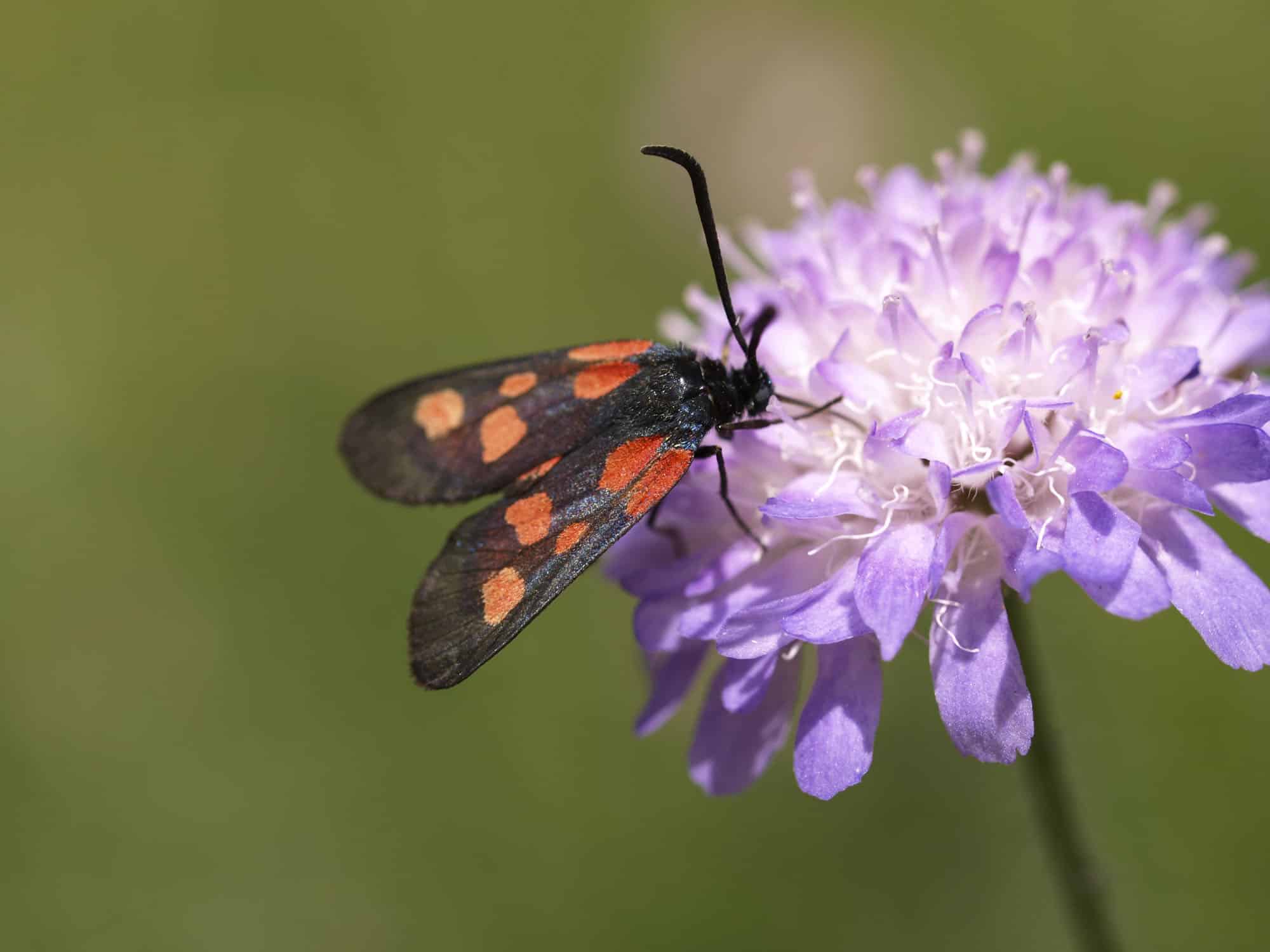
Im Fokus
Blooming, Humming Landscapes
BienenBlütenReich [Bee Blossom Realm] is a project of the Blühende Landschaft [Blooming Landscape] network, which has been working to establish and promote perennial flowering areas in Germany since 2016. Below is an interview with Linda Trein, one of the organizers of the project. What are the aims of the Bee Blossom Realm project? The Bee Blossom Realm project aims to inspire people across Germany to create flowering habitats for bees, bumblebees, butterflies, and other insects. We want to create model…
Paula Boslau · 05. Jan.
Nature
What Do I Mean by Sensory and Supersensory?
In this context, Rudolf Steiner’s indication is helpful: duality dominates in the physical-sensory realm—it does not exist in the spiritual realm where the lowest principle is that of threefoldness. The idea of threefoldness thus proves to be fundamental, as it overcomes the dualism of sensory and supersensory. And although it can only be grasped ideologically and supersensibly, it is at the same time based on the duality, the polarity, that is tangible in the sensory. The term “sensory-supersensory” [sinnlich-übersinnlich] is…
Andreas Suchantke · 16. Feb.
Event
Sculpting the Calendar of the Soul
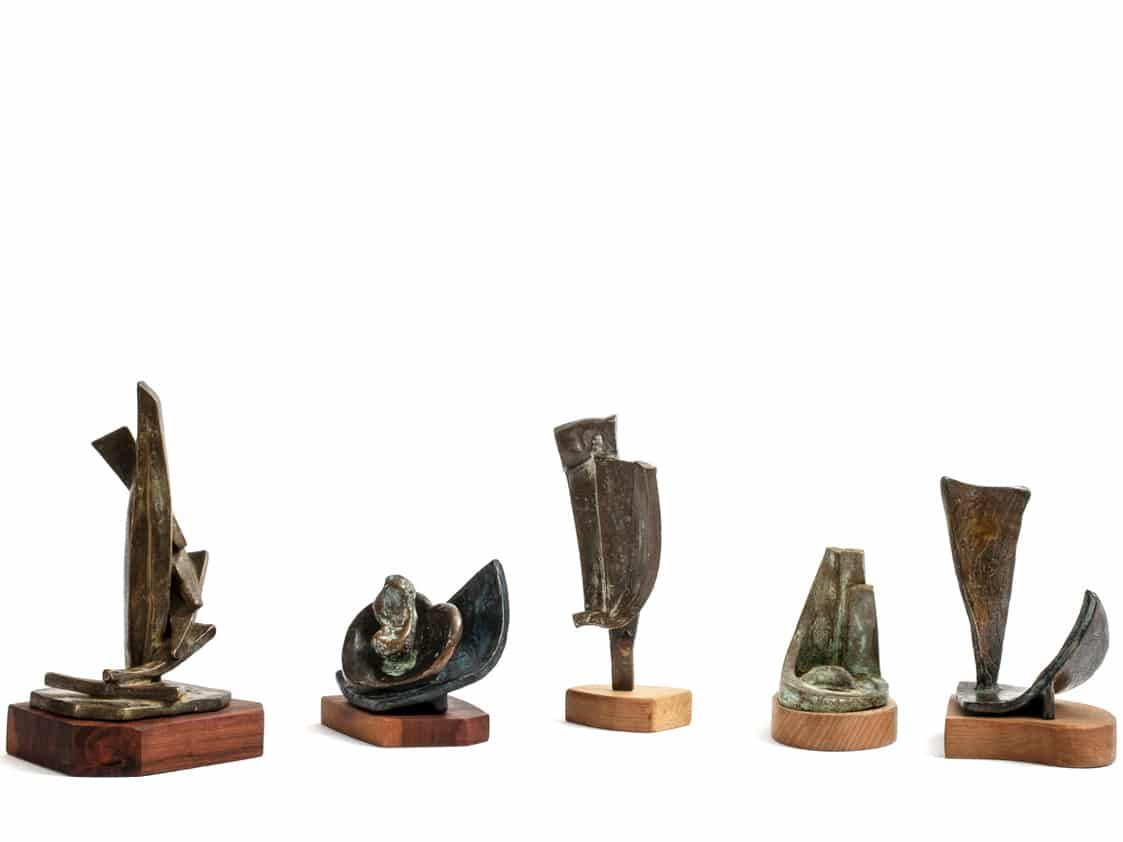
The Visual Arts Section. Rik ten Cate has created a bronze statue for each verse of Rudolf Steiner’s Calendar of the Soul. The 52 sculptures will be on display at the Goetheanum from February 23 to April 28, 2024. “I have known the weekly verses for over 40 years,” says sculptor Rik ten Cate. During his training as a Waldorf teacher in the Netherlands, they spoke the current weekly verse from Rudolf Steiner’s Calendar of the Soul every day. These…
Sebastian Jüngel · 22. Feb.
Education
Social Pedagogy in Norway
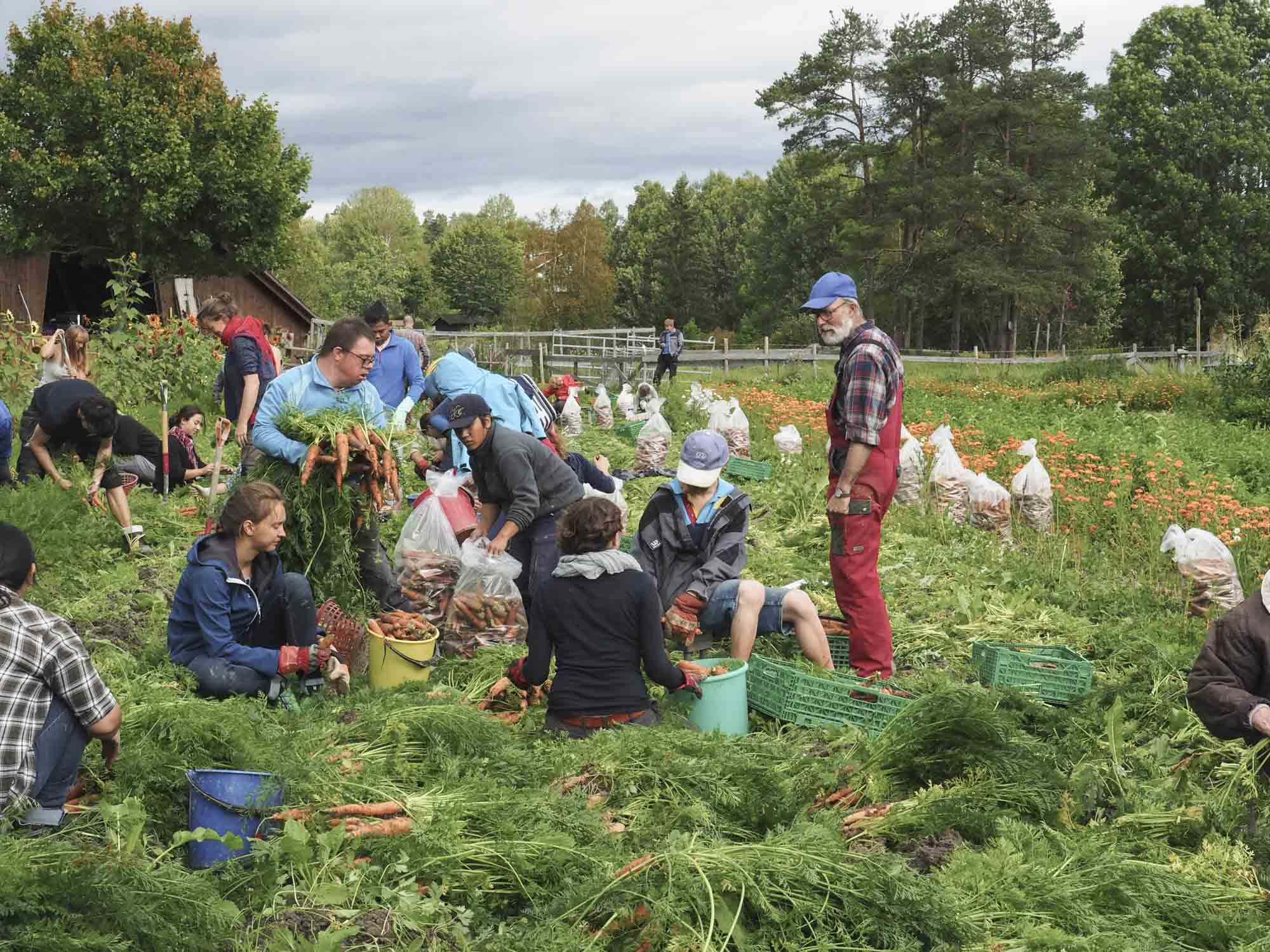
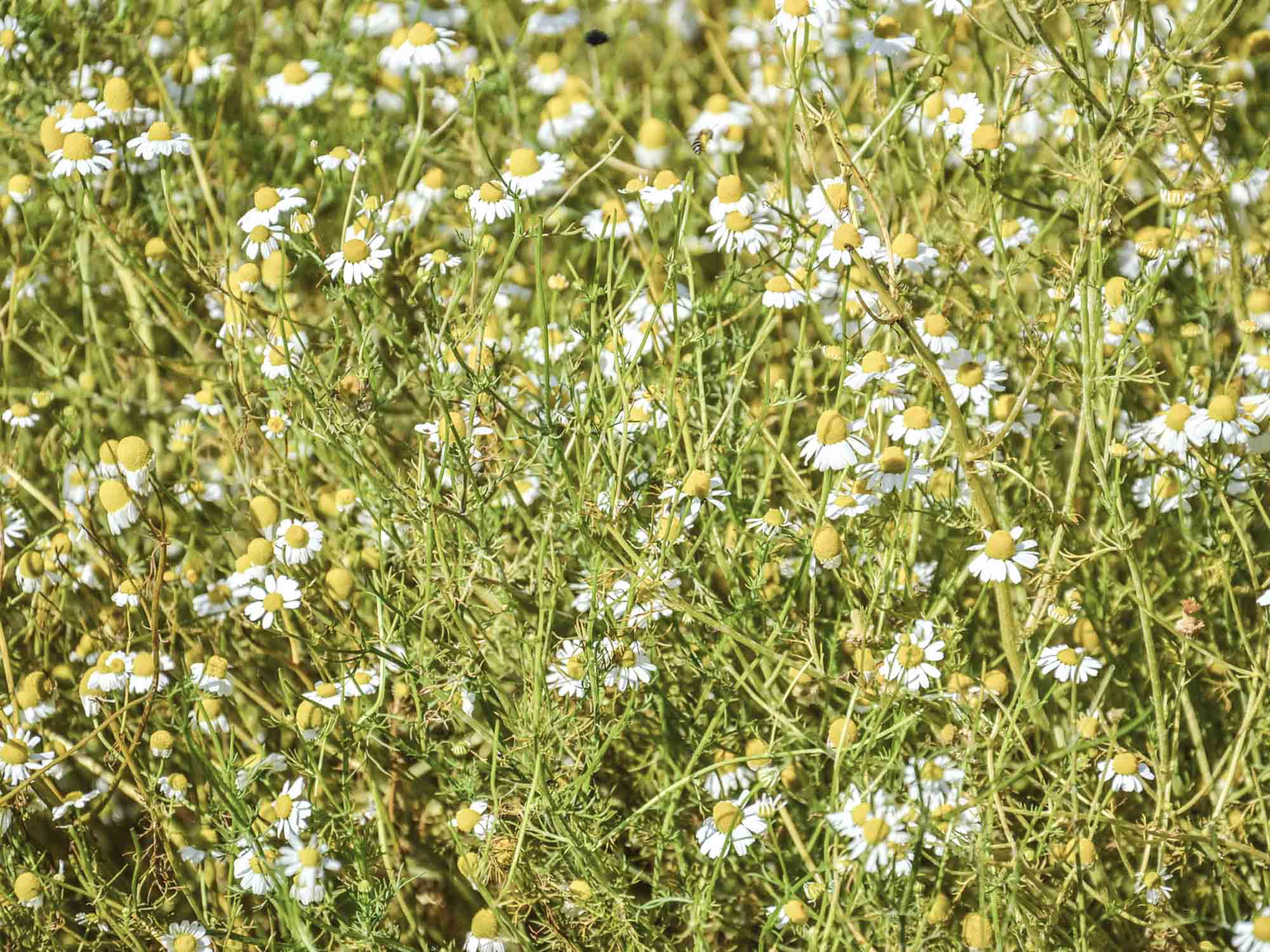
Andebuz, Norway. Living and learning in a Norwegian Camphill community. In autumn 2024, a two-year introductory course in social pedagogy will begin, organized by Rudolf Steiner University College in Oslo and the Camphill community Vidaråsen in Andebu, Norway. Participants live in Vidaråsen for the duration of the course. The practice-oriented course takes place part-time and combines modules from the Bachelor’s degree course in Social Pedagogy with regular work in the community. It is integrated into everyday life at Vidaråsen and…
Paula Boslau · 22. Feb.
Retrospective
Anthroposophic Medicine Between the Real and Ideal
Dornach. The Medical Section’s members’ evening on November 7 was attended by 100 people, with 170 more taking part online. In keynote speeches, Section leaders Karin Michael and Marion Debus gave a spiritual-scientific assessment of the struggles facing anthroposophic medicine. According to Karin Michael, it is first and foremost about serving the patients, supporting them in realizing their ideal of the future and recognizing their light and needs. Technology and politics make this difficult. Marion Debus’ lecture dealt with the…
Wolfgang Held · 29. Feb.
Switzerland
The White Tent Theater
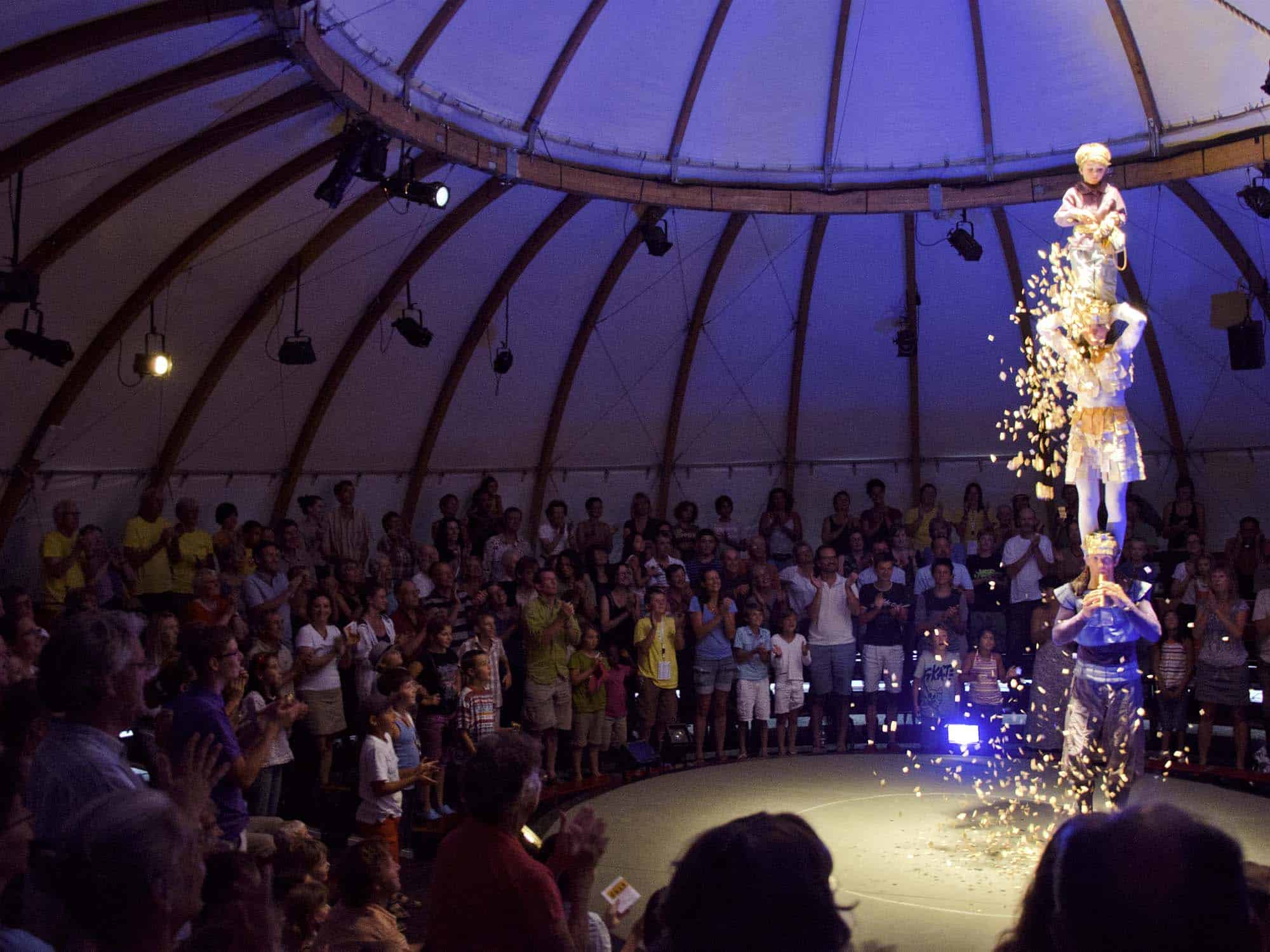
Liestal/Losone Switzerland. Stories that come to life through theater. From March to October, the legendary White Tent Theater will once again be touring Europe. Nicole and Martin, the creative minds behind the touring theater, were trained at a Swiss theater and clowning school. For 25 years, they have been bringing fairytale stories to life with a colorful mix of theater, dance, live music, juggling, and acrobatics. Their repertoire includes “The Girl Without Hands,” “The Fisherman and His Wife,” “The Town…
Paula Boslau · 07. März
Consciousness
Individuality and Context Shape the Curriculum
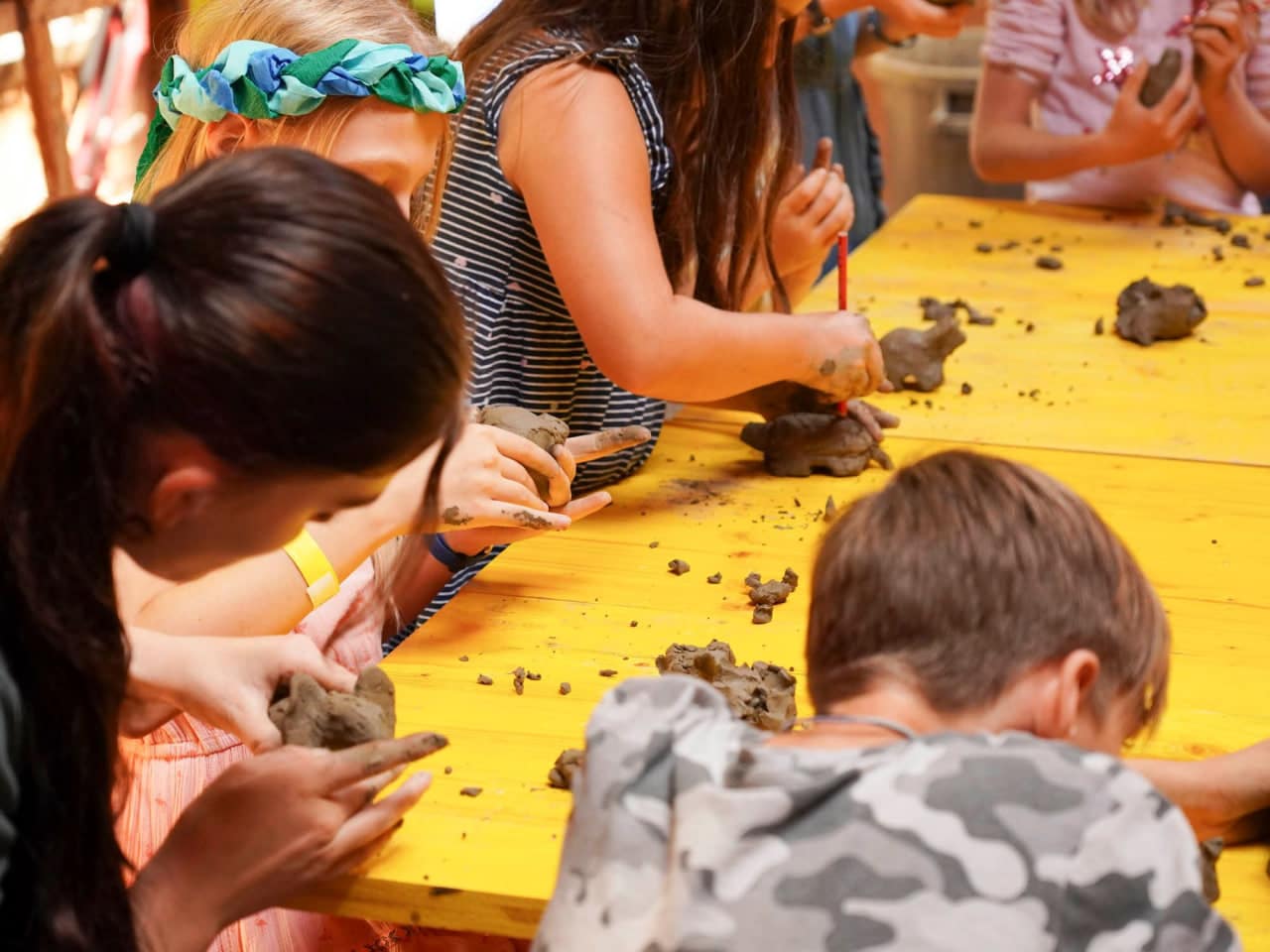
Waldorf education is not a program that is set in stone. No matter how many critics claim that Waldorf education is based on a dogmatic structure that is unscientific and outdated, this is not the case: it needs the individual and their ability to empathize. What exactly is Waldorf education? In August 1923 in England, Rudolf Steiner gave a succinct answer to this question asked repeatedly by parents, teachers, and journalists. Waldorf education, he said, “is purely and simply a…
Philipp Reubke · 14. März
Column
Born From Nothing
All creation is born from nothing. This applies not only to the creation of the earth, which was “desolate and empty” before the Creator brought light into the darkness— it applies to anything that is truly new. Every person has the task of co-creating in this radical meaning of the word. “Whoever does not also create is a deserter of creation.” (Gerrit Komrij). Only that which is created from emptiness, from nothingness, has a right to exist in the future.…
Bastiaan Baan · 28. März
News
Healing as Transformation
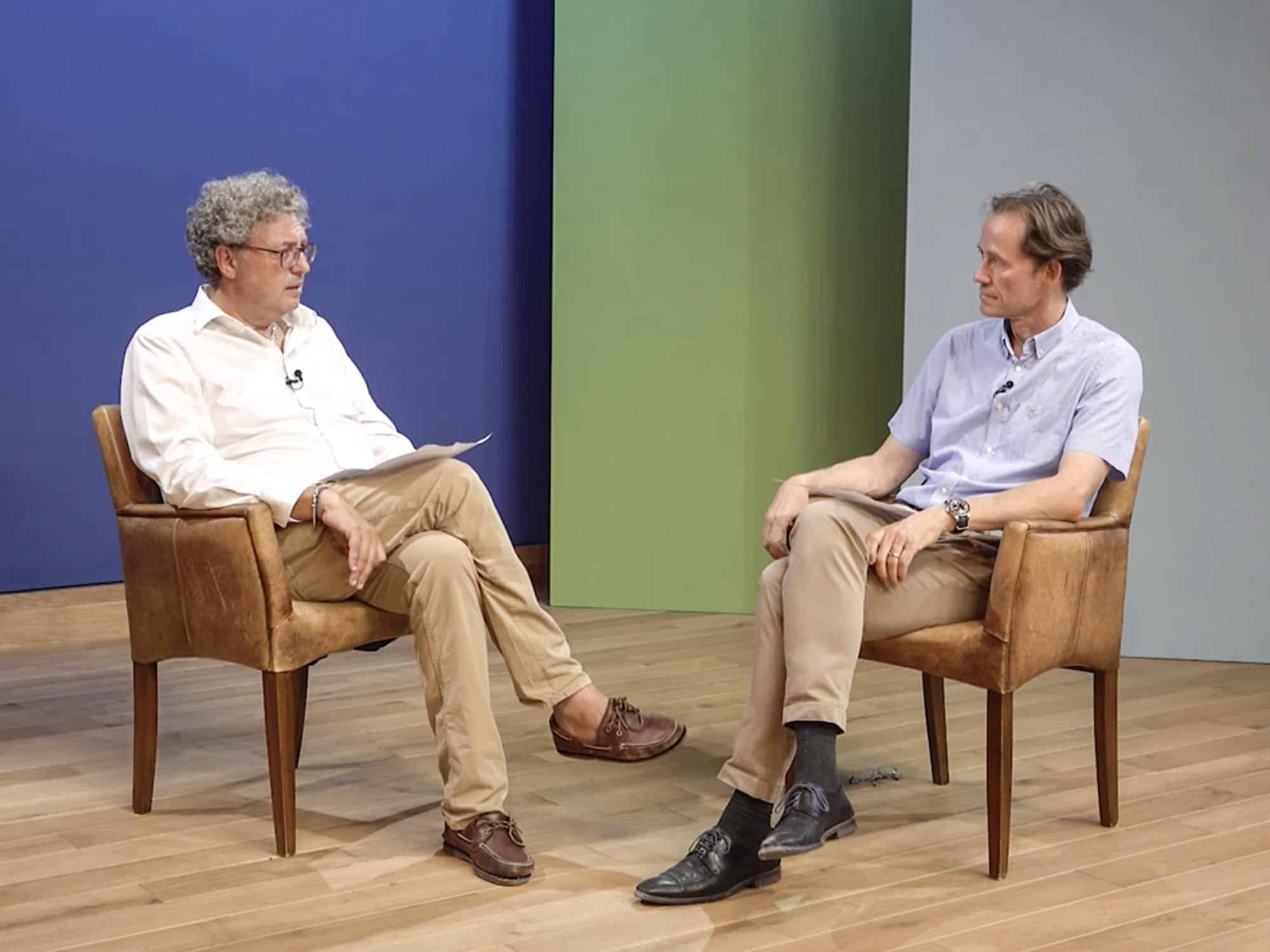
“Begetting the spiritual human in the earthly human—paths to Christian medicine.” This was the guiding concept of the conference celebrating the centennial of the Young Doctors’ course held in January 2024. It is the last mantric sentence of a meditation given by Rudolf Steiner in his Pastoral Medicine Course. Here, it is presented in meditative form, describing how the healing impulse of Christ is to be understood. It is a new paradigm that Rudolf Steiner introduces. Healing is described here…
Wolfgang Held · 28. März
News
Education Is More than Learning
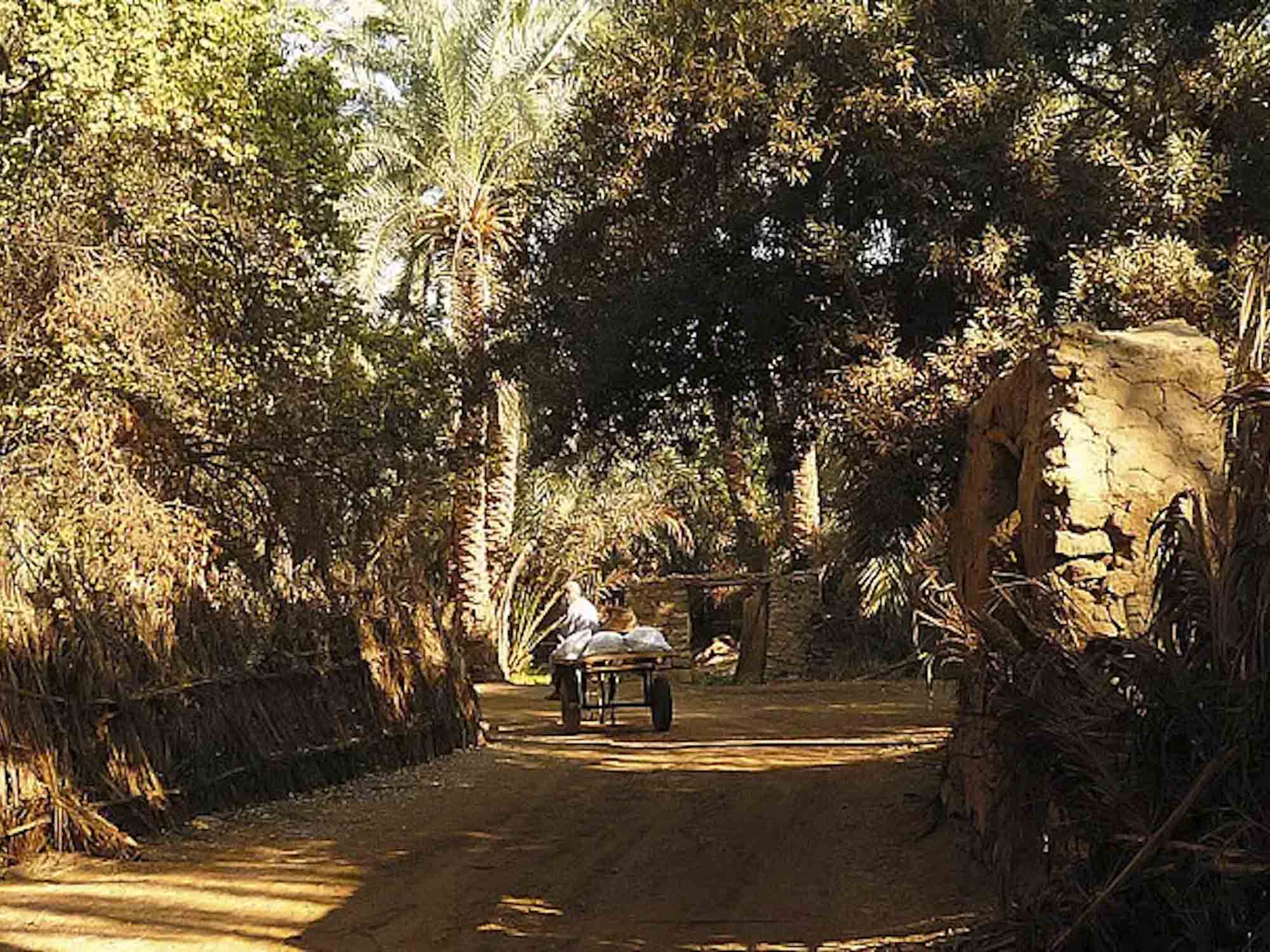
Belbes, Egypt. Holistic alternatives for the school system in Egypt. Since its foundation in 1977, the Egyptian initiative Sekem has been committed to promoting sustainable development in its home country. Part of this vision is a holistic education system accessible to all children, regardless of their social, religious, or economic background. They should be allowed to learn in schools that support their individual character and the development of their creativity and social skills. However, the reality of the conventional Egyptian…
Paula Boslau · 28. März

News
Because It Helps!
Berlin, Germany. The “Weil’s hilft!” (Because it helps!) initiative has succeeded in collecting 50,000 signatures in favor of keeping Germany’s healthcare benefits for homeopathic and anthroposophic medicine within the statutory four-week period. An interview with the campaign’s initiator, Stefan Schmidt-Troschke. Were you surprised by the result? How do you consider the outcome of the petition? I didn’t really have a feeling about it at first. After all, it’s about reaching a lot of people in a very short space of…
Wolfgang Held · 28. März
News
A Celebration of Biodynamics in Bali
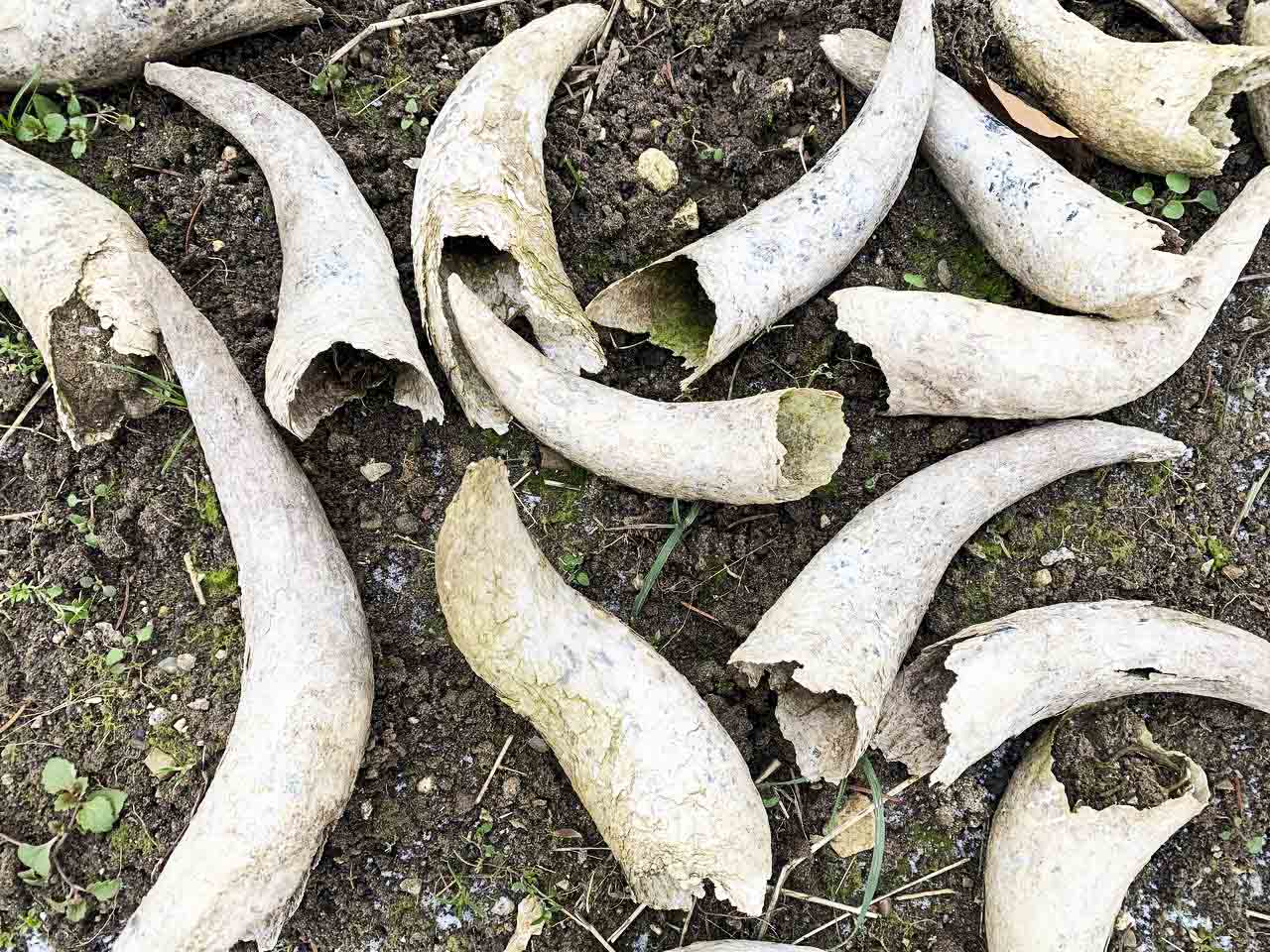
Senganan, Bali. 1001 horns for 100 years of biodynamic agriculture. The biodynamic community in Bali, Indonesia, celebrated the centenary of biodynamic agriculture with a special event. In February, more than a hundred participants buried 1001 horns filled with cow dung in the soil on the Tabanan Orange Farm near the village of Senganan. Horn manure, also known as preparation 500, is a biodynamic farming practice in which cow dung is buried in horns and left to ferment in the soil…
Paula Boslau · 28. März
Philosophy
Owen Barfield and the Evolution of Consciousness
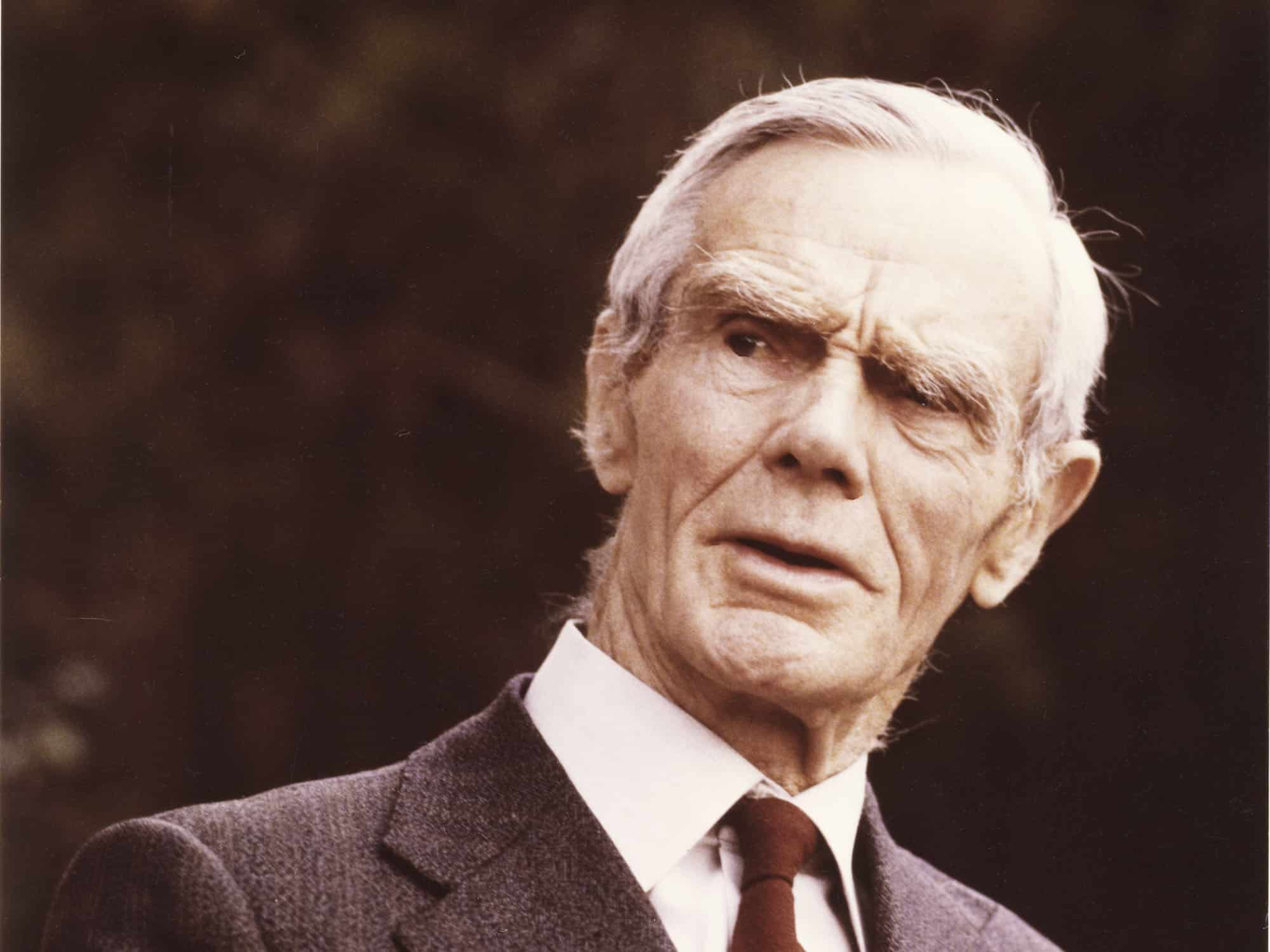
Owen Barfield was the first major English translator and interpreter of Steiner – as well as being an incredibly noteworthy literary figure in his own right. Barfield’s story and thought are interwoven with the lives of C.S. Lewis and J.R.R. Tolkien, who were all lifelong friends and intellectual interlocutors, meeting for decades as ‹The Inklings›. This piece by Barfield scholar Max Leyf initiates a continuing exposé. Perhaps the very crux of Owen Barfield’s thought and work is his theory of…
Max Leyf · 28. März
Economics
Growing in Fellowship
Is it possible to create a workplace where “professional” roles are maintained but feelings don’t need to be suppressed? Where, without fear or shame, we can express our concerns, work through unresolved conflicts, or ask for help when we get overloaded? At the 2020 World Goetheanum Association Forum, a workshop was held with anthroposophical entrepreneurs and employees on the question, “How do we deal with emotional vulnerability in the workplace?” We dared to speak with each other about actual incidents…
Benjamin Brockhaus · 28. März
Mathematics and Astronomy
Call the Sun into Your Soul
This Easter, all the planets are gathering around the sun. Three configurations in this Easter council point to three spiritual exercises for leading the spirit into the soul. At Easter, the community of twelve is gathered around the Lord, their sun, to witness the transformation of the Sun—its great Earth-becoming. Leonardo da Vinci’s Last Supper tells of this tremendousness. In a room, as an image of the world created by us humans on earth, the inner world, the Son of…
Wolfgang Held · 28. März
Column
Tender Voices
Tenderness manifests itself in many different ways in different layers of our being. Tender Thoughts Thoughts are relationships between two or more things. Tender relationships are potential, changeable, emerging, and fragile. Tender thoughts do not define; they describe possibilities and questionings; they seem to be: is it not so, that something is going on here between A and B? Or: today, it feels like something marvelous will unfurl. Also, doesn’t every d Would you like to keep reading? We’re pleased…
Elke Schmitter · 28. März
Art
Tenderness Saves Me
Tenderness is an opportunity to walk through darkness and become a small light that illuminates the world. Through a conversation about the artistic work of “Pink and the Rest of the World,” a group initiated by Gilda Bartel in Weimar, and a reflection on Eastertime, Gilda and Franka Henn seek a context for tenderness and its significance. Franka Henn: How did “Pink and the Rest of the World” come about? Gilda Bartel I’ve been working artistically with vulnerability and tenderness…
Franka Henn · 28. März
Natural Sciences
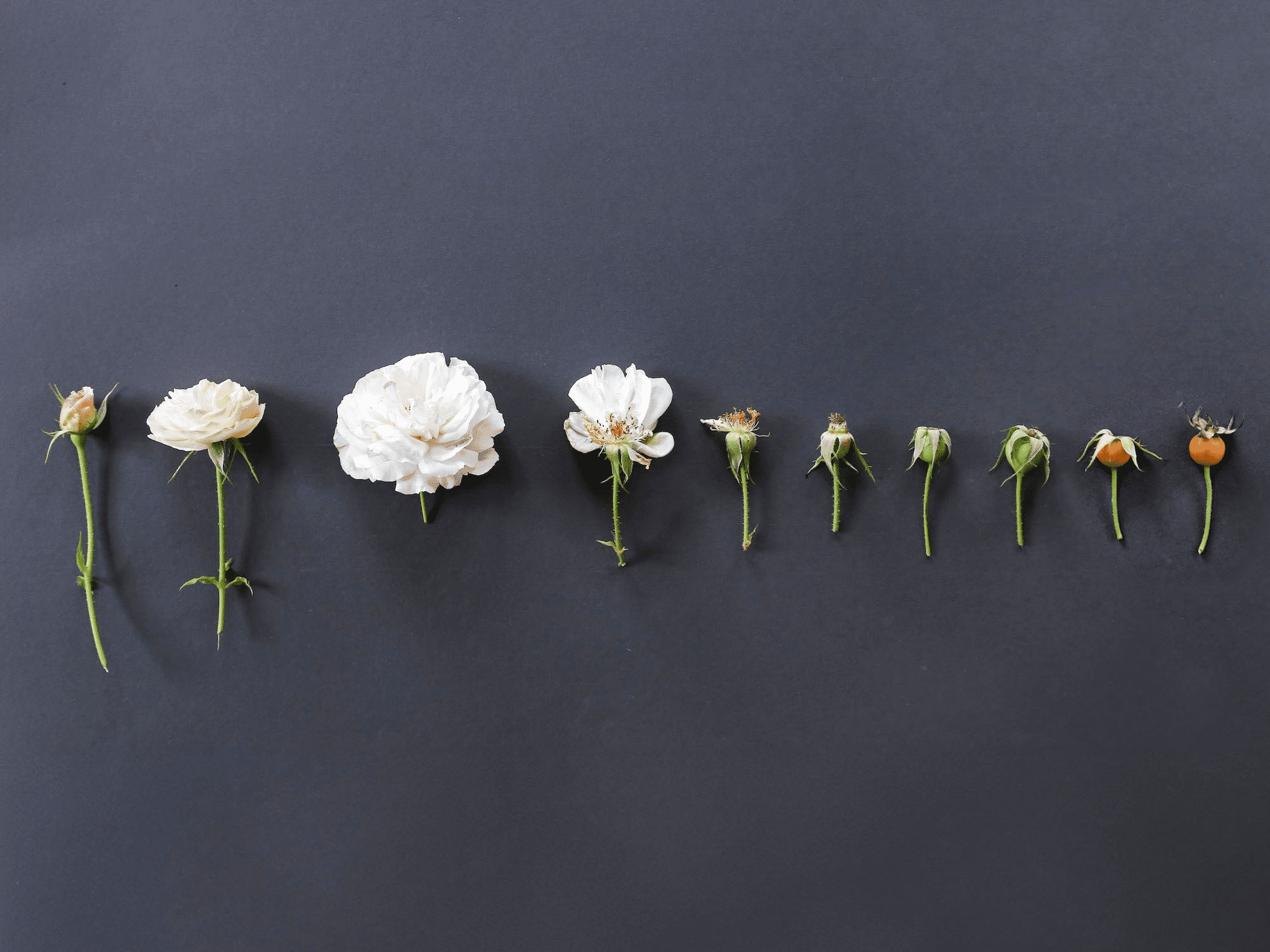
Flowering: the End of a Timeline
Because of our consciousness, human beings are not a will-less “part” of nature, but its responsible, guiding partner. The future of Earth depends on us. How can we see this? Jan Diek van Mansvelt looks at cycles of dying and flourishing through corresponding developmental processes in human beings and plants, to evoke the sort of living thinking that creates a potential for humans and Earth from our imaginative mind. Jan Diek van Mansvelt How do we think about the end…
Jan Diek van Mansvelt · 18. Apr.