8 Beiträge · Ausgabe 13/2025
Editorial
Issue 13/2025
Kein Editorial verfügbar.
Weitere Beiträge
8 Beiträge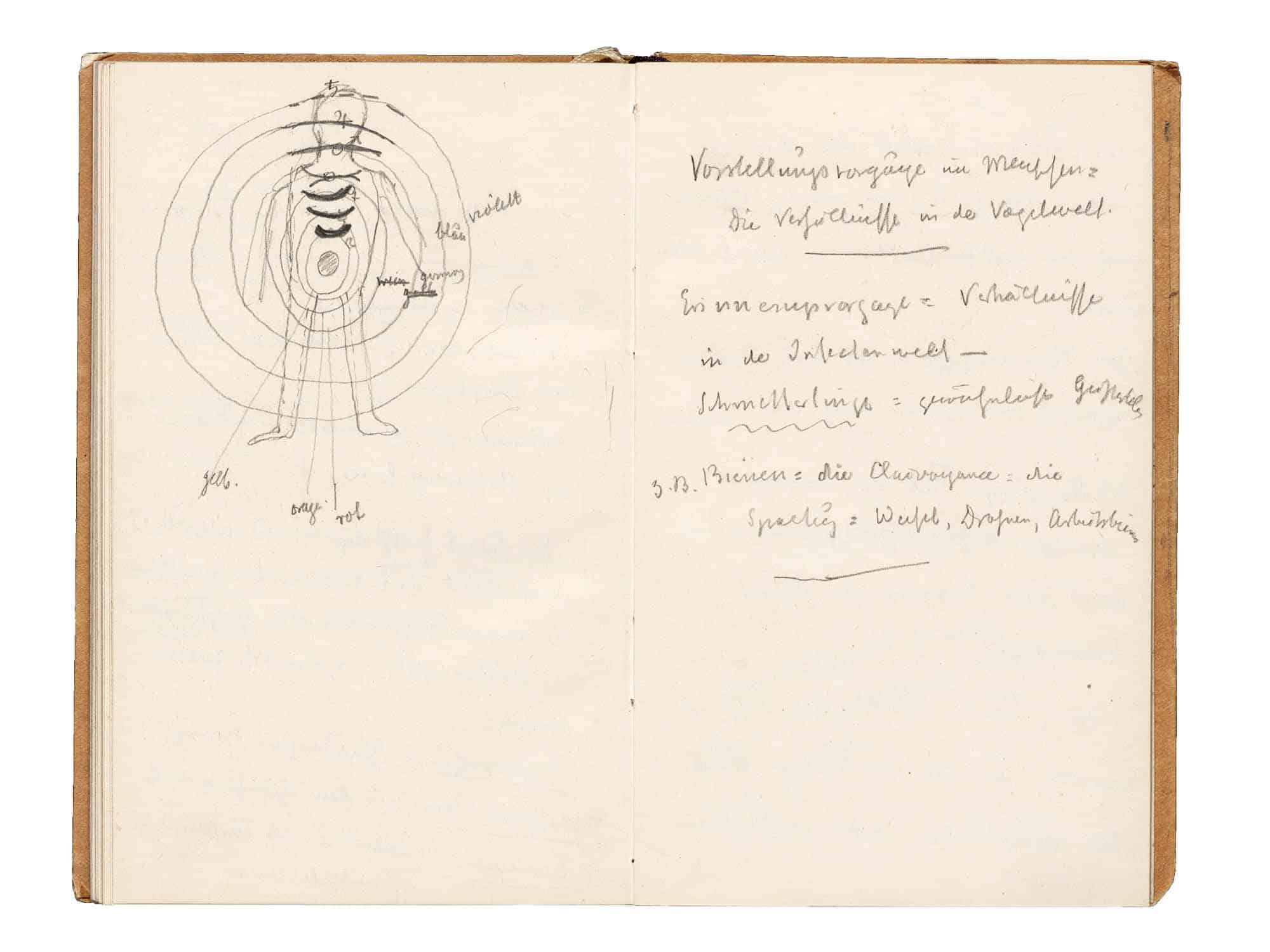
Im Fokus
Become Geniuses at Having Interest!
It’s not easy to put the essence of anthroposophy into words. How can one explain to skeptics, for example, what anthroposophy’s significance is for today’s humanity and for the future? Wolfgang Müller undertakes this task with his new book Das Rätsel Rudolf Steiner [The riddle of Rudolf Steiner], published by Kröner for the hundredth anniversary of Rudolf Steiner’s death. Below is a passage from the end of his book. In the future world, everything is as it was in the…
Wolfgang Müller · 26. März
Conversation
“Where Is Rudolf Steiner—Now?”
Andreas Laudert has written a biography of Rudolf Steiner, Unter den Augen des Himmels [Under the eyes of heaven]. He explores the play between closeness and distance, “being here and now” and “journeying to those before and elsewhere”; he seeks pathways to the heavens. Wolfgang Held sat with him for an interview. Wolfgang Held: Why did you decide to write a biography of Rudolf Steiner? Andreas Laudert I was commissioned to do it. I probably wouldn’t have done it on my…
Andreas Laudert · 26. März
Conversation
The River Flows on Within Me
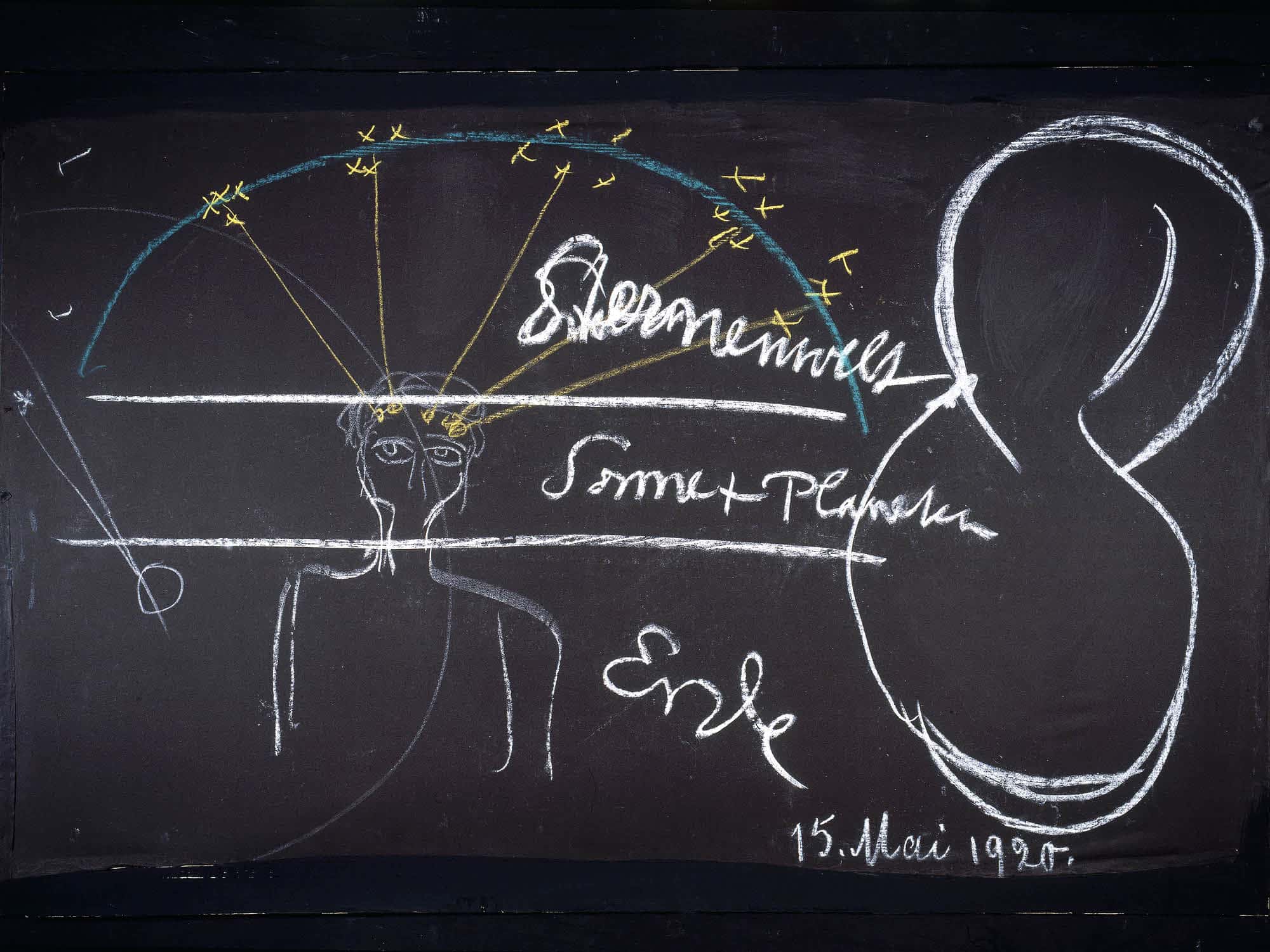
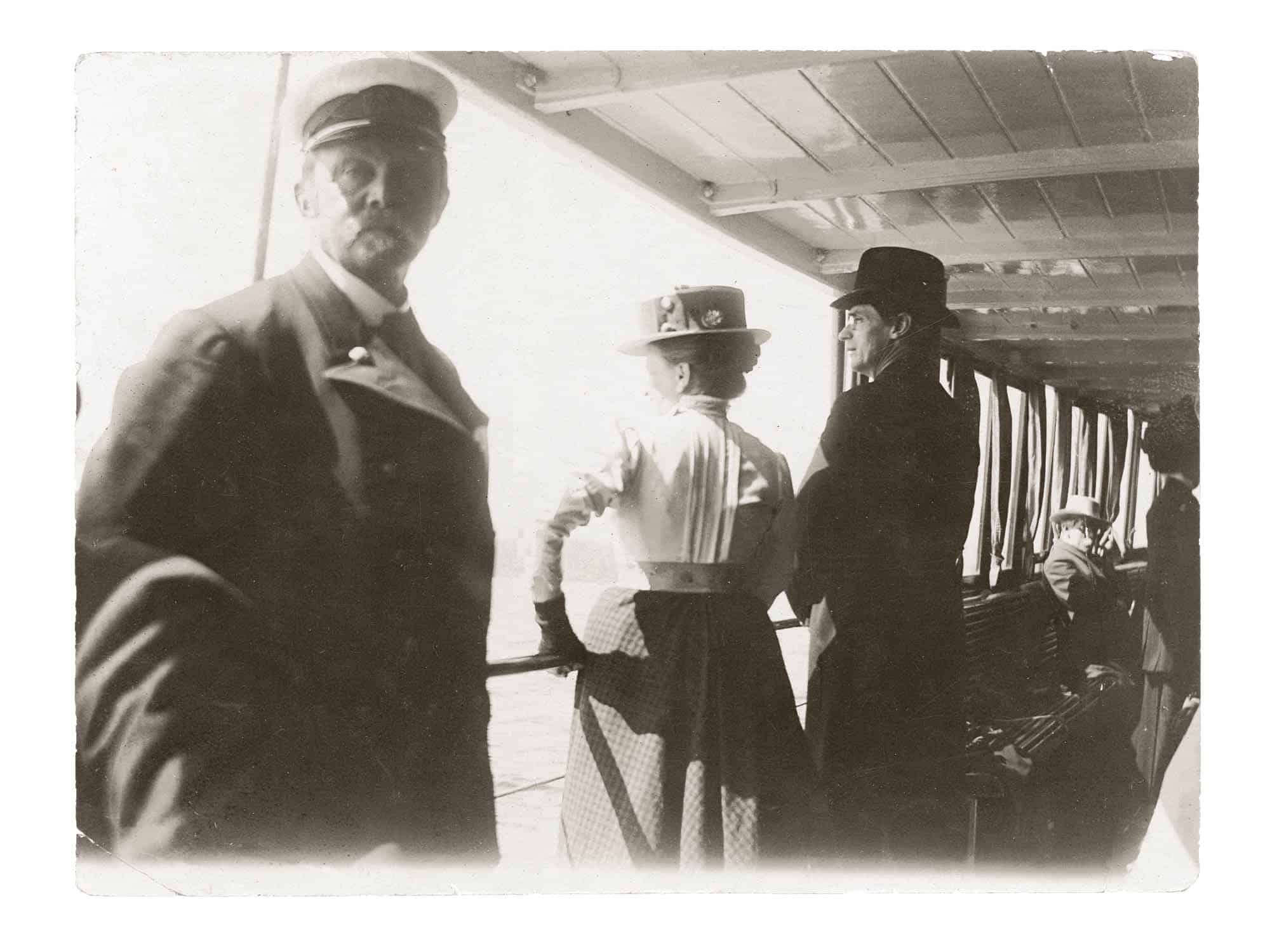
David Marc Hoffmann, director of the Rudolf Steiner Archive (until his upcoming retirement), wrote a biography of Rudolf Steiner, tracing his life and work in eight stages. Wolfgang Held met with him for an interview. Wolfgang Held: Before we come to Rudolf Steiner, I have two questions about your own biography. Your focus was on German studies and history, but you also studied museology, the study of museums. I’d never even heard of that as a degree program. David Marc…
David Marc Hoffmann · 26. März
Conversation
Exploring the Continent
Martina Maria Sam has written seven books on Rudolf Steiner, his art, and his language. Wolfgang Held invited her for a conversation about her research. Wolfgang Held: Which book brought you closest to Rudolf Steiner? Martina Maria Sam Each book is a different exploration of the Rudolf Steiner continent. I’m always discovering new and interesting aspects. But I could say my experiences with three projects in particular have been the most profound: First, working through his personal library over many years—this…
Martina Maria Sam · 26. März
News
Preserving the Good
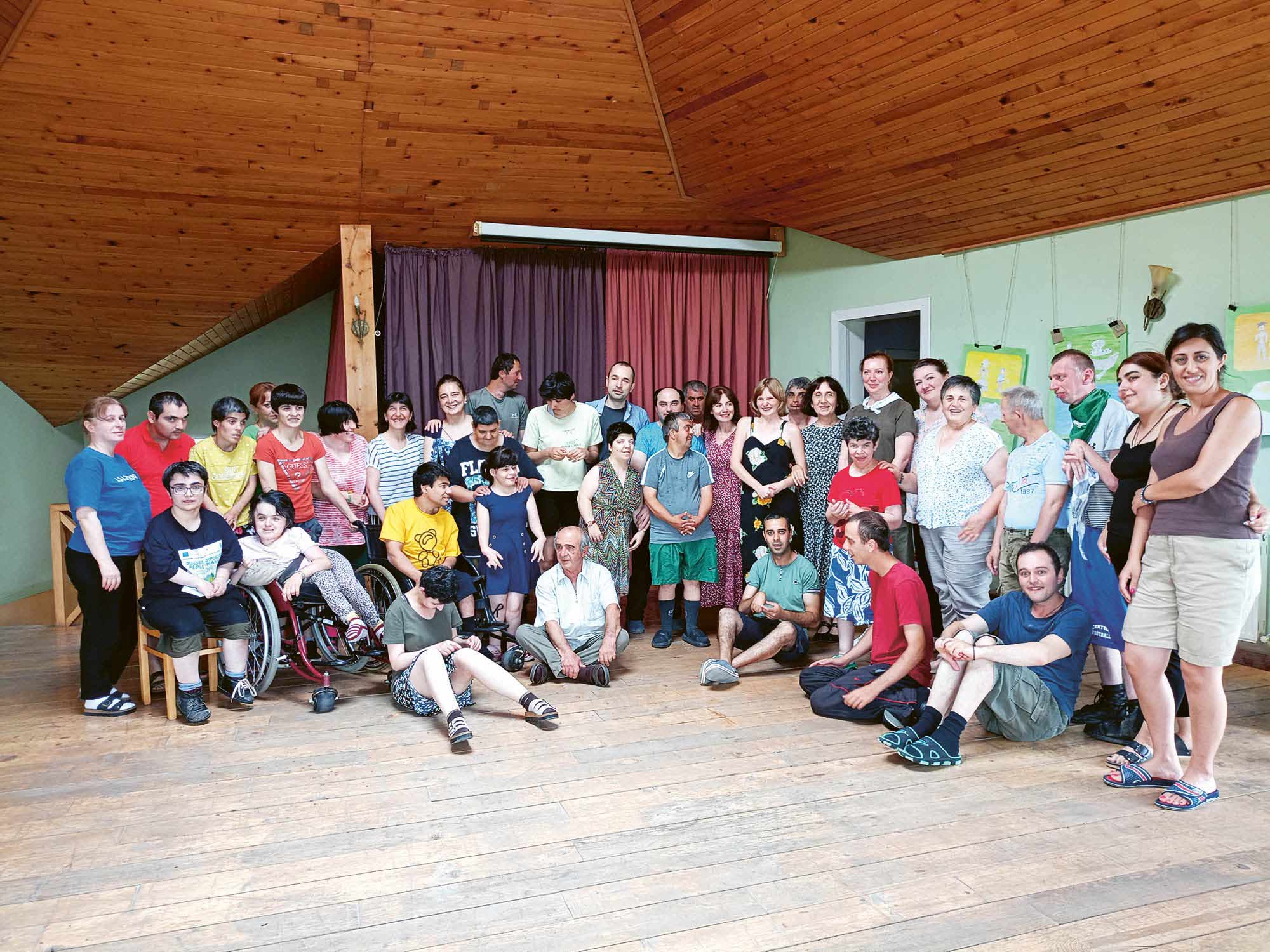
Tbilisi, Georgia. Qedeli is a residential community for people with assistance needs that was founded in 1999 near Tbilisi, Georgia. Director Lali Khandolishvili talks about her work in the current political climate. What does a typical day in Qedeli look like? There are currently 29 people with assistance needs living in Qedeli. In addition to appropriate care, the residents’ skills are promoted in various workshops. They work on a small pig farm, bake bread, make various handicrafts, weave by hand…
Paula Boslau · 26. März
Event
Thinking, Feeling, Doing
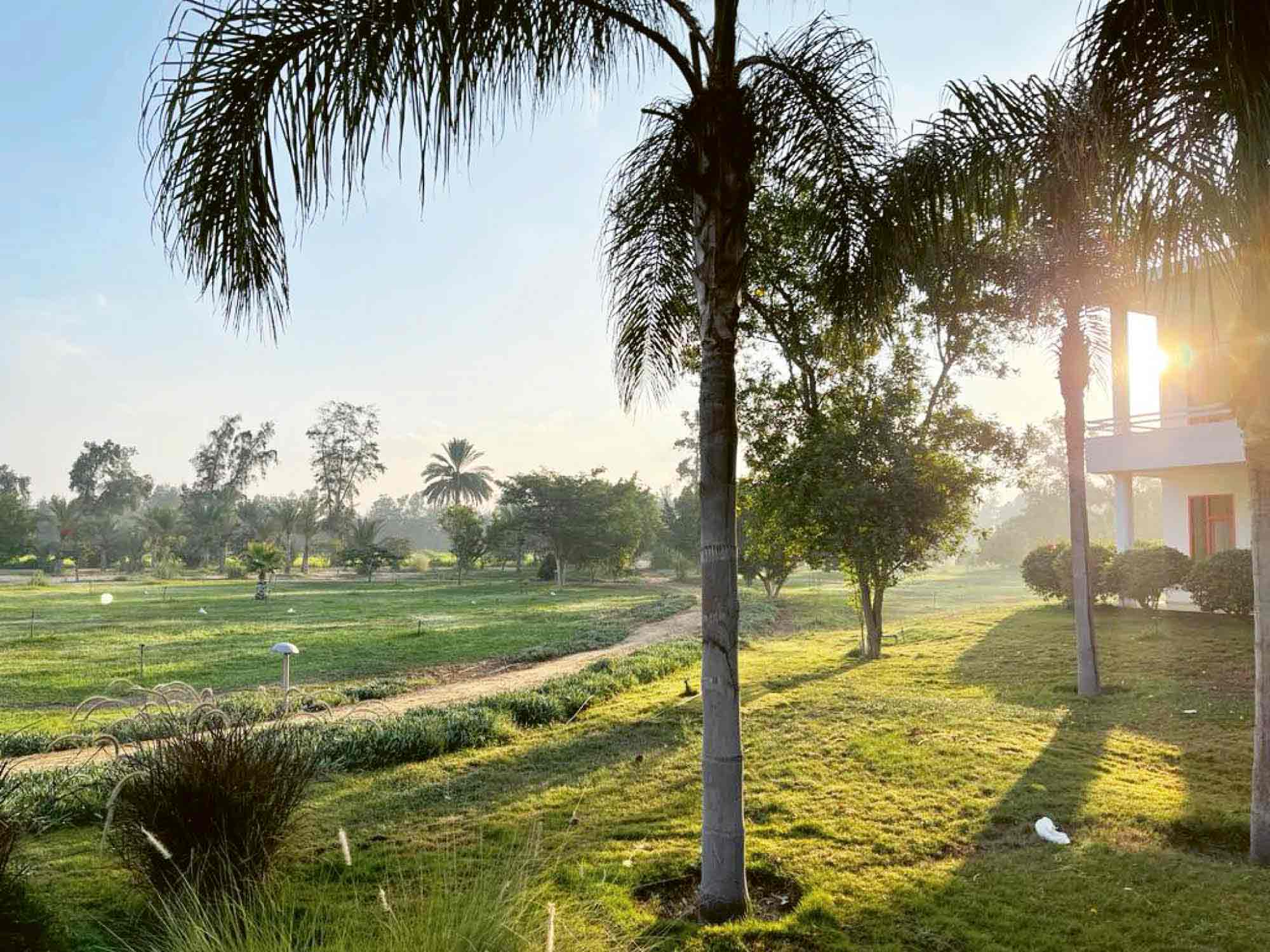
Cairo, Egypt. The World Goetheanum Forum in Egypt. This year, the World Goetheanum Forum will take place for the first time on the grounds of the Egyptian educational initiative Sekem. Taking place from September 24-28, the event is an invitation to re-think, re-feel, and re-do sustainable development. Sustainable development will not be treated as a trendy term, but as the essential ingredient for a safe and sustainable human society, which it is at its core. Although the importance of ecologically…
Paula Boslau · 26. März
Event
Spirituality and the Arts
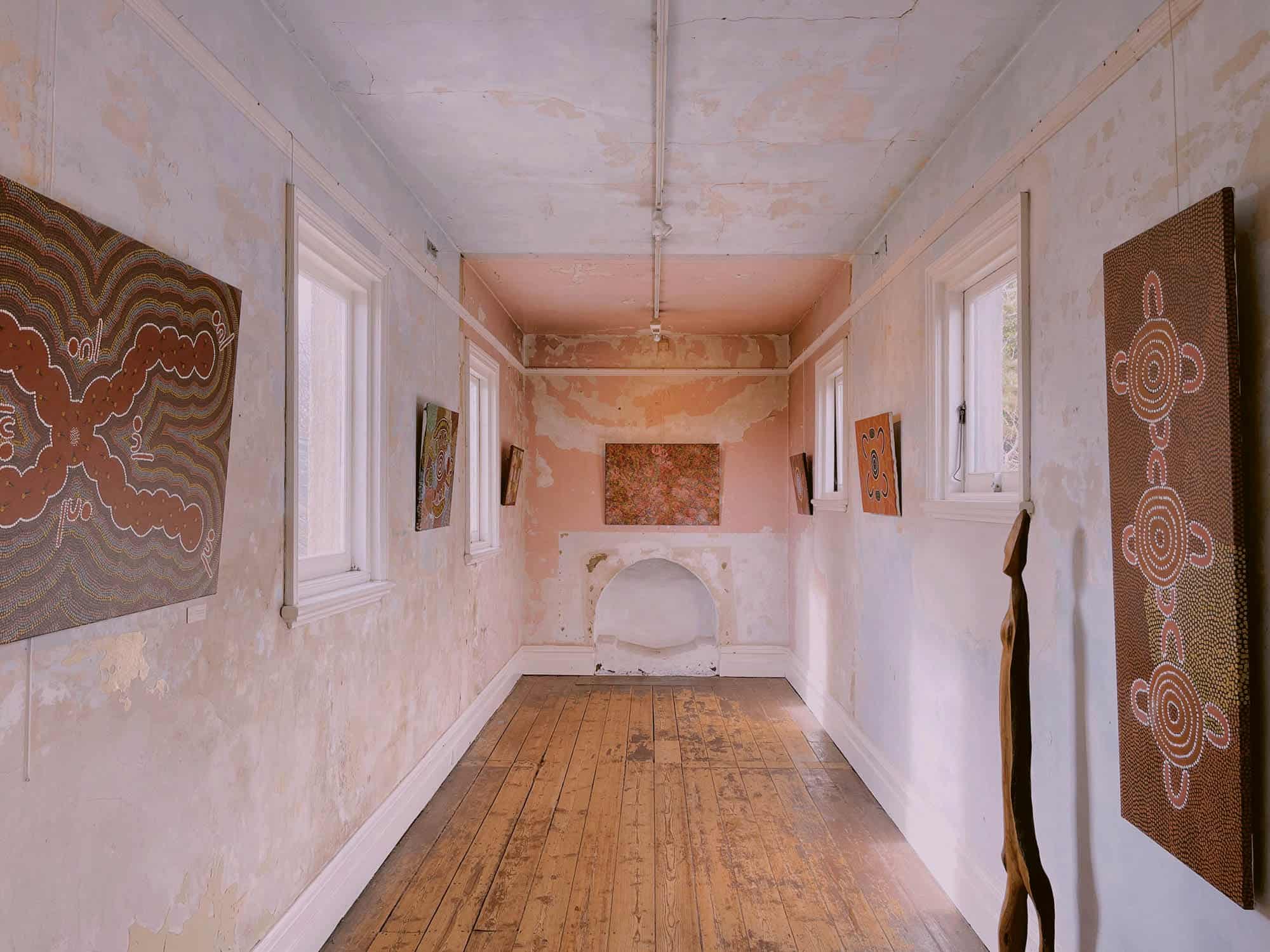
Cambridge, Massachusetts. A conference at Harvard University’s Program for the Evolution of Spirituality. Art and spirituality have always been closely intertwined. A conference, part of the Harvard Divinity School’s Evolution of Spirituality program, will explore this fruitful, dynamic, and reciprocal relationship from April 23-26. The event will bring together scholars, artists from diverse backgrounds, and people with an active spiritual practice to explore the intersections of alternative spirituality and artistic expression. How are emerging, alternative, and indigenous forms of spirituality…
Paula Boslau · 26. März
Column
Beyond Death
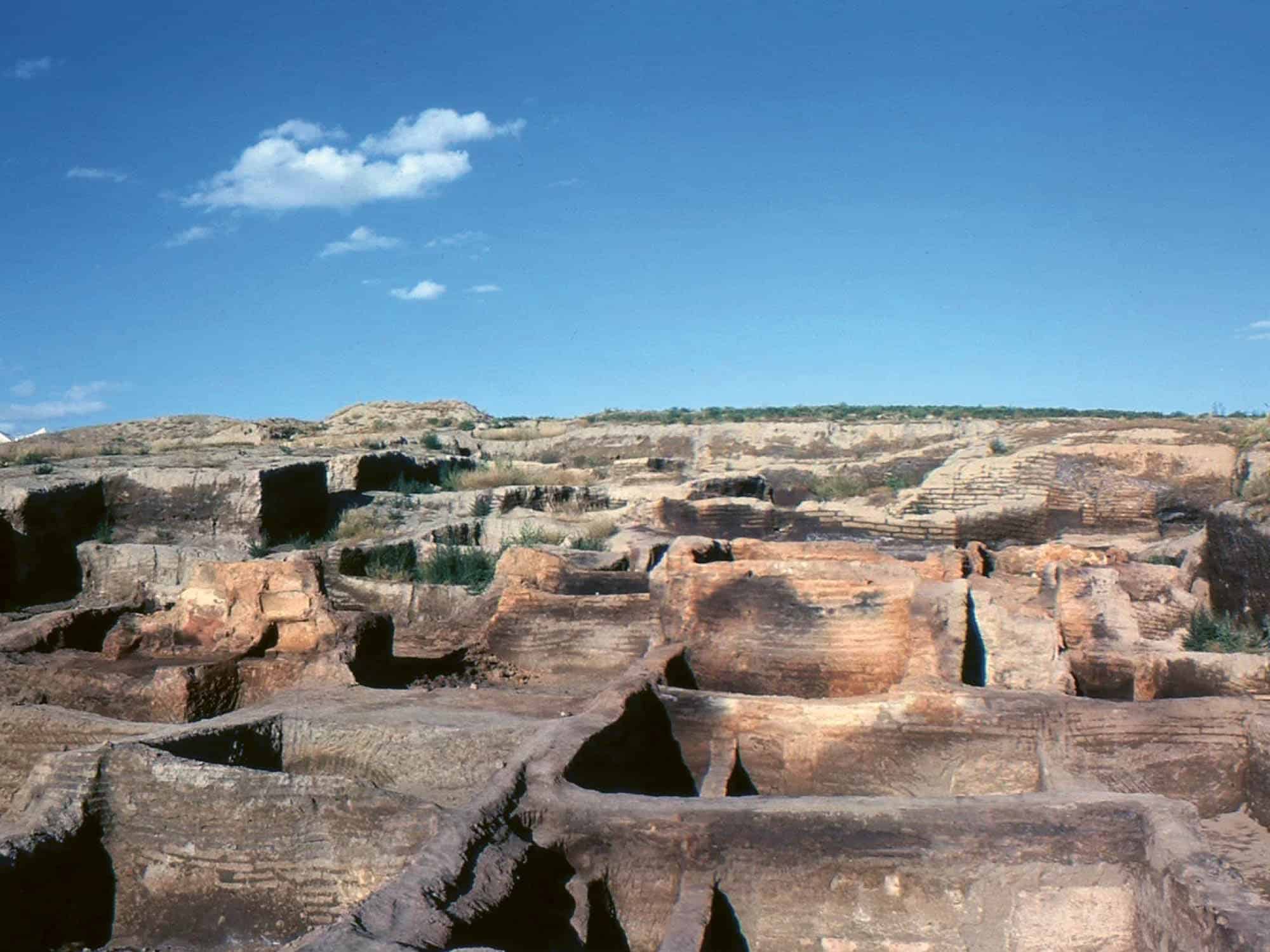
Çatalhöyük is among the oldest surviving human settlements. The mud brick buildings on the Anatolian plateau date roughly from 7500 to 5600 B.C. Individual dwellings are tightly clustered together, almost as if to form one large house in which up to 8,000 people lived. Flat roofs provide access to each dwelling and movement between them. The deceased were buried within these dwellings and thus probably remained connected to them. The American anthropologist Marin Pilloud has established through genetic analysis that…
Wolfgang Held · 27. März