18 Beiträge · Ausgabe 16/2024
Editorial
Issue 16/2024
The word "heal" is etymologically connected to "whole." In any healing process, we often try to get to the core of an issue, to the "root cause," but sometimes a broader, more comprehensive and holistic look at things can also be healing.
In this issue, we go both broad and deep. A report from the leaders of the Medical Section on the WHO’s Pandemic Agreement, looks at the fundamental facts and strives to incorporate different perspectives. We also hear about the campaign to protect Homeopathy and Anthroposophic Medicine as insurance benefits, and about a research project seeking to understand Homeopathy through quantum theory. Finally, we have the story of Felix Heinemann, Steiner’s publisher at the Magazin für Literatur, and someone Steiner treasured for his unique perspectives and capacities.
Weitere Beiträge
18 Beiträge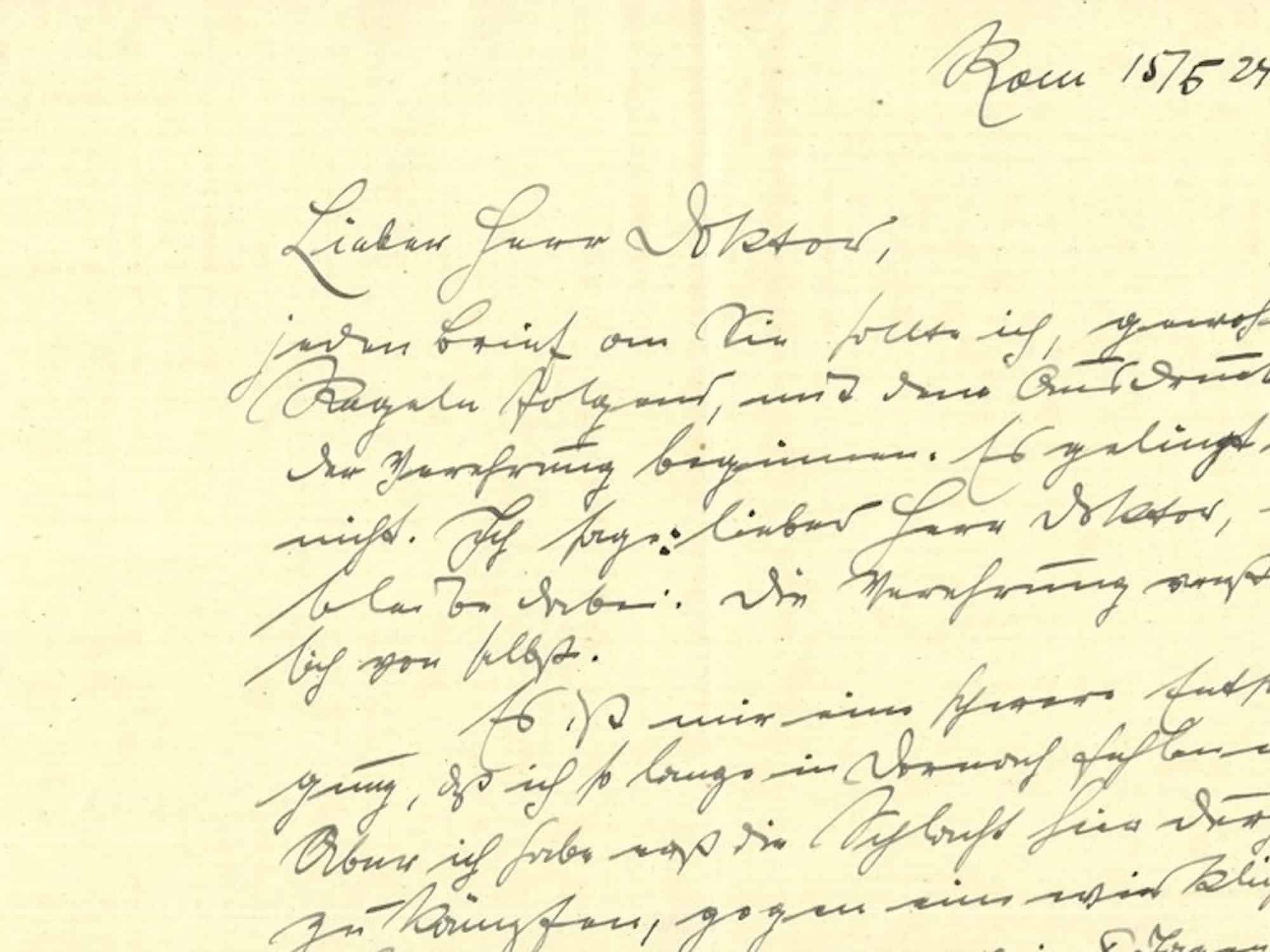
Im Fokus
“The Most Unforgettable Thing Was His Eyes . . . .” Felix Heinemann and Rudolf Steiner
Not many people who got to know Rudolf Steiner before the turn of the century followed him on the path to anthroposophy, but Felix Heinemann (1863–1935) was one who did. Heinemann was born into a Hamburg merchant family and trained for a career as a publisher and bookseller. In 1896, together with Otto Neumann-Hofer (1857–1941), he took over the then-popular magazine Romanwelt [World of Novels] from the Cotta publishing house, which kept him fully occupied alongside his own publishing house,…
Martina Maria Sam · 28. Mai
Retrospective
We Live in an Age of Restoration
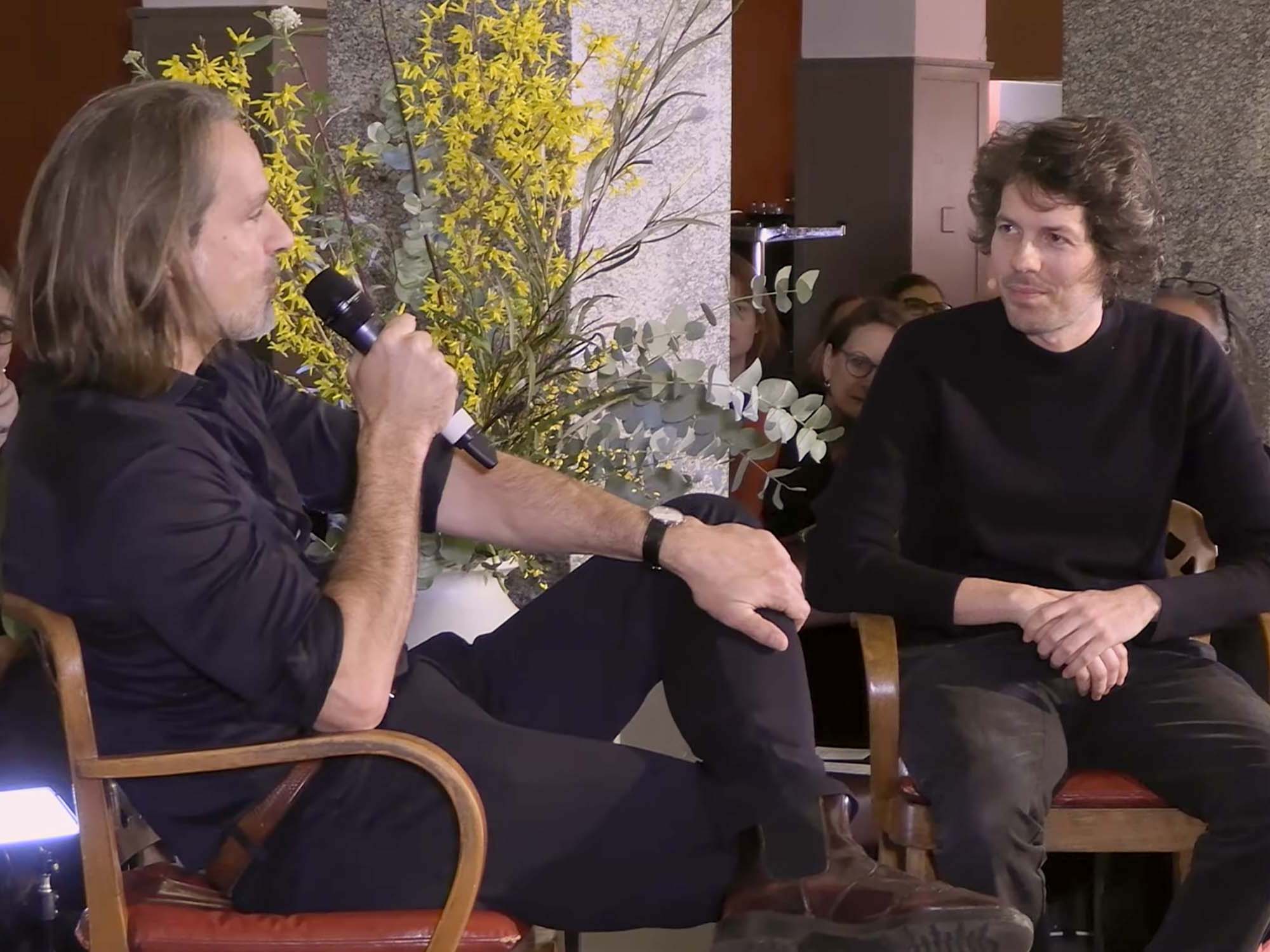
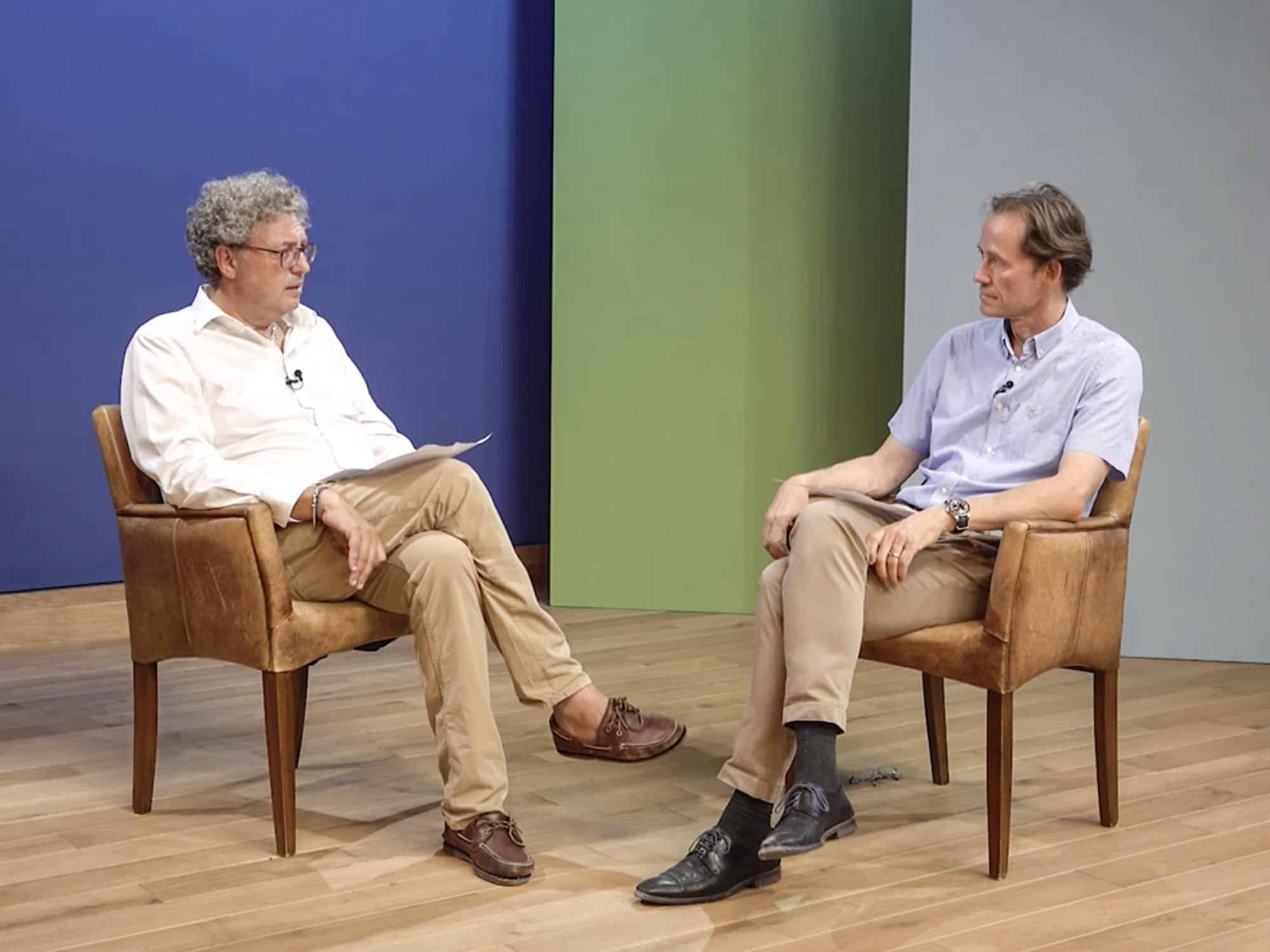
Philip Kovce, a contemporary philosopher associated with anthroposophy, is holding talks with leading cultural figures in Basel’s Café Unternehmen Mitte. Recently, Richard David Precht, one of Germany’s most famous philosophers, was his guest. The theme of their philosophical dialog is also the title of Precht’s current book on the future of the world of work—Freiheit für alle [Freedom for All.] Philip Kovce opened with the question, “How do work and freedom fit together?” Following a path from thesis to antithesis…
Wolfgang Held · 22. Feb.
News
Poetry and Music in Movement
Baarle-Nassau, Netherlands. Eurythmy courses for children. The Dutch eurythmy school Logos is offering regular eurythmy courses for children in the municipality of Baarle-Nassau. Children between the ages of four and twelve are taught the rhythmic movements of eurythmy as a living language of the body and soul. During the lessons, the young participants experience themselves down to the tips of their toes and fingers. They learn to express poetry and music with their bodies and to make them visible to…
Paula Boslau · 14. März
News
Healing as Transformation
“Begetting the spiritual human in the earthly human—paths to Christian medicine.” This was the guiding concept of the conference celebrating the centennial of the Young Doctors’ course held in January 2024. It is the last mantric sentence of a meditation given by Rudolf Steiner in his Pastoral Medicine Course. Here, it is presented in meditative form, describing how the healing impulse of Christ is to be understood. It is a new paradigm that Rudolf Steiner introduces. Healing is described here…
Wolfgang Held · 28. März

News
Because It Helps!
Berlin, Germany. The “Weil’s hilft!” (Because it helps!) initiative has succeeded in collecting 50,000 signatures in favor of keeping Germany’s healthcare benefits for homeopathic and anthroposophic medicine within the statutory four-week period. An interview with the campaign’s initiator, Stefan Schmidt-Troschke. Were you surprised by the result? How do you consider the outcome of the petition? I didn’t really have a feeling about it at first. After all, it’s about reaching a lot of people in a very short space of…
Wolfgang Held · 28. März
Event
Real Color and Culture
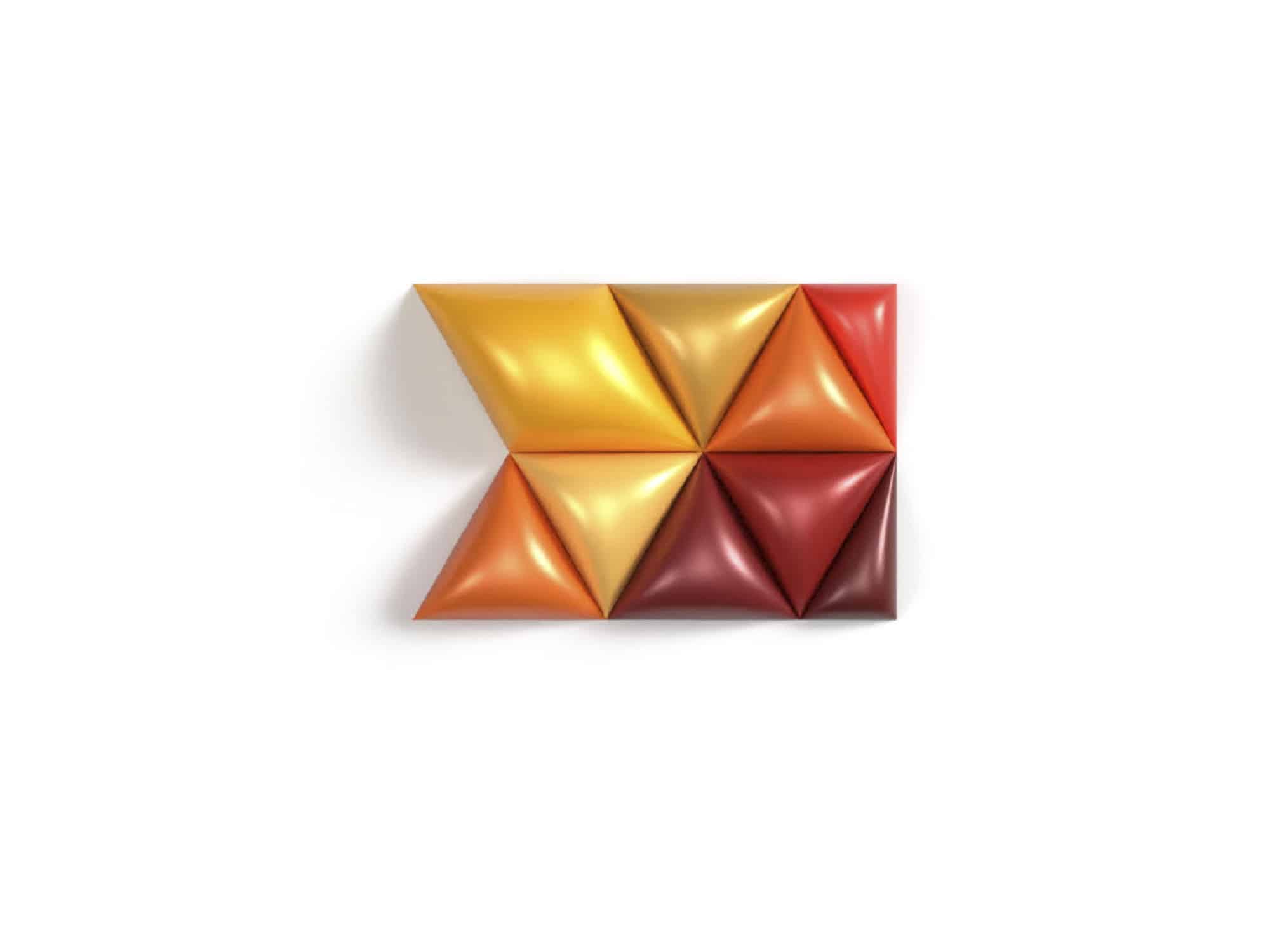
A Natural Science Section conference day in English and French on April 24th, as part of a three-day conference on color and culture. Colors evoke emotions, memories, and associations that are deeply rooted in our cultural contexts. The meanings of colors vary according to society and time and reflect language, symbolism, aesthetics, and power relations. In Western cultures, the color white is often associated with purity, innocence, and peace—in China and Japan, it is traditionally associated with death and mourning.…
Wolfgang Held · 10. Apr.

News
Will Homeopathy Stay?
Munich, Germany. The latest proposal from the German Ministry of Health offers hope for the preservation of homeopathy and anthroposophic medicine in the country’s health insurance system. The third draft of the Health Care Strengthening Act no longer includes the passage on the removal of homeopathy and anthroposophic medicine as insurance benefits in Germany, reports the patients’ alliance “Weil’s hilft!” [Because it helps!] and the Society of Anthroposophic Doctors in Germany (GAÄD). The GAÄD sees this as the right step…
Paula Boslau · 10. Apr.
News
Eurythmic Health
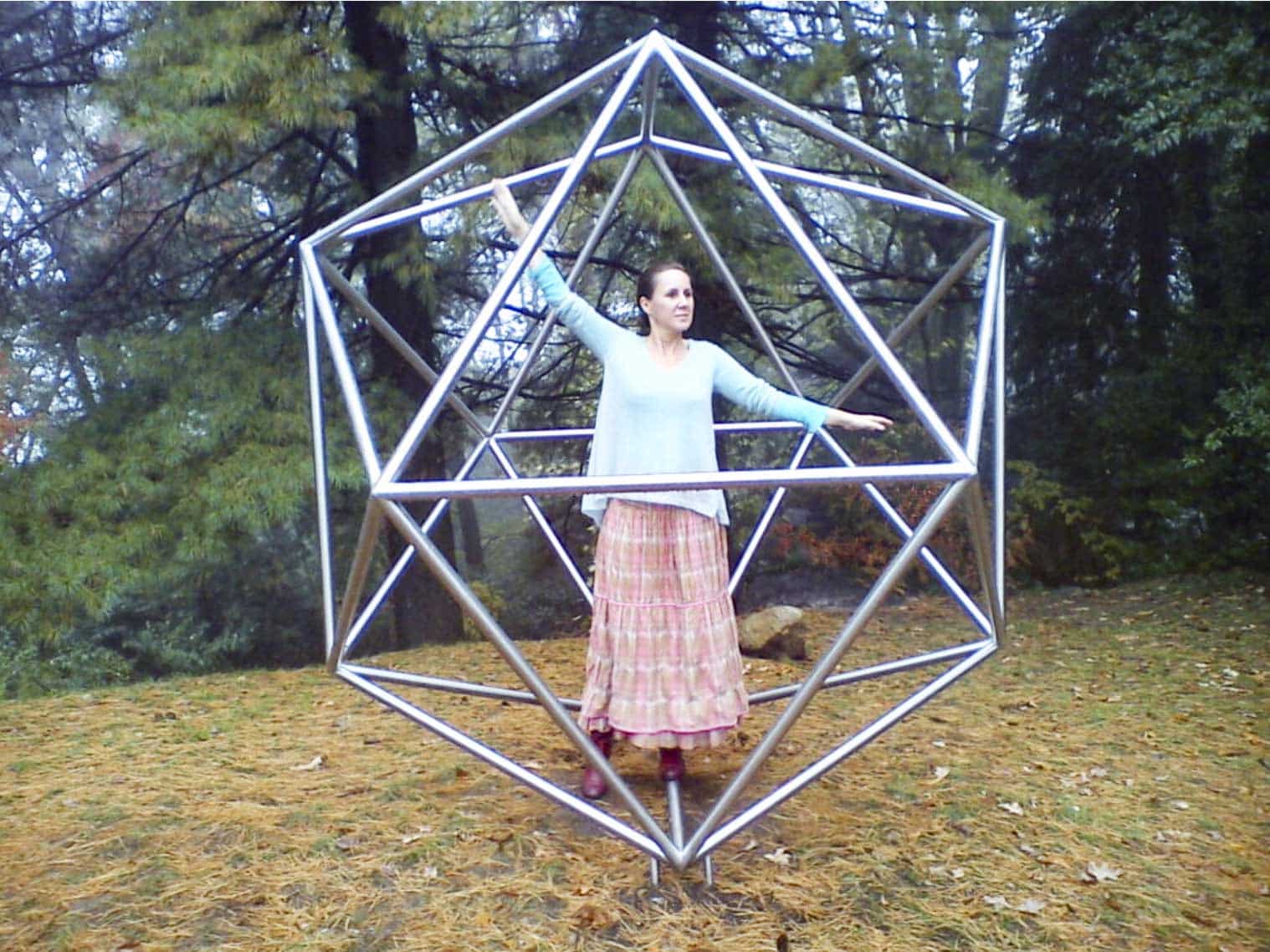
Roskilde, Denmark. A seminar on the therapeutic application of the art of movement. Certain eurythmic movements can strengthen our immune system, our self-healing powers, and our well-being in a comprehensive and sustainable way. From May 9 to 11, a seminar on this very topic will be held at the Kristofferschule in Roskilde, Denmark, as part of the “Flow & Health” series. The event will be led by Vera Koppehel, eurythmist and co-founder of the Copenhagen Institute for Inspired Movement. The…
Paula Boslau · 10. Apr.
Retrospective
The Highest Becomes Visible
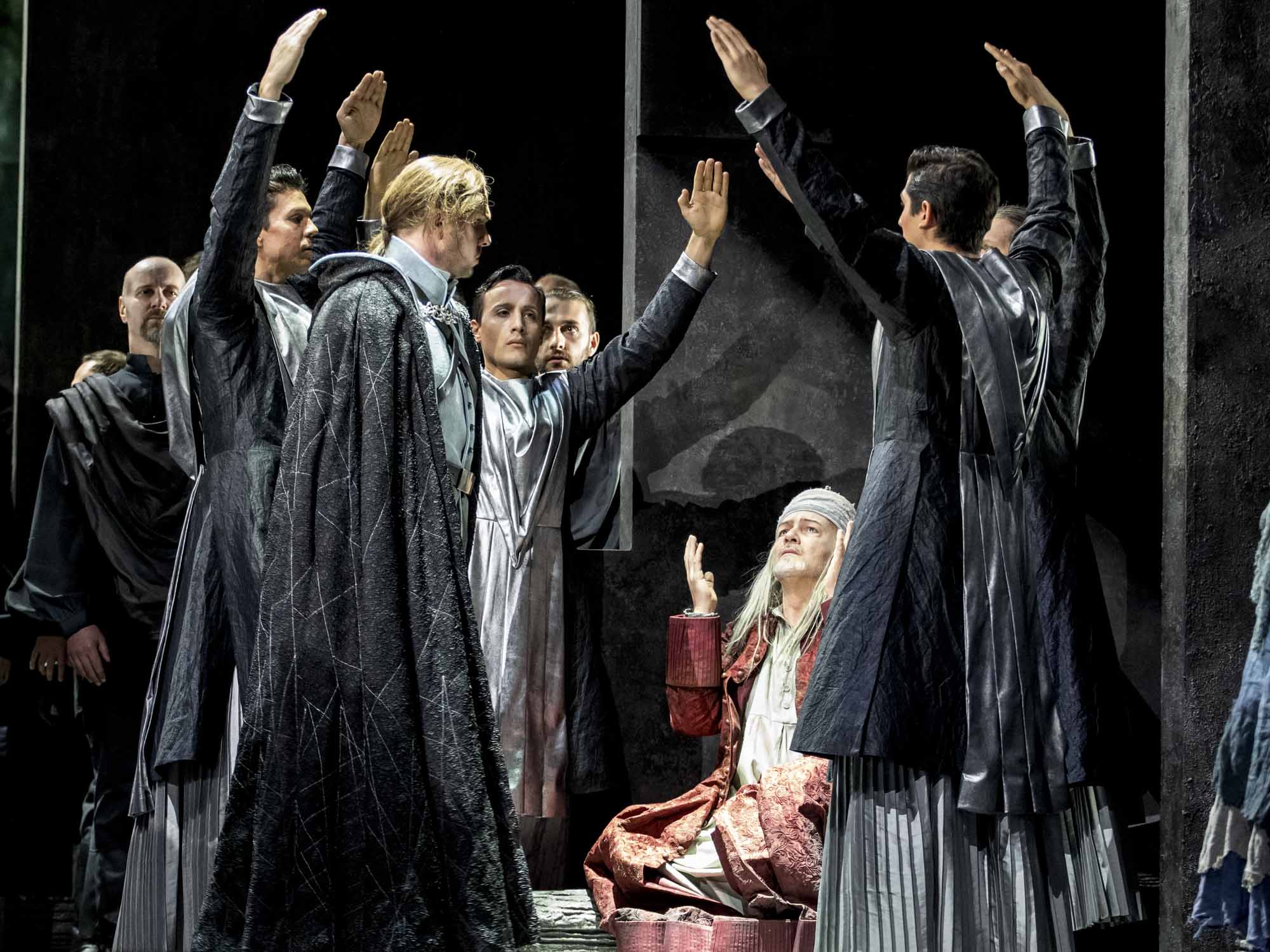
For the second year in a row, Richard Wagner’s stage festival Parsifal, directed by Jasmin Solfaghari and Stefan Hasler (eurythmy), was held during Holy Week at the Goetheanum in three sold-out performances. Impressions by Ronald Templeton. In September 1880, Richard Wagner wrote to his patron Ludwig II, King of Bavaria: “It was with a truly accurate sentiment that I titled Parsifal a ‘festival for the consecration of the stage’ [Bühnenweihfestspiel].” And because Wagner believed that art was “reserved to save…
Ronald Templeton · 18. Apr.
Social
The Tasks of Youth
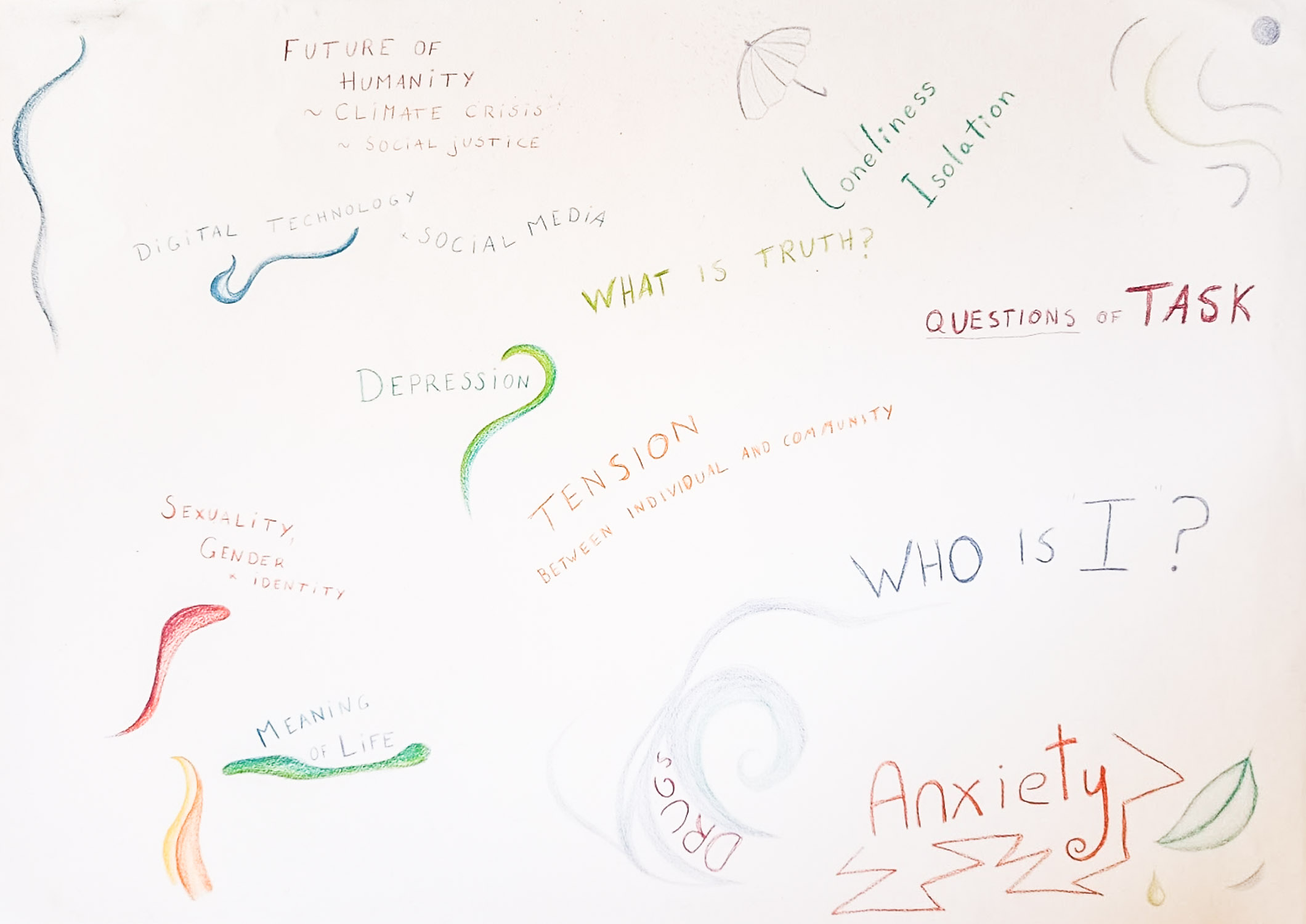
For her final presentation during the Anthroposophical Studies program at the Goetheanum, Rosemary Channin explored the question, “Are Rudolf Steiner’s indications for young people still relevant in 2023?” by researching Steiner’s addresses to young people, polling students at the Goetheanum on their major challenges, and looking at how Steiner’s tasks relate to the experiences of young folk today. The Impulse Behind the Project Today’s young people face the rapid advancement of technology and AI, serious political unrest in many parts…
Rosemary Channin · 18. Apr.
History
Poet of Polarities
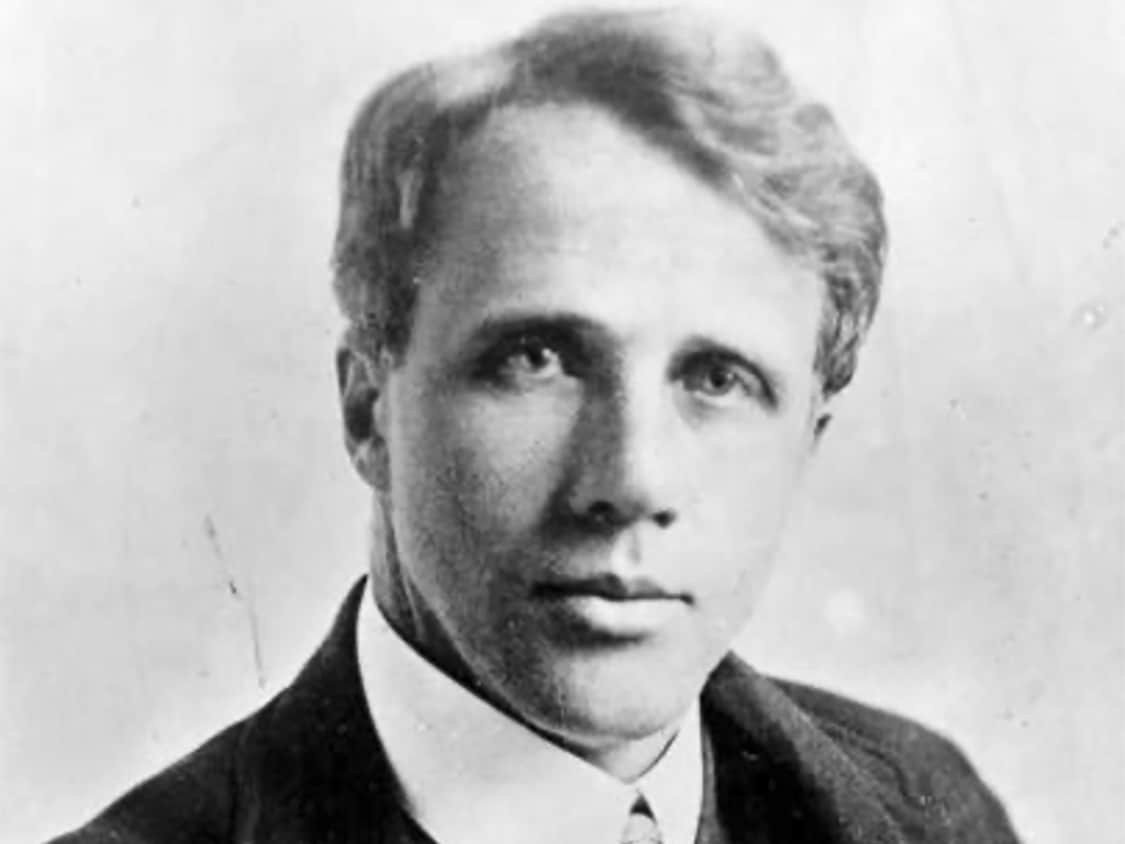
The American poet Robert Frost (1874–1963), revered and celebrated in his homeland, would have been 150 years old on March 26, 2024. The work of this poet, little-known outside the United States, reflects a lifelong struggle with existential human questions and a century of US history. Frost’s long life took place in the shadow of dramatic epoch-making events: two world wars, the Great Depression, the dropping of the atomic bomb, the Cuban Missile Crisis, etc. He took a lively interest…
Werner Friedl · 18. Apr.
Natural Sciences
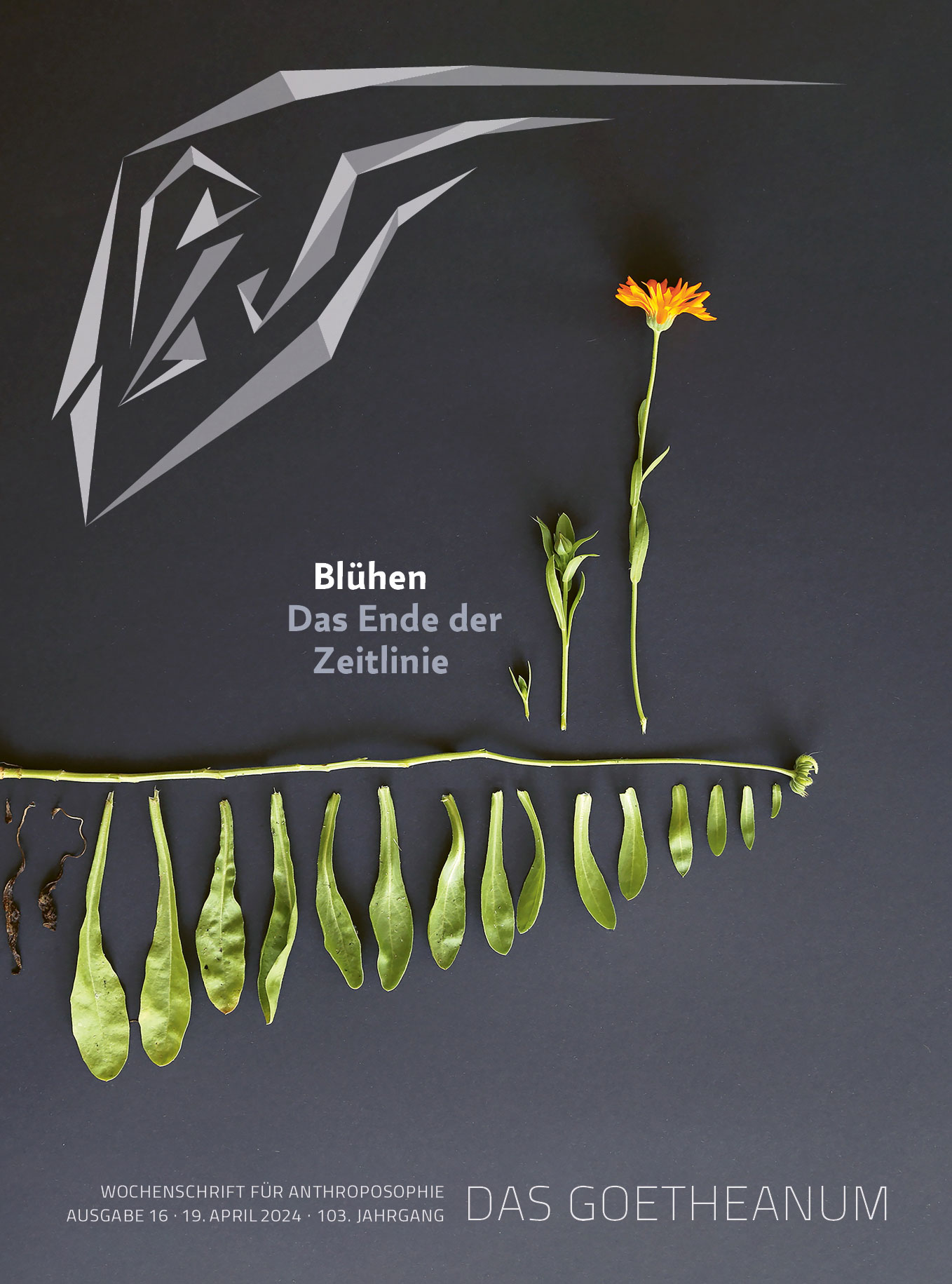
Flowering: the End of a Timeline
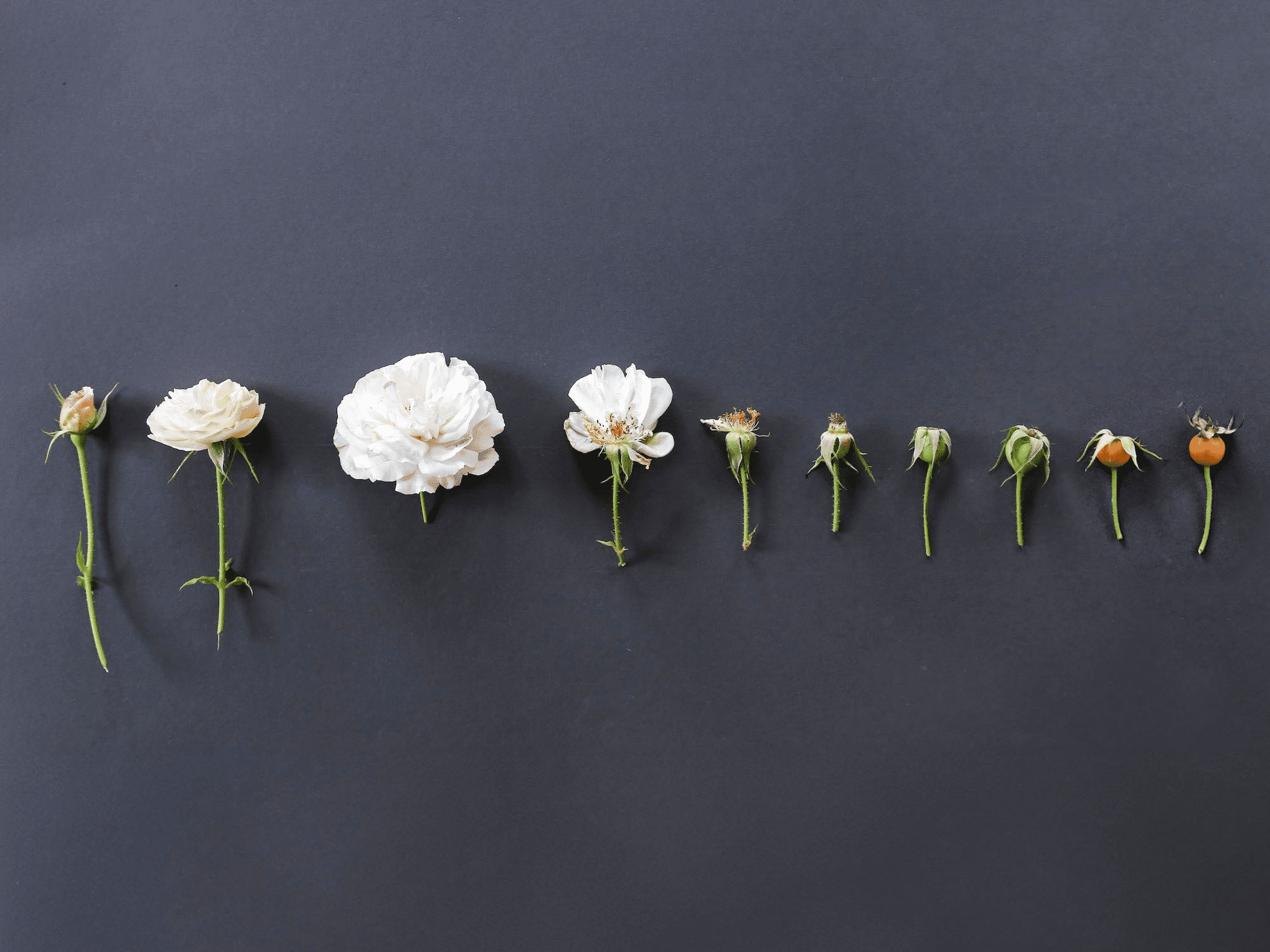
Because of our consciousness, human beings are not a will-less “part” of nature, but its responsible, guiding partner. The future of Earth depends on us. How can we see this? Jan Diek van Mansvelt looks at cycles of dying and flourishing through corresponding developmental processes in human beings and plants, to evoke the sort of living thinking that creates a potential for humans and Earth from our imaginative mind. Jan Diek van Mansvelt How do we think about the end…
Jan Diek van Mansvelt · 18. Apr.
Event
Founding a Biodynamic Farm
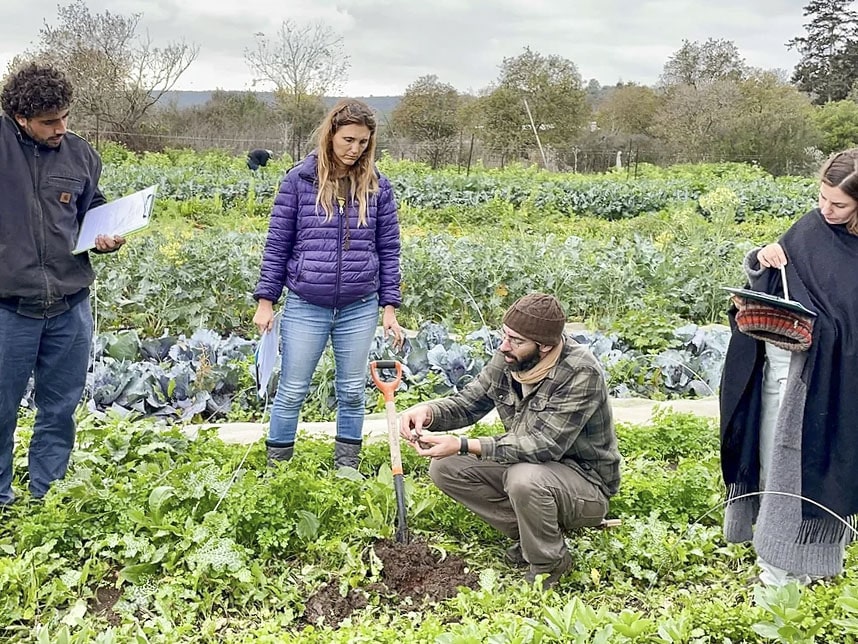
Lisbon, Portugal. Supporting biodynamic agriculture in dry climates. Adama Haya is an Israeli organization that aims to establish and support biodynamic agriculture not only in Israel, but also in other countries with dry climates. In cooperation with local biodynamic initiatives, Adama Haya also organizes multi-day courses in Europe, in which participants learn about various areas of biodynamics in a practice-oriented way. From May 16 to 23, a course will be held at the Quinta Cacimba farm north of Lisbon, Portugal,…
Paula Boslau · 19. Apr.

Event
Healing Through Singing
San Rafael, California. Human beings are singing beings. Nowadays, songs and music are mainly experienced through digital technology: smartphones, headphones, and speakers. The question arises: where is the space for an intimate connection to one’s own voice? Sound and breathing are healing for people. By nourishing our voice, we nourish our health at the same time. With this in mind, Christiaan Boele and Kate Hammond are offering a three-day workshop, “Healing through Singing,” from June 14-16 at the Marin Waldorf…
Paula Boslau · 19. Apr.
News
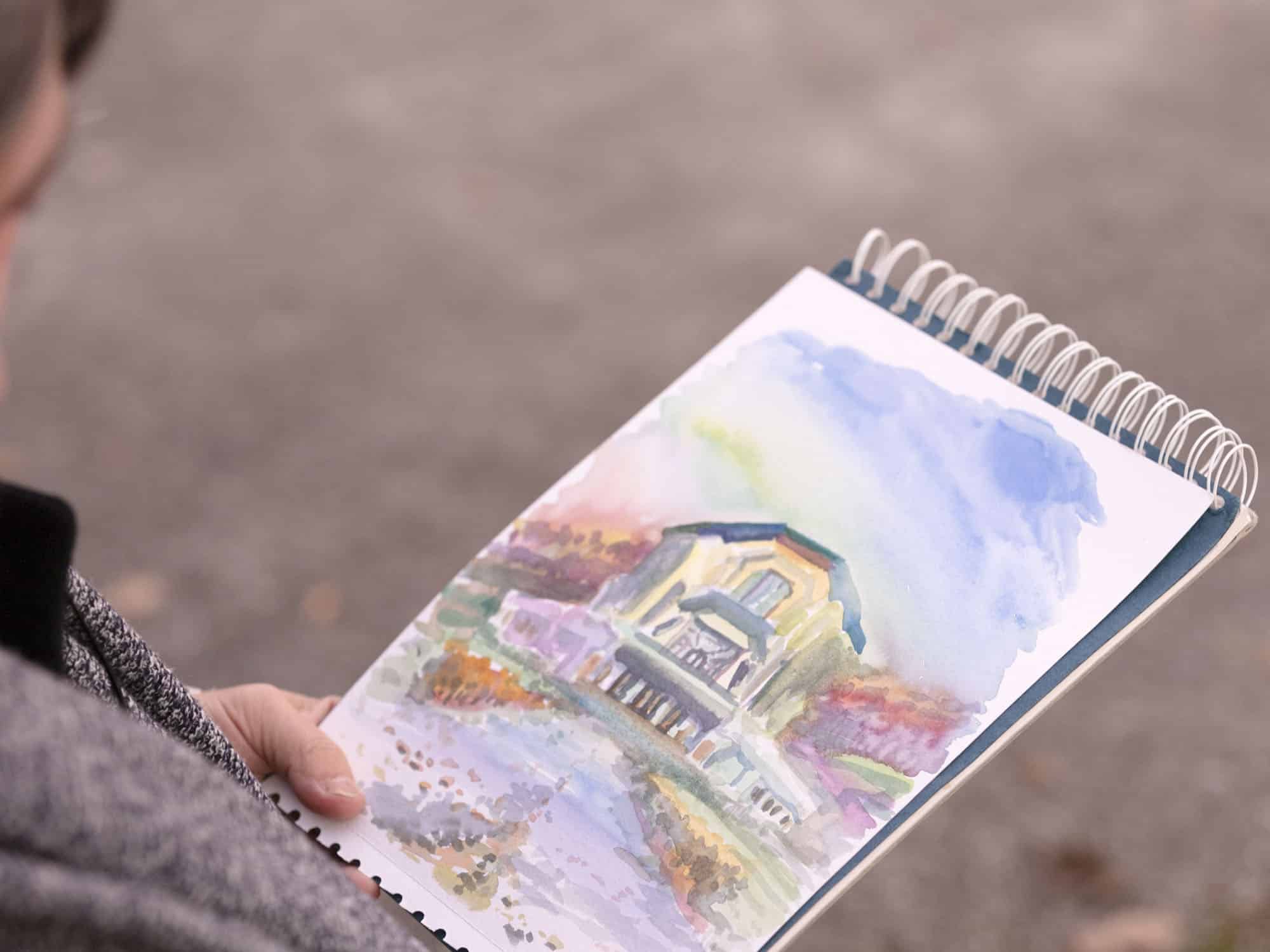
A New Art Study Year at the Goetheanum
In October, the Goetheanum will launch a new artistic course of study in sculpture, architecture, and painting (one trimester each) on an anthroposophical and Goetheanistic basis. This will be the first course of its kind at the Goetheanum, encompassing sculpture, painting, and architecture. Christiane Haid and Barbara Schnetzler are leading the study year and will be joined on the faculty by Christian Hitsch, who previously taught art at the Goetheanum, as well as Rudolf Kaesbach, Pieter van der Ree, Esther…
Wolfgang Held · 19. Apr.
News
How Does Eurythmy Sing?
Tania Mierau has been a member of the Else-Klink-Ensemble since 1996, has taught eurythmy for over 25 years, and completed her postdoctoral degree in Stuttgart in 2016. Nicolás Prestifilippo spoke to her about her research into tone eurythmy. According to Mierau, Stuttgart’s eurythmy is always associated with something singing, ringing, and streaming with light that comes from the center of the body. “As a student, I naturally absorbed this and also tried it. When I started teaching myself, I asked…
Wolfgang Held · 19. Apr.
Medicine
Working to Better Understand the WHO Pandemic Agreement
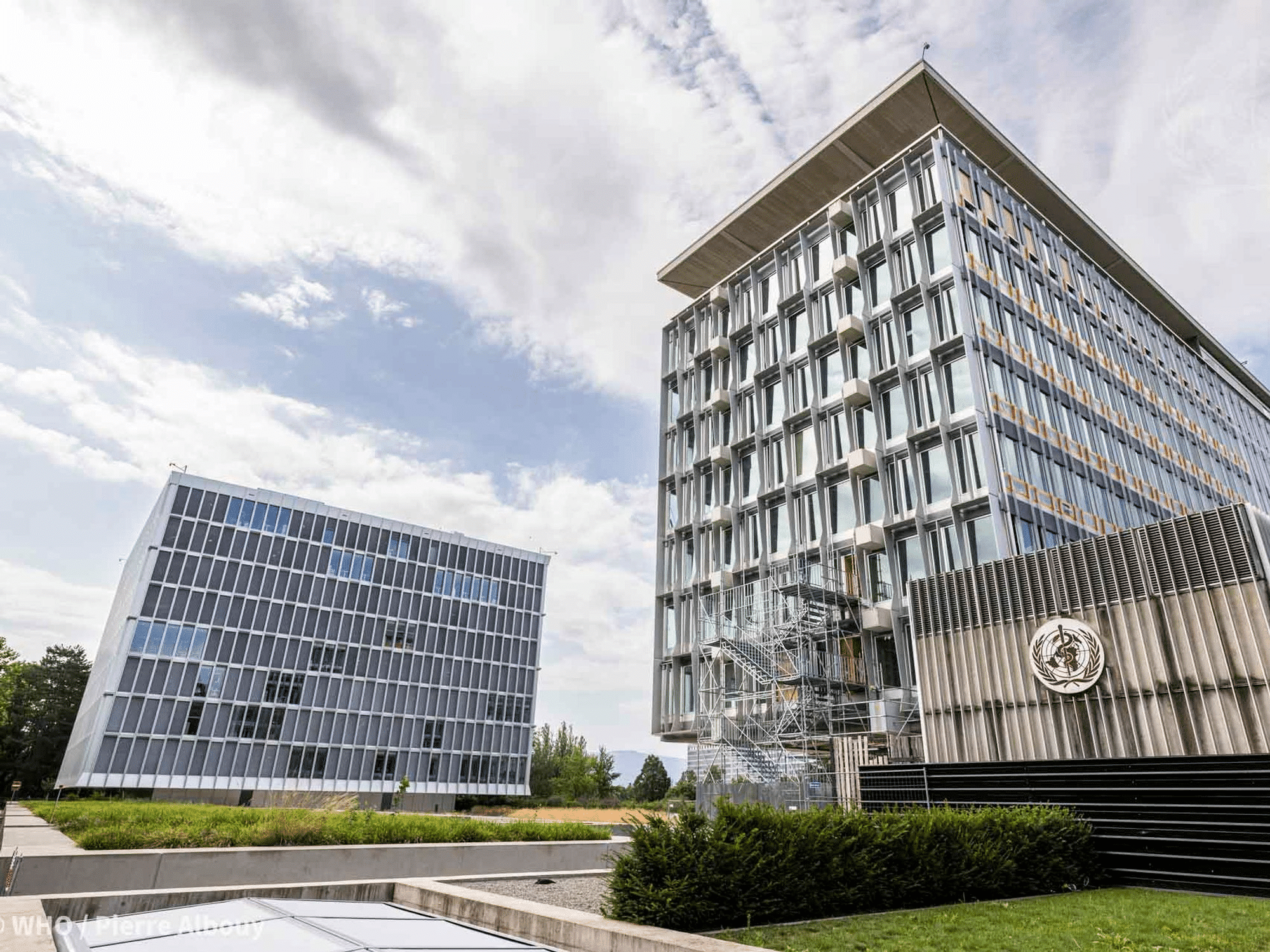
The coronavirus pandemic brought about an unusual and, for many, uncomfortable combination of two very different aspects of life: medicine and politics. Coming out of that experience now, we see a broad push to unify policy and standardize treatment protocols, and at the same time, efforts to promote and defend individual medical decision-making. How can the field of medicine balance these two, and what should the role of anthroposophic medicine be within that dynamic? This year marks one hundred years…
Karin Michael · 24. Apr.

Current Issues
What Does Quantum Theory Reveal About Homeopathy
The science of homeopathy was introduced in 1810 by the German doctor Samuel Hahnemann. In the interim 213 years, thousands of doctors have researched and applied it in the most varied of cases, and, as a result, numerous case studies elaborate on its effectiveness. Nevertheless, we still read statements like this one from a science advisory council: “There are no known diseases for which there is reliable evidence that homeopathy is effective.” Would you like to keep reading? We’re pleased…
Tamás Bükki · 15. Aug.