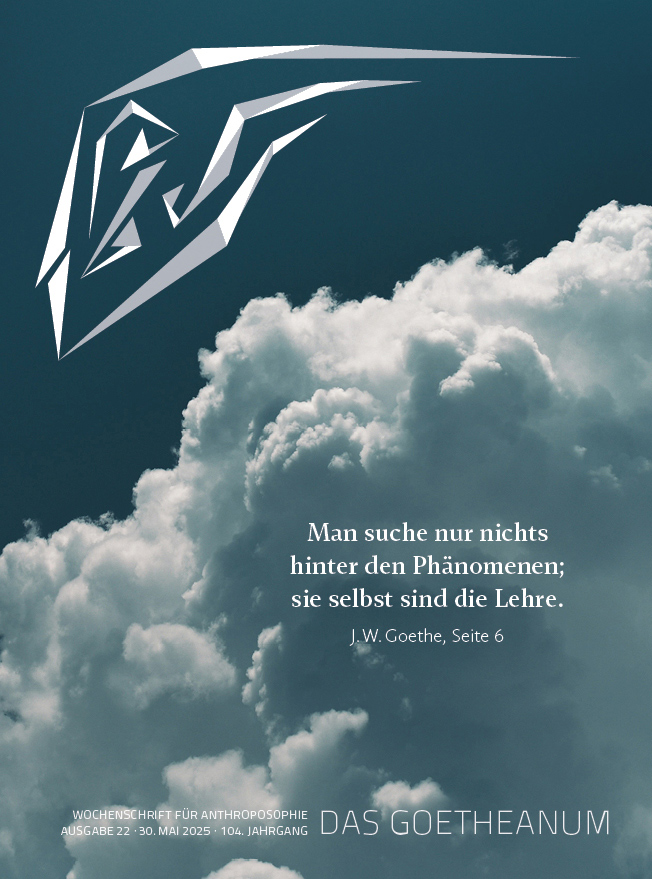
16 Beiträge · Ausgabe 22/2025
Editorial
Issue 22/2025
Kein Editorial verfügbar.
Weitere Beiträge
16 Beiträge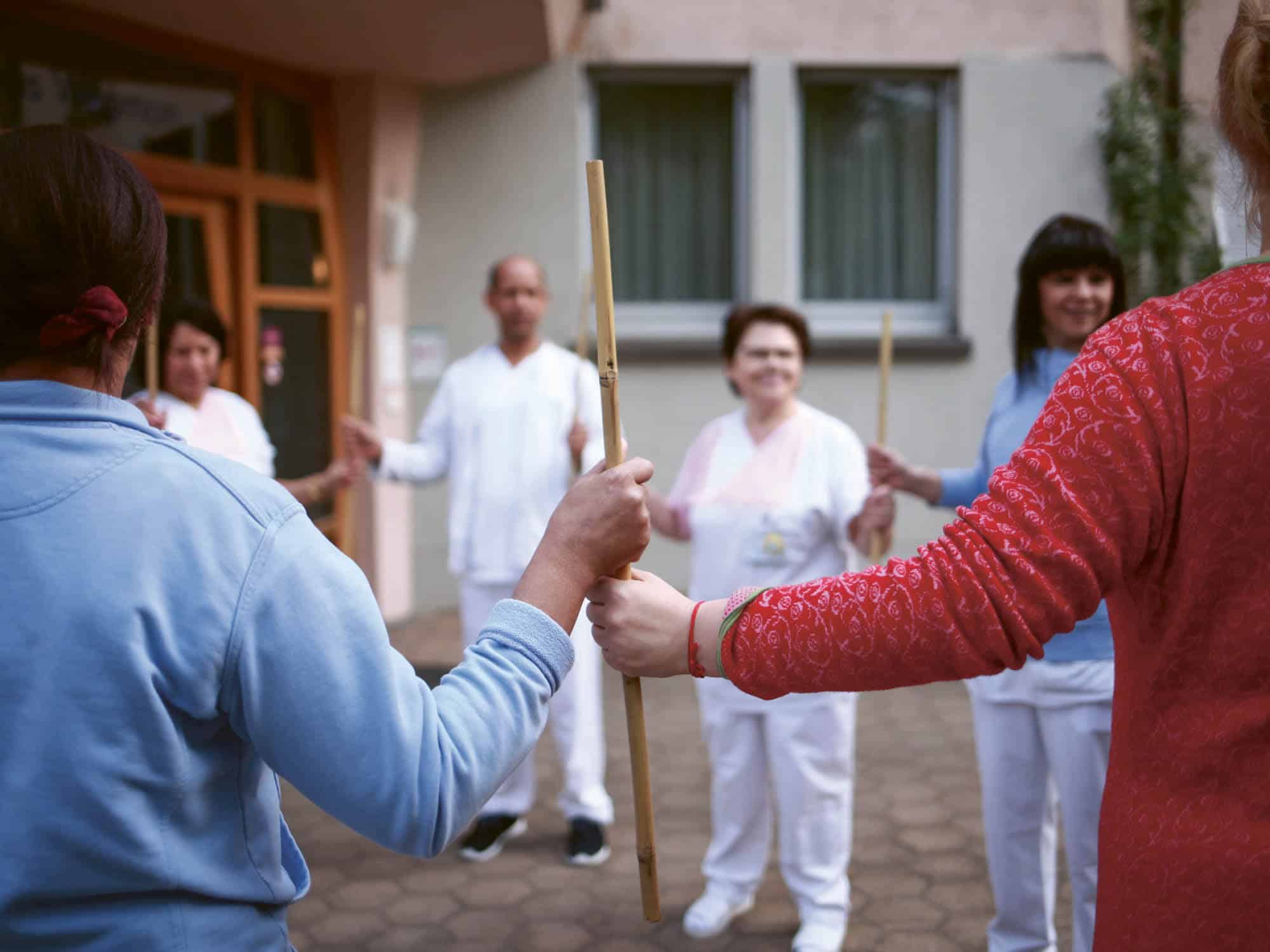
Im Fokus
Simple Words
The deepest insights are often, or perhaps always, the simplest realizations. “The human only becomes human among humans.” A statement of simple words from the philosopher Johann Fichte, and yet it takes a long life to unpack this sentence, to explore it, and to learn to live it. “It may be easy, but what’s easy is hard,” wrote the other Johann, Johann Wolfgang von Goethe. Just as the spirit is simple and elementary, so are the paths to it. Hardly…
Wolfgang Held · 14. Mai
Steiner as
Inventions Have Their Day
How should we understand Rudolf Steiner’s statements about technology? In search of the power of invention. Rudolf Steiner was very interested in the inventions of his time. When he noticed a zipper on Willem Zeylmans van Emmichoven’s tobacco pouch, he said: “What a pity that one of us didn’t invent that.” In his Mystery Dramas, he sometimes mentions contemporary developments in inconspicuous places. For example, the engineer Dr. Strader oversees a factory where screws are “thread rolled.” Although this process…
Andreas Heertsch · 14. Mai
Essay
Language is Magic
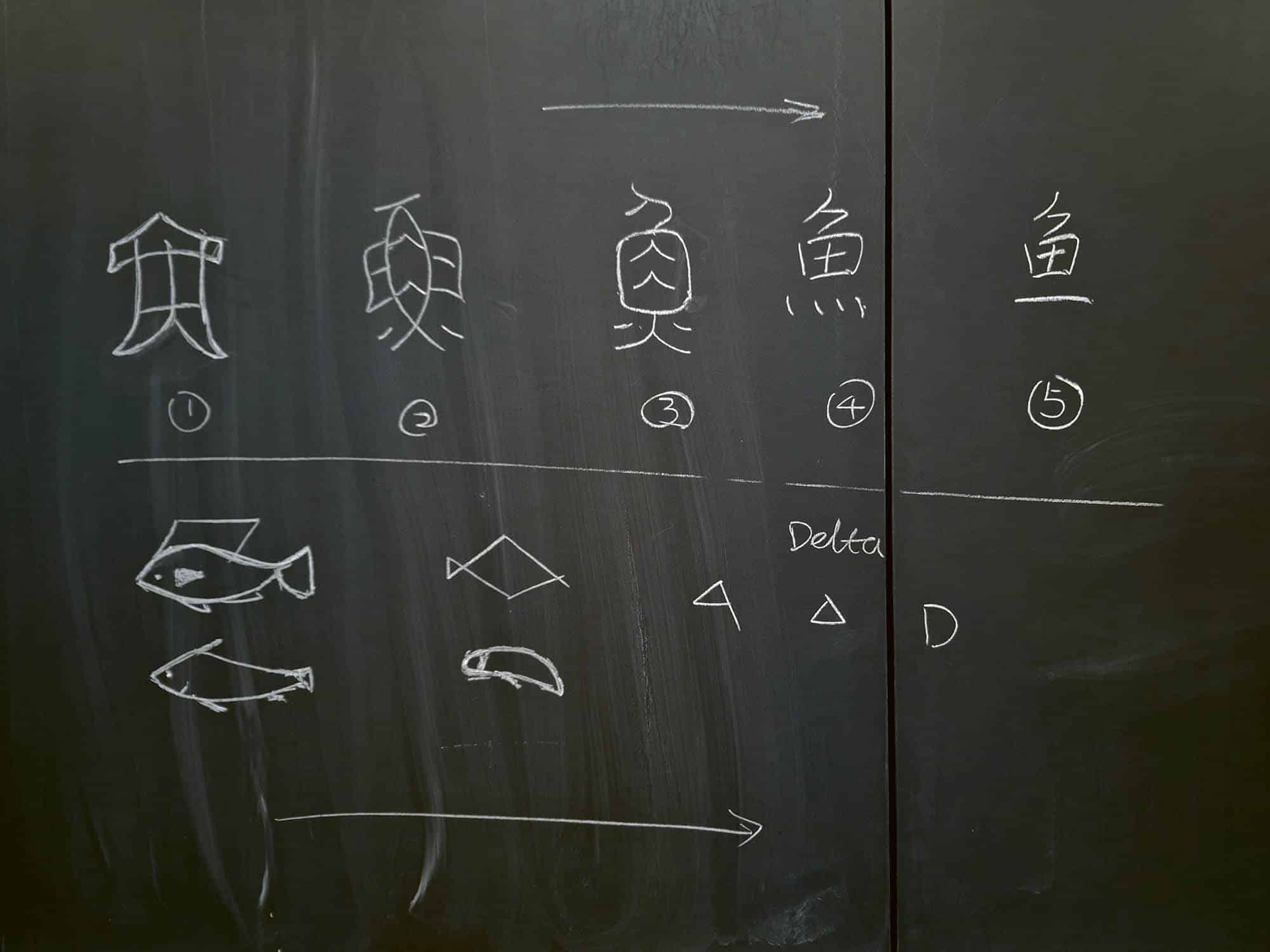
From out of past cultural epochs up through to the present day, the evolution of human language is truly a wonder to behold. The ‘I’ became flesh, granting the potential to know the spirit itself. The new Tower of Babel can now be built. Language is magic. It never ceases to amaze me how a cat intones one single syllable, “meow” but can express such a range of feelings and intentions. The archetypal principle of language is the syllable: a…
Hao Bu · 14. Mai
Conversation
Active Anthroposophy
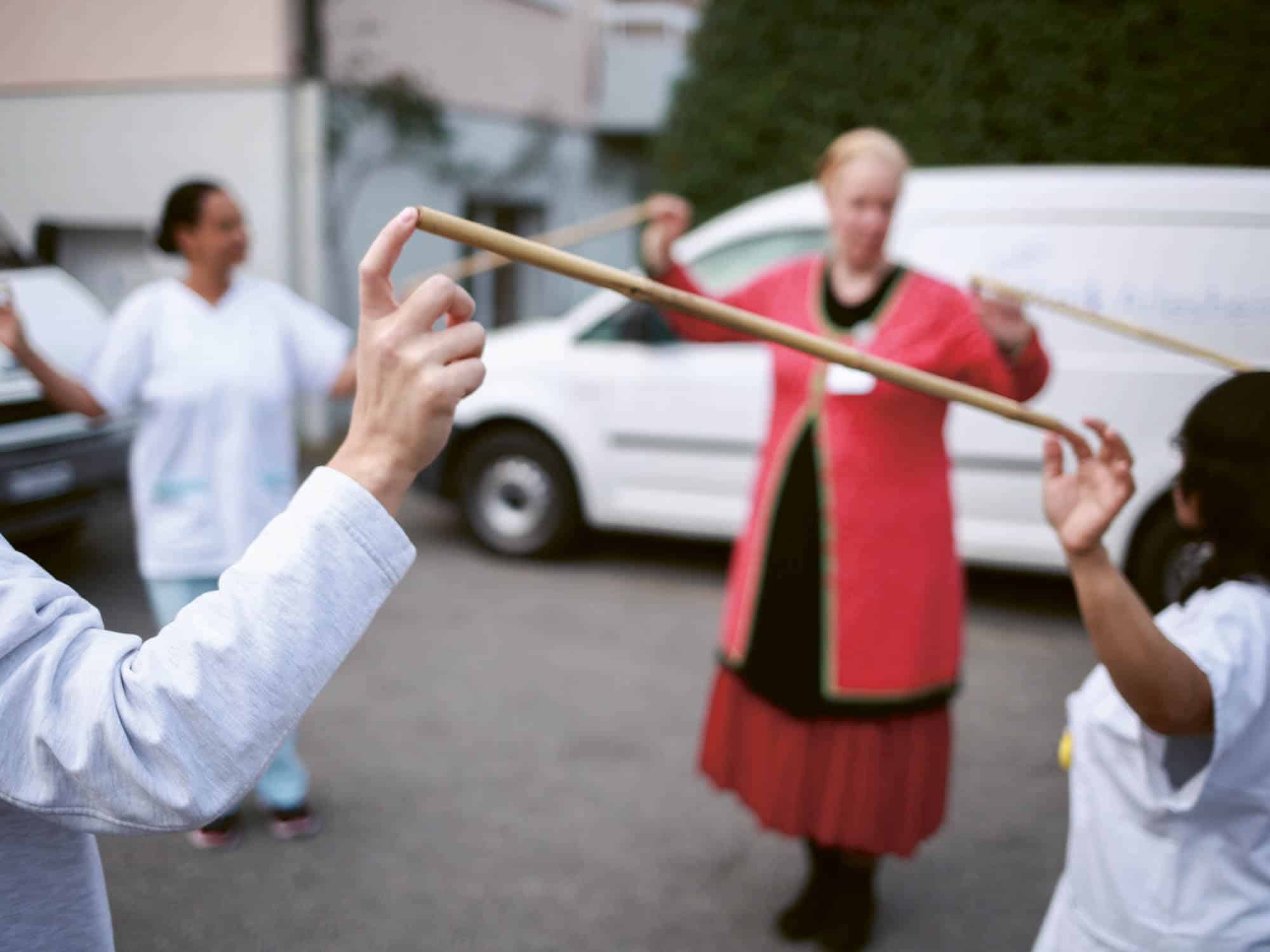
Social life relates center and periphery. Eurythmy arises in this same oscillation. Is this why it’s so fruitful in interpersonal relationships? Noëmi Böken has been working as a eurythmist for many years, exploring the potential of eurythmy for businesses, organizations, and continued education with “movement-based process consulting.” Franka Henn in conversation with Noëmi Böken. Franka Henn: My dear Noëmi, in one word: What does eurythmy mean to you? Noëmi Böken: Active anthroposophy. FH: How did you come to that? NB:…
Franka Henn · 14. Mai
Reflection
Waldorf Schools in France: Weak Arguments, Strong Consequences
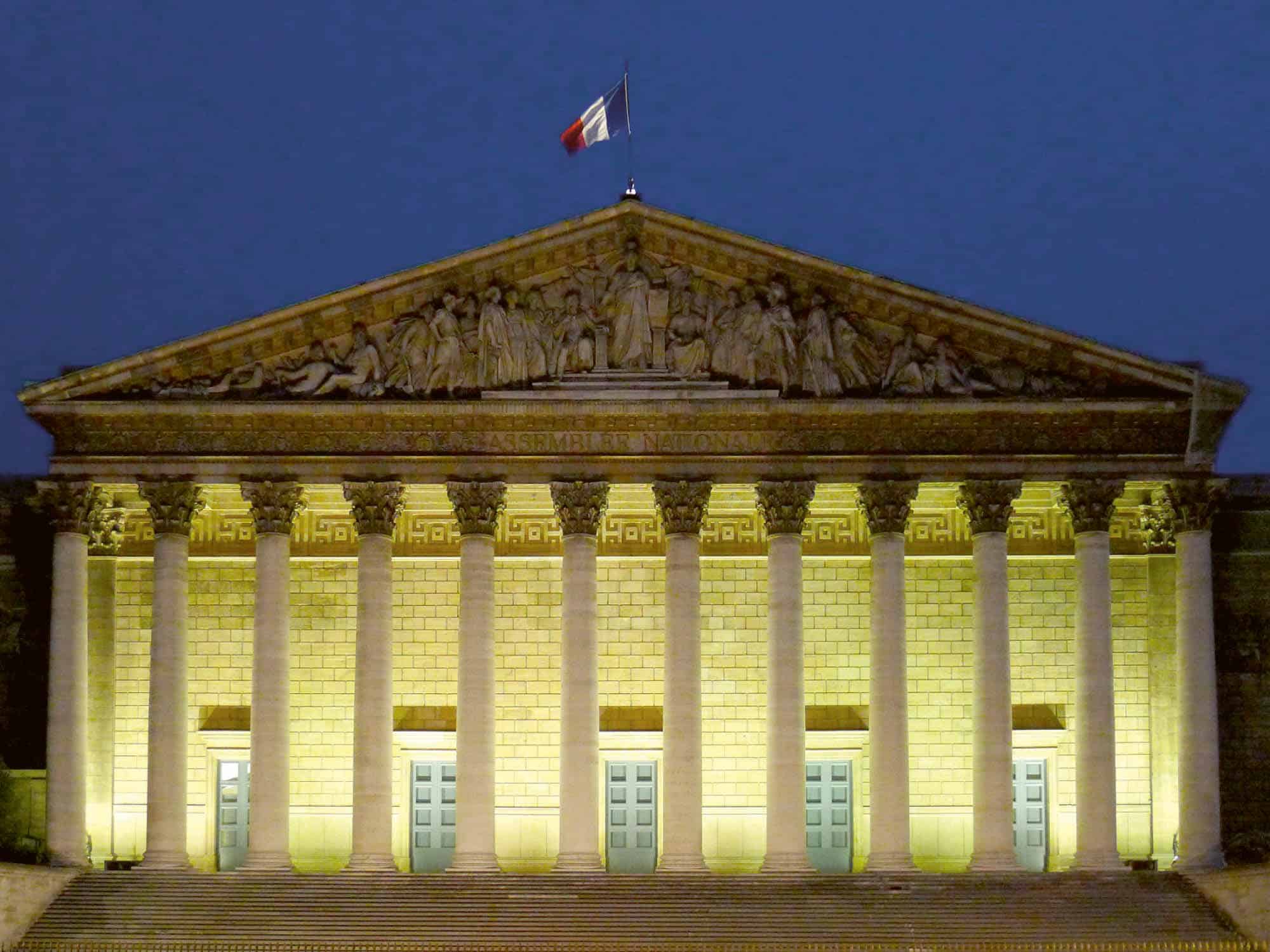
Three decades ago, the French state established an “Interministerial Mission to Monitor and Combat Sectarian Aberrations.” Its latest activity report, for the period from 2022 to 2024, was published in April 2025. Once again, it denounces Waldorf schools and fuels public mistrust. Here is a summary. On its website, the Mission interministérielle de vigilance et de lutte contre les dérives sectaires (MIVILUDES) writes: “Out of respect for all faiths and the principle of secularism, the legislator has always refused to…
Louis Defèche · 14. Mai
Tribute to Rudolf Steiner
With Open Eyes
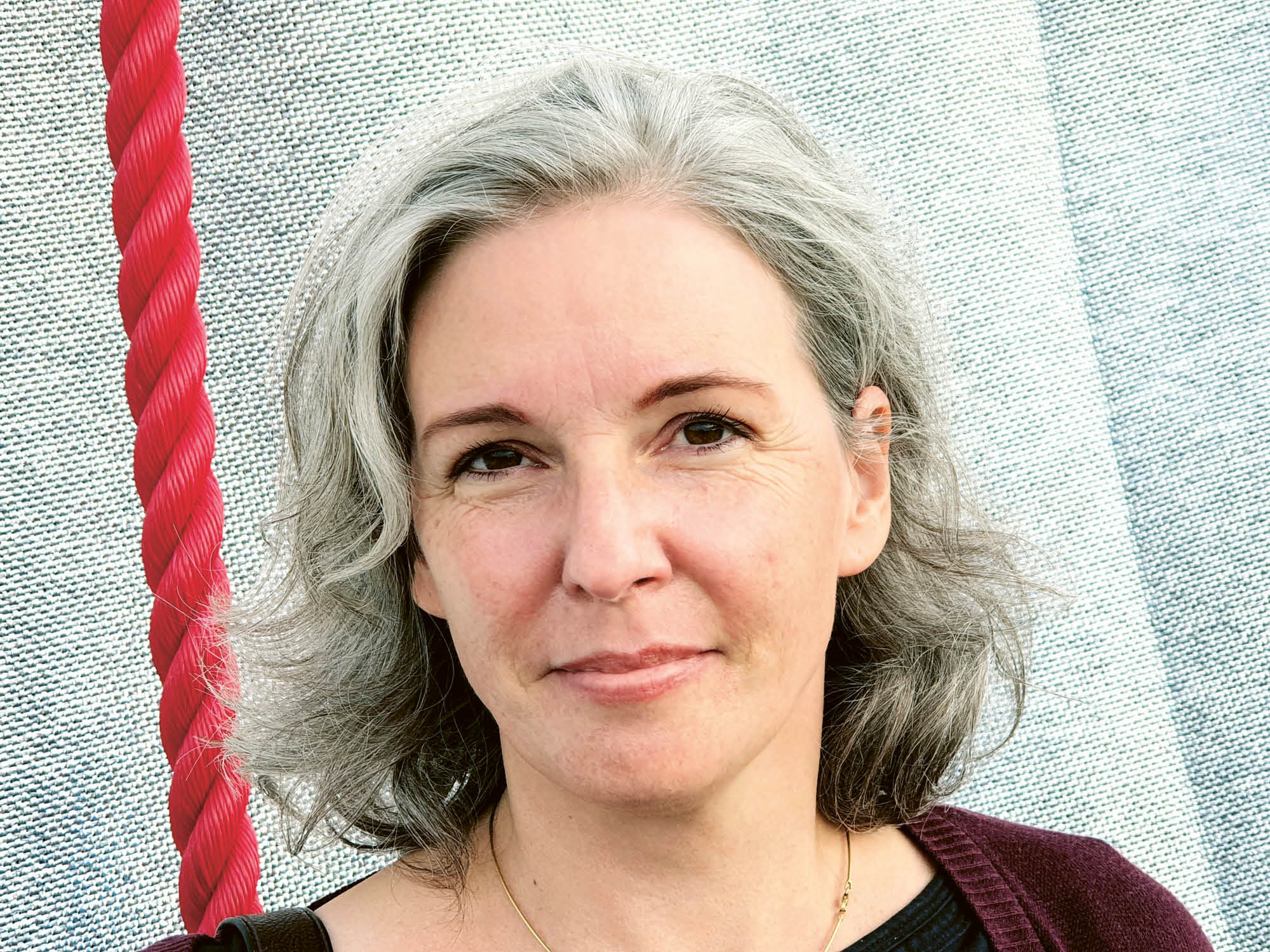
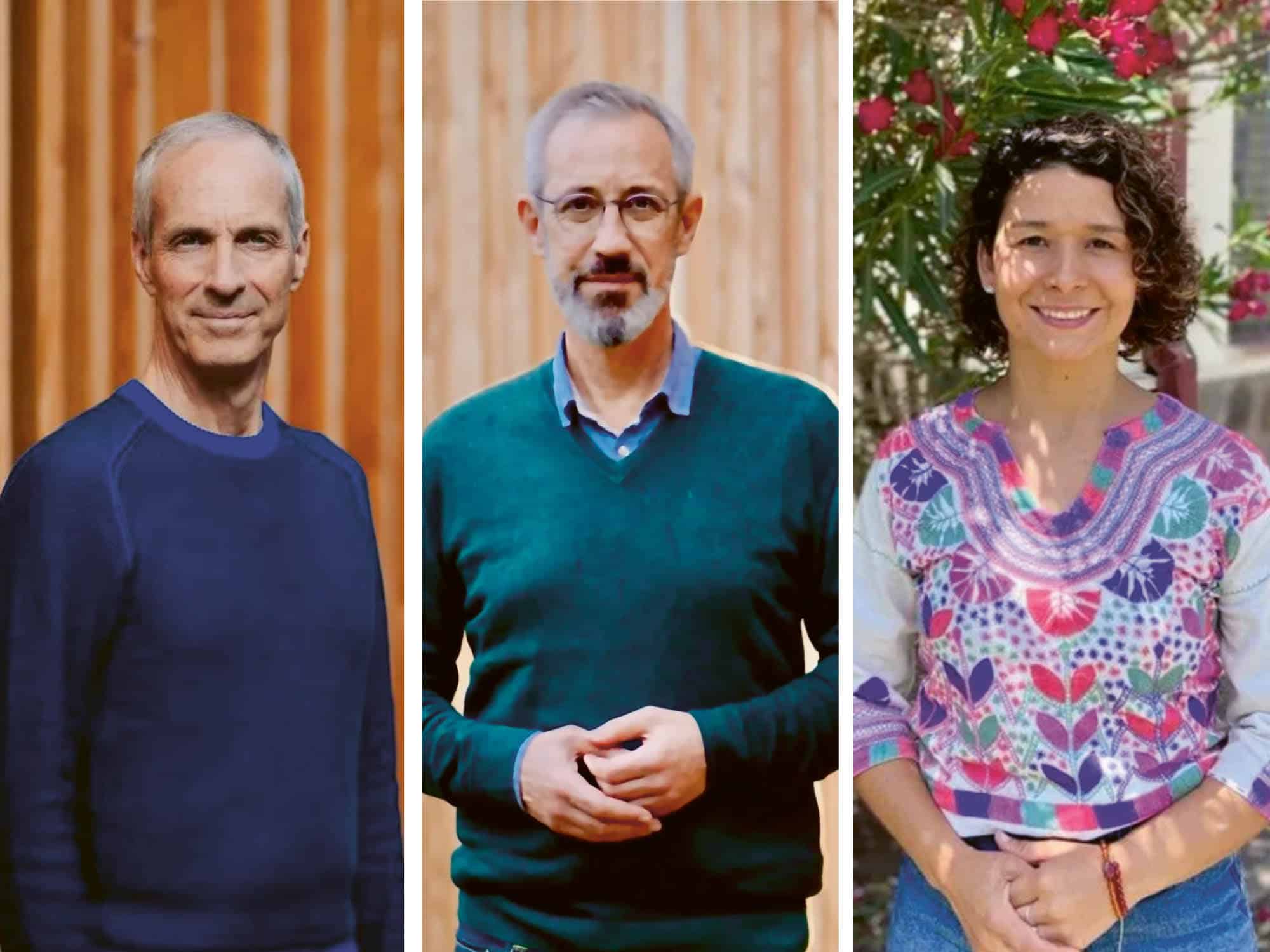
Frankfurt am Main, Germany. 2025 is the 100th anniversary of Rudolf Steiner’s death. How does he live on in specific individuals? Laura Krautkrämer, editor of the monthly magazine Info3 and PR consultant in the anthroposophical field, gives her answers. Which sentence by Rudolf Steiner has particularly touched you and why? “If you seek yourself, seek outside in the world; if you seek the world, seek within yourself.” I understand this saying as an invitation to be a person of our…
Paula Boslau · 14. Mai
Retrospective
Waldorf 360
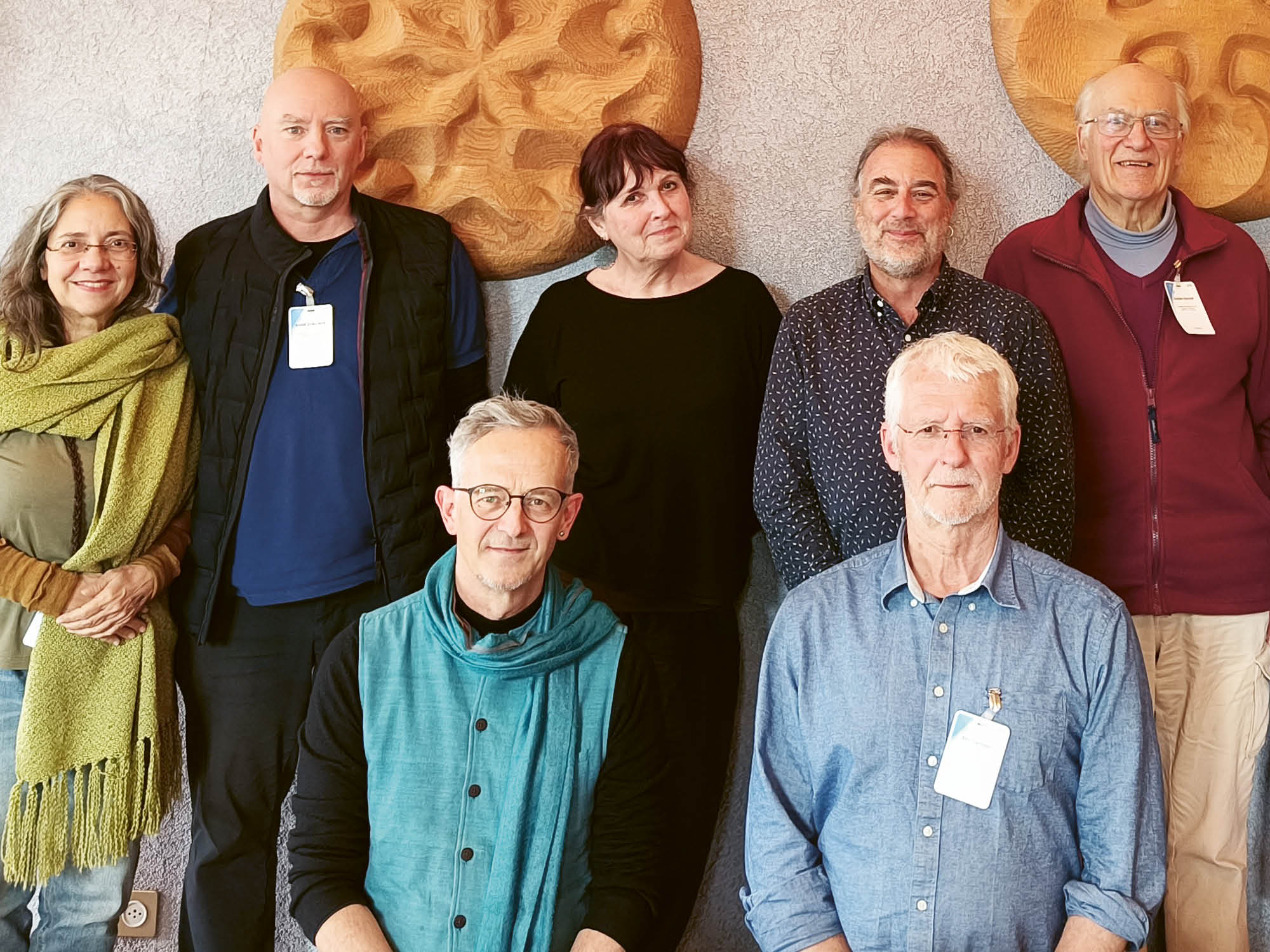
Ashburton, England. Waldorf 360: An ambitious project comes full circle. On April 16, 2025, during the International High School Conference in Kassel, the Modern Teacher team hosted the last of the 60 weekly sessions of “Waldorf 360: Global High School Network.” The initiative was born in 2023 out of a breaktime conversation at the World Teachers Conference at the Goetheanum. Adam Dubignon, the principal of Sasana Waldorf School in Malaysia, asked me, “Since you offer online courses for Waldorf teachers…
Sven Saar · 14. Mai
News
Therapeutic Eurythmy in Spanish
Arlesheim, Switzerland. New eurythmy therapy training in Spanish. The Arlesheim Academy for Anthroposophic Medicine is offering therapeutic eurythmy training in Spanish for the first time: the Formación de Euritmia Terapéutica (FET). It is aimed at Spanish-speaking eurythmists with a diploma recognized by the Section for the Performing Arts at the Goetheanum. The participants come from Argentina, Brazil, Chile, Mexico, Spain, and Venezuela. They are undergoing a comprehensive program consisting of eight face-to-face modules and accompanying online formats in which eurythmy…
Norman Kingeter · 14. Mai
Event
Dancing Through the Ages
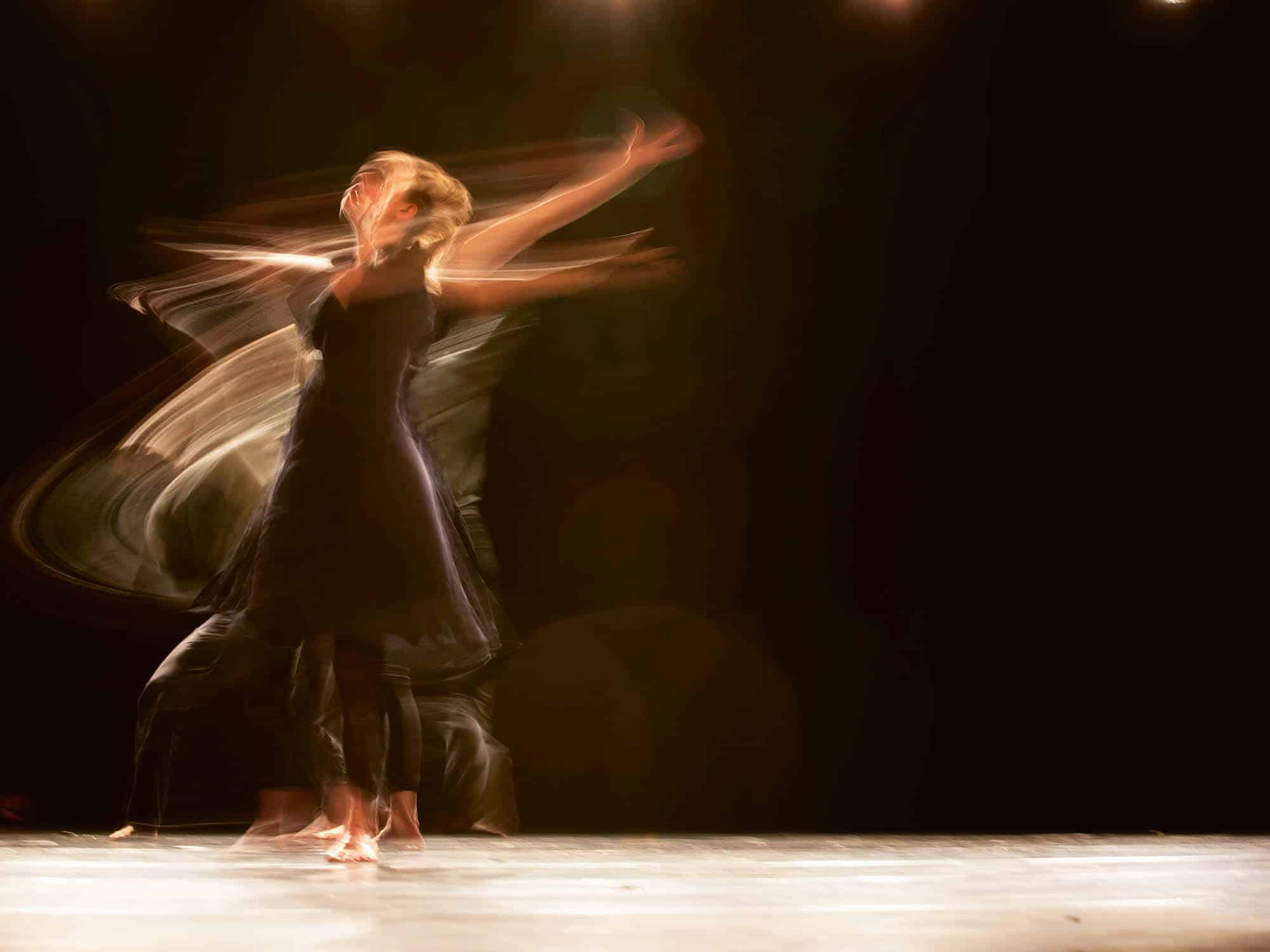
Mechanicville, New York. A dance course for everyone. How does a developing human being become a social being? In many cultures, dance plays an essential role in this process of becoming. Dance and music teach us important skills such as listening and peripheral awareness, and a sense of rhythm and balance. The forms of movement invite inclusive participation and an embodied exploration of different social archetypes and relational dynamics. From June 29 to July 2, 2025, the US-based Spacial Dynamics…
Paula Boslau · 14. Mai

Column
In the Clouds
We are cloud gazers and want to remain so forever. There is no more heavenly image of the glory of God than sunlight singing with the clouds at twilight. Our souls, wrapped tenderly, expand and breathe towards their archetype. From this side and the other, the soul and the archetype gently touch—golden-born. But storm clouds rolling blue-dark across the sky are also grand. With a dramatic flair, like in the movies, the sun gives them a glowing border. Or the…
Gilda Bartel · 27. Mai
Steiner as
Beyond Gold—Money as Bookkeeping
Surprisingly few anthroposophists know of Rudolf Steiner as an economist, let alone as a credible contributor to current monetary affairs. Yet, Steiner’s reputation as an economist is being quietly established through master’s and doctoral theses and academic activities of members of the Economics Conference of the Goetheanum. Whether this be in Campinas, Brazil, Delft University in the Netherlands,For example, “Capital and capacities: Using capital to create economic space for capacities,” C.W.M. Naastepad in Creating Economic S Would you like to…
Christopher Houghton Budd · 27. Mai
Essay
“Plomp! There Lay Our Philosopher on the Floor”—The Beginning of the Friendship between Rudolf Steiner and Moritz Zitter
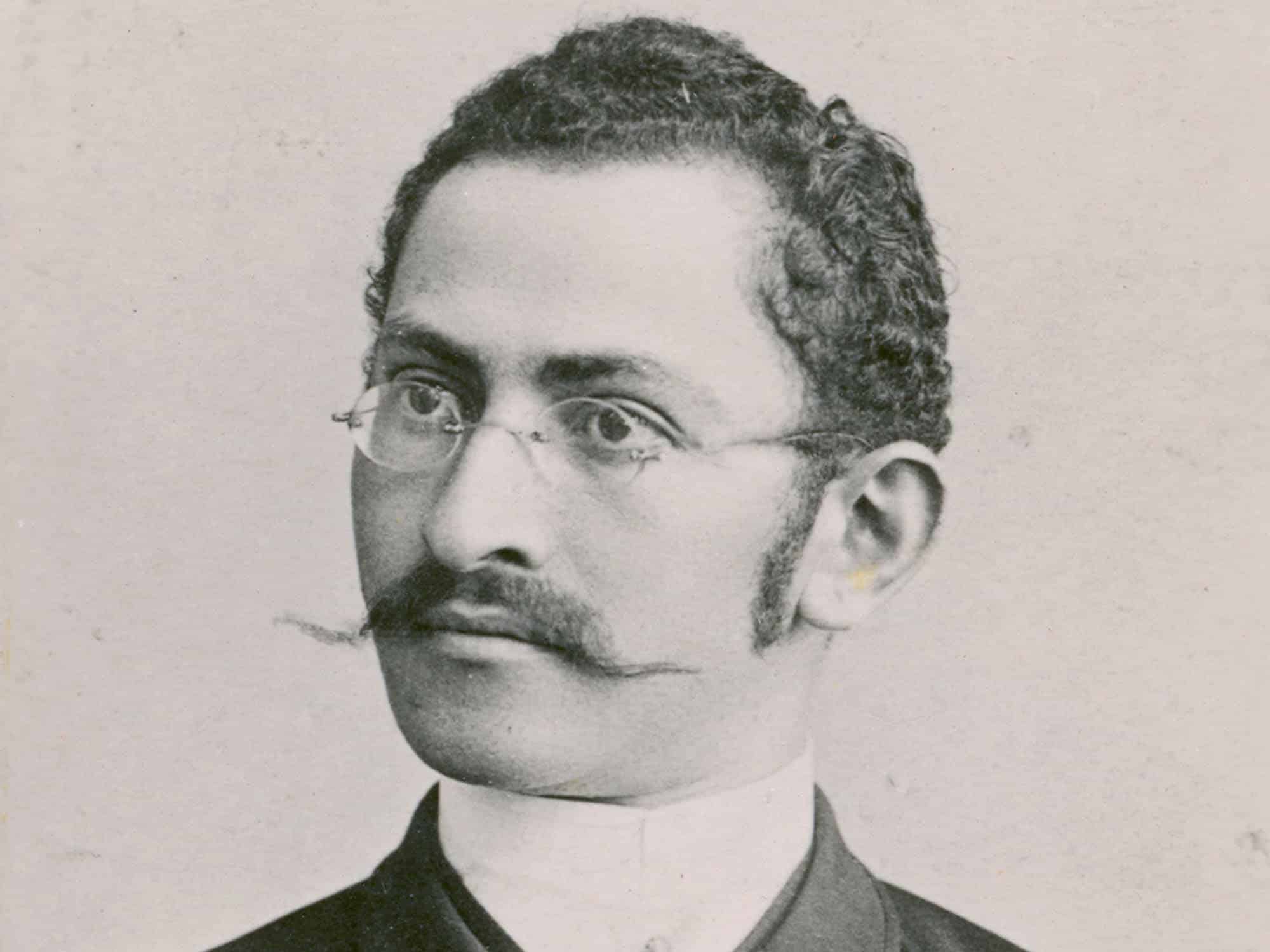
Marginalia on Rudolf Steiner’s Life and Work No. 35 In his autobiography, Rudolf Steiner describes Moritz Zitter (1861–1921), who was born the same year as Steiner and came from Transylvania, as one of his five closest friends during his youth. They remained friends until Zitter’s death in 1921. After completing his studies, Moritz Zitter spent several years working as a private tutor in his hometown before returning to Vienna in 1892. He then worked in various editorial offices and advertising…
Martina Maria Sam · 27. Mai

Essay
From Effects to Essence and Back Again
Goethe developed a new method for studying nature, both inorganic and organic. His intention was to uncover the natural law—the essence, the being, the idea—of a thing by introducing a special way of beholding the phenomena—the manifestations of the thing—in order to gain knowledge and insight. This approach was not being pursued by the conventional, supposedly “objective,” sciences of his time, and it was not possible for anyone holding on to a pre-scientific, naive view of the world. Goethe’s approach…
Iris Hennigfeld · 27. Mai
Reflection
A Citizen of the World
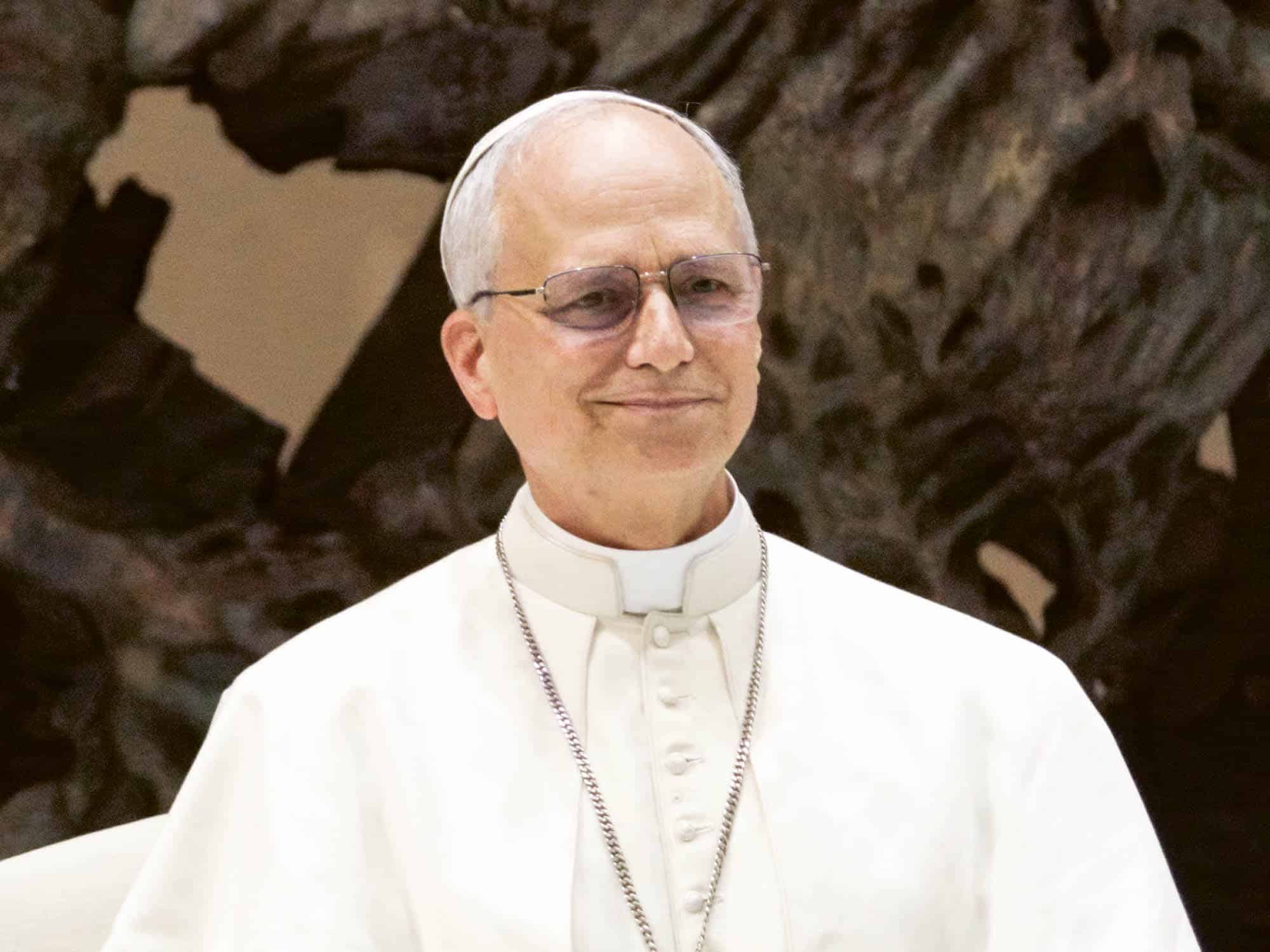
The new pope is a cosmopolitan. He has French, Spanish, Italian, and Cuban roots. His ancestors came from New Orleans. The term “Creole” is used for people of mixed European, African, and indigenous descent. Like many Creole families, Leo XIV’s grandparents may have moved to Chicago to escape the racial persecution in the southern United States. Pope Leo was born in Chicago on September 14, 1955, as Robert Francis Prevost. He was the youngest of three brothers; his mother was…
Ute Hallaschka · 27. Mai
Tribute to Rudolf Steiner
An Open Process
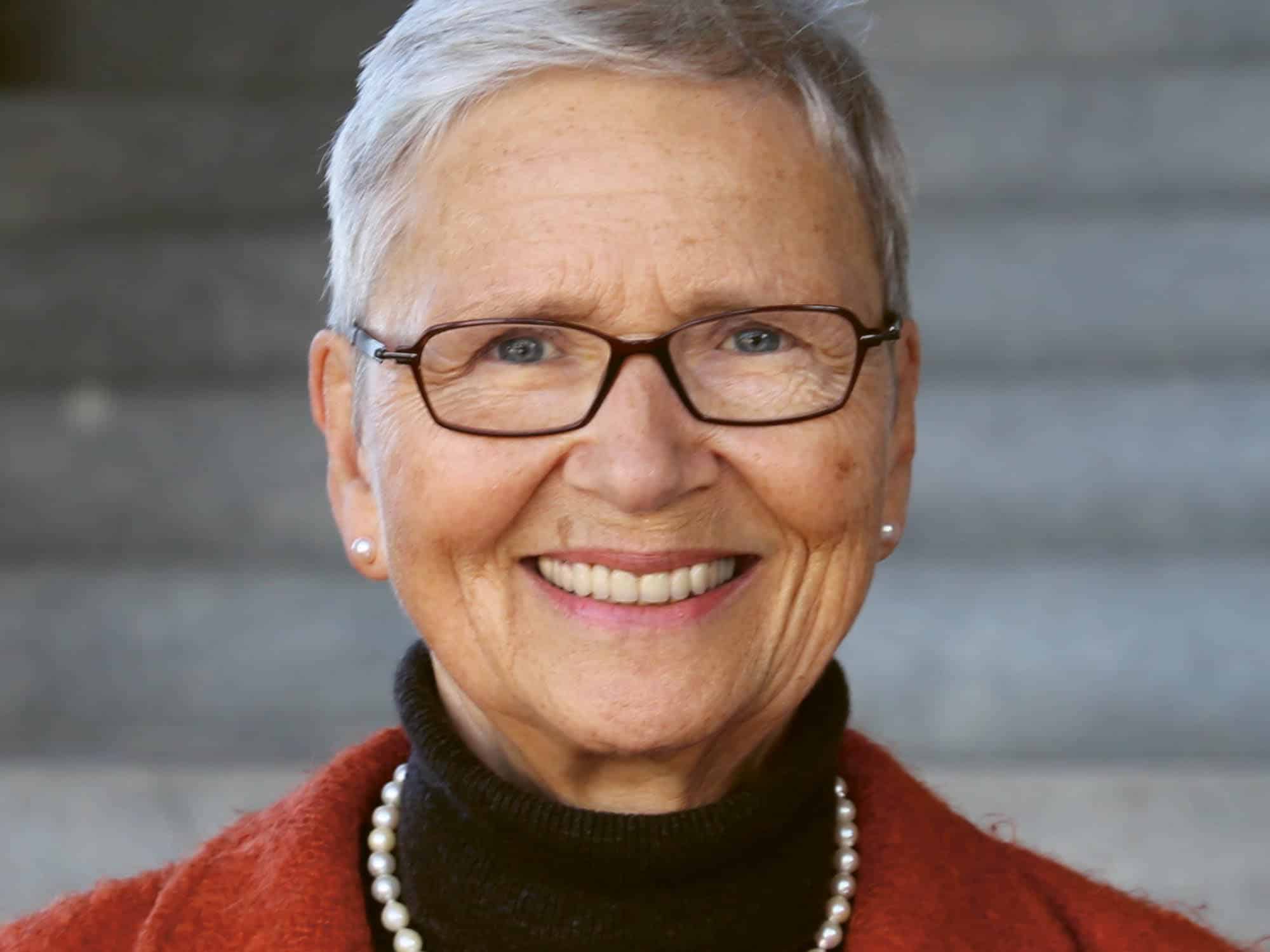
Brussels, Belgium. 2025 is the 100th anniversary of Rudolf Steiner’s death. How does he live on in specific individuals? Michaela Glöckler, pediatrician, author and President of the Board of ELIANT, the European Alliance of Initiatives of Applied Anthroposophy, gives her answers. Which sentence by Rudolf Steiner particularly touched you and why? “Nature makes of man merely a natural being; society makes of him a being that acts according to law; only he can make a free being of himself.” This…
Paula Boslau · 27. Mai

News
Hospital at Home
Arlesheim, Switzerland. A project of the Arlesheim Clinic brings acute healthcare to the home. Being ill is not only physically stressful for those affected, but an associated hospital stay also presents them with emotional challenges. Patients have to temporarily give up their familiar surroundings and the associated autonomy and freedom of choice, and have to cope with the frequently changing hospital staff and externally imposed procedures. The option of receiving equivalent medical care at home is therefore a considerable relief…
Paula Boslau · 27. Mai