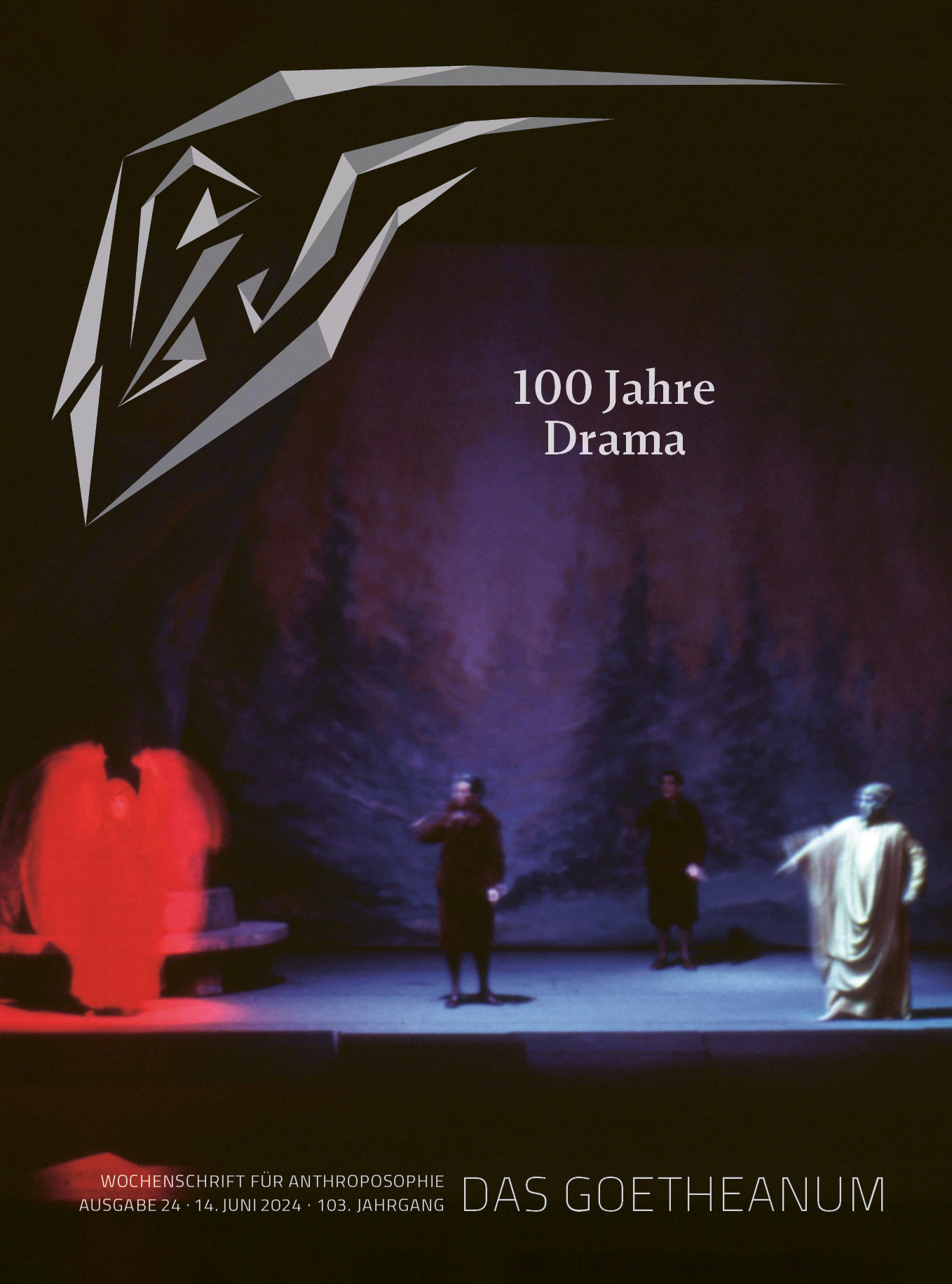
20 Beiträge · Ausgabe 24/2024
Editorial
Issue 24/2024
Kein Editorial verfügbar.
Weitere Beiträge
20 Beiträge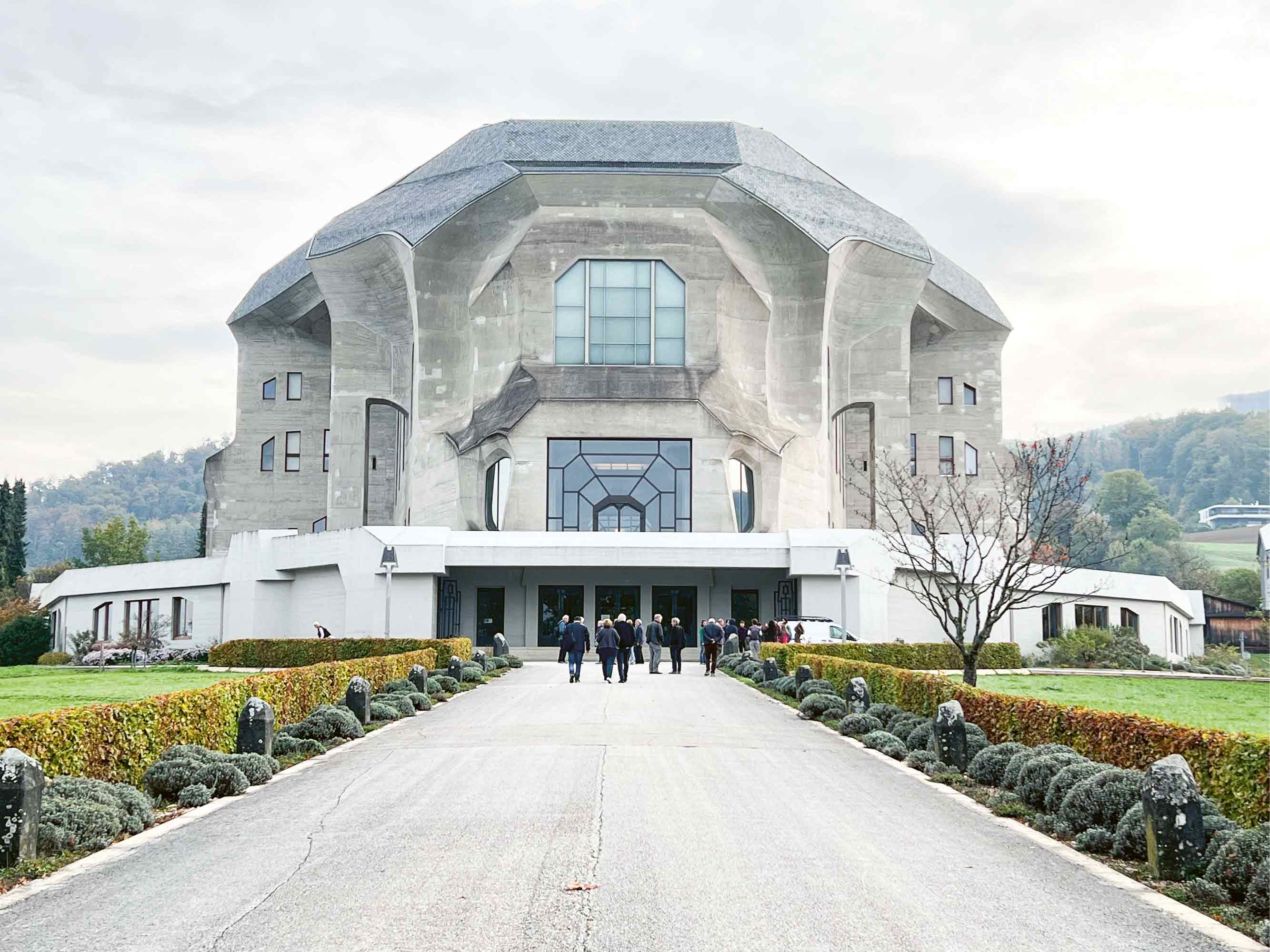
Im Fokus
The Step Leading to the Second Goetheanum
An intensive art week with the Section for Visual Arts. Among Rudolf Steiner’s most astonishing achievements is the radical transformation of the design concept of the first Goetheanum into a completely new design for the second building. While the first Goetheanum was still a rather introverted wooden building, through which an attempt was made to make the content of anthroposophy tangible through art, after the fire catastrophe in 1922, the second building became an expressively designed concrete structure. It unfolds…
Pieter van der Ree · 31. Mai

Event
Lauenstein Day
Jena, Germany. A conference to celebrate the original impulse. June 18th marks the hundredth anniversary of “Lauenstein Day”, the day on which Rudolf Steiner, coming from Koberwitz, visited the young curative education initiative being founded in Jena on the Lauenstein. Since then, the day has been celebrated in many institutions around the world as the founding day of anthroposophical curative education. The International Circle of Friends and Sponsors of the Ita Wegman Institute for Basic Anthroposophical Research is delighted to…
Leonhard Schuster · 10. Mai
Event
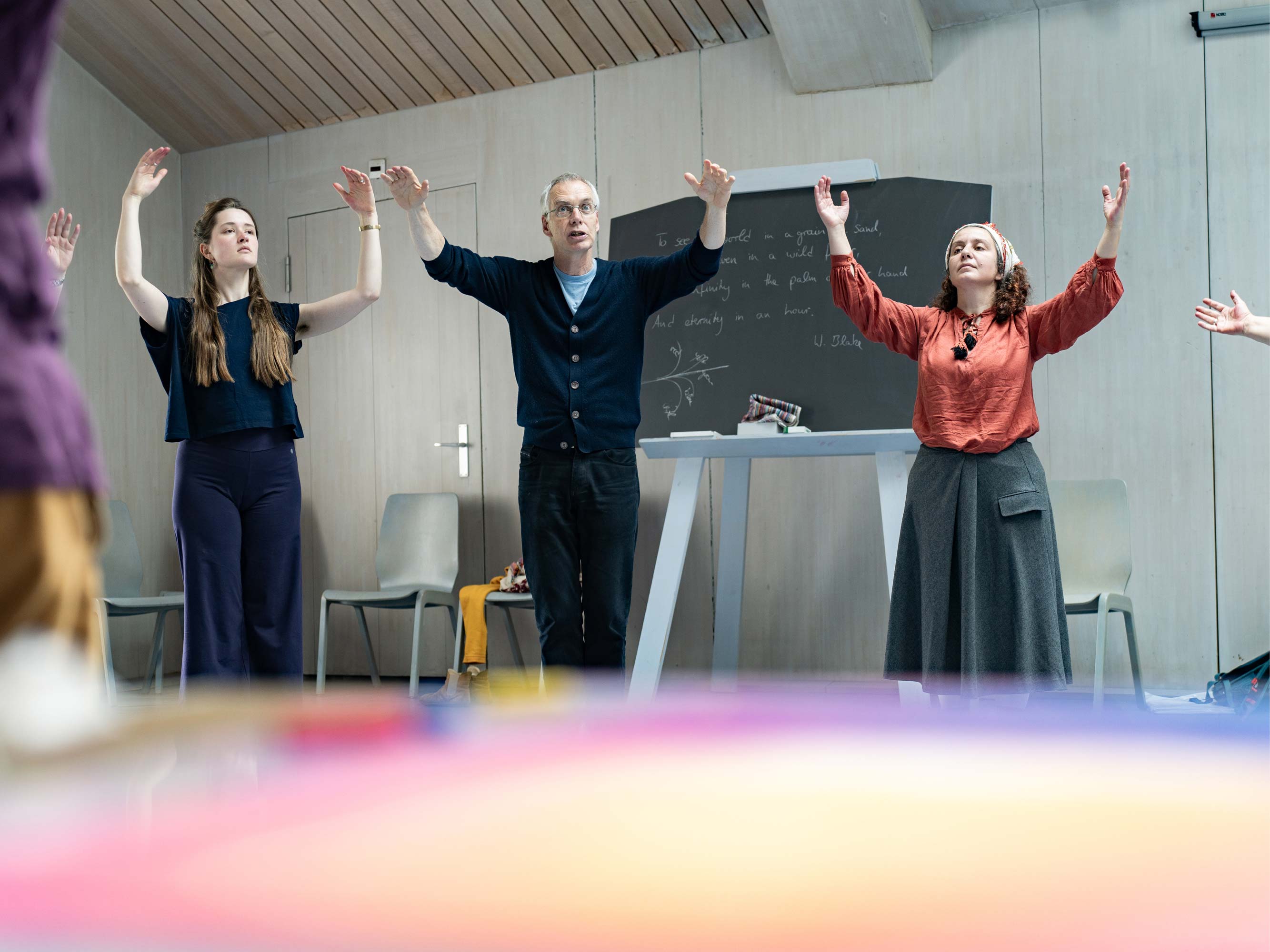
Cosmic Healing Forces
Athens, Greece. A eurythmy workshop in the Greek capital. In an intensive workshop from June 30 to July 3, eurythmist Vera Koppehel and dancer Christina Markopoulou will create a space for understanding the connection between cosmic forces and the physical body. The “Zodiac and Cosmic Healing Forces” seminar is open to all interested parties and will be in English; German and Greek translation is available if required. In the workshop, participants will learn how certain movements and postures can create…
Paula Boslau · 23. Mai
Column
Where Anthroposophy Finds Its Cultural Power
There are 250 training centers for Waldorf education worldwide. The importance of these institutions for anthroposophical cultural work can hardly be overestimated. Quite a few anthroposophical cultural workers and leaders have attended seminars in these educational institutions, and quite a few impulses for anthroposophical life emanate from them. They are anthroposophical places of culture. For decades, lecturers at the Stuttgart Waldorf seminary, Stefan Leber, Wolfgang Schad, and Ernst-Michael Kranich, shaped German-speaking anthroposophical life. It is therefore all the more gratifying…
Wolfgang Held · 31. Mai
Conversation
A Year of Becoming Inwardly Alive
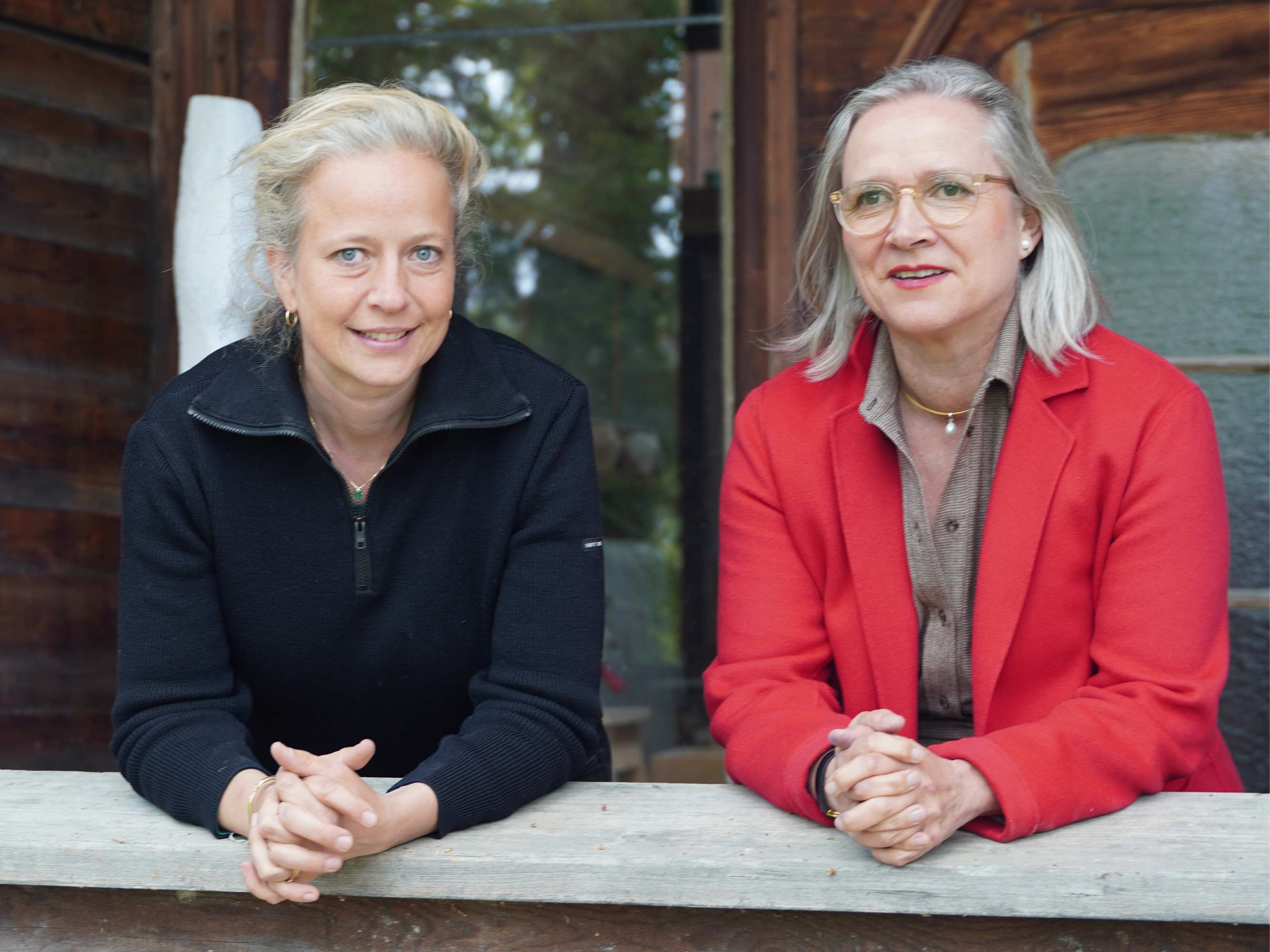
This fall, a new one-year art course taught in German will begin at the Goetheanum. What impulse has driven the two initiators to offer the course? Interview by Wolfgang Held. How did the idea for an artistic study year at the Goetheanum come about? Barbara Schnetzler It was mainly the students here at the Goetheanum who provided the impetus. They kept asking to be able to work more artistically. I experience this again and again in my courses, that there is…
Christiane Haid · 31. Mai
Conversation
Socially Equitable Means Multicultural
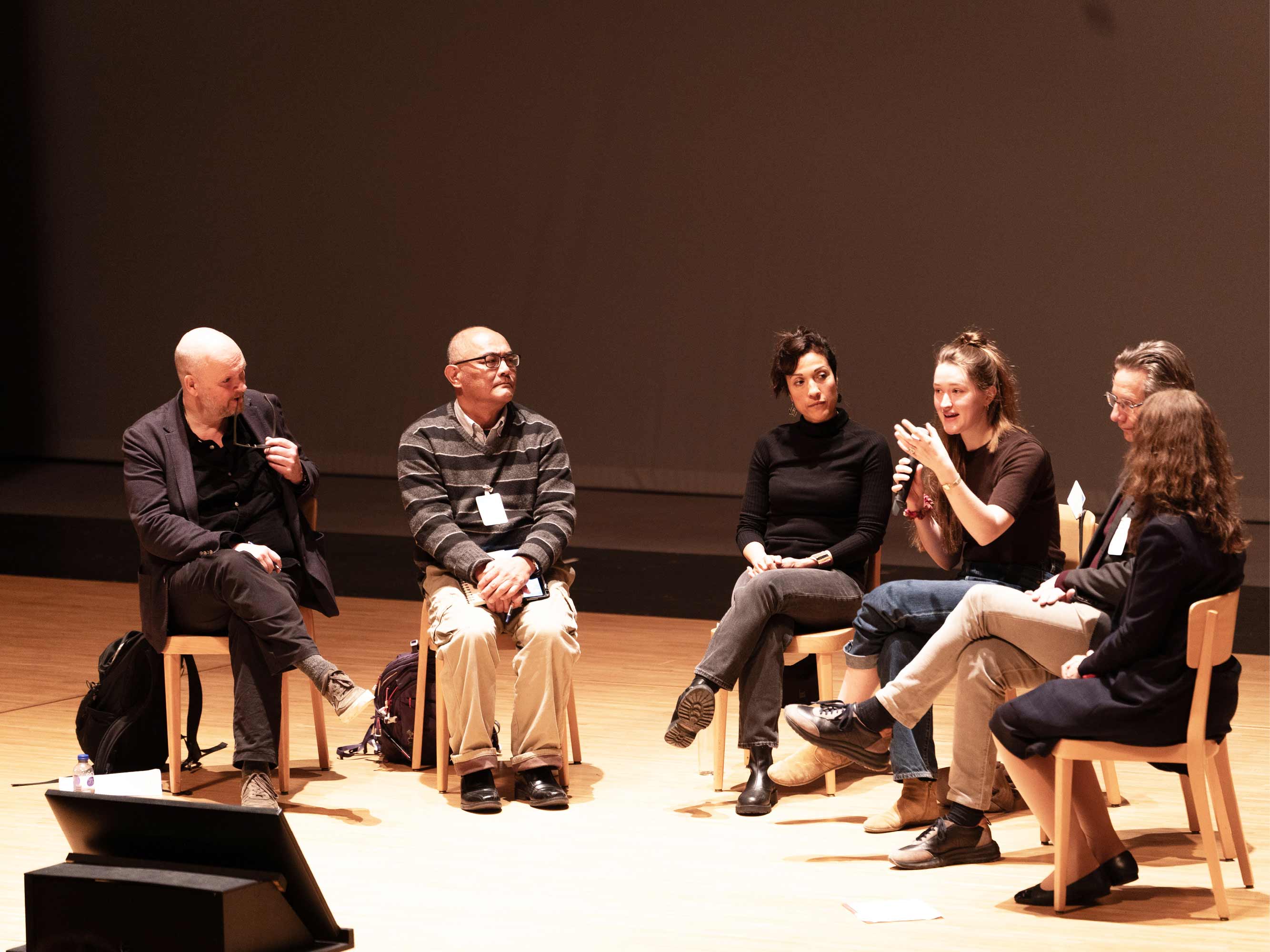
Teaching means taking responsibility. In keeping with the times, our relationships need to be reformed, rethought, and redesigned. Cristina Velasquez from Brazil and Neil Boland from New Zealand jointly developed a new image of teaching at the recent teacher trainers’ conference at the Goetheanum. Neil Boland When I talk about education, I often use universal terms. But I also realize that education is never universal. It is always specific. It is practiced by certain people at certain times in certain…
Neil Boland und Cristina Velasquez · 31. Mai
News
Appearance and Reality
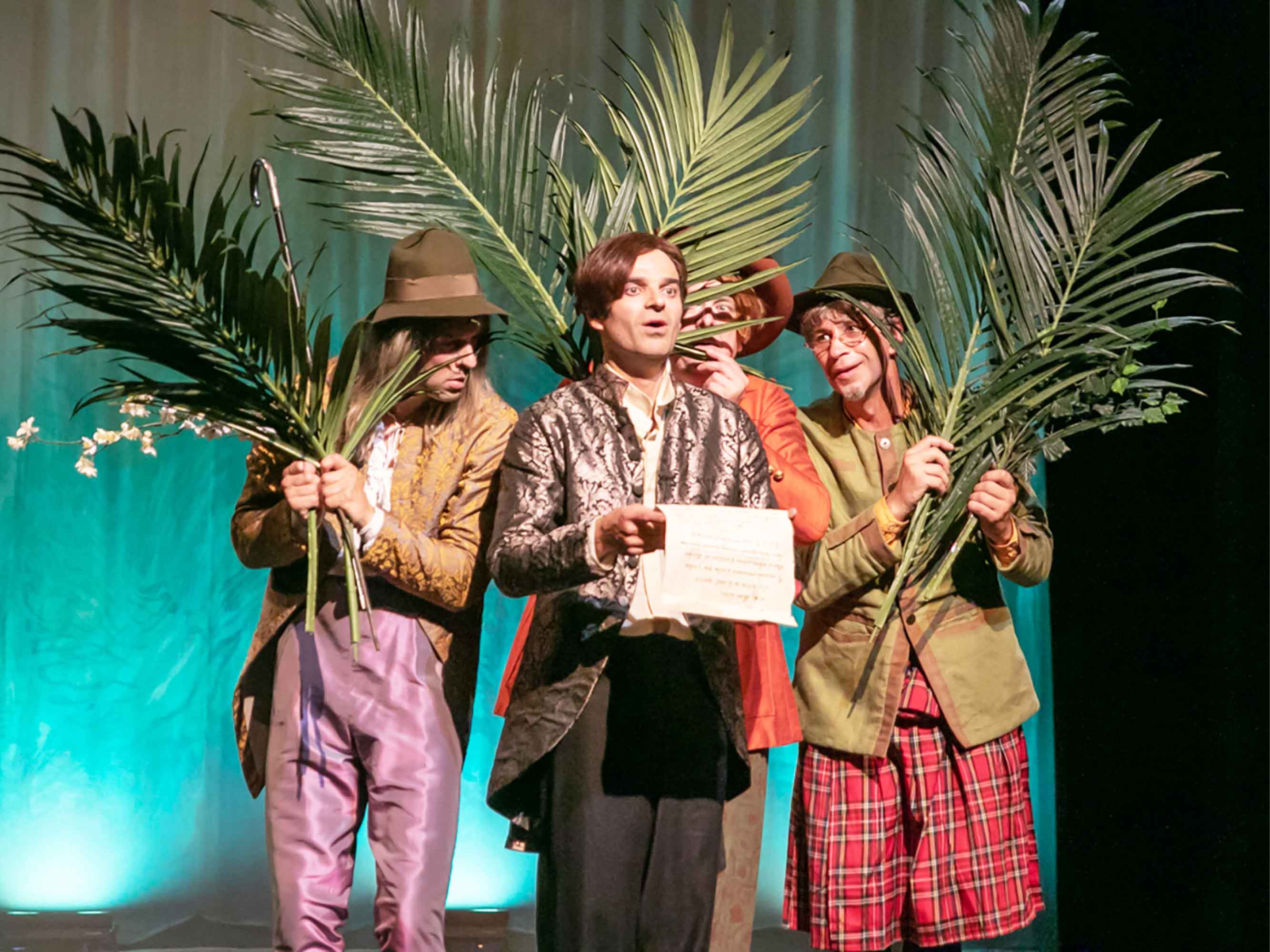
Colmar, France. From July 10 to 14, the Goetheanum will host the Theater Festival. The French Théâtre de L’Homme Inconnu will be performing the Shakespeare play, “La Nuit des Rois” (“Twelfth Night”) there. An interview with the director, Marc-Alexandre Cousquer. What is the performance about? This comedy is a mixture of folly and existential variations on the theme of appearance and reality. Cucullus non facit monachum—the cowl does not make the monk! Does my sensual form—my image—reflect the truth of…
Marc-Alexandre Cousquer · 31. Mai
Pedagogy
Anthroposophy as a Path
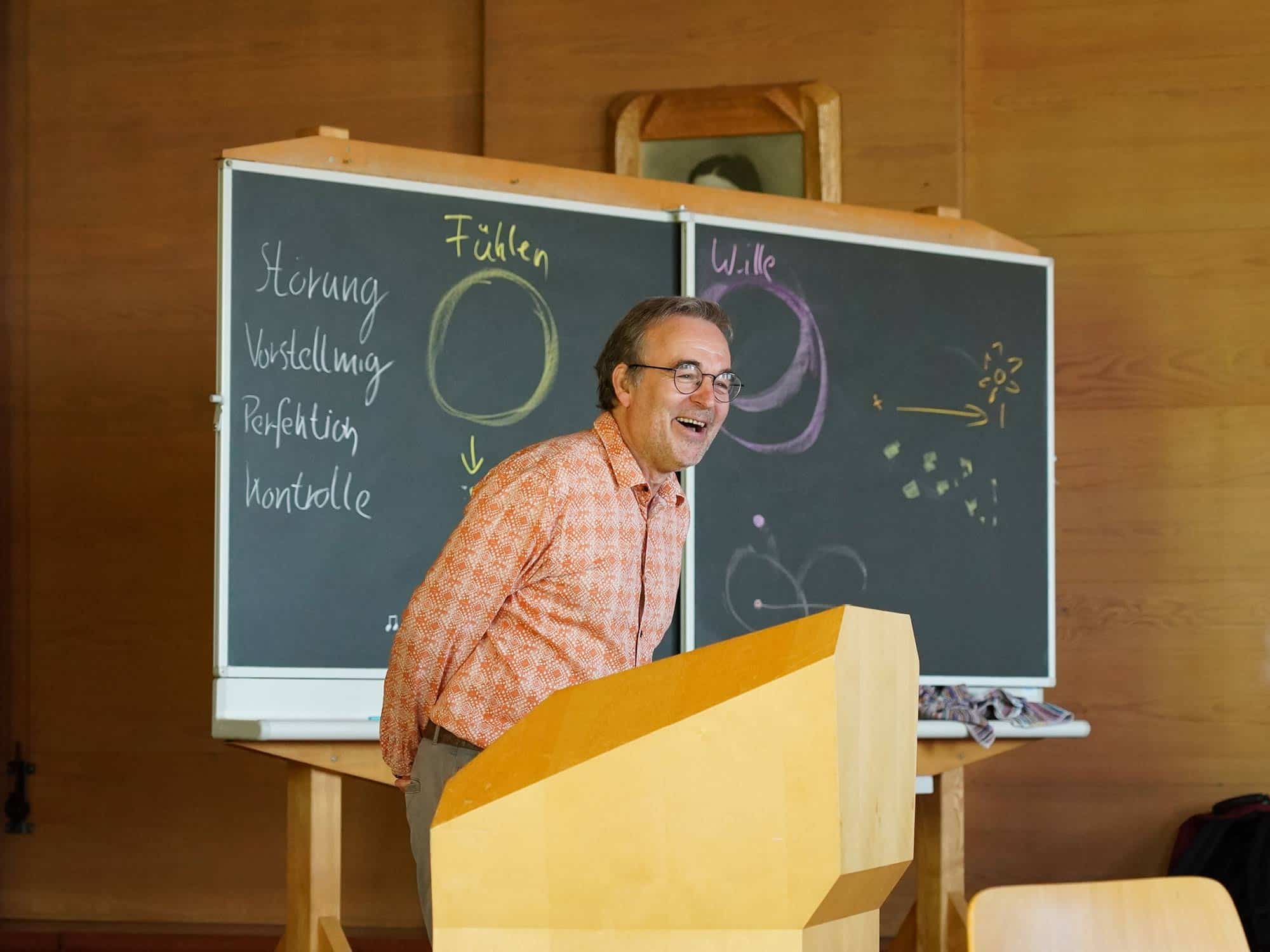
For the first time, the instructors of Waldorf teacher trainings worldwide were invited to a meeting. What was the response? Wolfgang Held speaks with Philipp Reubke. Philipp Reubke There were 250 participants, some from quite far away—India, Japan, Taiwan, China, and South America. We were very pleased and will continue to organize such conferences. What questions did they bring with them? How can we prepare future teachers for this difficult profession, so that they’re able to activate their resilience without…
Philipp Reubke · 14. Juni
Column
Why We Need Acting
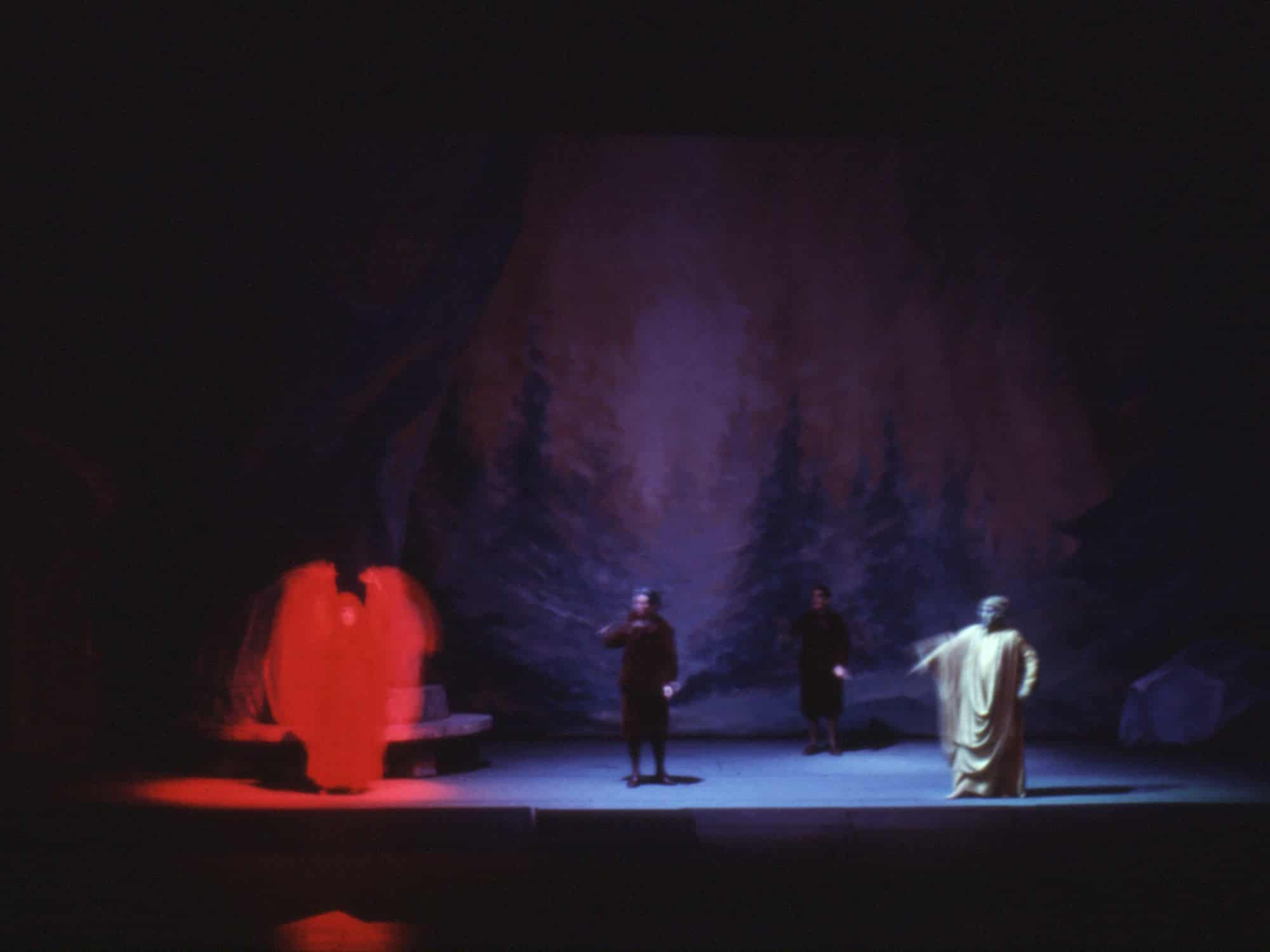
Actors and actresses play. They play with fire. They play with something that is very close and very intimate to us: human action—our actions. That is why we call them “actors”—because they shape actions; they perform acts. All art, all play, involves distancing ourselves from the so-called “real world.” It requires that we step back from it in order to look at it as detached observers and, by taking control of this “real world,” allow a new reality to emerge.…
Louis Defèche · 14. Juni
News
Meeting of This Year’s Eurythmy Alumni
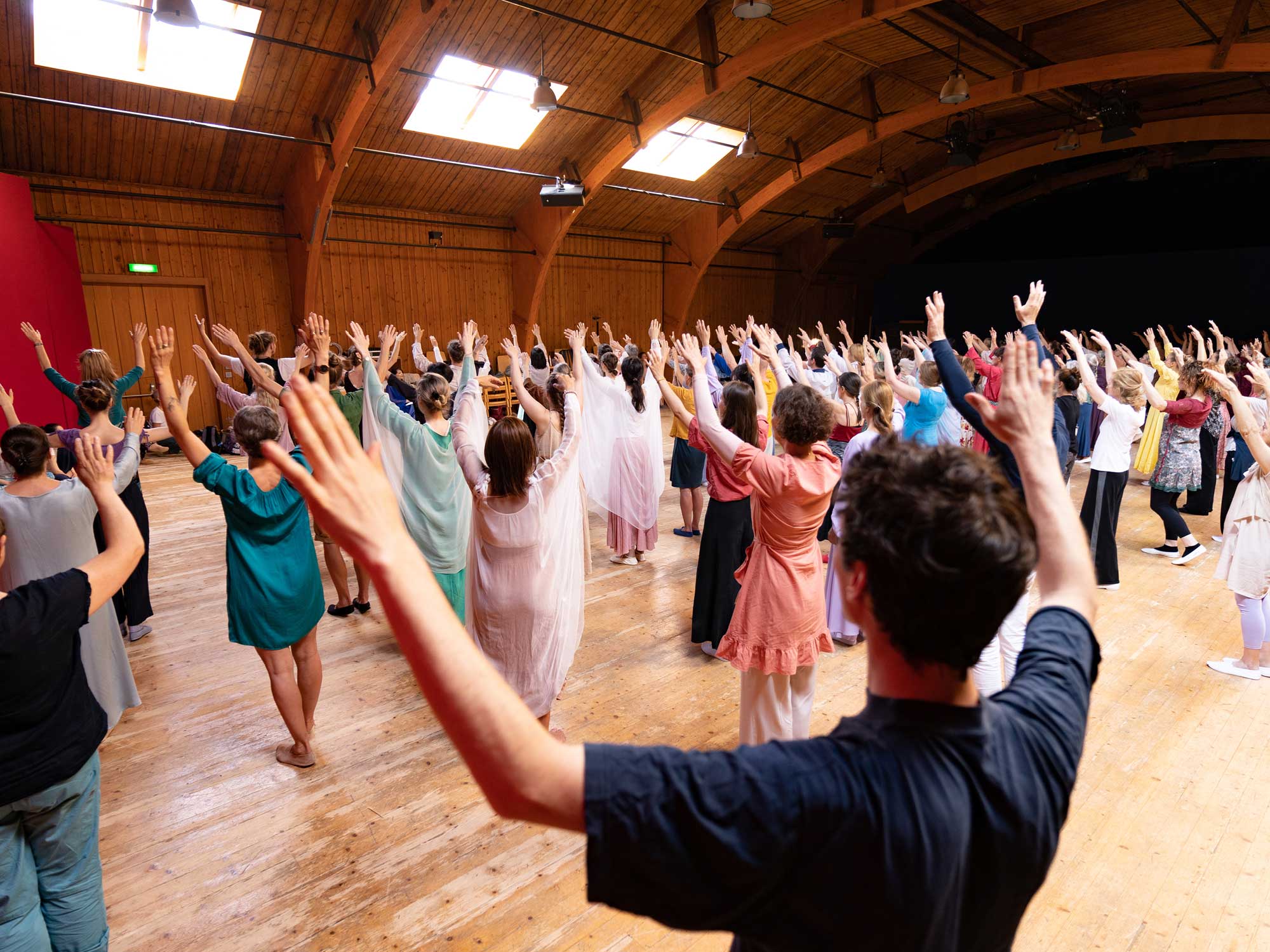
From June 24 to 27, twenty eurythmy schools and one speech school will come to the Goetheanum for the meeting of the graduating classes. For eurythmy students, especially in distant countries such as Japan or Mexico, this means an enormous economic expense, yet they are coming to the Goetheanum for a week at the end of their training. Many eurythmy training courses are now part-time, such as the one in Järna, Sweden, which is coming to the Goetheanum for the…
Wolfgang Held · 14. Juni
Reflection
Extending the Art of Theater
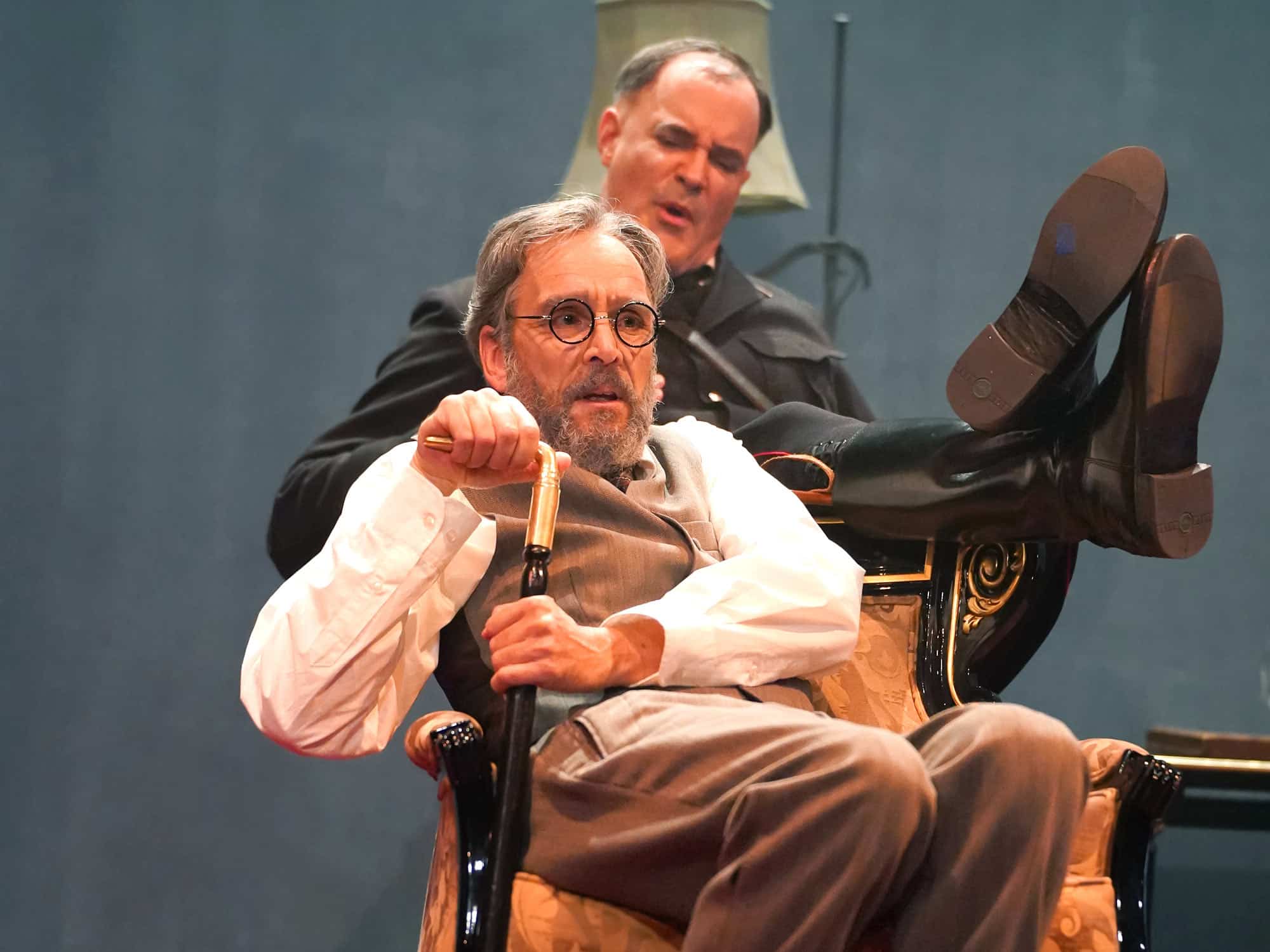
Director Gosha Valerian Gorgoshidze sheds light on the contribution made by Rudolf Steiner’s 1924 Dramatic Course and the search for an art of theater that reconnects to the spiritual dimension through the experience of the forces of language and karmic connections. When Rudolf Steiner gave an overview of the development of drama in his so-called “Dramatic Course,” he emphasized the idea of fate or destiny that lay gestating within the womb of ancient Greek dramas (by Aeschylus, Sophocles, and Euripides)…
Gosha Valerian Gorgoshidze · 14. Juni
Reflection
100 Years of “Speech Formation and Dramatic Art”
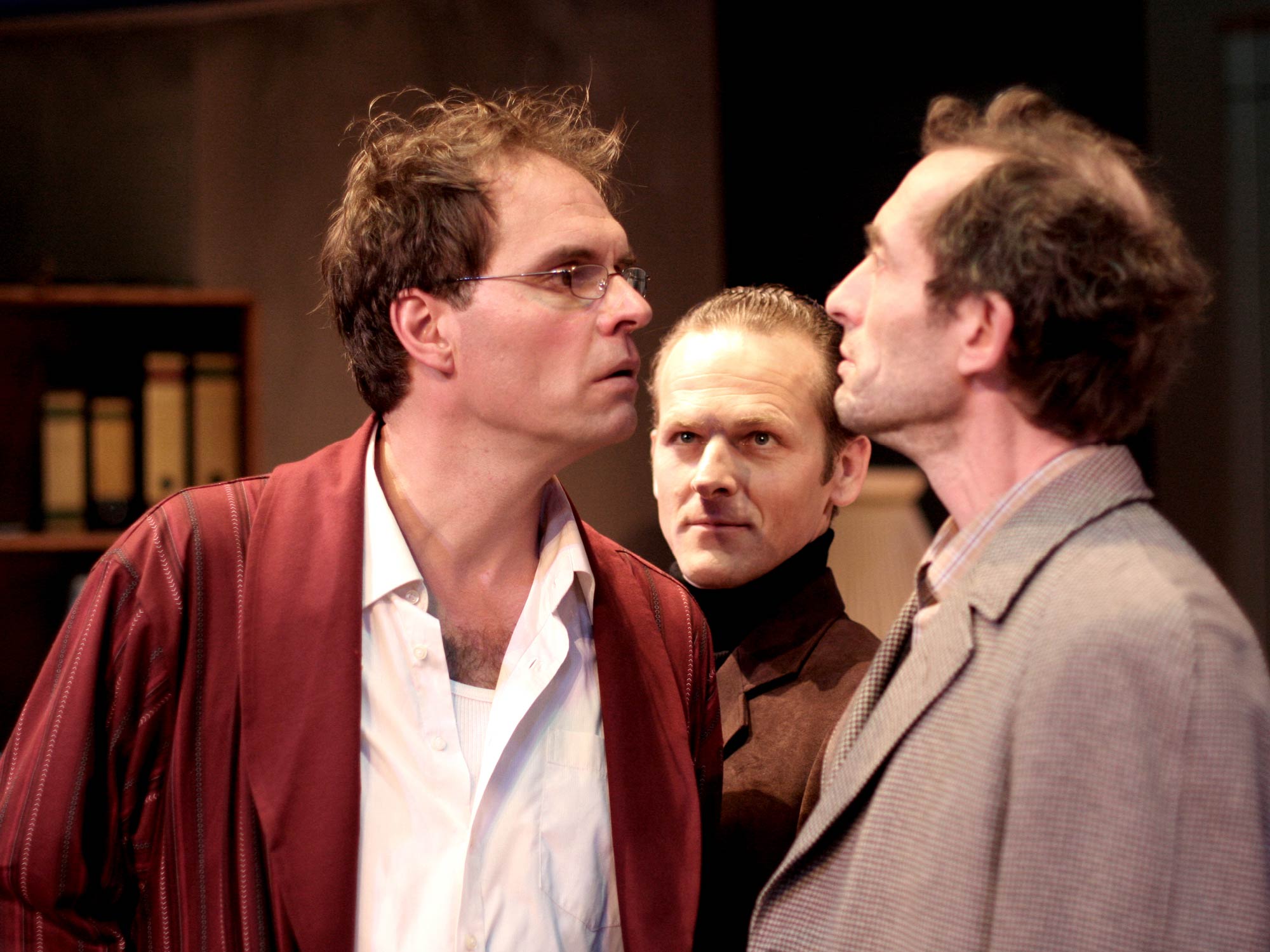
It was an over-flowing carpentry workshop: there had been so much demand for the acting course planned for September 1924 that Rudolf Steiner felt the need to open the doors to all 700 interested people—professionals and amateurs alike. A true image of theater art? Speech formation concerns us all. The dimension of the word is one of the central concerns of anthroposophy. As Rudolf Steiner formulated (in CW 280), “Only when one learns to hear can one learn to speak.”…
Agnes Zehnter · 14. Juni
Research
Marie Steiner-von Sivers as a Pioneer of the Stage
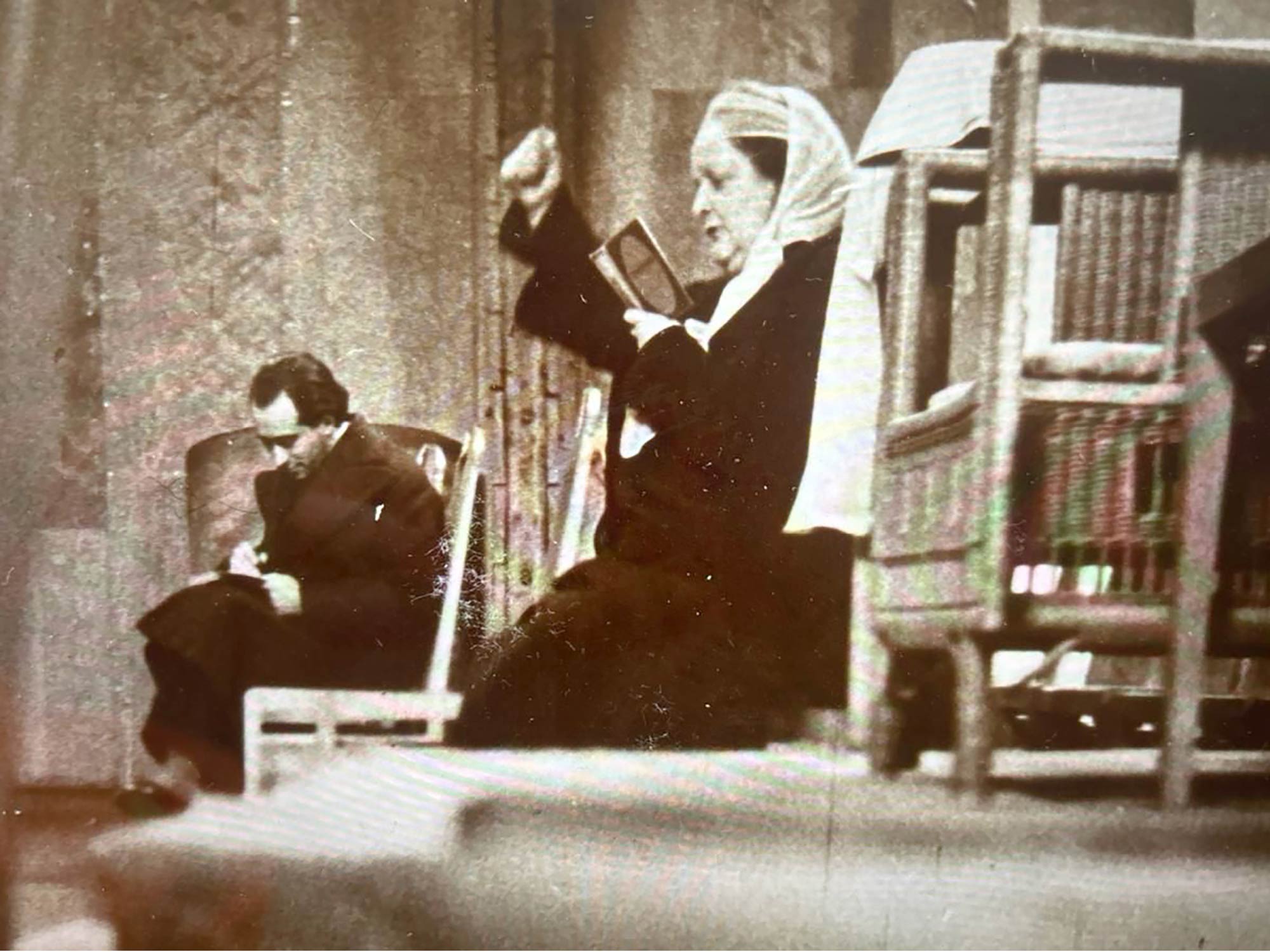
Marie Steiner-von Sivers, a trained actor, worked tirelessly with Rudolf Steiner over the years leading up to the “Dramatic Course” of 1924. After the course and Rudolf Steiner’s death six months later, Marie Steiner continued her artistic quest with incomparable intensity and in a new form: as a pioneer of the art of directing. Marie Steiner-von Sivers learned the art of the stage between 1894 and 1901 through three cultures, three cities, three women, three styles, and three stories. She…
Gaia Termopoli · 14. Juni
Essay
The Body Becomes Word
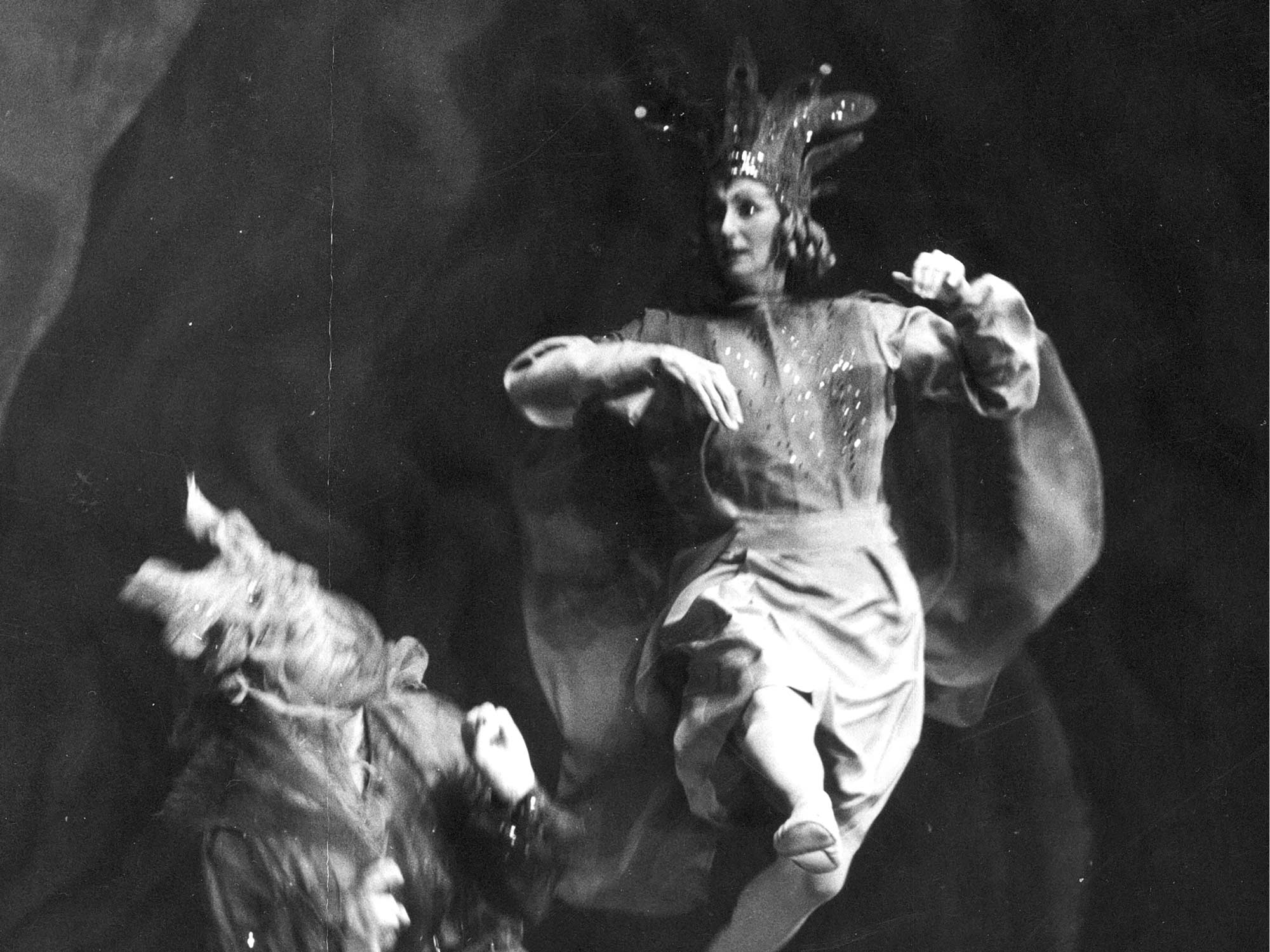
There was deep mystery wisdom expressed in what Rudolf Steiner gave at the end of his life: 19 lectures on theatre that offered the possibility for an artistic revelation of his teachings on reincarnation and karma. The five Greek Olympic disciplines, which Rudolf Steiner named as the basis for a contemporary theater, were intended to unite the actors with the modern Mysteries. This new form of initiation, which Steiner gave at the Christmas Conference in 1923/24, has its roots in…
Christopher Marcus · 14. Juni

Conversation
The Blind Seer
Jacques Lusseyran lost his eyesight as a child, but he learned to see with his inner senses. As a resistance fighter in occupied Paris and a concentration camp prisoner in Buchenwald, he became a light for many during the darkest of times. To mark the 100th anniversary of his birthday, the Goetheanum stage held a reading from his work Das wiedergefundene Licht [And There Was Light] with Richard Schnell (reading), Fritz Nagel (music), and Barbara Schnetzler (sculpture). Philipp Tok: Why…
Richard Schnell · 14. Juni
Event
Threshold of Courage
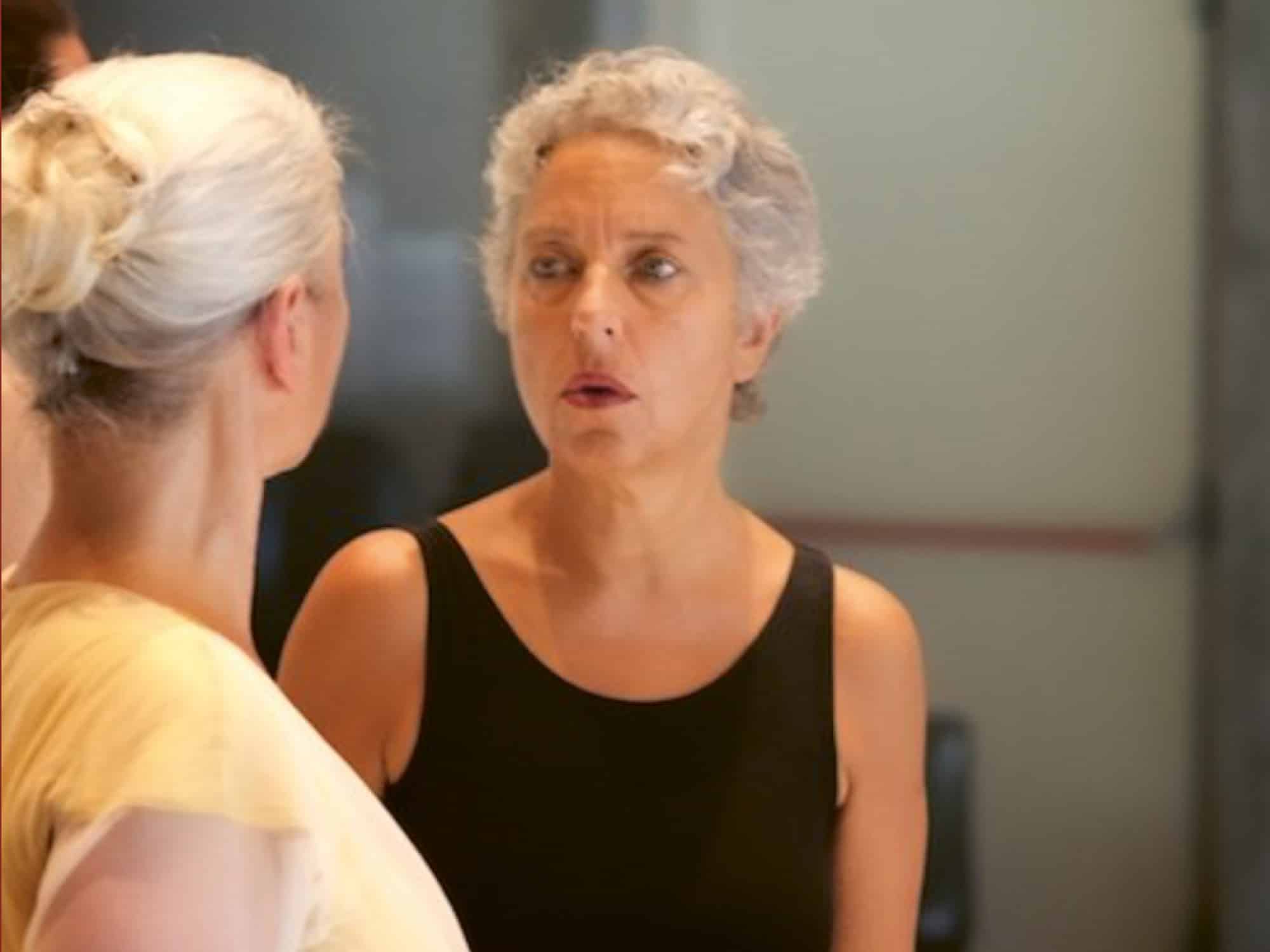
Malcontenta, Italy. The Italian trio of Enrica Dal Zio (speech formation artist), Cristina Dal Zio (eurythmist), and Juri Lanzini (pianist) performed their play Threshold of Courage during the Theater Festival held at the Goetheanum from July 10 to 14. An interview with Enrica Dal Zio. What is the performance about? Using speech, eurythmy, and music, we are exploring the theme of courage. On a one-hour journey, we explore four qualities of listening: the usual one, where we stay in our…
Paula Boslau · 14. Juni
Event
Parzival in Australia
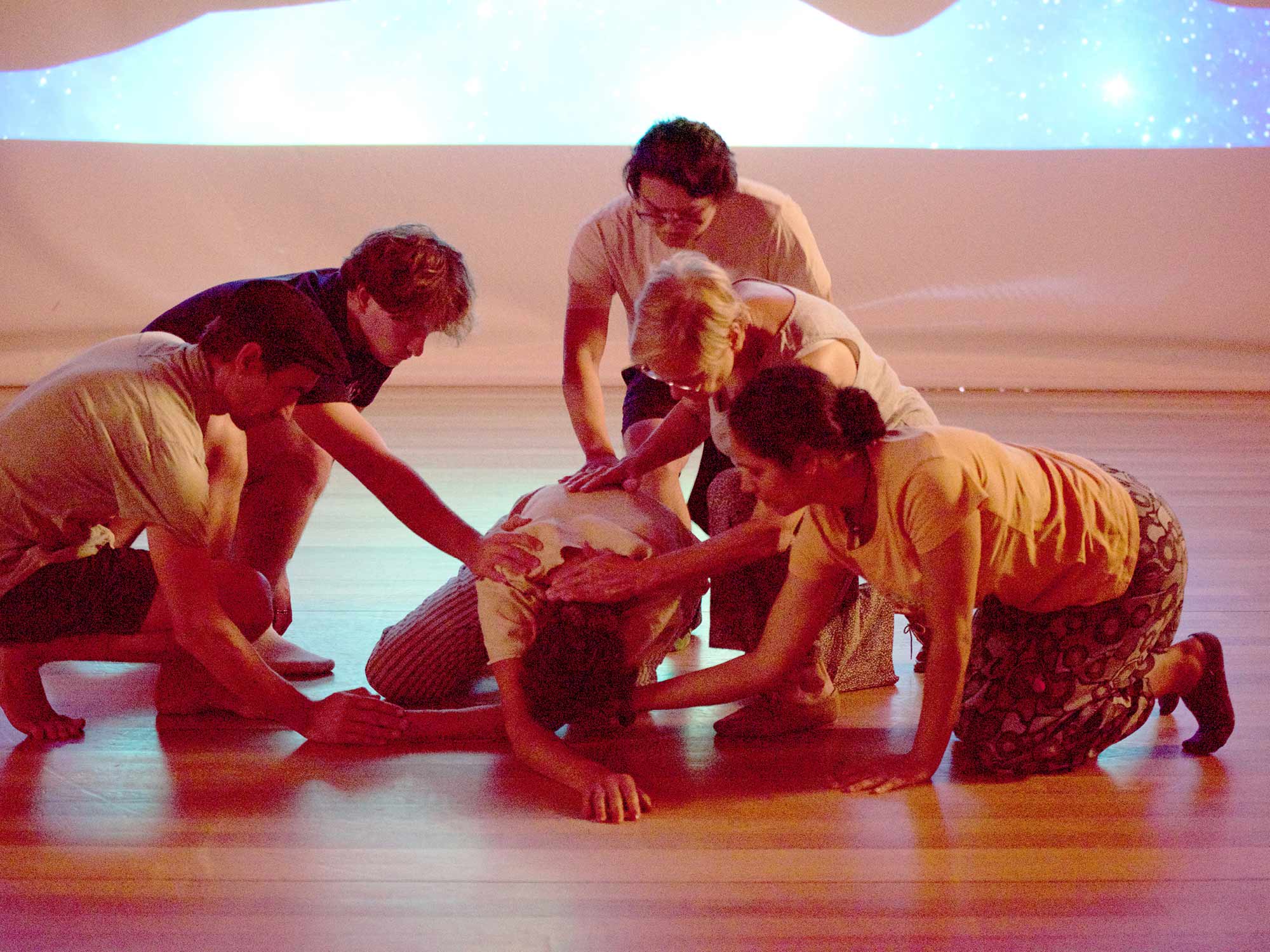
Mount Barker/Land of the Peramangk Aborigines, Australia. The Australian Ink Pot Arts Theater Ensemble performed Parzifal under the direction of Jo-Anne Sarre at the Theater Festival, hosted from July 10 to 14 at the Goetheanum. Their rendition of the British saga is complemented by Aboriginal cultural elements and the flora and fauna of their country. An interview with Peter Oswald, writer of the play. What is the performance about? This is a theatrical version of the Arthurian legend of Parcival,…
Paula Boslau · 14. Juni
News
All Together
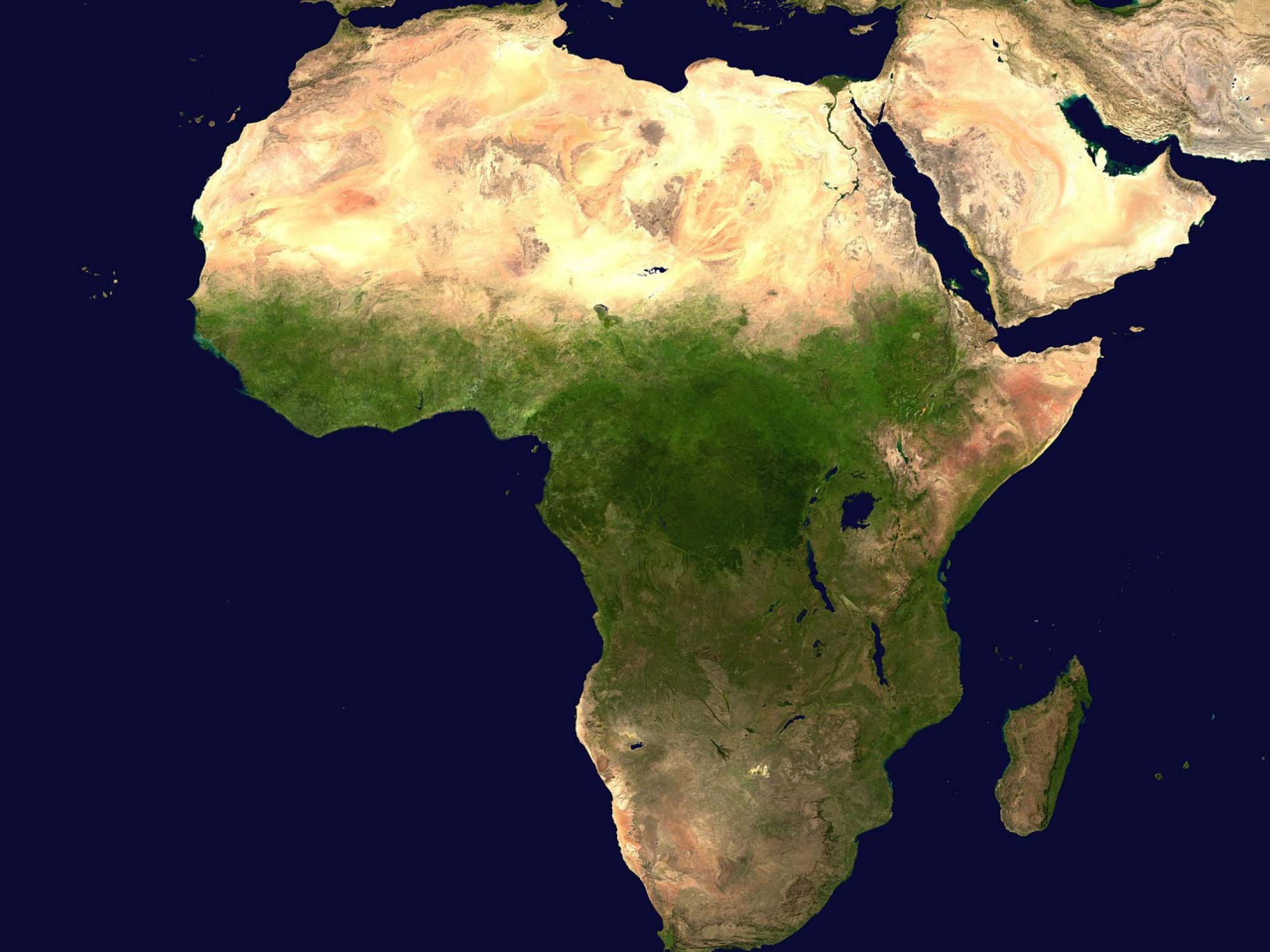
Otse, Botswana. Anthroposophic training on the African continent. As part of the All Africa Anthroposophic Training (AAAT), an open conference for national and international participants will take place in Botswana from August 25 to September 1. The host organization is the Camphill Community Trust, which is based in Otse, southwest of Gaborone. The AAAT brings together various members and initiatives of the African anthroposophical network in a collective learning experience that focuses on exchange, relationship building, and mental health. Central…
Paula Boslau · 14. Juni
News
Every Child a New Riddle
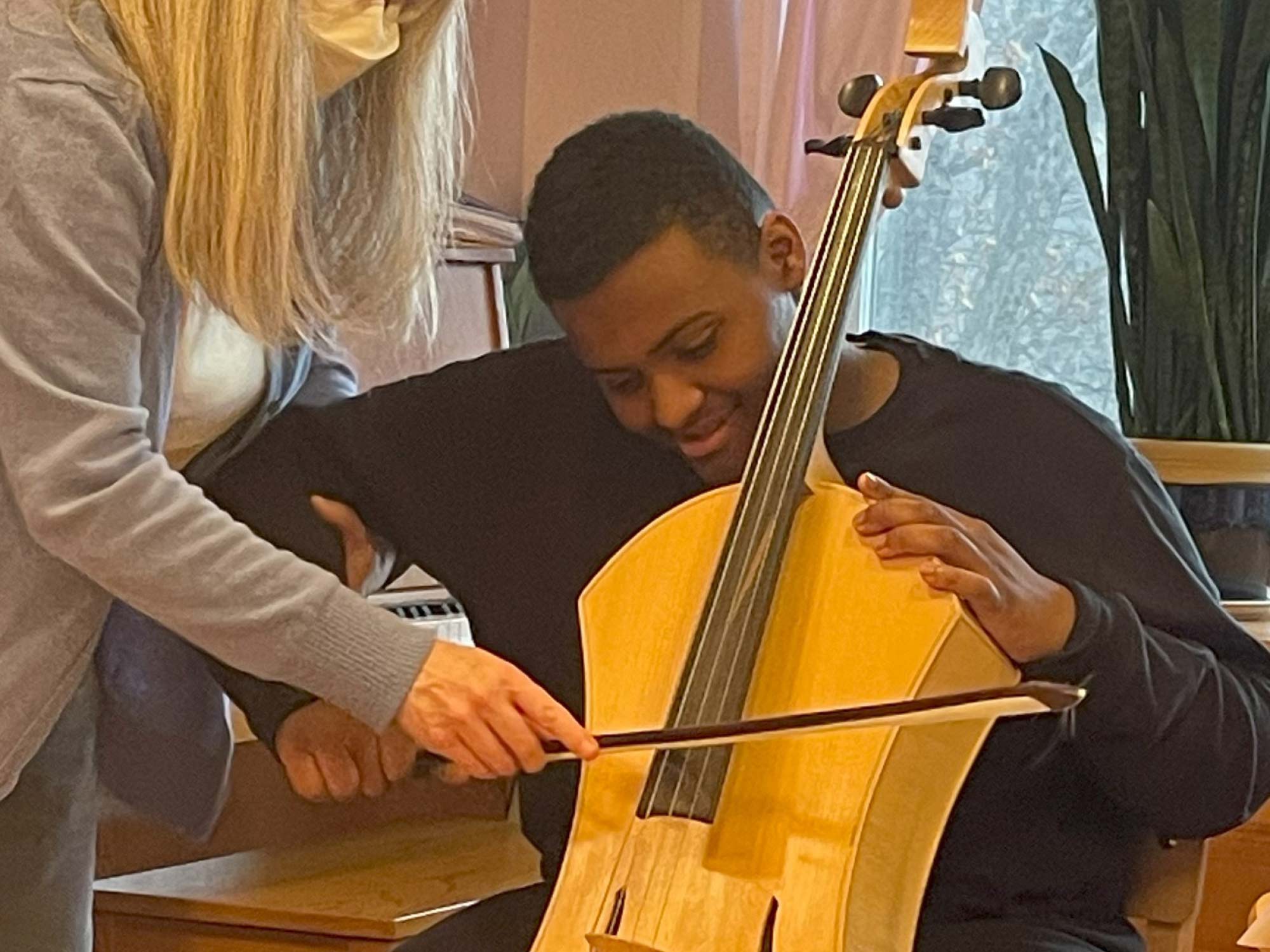
Glenmoore, Pennsylvania/Dornach, Switzerland. A series of lectures celebrating 100 years of the Curative Education Course. From June 25 to July 7, the Camphill Academy, in collaboration with the Anthroposophic Council for Inclusive Social Development, is organizing an online lecture series entitled “Every Child a New Riddle”, to mark the 100th anniversary of Rudolf Steiner’s Curative Education Course. The series comprises 13 freely accessible contributions on the subject of curative education, which will be live-translated into German, English, and Spanish. The…
Paula Boslau · 14. Juni

News
Beginning Anthroposophy
Chestnut Ridge, New York. A new introductory anthroposophical course in the US state of New York. If you live in the United States and would like to be introduced to anthroposophy from the ground up and become artistically active, you have the opportunity to participate in the part-time English-language course Beginning Anthroposophy from September 7, 2024, to June 1, 2025. Organized by the Threefold Educational Foundation, the course comprises 14 face-to-face meetings in which participants will learn about anthroposophical teachings…
Paula Boslau · 14. Juni