18 Beiträge · Ausgabe 24/2025
Editorial
Issue 24/2025
Kein Editorial verfügbar.
Weitere Beiträge
18 Beiträge
Im Fokus
In the Clouds
We are cloud gazers and want to remain so forever. There is no more heavenly image of the glory of God than sunlight singing with the clouds at twilight. Our souls, wrapped tenderly, expand and breathe towards their archetype. From this side and the other, the soul and the archetype gently touch—golden-born. But storm clouds rolling blue-dark across the sky are also grand. With a dramatic flair, like in the movies, the sun gives them a glowing border. Or the…
Gilda Bartel · 27. Mai
Steiner as
Beyond Gold—Money as Bookkeeping
Surprisingly few anthroposophists know of Rudolf Steiner as an economist, let alone as a credible contributor to current monetary affairs. Yet, Steiner’s reputation as an economist is being quietly established through master’s and doctoral theses and academic activities of members of the Economics Conference of the Goetheanum. Whether this be in Campinas, Brazil, Delft University in the Netherlands,For example, “Capital and capacities: Using capital to create economic space for capacities,” C.W.M. Naastepad in Creating Economic S Would you like to…
Christopher Houghton Budd · 27. Mai
Essay
“Plomp! There Lay Our Philosopher on the Floor”—The Beginning of the Friendship between Rudolf Steiner and Moritz Zitter
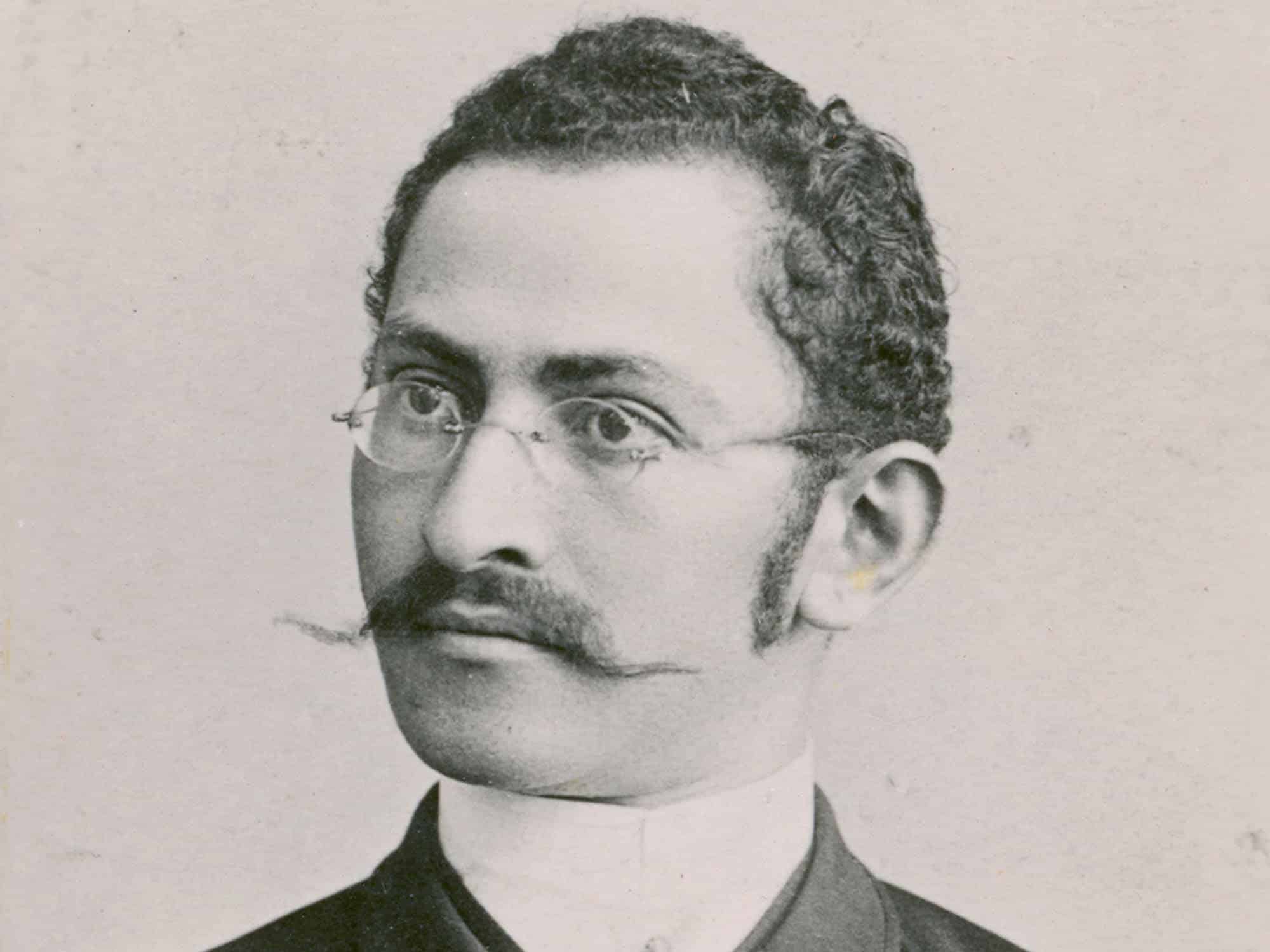
Marginalia on Rudolf Steiner’s Life and Work No. 35 In his autobiography, Rudolf Steiner describes Moritz Zitter (1861–1921), who was born the same year as Steiner and came from Transylvania, as one of his five closest friends during his youth. They remained friends until Zitter’s death in 1921. After completing his studies, Moritz Zitter spent several years working as a private tutor in his hometown before returning to Vienna in 1892. He then worked in various editorial offices and advertising…
Martina Maria Sam · 27. Mai

Essay
From Effects to Essence and Back Again
Goethe developed a new method for studying nature, both inorganic and organic. His intention was to uncover the natural law—the essence, the being, the idea—of a thing by introducing a special way of beholding the phenomena—the manifestations of the thing—in order to gain knowledge and insight. This approach was not being pursued by the conventional, supposedly “objective,” sciences of his time, and it was not possible for anyone holding on to a pre-scientific, naive view of the world. Goethe’s approach…
Iris Hennigfeld · 27. Mai
Reflection
A Citizen of the World
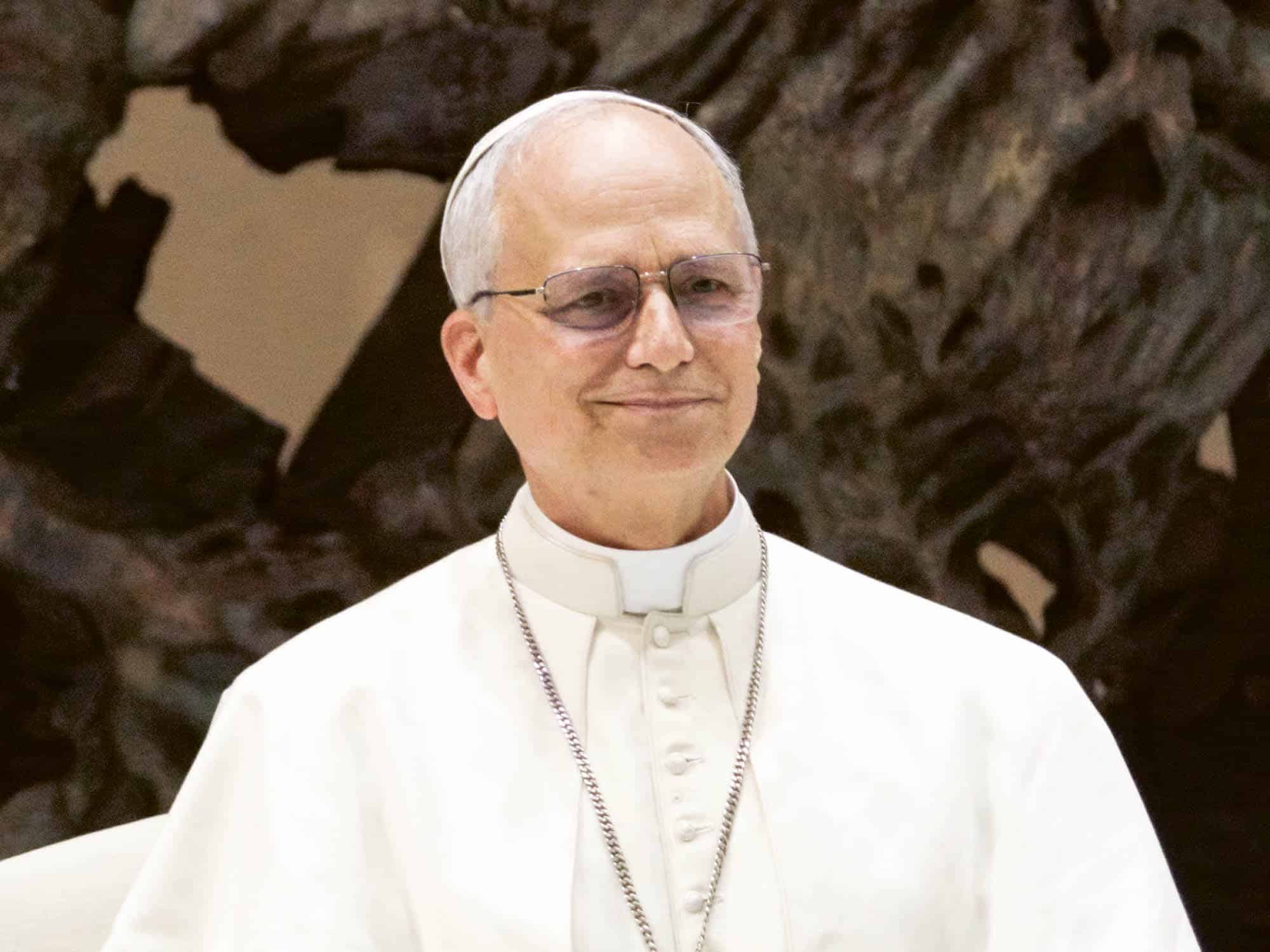
The new pope is a cosmopolitan. He has French, Spanish, Italian, and Cuban roots. His ancestors came from New Orleans. The term “Creole” is used for people of mixed European, African, and indigenous descent. Like many Creole families, Leo XIV’s grandparents may have moved to Chicago to escape the racial persecution in the southern United States. Pope Leo was born in Chicago on September 14, 1955, as Robert Francis Prevost. He was the youngest of three brothers; his mother was…
Ute Hallaschka · 27. Mai

News
Hospital at Home
Arlesheim, Switzerland. A project of the Arlesheim Clinic brings acute healthcare to the home. Being ill is not only physically stressful for those affected, but an associated hospital stay also presents them with emotional challenges. Patients have to temporarily give up their familiar surroundings and the associated autonomy and freedom of choice, and have to cope with the frequently changing hospital staff and externally imposed procedures. The option of receiving equivalent medical care at home is therefore a considerable relief…
Paula Boslau · 27. Mai
Tribute to Rudolf Steiner
From One Source
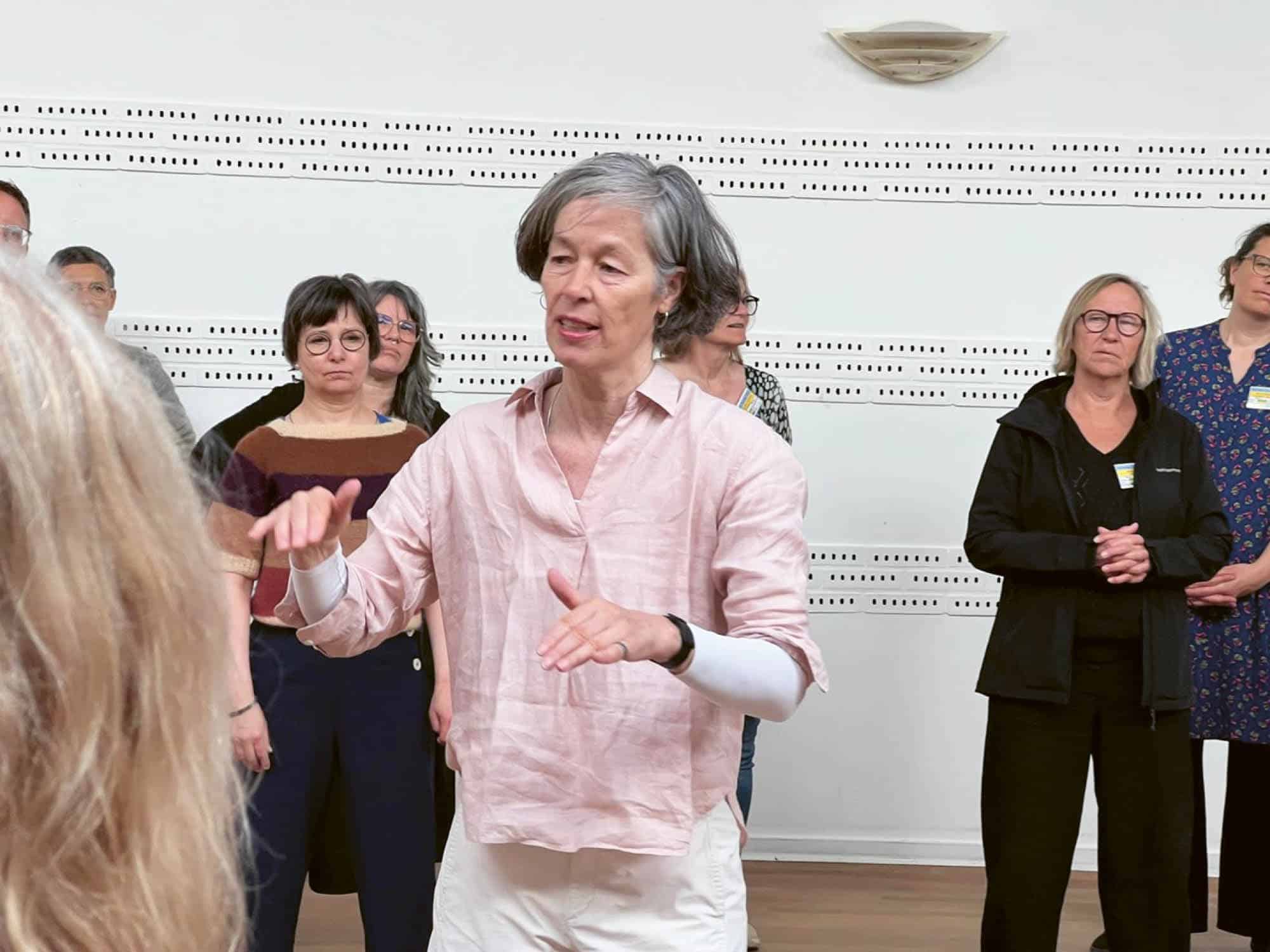
Dornach, Switzerland. 2025 is the 100th anniversary of Rudolf Steiner’s death. How does he live on in specific individuals? Sonja Zausch, member of the leadership team of the Section for Inclusive Social Development, gives her answers. How do people in your field recognize that you are interested in Rudolf Steiner? I like to ask “Why?” i.e., what is the origin of something, when something upsets me, until I get to the bottom of the matter. That can be very fulfilling…
Paula Boslau · 03. Juni
News
Shades of Red
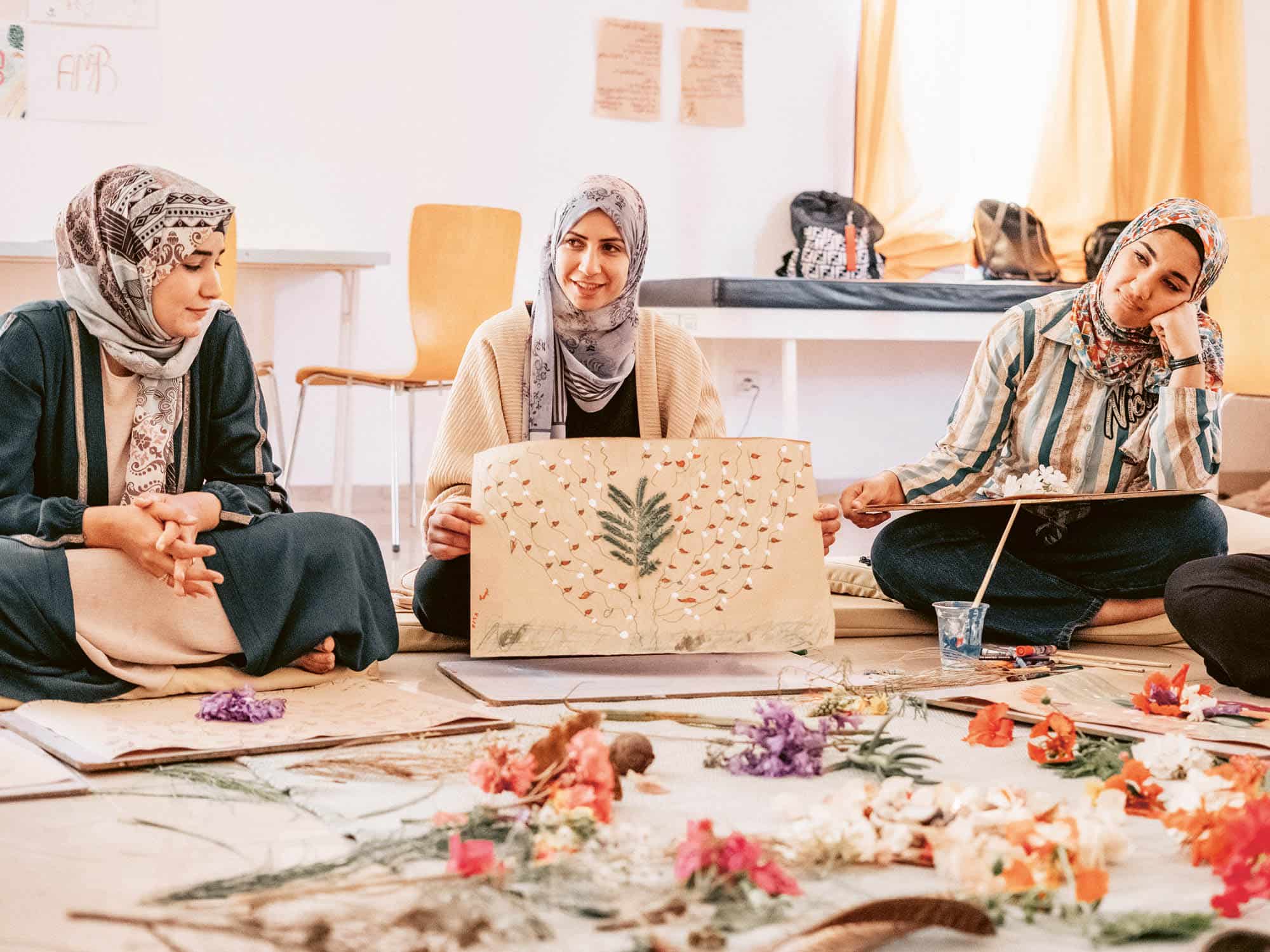
Cairo, Egypt. The health project Rahma of the Egyptian initiative Sekem empowers women to take care of their own health. When a woman entered the Eurythmy therapy room, I gently asked her to remove her hijab or niqab, and she took deep breaths. Then she began to move, softly forming the sounds L and M, letting out a long sigh. Again and again, I witnessed what women carry on their backs, shoulders, and hearts. Pain, tears, and stories would unfold.…
Nana Woo · 03. Juni
Column
Laughing With People
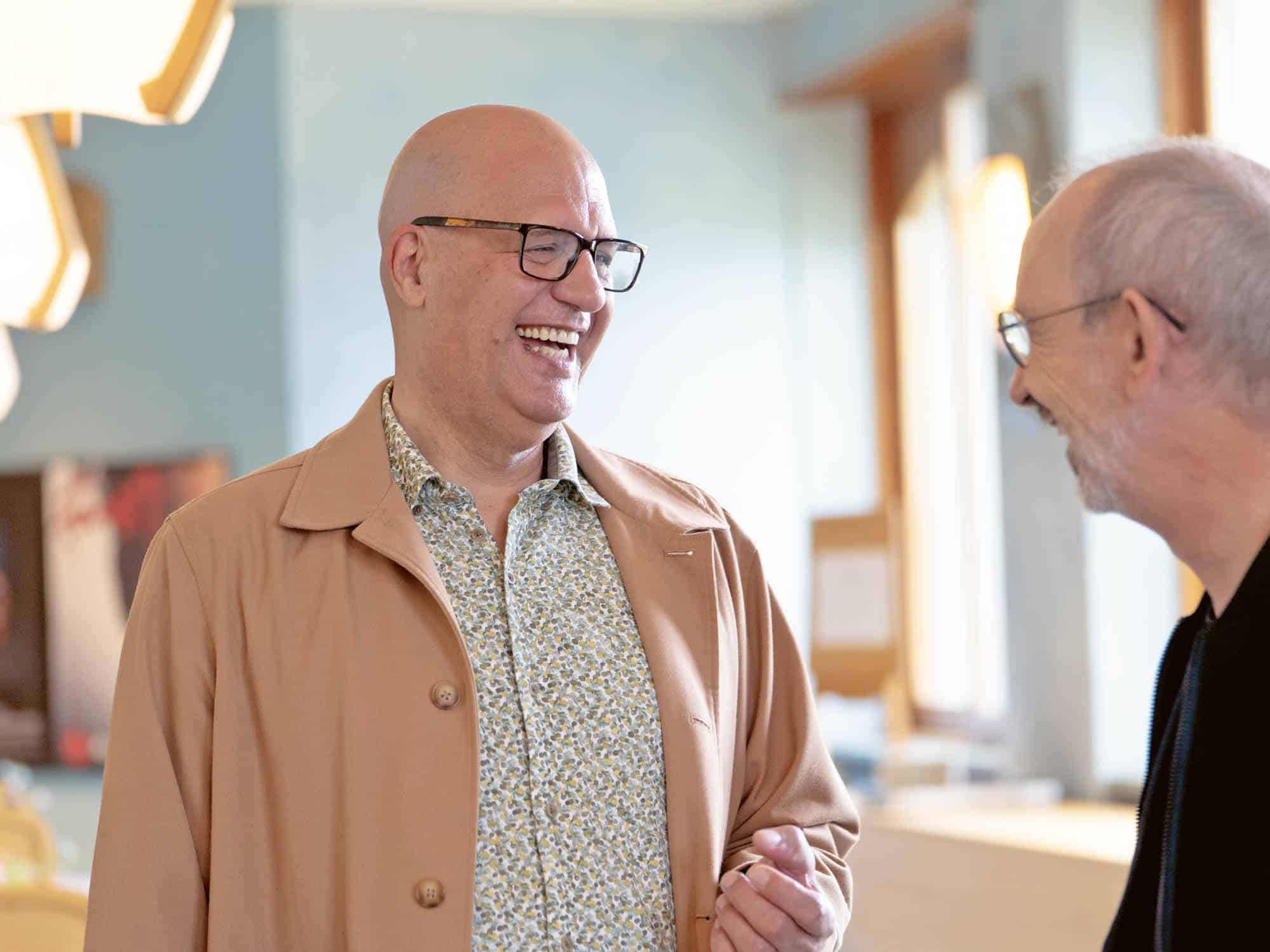
Franka Henn begins the conversation with Bart Vanmechelen by asking him about his capacity to be humorously self-deprecating. Bart says that he grew up with the ethos of not taking himself too seriously. Self-deprecation is no doubt part of his expertise in social therapy, the field in which he works. How can you support people in their limitations if you are not familiar with your own shortcomings? To be more precise, anyone who talks to Bart Vanmechelen soon experiences the…
Wolfgang Held · 12. Juni

Art
A Place of Quiet and Contemplation
240 years ago, the Arlesheim Hermitage was designed in the style of an English landscape garden. Not far from the Goetheanum in Dornach, it’s one of the most beautiful and important landscape gardens in Switzerland. Visitors are greeted by a natural oasis with streams, ponds, and labyrinthine paths reminiscent of a fairy-tale landscape where time seems to stand still. The Hermitage was opened in 1785 as a place of “romantic solitude near Arlesheim” by Balbina von Andlau-von Staal (wife of…
Clemens Engel · 12. Juni
Reflection
Health for All—Between Order and Freedom
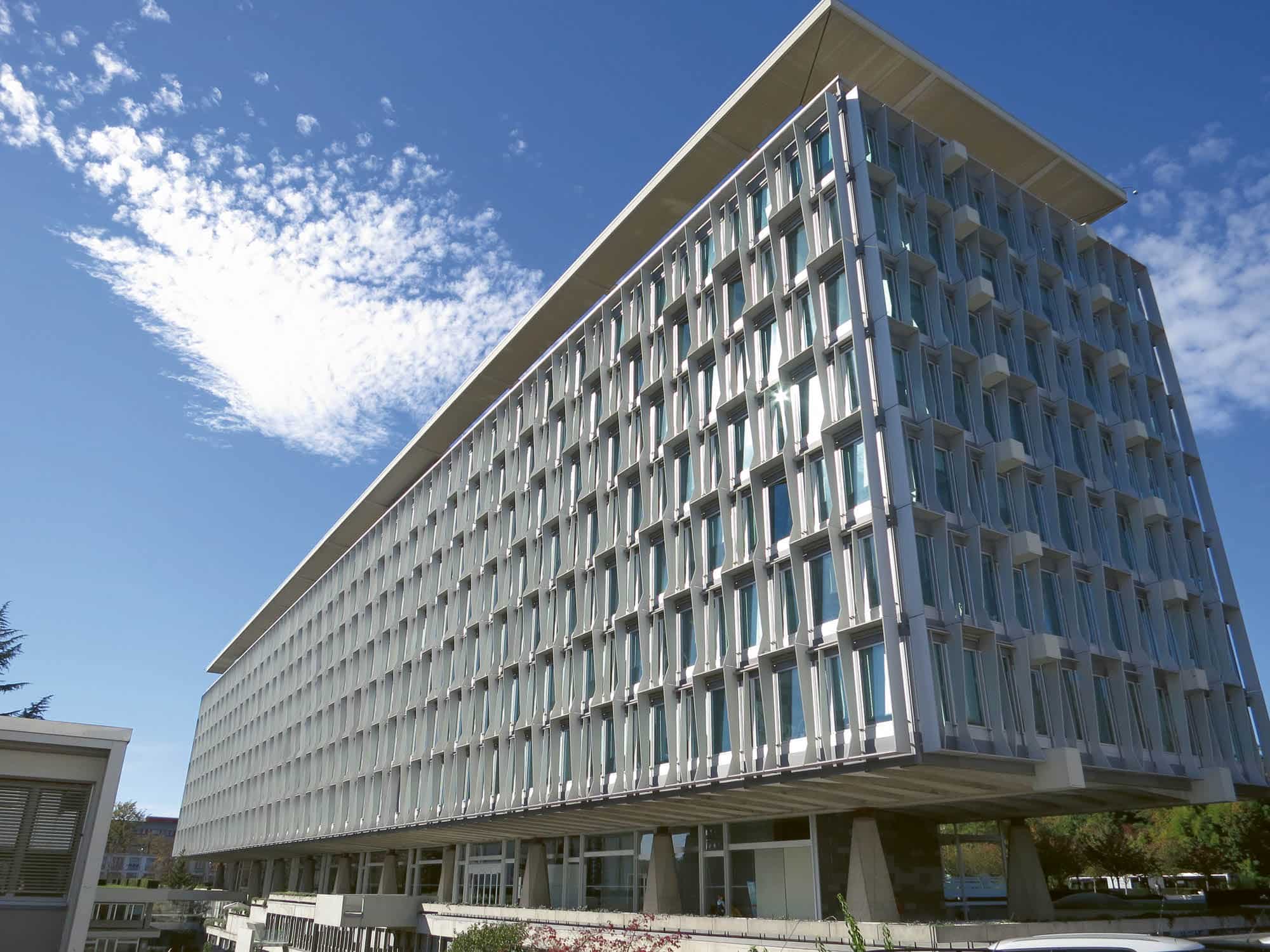
On the WHO Pandemic Agreement negotiations, Traditional, Complementary and Integrative Medicine (TCIM), and anthroposophical commitment to public health. A commentary by the Medical Section. With both interest and skepticism, many people are following the WHO negotiations on the revision of the International Health Regulations (IHR) and the Pandemic Agreement. The co-workers of the Medical Section have been working to stay updated on the procedures and outcomes with the conviction that the right of individuals to make free and informed decisions…
Adam Blanning · 12. Juni
Conversation
Being Inclusive Means Learning to Be Human
Bart Vanmechelen is a member of the leadership team of the newly founded Section for Inclusive Social Development at the Goetheanum. Characterized by a sense of social responsibility and inspired by his enthusiasm for spiritual depth, he now sees inclusive social development as a humane work of art. Franka Henn: In preparing for our conversation, you sent me a selfie in which you’re wearing a teeny woolen hat that points upwards like an antenna. I laughed so much! Whenever we…
Franka Henn · 12. Juni
Reflection
Generation Fentanyl—Just a Click Away
In the high school counseling office of our Waldorf school, there are two small white boxes with red lettering, labeled NARCAN. Along with coffee shop baristas, parents, educators, and people across the US, I’ve been trained to administer this medicine to members of our community to counteract an opioid overdose. In 2022, opioid overdose claimed upwards of 80,000 lives in the US, and although that number is declining, access to substances of all kinds is just a social media scroll…
Laura Scappaticci · 12. Juni
Tribute to Rudolf Steiner
Anthroposophy as a Subculture
Hamburg, Germany. 2025 is the 100th anniversary of Rudolf Steiner’s death. How does he live on in specific individuals? Henry Holland, a translator from Scotland, gives his answers. Where has anthroposophy provoked you? Anthroposophy does much more than merely “provoke” me. But it’s striking how you just need to drop Steiner’s name in conversation, at least in the German-speaking world, to provoke a series of inflamed reactions—including from people who admit to knowing little about him. Growing up with no…
Redaktion · 12. Juni
News
Anthroposophy, Multilingual
Cambridge, Massachusetts. The translation of Rudolf Steiner’s texts from German into other languages plays a crucial role in the global networking of the anthroposophical movement and in its research. Thoughts by Henry Holland, translator and co-organizer of the “100 Years of Rudolf Steiner” conference at Harvard University. Ever since the first consecutive lecture translations in London in 1902, translations of Steiner’s writings and lectures into scores of languages have been indispensable in spreading what was originally a tiny movement to…
Henry Holland · 12. Juni
Event
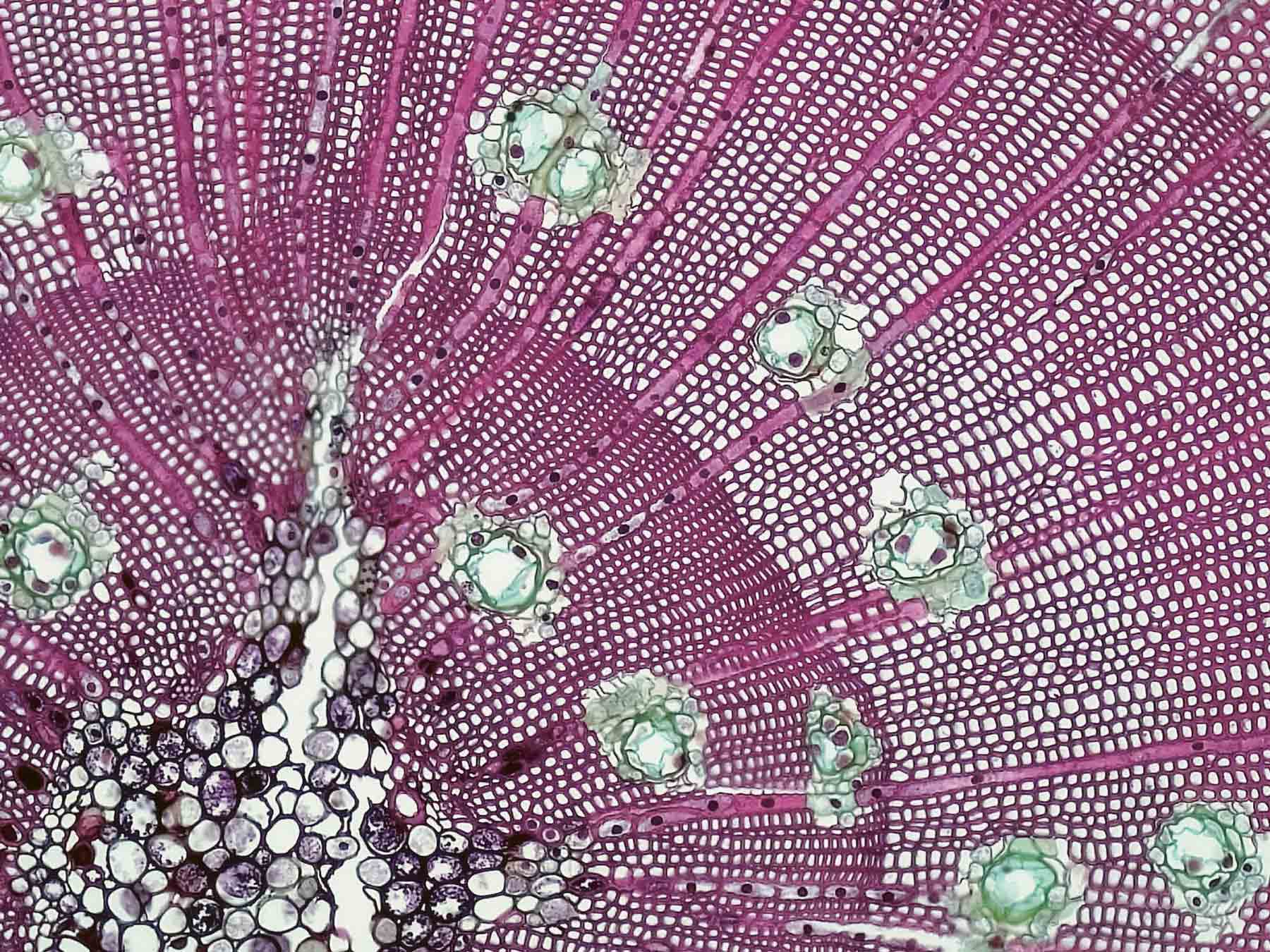
What is Life?
Stuttgart, Germany. An open conference on formative forces research. Over several decades, research into formative forces has developed methodical ways of making the living tangible. It thus offers people the opportunity to come into visual contact with a basic motif of anthroposophy: the vital forces. Wherever life and its forces are concerned, visual forces research finds its practical application: in the quality of food, the effect of medicines, or the influence of technology and art. Under the title “What is…
Redaktion · 12. Juni

Event
Organic in Europe
Warsaw, Poland. European Organic Congress in Poland. The expansion and strengthening of organic farming remain important issues for Europe. After all, providing the population with healthy, sustainably grown food affects everyone at the most basic level of their needs. From June 25 to 27, 2025, Poland will host the European Organic Congress, a conference that will bring together representatives from the organic agricultural sector to discuss the present and future of organic farming. How can the sector’s economy and finances…
Redaktion · 12. Juni
Event
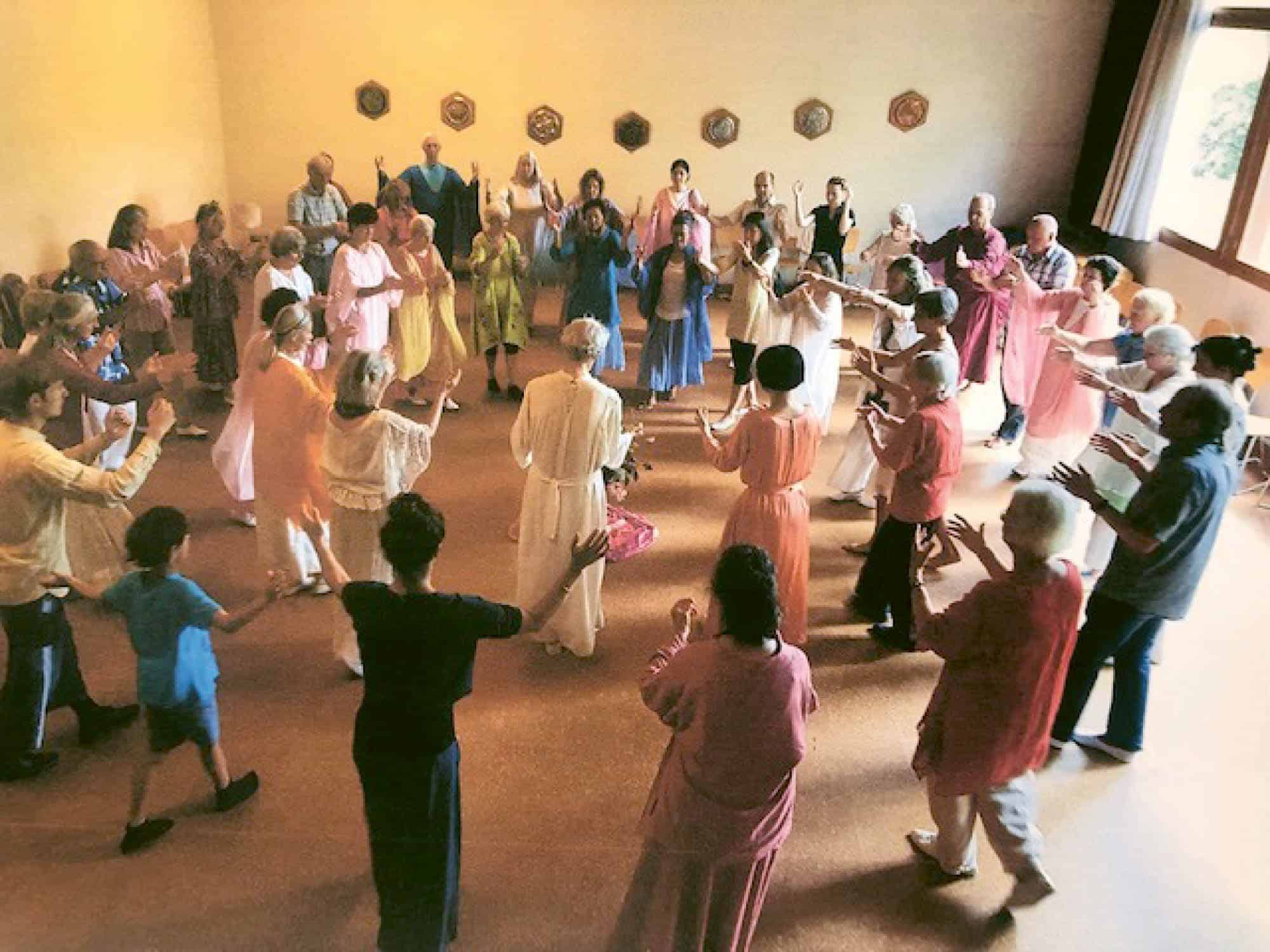
Cosmic Eurythmy
Dornach, Switzerland. A Choreocosmos seminar in Dornach. From August 4 to 8, 2025, the week-long seminar entitled “Rudolf Steiner’s Birth and Death Horoscope in the Cosmic Dance of Eurythmy” will take place at the Academy for Anthroposophical Education in Dornach. The event will be led by Robert Powell, a eurythmist from Great Britain and the founder of the Choreocosmos School of Cosmic and Sacred Eurythmy. To mark the 100th anniversary of Steiner’s death, participants will have the opportunity over five…
Redaktion · 12. Juni