21 Beiträge · Ausgabe 31-32/2024
Editorial
Issue 31-32/2024
Kein Editorial verfügbar.
Weitere Beiträge
21 Beiträge
Im Fokus
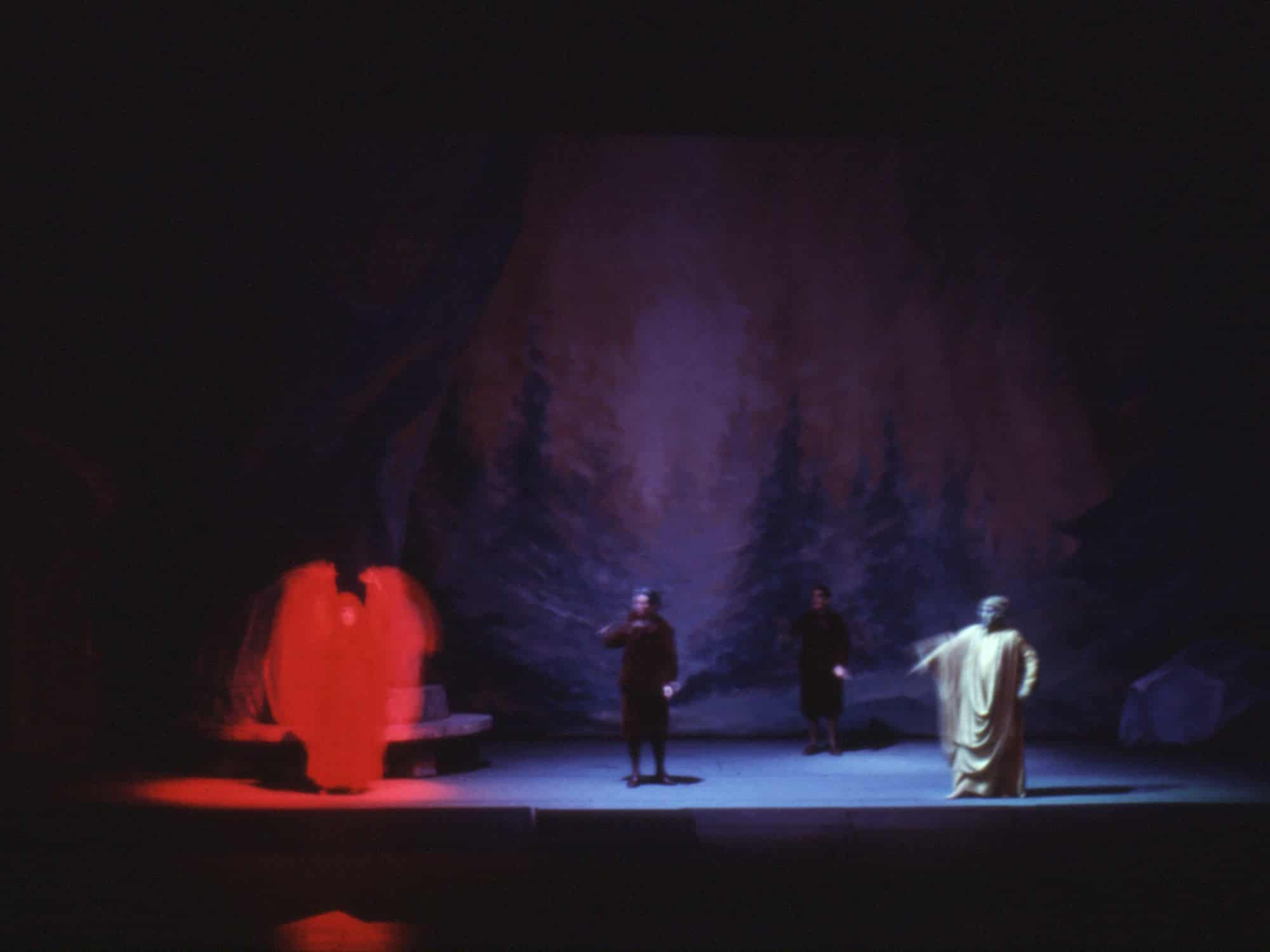
Three Short Plays
Mountshannon, Ireland. From July 10 to 14, the Goetheanum hosted the Theater Festival. There, director Paul Brennan staged a new production of Three Short Plays by Lady Gregory. An interview with actor Danijel Grcevic. What is the performance about? These are three short pieces by Lady Gregory on themes of karma, destiny, and the recognition of Christ and the sacrifice he made. We have staged them as short mystery dramas set against the backdrop of the political struggles for Irish…
Paula Boslau · 07. Juni
Column
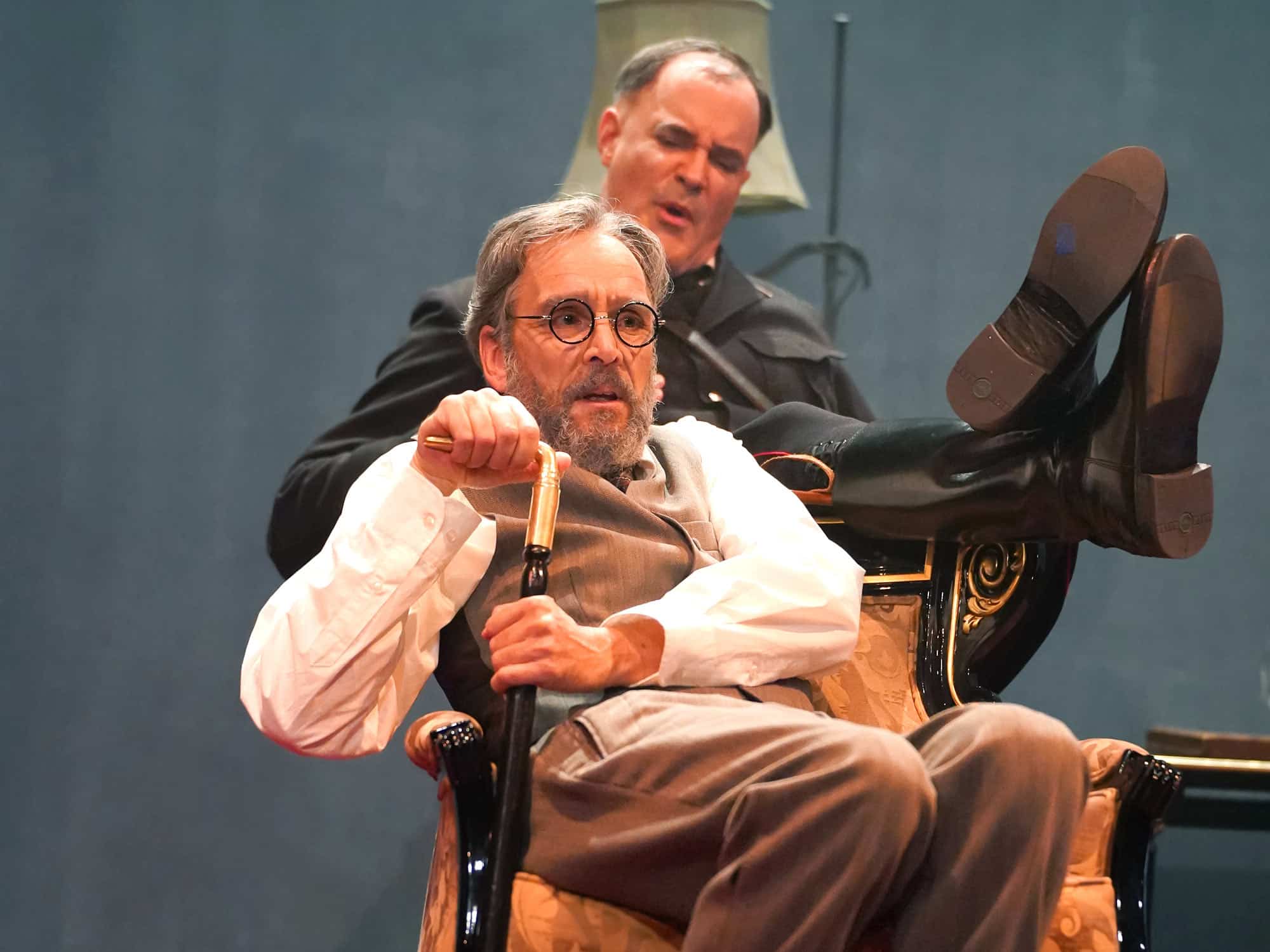
Why We Need Acting
Actors and actresses play. They play with fire. They play with something that is very close and very intimate to us: human action—our actions. That is why we call them “actors”—because they shape actions; they perform acts. All art, all play, involves distancing ourselves from the so-called “real world.” It requires that we step back from it in order to look at it as detached observers and, by taking control of this “real world,” allow a new reality to emerge.…
Louis Defèche · 14. Juni
Reflection
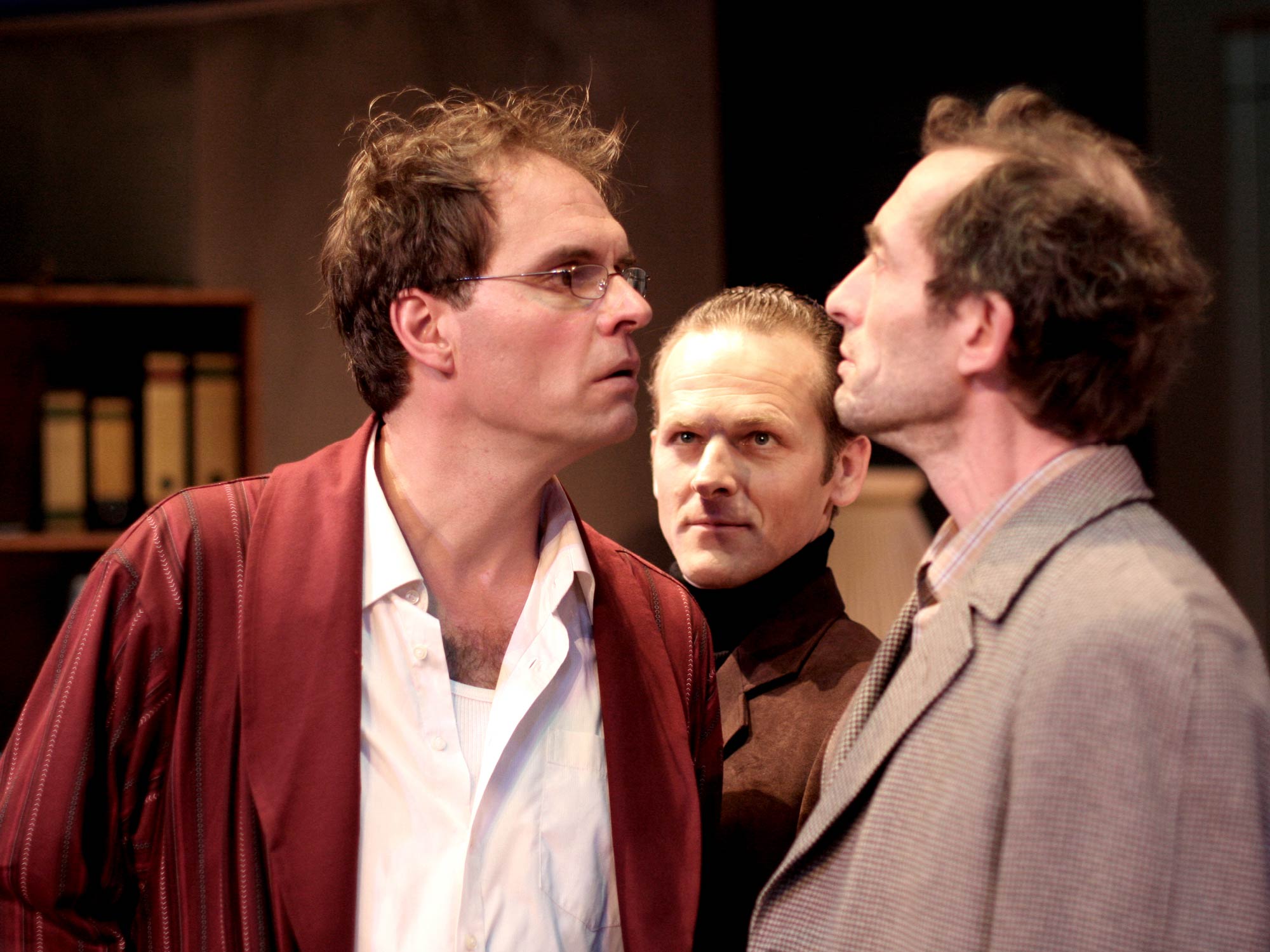
Extending the Art of Theater
Director Gosha Valerian Gorgoshidze sheds light on the contribution made by Rudolf Steiner’s 1924 Dramatic Course and the search for an art of theater that reconnects to the spiritual dimension through the experience of the forces of language and karmic connections. When Rudolf Steiner gave an overview of the development of drama in his so-called “Dramatic Course,” he emphasized the idea of fate or destiny that lay gestating within the womb of ancient Greek dramas (by Aeschylus, Sophocles, and Euripides)…
Gosha Valerian Gorgoshidze · 14. Juni
Reflection
100 Years of “Speech Formation and Dramatic Art”
It was an over-flowing carpentry workshop: there had been so much demand for the acting course planned for September 1924 that Rudolf Steiner felt the need to open the doors to all 700 interested people—professionals and amateurs alike. A true image of theater art? Speech formation concerns us all. The dimension of the word is one of the central concerns of anthroposophy. As Rudolf Steiner formulated (in CW 280), “Only when one learns to hear can one learn to speak.”…
Agnes Zehnter · 14. Juni
Research
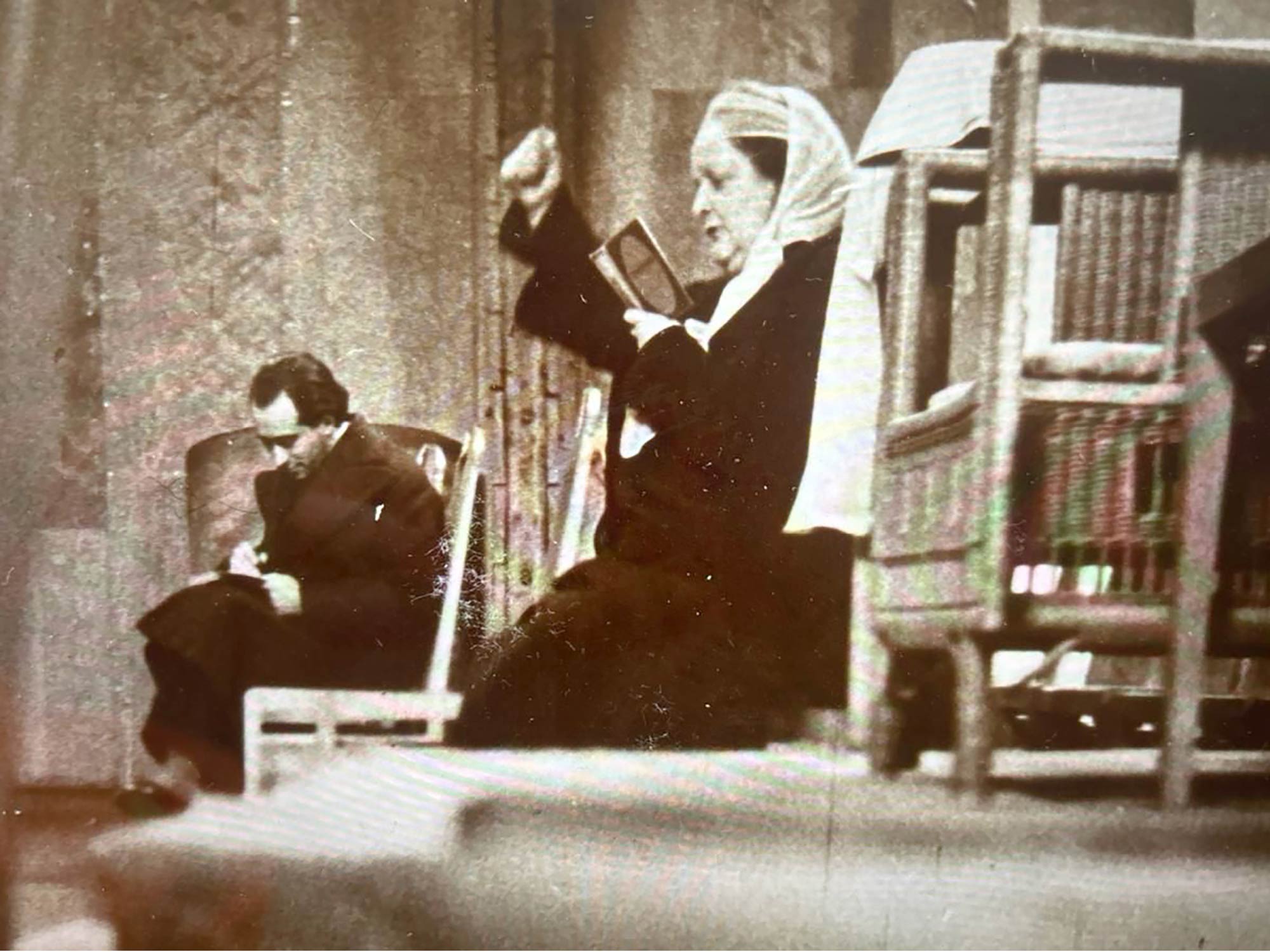
Marie Steiner-von Sivers as a Pioneer of the Stage
Marie Steiner-von Sivers, a trained actor, worked tirelessly with Rudolf Steiner over the years leading up to the “Dramatic Course” of 1924. After the course and Rudolf Steiner’s death six months later, Marie Steiner continued her artistic quest with incomparable intensity and in a new form: as a pioneer of the art of directing. Marie Steiner-von Sivers learned the art of the stage between 1894 and 1901 through three cultures, three cities, three women, three styles, and three stories. She…
Gaia Termopoli · 14. Juni
Essay
The Body Becomes Word
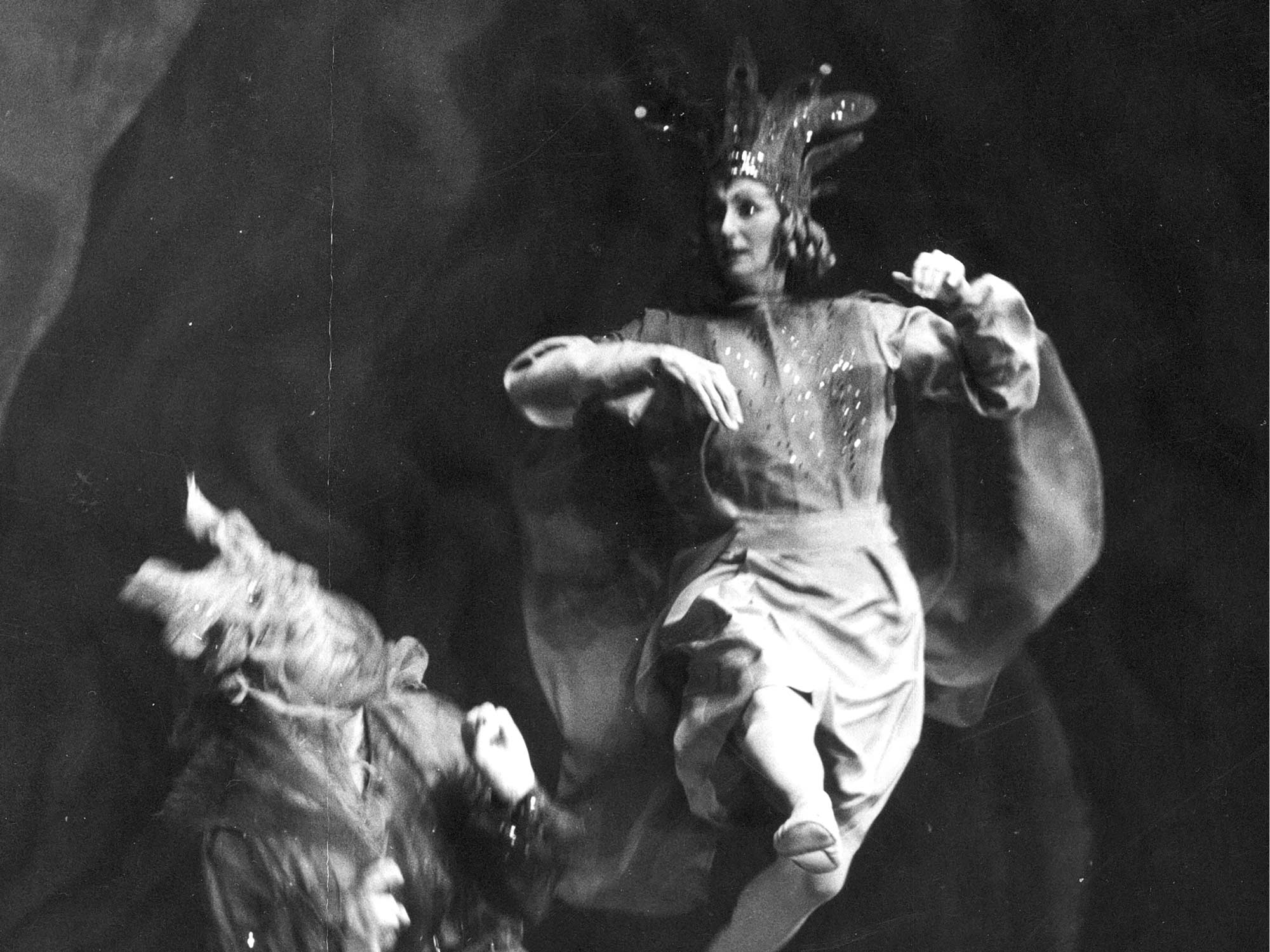
There was deep mystery wisdom expressed in what Rudolf Steiner gave at the end of his life: 19 lectures on theatre that offered the possibility for an artistic revelation of his teachings on reincarnation and karma. The five Greek Olympic disciplines, which Rudolf Steiner named as the basis for a contemporary theater, were intended to unite the actors with the modern Mysteries. This new form of initiation, which Steiner gave at the Christmas Conference in 1923/24, has its roots in…
Christopher Marcus · 14. Juni
Conversation
The Blind Seer
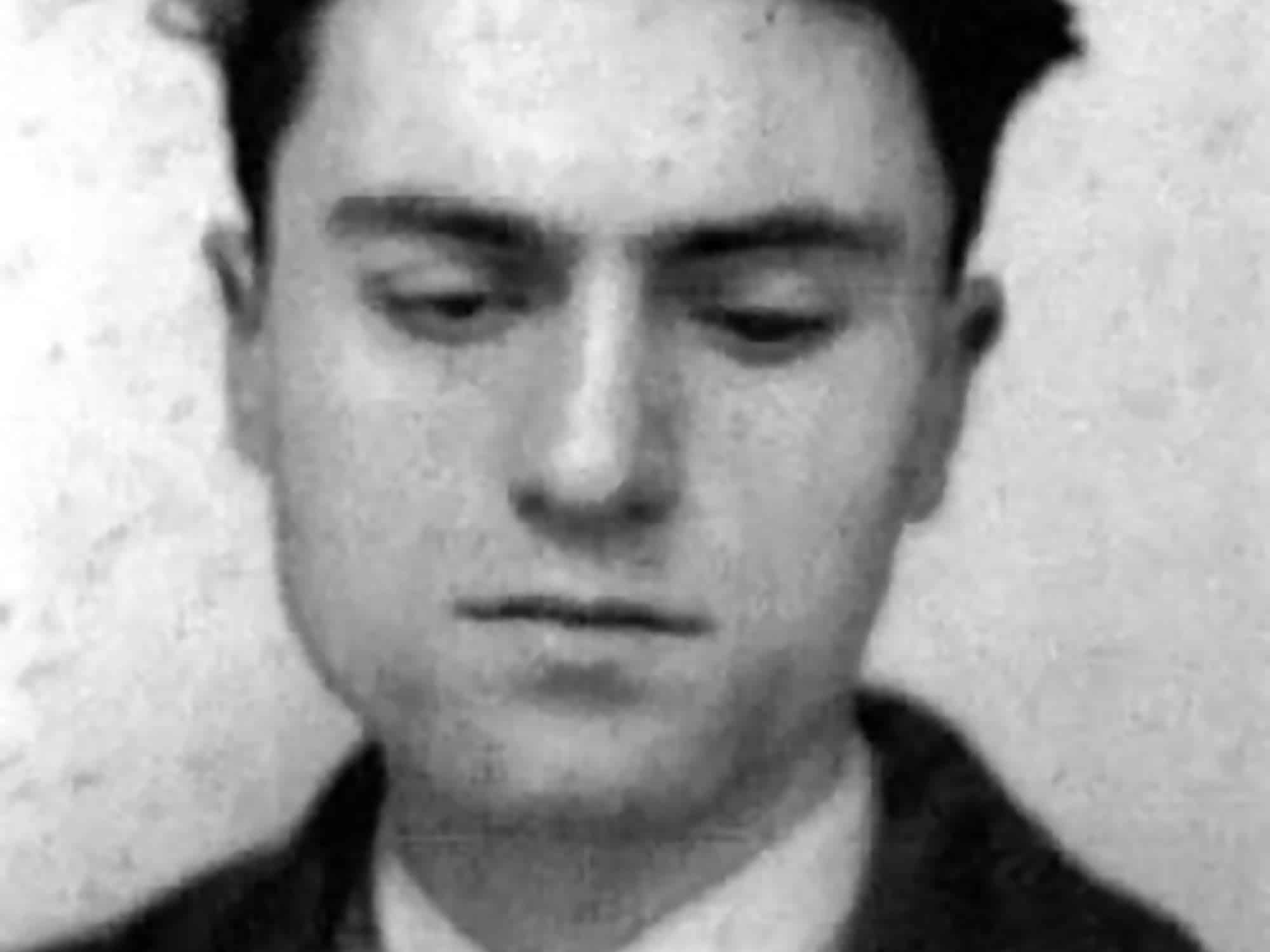
Jacques Lusseyran lost his eyesight as a child, but he learned to see with his inner senses. As a resistance fighter in occupied Paris and a concentration camp prisoner in Buchenwald, he became a light for many during the darkest of times. To mark the 100th anniversary of his birthday, the Goetheanum stage held a reading from his work Das wiedergefundene Licht [And There Was Light] with Richard Schnell (reading), Fritz Nagel (music), and Barbara Schnetzler (sculpture). Philipp Tok: Why…
Richard Schnell · 14. Juni
Event
Threshold of Courage
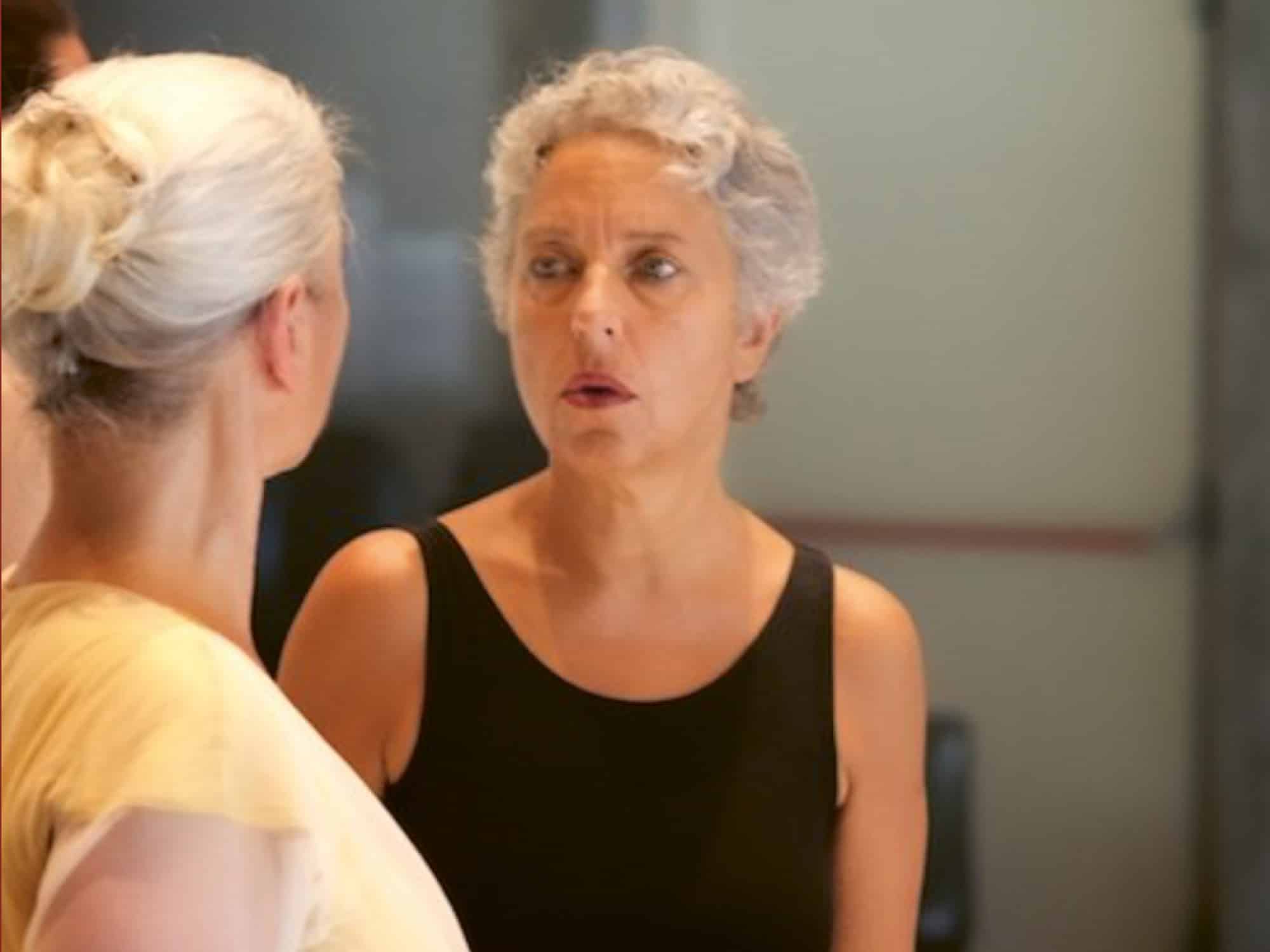
Malcontenta, Italy. The Italian trio of Enrica Dal Zio (speech formation artist), Cristina Dal Zio (eurythmist), and Juri Lanzini (pianist) performed their play Threshold of Courage during the Theater Festival held at the Goetheanum from July 10 to 14. An interview with Enrica Dal Zio. What is the performance about? Using speech, eurythmy, and music, we are exploring the theme of courage. On a one-hour journey, we explore four qualities of listening: the usual one, where we stay in our…
Paula Boslau · 14. Juni
Event
Parzival in Australia
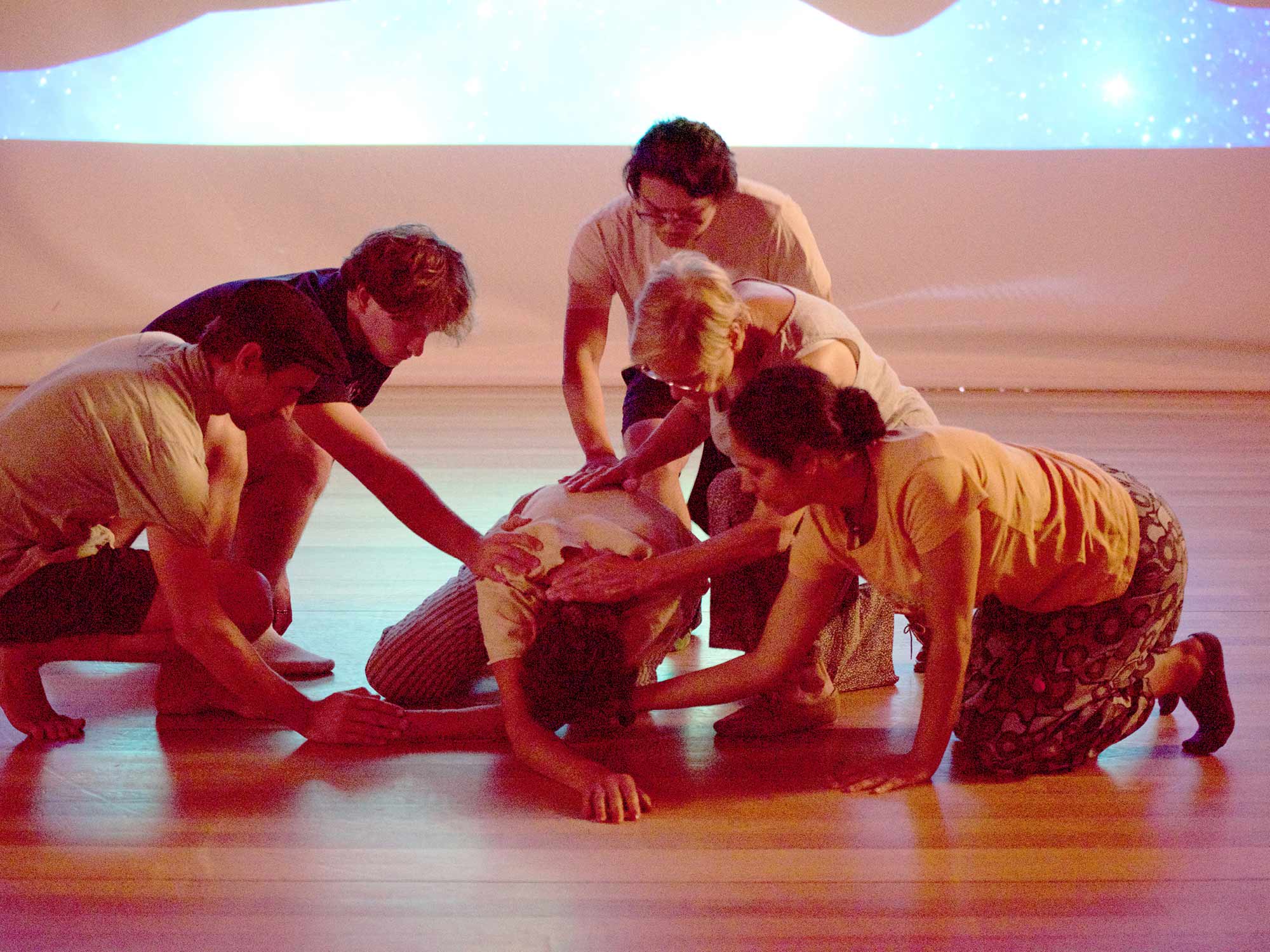
Mount Barker/Land of the Peramangk Aborigines, Australia. The Australian Ink Pot Arts Theater Ensemble performed Parzifal under the direction of Jo-Anne Sarre at the Theater Festival, hosted from July 10 to 14 at the Goetheanum. Their rendition of the British saga is complemented by Aboriginal cultural elements and the flora and fauna of their country. An interview with Peter Oswald, writer of the play. What is the performance about? This is a theatrical version of the Arthurian legend of Parcival,…
Paula Boslau · 14. Juni
News
All Together
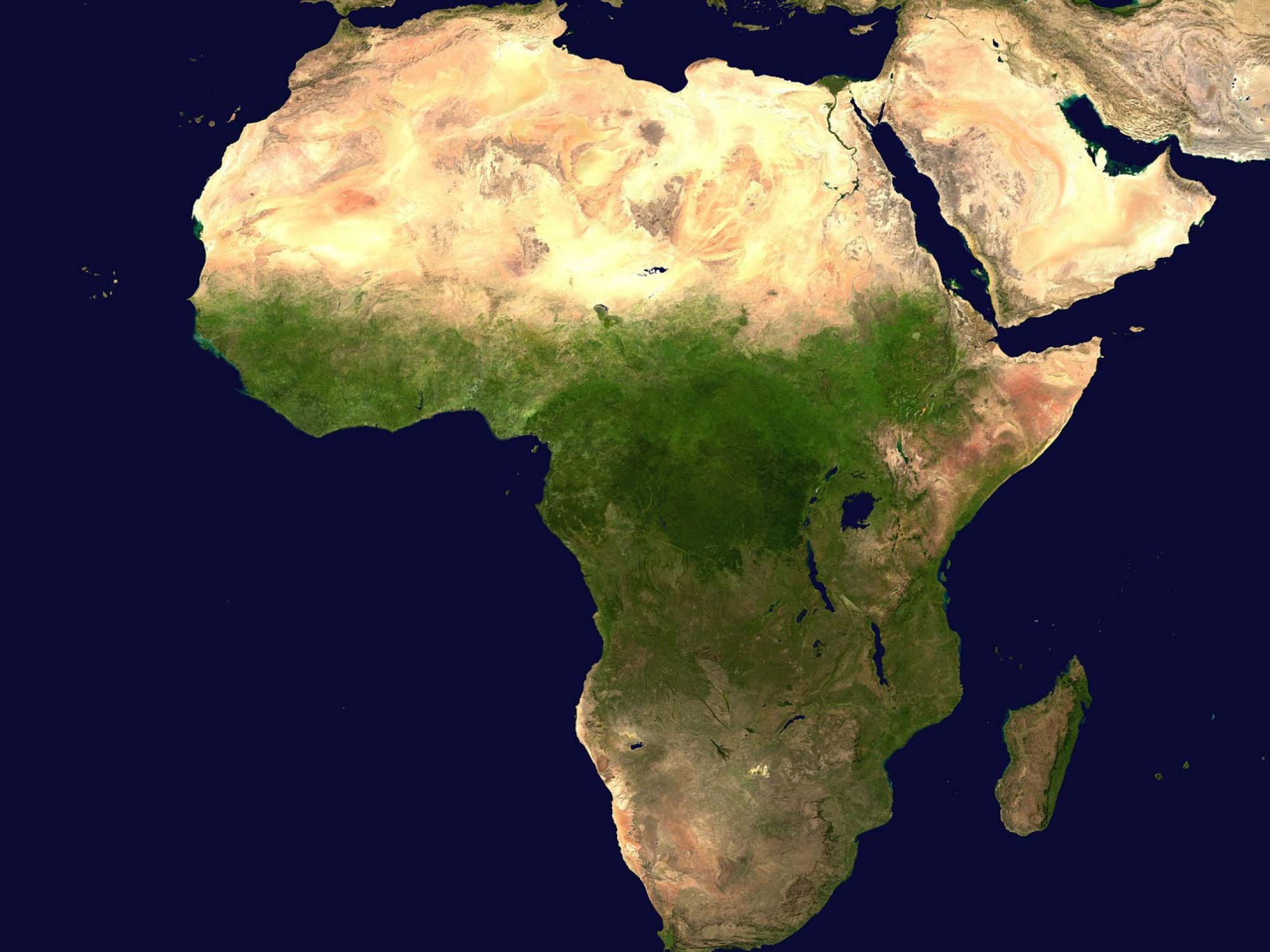
Otse, Botswana. Anthroposophic training on the African continent. As part of the All Africa Anthroposophic Training (AAAT), an open conference for national and international participants will take place in Botswana from August 25 to September 1. The host organization is the Camphill Community Trust, which is based in Otse, southwest of Gaborone. The AAAT brings together various members and initiatives of the African anthroposophical network in a collective learning experience that focuses on exchange, relationship building, and mental health. Central…
Paula Boslau · 14. Juni
Conversation
Authenticity and Deceit
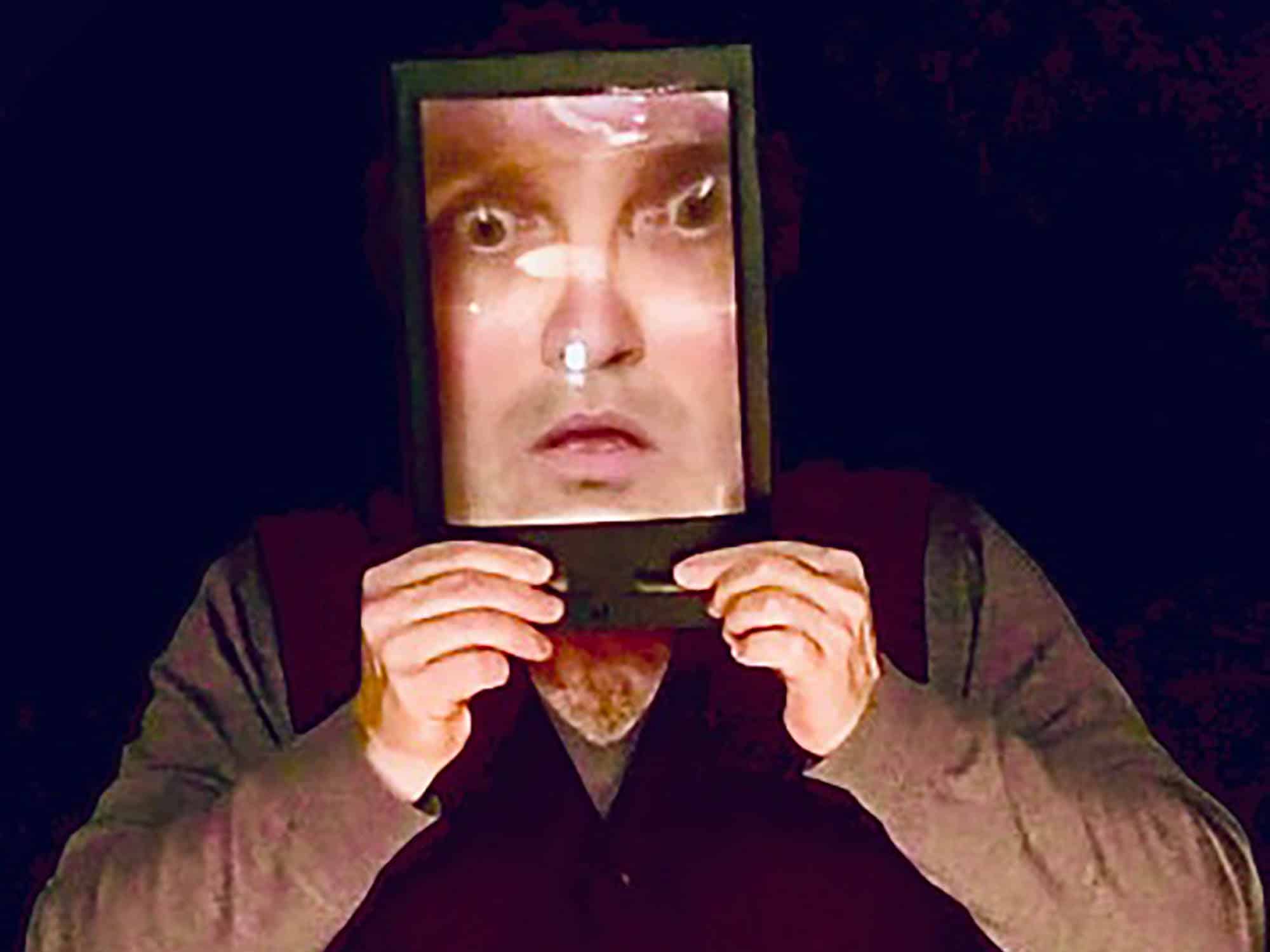
Hitzacker, Germany. The Goetheanum hosted the Theater Festival from July 10 to 14. The play Phantasmagor.a.i was performed there under the direction of Thomas Daviaud. An interview with actor Marcus Violette. What is the performance about? The performance is in a development phase and has the working title Phantasmagor.a.i. I will be showing excerpts from the process at the festival. It’s about a character called Morph Proxy from the Agency for the Collection of Data on Authentic Human Behavior. This…
Paula Boslau · 05. Juli

Event
The Philosopher’s Stone
Albert Pröbstl will lead a working group titled “The ‘Polarization Realm’—From Physics to Chemistry to Biochemistry: a Path with Gaps in Awareness” at the Natural Science Section conference to be held October 10 to 13 in Dornach. Here is a taster. Polarization of light refers to the spatial orientation of light. It was studied scientifically from 1808 onwards. After the optical activity of substances was discovered in 1815, it led to the tetrahedral model of carbon in 1874. The working…
Albert Pröbstl · 18. Juli
Consciousness
Revolving in Mystic Dance
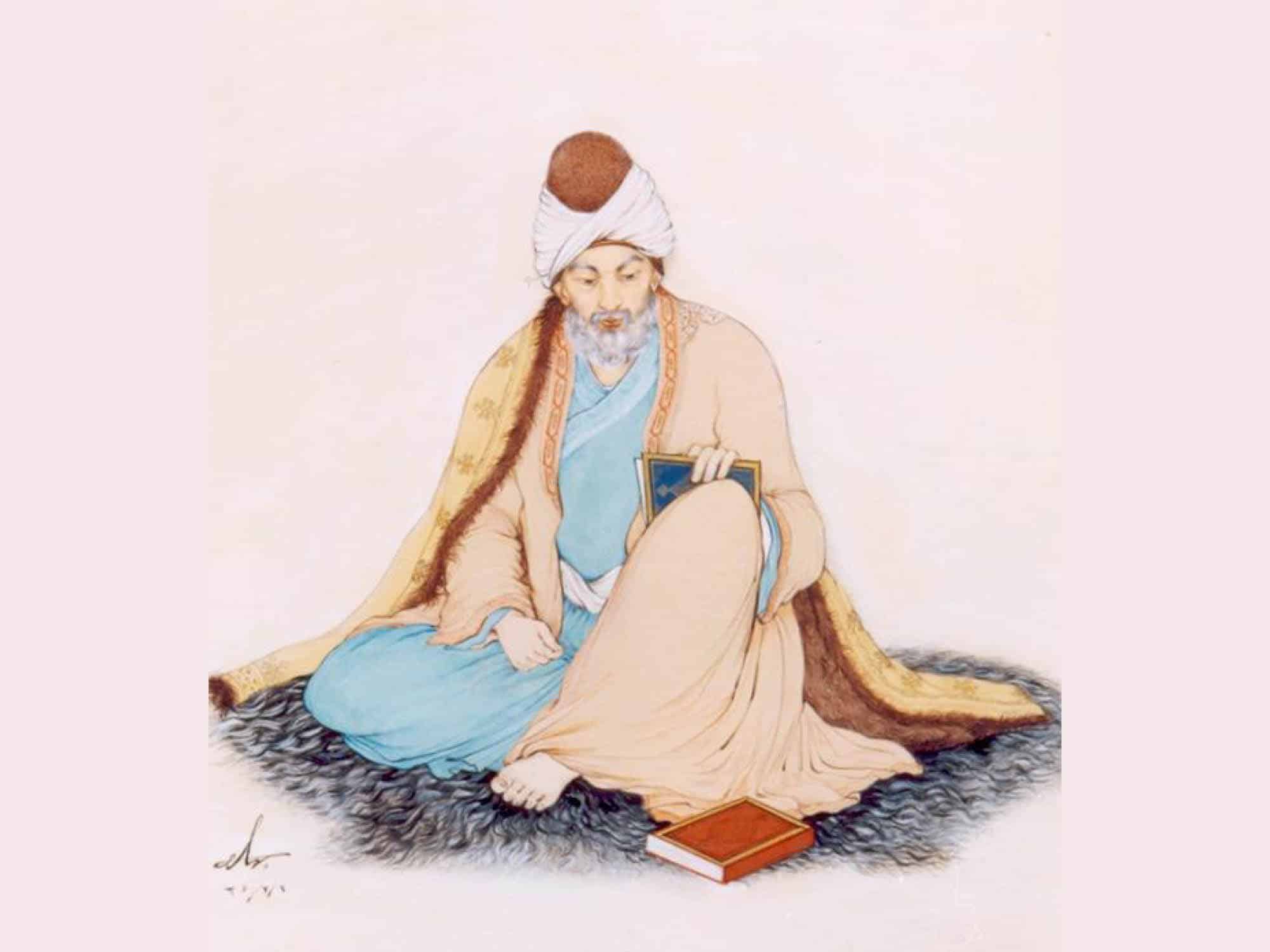
Come! Come! Thou art the Soul, the Soul so dear, Revolving!Come! Come! Thou art the Cedar, the Cedar’s Spear, Revolving!O Come! The Well of Light up-bubbling springs;And Morning Stars exult, in Gladness sheer, Revolving!Of the o’er-arching Heavens, the Highest is the Seventh;But over all thou stretchest, bright, and clear, Revolving!In warmest Arms of Love thou hold’st me clasped,And thee I hold enclasped, soft breathing, near, Revolving!In Sunbeams dance the Motes, by Sunlight grasped,O Sunlight, grasping me, dispel my Fear, Revolving!The…
Dschalal ad-Din Muhammad Rumi · 02. Aug.
About Rudolf Steiner
Otto Erich Hartleben and Rudolf Steiner—Part 2: In Berlin
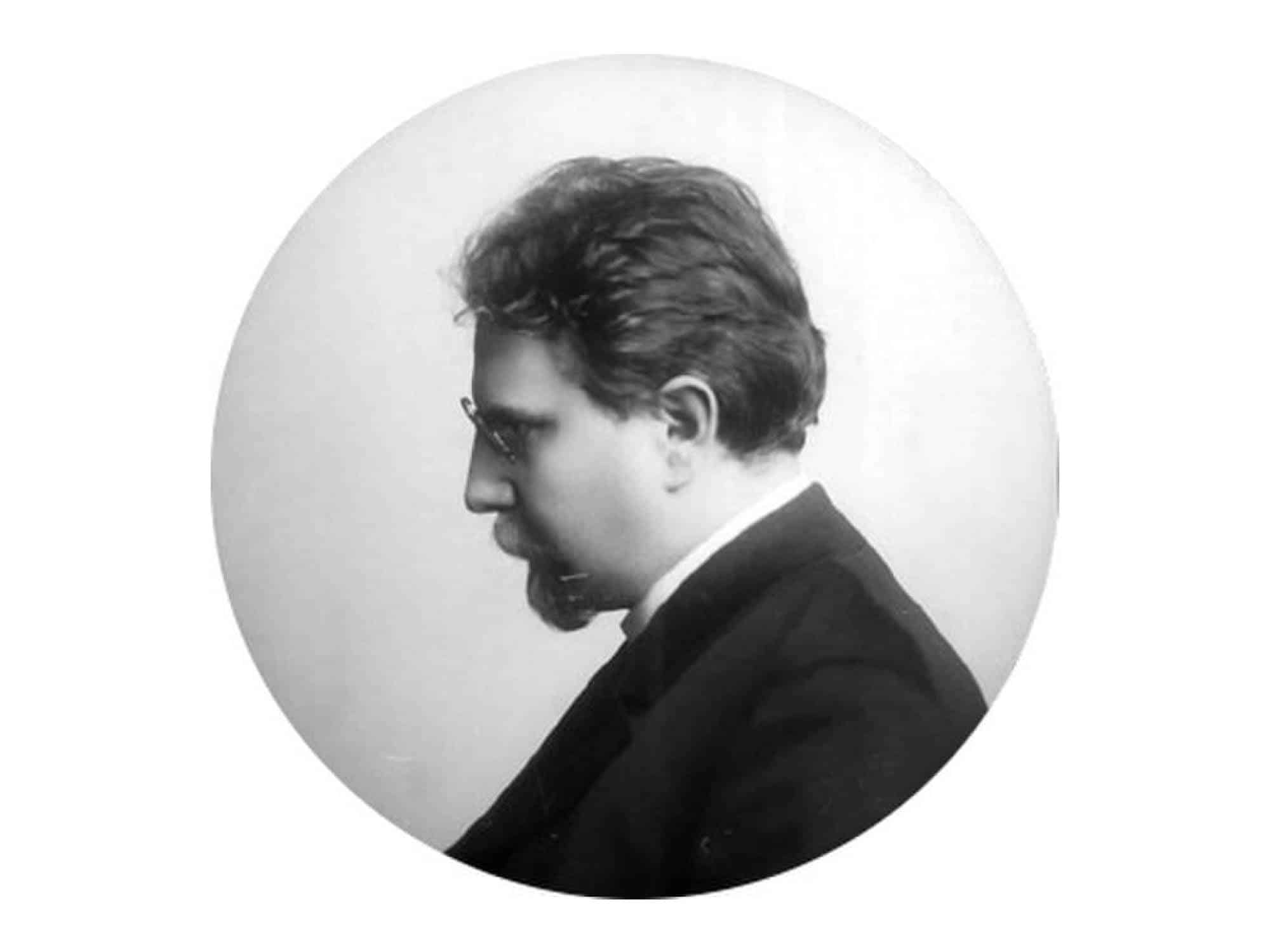
The friendship with Otto Erich Hartleben that began in Weimar continued in Berlin. It offered Rudolf Steiner the opportunity to empower himself with a perceptive grasp of the sensory world. When Rudolf Steiner took over the editorship of the Magazin für Litteratur [Magazine for Literature] in 1897, he was given the condition “that Otto Erich Hartleben should sign and work as co-editor,” as he had a name in the circles associated with the magazine. However, Hartleben’s activities were essentially just…
Martina Maria Sam · 02. Aug.
Essay
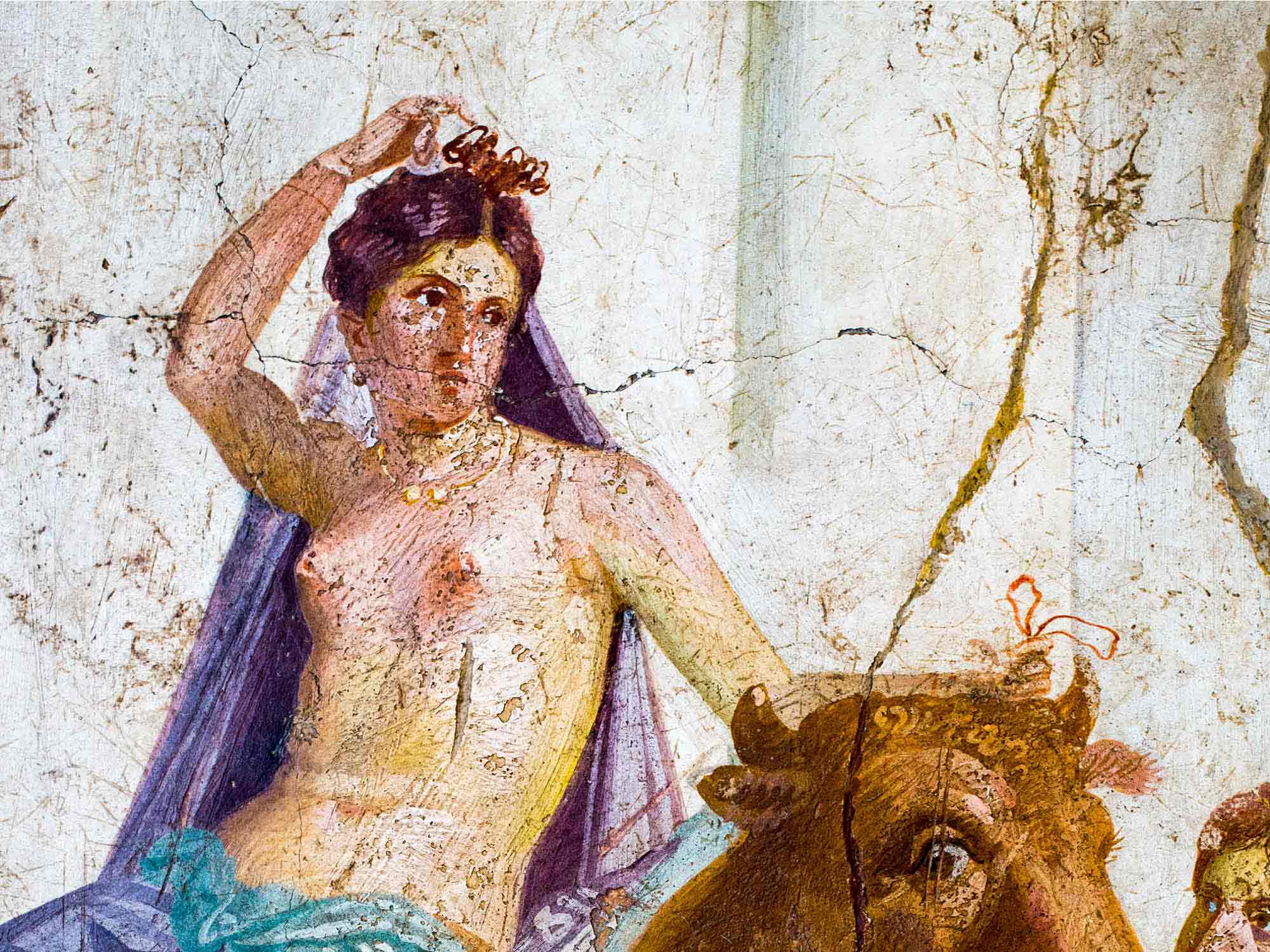
Europa, or the Drama of the Free Spirit
Europe is experiencing a crisis, economically, politically, culturally, and spiritually. Perhaps the deeper meaning of the concept “Europa” has never before proved as enigmatic as it does today, between the burden of past debts and dreams (nightmares?), alleged newly acquired power, and a longing for cultural greatness. Salvatore Lavecchia Our present is, in a word, an apocalypse, apokálupsis: it wants to unveil, or is an unveiling (the literal meaning of the Greek word) and will reveal something new. This means…
Salvatore Lavecchia · 02. Aug.
Essay
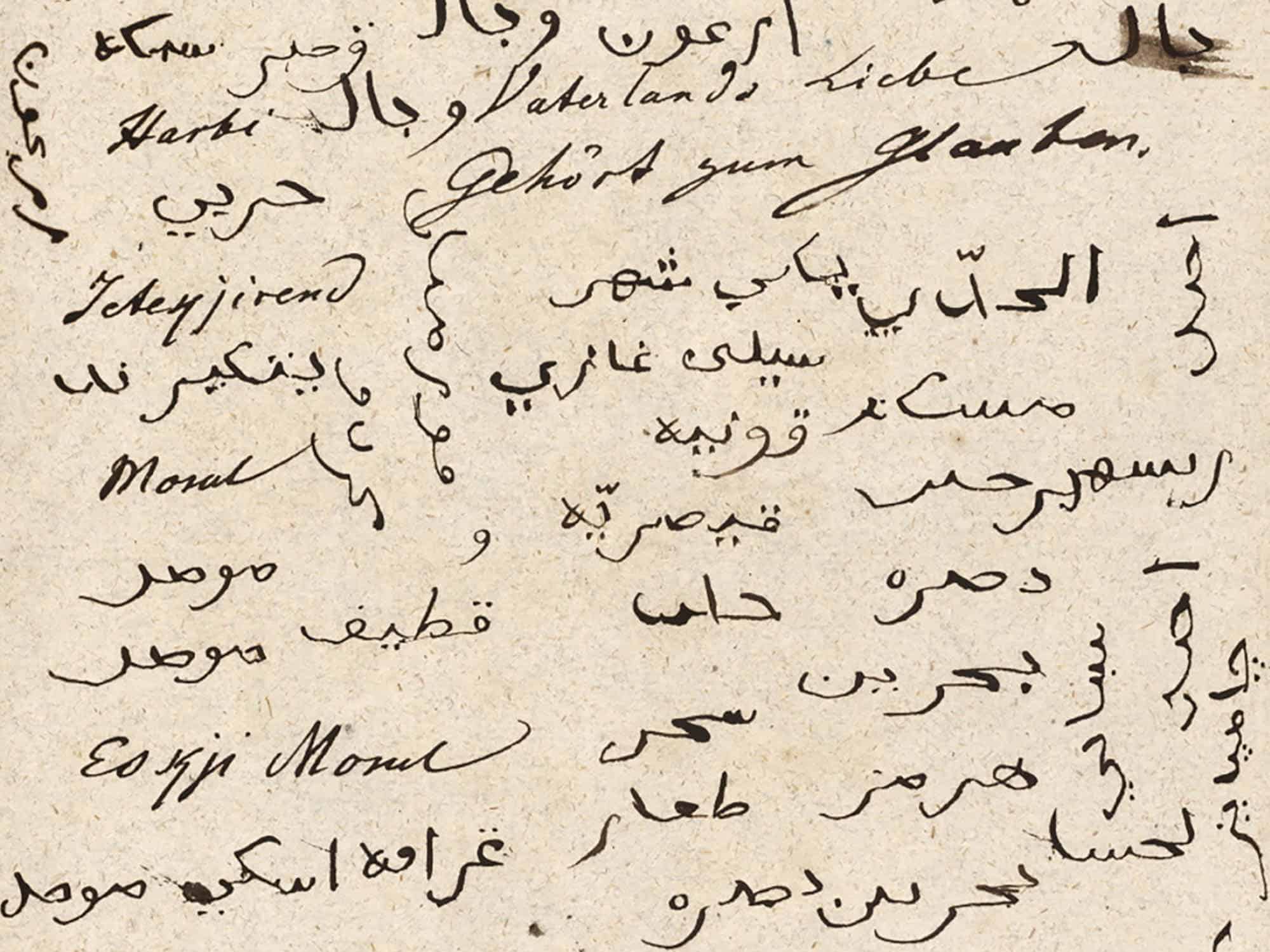
Goethe’s Imaginative Journey to the Orient
Goethe maintained a lifelong interest in foreign cultures, particularly in their literature. He engaged deeply with the “oriental,” Indian, Chinese, and ancient Iranian or Persian-Islamic cultures. Iris Hennigfeld One of the fundamental characteristics of Goethe’s work is that he is able to establish a fruitful and, in this sense, “true” relationship with his literary and scientific predecessors and contemporaries, primarily through his own productivity but sometimes even by means of the greatest opposition (as in the case of Carl von…
Iris Hennigfeld · 02. Aug.
Essay
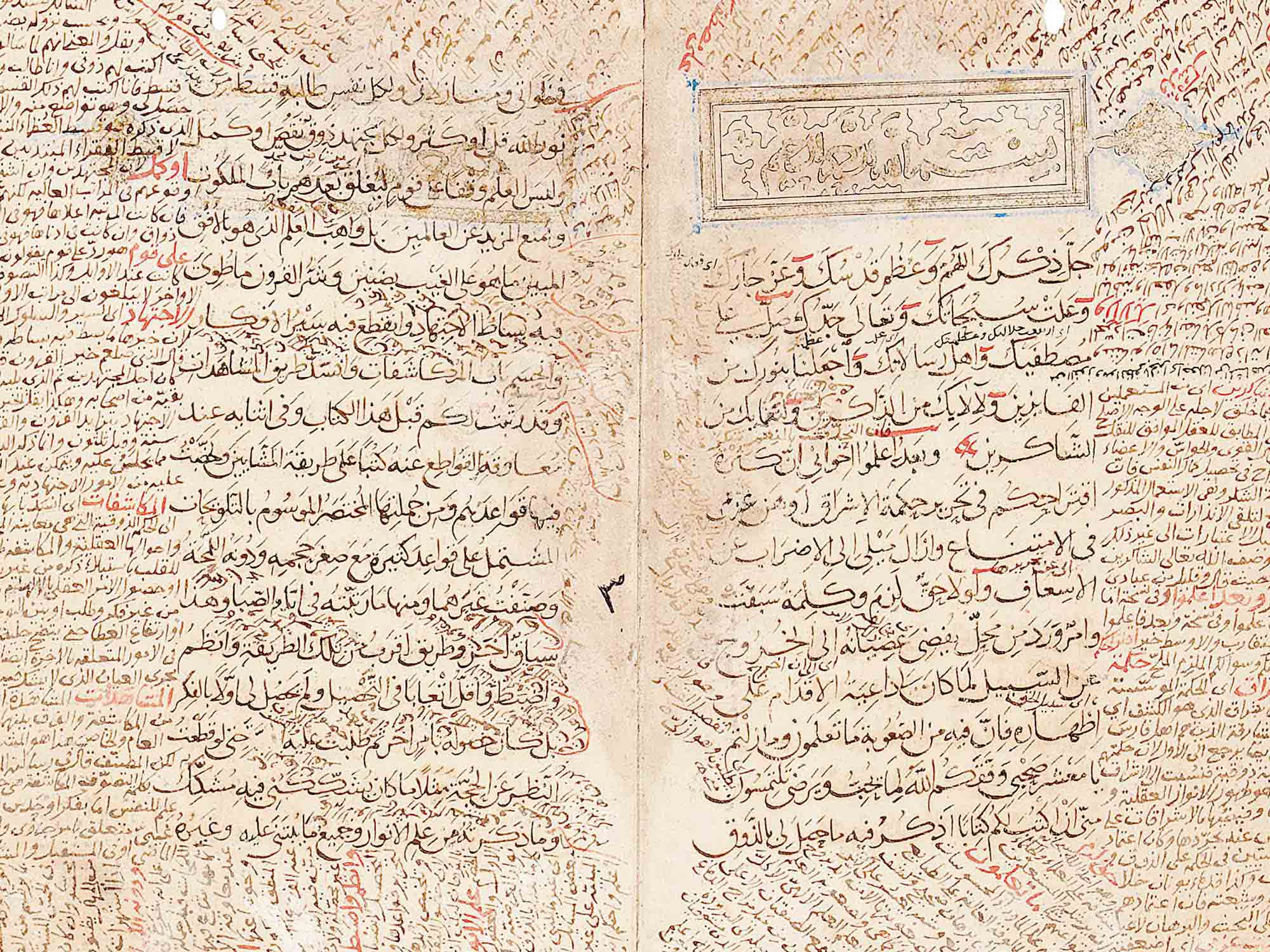
Thinking Is Presence in the Spirit
Mehdi Ha’iri Yazdi investigated the ‘I’ and created a bridge between philosophy and religion through his thinking. What is thinking? What is its purpose? What does thinking mean in the totality of human nature and in the whole plan of creation? Mehdi Ha’iri Yazdi (1923–1999) pursues these questions in a profound and independent way, distinct from what developed in the Western world since Descartes, mainly in discursive thinking. He was born in Iran and grew up in a family of…
Christine Gruwez · 02. Aug.

Reflection
The German-Jewish Issue
Christiane Leiste, former Waldorf teacher, conflict mediator, coach, and mindfulness teacher, hosted a special event at her seminar venue in Hamburg at the end of May. Fourteen people came to discuss German-Jewish trauma. The discussions were held in English. Myrna Lewis, founder of the “Lewis Deep Democracy Method” for conflict management, was a bit apprehensive about leading a discussion these days in Germany titled “The German-Jewish Issue.” In the end, she took the plunge and brought along her Jewish biography,…
Gilda Bartel, Ulrich Kaiser und Sibylle Wissmeyer · 02. Aug.
Conversation
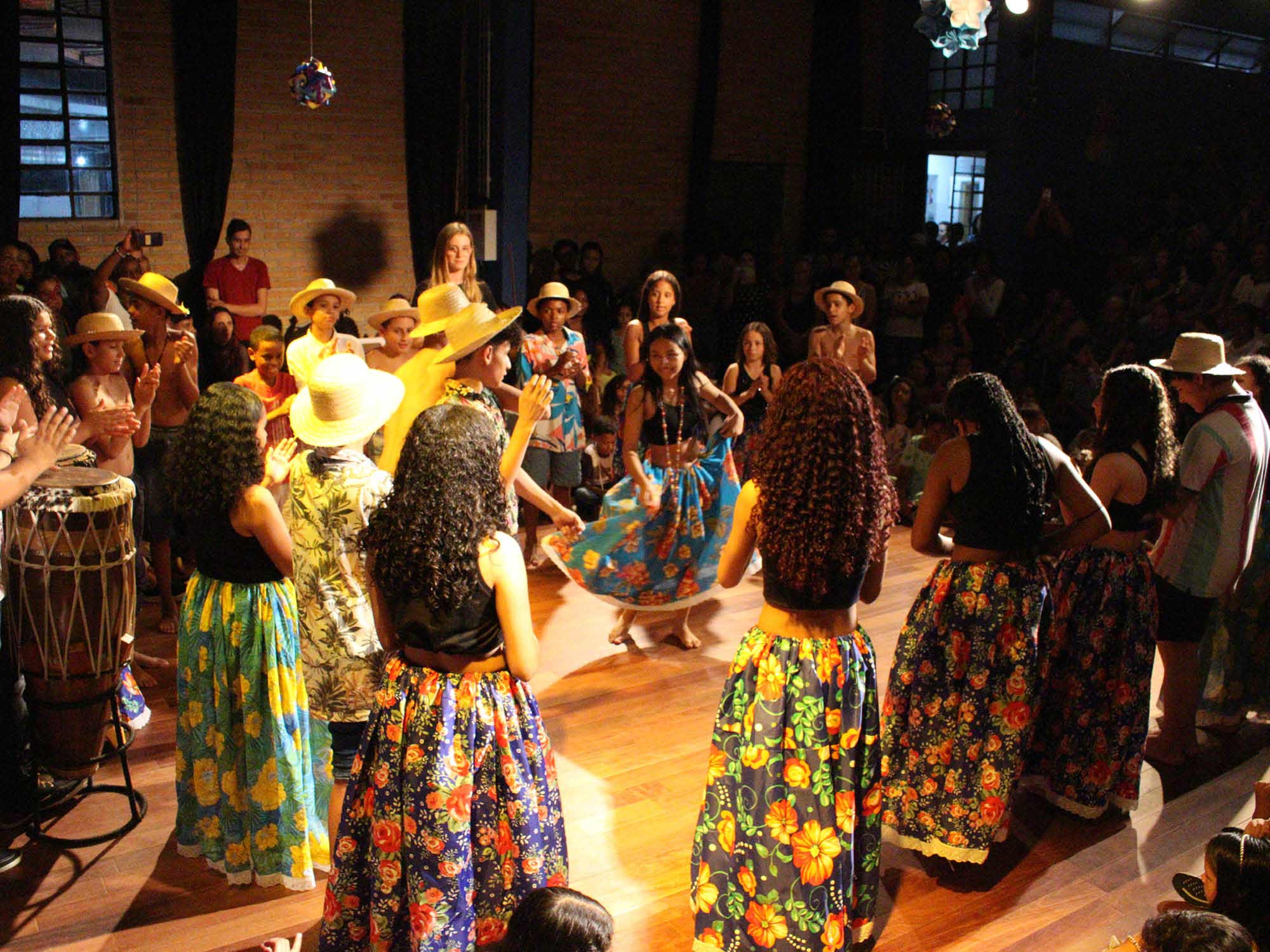
A Bridge between Realities
Monte Azul, Brazil. The Associação Comunitária Monte Azul is 45 years old. The Brazilian non-governmental organization runs an integrated slum development project on the outskirts of São Paulo. Its sources of inspiration are anthroposophy, Waldorf education, and anthroposophic medicine. An interview with co-founder Renate Keller Ignacio. What was the founding impulse behind the initiative? In 1979, Ute Craemer, Paulo Roberto Ignacio, and I started a unique social project in the Monte Azul favela, which has profoundly changed the lives of…
Paula Boslau · 02. Aug.
News
Stories that Move the World
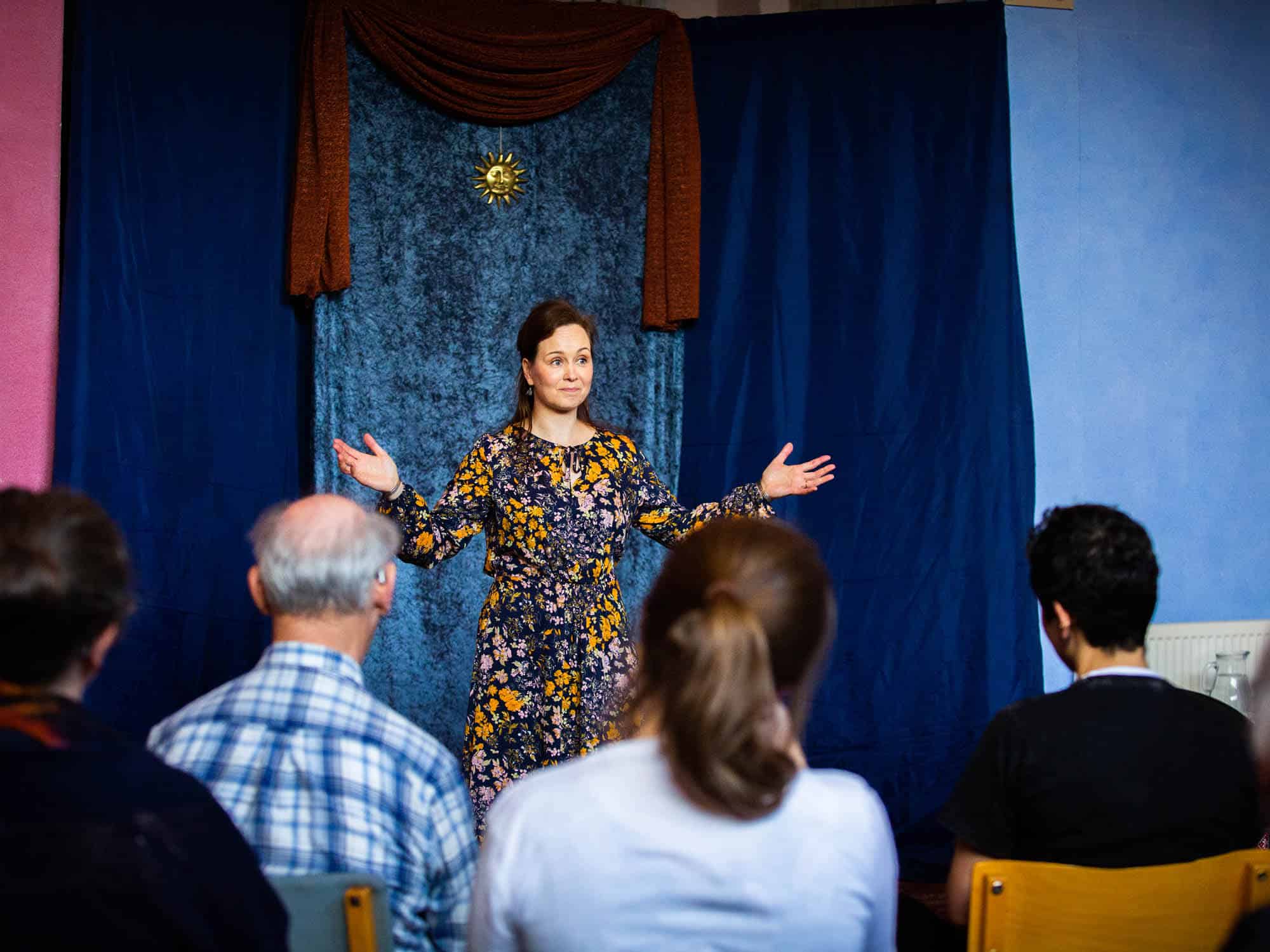
Forest Row, England. A course for storytellers. What makes a good story? Can words move the world? What has to happen in us for that to happen? These questions form the central theme of Storytelling Beyond Words, a twelve-week full-time course at Emerson College in the UK. From February 23 to May 23, 2025, a small group of participants will learn the art and craft of storytelling together. They will be preparing to bring the spoken word and a vivid…
Paula Boslau · 02. Aug.
News
Intimacy and Security in a Hedge
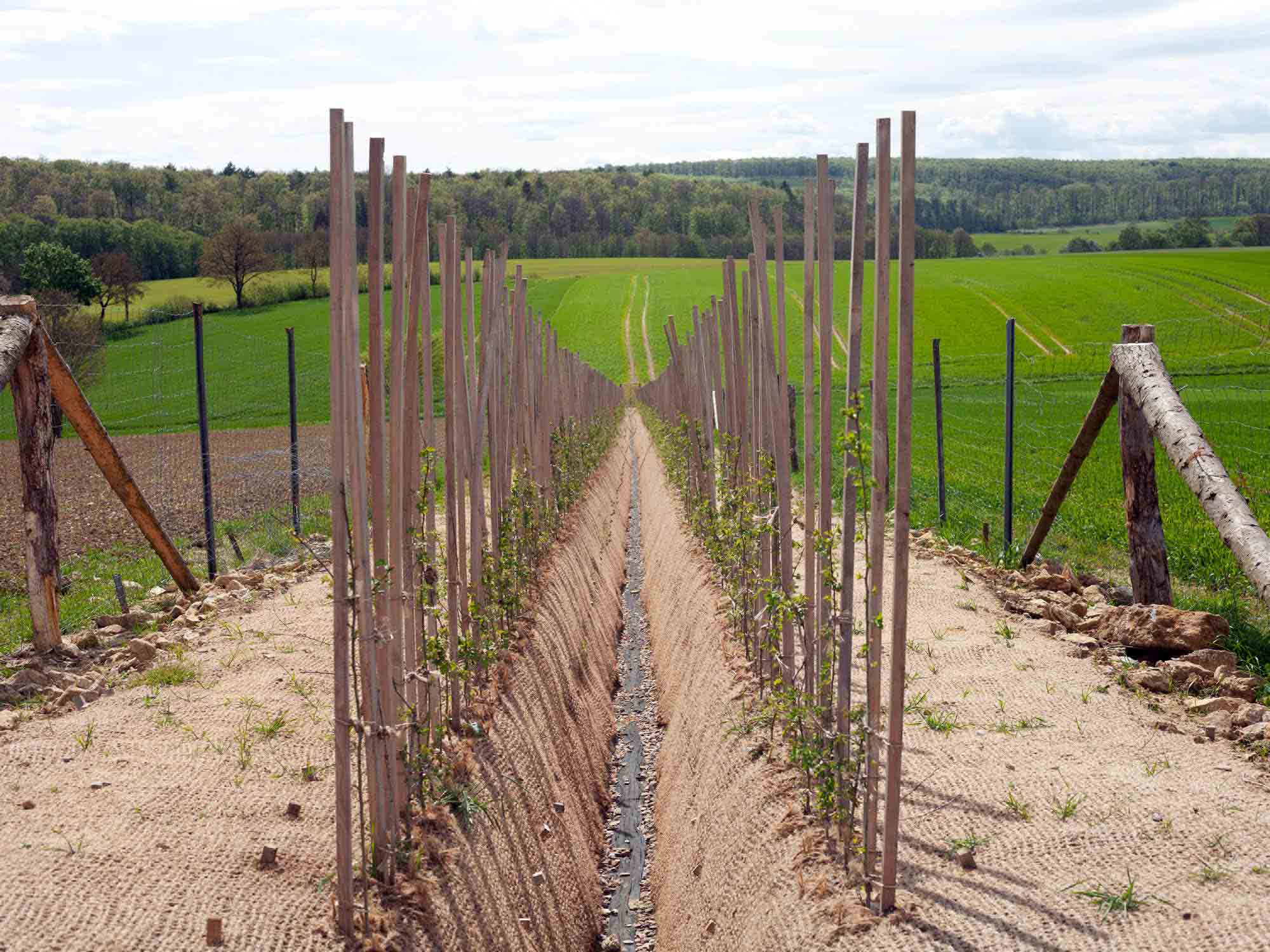
Nieheim, Germany. A Goldsworthy on biodynamic land. British artist Andy Goldsworthy is internationally renowned for his land art. Since 1989, he has been creating works of art from natural materials embedded in the landscape in various places worldwide. His mostly ephemeral creations have been immortalized in illustrated books. For the first time, a work of art by Goldsworthy is also being created in Germany, on the fields of the Demeter farm Gut Holzhausen in Westphalia, where the von der Borch…
Paula Boslau · 02. Aug.