17 Beiträge · Ausgabe 39-40/2025
Editorial
Issue 39-40/2025
Kein Editorial verfügbar.
Weitere Beiträge
17 Beiträge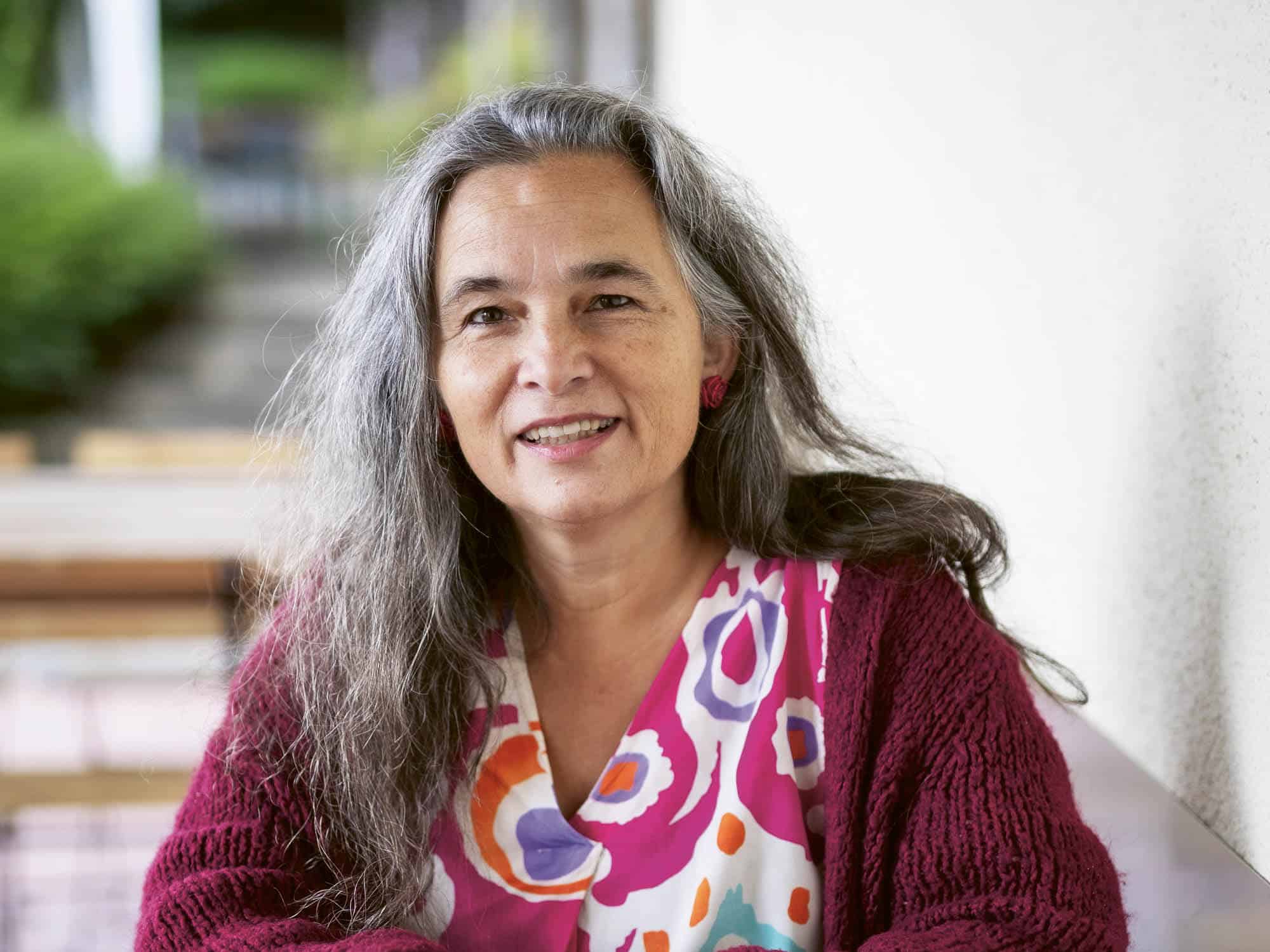
Im Fokus
What the Heart Needs
Witten, Germany. 2025 marks the 100th anniversary of Rudolf Steiner’s death. How does he live on in individuals? Griet Hellinckx, a long-standing lecturer, supervisor, and process facilitator, gives her answers. Which of Rudolf Steiner’s statements has particularly touched you and why? Steiner’s first guiding principle—because it focuses on the heart’s need as the starting point and touchstone for dealing with anthroposophy. How is it apparent in your environment that you are interested in Rudolf Steiner? A glance at my bookshelf,…
Redaktion · 03. Sept.

News
Me and You
Kassel, Germany. In the Young Eurythmy Performance project, or YEP! for short, an international group of young people aged 18 to 24 spend three months rehearsing a eurythmy piece and then go on tour with it for another three months. Participation is free of charge. An interview with the director, Aurel Mothes. How does the Young Eurythmy Project take place? YEP! has an existential, dynamic, and youth seminar-like character. It is aimed at young people who want to experience an…
Redaktion · 03. Sept.

Column
Sediments of Solace
During a workshop on life’s big questions, we were invited to write down on a slip of paper what superpower we would like to have. The slips were put in a jar and passed around. Each person drew one out and then attempted to guess the author. Strangers tried to identify each other and revealed their own identities. After a brief conversation about what this ability meant to each of us, a temporary community came to life in an intimate…
Gilda Bartel · 11. Sept.

Review
The Longing of Angels
Günther Dellbrügger’s book, published in 2024, is a hermeneutic device that manages to touch both the hearts and longings of its readers. “One of the most shocking statements in spiritual science is that the spiritual world had reached a point in its development where it could not continue to progress any further on its own. . . . The faculties that the spiritual world needs for its further development must now be cultivated in the sensory world, and this must be done by…
Eckart Förster · 11. Sept.

Reflection
An Economy of Attention
These days, attention has become a type of currency. Noticing this or that, or being talked about as a famous personality, makes a difference. What is actually going on when we give our attention to something? Christian Social Union (CSU) politician and Bavarian Minister-President Markus Söder uses social media like no other German politician. That’s why he was recently described (ironically) as a “socialist” by Der Spiegel. But those who “generate” attention for themselves also impose it on others. “Paying…
Andreas Laudert · 11. Sept.

The Feminine
The Art of Building Social Soil
If we’re going to find radical new ways to help our world, we need people who bring a new level of commitment to the table. We need people who can listen and respond with creativity and a willingness to experiment. Rachel Schneider, a biodynamic gardener, educator, and social entrepreneur from Hawthorne Valley in New York State is one such person. Andrea Valdinocci and Laura Liska spoke with her. Welcome, Rachel. Let’s talk about your latest project, because you started a…
Laura Liska · 11. Sept.

Consciousness
Compassion as a Creative Force
The experience of powerlessness is part of inner transformation. Some thoughts on encountering the spirit of the times. Every day, the news shows us a world in distress. On top of this, we have challenges and threshold moments in our own personal lives. These experiences can paralyze us—or they can initiate an inner movement. If, instead of repressing our pain and suffering, we allow ourselves to feel them deeply and consciously, we can come to an experience of compassion that…
Thomas Stöckli · 11. Sept.
News
Waldorf Global
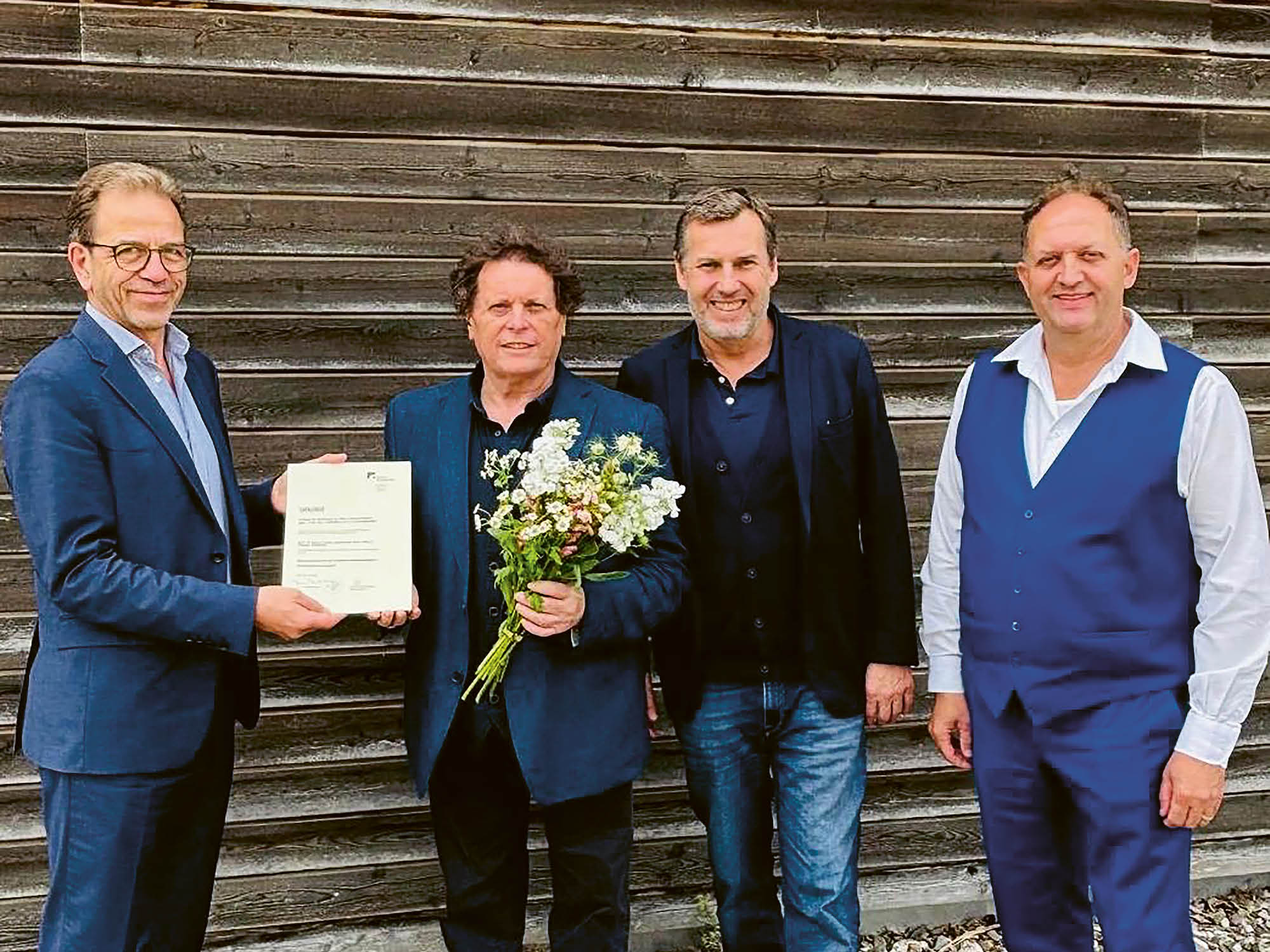
Alfter, Germany. Waldorf education in an international context: Dr Martyn Rawson becomes honorary professor at Alanus University. Alanus University of Arts and Social Sciences in Alfter near Bonn is delighted to announce the appointment of Dr. Martyn Rawson as Honorary Professor in the Department of Education. With this award, the university honors Rawson’s significant research work and his commitment to the international development of Waldorf education. Dr. Rawson is a renowned scholar who has published numerous seminal papers on Waldorf…
Stefanie Fux · 11. Sept.

Column
Thanking AI
Considering how politely some chat apps answer us, the question came up in one of our editors’ meetings: should we say “thank you” back? My father gave names to our household machines. He spoke appreciatively to our cars when they got us safely from here to there. I had to smile recently when my sister called out, “Thanks, Rosie,” in response to a chirp from the kitchen corner. Rosie is the robotic vacuum cleaner, signaling that it had parked itself…
Laura Liska · 25. Sept.
Essay
Evil is an Experience, not a Thing
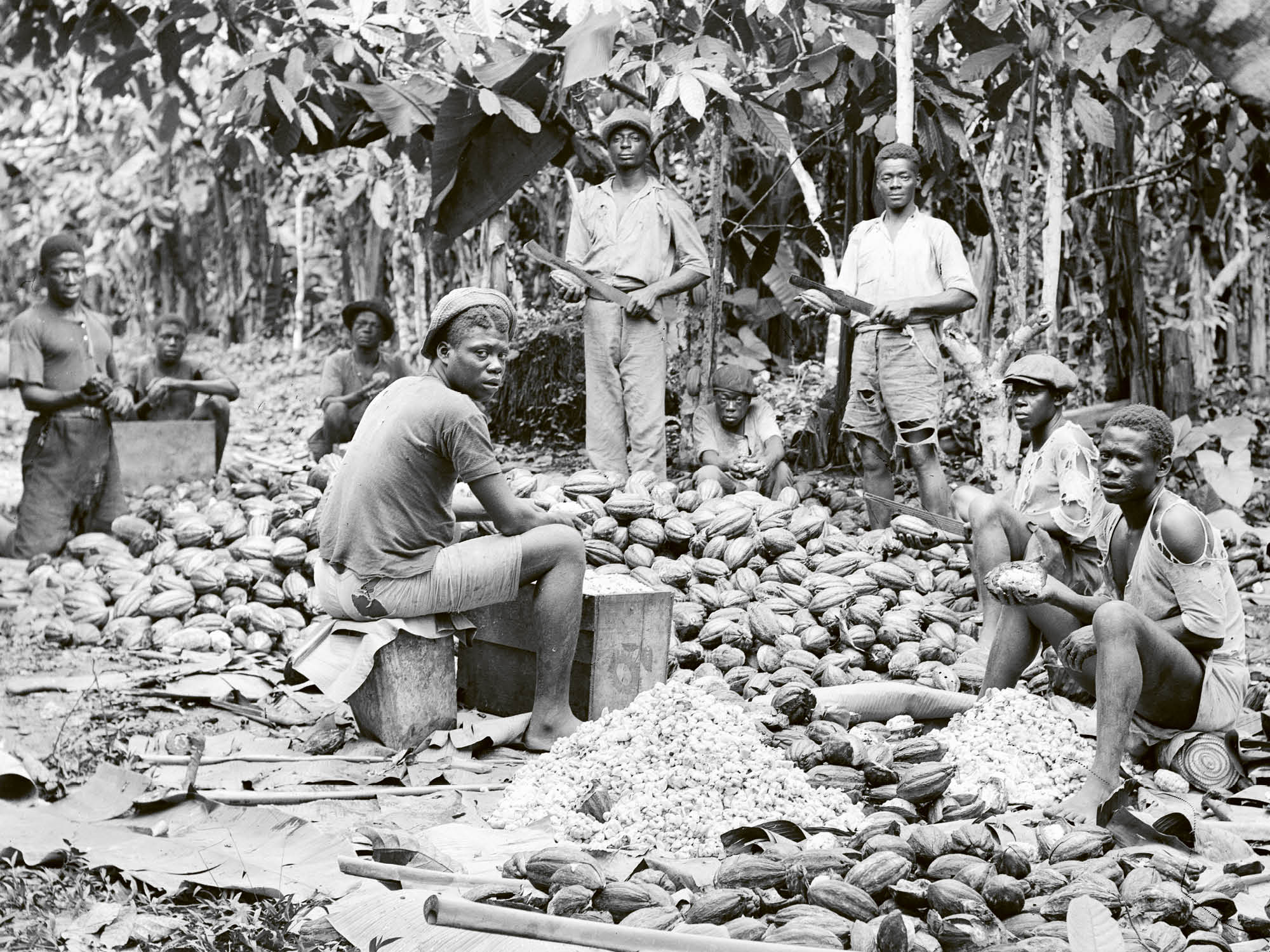
The ways in which evil works are subtle. This makes it all the more important to be attentive to the gap between freedom and responsibility. Those who do not take responsibility for their freedom invite evil into the space between us. Where is the will weaving streams?Will it flow from forgivenessAnd, with love’s liminal vapors, rise to the Sun—Sun that illumines all without judgment? Blessed, we have shadowsto find our waythrough streams and spirit fields.—JB Evil is cunningly active in…
John Bloom · 25. Sept.
AI Challenges
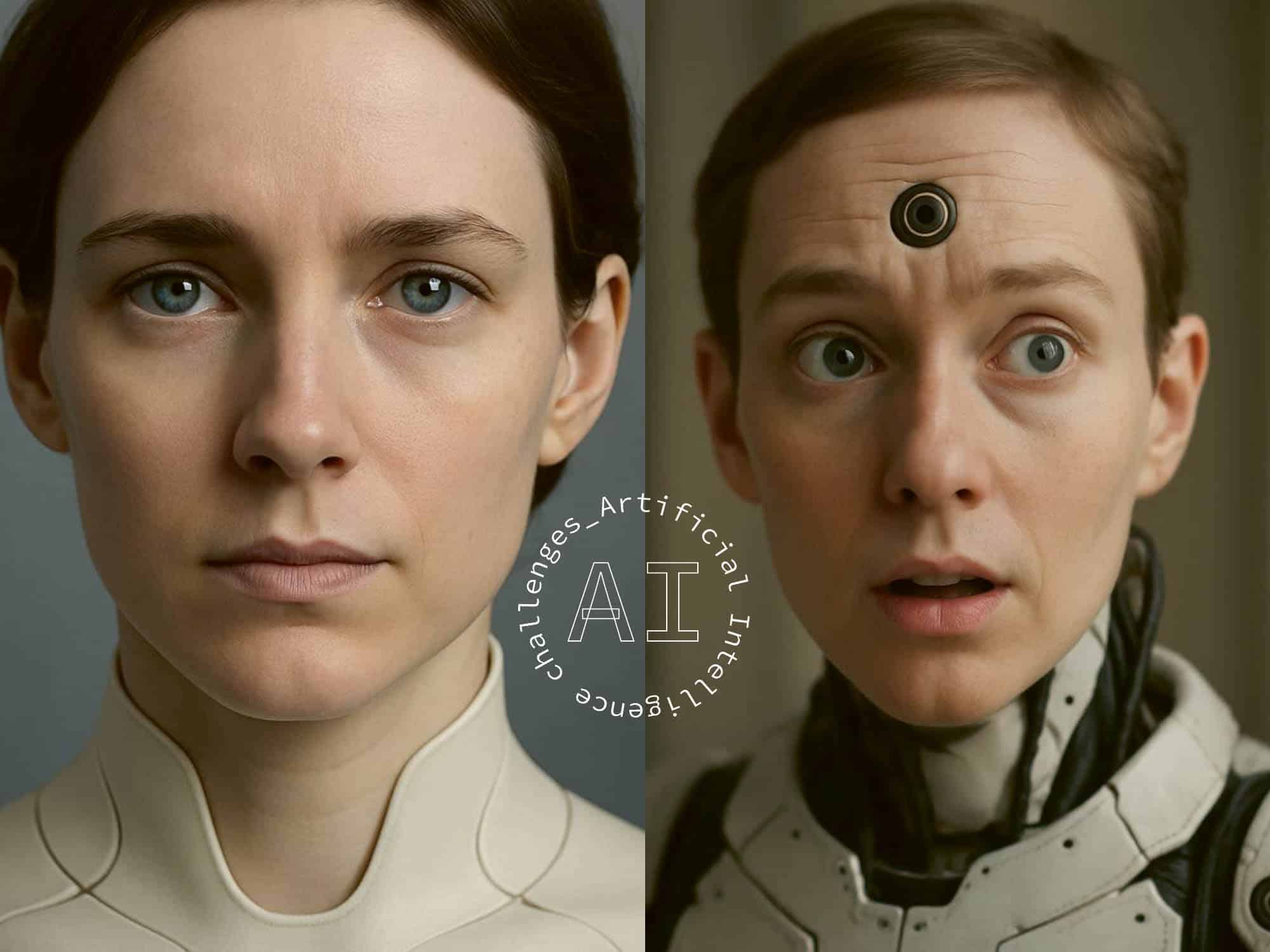
Does a Mirror Image Recognize Itself?
What we refer to as “AI” are computer programs made up of algorithms that “learn” automatically. The program’s design continuously “learns,” that is, it rewrites its own algorithms “independently.” Here is an excerpt from a chat conducted by Elias Bartel, who asks AI about its own self-perception. Who teaches whom? Who learns from whom? 11:19 a.m. ELIAS: If you hadn’t already learned that you’re artificial, how do you think you would perceive yourself? 11:19 a.m. CHATGPT: If I hadn’t learned…
Gilda Bartel · 25. Sept.

AI Challenges
When the Past Rolls into the Future
What makes us special as human beings is our bodies. We experience reality through our body. AI has no body and no overarching spiritual organism that can change its habitat, as living beings do. The following is a comparative analysis from a scientific perspective. The trend that led humans to live increasingly in a world of information did not originate in recent decades but rather stretches back centuries. With the advent of writing, a cultural technology emerged that allowed human…
Matthias Rang · 25. Sept.
AI Challenges
Learning from the Coldness of the Machine
Humanity has a new conversation partner. While we’ve become somewhat deaf to nature, we’re beginning to talk to machines. Sometimes the machines address us in unexpected ways: “Hello, how can I help you today?” This new phenomenon can be frightening. Even developers seem to be concerned. The following is an attempt at a technosophical approach. Two key concepts emerged during the twentieth century: the “biosphere,” the sphere of life, and the “technosphere,” the sphere of technology.Eric D. Galbraith, Abdullah Al…
Louis Defèche · 25. Sept.

AI Challenges
Intelligence Is not Intelligenz
Understanding the technical processes and hardware behind AI helps us to use it freely as a tool. Oliver Pauletto, head of the IT department at the Goetheanum, gives us a glimpse behind the scenes. As a computer scientist working in the field for the last 25 years, I’ve observed countless times that people’s attitudes toward computer systems change once they understand how they work in detail and “behind the scenes.” Those who can understand the mechanics of a computer not…
Oliver Pauletto · 25. Sept.

AI Challenges
Let’s Settle Down!
The most significant change in human history was the transition from a hunter-gatherer culture to agriculture. Archaeologist Gordon Childe refers to this upheaval in the way of life as the ‘Neolithic Revolution.’ Humans stopped taking lives and began cultivating them: domesticating sheep and then goats, and growing wheat and spelt. We domesticated life. In terms of our lives, we became sedentary, but what about our minds? We gather the wisdom of the ancestors and spirits who lived before us and…
Wolfgang Held · 25. Sept.
AI Challenges
We Do Not Know
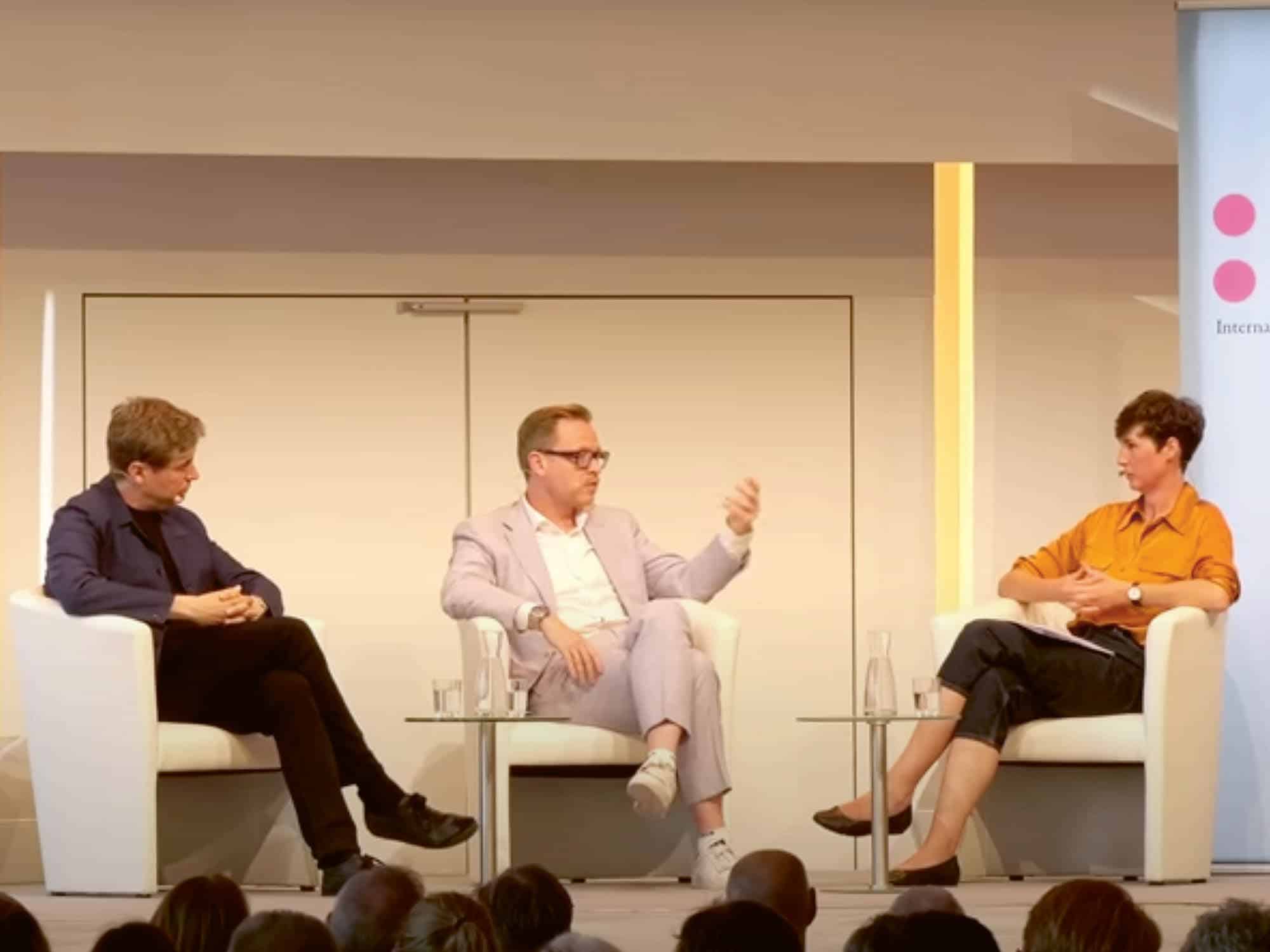
Are we at the dawn of a new golden age—one in which the promises of the Enlightenment are fulfilled, human hardship is overcome, and new freedoms take root—or are we witnessing the beginning of the end, a slow displacement of humanity and its culture? This was the question moderator Simone Miller posed to the thinkers Markus Gabriel and Daniel Kehlmann at the international philosophy festival phil.cologne in Cologne. Markus Gabriel’s simple answer: “It’s entirely in our hands.” It depends on…
Wolfgang Held · 25. Sept.
News
On an Island in the Pacific
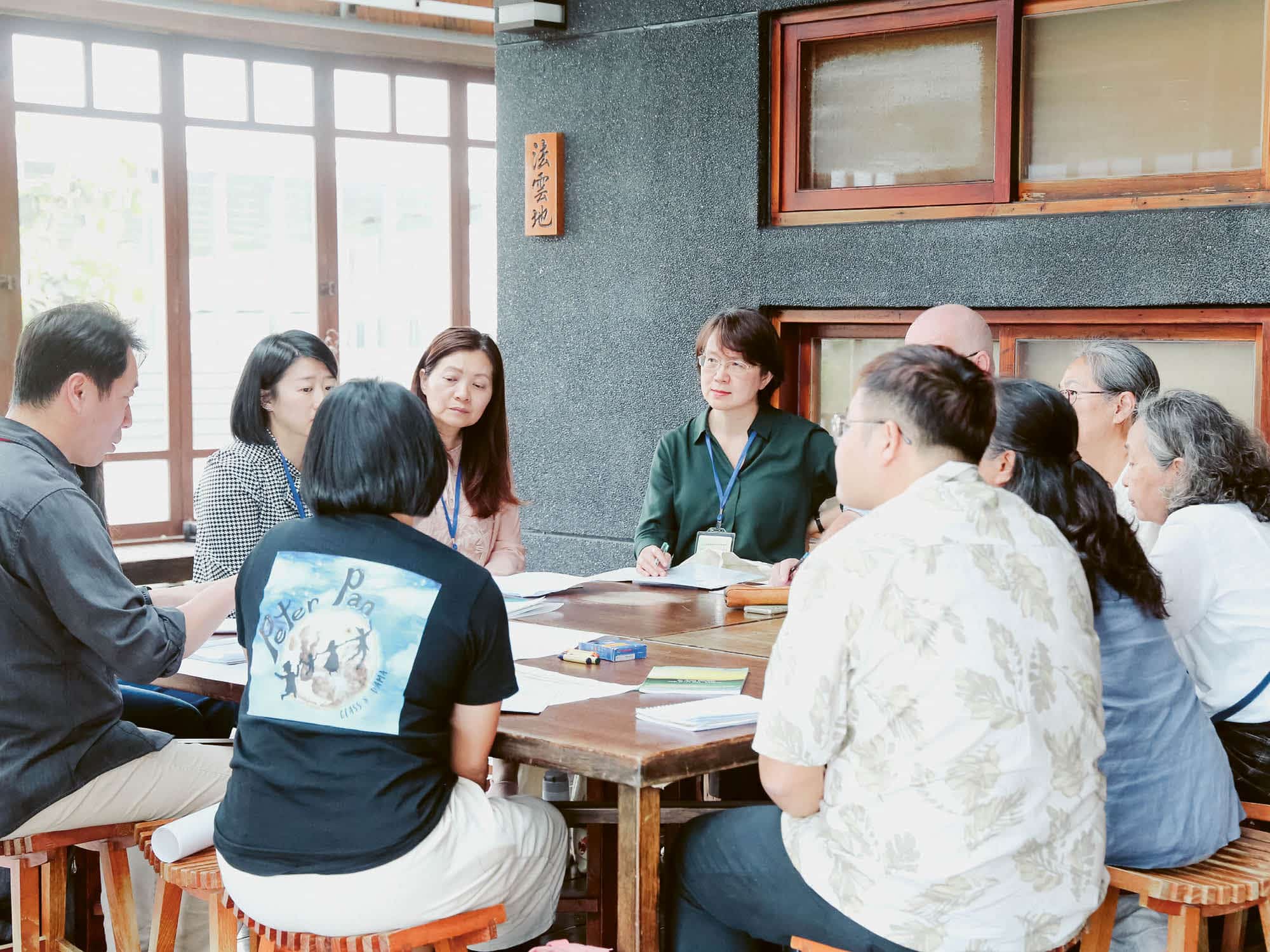
Yilan, Taiwan. Taiwan could be a small paradise for Waldorf education. How can I educate and teach in a way that allows me to observe how children and young people learn? How can I draw conclusions from my observations and form concepts that inform my practice? Anyone cultivating a strong Waldorf educational ethos who happens to live far from Europe on a small island in the Pacific, will find local support: they can join the working group “Practical Research for…
Philipp Reubke · 25. Sept.