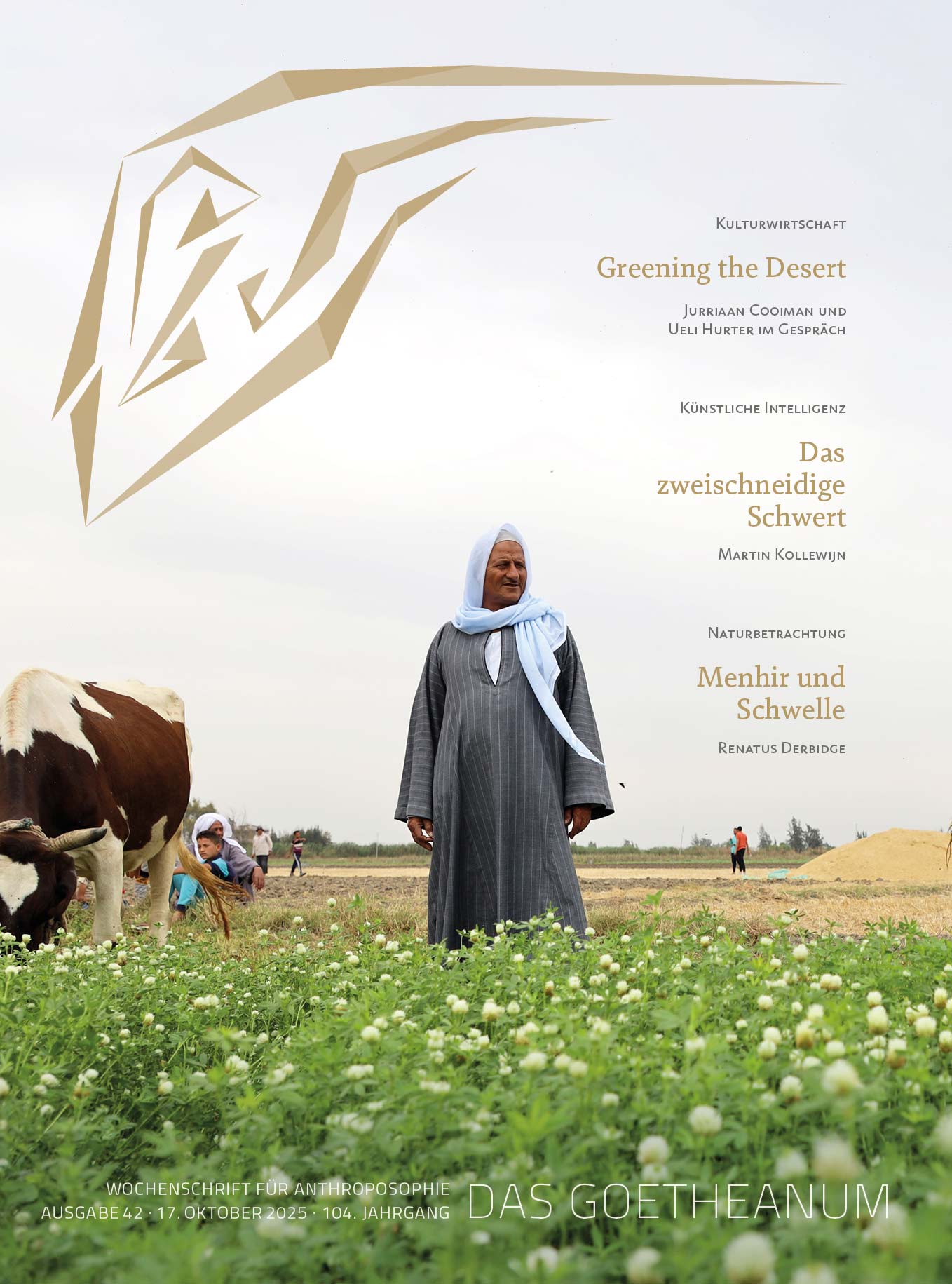
16 Beiträge · Ausgabe 42/2025
Editorial
Issue 42/2025
Kein Editorial verfügbar.
Weitere Beiträge
16 Beiträge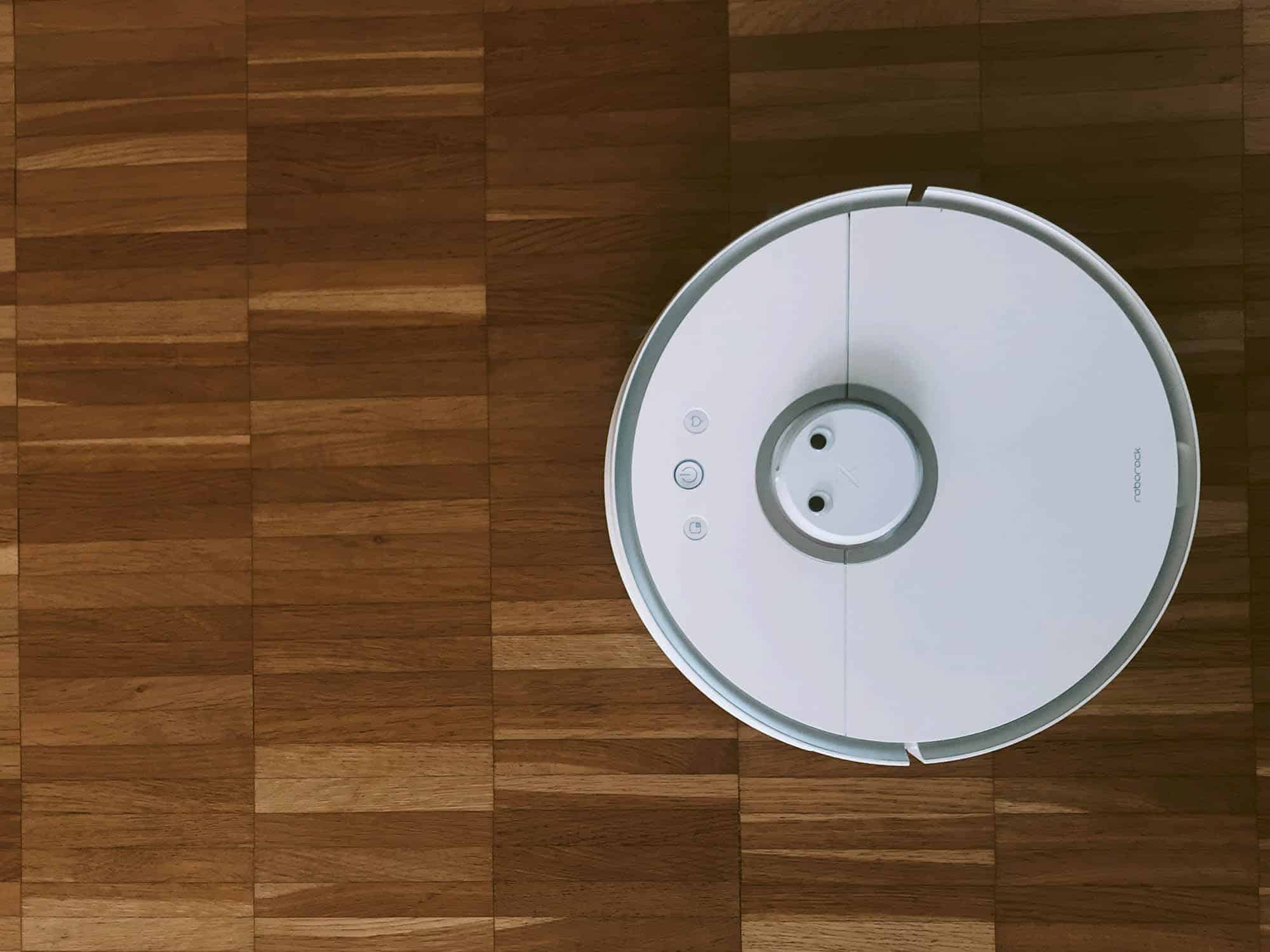
Im Fokus
Thanking AI
Considering how politely some chat apps answer us, the question came up in one of our editors’ meetings: should we say “thank you” back? My father gave names to our household machines. He spoke appreciatively to our cars when they got us safely from here to there. I had to smile recently when my sister called out, “Thanks, Rosie,” in response to a chirp from the kitchen corner. Rosie is the robotic vacuum cleaner, signaling that it had parked itself…
Laura Liska · 25. Sept.
Essay
Evil is an Experience, not a Thing
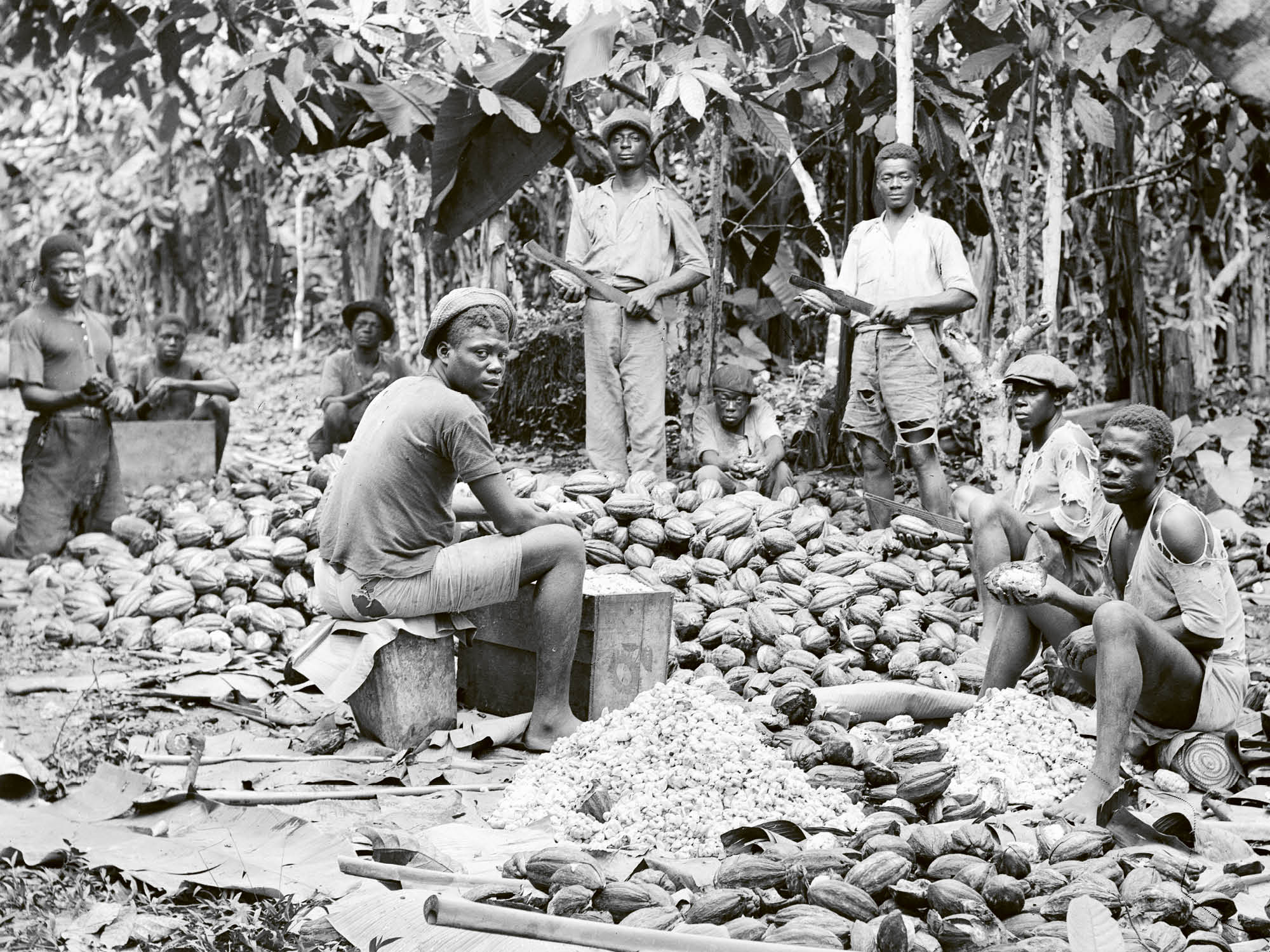
The ways in which evil works are subtle. This makes it all the more important to be attentive to the gap between freedom and responsibility. Those who do not take responsibility for their freedom invite evil into the space between us. Where is the will weaving streams?Will it flow from forgivenessAnd, with love’s liminal vapors, rise to the Sun—Sun that illumines all without judgment? Blessed, we have shadowsto find our waythrough streams and spirit fields.—JB Evil is cunningly active in…
John Bloom · 25. Sept.
AI Challenges
Does a Mirror Image Recognize Itself?
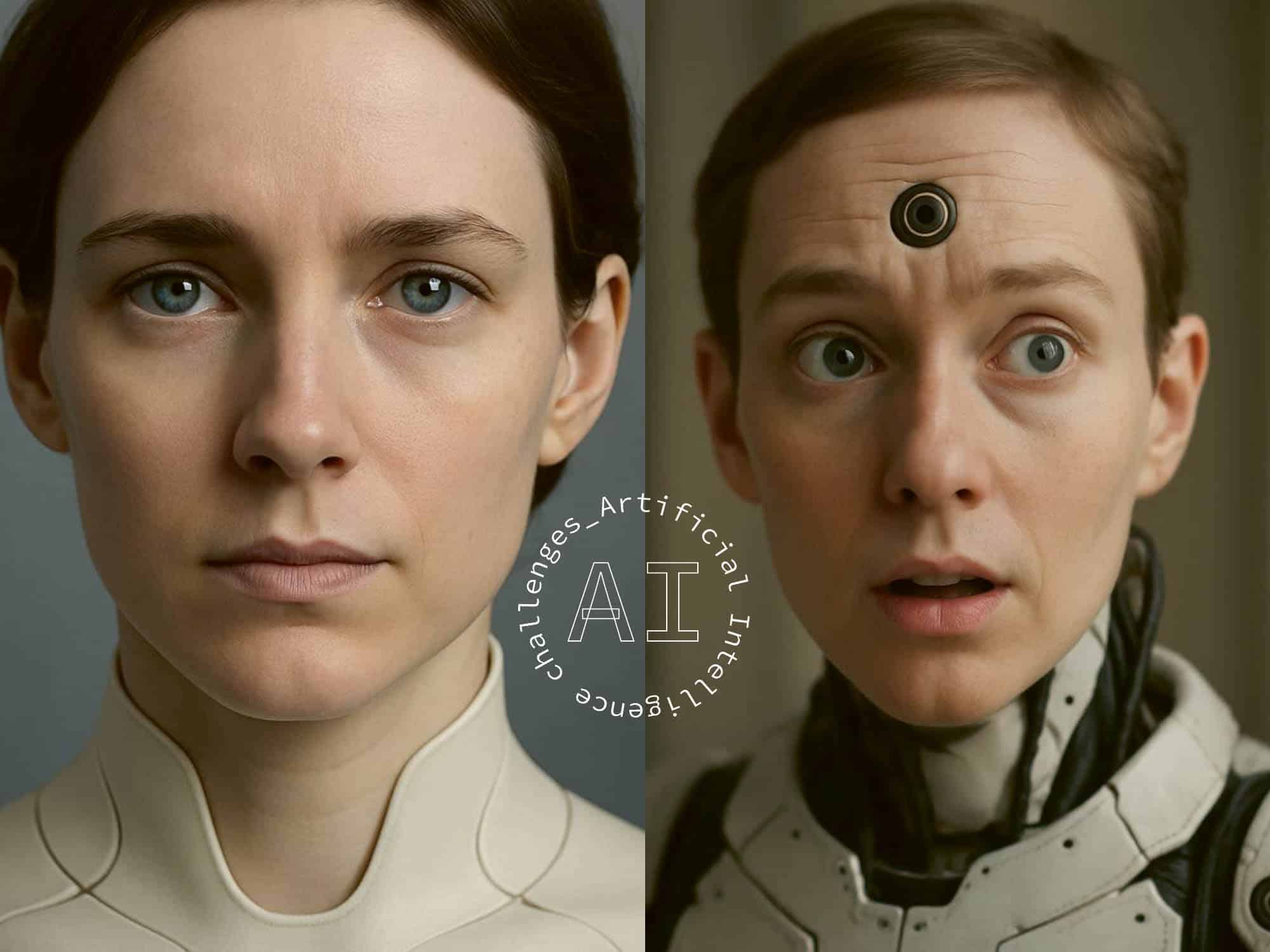
What we refer to as “AI” are computer programs made up of algorithms that “learn” automatically. The program’s design continuously “learns,” that is, it rewrites its own algorithms “independently.” Here is an excerpt from a chat conducted by Elias Bartel, who asks AI about its own self-perception. Who teaches whom? Who learns from whom? 11:19 a.m. ELIAS: If you hadn’t already learned that you’re artificial, how do you think you would perceive yourself? 11:19 a.m. CHATGPT: If I hadn’t learned…
Gilda Bartel · 25. Sept.

AI Challenges
When the Past Rolls into the Future
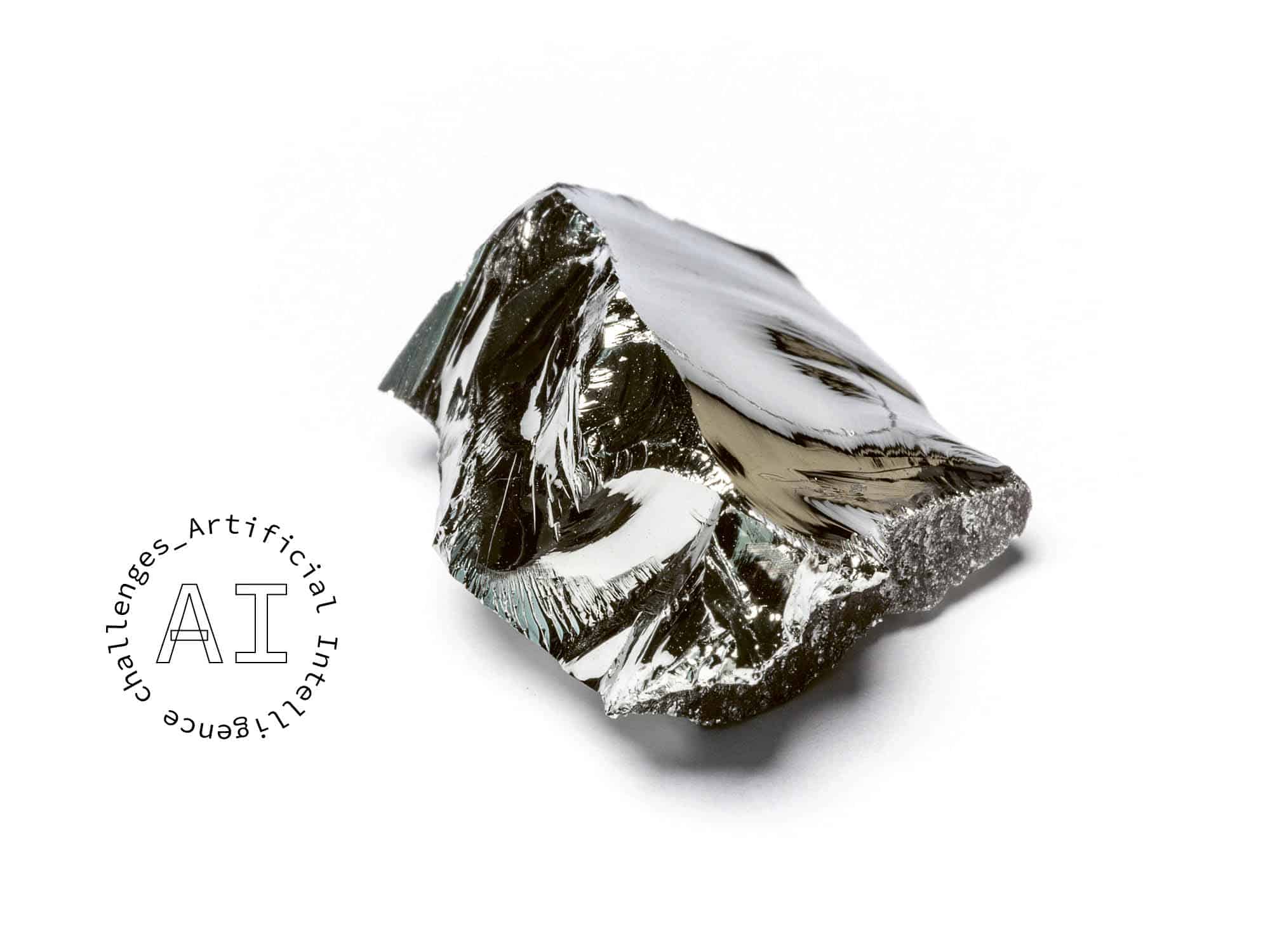
What makes us special as human beings is our bodies. We experience reality through our body. AI has no body and no overarching spiritual organism that can change its habitat, as living beings do. The following is a comparative analysis from a scientific perspective. The trend that led humans to live increasingly in a world of information did not originate in recent decades but rather stretches back centuries. With the advent of writing, a cultural technology emerged that allowed human…
Matthias Rang · 25. Sept.
AI Challenges
Learning from the Coldness of the Machine
Humanity has a new conversation partner. While we’ve become somewhat deaf to nature, we’re beginning to talk to machines. Sometimes the machines address us in unexpected ways: “Hello, how can I help you today?” This new phenomenon can be frightening. Even developers seem to be concerned. The following is an attempt at a technosophical approach. Two key concepts emerged during the twentieth century: the “biosphere,” the sphere of life, and the “technosphere,” the sphere of technology.Eric D. Galbraith, Abdullah Al…
Louis Defèche · 25. Sept.

AI Challenges
Intelligence Is not Intelligenz
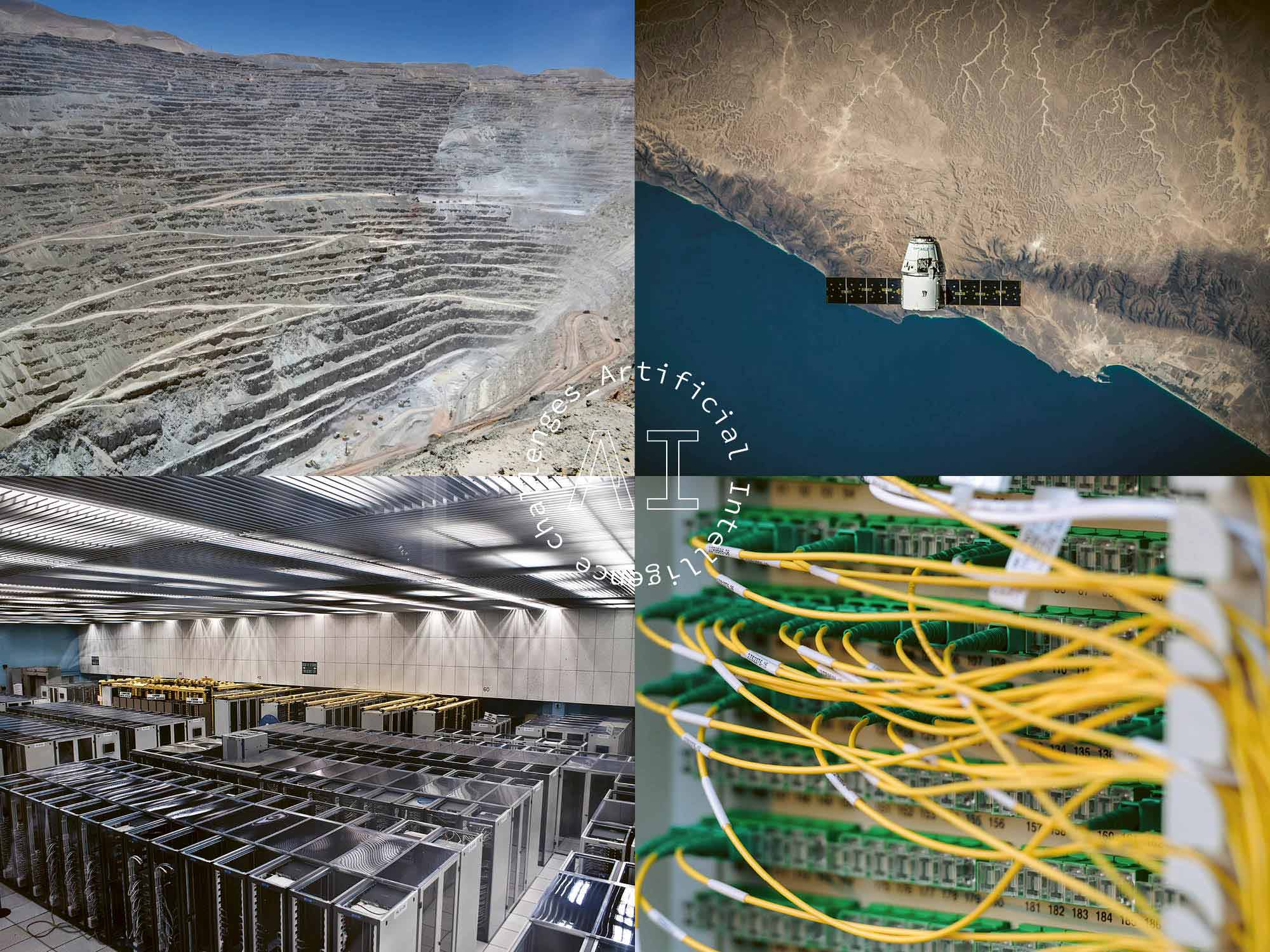
Understanding the technical processes and hardware behind AI helps us to use it freely as a tool. Oliver Pauletto, head of the IT department at the Goetheanum, gives us a glimpse behind the scenes. As a computer scientist working in the field for the last 25 years, I’ve observed countless times that people’s attitudes toward computer systems change once they understand how they work in detail and “behind the scenes.” Those who can understand the mechanics of a computer not…
Oliver Pauletto · 25. Sept.
AI Challenges
Let’s Settle Down!
The most significant change in human history was the transition from a hunter-gatherer culture to agriculture. Archaeologist Gordon Childe refers to this upheaval in the way of life as the ‘Neolithic Revolution.’ Humans stopped taking lives and began cultivating them: domesticating sheep and then goats, and growing wheat and spelt. We domesticated life. In terms of our lives, we became sedentary, but what about our minds? We gather the wisdom of the ancestors and spirits who lived before us and…
Wolfgang Held · 25. Sept.
AI Challenges
We Do Not Know
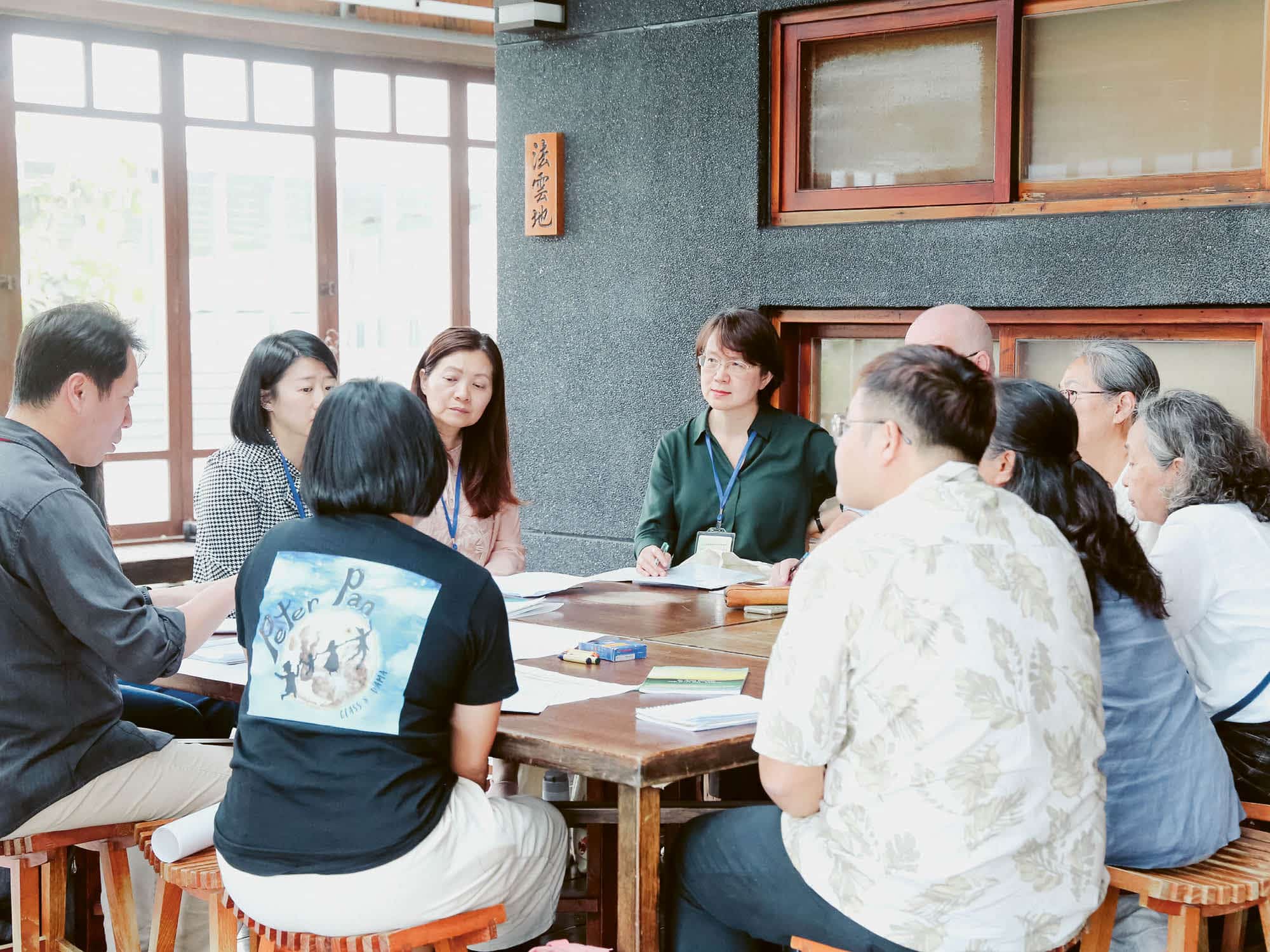
Are we at the dawn of a new golden age—one in which the promises of the Enlightenment are fulfilled, human hardship is overcome, and new freedoms take root—or are we witnessing the beginning of the end, a slow displacement of humanity and its culture? This was the question moderator Simone Miller posed to the thinkers Markus Gabriel and Daniel Kehlmann at the international philosophy festival phil.cologne in Cologne. Markus Gabriel’s simple answer: “It’s entirely in our hands.” It depends on…
Wolfgang Held · 25. Sept.
News
On an Island in the Pacific
Yilan, Taiwan. Taiwan could be a small paradise for Waldorf education. How can I educate and teach in a way that allows me to observe how children and young people learn? How can I draw conclusions from my observations and form concepts that inform my practice? Anyone cultivating a strong Waldorf educational ethos who happens to live far from Europe on a small island in the Pacific, will find local support: they can join the working group “Practical Research for…
Philipp Reubke · 25. Sept.
Column
To Tame Is to Love
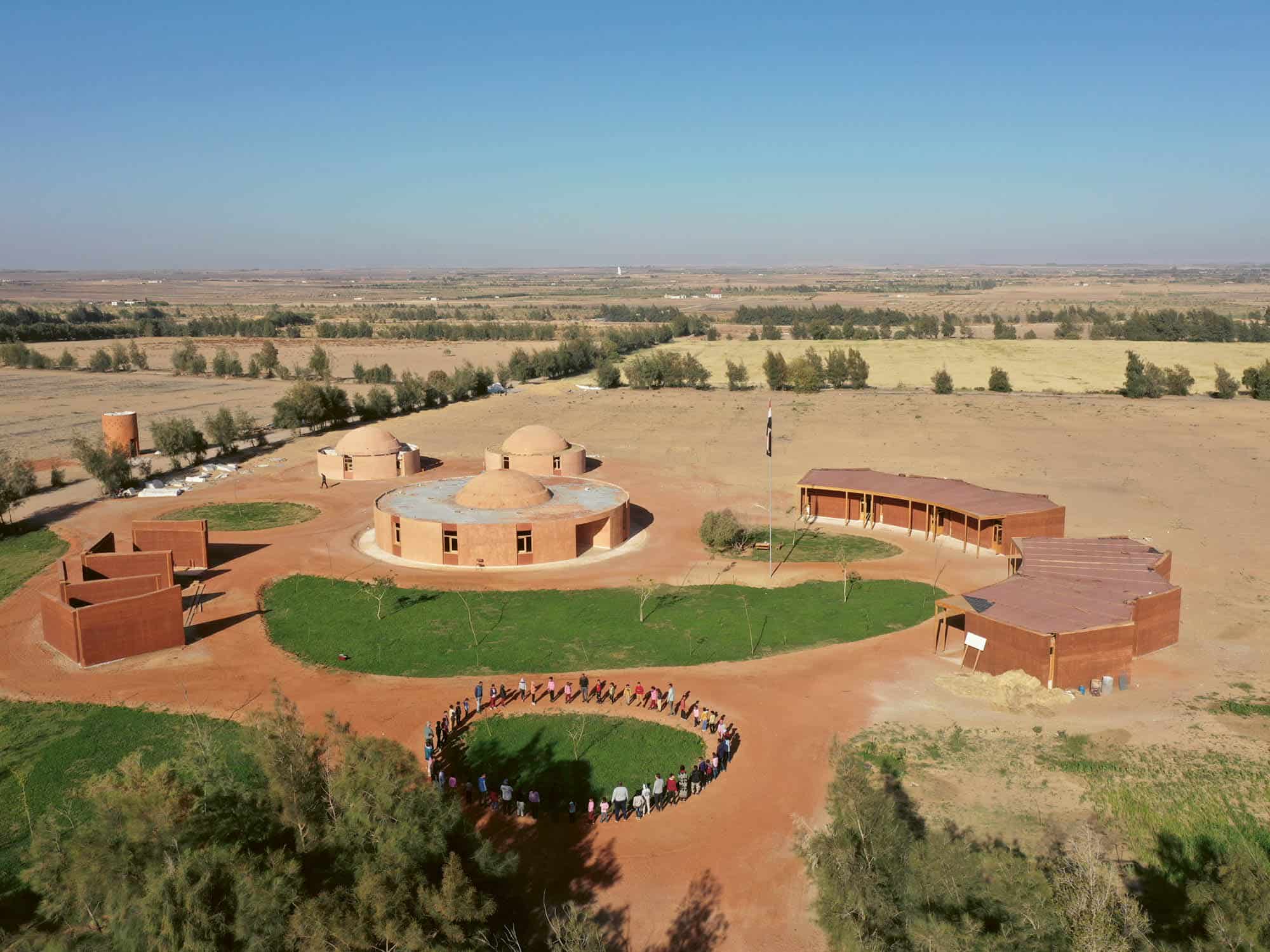
“In the beginning, God created the heavens and the earth. But the earth was chaos and confusion. Darkness was upon the face of the primordial depths. The spirit of God hovered over the face of the waters.” The Bible translation by Martin Buber and Franz Rosenzweig begins with how we might imagine a desert wasteland to be—something is not yet in order; wildness still rages untamed. One of humanity’s tasks is to lead nature into cooperation with us humans. Every…
Gilda Bartel · 16. Okt.

Essay
The Double-Edged Sword of Artificial Intelligence
Technology evolves up through our bodily members: first, it replaced the foot and hand—our will; then, our middle region, by reproducing images, sounds, and feelings; and now, human thought. Similar to our neurons, a network is now raising its head. A cry rings out… The cosmos and nature reveal an immeasurable wisdom. At one time, this wisdom was creative. Now, it’s no longer so, and even the harmony of the universe seems fragile. We can speak of an “original cosmic…
Martin Kollewijn · 16. Okt.
Meditation
Menhir and the Threshold
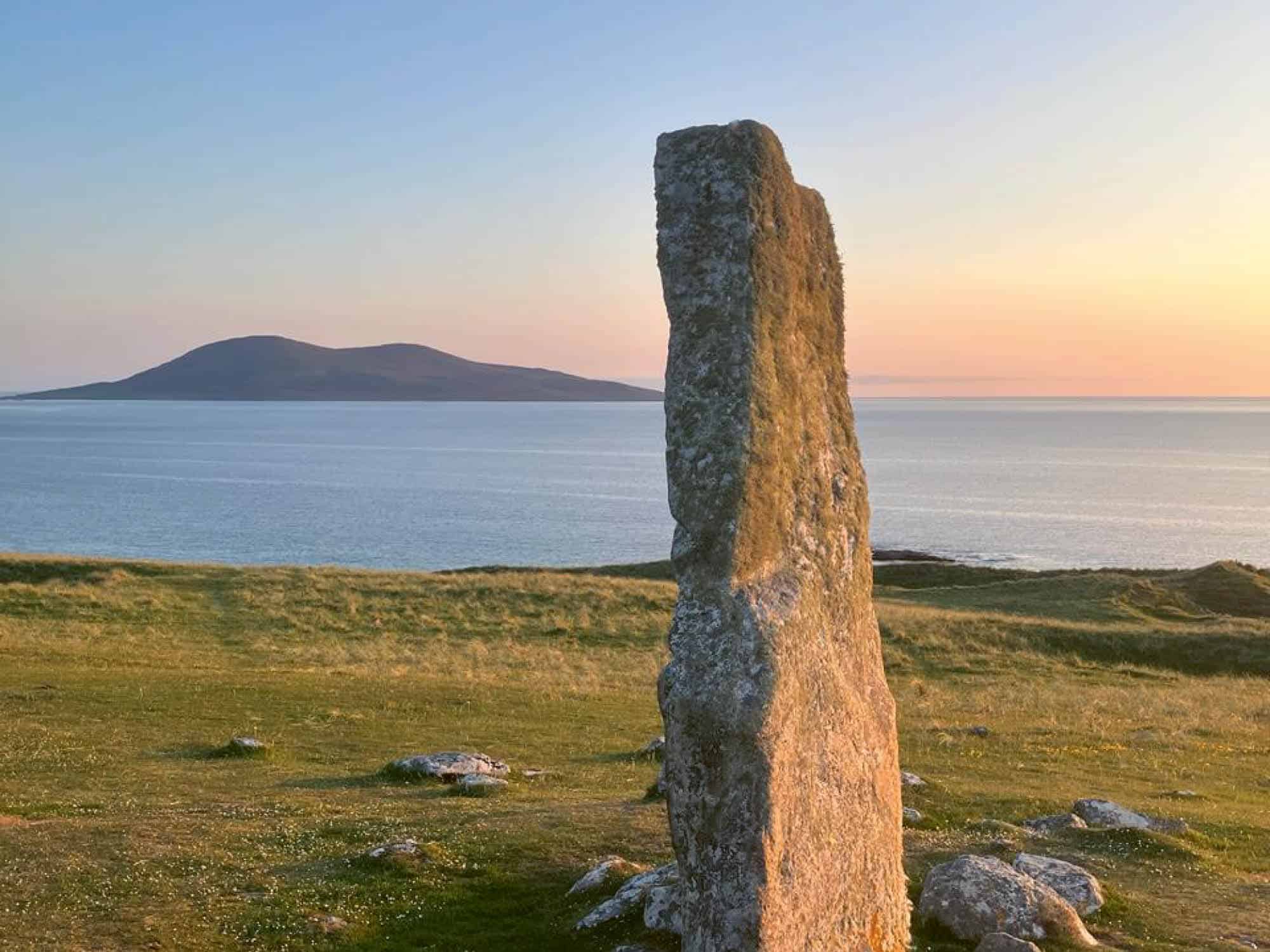
Between the expansiveness of summer and the tranquility of winter, autumn is a threshold for practicing inwardness. Menhirs, standing stones, are particularly inviting for such a practice and lead the self to uprightness. Autumnal Light There is a threshold between summer’s expansiveness and winter’s rest. In many areas, including here in Germany and Switzerland, there are upright stones, standing inconspicuously and silent. They allow us to practice an autumnal seriousness—a sincerity and steadfastness—as a transition from our external life in…
Renatus Derbidge · 16. Okt.
Conversation
Greening the Desert: Between Vision and Foresight
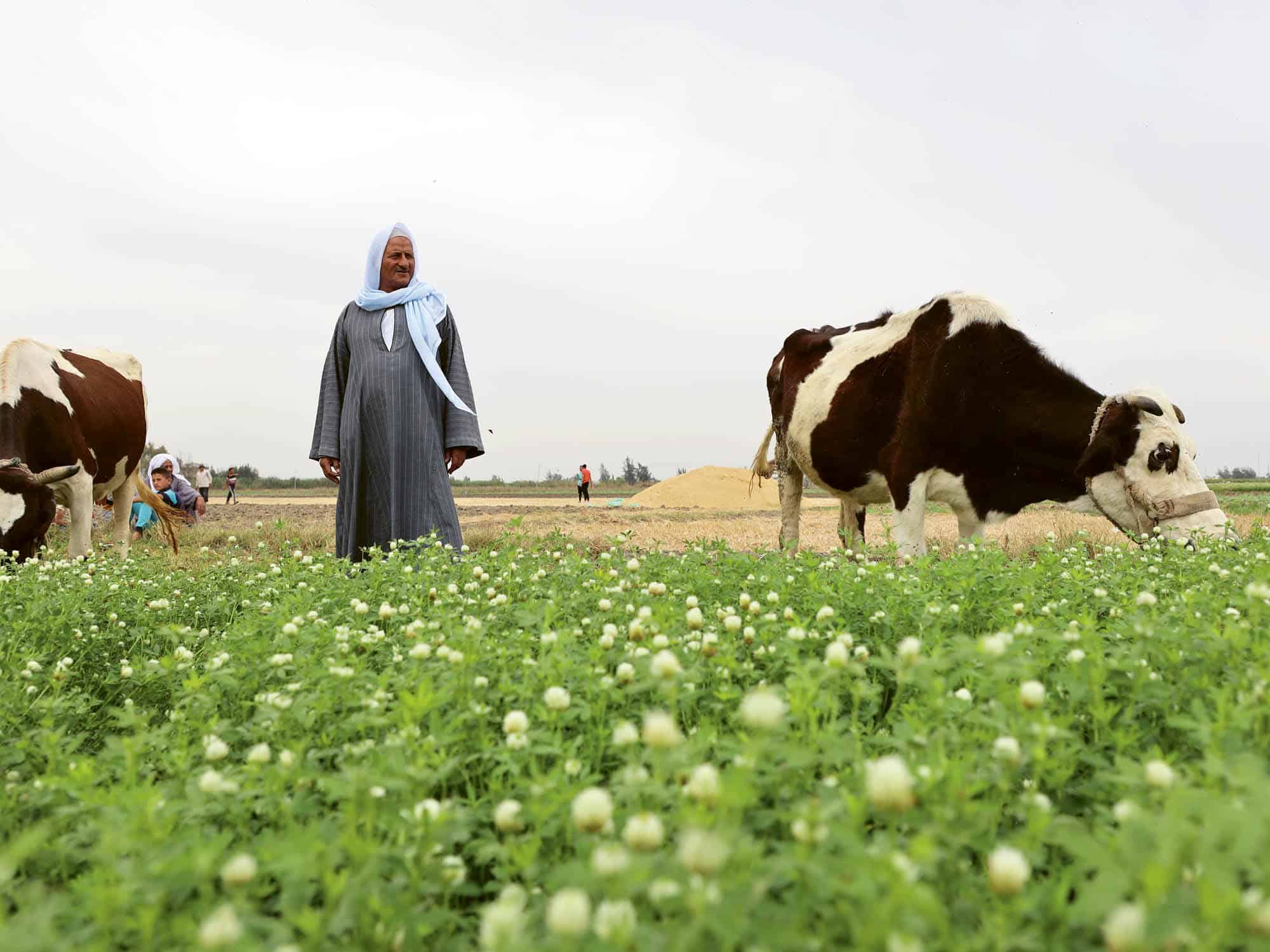
The Goetheanum warmly invites everyone to “Greening the Desert” on October 29, 2025. The desert is and has life that must be respected: this theme day will bring together practice and reflection. Visitors can experience projects from the Sahara region up close and learn how agriculture, culture, economics, and politics are intertwined. “Greening the Desert” is a collaboration between Culturescapes 2025 Sahara, the Section for Agriculture, Sekem, and Agroecology Works. Anna Storchenegger spoke with Ueli Hurter, co-leader of the Agriculture…
Anna Storchenegger · 16. Okt.
Art
The Beauty of Human Centeredness
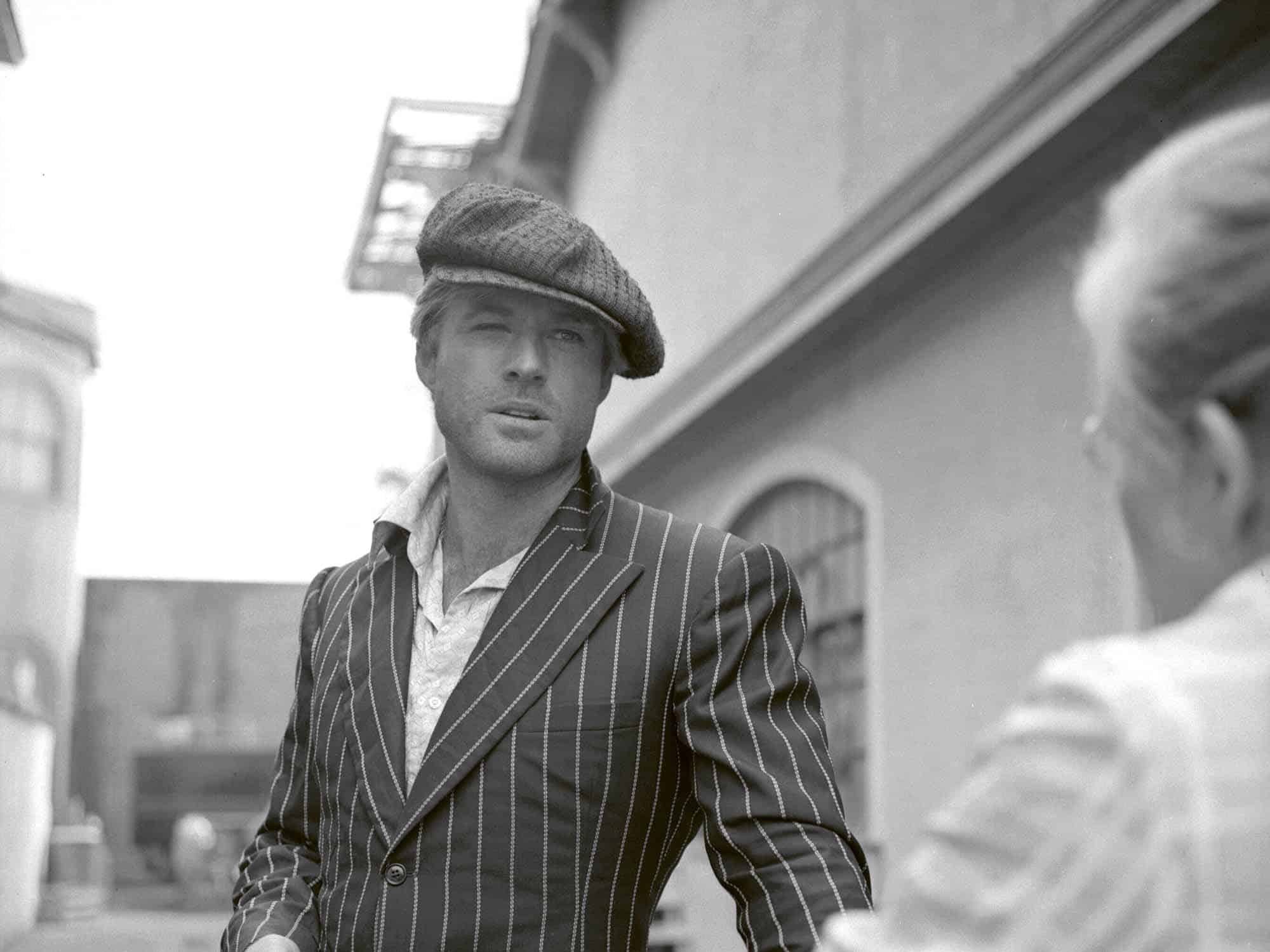
On September 16, 2025, at the age of 90, Robert Redford, perhaps the last Hollywood icon, died. What made his acting so great? One of his last films, All Is Lost, is something of a legacy for the great actor Robert Redford. He plays a lone sailor in the Indian Ocean, fighting for survival. Except for a few quiet curses and an attempted SOS using the broken radio, the blond actor remains silent for 100 minutes. What speaks in the…
Wolfgang Held · 16. Okt.
News
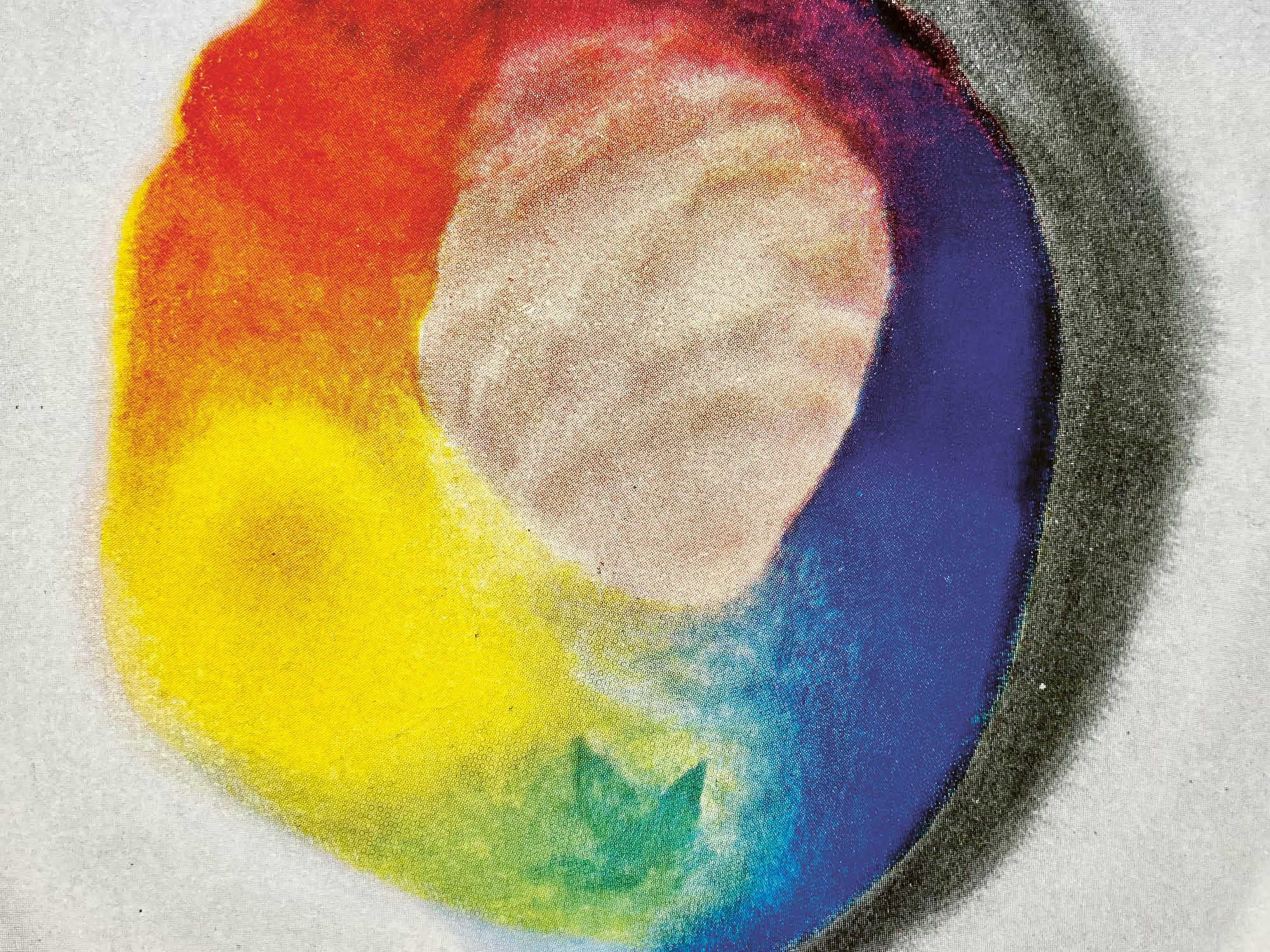
Steiner’s Artistic Legacy
Taichung, Taiwan. A course on Steiner’s influence on the visual arts. As the world continues to discover the living legacy of Rudolf Steiner, one hundred years after his death, the art world is likewise gradually taking note of his influence on the visual arts by way of his blackboard drawings, the two Goetheanum buildings, the work of Hilma af Klint, and that of many other artists who have been inspired by him. Over the past two years, AnthrOArt, a visual…
Van James · 16. Okt.

Event
From the Stars
Cape Town, South Africa. A gathering for spiritual understanding and imagination. During Easter, from April 1 to 5, 2026, the Online Academy for Social Art (OASA) is organizing a multigenerational gathering in Cape Town entitled “Remembering Our Shared Future: To Speak from the Stars.” The intention of the event is to explore, in a collective setting and dialogue, wisdom that can offer us guidance on humanity’s spiritual path. The key questions of the meeting are: Which agreements between people need…
Redaktion · 16. Okt.