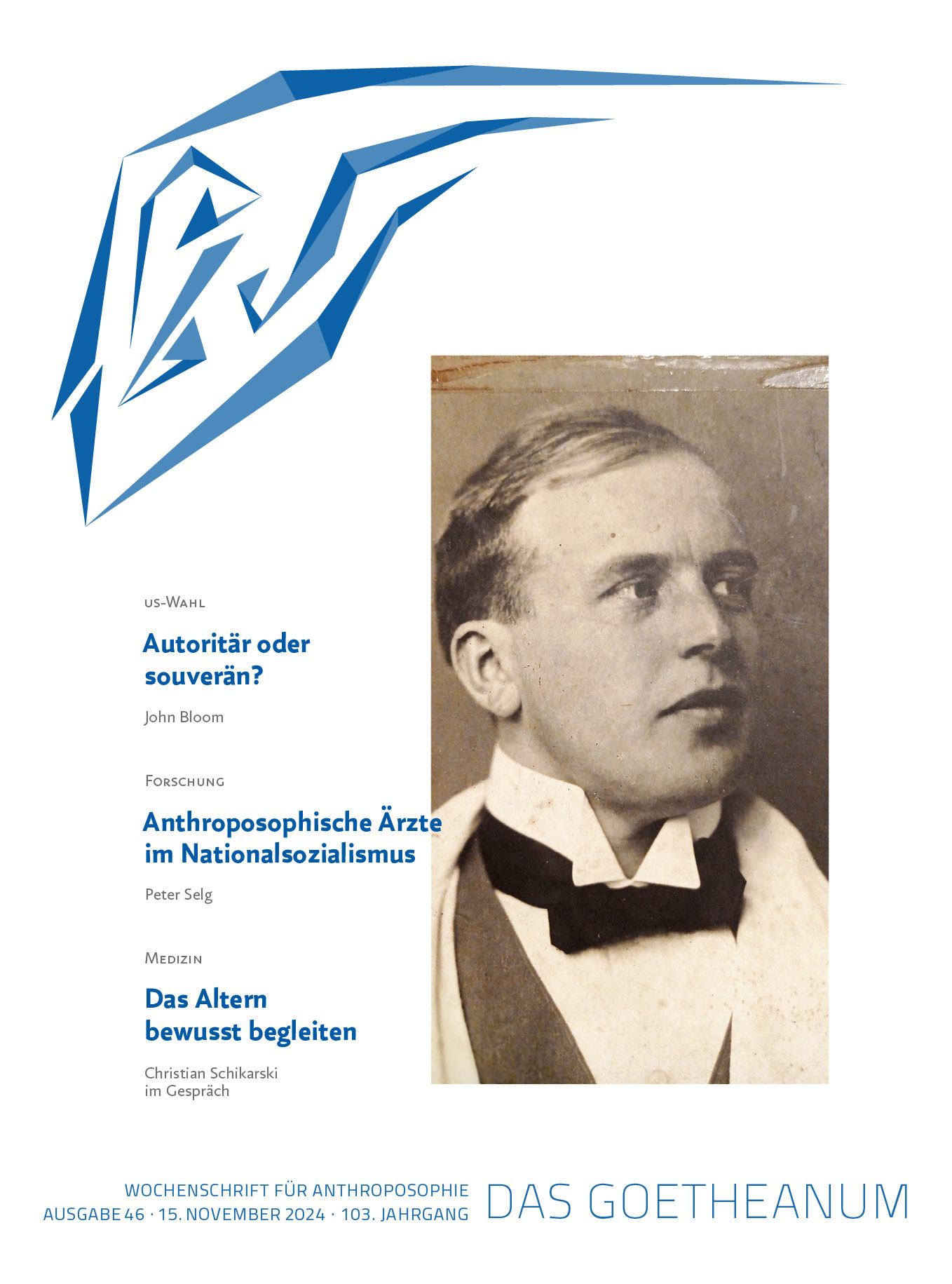
20 Beiträge · Ausgabe 46/2024
Editorial
Issue 46/2024
Kein Editorial verfügbar.
Weitere Beiträge
20 Beiträge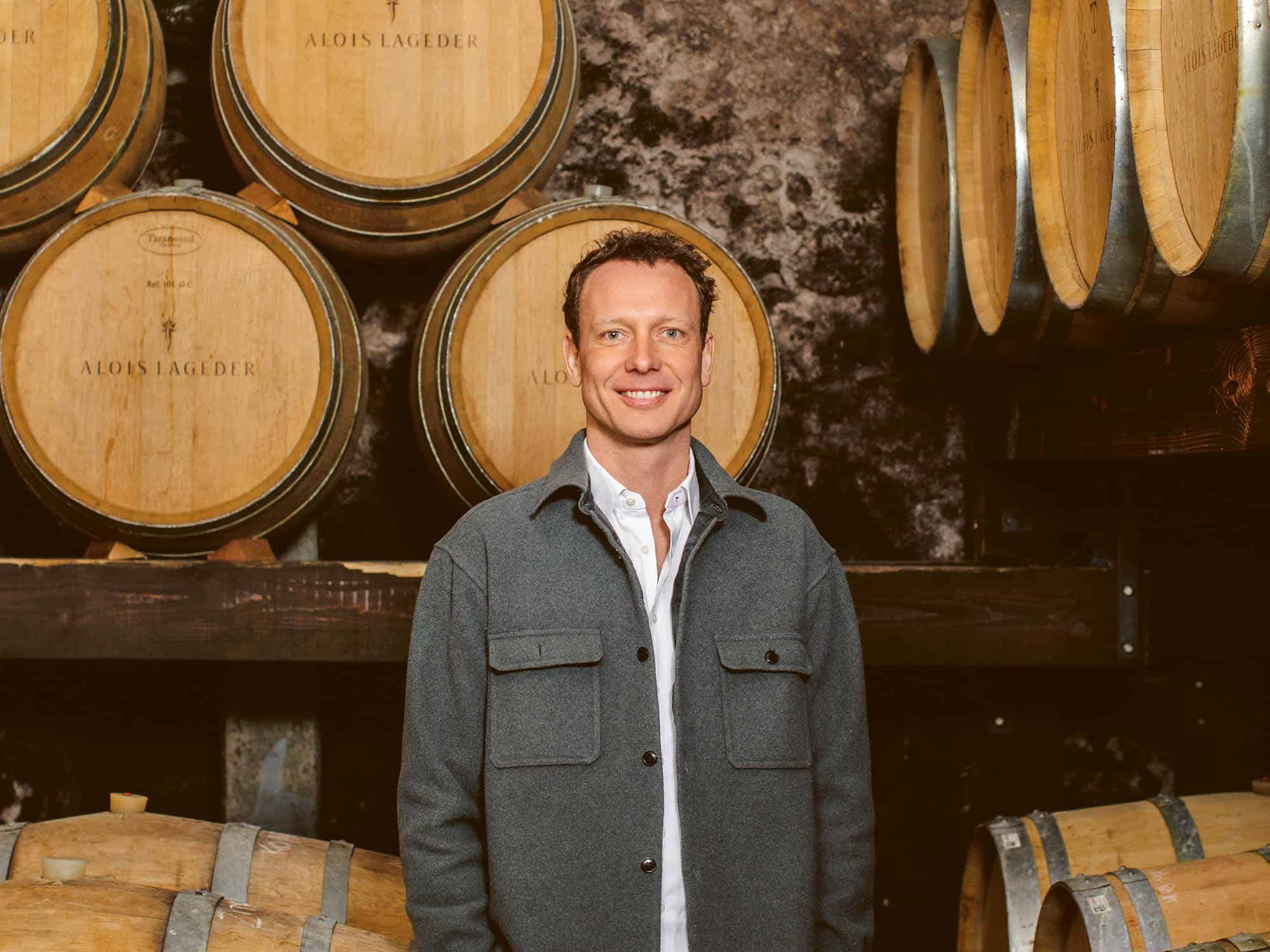
Im Fokus
Colorful Diversity
Margreid, Italy. Biodynamic viticulture in South Tyrol. The Alois Lageder family winery in South Tyrol has existed since 1823. In 2004, the Lageder family began to cultivate their vineyards biodynamically. The vision was to establish a circular economy integrated into the local ecosystem, encompassing all the family’s own land. Twenty years later, the dream has become a reality and is even manifesting itself beyond that: not only the Lageder family’s land but also the vineyards of the more than 60…
Paula Boslau · 17. Okt.
Event
Opening Windows and Doors
Zeist, the Netherlands. Two workshop days with Shelley Sacks. The Atelier Anthroposofie in Zeist, the Netherlands, organizes regular “Inspiration Days,” during which participants are invited to look at life from new perspectives. On December 7 and 9, Shelley Sacks will be a guest at the studio to open new doors and windows to the world over two days. Sacks worked with the artist and sculptor Joseph Beuys for many years and has been a professor at the Social Sculpture Research…
Paula Boslau · 17. Okt.
News
Sustainable Fashion
Milan, Italy. An award for Dirt and Demeter. The Dirt Charity Foundation has been committed to environmental sustainability in the fashion industry since it was founded in 2021. A particular focus is the restoration of healthy soil through biodynamic farming practices and circular economy. Since last year, the US organization has been working together with the international Biodynamic Federation Demeter to develop uniform Demeter standards for textiles. The standards relate to the ten raw materials: cotton, silk, wool, leather, tree…
Paula Boslau · 31. Okt.
Column
When Nature Speaks With Me
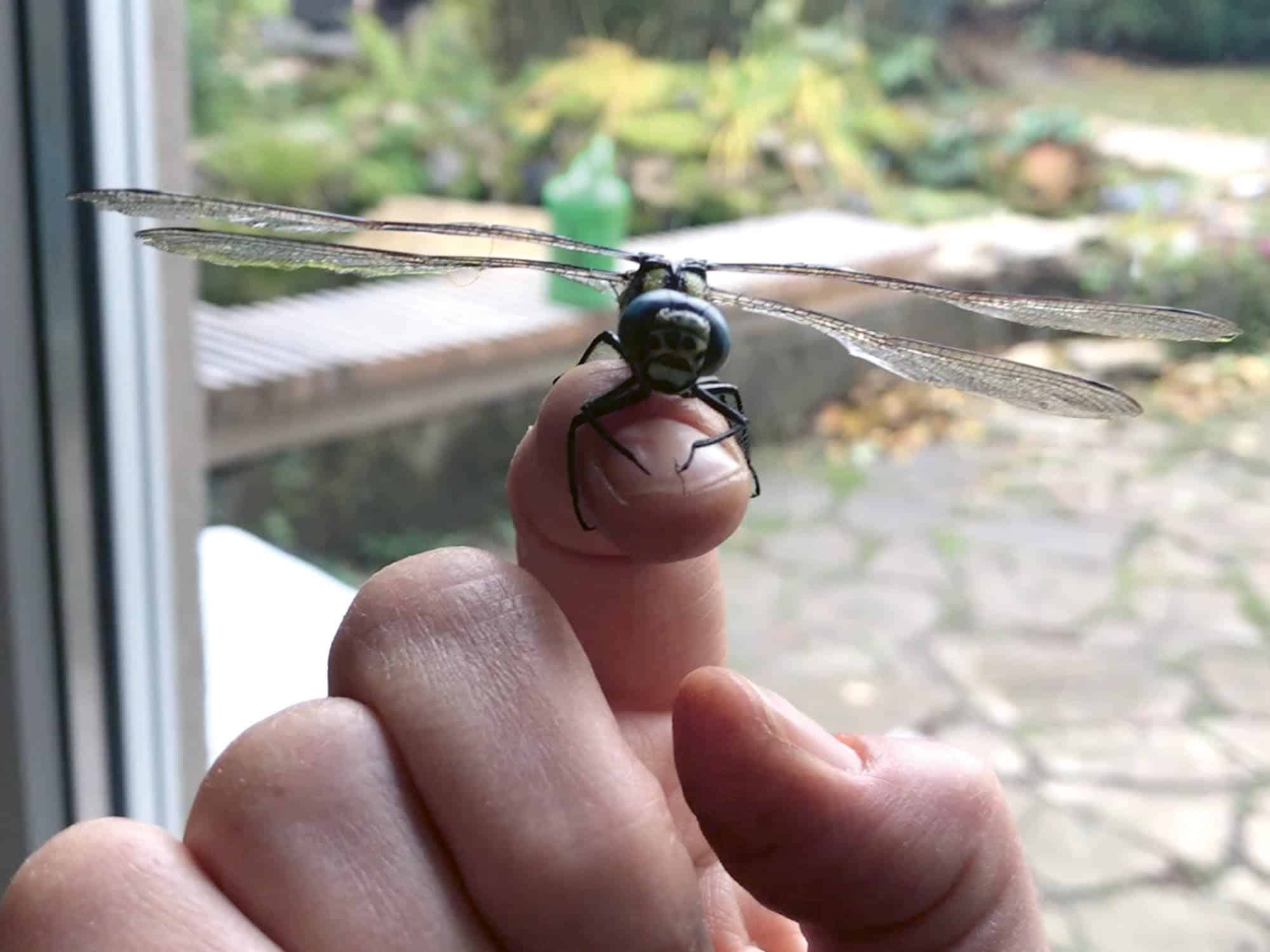
It’s the end of October. A huge emerald-green dragonfly is skimming across the garden pond again, having warmed itself back to mobility on my finger. Very slowly, its head had started to turn and my anticipation had steadily increased over what was about to awaken. A great force, an instinct, purposeful and fundamental, spoke in wondrous strangeness. Like a dragon in miniature, it harbored secrets that went beyond matter to speak of the riddles of life. The message is never…
Gilda Bartel · 05. Nov.
Essay
Nature Is Our Mirror
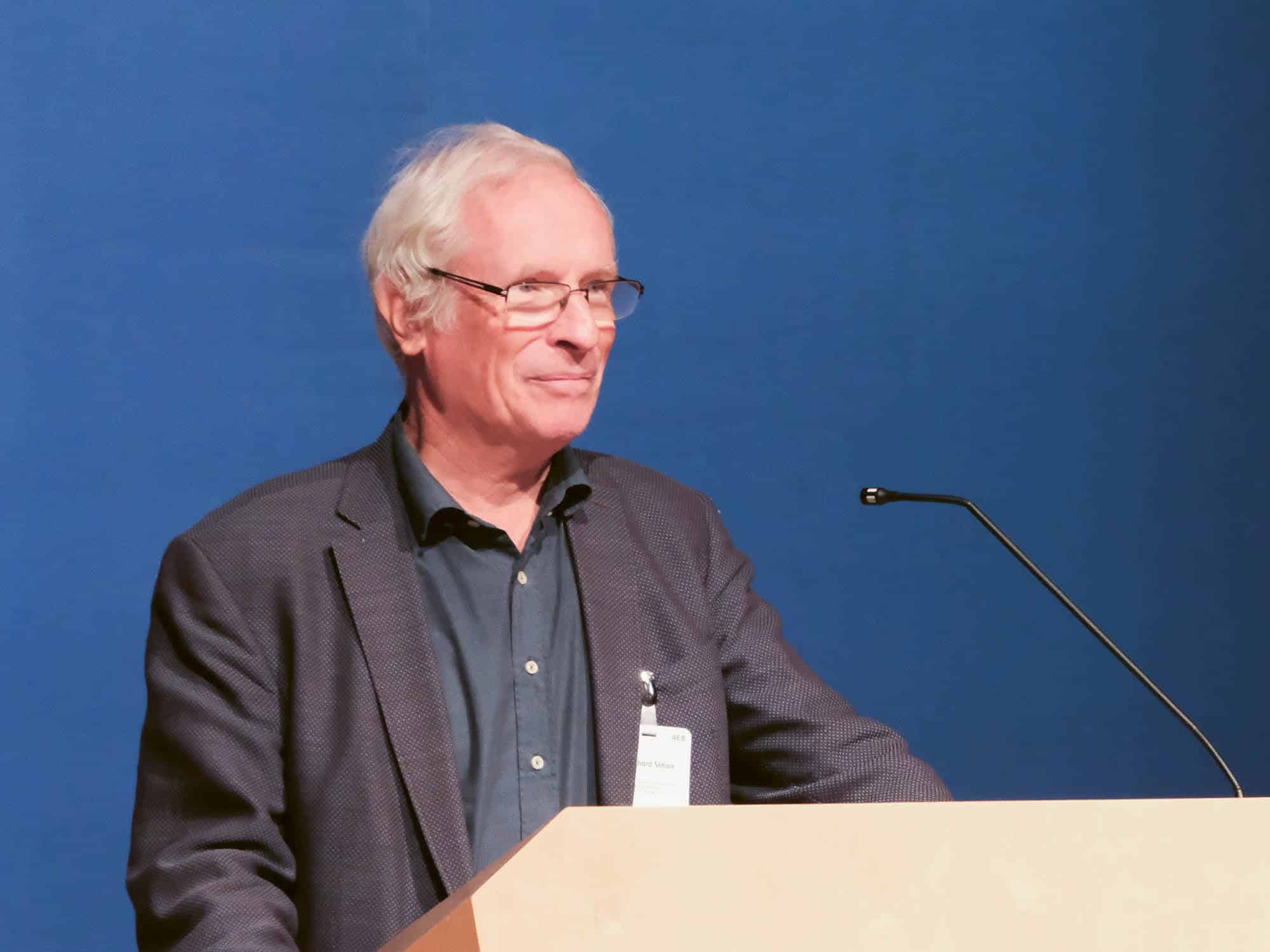
Biodiversity is a hot topic in academia today. It seems that wherever civilization spreads, species diversity dwindles—natural habitats are lost, and the landscape becomes fragmented. If nature reflects our thinking, can we change this? On one hand, with the loss of natural habitats, environmental toxins, introduction of foreign species, hunting, overgrazing, overfishing, exploitation, and deforestation, we see how civilization can have a negative impact on biodiversity. In short, we’ve used nature for our own purposes, and the extinction of species…
Meinhard Simon · 05. Nov.
Natural Sciences
The Preparations and the Soil Microbiome
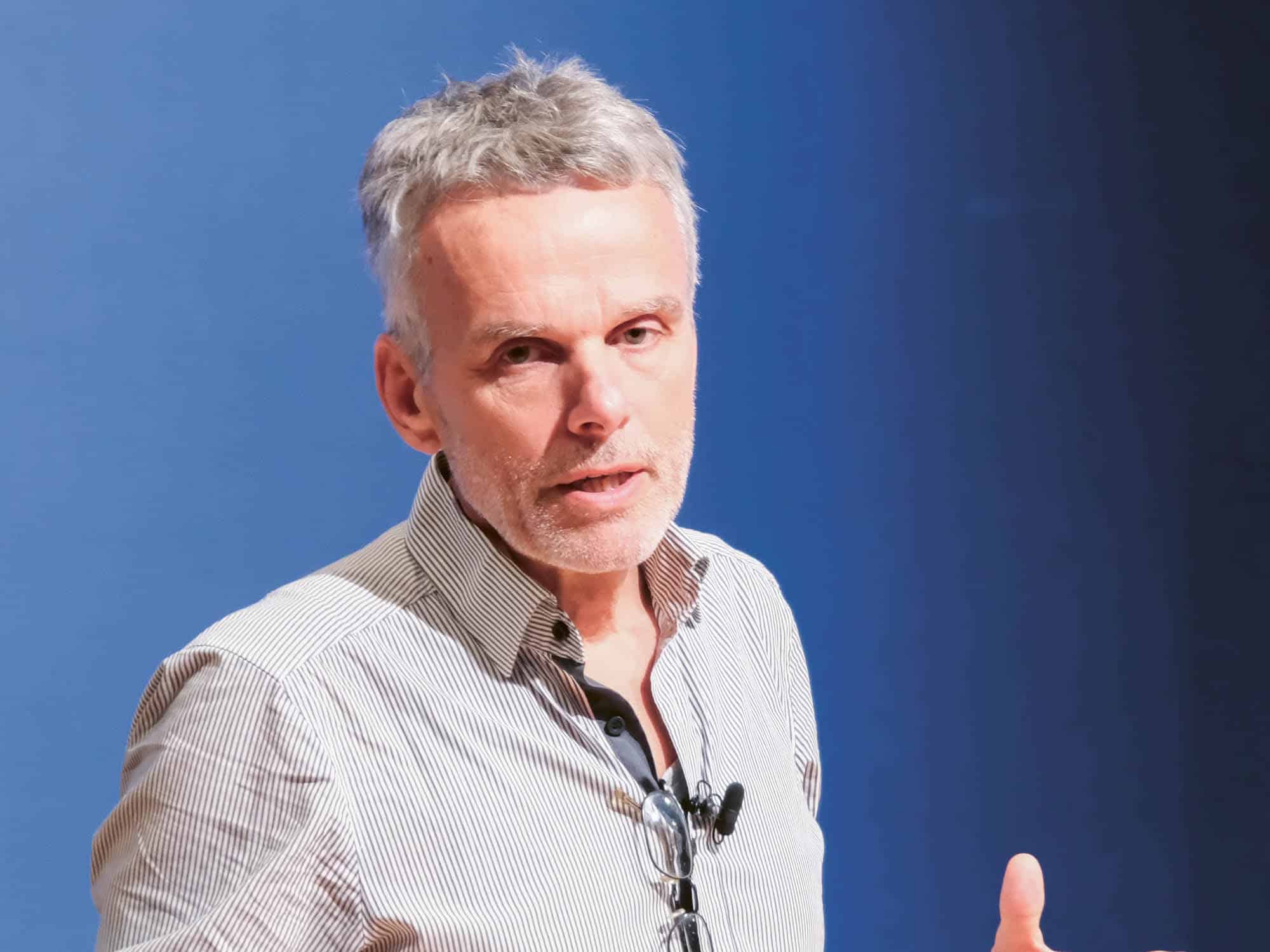
How biodynamic preparations inoculate the soil. As a result of climate change, we’re finding that drought, cold, poor soil structure, and nutrient deficiencies in the soil have become major challenges (growth stress) for plants. The microbiome in the soil plays an important role in strengthening plants. The diversity of bacteria and fungi in the soil is particularly relevant. In conventional agriculture, there are attempts to inoculate the soil with certain bacteria and fungi that are beneficial for plant growth, known…
Jürgen Fritz · 05. Nov.
Essay
Individualizing Biodynamics: Soil and Soul
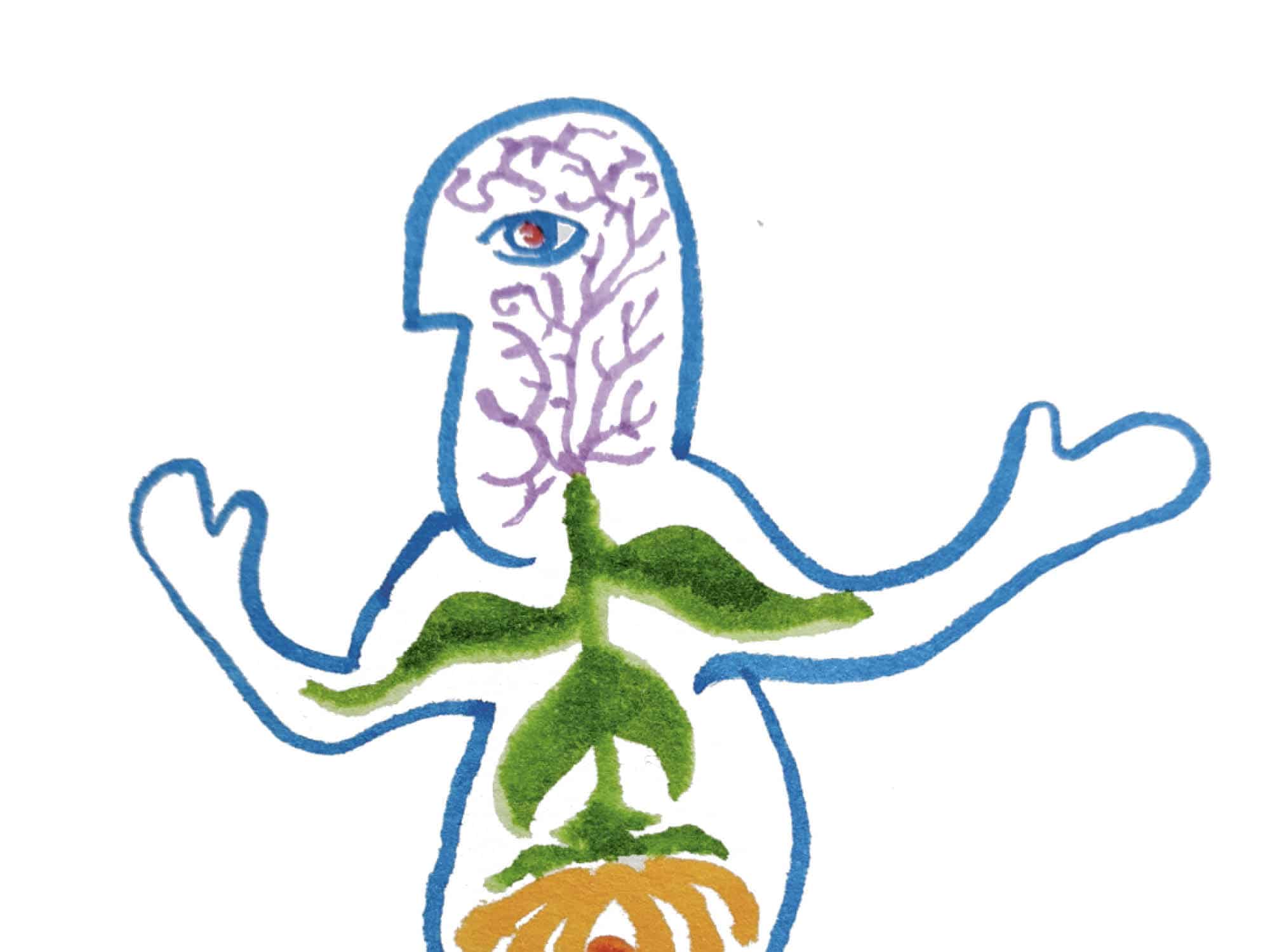
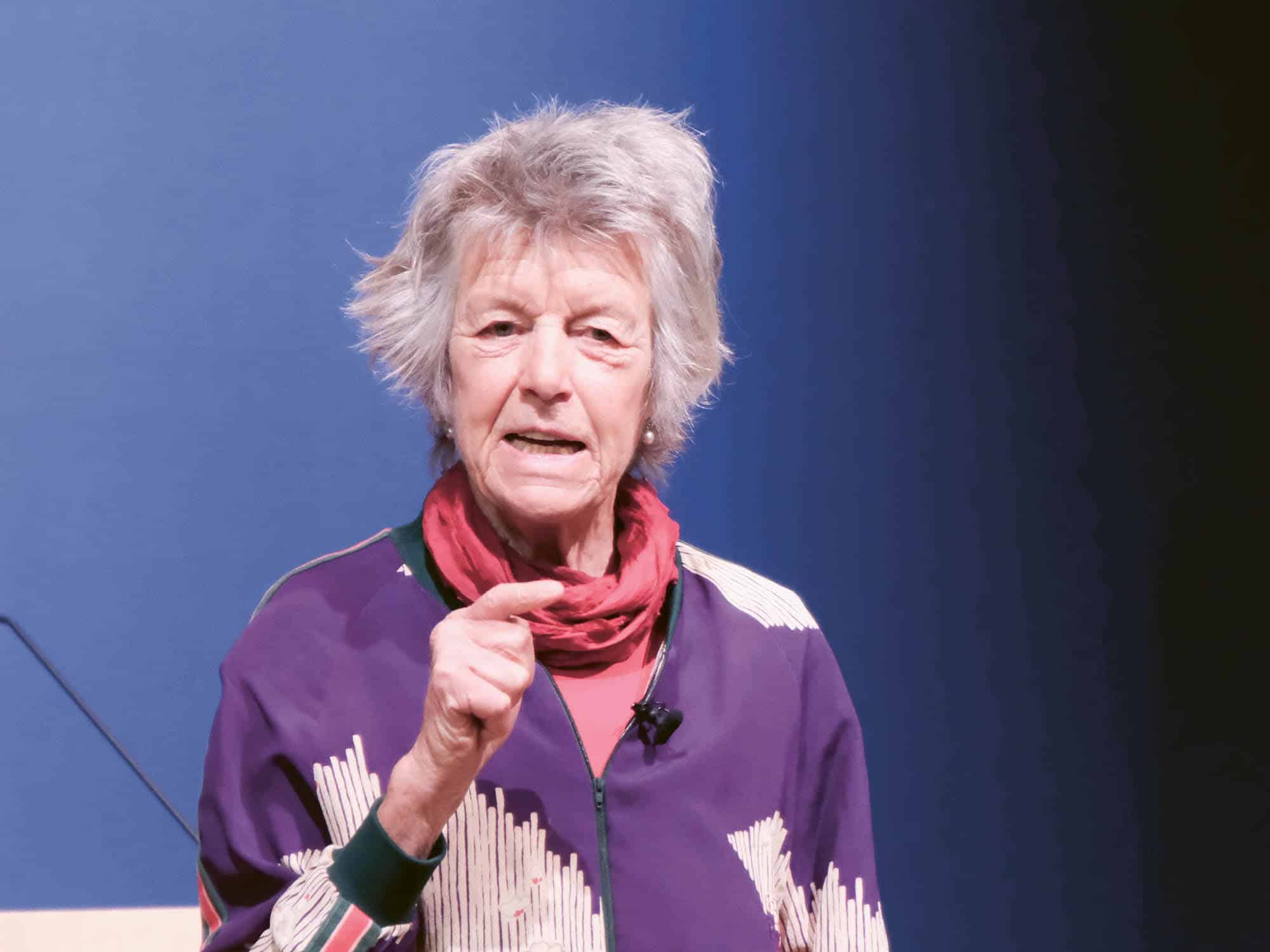
A plant transplanted from one bioregion to another area remains the same species, but its expression embodies its new environment. Therefore, the importance of diversity in the method underlies the production of biodynamic preparations and raises the question of what constitutes identity. Stewart Lundy during his presentation. Photo: Johannes Kühl The soil is the last thing that happens, but in agriculture, it’s what we begin with. We begin with what is sense-perceptible, but what is initially obvious to the senses…
Stewart Lundy · 05. Nov.
Essay
Communication Is the Foundation of Life
Microbes were on Earth for three billion years before any other living creature appeared. As Florianne Koechlin puts it, they invented almost everything that constitutes life. Microbes connect cells, internal metabolism, soil with plants, plants with animals, and everything with us. Plants choose which microbes they take into their root area and which they don’t. They keep harmful pathogens out and let others in. They do all this using “aromas” to communicate with their soil microbiome. Microbes also communicate with…
Florianne Koechlin · 05. Nov.
Natural Sciences
When Science and Art Play Together
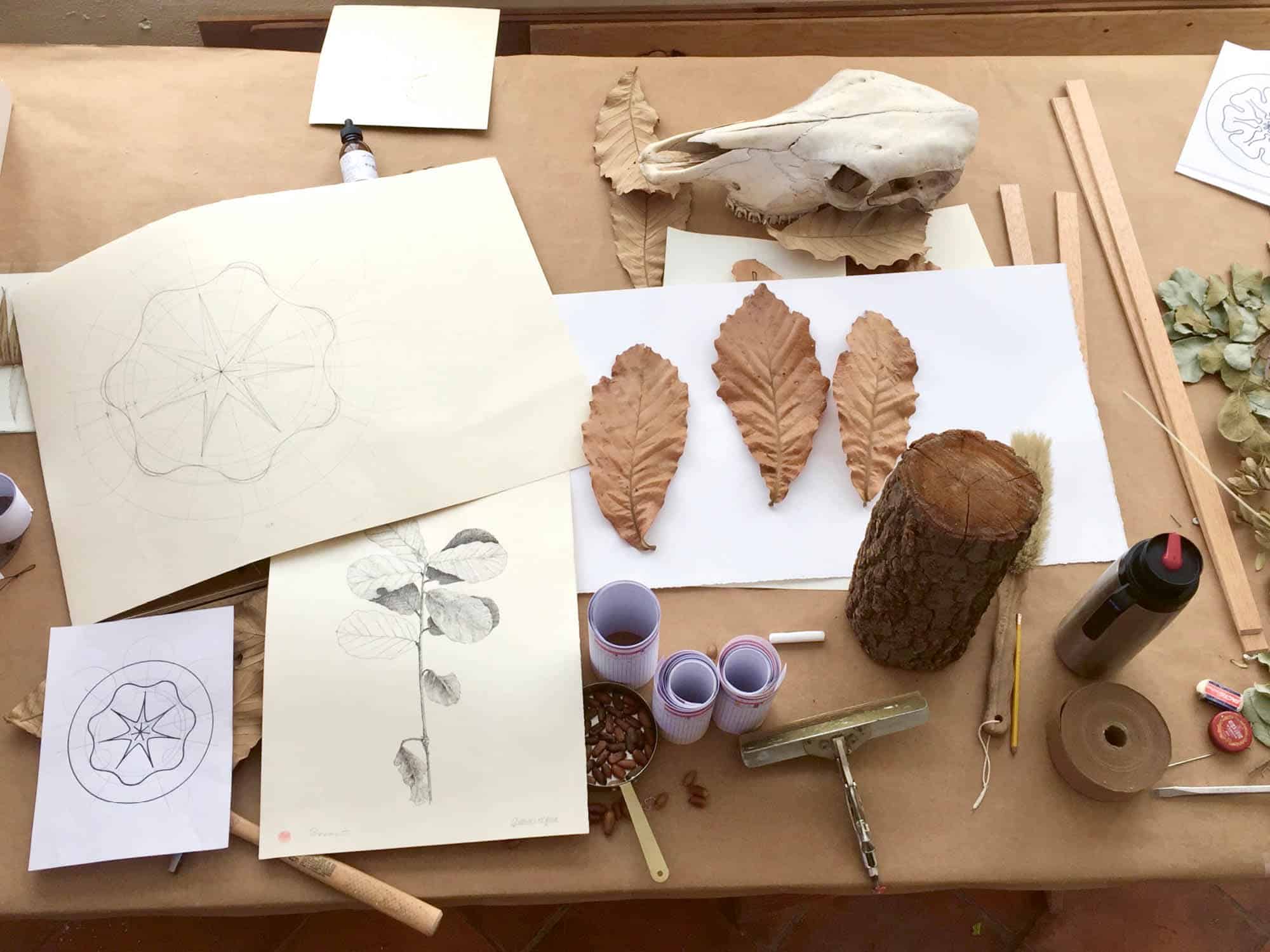
When art helps us deepen our understanding of nature, art becomes research. Eduardo Rincón, co-leader of the Agriculture Section, engages artistically and scientifically with his objects of study and talks about his oscillation between the two. He tells his story with science and art. Eduardo Rincón during his presentation at the conference. Photo: Johannes Kühl We grew up on a large farm in the high desert in central Mexico. My brother and I could ride the horses to the horizon…
Eduardo Rincón · 05. Nov.
Essay
Sympoiesis: From Thinking About to Being With
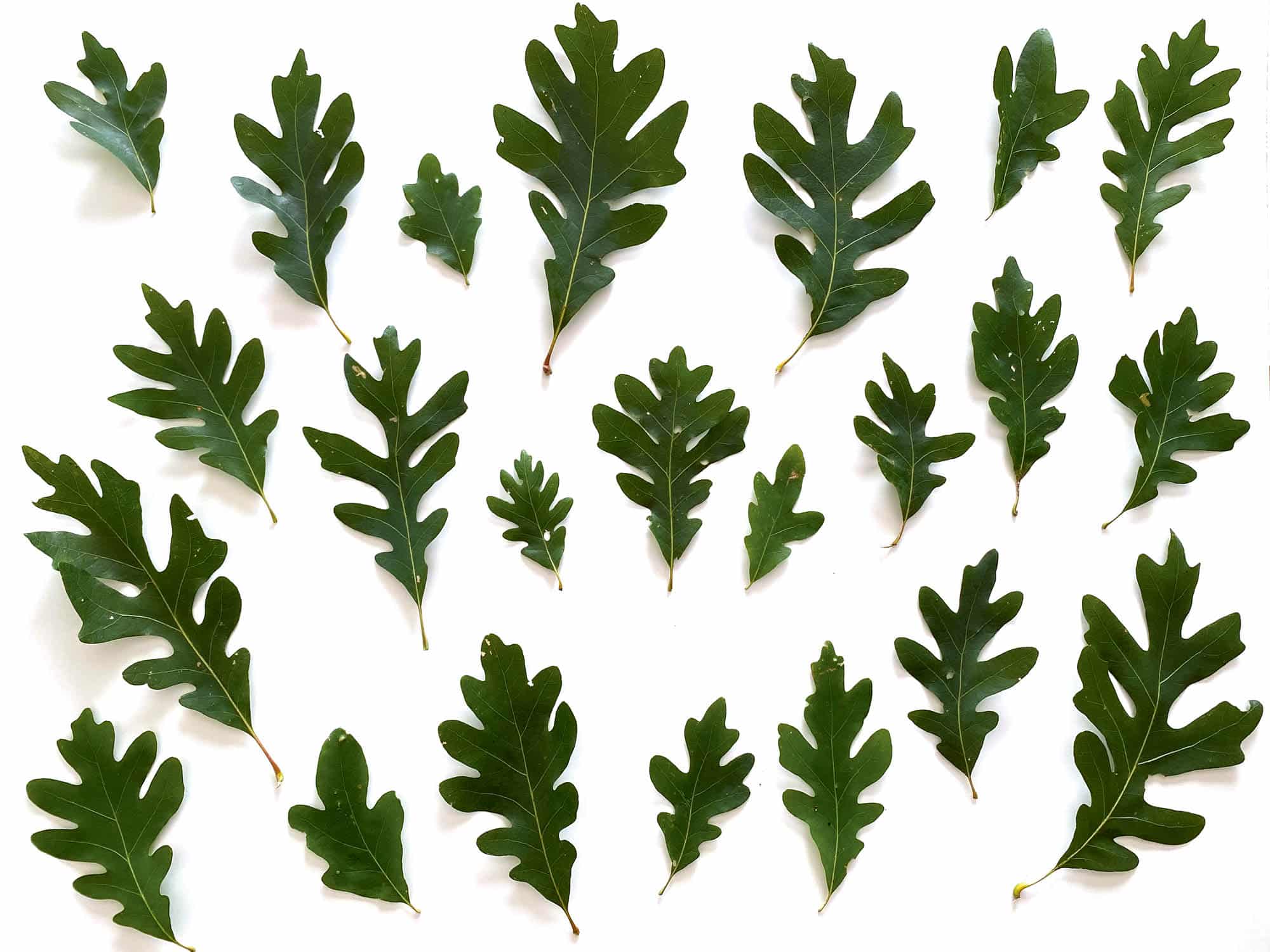
Separate entities can either compete or develop strategies to cooperate. In either case, the starting point is separation. This is a foundational assumption of modern biology. But what if relatedness is more fundamental? How would we behold living beings and what we call their environment? When you go out into nature and see an oak, that tree is not something isolated in the world. It’s something that grows up out of the earth and is connected with the Earth. Yet,…
Craig Holdrege · 05. Nov.
Retrospective
Pathways to a Sun-led Science
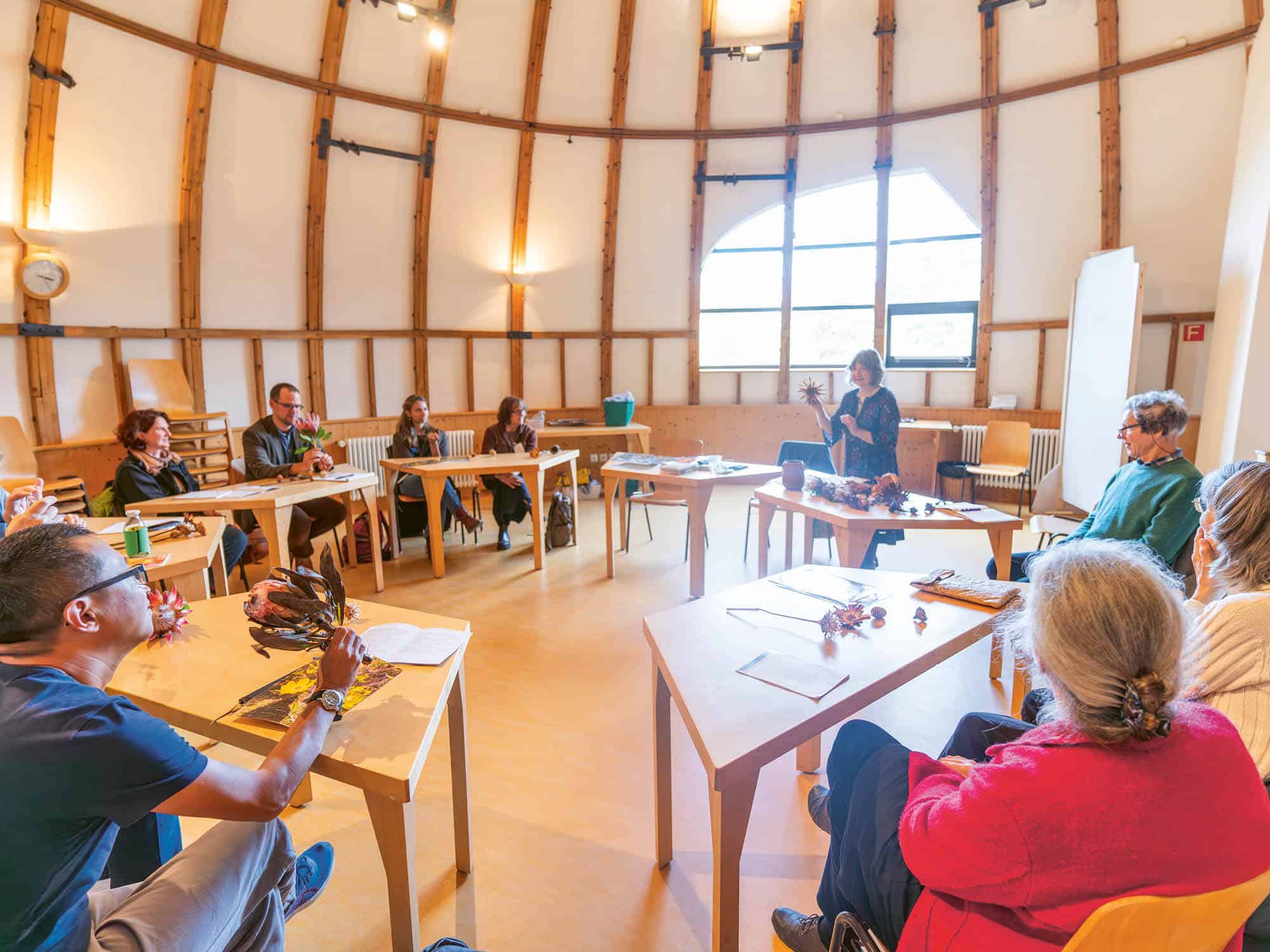
The more diverse a meadow is, the more stable its identity. That makes sense to us. But what shapes our identity as human beings, and what role does diversity play? A Goethean scientific approach offers a deeper understanding of this. Insights from the Natural Science Section’s Evolving Science 2024 conference. The air is invigorating and filled with that wonderful smell of fallen oak leaves crunching underfoot. As I climb the hill to the Goetheanum, all around me, greens are diversifying…
Laura Liska · 05. Nov.
Natural Sciences
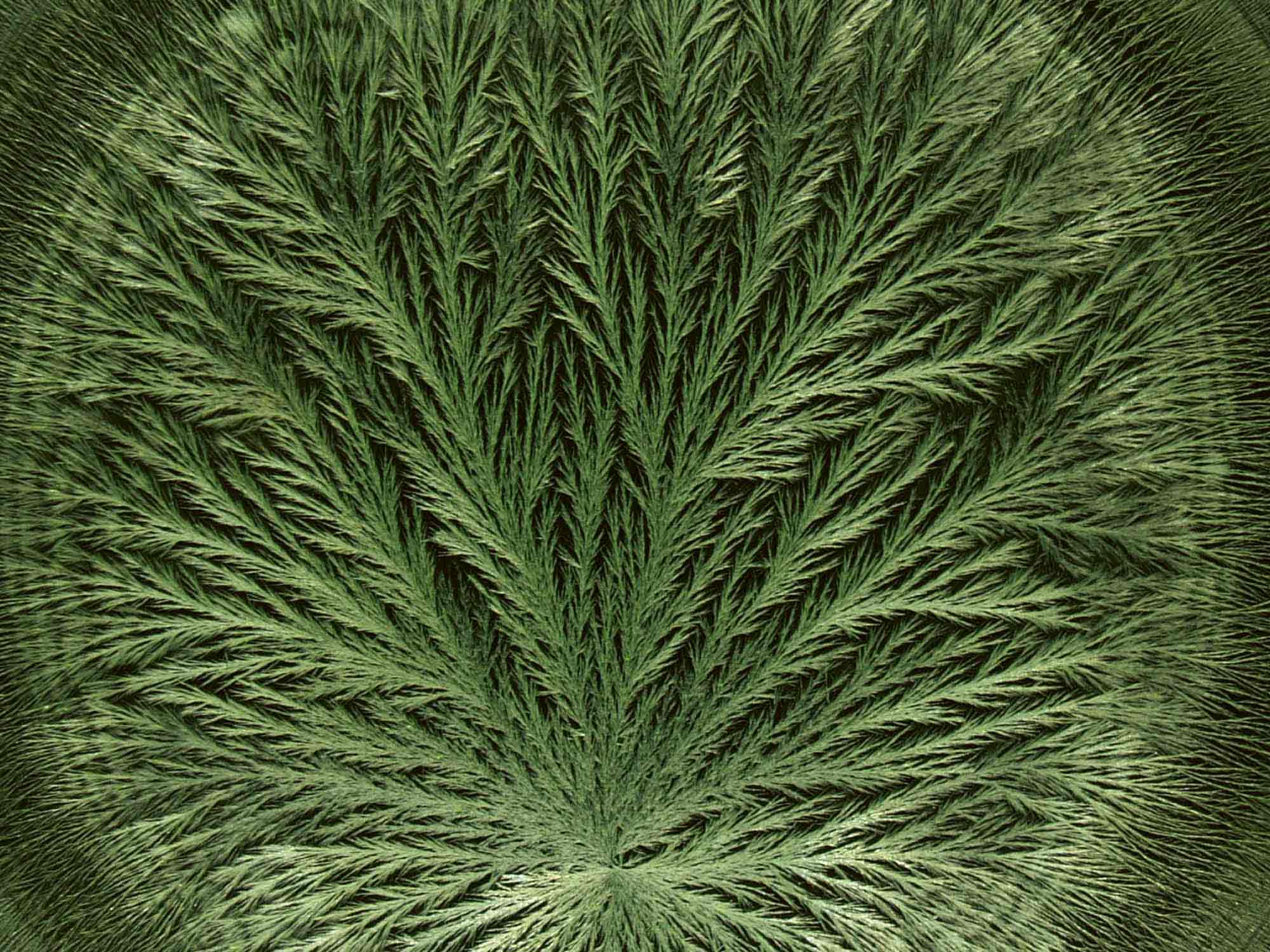
100 Years of Picture-Forming Methods: Anthro-Niche or Influence?
Picture-forming methods like copper chloride crystallization, capillary dynamolysis, and round picture chromatography are now entering the era of computerized image analysis. Is this an opportunity to shape human spiritual evolution? In our PhD work at the Society for Cancer Research, we use picture-forming analysis—a complementary research approach for quality investigation. There are several methods, but all of them create images with patterns and shapes that can be evaluated and analyzed to provide information about the quality of the tested sample.…
Paul Doesburg and Greta Guglielmetti · 13. Nov.
Column
Closeness and Distance
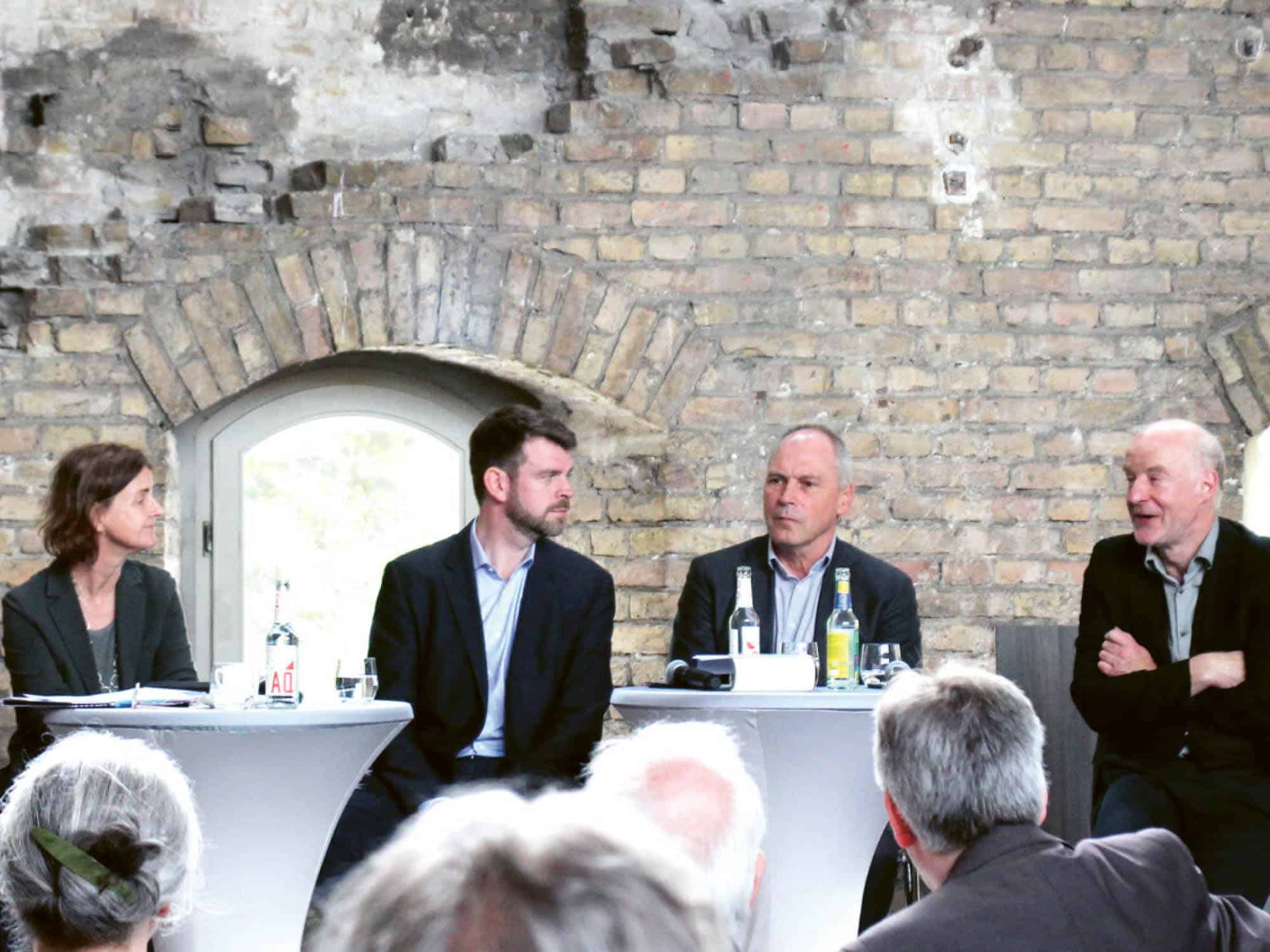
“The authors of this volume, led by Peter Selg, have succeeded in drawing a nuanced picture of anthroposophical physicians between 1933 and 1945 through intensive study of source materials and a comprehensive reconstruction of the broad spectrum of actors.” This is what professors Thomas Beddies and Heinz-Peter Schmiedebach ascribe to Peter Selg, Susanne H. Gross, and Matthias Mochner in the foreword of the new book Anthroposophie und Nationalsozialismus. Die anthroposophische Ärzteschaft [Anthroposophy and National Socialism—the anthroposophical medical profession.] The two…
Wolfgang Held · 14. Nov.
Conversation
Consciously Accompanying the Elderly
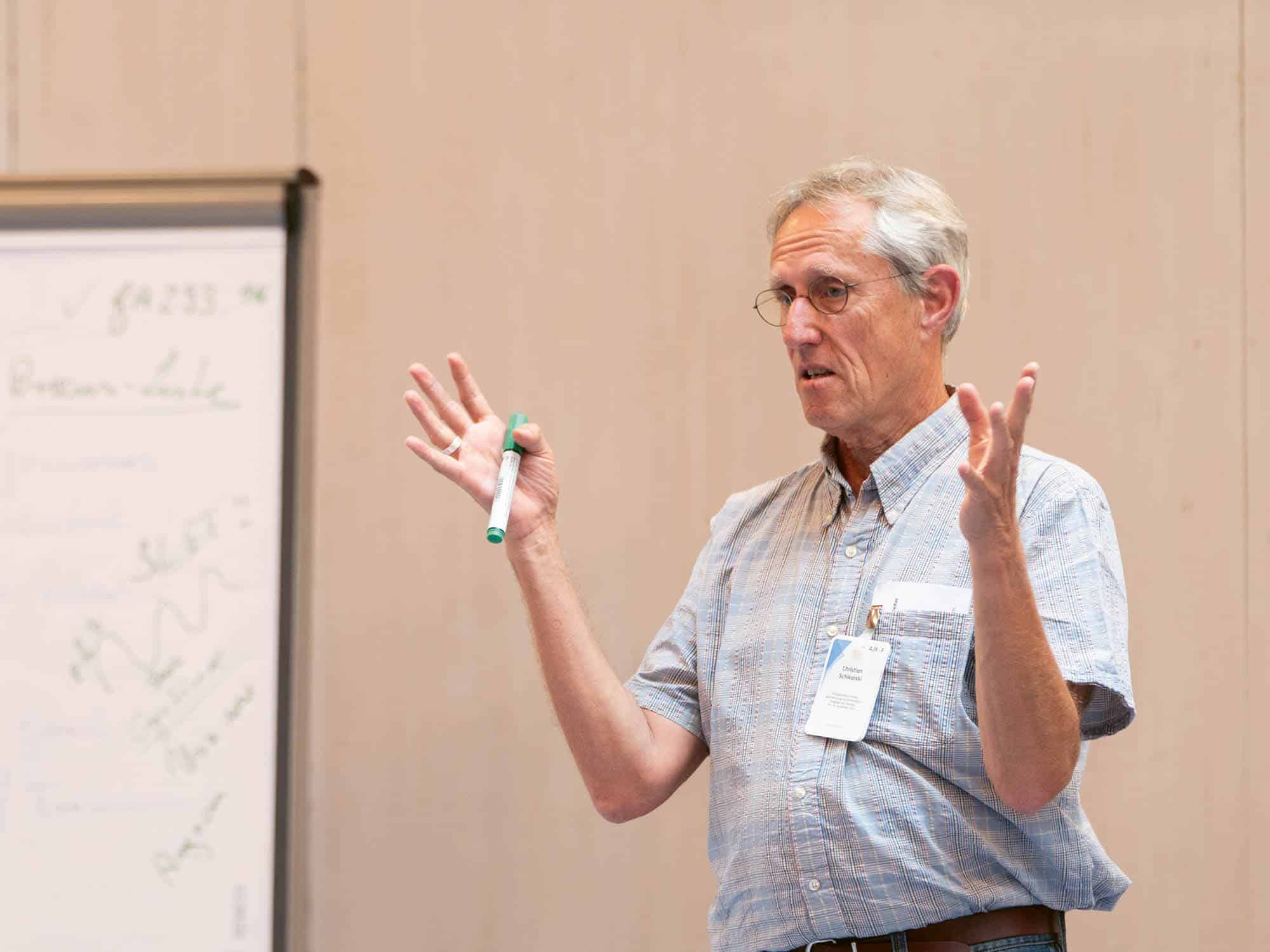
Christian Schikarski introduced the Medical Section’s new area of care at the 2024 Annual Medical Conference last September. Julia Demming spoke to him about its tasks and opportunities. Julia Demming: Where do you live? Where do you work? And what’s your role in the new area of care, “Elderly Culture and Geriatric Medicine”? Christian Schikarski: I’ve been a doctor for forty years, most recently at the retirement home in Hombrechtikon, Switzerland, where I had a lot of experience with geriatrics…
Christian Schikarski · 14. Nov.
Society
Another Israel
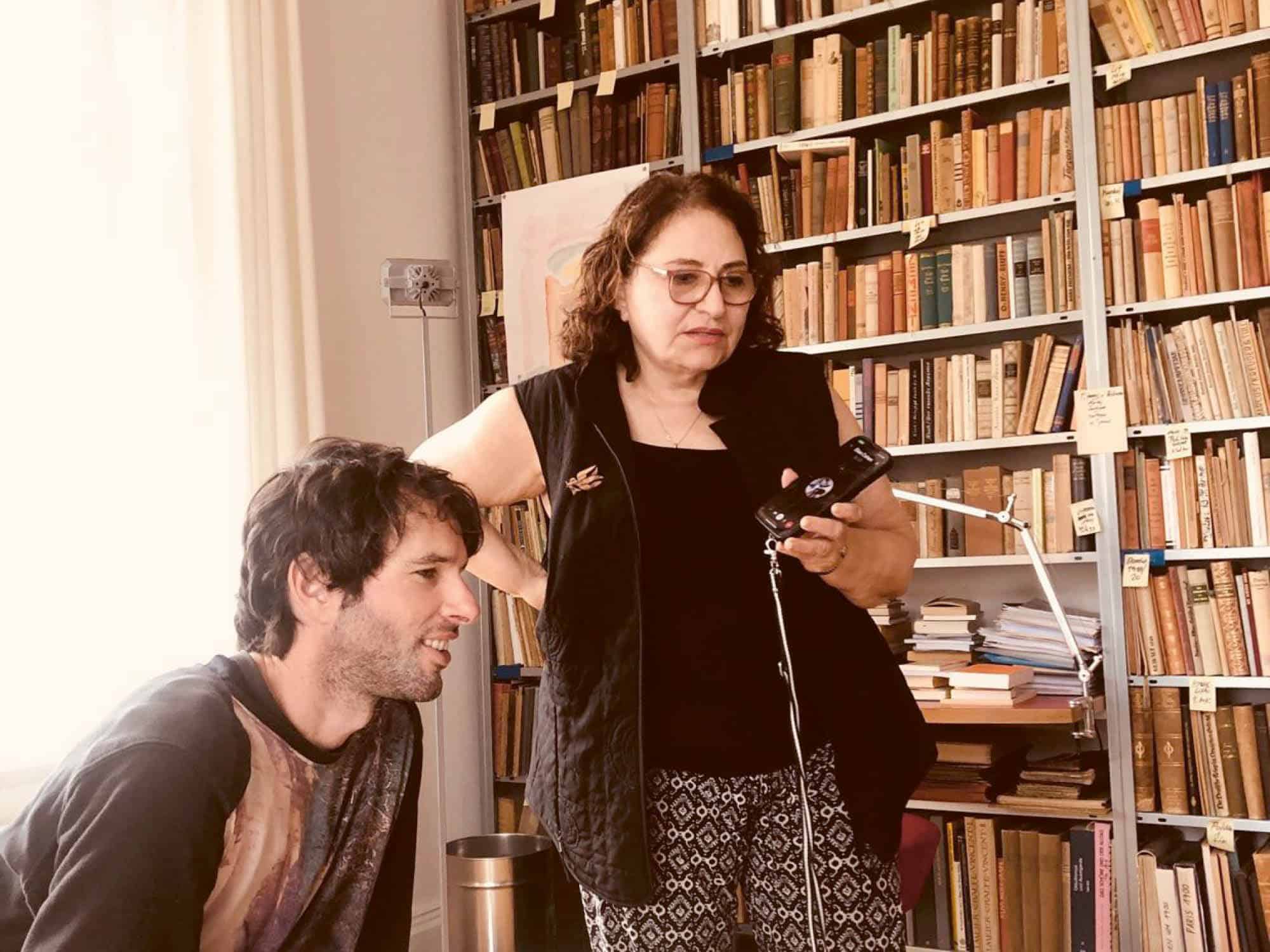
In mid-October, an opportunity, quite spontaneously, arose to bring the young Israeli Omer and the Palestinian Faten, thirty years his senior, together. We witnessed a quiet, momentous event. Omer Eilam It all started a few weeks ago when I sent my poem Israel to the editors of the Goetheanum Weekly. Gilda wrote back to say that she would like to include the poem in a short piece she was writing about Faten. She suggested that the three of us meet…
Gilda Bartel · 14. Nov.
History
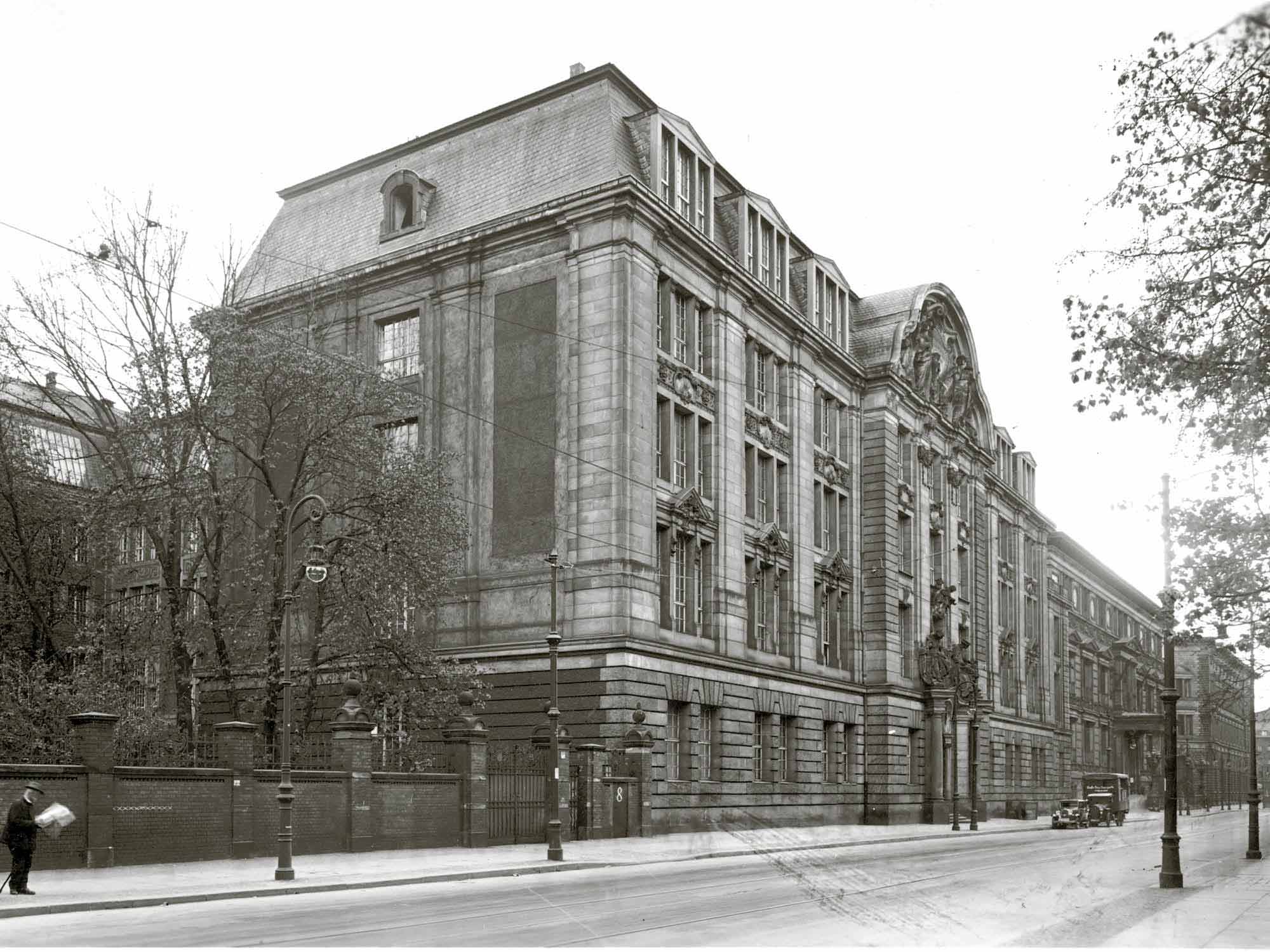
Anthroposophical Doctors under National Socialism
Did anthroposophical doctors follow, profit from, or oppose the medicine under National Socialism and its “New German Medicine” [Neue Deutsche Heilkunde]? How did the anthroposophical medical profession position itself with regard to the guidelines and consequences of Nazi medicine—from the biological census of the entire population under the dictate of “public health” and maximum performance to the exclusion of Jewish colleagues, forced sterilizations of human beings, and killing of psychiatric patients? If the anthroposophical medical profession was really part of…
Peter Selg · 14. Nov.
Consciousness
Postmortem—the US Campaign and Election
The attempt to understand the US campaign and election for president has become a spectator sport with deep undertones and serious divisions. The process is fascinating, and offers a distinct view on the public atmosphere, individual psyches, and the power of media. In this election year, with clear political polarities already in place, the fight for votes seemed to be a battle for a mythical middle space. It was, in some ways, a contest between freedom from government and freedom…
John Bloom · 14. Nov.
Conversation
The Way Forward
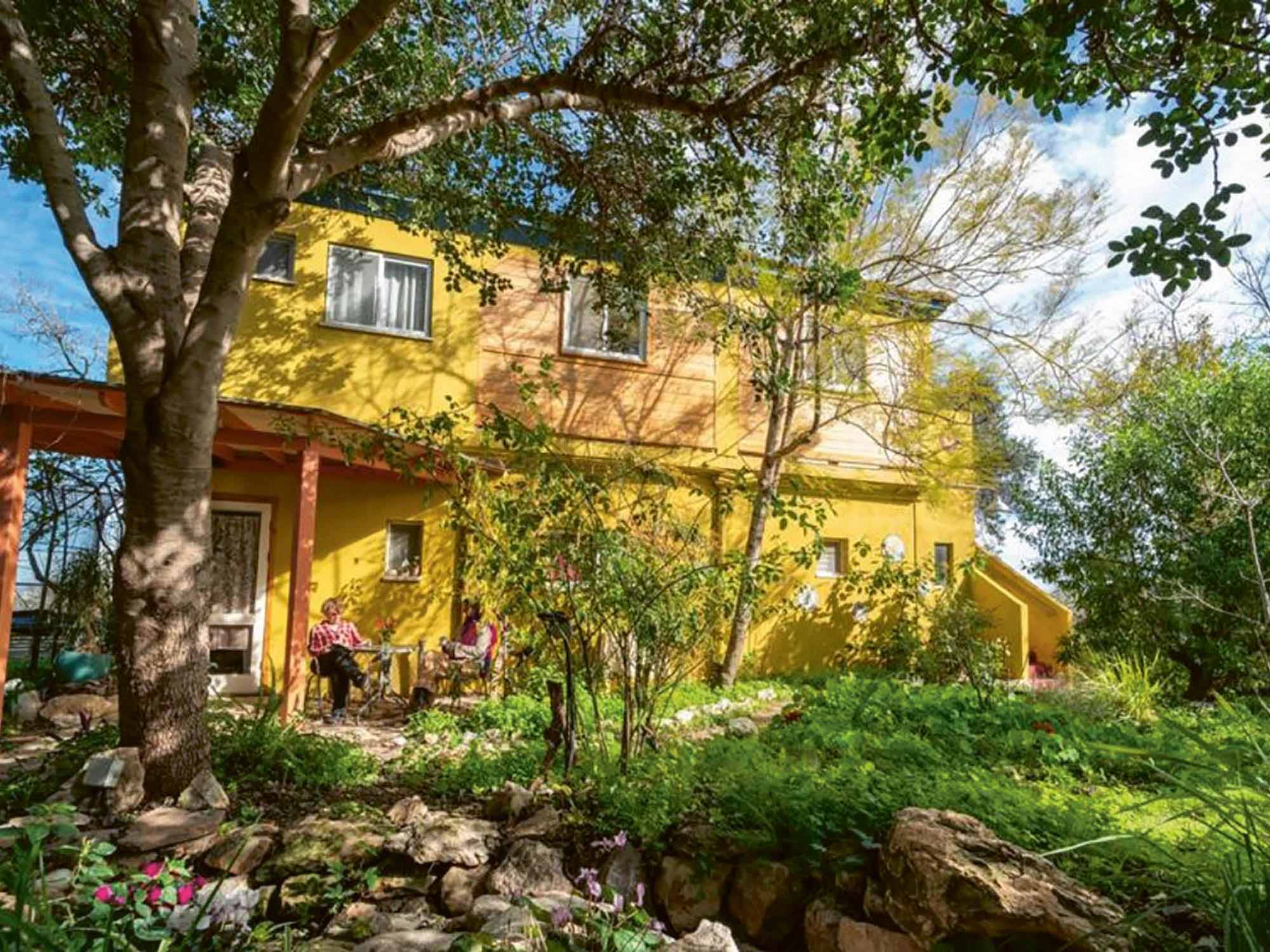
Haifa, Israel. Tal Hama (Sun Dew) is an Israeli initiative that treats people with cancer and other chronic illnesses. An interview with the anthroposophical doctor Tidhar Donio, who works for the initiative. What does Tal Hama offer to its patients? Twice a month, the initiative hosts a one-week workshop for patients who are recovering from oncological treatments. There, they experience the anthroposophical way of looking at health and illness. The program activities include making art, gardening, horse therapy, movement, yoga,…
Paula Boslau · 14. Nov.
News
With the Senses
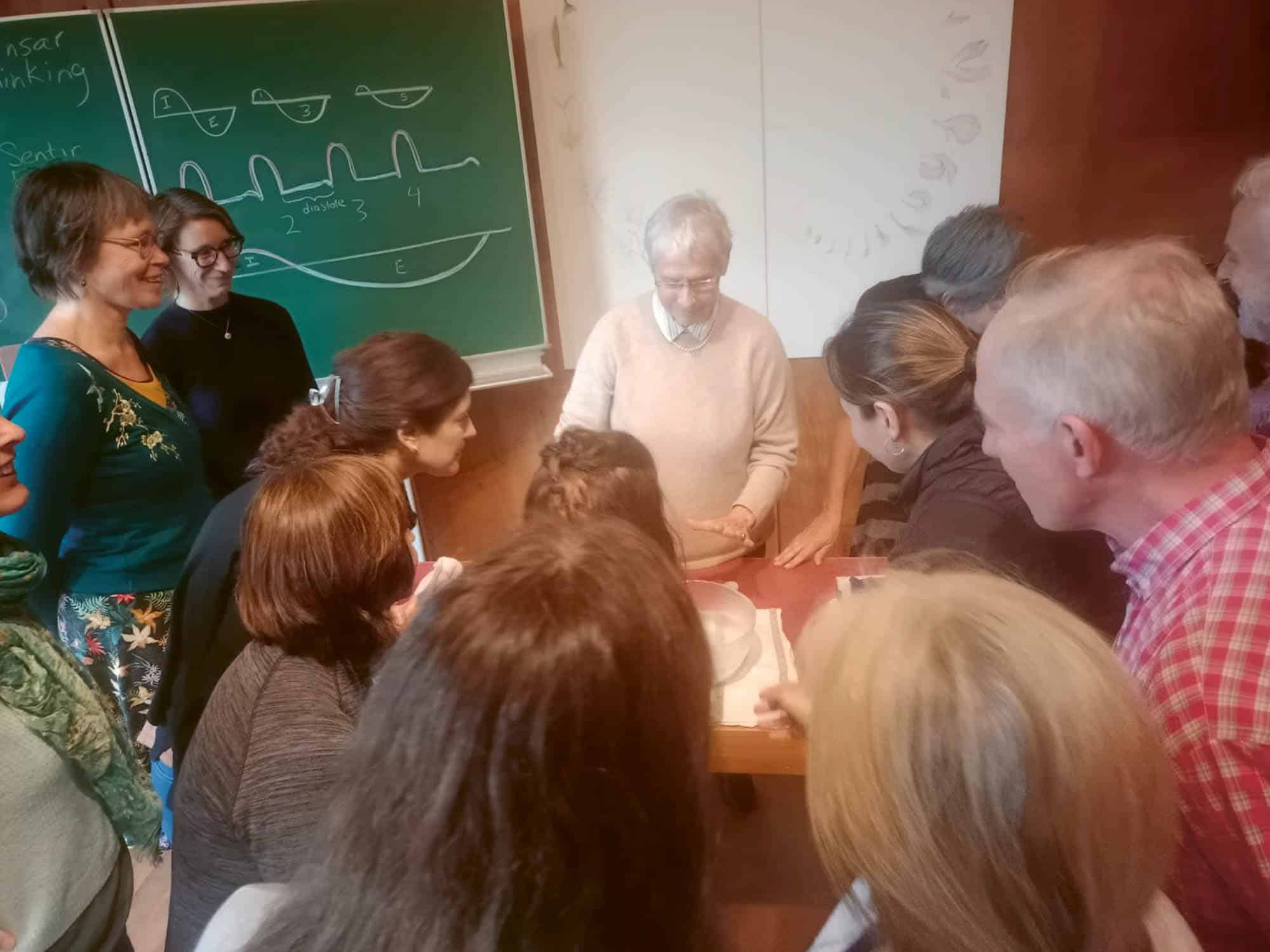
Córdoba, Argentina. Moved by the medical conference: Mónica Virginia Olivero, a doctor from Argentina. This was my first time attending the Annual Conference of the Medical Section. I came with great anticipation to deepen the theme of therapeutic intuition and to meet medical and therapeutic colleagues. Of all the things I experienced at the conference, I would like to highlight the multi-professional workshop led by physician Carmen Hering and nurse Elizabeth Sustick. It was a working group in which we…
Mónica Virginia Olivero · 14. Nov.
News
The Inner Glow
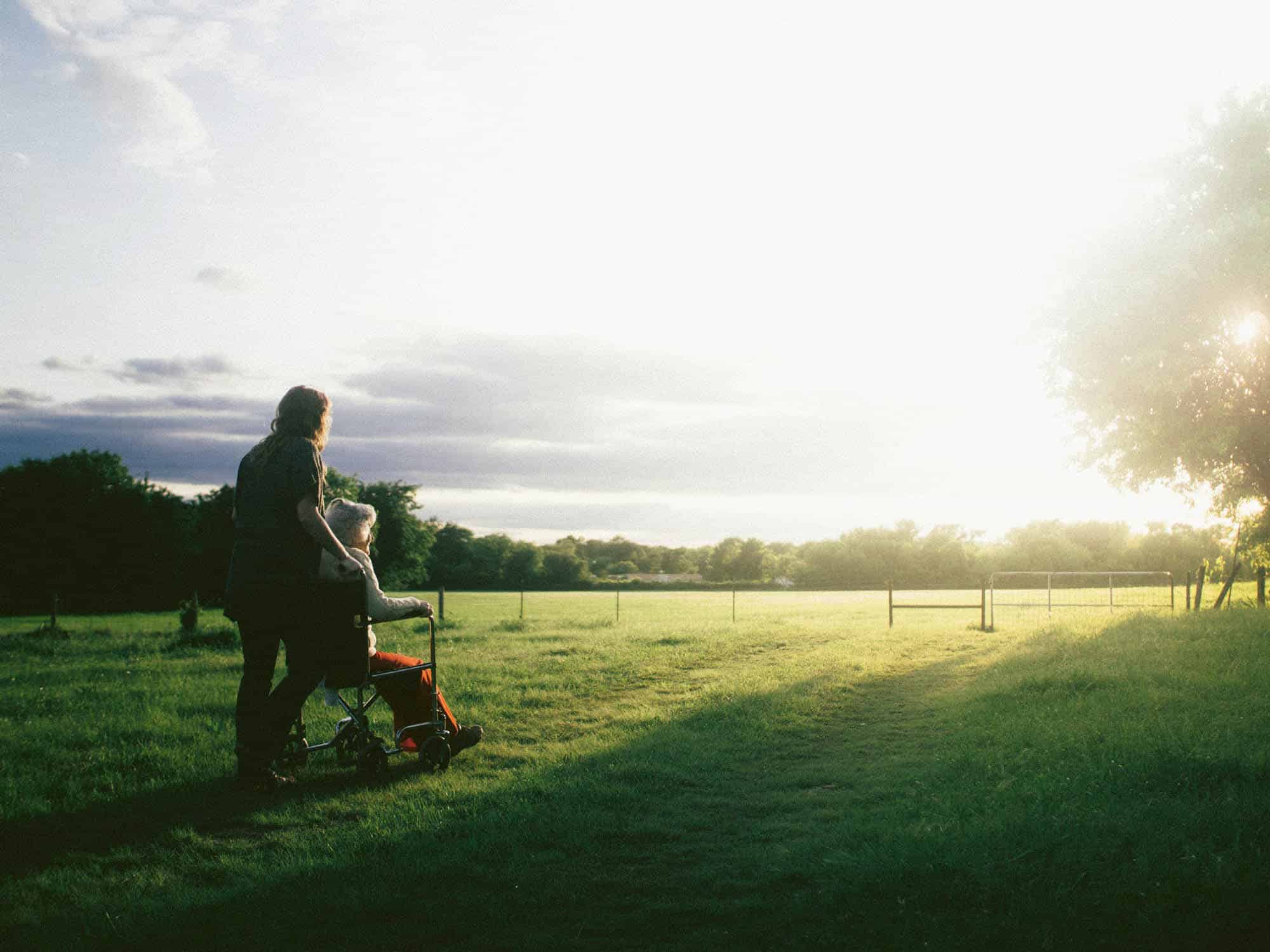
Buchenbach, Germany. Touched by the medical conference: Klaus Adams, specialist nurse in psychiatry from Germany. The conference on aging culture and care for the elderly warmed my heart. The problem of equating life in old age directly with illness leads to a social impasse. Seeing very old people in a healthy state of development opens up the view for a dignified, meaningful way of life. The perspectives of body, soul, and spirit also broaden our hopeful view of the diverse…
Klaus Adams · 14. Nov.