20 Beiträge · Ausgabe 5/2025
Editorial
Issue 5/2025
Kein Editorial verfügbar.
Weitere Beiträge
20 Beiträge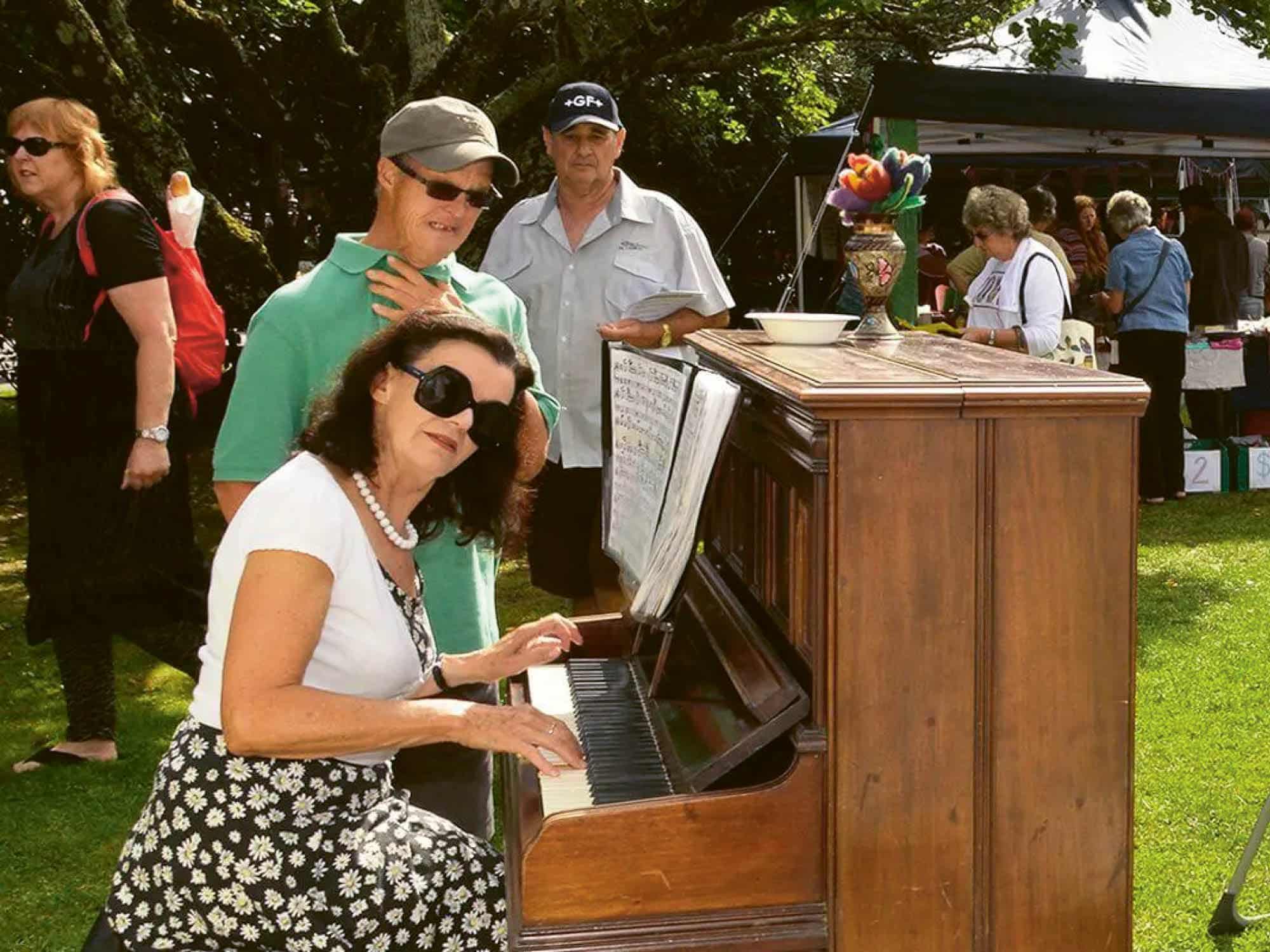
Im Fokus
To Be Alive
Auckland, New Zealand. The anthroposophy-inspired organization Hōhepa cares for people with special support needs at four different locations in New Zealand, both in their facilities and at people’s homes. The care is based on the principles of therapeutic education. In addition, the organization is involved in regional environmental protection projects, focusing on the regeneration of biodiversity. An interview with Mark Boyle, Chairman of the Hōhepa Homes Trust. What are the key elements of the daily structure in the Hōhepa facilities?…
Paula Boslau · 20. Nov.
Column
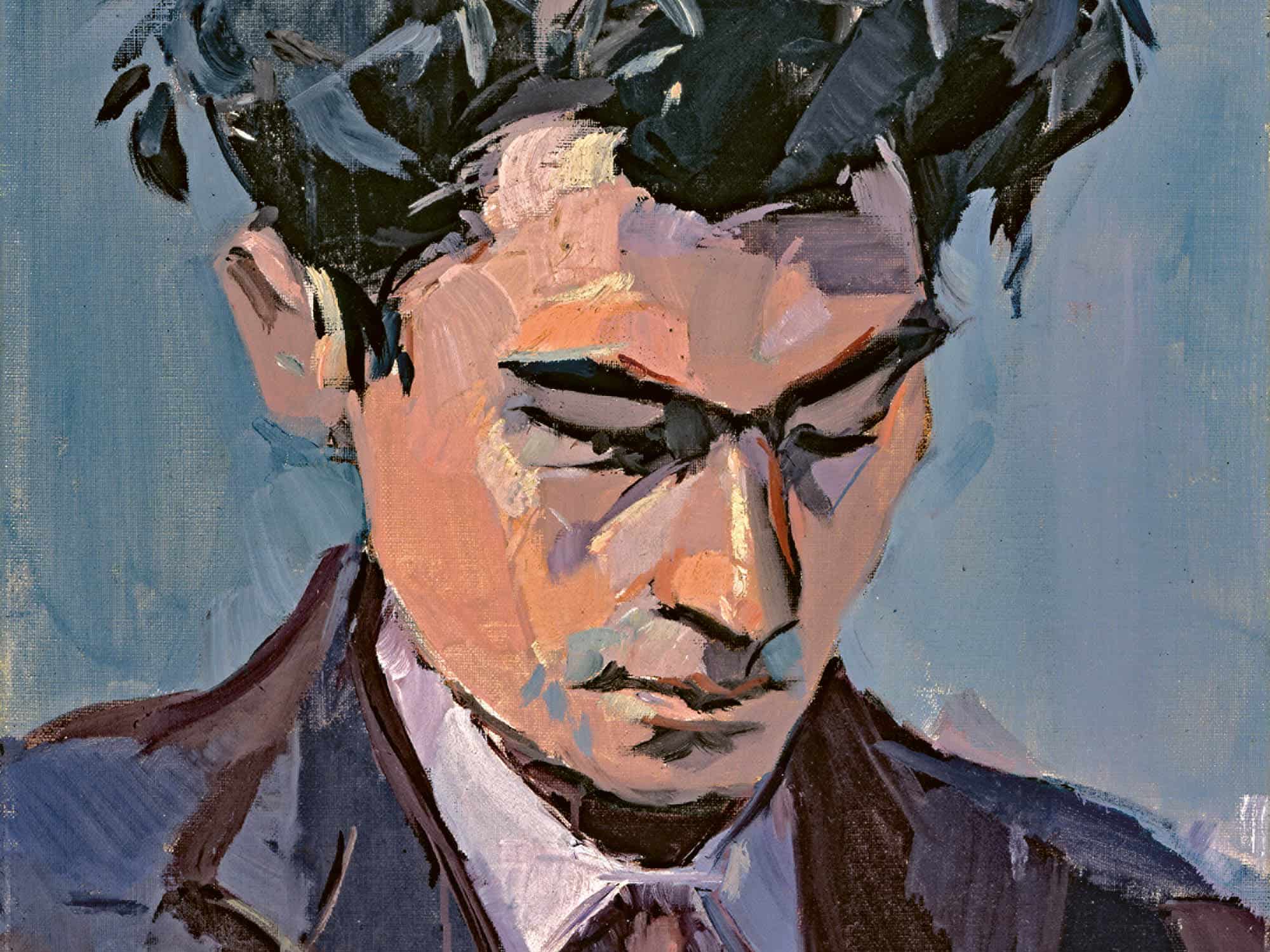
In the Studio of Jean, the Painter
Jean appears, hand outstretched and a shining hat of light on his head—a special hat that perhaps only I can see. This thought does not console me. For Jean is entirely inside that hat, and his words fall out of it. It’s a very positive impression: this man does not speak only with his mouth and throat. In all his sentences, there are flashes of light that seem to come from somewhere else, from above—a precious rain that you want…
Jacques Lusseyran · 02. Jan.
Event
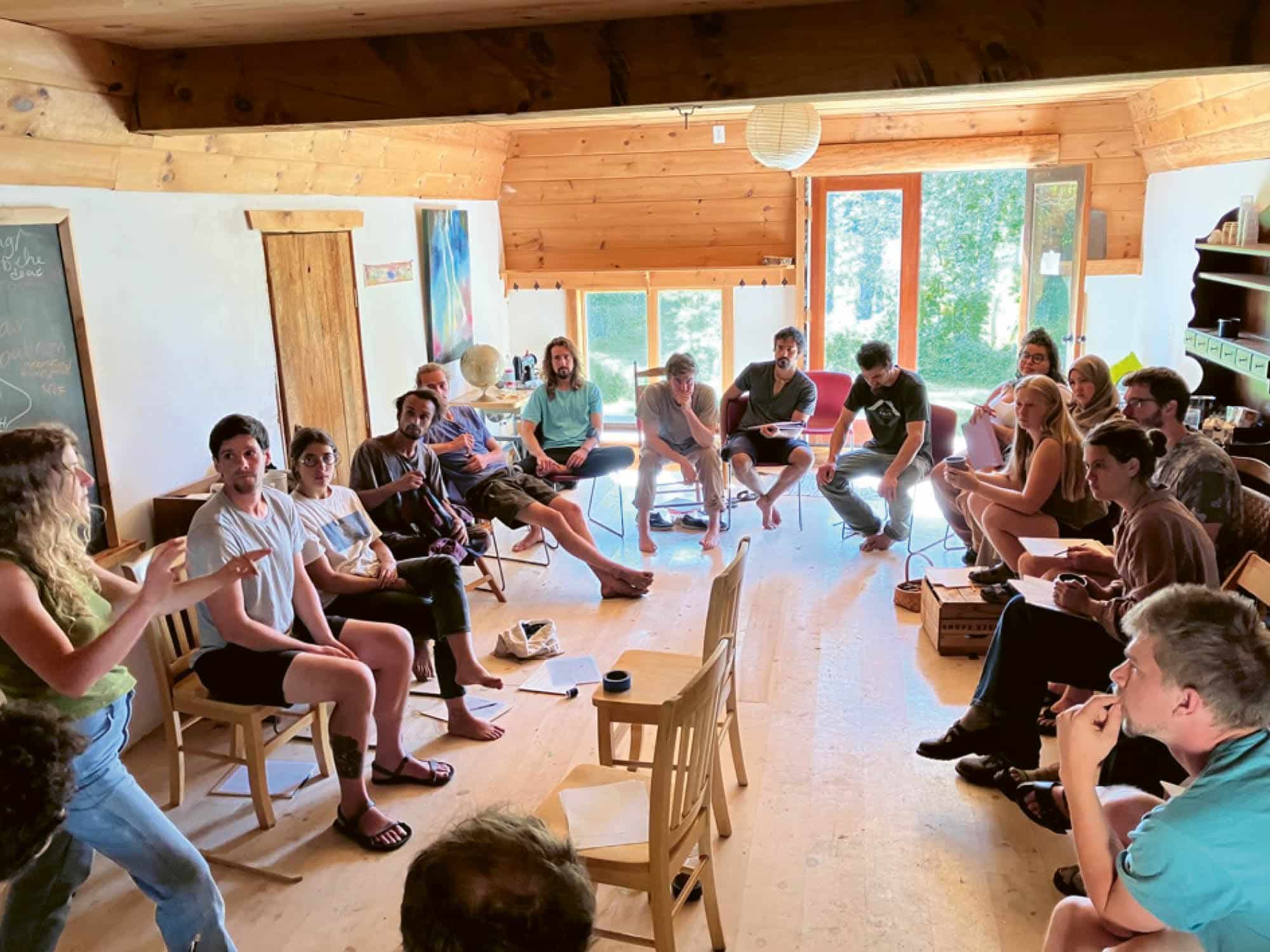
Greeting the Next Generation
“Join us in exploring and discovering how we can create a more meaningful world together!” invite the staff of the Youth Section in North America. They have set themselves the task of creating spaces in which young people can inspire each other and encounter the lively spiritual activity of anthroposophy. It’s about celebrating ideas and practices to connect with the most authentic self and future collaborators, they write. In the past year, a number of young people have found their…
Wolfgang Held · 02. Jan.
News
A Common Pace
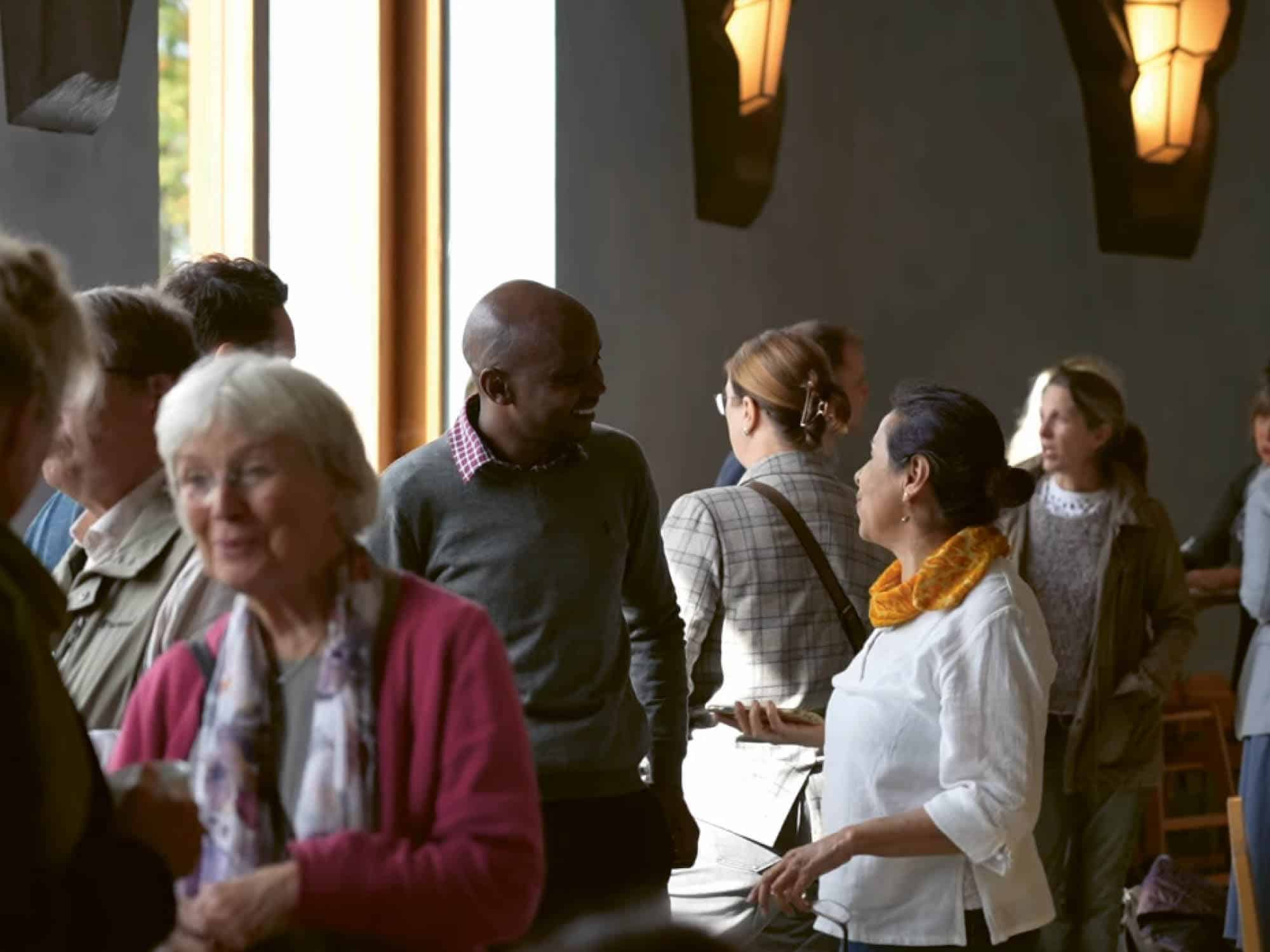
Dornach, Switzerland. A retrospective film on the Inclusive Social Development conference. The Goetheanum nestled in early autumn treetops; people looking into each other’s eyes, smiling, talking, moving to the same rhythms—these are images from the film of the Inclusive Social Development conference, which can now be viewed on YouTube. Inclusive means moving together at a common pace, a pace that really suits everyone. Social means meeting each other with interest in order to wake up to the other person and…
Paula Boslau · 02. Jan.
Conversation
Chatting With Roses
Fair Oaks, California. This year marks the 100th anniversary of Rudolf Steiner’s death. How does he live on in others? We interview Laura Scappaticci, author and educator from the USA. Which sentence of Rudolf Steiner has particularly touched you, and why? In light of the division in the United States, this sentence from How to Know Higher Worlds reminds me that there is a path forward where we can truly see each other. “It does not matter if what I…
Paula Boslau · 02. Jan.
News
Listening to Movement
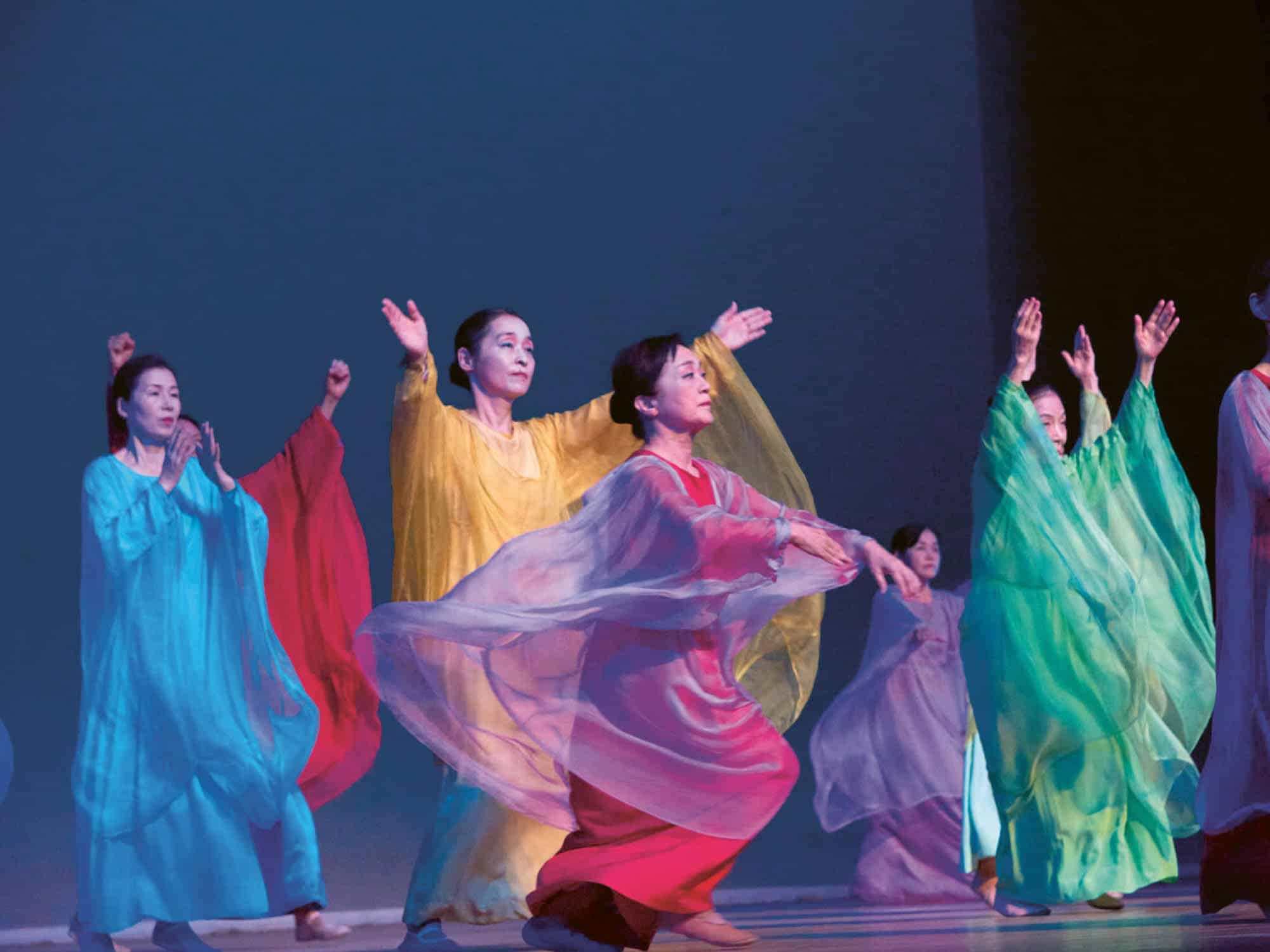
Tokyo, Japan. A look back at the Japanese eurythmy project, Nimo. The Nimo Symphonic Eurythmy Project began in 2019 from a small sprout on Japanese soil before first 20, then 26 Japanese eurythmists began its production in November 2020. The project, which began with the question: “What is your dream?” was conceived as a eurythmic staging of Antonín Dvořák’s symphony “From the New World.” The group successfully gave two performances in 2023, accompanied by a piano duo. In August and…
Yuko Hara Kobayashi · 02. Jan.
Retrospective
We Need Lighthouses
In June 2024, there was a staged reading of Jacques Lusseyran’s Das wiedergefundene Licht [And There Was Light] with Richard Schnell, Fritz Nagel, and a sculpture by Barbara Schnetzler. One member of the audience, Aina Bergsma, left the six-hour program feeling “ge-ich-tet” [‘I’-ed] and offers her reflection. In a time where complexity constantly threatens to overwhelm our comprehension and repeatedly disorientates us, I long for light. Light, not as enlightenment from above, as divine input, nor light as illumination of…
Aina Bergsma · 02. Jan.
Conversation
The Earth Lives
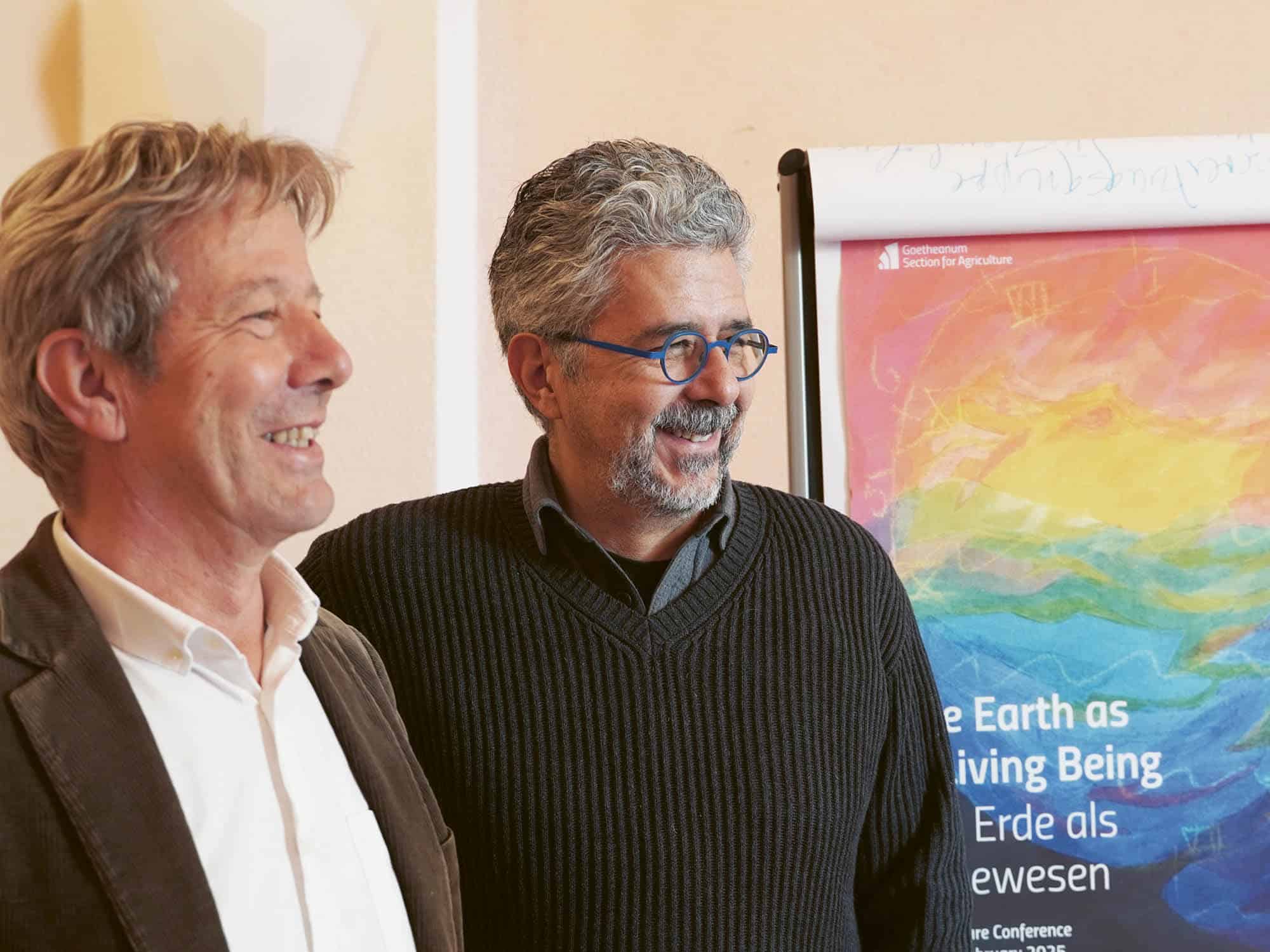
A biodynamically managed farm is seen as an organism, a living being. At the annual conference “The Earth as a Living Being” from February 5 to 8, 2025, farmers, gardeners, producers, and distributors will consider whether this concept of organism applies on a larger scale, beyond the farm boundaries, and whether the individual farm is therefore part of a greater, more comprehensive organism. It is the third step in a process of reflecting on and defining biodynamic work over several…
Eduardo Rincón · 02. Jan.
Essay
Was Jacques Lusseyran an Anthroposophist? A Testimony
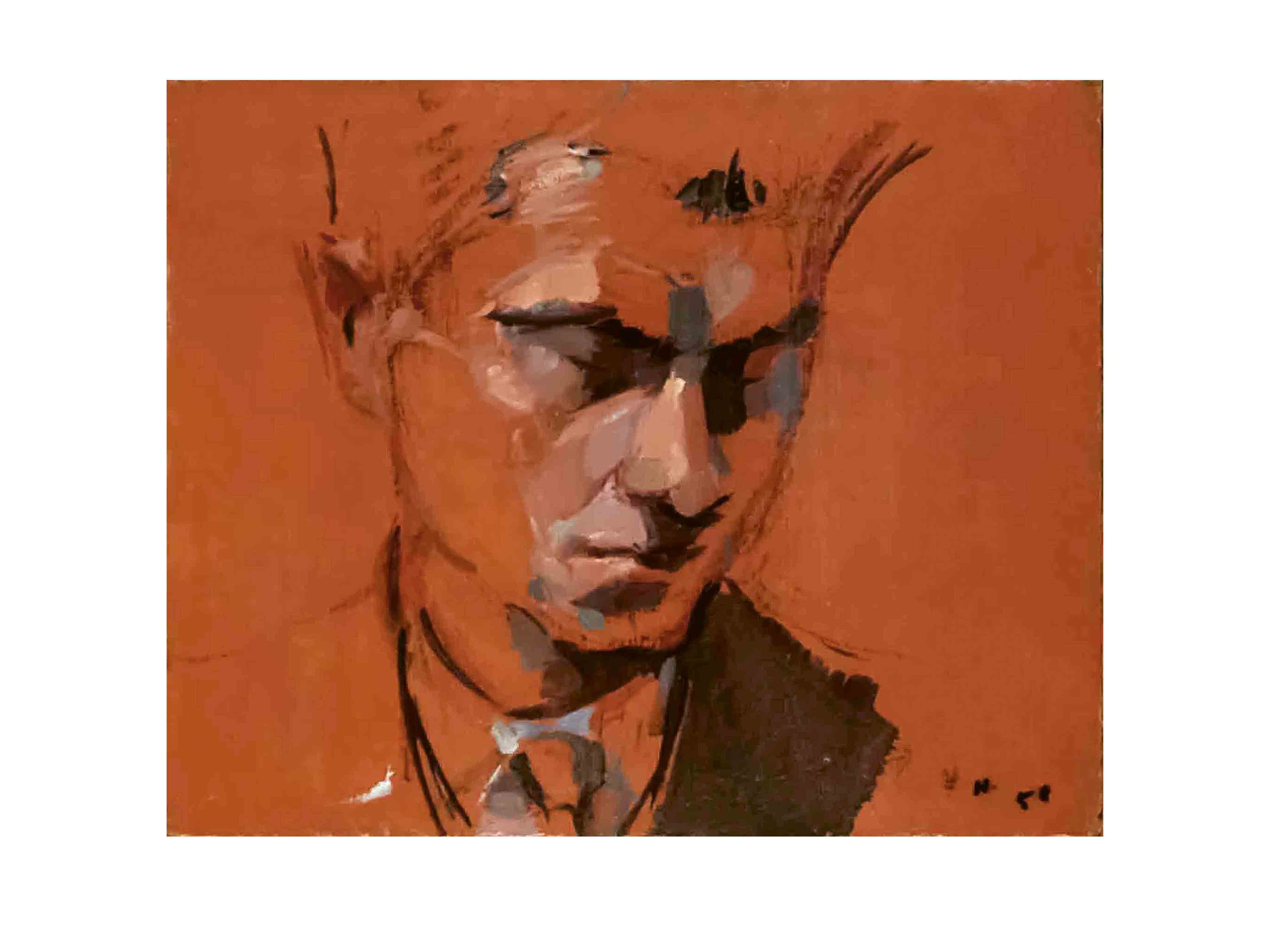
Jacques Lusseyran (1924–1971) has been well-known in France since 2015. His work is now considered a classic of French literature. What connects Jacques Lusseyran to anthroposophy? He only began reading anthroposophical works, mainly by Rudolf Steiner, late in his short life. However, he came into contact with the substance of anthroposophy at an early age through his father. François Lusseyran, his half-brother, writes. First of all, I can personally testify that Jacques Lusseyran clearly realized one day that anthroposophy was…
François Lusseyran · 02. Jan.
Essay
Camus and Lusseyran: Thinkers of Light in the Resistance
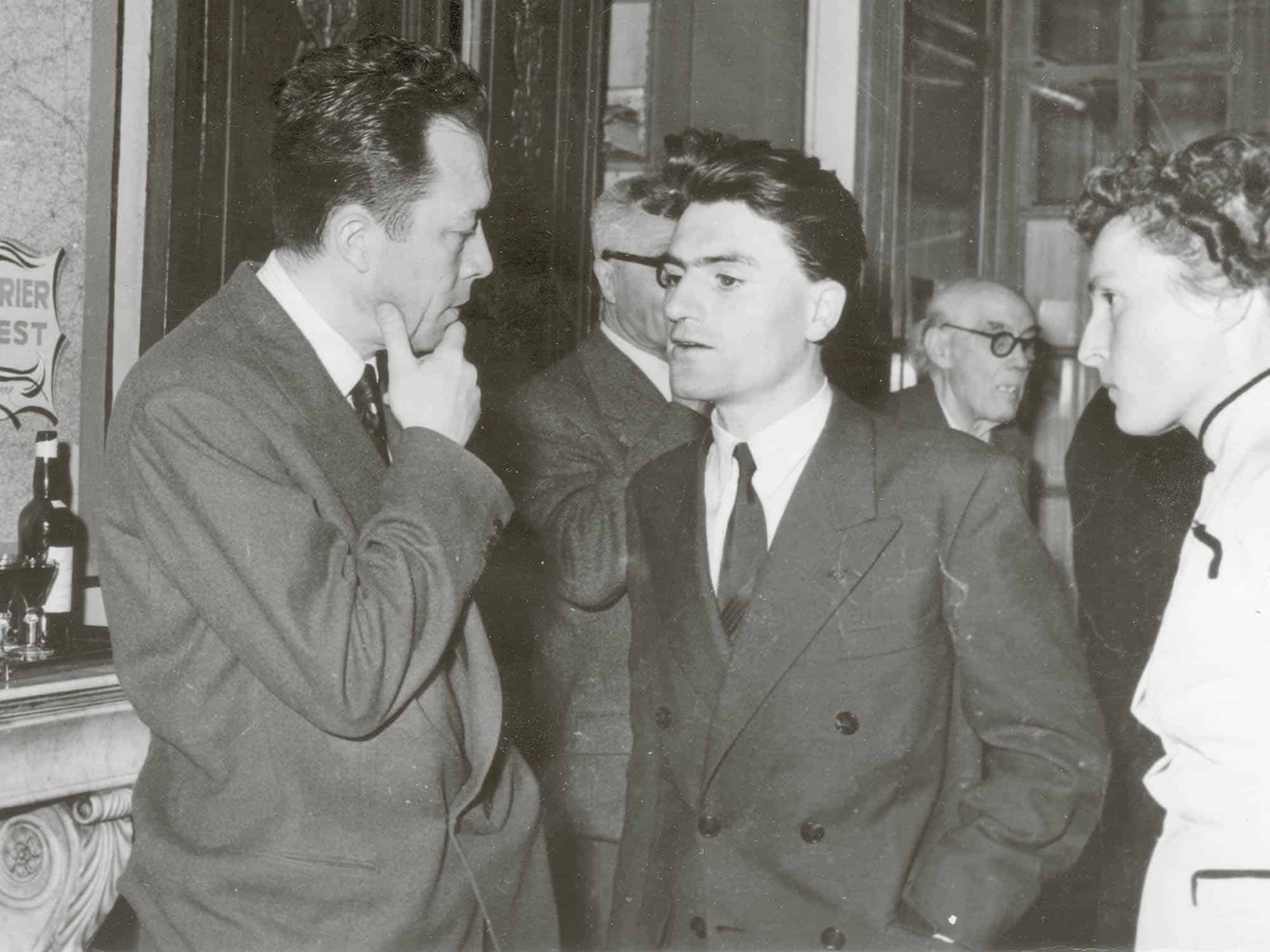
They were handsome, smoked a lot, loved women, nature, and light—and they resisted the Nazi occupation. Albert Camus and Jacques Lusseyran, whose meeting in 1953 was captured by a photographer, are united by their deep search for meaning in a dark world. A reading in dialogue. The same scene, eleven years apart, two cars: 1960—Albert Camus drives to meet three women with whom he’s arranged a date; 1971—Jacques Lusseyran travels with his third wife. . . . For unexplained reasons, Camus’s car veers…
Isabelle Dupin · 02. Jan.
Essay
Jacques Lusseyran and the Economy of Light
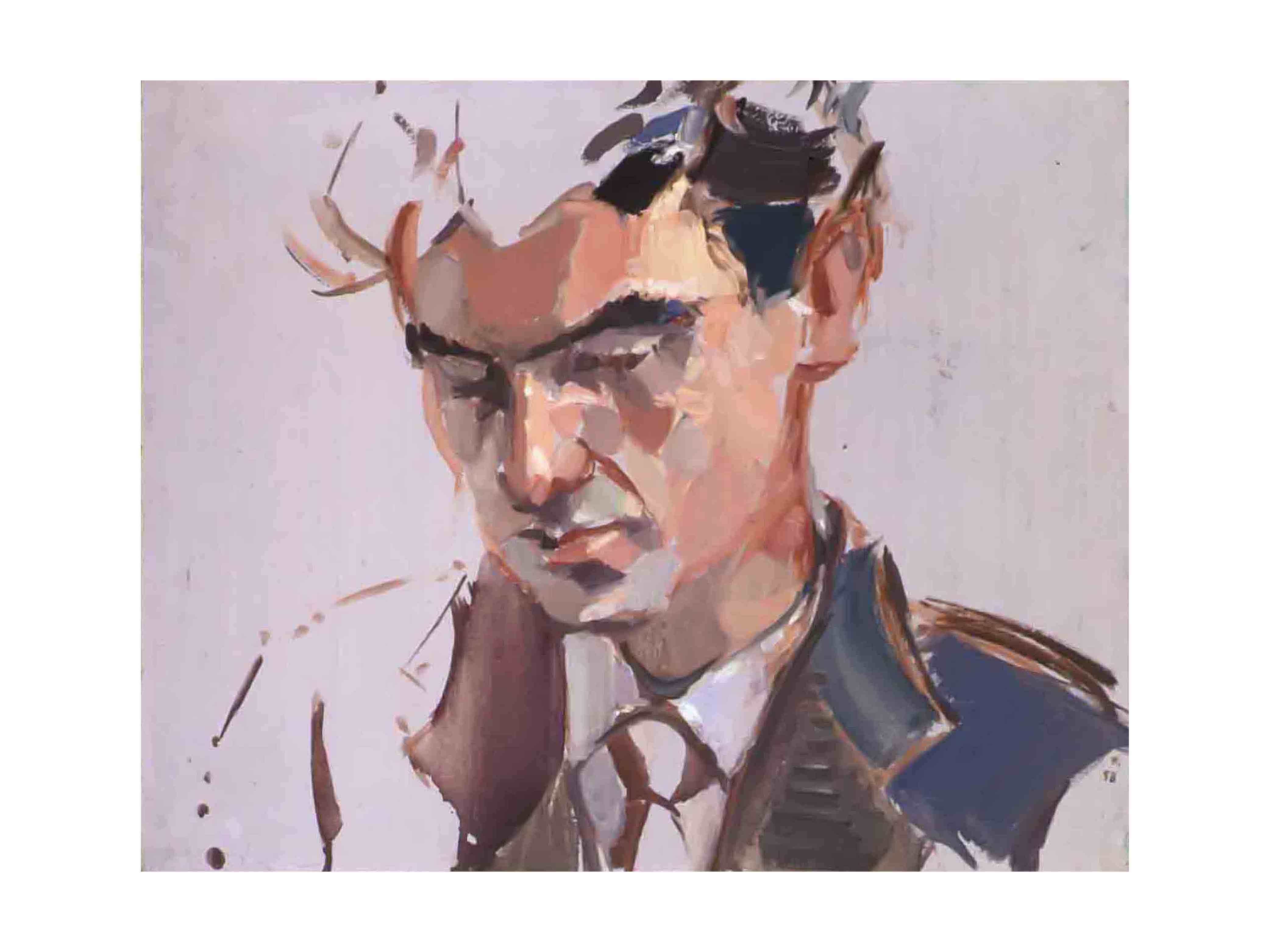
Despite his blindness, the experience of light reported by Jacques Lusseyran opens up new perspectives on the nature of light. Lusseyran draws attention to the inner dimension of light and shows how much there is behind what he called the “economy of light.” “The moment I lost my sight, I found the light within me unchanged. I didn’t need to remember what it was for my eyes anymore… it was there, in my mind and in my body. It was inscribed…
Raymond Burlotte · 02. Jan.
Column
Theatre as a Spiritual Space
“Here, the audience adds something. Through perception, through listening ‘from outside,’ the ‘unheard’ becomes possible.” This is how author Marc Vereeck describes it in his article “Listening While Acting.” Listening is essential for a play: the transformation of written text into living language and characters. The audience adds something—or, to be more precise, the audience gives the play its listening. The actors who, as in the work with Rudolf Steiner, have “listened” to the script and have “listened” to their…
Franka Henn · 29. Jan.
Art
Building Bridges as Life’s Goal: Karlheinz Flau
We congratulate the artist Karlheinz Flau on his 90th birthday. Karlheinz Flau engaged with the sciences while still quite young, partly through his talent with a pencil and paints, but also through reading Rudolf Steiner’s lectures on karma and reincarnation. He became a researcher and remained one throughout his life. In addition to many other artistic and architectural works, he created his special form of art that he called “inspiration sheets” [Inspirationsblätter]. They grew into five portfolios and were christened…
Peter Stühl und Ute Kassner · 29. Jan.
History
When Peace Becomes a Tragedy
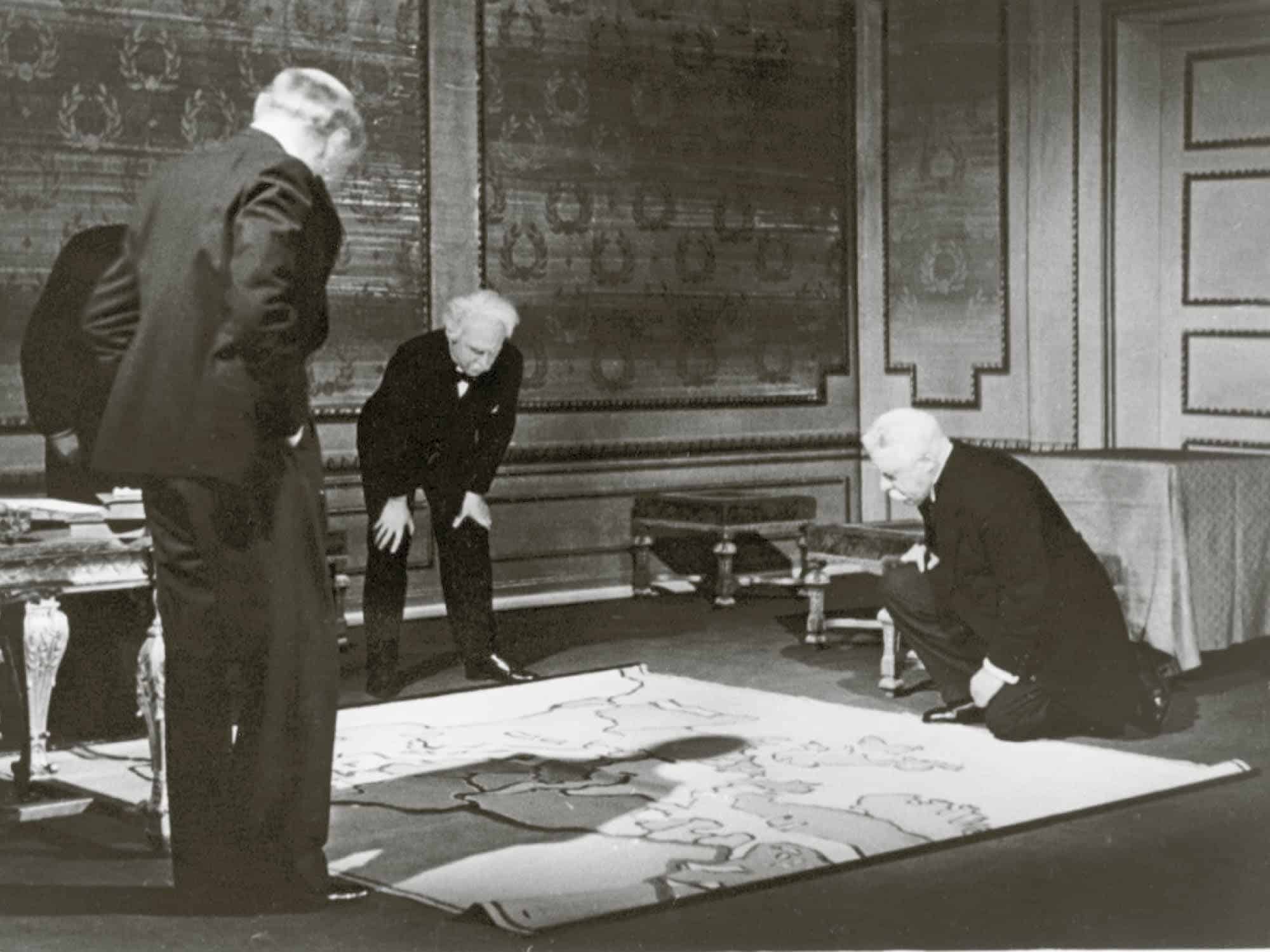
How do we approach history? How well do we understand the causes of the events that define our time? Important questions like these inspired the initiative to bring a new performance at the Goetheanum of Albert Steffen’s The Tragedy of Peace. The project has arisen on account of the surprising potential of a play involving the suprasensible, along with the wish to pay tribute to its author, Albert Steffen. But even more than that, it is about bringing the audience…
Alessandra Coretti · 29. Jan.
Steiner as
Listening while Acting
Drama is a red thread running through Rudolf Steiner’s career. He loved it. After all, drama is all about bringing the dramatic dimensions of life, the world, self-knowledge, the expansion of consciousness, and the realities within reality into living artistic forms. I am many. Marie Steiner reported that she’d never seen her husband happier than when he was working on his Mystery Dramas in Munich. The images handed down through the generations depicting the end of his life are rather…
Marc Vereeck · 29. Jan.
Essay
Reflection on January 20th
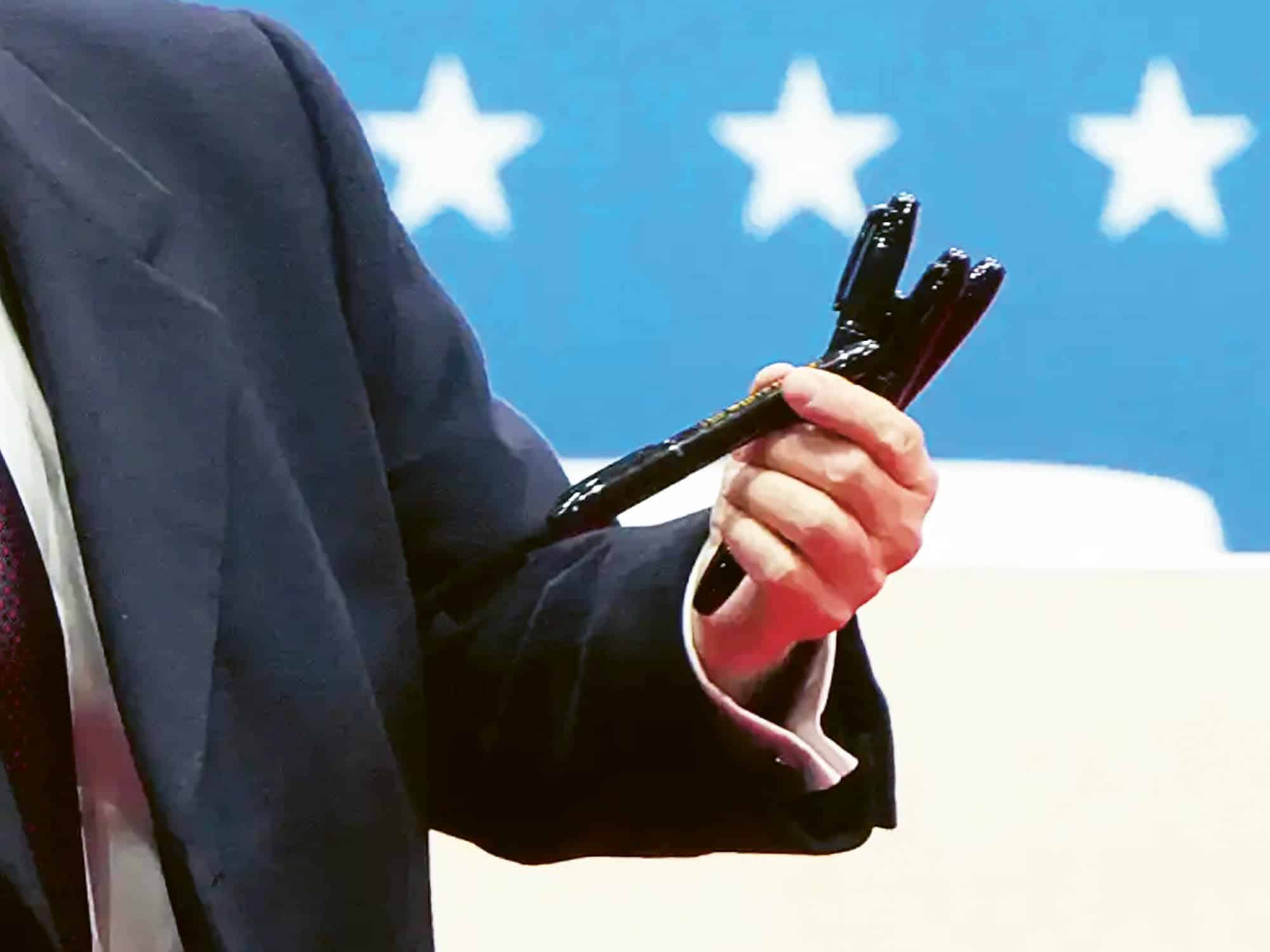
An image for the history books: the new US president signs stacks of presidential decrees in a baseball arena as if he were signing books and hurls the pens into the cheering crowd. The image is reminiscent of a carnival parade, where sweets are tossed to the eager spectators along the side of the road—except here, the fate of 11 million migrants and climate change is at stake. Play and seriousness, comedy and tragedy. With each signature, a decision of…
Wolfgang Held · 29. Jan.
Conversation
Delicate Acquaintance
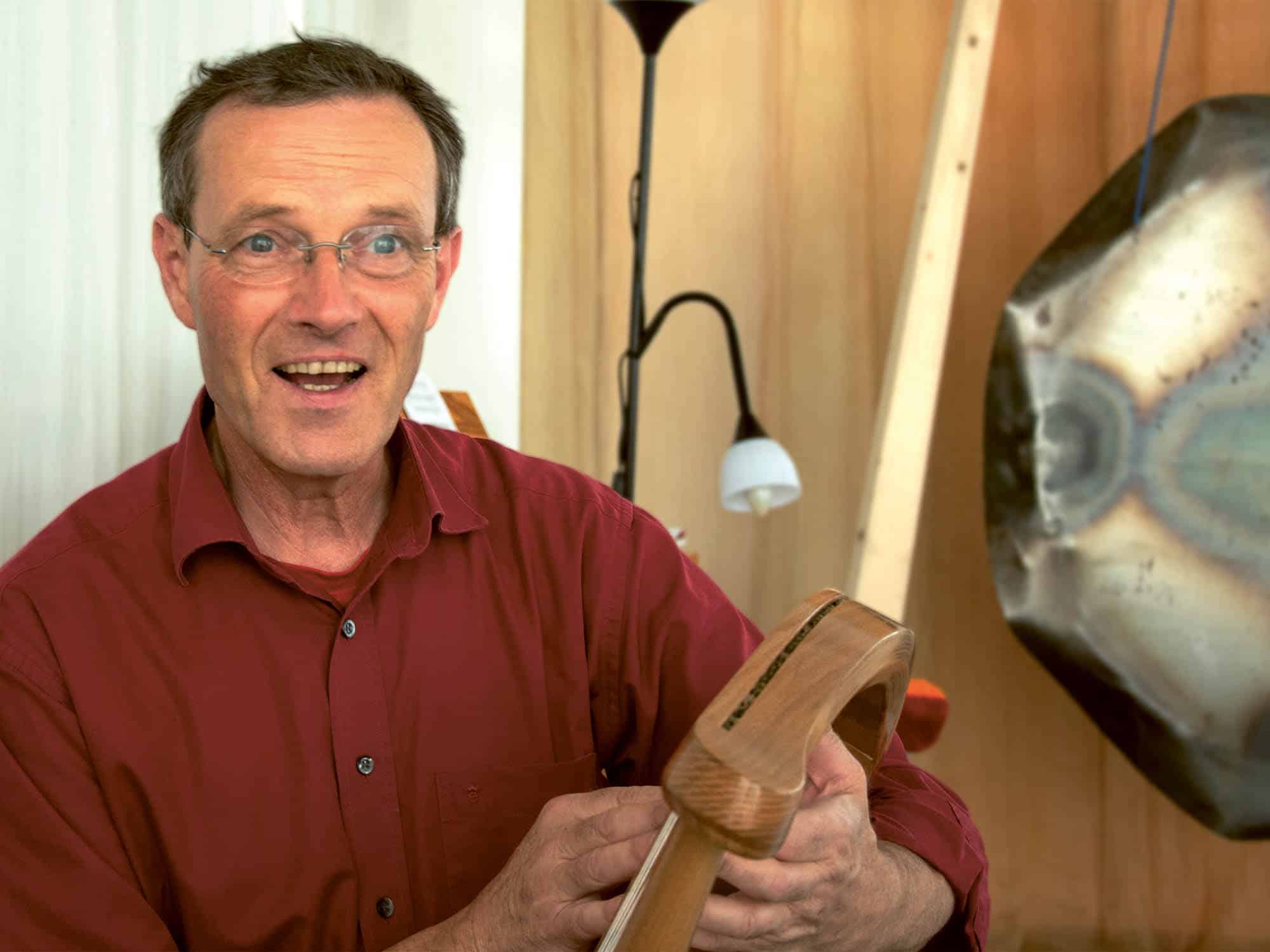
Kassel, Germany. This year marks the 100th anniversary of Rudolf Steiner’s death. How does he live on in others? Christoph Quadflieg, therapeutic educator, choir director, singing teacher and singer from Germany, gives his answers. Which sentence by Rudolf Steiner has particularly touched you and why? For some time now, I have been inspired by Jürgen Schreiter’s statement that Rudolf Steiner said at the end of his life: “If I could start again, I would turn the rudder 180 degrees and…
Paula Boslau · 29. Jan.

News
Carried by the Sun
Puerto Princesa, Philippines. From November 28 to December 1, 2024, 35 participants from twelve different countries came together on the Philippine island of Palawan for the Asian Biodynamic Conference. Biodynamic farmer Alex Edleson shares his experience. “There is life, there is goodness” was a phrase gifted to those of us who participated in the Asian Biodynamic Training and Networking Conference held on the island of Palawan, Philippines. This was one of the sentences for reflection given to us by the…
Alex Edleson · 29. Jan.

News
Artistic Integration
Alfter, Germany. An art therapy project for children with refugee experiences. The Interwoven Worlds project, organized by the Department of Artistic Therapies at Alanus University of Arts and Social Sciences, is continuing until the end of September. The program creates a protected environment in which children with refugee experiences can process their stories and develop creatively. Once a week, art therapy students, supported by their professors, open a room in which the children can come into contact with various art…
Paula Boslau · 29. Jan.
Event
Into Heavenly Realms
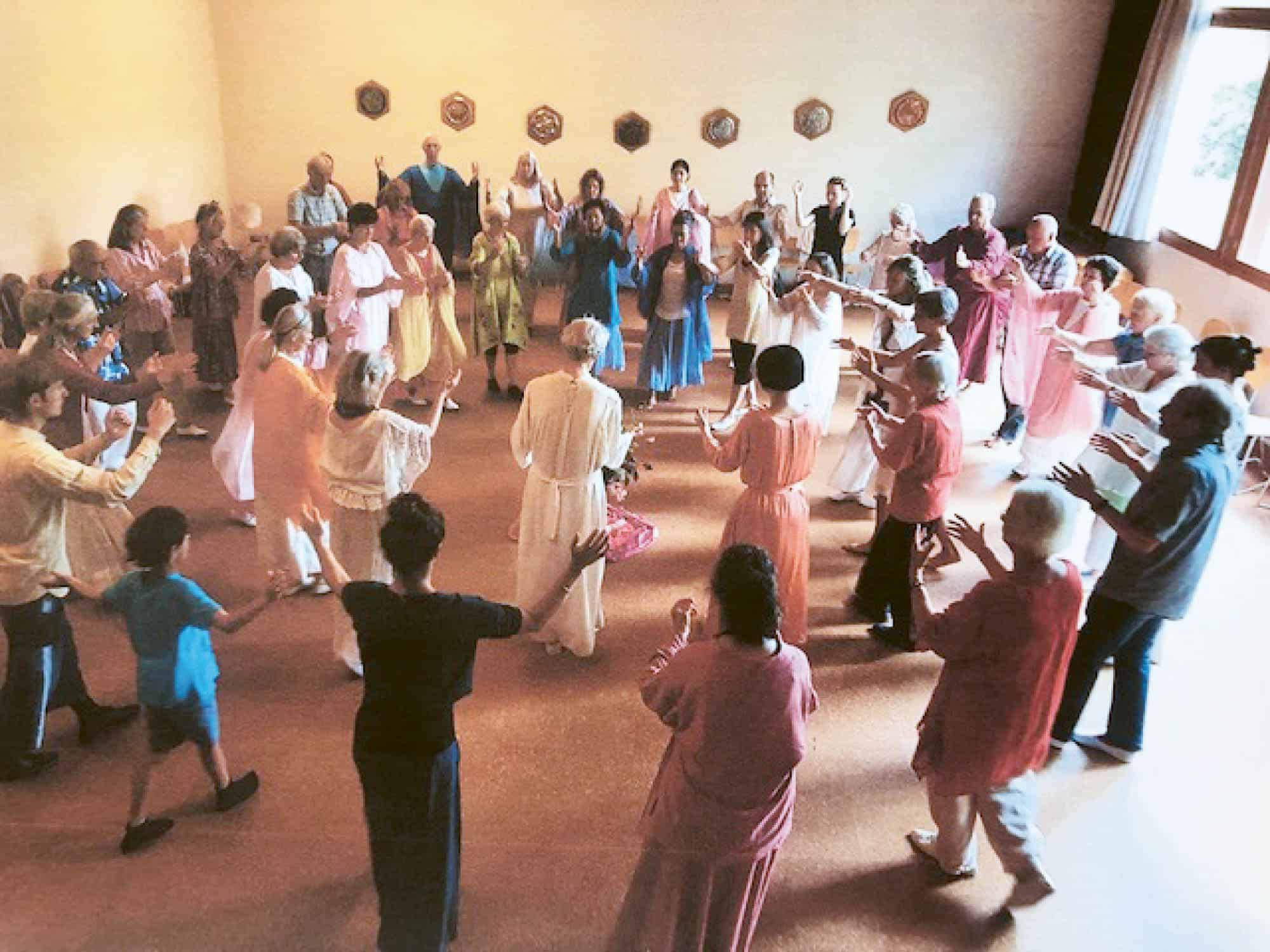
Quito, Ecuador. A cosmic eurythmy seminar at Easter. A Choreocosmos eurythmy seminar will take place in Quito, Ecuador, during Easter week from April 12 to 20 in honor of the 100th anniversary of Rudolf Steiner’s death. The event will be led by British astronomer and eurythmist Robert Powell, who founded Choreocosmos within the Sophia Foundation in 2000. The seminar program includes daily Choreocosmos units in which the participants explore an experience of the life cycle together through movement and music.…
Paula Boslau · 29. Jan.