16 Beiträge · Ausgabe 8/2024
Editorial
Issue 8/2024
Kein Editorial verfügbar.
Weitere Beiträge
16 Beiträge
Im Fokus
The Breath of the Cosmic Word in Human Development
For the author, cosmic evolution can be seen as a gigantic breath—a breath expressed not only through human consciousness and the four elements but also through the technological developments of humanity. After the birth of Christ, what made people start counting time from the beginning again as an indication that the history of the earth had entered a new phase in its evolution? Obviously, this was not just an event with a regional impact on time. But then, it cannot…
Zoran Perowanowitsch · 22. Dez.
Georgia
Learning for Life
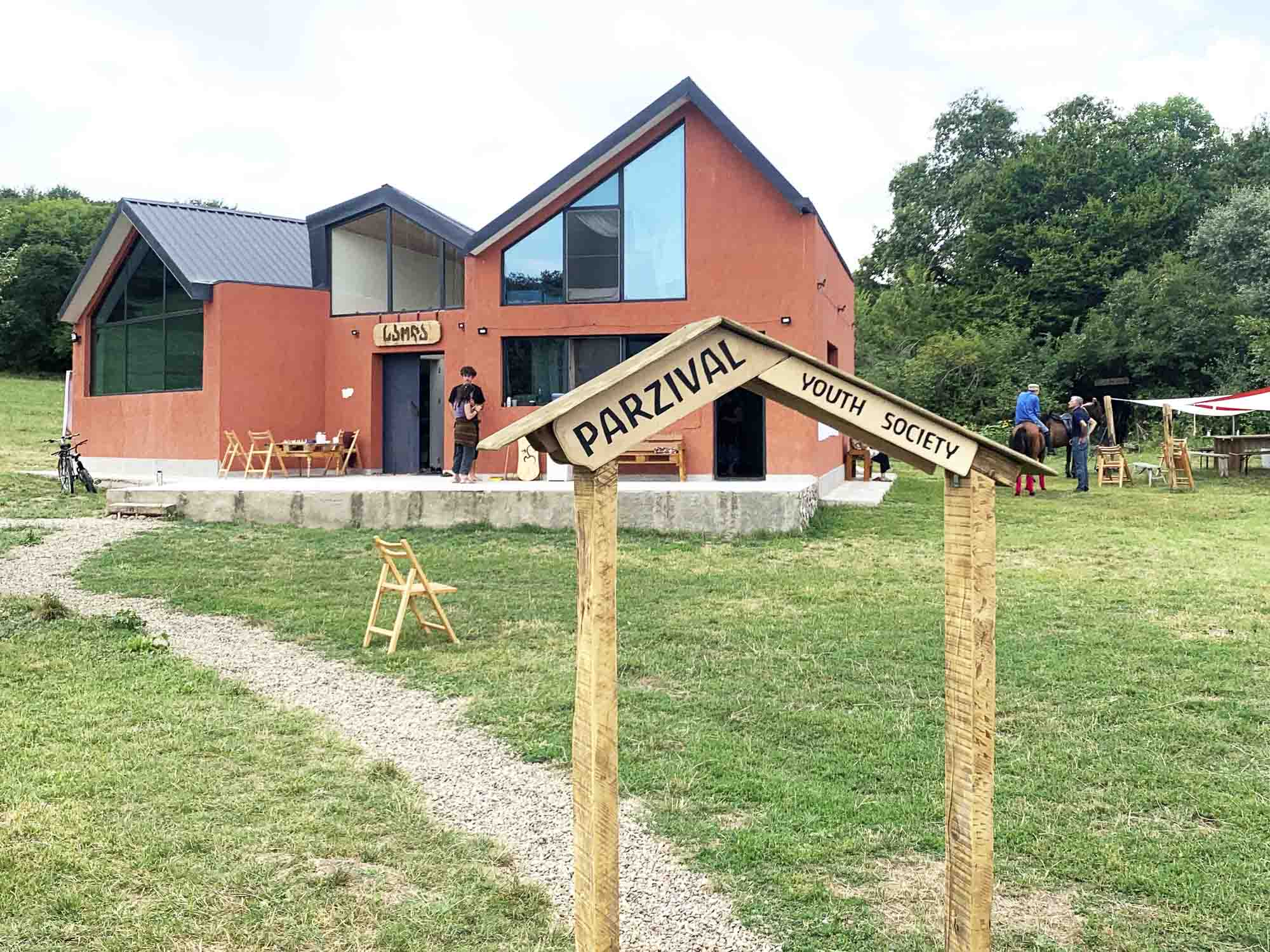
Georgia. A venue for Waldorf education and community building in Georgia. The Georgian Parzival Youth Society was founded in 2016 by a group of young adults in their twenties. Since then, it has implemented many artistic and social projects. The challenges posed by the Covid pandemic ultimately awakened a desire among the members of the initiative to do more to improve education. So, in 2021, with the help of friends and local residents, the group built an educational space in…
Paula Boslau · 22. Dez.
Pedagogy
Moratorium on Digital Education
Germany. A call for public discussion on the digitalization of education in an interdisciplinary and scientifically sound manner. Academics from a wide range of disciplines and research areas have joined forces to call for a moratorium on the use of digital media and artificial intelligence in German educational institutions. In their collaborative statement, they criticize the unquestioning promotion of digital technology as a contemporary solution to educational issues. In the text, they refer to various studies that have proven the…
Paula Boslau · 22. Dez.
Reflection
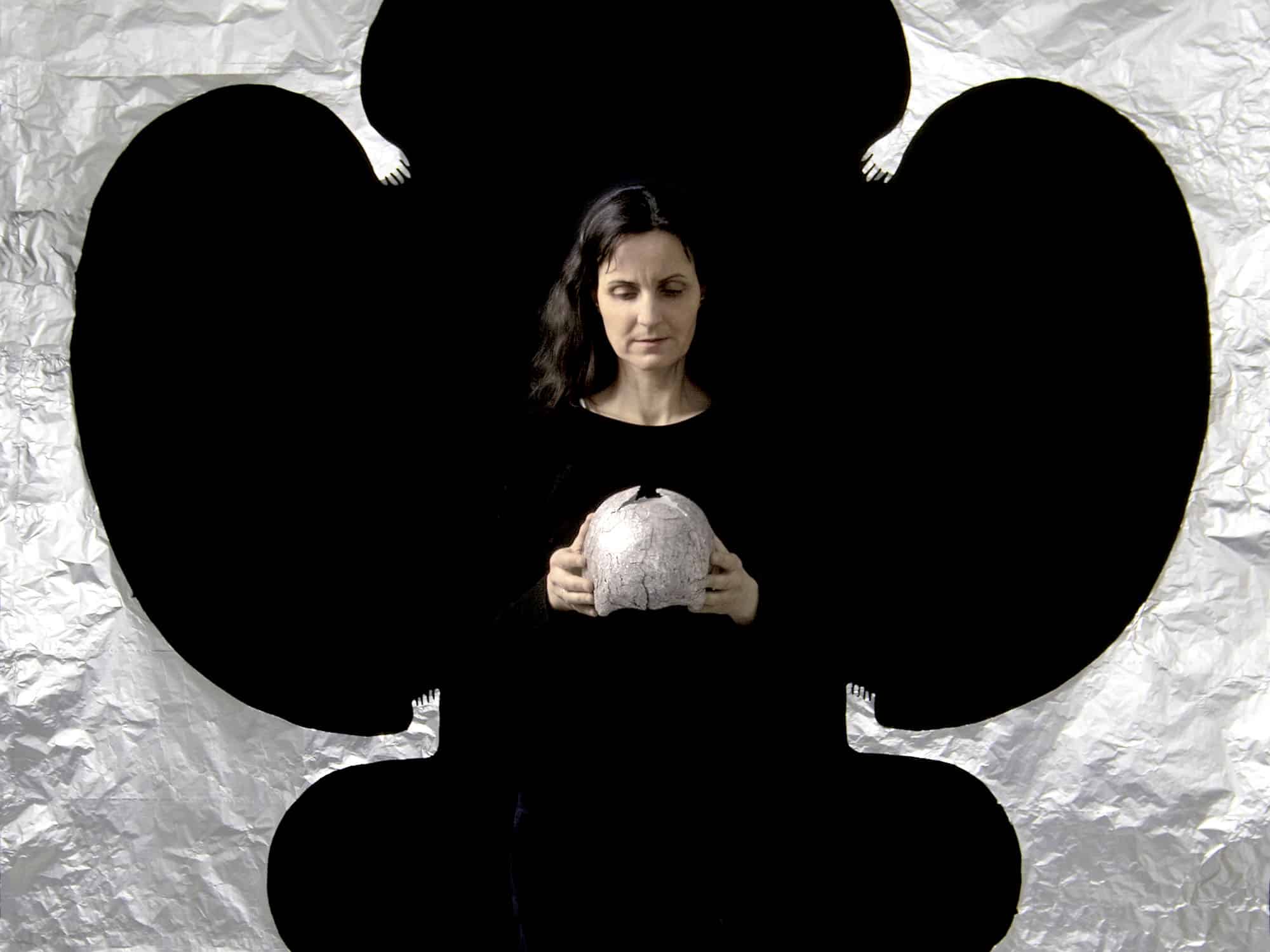
Reincarnation and Karma as a Developmental Idea
The idea of reincarnation belongs to the core of anthroposophical thinking and is currently the most widespread conception of what happens after death. However, both proponents and critics of the idea have not fully grasped its character in Western culture, and misinterpretations have been used to speak out against anthroposophy. Jens Heisterkamp wrote a small book on the subject and summarized his thoughts for us here. The religious scholar Helmut Obst once described reincarnation and karma as a “successful trans-religious…
Jens Heisterkamp · 18. Jan.
News
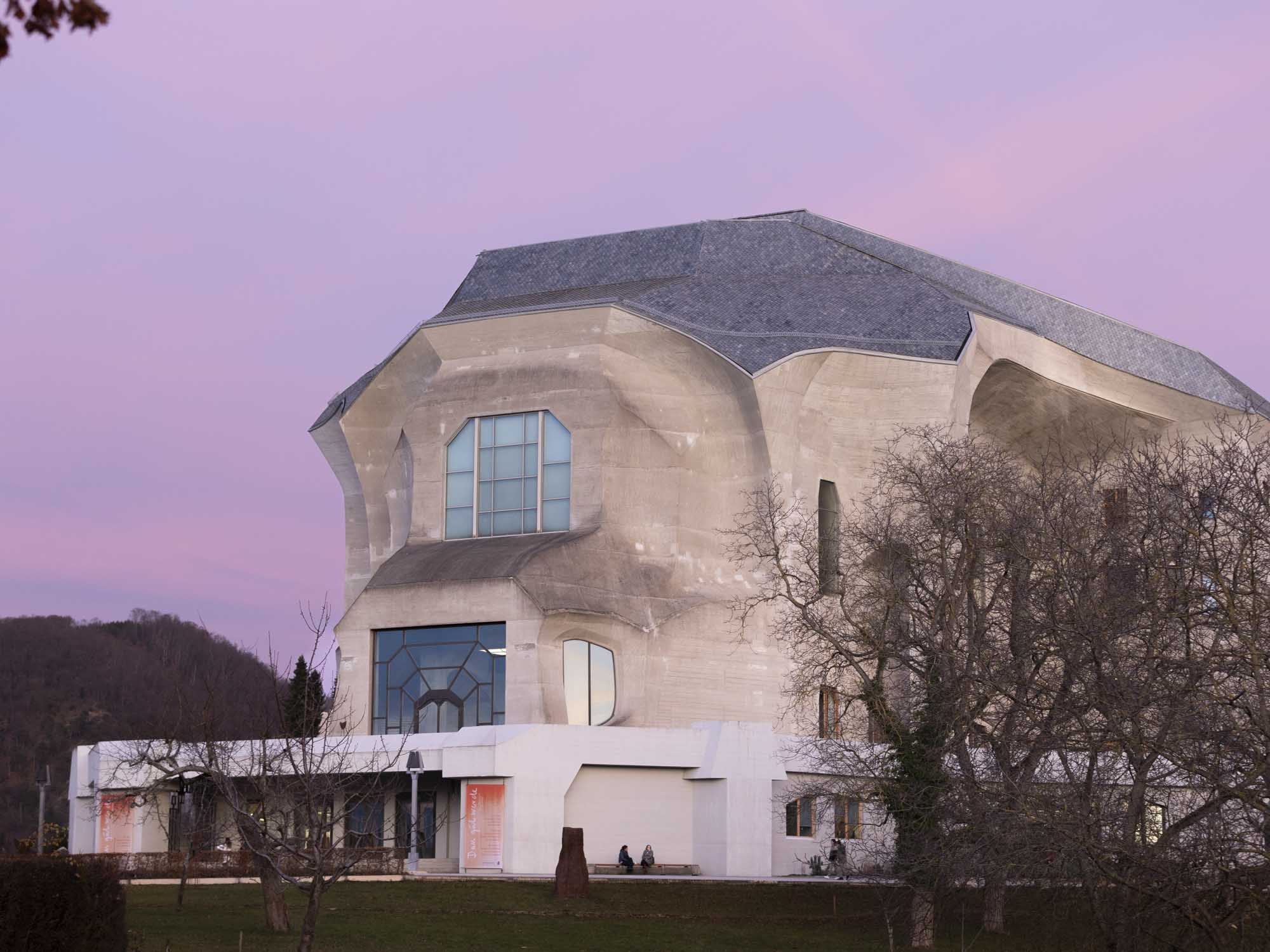
The Problem with the Constitution of the Anthroposophical Society
In a series of talks about the impulses of the Christmas Conference of 1923/1924, Gerald Häfner opened his lecture (”The Problem with the Constitution of the Anthroposophical Society”) with the words that stand above the door to the School of Spiritual Science: “Oh human, know thyself.” We must fulfill this demand every day, personally and as a community, because it is out of communities that perspectives arise. Anthroposophical knowledge can be formed in isolation, but as soon as it is…
Wolfgang Held · 18. Jan.

Column
No Web without a Spider
Karma is about shifting responsibility from heaven to yourself. In this, you become the very maker of your own destiny. Sadhguru Karma gives freedom! This is the first and most intimate message I learned from Sadhguru, who became world-famous with his Isha Foundation. In many other contexts, I have heard a rather frightening or completely overloaded interpretation of “karma”, for example, as relationships that have “a lot of karma”—usually particularly bad relationships—or relationships that were pre-ordained, and so on. Sadhguru’s…
Franka Henn · 18. Jan.
Natural Sciences
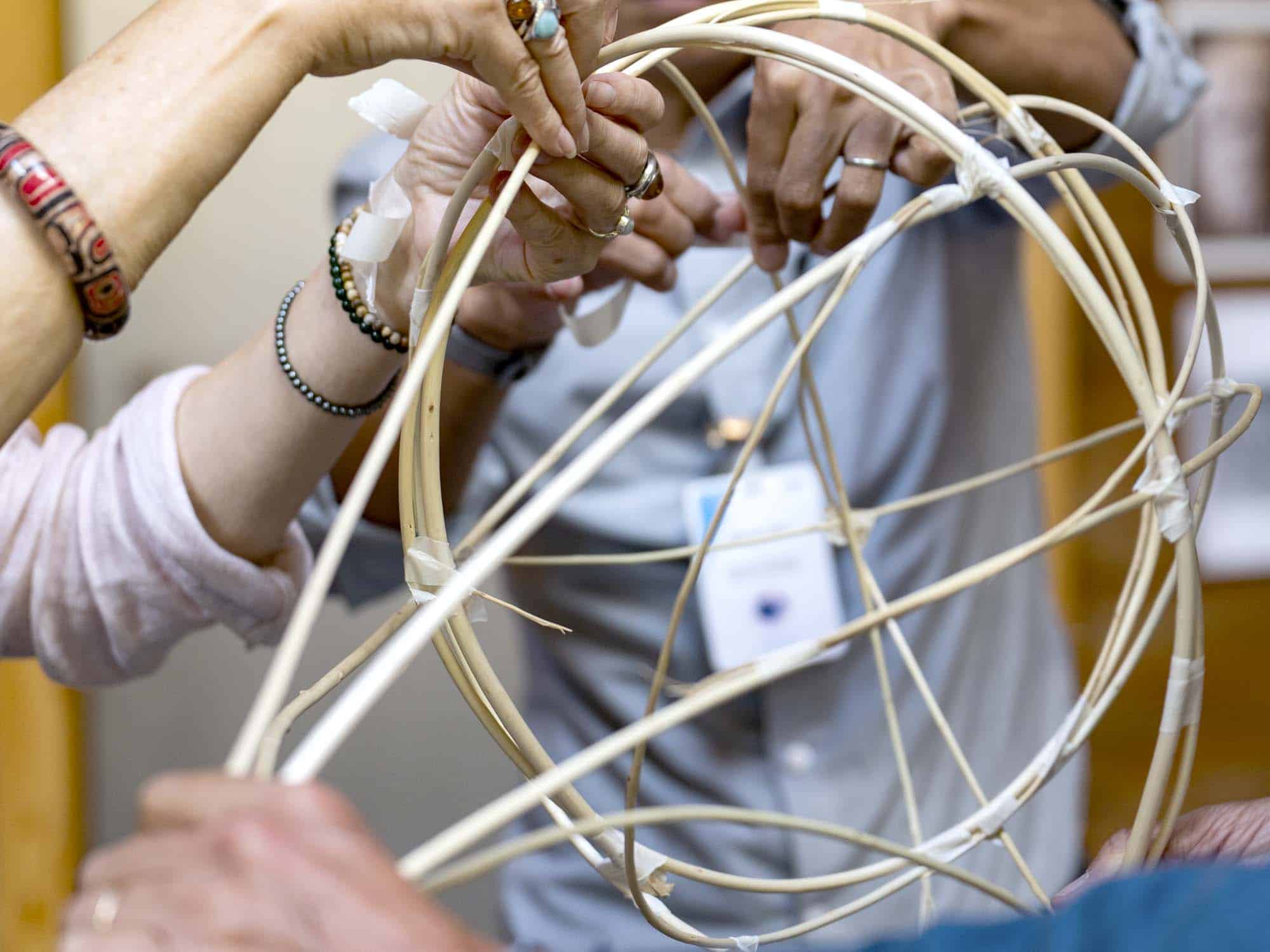
Synchronizing Brain Waves
In the summer of 2023, the journal Scientific American published an article on the astounding synchronization of electroencephalograms in human beings and animals within cooperative situations. Here is an area of research that raises far-reaching questions. A large part of our daily lives does not take place alone but with others. When we share thoughts or feelings with others, when we make decisions together or partake in collaborative activities, we immediately recognize that these social interactions often bring in whole…
David Auerbach · 18. Jan.
Social
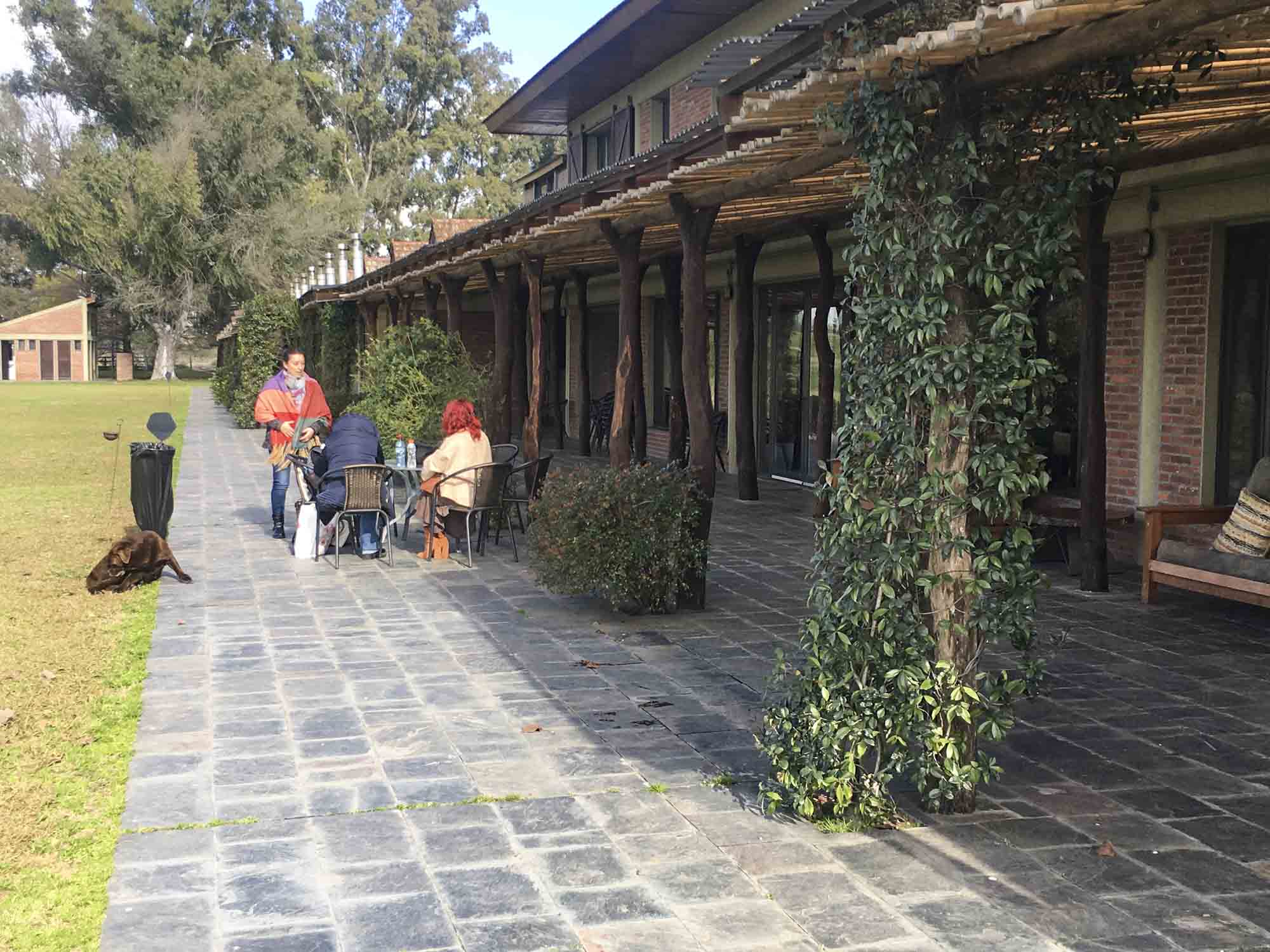
Annual Conference of the International Training Circle
Buenos Aires. A networking meeting for inclusive social development in curative education and social therapy. From April 30 to May 4, 2024, the 28th Annual Meeting of the International Training Circle will take place in Capilla del Señor in the Argentinian province of Buenos Aires. The meeting will focus on inclusive social development in professional training for educational, therapeutic, and social professions. The participants will further develop potential inclusive practices that were outlined at a meeting of the Training Council…
Paula Boslau · 18. Jan.
Pedagogy
Where Waldorf Education Blooms
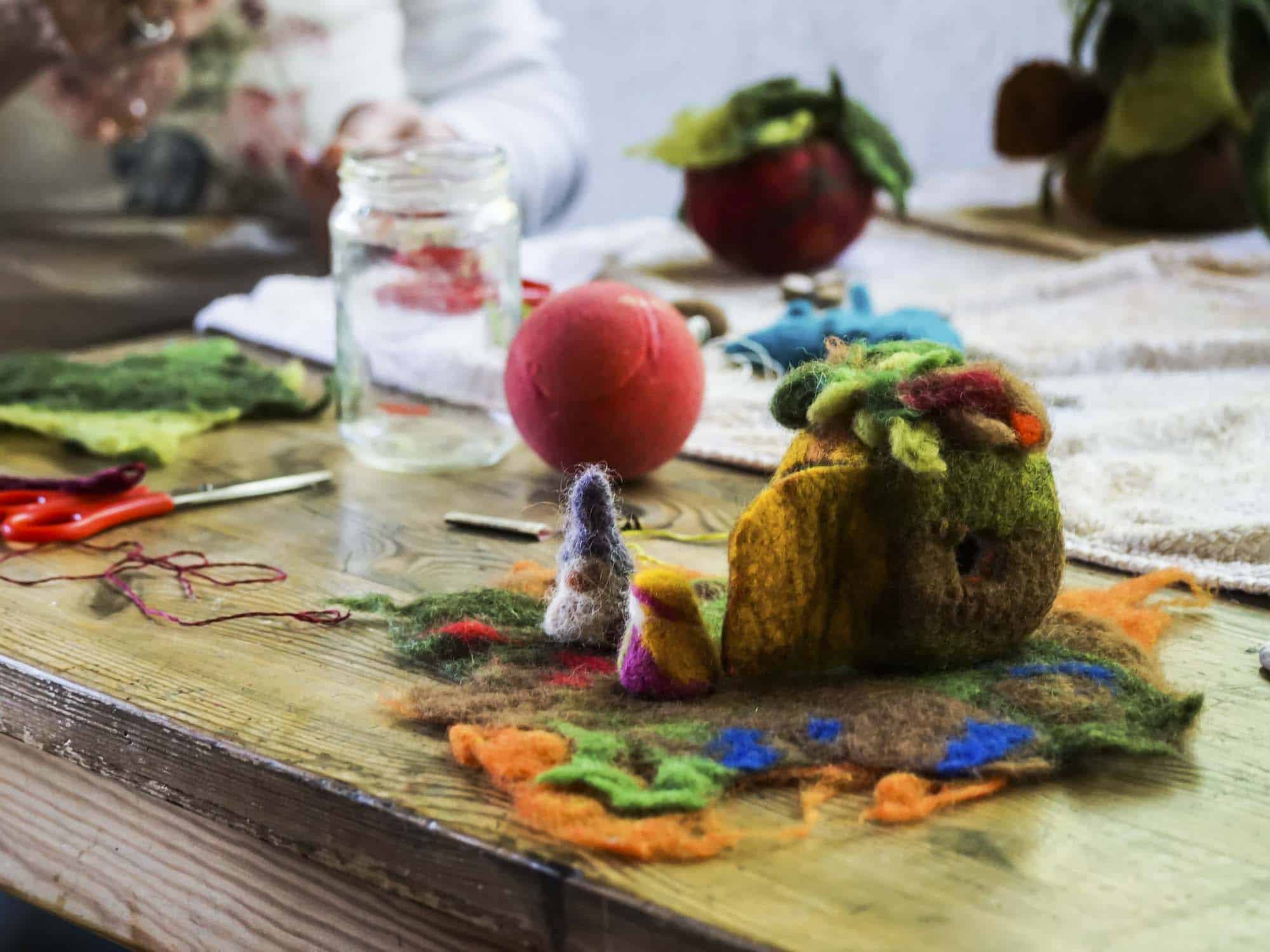
Turkey. The Waldorf movement is still young in Turkey. Nisan Eskicioglu works with teachers who want to train as Waldorf teachers. An interview. How did you first encounter Waldorf education? I studied Fine Arts and Theater in Venice and worked for the Venice Biennale in 2013. There, I saw Rudolf Steiner’s chalkboard drawings in the main pavilion. I remember being fascinated and wondering, “Who is this person?” I was so curious and intrigued that I decided to write my final…
Paula Boslau · 02. Feb.
Artwork
What Characters!
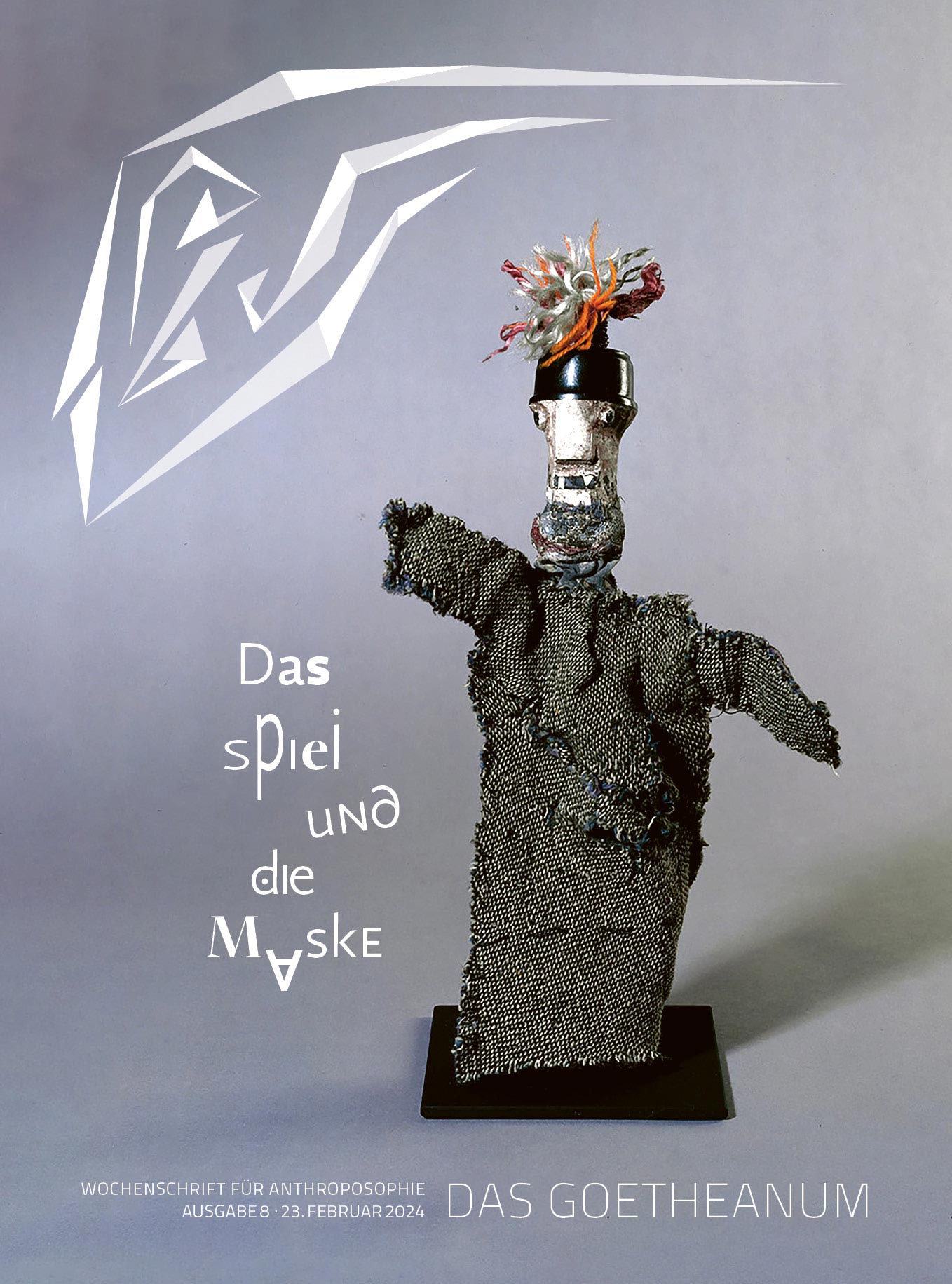
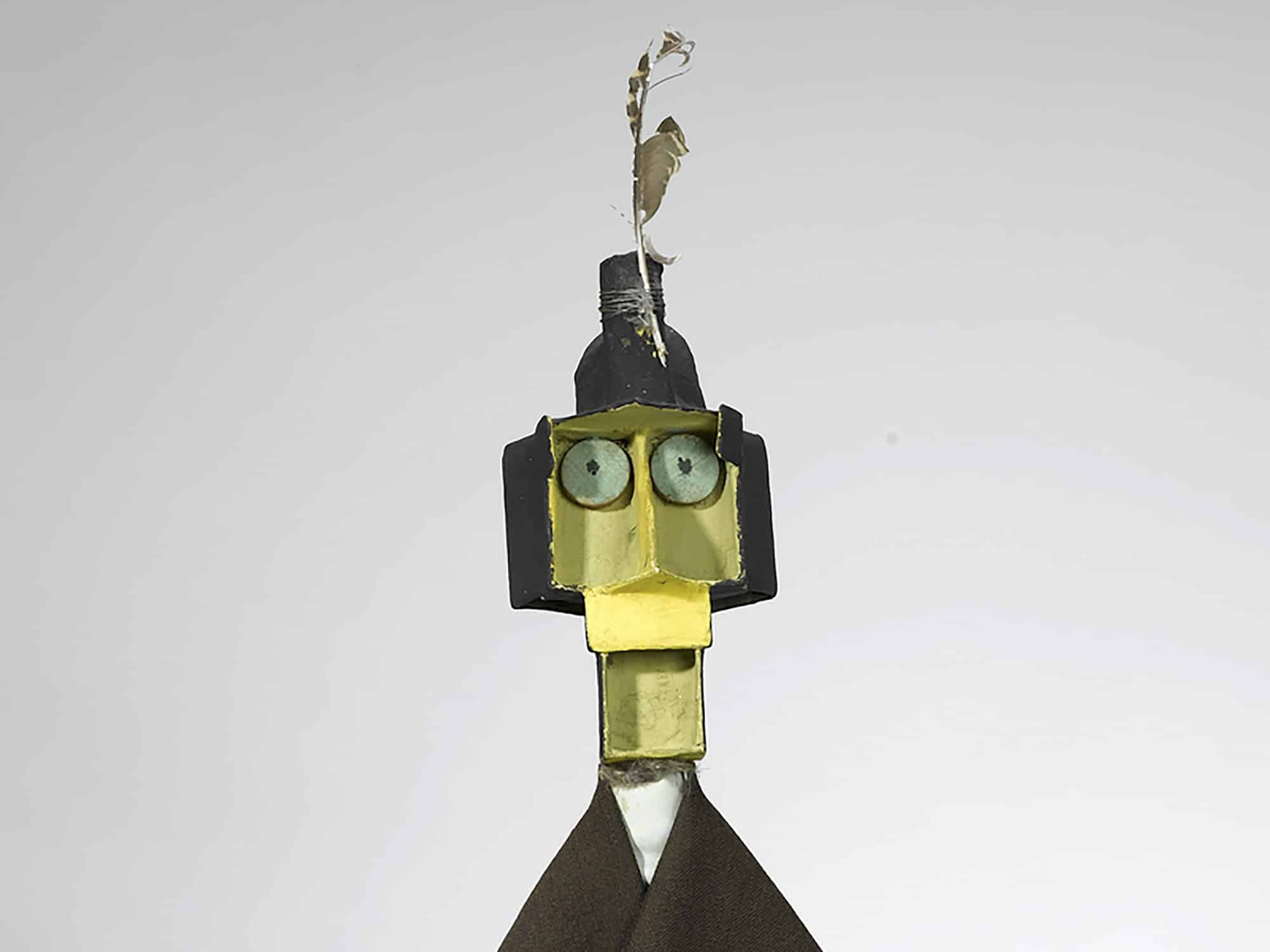
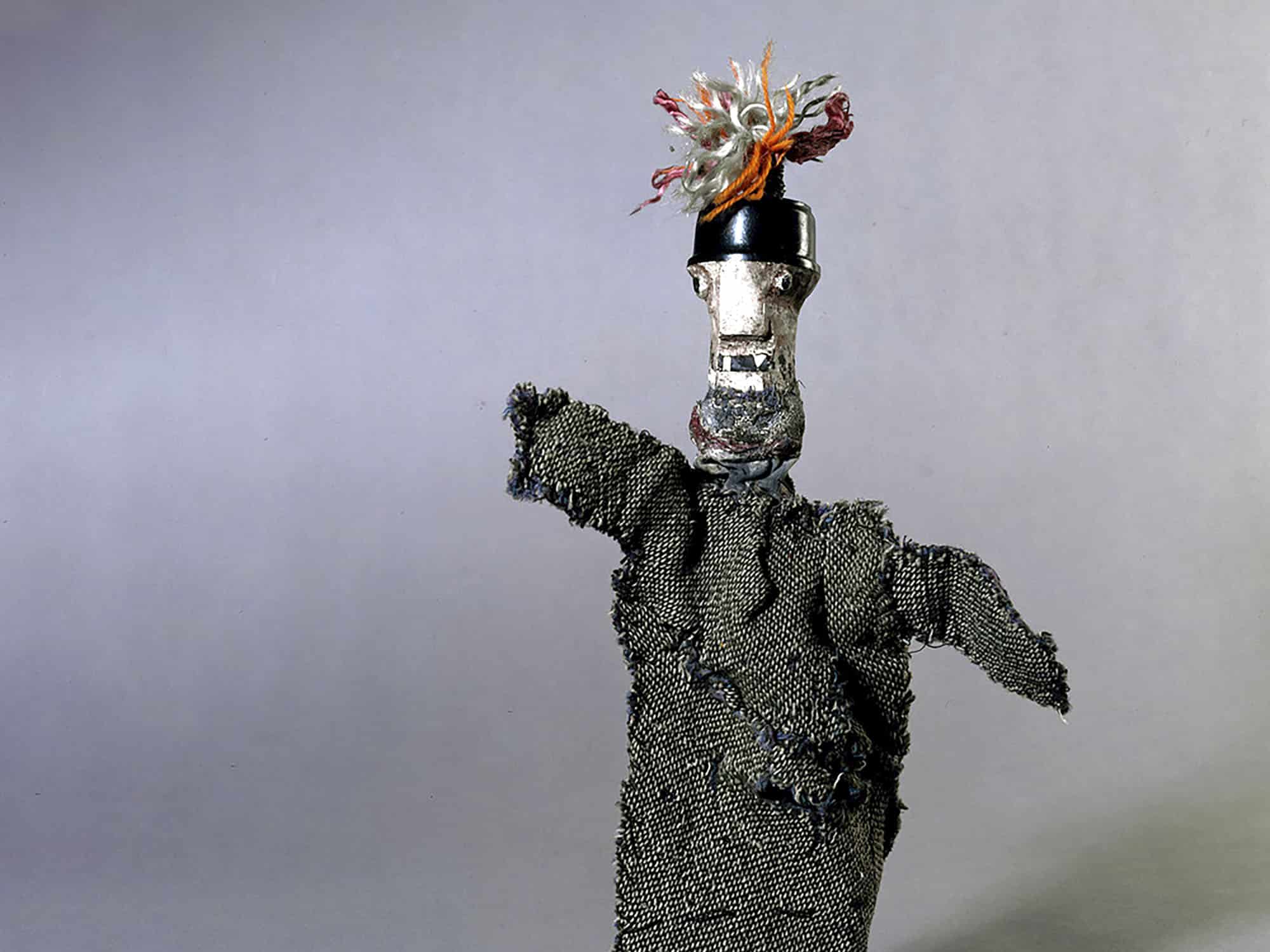
Between 1916 and 1925, Paul Klee created some 50 hand puppets for his son Felix Klee, some of them made during his years, from 1920 onwards, as a master at the Weimar Bauhaus. They were created in response to his child’s desire to have his own puppet theater and were intended exclusively for this intimate setting. Nevertheless, they reveal something of Klee’s enthusiasm for the stage and the search for characters. After the Second World War, 30 of these dolls…
Franka Henn · 22. Feb.
Event
Sculpting the Calendar of the Soul
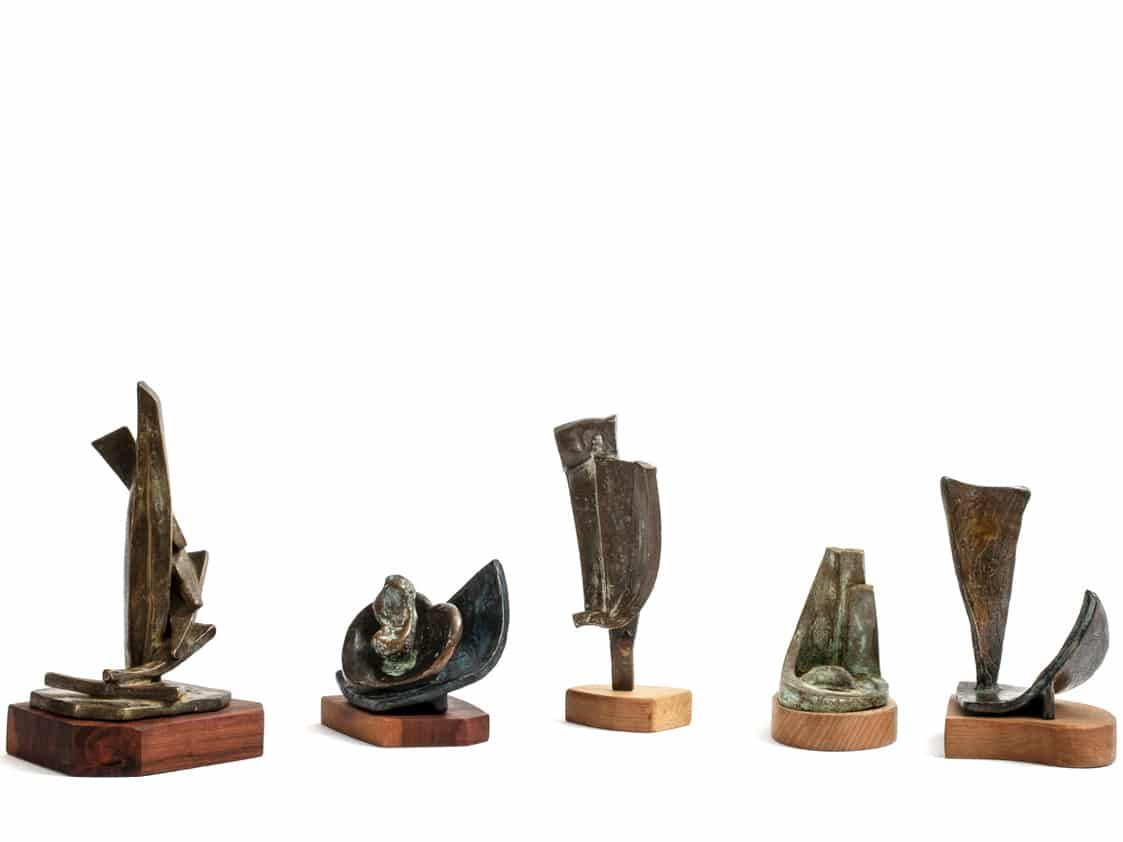
The Visual Arts Section. Rik ten Cate has created a bronze statue for each verse of Rudolf Steiner’s Calendar of the Soul. The 52 sculptures will be on display at the Goetheanum from February 23 to April 28, 2024. “I have known the weekly verses for over 40 years,” says sculptor Rik ten Cate. During his training as a Waldorf teacher in the Netherlands, they spoke the current weekly verse from Rudolf Steiner’s Calendar of the Soul every day. These…
Sebastian Jüngel · 22. Feb.
Letter
The Reality of an Idea
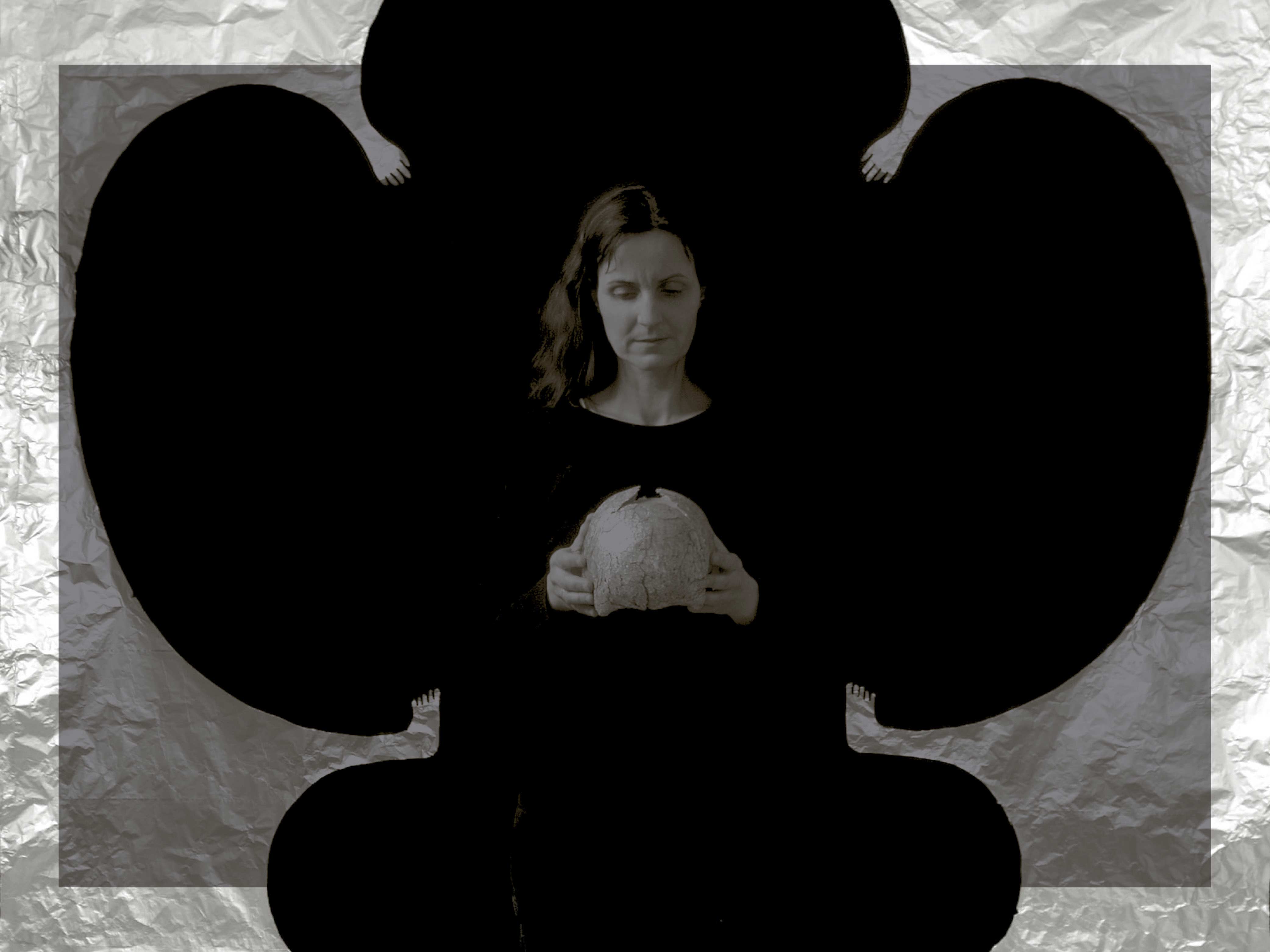
A comment by Franz Lohri on Jens Heisterkamp’s article “Reincarnation and Karma as a Developmental Idea” in Das Goetheanum and the response by Wolfgang Held. Why Just an Idea? Jens Heisterkamp’s essay focuses on a fact that is one of the most central and far-reaching insights of anthroposophy. Unfortunately, this fact is reduced from a reality to an idea in the title and then repeatedly in the text. In the editorial [for this issue], editor-in-chief Wolfgang Held raises the question,…
Redaktion · 22. Feb.
Reflection
The Game and the Mask
Ecstasy and asceticism are states of the human soul in which nearness to God plays out. They are extremes that make it possible to swing from the divine to the human and back again. A free liminal interplay is created between the concealed and the revealed. One of the oldest and most popular games in some, if not all, cultures is when a child hides and then suddenly, with a loud shout, bursts out to reveal themselves. Although the parents…
Christine Gruwez · 22. Feb.
Retrospective
We Live in an Age of Restoration
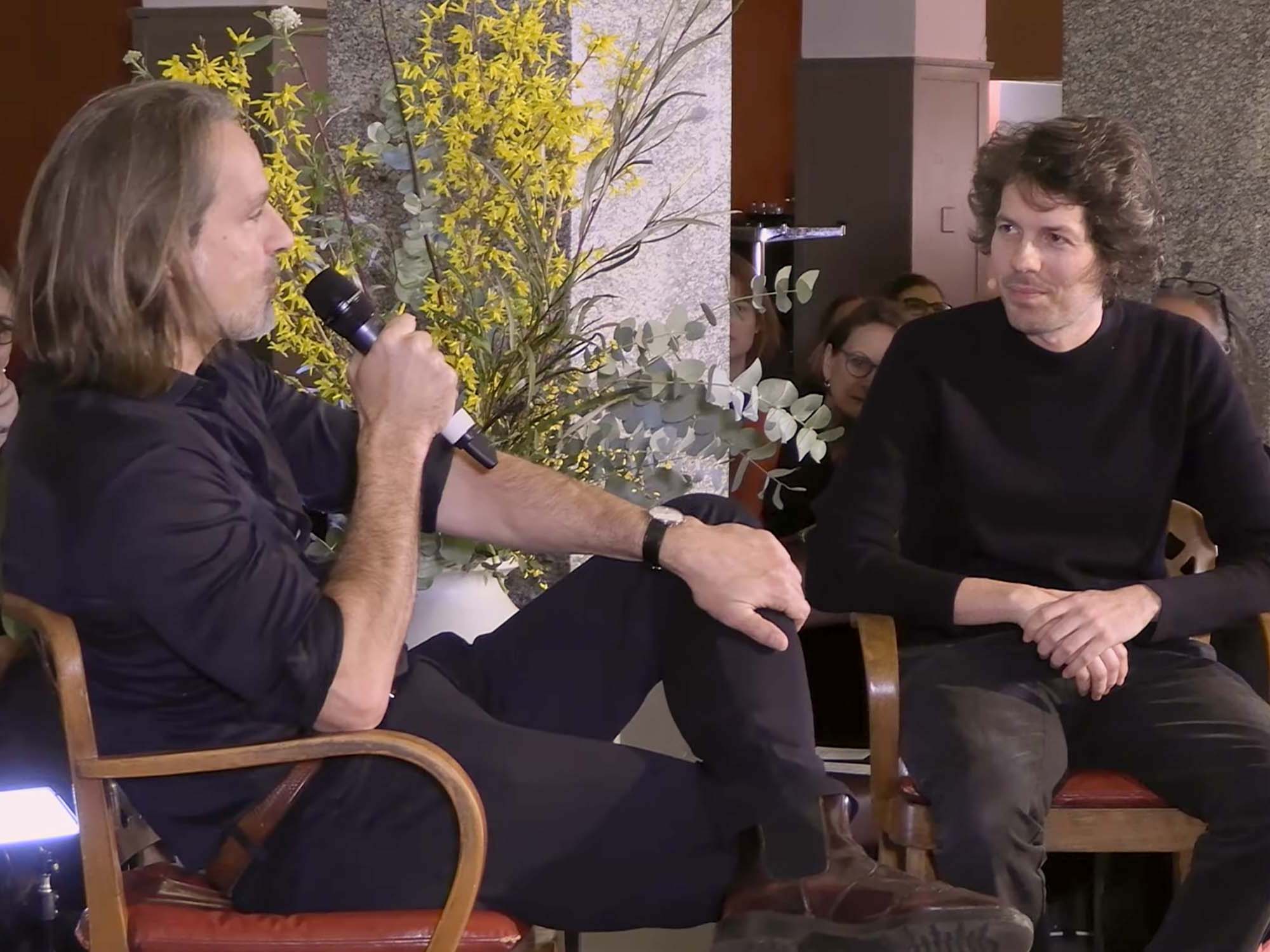
Philip Kovce, a contemporary philosopher associated with anthroposophy, is holding talks with leading cultural figures in Basel’s Café Unternehmen Mitte. Recently, Richard David Precht, one of Germany’s most famous philosophers, was his guest. The theme of their philosophical dialog is also the title of Precht’s current book on the future of the world of work—Freiheit für alle [Freedom for All.] Philip Kovce opened with the question, “How do work and freedom fit together?” Following a path from thesis to antithesis…
Wolfgang Held · 22. Feb.

Germany
Never Again Is Now!
Echzell-Bingenheim, Germany. A statement on the increase of prejudice and discrimination in Germany from Anthropoi, an anthroposophical association of organizations committed to supporting individuals with disabilities. In a position paper published in January, the Anthropoi Association expressed its views on the rise of anti-democratic and right-wing populist attitudes in German society. Under the heading “Never again is now!” the association, which has 174 member organizations, spoke out in favor of inclusion and diversity. Regardless of assistance needs, geographical heritage, sexual…
Paula Boslau · 22. Feb.
Education
Social Pedagogy in Norway
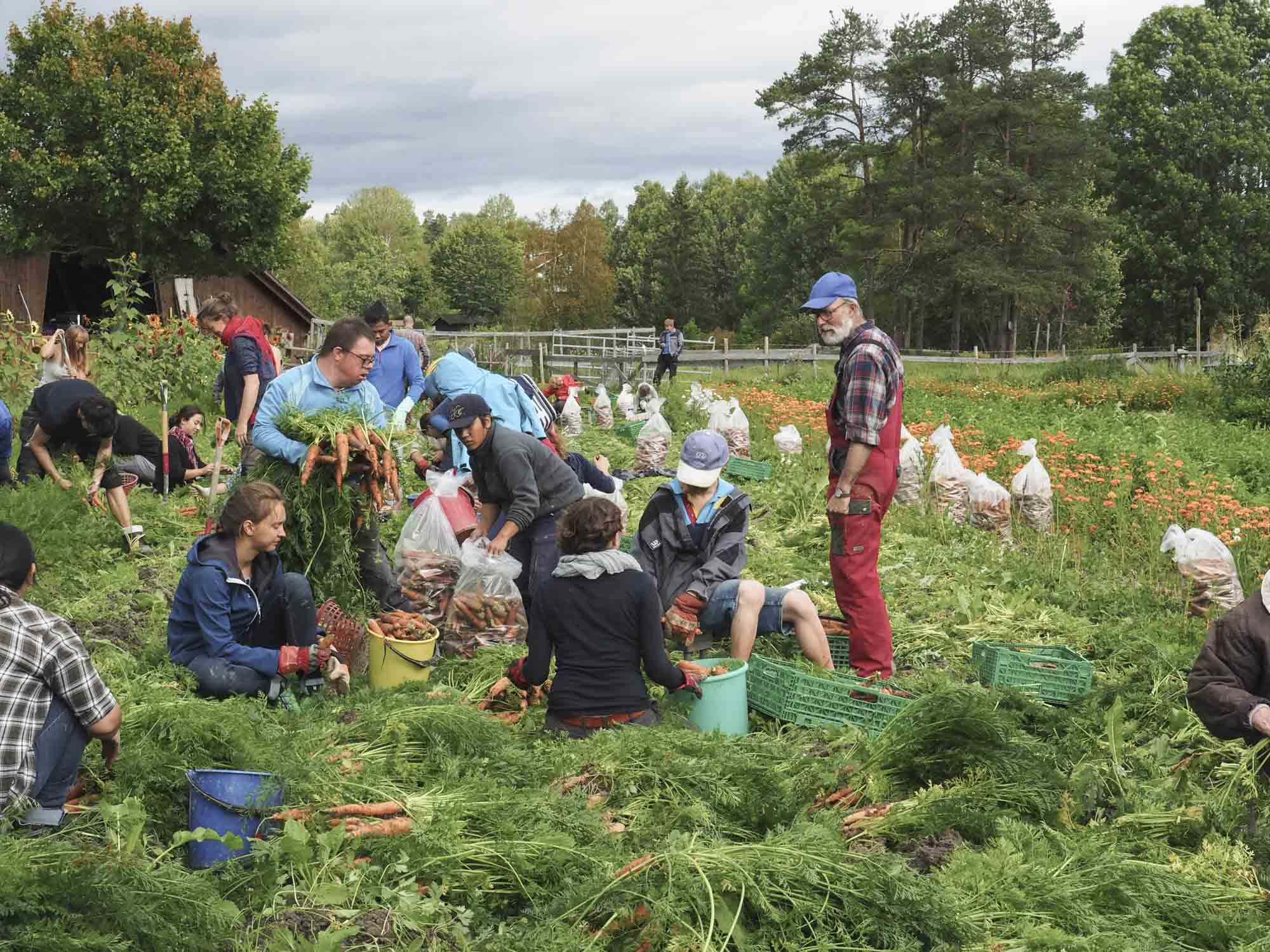
Andebuz, Norway. Living and learning in a Norwegian Camphill community. In autumn 2024, a two-year introductory course in social pedagogy will begin, organized by Rudolf Steiner University College in Oslo and the Camphill community Vidaråsen in Andebu, Norway. Participants live in Vidaråsen for the duration of the course. The practice-oriented course takes place part-time and combines modules from the Bachelor’s degree course in Social Pedagogy with regular work in the community. It is integrated into everyday life at Vidaråsen and…
Paula Boslau · 22. Feb.