Autor·in

Andreas Laudert
Andreas Laudert, geb. 1969 in Bingen, studierte Szenisches Schreiben an der Universität der Künste Berlin und wurde durch Stücke u. a. für die Berliner Schaubühne und das Deutsche Theater Göttingen als Dramatiker bekannt. Es folgte ein Studium am Priesterseminar der Christengemeinschaft. Neben literarischen und essayistischen Buchveröffentlichungen zu Zeitthemen ist er als Gastdozent tätig. Seit 2015 unterrichtet er an den Waldorfschulen Berlin-Prenzlauer Berg und Lübeck Deutsch und Ethik und entwickelt Klassenspiele für die Oberstufe.
Essay · EN
Embodied in a Sense of Life
Our embodied existence can also become an inner battleground. It both conditions and empowers us. But who, exactly, is it that has become embodied? Andreas Laudert invites us to interpret the signatures of our incarnation as images. “Why is youth the most sumptuous time of life? [. . .] Nothing is yet determined, and all is possible—the hand still plays, capriciously, hesitantly, with the lots in the urn of destiny. [. . .] Ah, the life of man, like every river, is at its…
14 August 2026 · 16 min

Essay · EN
It’s Worth Asking
Questions are a way of listening to one another and showing interest. But not every question awakens the other person’s interest. For some, certain questions aren’t really “their” questions, either because they already know the answer or have figured it out for themselves or because they don’t find the question particularly interesting or relevant. How can I tell the difference? How do I know whether a question touches me or not? What makes it moving, and what makes it boring? …
28 May 2026 · 5 min

Essay · EN
Over-Interpretation
At school, we practice interpreting texts—in the school of life, we learn to read people: how do I interpret gestures, looks, or words? Pure perception becomes all the more important lest mere speculation guide our actions. Our tendency for interpretation is wonderfully exemplified in Paul Watzlawick’s story of the man with the hammer.Paul Watzlawick, The Situation Is Hopeless, but Not Serious: The Pursuit of Unhappiness (New York: W. W. Norton & Company, 1983); first published as Anleitung zum Unglücklichsein [A…
20 February 2026 · 5 min

Essay · EN
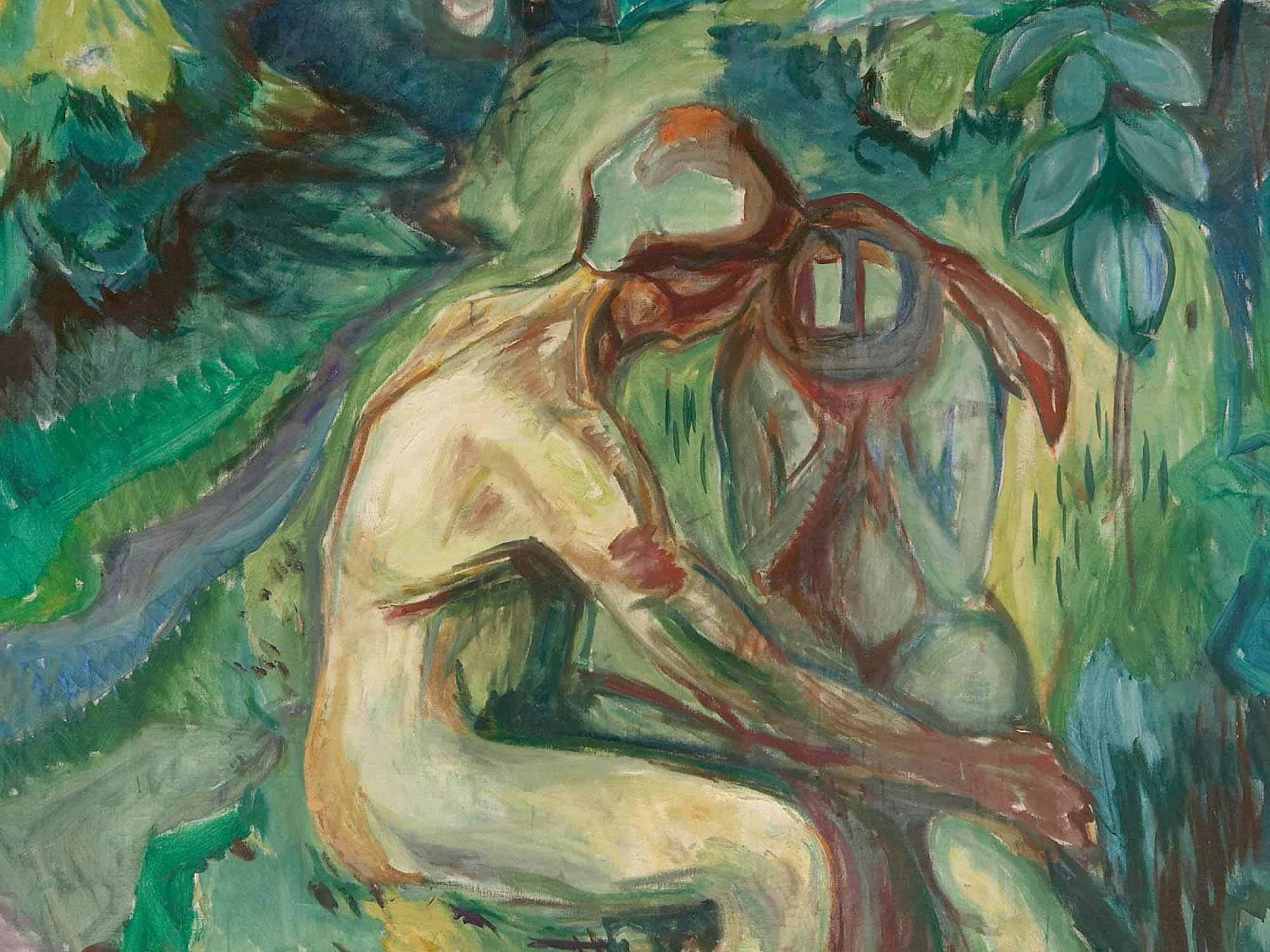
When Spirit and Body Find One Another
Sexuality connects body and spirit in a unique way. But it is difficult to talk about it openly. Between digital omnipresence and spiritual repression, the intimacy and sanctity of this kind of encounter are being lost. A plea for an eroticism in which Eros, Philia, and Agape interact and encompass the whole person. When we encounter two parents with a child bustling along the street, we instinctively know that at a completely different moment in their lives, the couple showed…
03 February 2026 · 8 min
Essay · EN
With Friendly Greetings
Friendliness is not a moral demand but rather an art free of intentions. It opens doors between people without any expectations. It’s a path of training running through our everyday lives. The playwright and poet Bertolt Brecht (1898–1956), who was spiritually underestimated and also underestimated his own spirituality, once placed “being friendly” alongside reading books, singing, and good food in his poem “Pleasures.” In other writings, he expressed the view that friendly behavior is not only pleasant for the recipient…
18 December 2025 · 11 min
Reflection · EN
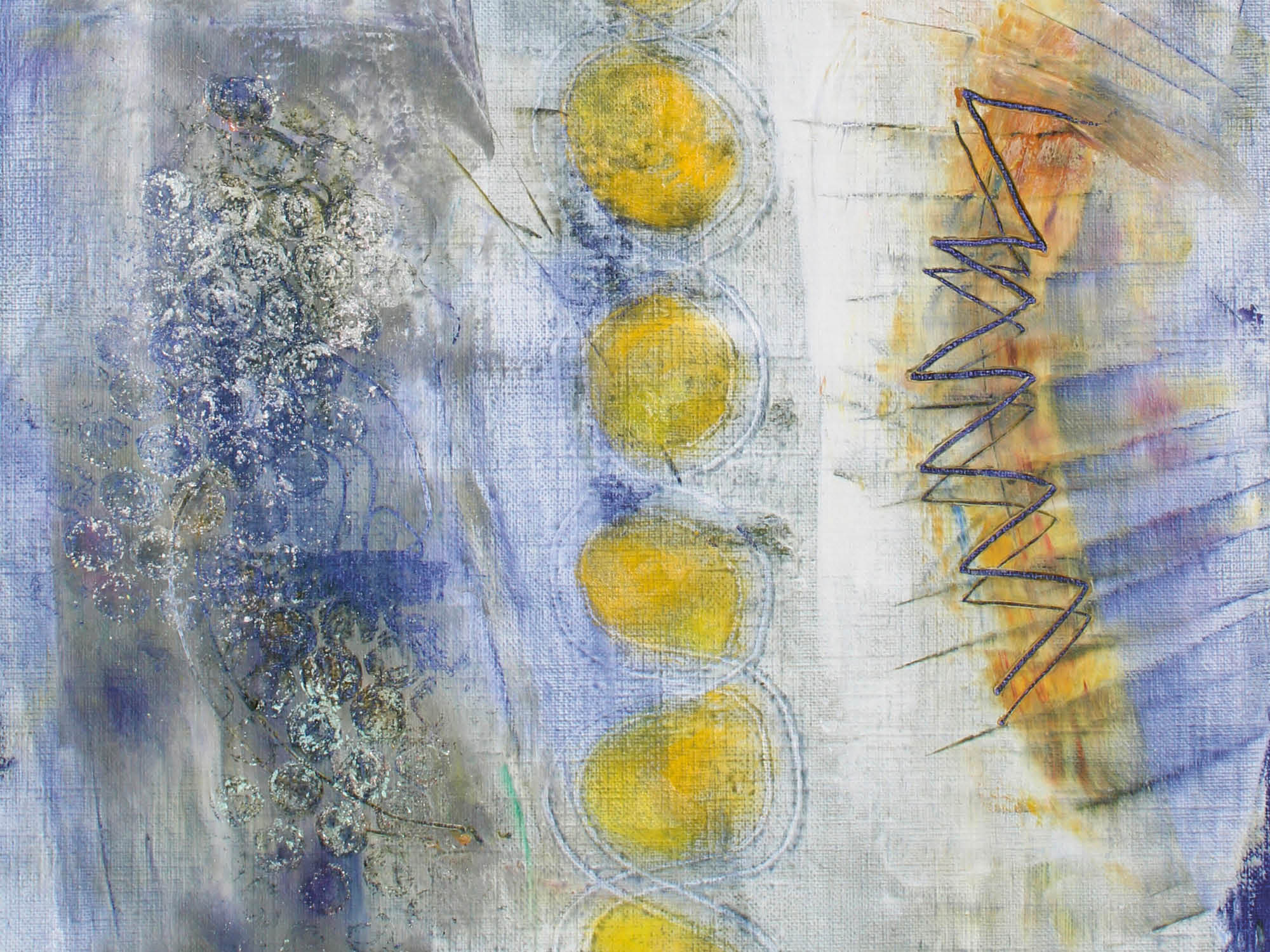
I Am—What’s Missing
“Strange, to wander in the fog! Each bush and stone is solitary, no tree sees the next. Each stands alone.” Such is November 1905 in the poetry of Hermann Hesse. Andreas Laudert’s journey takes us into November 2025, into the city, the countryside, and the soul, and poetically calls on us to embrace the Earth and everything in it so as to discover: I am—what’s missing. Everyday life has brought me to be constantly traveling back and forth between the…
11 November 2025 · 6 min
Steiner as · EN
“If I could drill satisfaction out of the Earth for you . . . .”
Looking back on Rudolf Steiner’s marriage to the widowed Anna Eunike, it appears to have partly been an attempt to feel more at home in the earthly and social world. Anna became his living companion, without the exuberance of a shared worldview or true togetherness, but more a pragmatic partnership, certainly with genuine sympathy and also love. A real tenderness can be felt in their extant correspondence. Nevertheless, Steiner soon had to let her know, with sensitivity but nevertheless clearly…
17 September 2025 · 8 min
Reflection · EN
An Economy of Attention
These days, attention has become a type of currency. Noticing this or that, or being talked about as a famous personality, makes a difference. What is actually going on when we give our attention to something? Christian Social Union (CSU) politician and Bavarian Minister-President Markus Söder uses social media like no other German politician. That’s why he was recently described (ironically) as a “socialist” by Der Spiegel. But those who “generate” attention for themselves also impose it on others. “Paying…
11 September 2025 · 7 min

Retrospective · EN
Impulses for the School for Spiritual Science
At Pentecost, a conference on the School of Spiritual Science was held at the Goetheanum for the first time. The focus was on the research and cultural work of the Sections. The aim of the organizers was to highlight the full range and diversity of the twelve fields of anthroposophy. A review of the event by Andreas Laudert. In view of the past one hundred years, now looking toward the future, the question arises, “Are we prepared? What do we…
18 July 2025 · 15 min
Essay · EN
The Spirituality of Crying
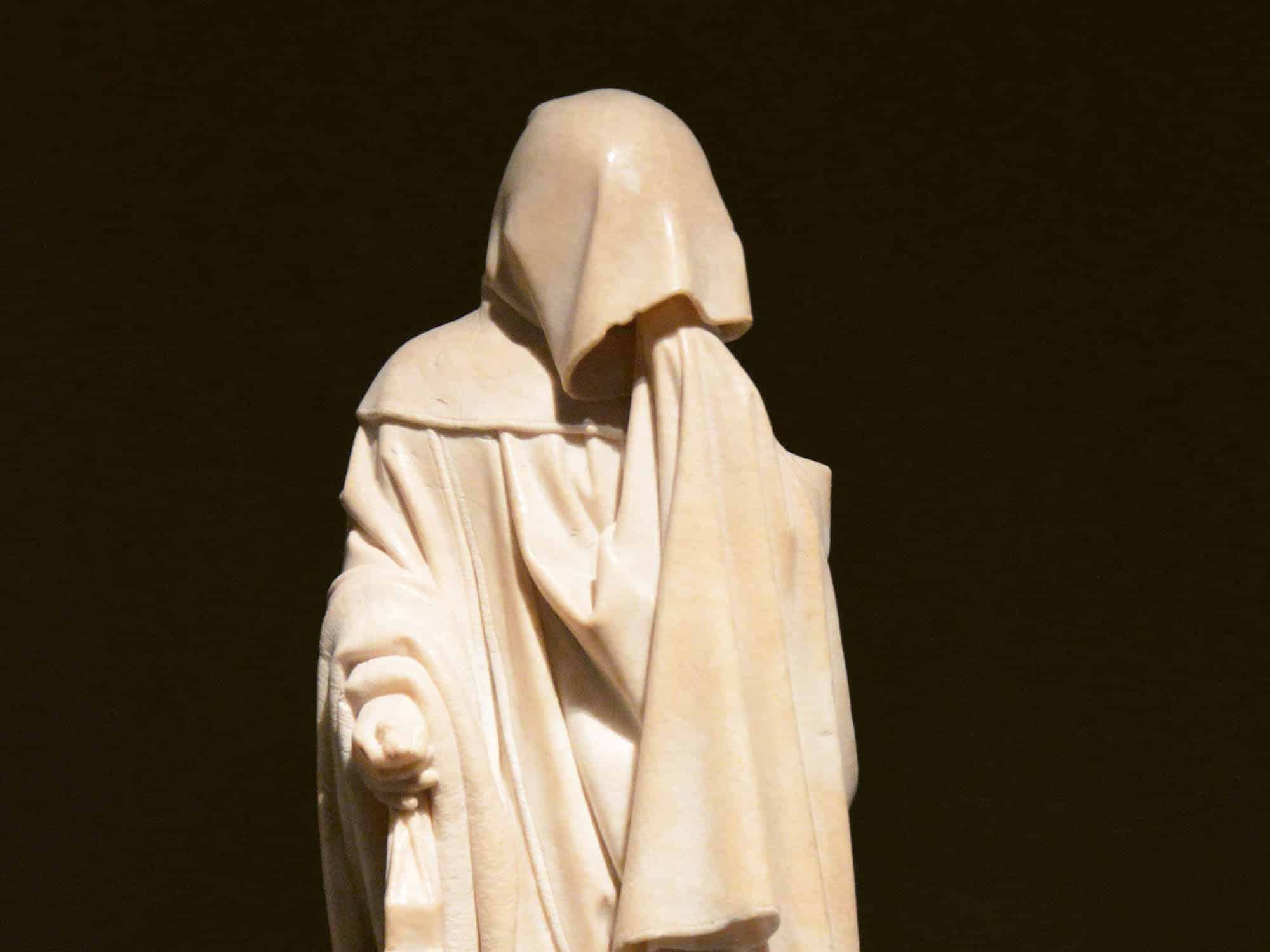
What is the significance of tears today? Does what brings us to cry, bring us to our ‘I’? How do tears help us to find ourselves? A brief phenomenology of the spirituality of crying. When the Pope died on Easter Monday, all the faithful in Rome wept. Outsiders may find this strange. He didn’t suffer a tragic death, like that of a child. For those critical of the Church, these tears were merely an expression of religious sentimentality. But when…
04 July 2025 · 5 min
Conversation · EN
“Where Is Rudolf Steiner—Now?”
Andreas Laudert has written a biography of Rudolf Steiner, Unter den Augen des Himmels [Under the eyes of heaven]. He explores the play between closeness and distance, “being here and now” and “journeying to those before and elsewhere”; he seeks pathways to the heavens. Wolfgang Held sat with him for an interview. Wolfgang Held: Why did you decide to write a biography of Rudolf Steiner? Andreas Laudert I was commissioned to do it. I probably wouldn’t have done it on my…
26 March 2025 · 8 min
Steiner as · EN
Model for Balancing Acts
Fiction writers sometimes use a rhetorical device called “free indirect speech.” Andreas Laudert makes use of this technique to get closer to Rudolf Steiner. We use the term “free indirect speech” when an author narrates past events in the third person but retains characteristics of the first person to express the character’s own thoughts and inner experiences; it’s somewhere between a report and a soliloquy. The past is experienced anew in the present. But, there’s a deeper meaning in this…
05 February 2025 · 5 min
Essay · EN
Beyond Good
Goodness does not allow itself to be possessed; it is a threshold of Being that we must cross in order to find it. I have always loved the word goodness: goodness as a character trait, as a disposition towards the world—not so much as a seal of approval, a “conditional trustworthiness.” I have always been more sympathetic to goodness than the good. It’s near to the soul, to the ‘I,’ to the human being. The good is the object of…
21 June 2024 · 6 min
Literature · EN
Understanding the World—Not More
Kafka and the Anti-Semitism of 2024. On the 100th Anniversary of the Writer’s Death. I have no mandate and am not a moral authority. I am just a citizen who is amazed at how we have left Jews, our fellow human beings, alone since October 7, because that is how many people are experiencing this moment. I don’t understand the priorities we set. I don’t know what it feels like to live with the knowledge that you are to be…
16 May 2024 · 6 min
Reflection · EN
Anthroposophy and Democracy
In recent times, anthroposophy has often been suspected of having anti-democratic overtones. Yet, the essential gestures of democracy and anthroposophy have much in common. It’s worth comparing the form of government and the world view. Recently, the journalist Jens Jessen put forward the theory that the current “concern about democracy” expresses “above all an increasing hostility of voters towards each other. They do not doubt the functioning of democracy, but rather despair at the voting behaviour of others. They confuse…
10 April 2024 · 6 min
United States · EN
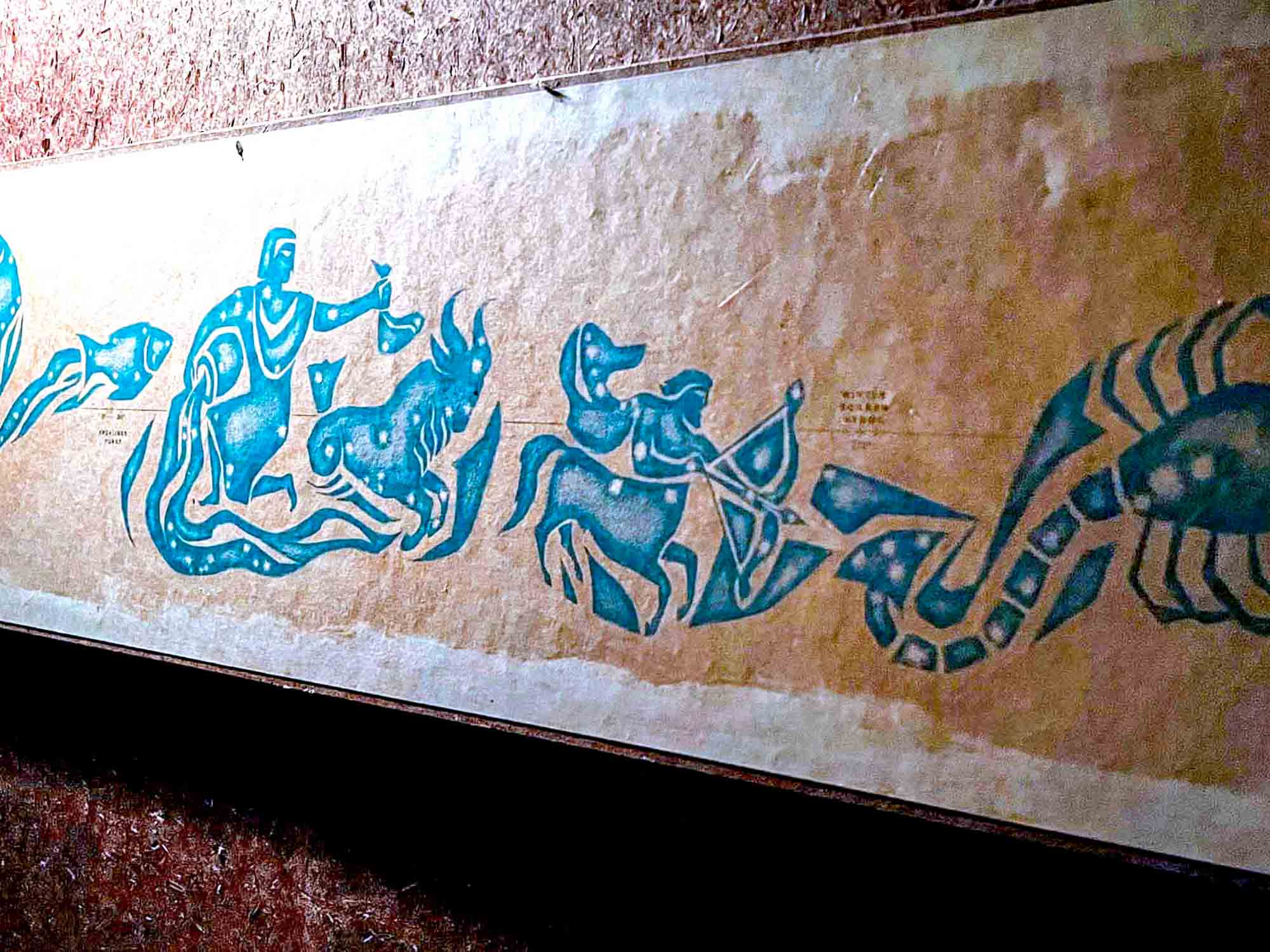
The Stars of the Archer
In our age, Christmas takes place when the Sun is passing through the front part of the stars of Sagittarius, the Archer. On Christmas Eve, the Sun stands amidst the bow with its arrow, aiming. The Archer and its opposite stars, the Twins, represent the stars of the vertical axis of the great world cross of solstices and equinoxes; the vertical egoic beam of that cross, the axis of ‹I am›. The stars of the Archer present an imagination of…
22 December 2022 · 1 min