Autor·in

David Auerbach
Geb. 1950 in Johannesburg/Südafrika, Promotion in Physik in Göttingen, 20 Jahre am Max-Plank-Institut für Strömungsforschung mit Zwischenaufenthalten am CALTECH/USA, University of S. Australia, TU-Eindhoven und der Medizinische Universität Graz. Z.Zt Dozent an der PH-Weingarten und Lehrer an Waldorfschulen.
Natural Sciences · EN
The Hidden Music of Relationships
Crickets chirp, fireflies glow and both follow a surprisingly similar rhythm. A new study shows that communication resonates throughout the animal realm at a rhythm that is also familiar to our brains. Researchers recently observed a remarkable phenomenon during a warm evening in Thailand. Crickets were chirping. Fireflies were emitting their light signals. Different species, different senses, different evolutionary histories. But their signals seemed to exhibit surprisingly similar rhythms of about 2.4 Hz—roughly corresponding to the pace of a brisk…
14 August 2026 · 4 min
Current Issues · EN
When Will the Wound Heal?
Nakba Day—the Memory of the Catastrophe—is observed annually on May 15. It commemorates the Nakba, the violent uprooting and expulsion of more than 700,000 Palestinians, following the establishment of the State of Israel in 1948. Hundreds of villages were destroyed, families torn apart; many people were forced to flee or prevented from returning. Gaza became one of the places where a large number of these displaced people and their descendants were crowded together. But May 15 is also International Conscientious …
21 May 2026 · 4 min

Reflection · EN
Who Determines the Future of AI?
An article in the journal Science warns that the US government is talking about “deregulating” AI, but rather than reducing government interference and encouraging competition, it is merely shifting state power into less transparent forms. The starting point was Trump’s announcement of a “one rule executive order” intended to prevent individual states from enacting their own AI laws. According to Trump, companies would be crippled if they had to navigate 50 different legal frameworks: “AI will be destroyed in its…
03 February 2026 · 4 min
Natural Sciences · EN
Does the Cosmos Resonate—or Not?
Why the most harmonious universe could also be the most unstable—and why cosmic order seems to favor irrationality. Human beings have always admired the cosmos for its elegance. From the graceful orbits of the planets to the silent symmetry of the spiral galaxies, the night sky radiates harmony. For centuries, philosophers, scientists, and mystics alike have tried to reduce this harmony to something concrete: a note, a number, a formula. Two such numbers, the octave and the golden section, have…
17 September 2025 · 4 min
Economics · EN
Are We Living Under Technofeudalism?
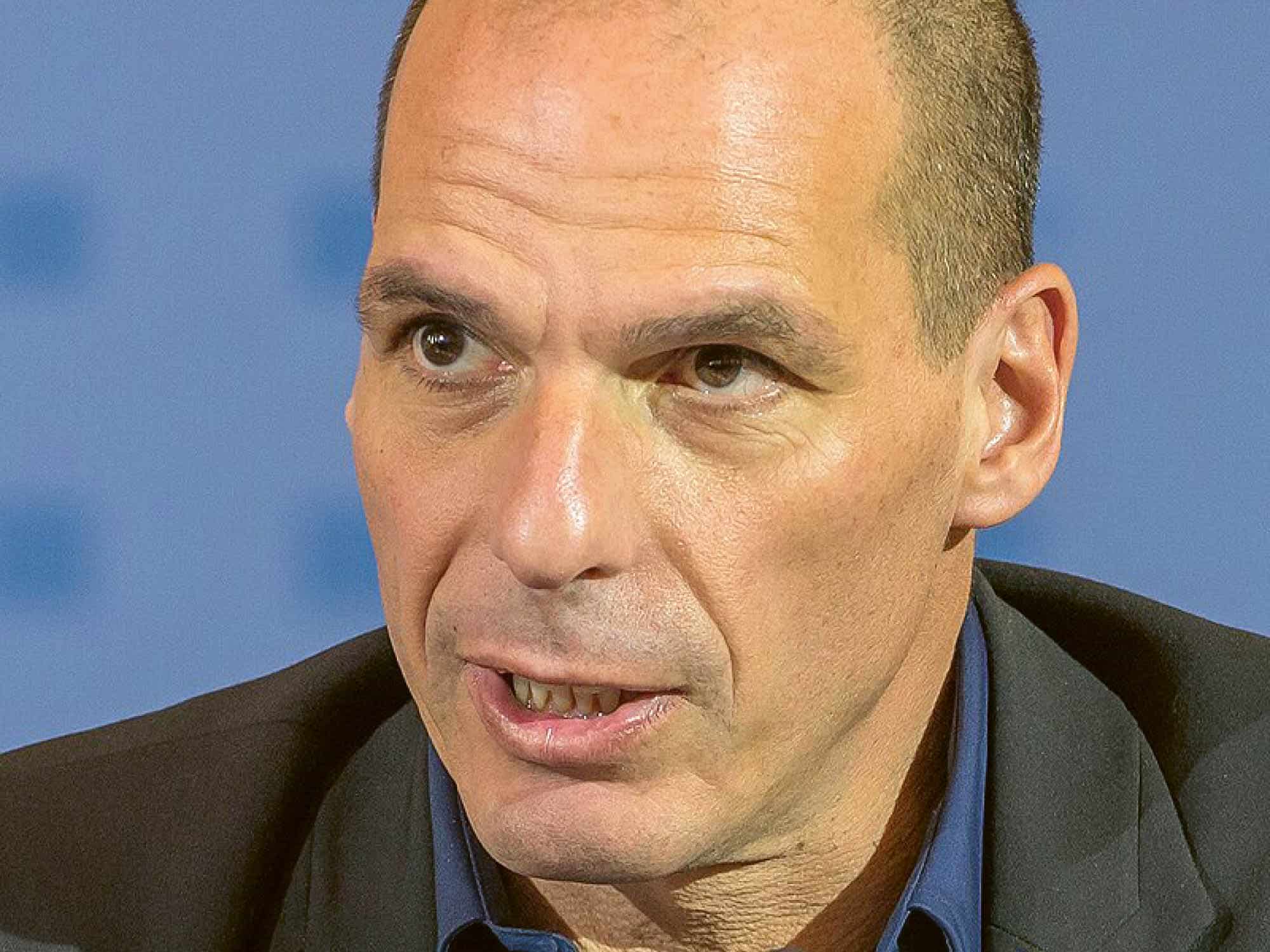
Has Big Tech replaced capitalism with a new, even more exploitative system, “cloudalism”? That’s what former Greek finance minister Yanis Varoufakis claims in his book Technofeudalism: What Killed Capitalism. According to Varoufakis, the cloudalists—big tech companies such as Meta, Amazon, Apple, Alphabet, etc.—have amassed huge amounts of cloud capital that can no longer be defined by capitalist relations. Who are we in this system? How is it that the internet, which so many thought was a radical instrument of decentralization,…
20 November 2024 · 4 min
Reflection · EN
The Manufacture of Consensus and the Sources of Injustice
Recently, a rumor spread that Noam Chomsky, who was hospitalized in Brazil, had died. It turned out to be false, but it provides us an opportunity to remember the work of this 96-year-old intellectual at a time when the world is experiencing great turmoil on the international stage. Noam Chomsky is considered by many to be the father of modern linguistics, an activist of the twentieth century, and the most quoted living author. “Propaganda is to a democracy what the…
04 July 2024 · 4 min

Mathematics and Astronomy · EN
Our Cosmic Heart?
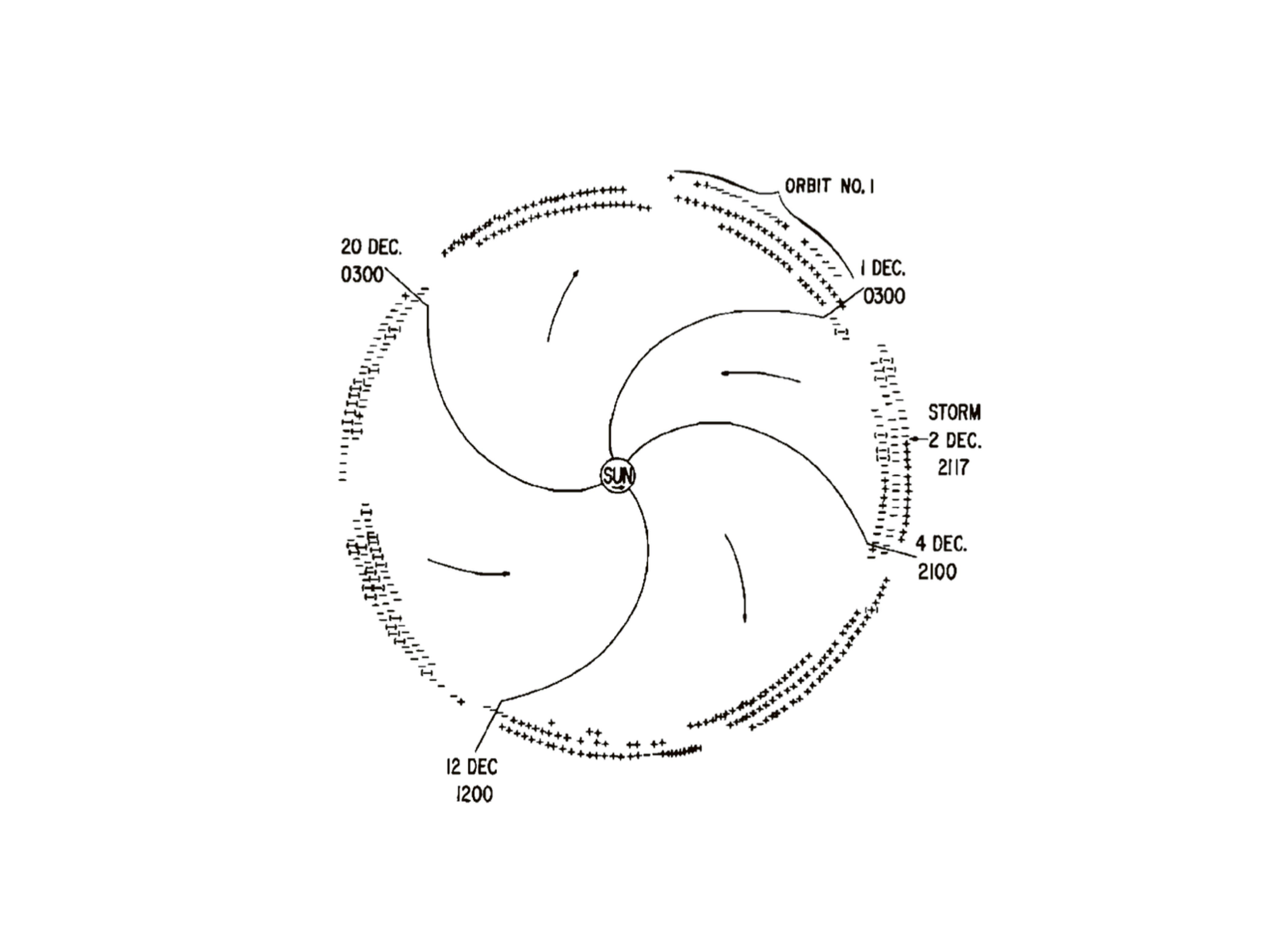
Similar methods are used to measure the electromagnetic fields that help us understand the heart and understand the sun. Space probes are being sent to the sun to determine the structure of these fields. Do these fields reveal invisible shaping forces? The electromagnetic fields of the sun, along with so-called plasma currents, i.e. electrically charged gas particles, reveal structures reminiscent of the spiral forms of the main heart muscles, of the to-and-fro of our blood through its four chambers, and…
23 May 2024 · 5 min
Mathematics and Astronomy · EN
Now, We’ve Truly Disconnected from Heavenly Time
In November 2022, the delegates at the General Conference on Weights and Measures (CGPM) decided to dispense with leap seconds in the near future. This is probably the last act of detaching our time from the path of the sun and the stars. First of all, why do we have leap years? Where they exist in both East and West, leap years are human being’s attempt to reconcile our cosmic cultural events—our annual festivals—with the rhythm of day and night.…
07 March 2024 · 5 min
Natural Sciences · EN
Synchronizing Brain Waves
In the summer of 2023, the journal Scientific American published an article on the astounding synchronization of electroencephalograms in human beings and animals within cooperative situations. Here is an area of research that raises far-reaching questions. A large part of our daily lives does not take place alone but with others. When we share thoughts or feelings with others, when we make decisions together or partake in collaborative activities, we immediately recognize that these social interactions often bring in whole…
18 January 2024 · 3 min
The Digital World · EN
Lawsuit against Tech Giants
Children and young people today are turning primarily to social media as the means for interacting and expressing themselves. However, the use of these platforms has become addictive, and they seem to be purposively designed that way. In the US, charges are now being brought against top Tech companies. For years, we have taken measures to protect our youth from big industries like tobacco, alcohol, and pharma. However, social media, such as Meta (Facebook, Instagram, Whatsapp, Messenger), Tiktok, etc., can…
06 December 2023 · 4 min

Natural Sciences · EN
Time From the Heart
New research shows that our moment-to-moment experience of the passage of time—particularly, what we might call “the present”—is not constant but stretches or shrinks even within each heartbeat. It’s a truism that time feels shrunk or stretched depending on circumstances. “When you sit with a nice girl for two hours you think it’s only a minute, but when you sit on a hot stove for a minute, you think it’s two hours,” said Albert Einstein, rather impishly. We experience that…
01 September 2023 · 4 min
Consciousness · EN
Intelligence Without a Brain
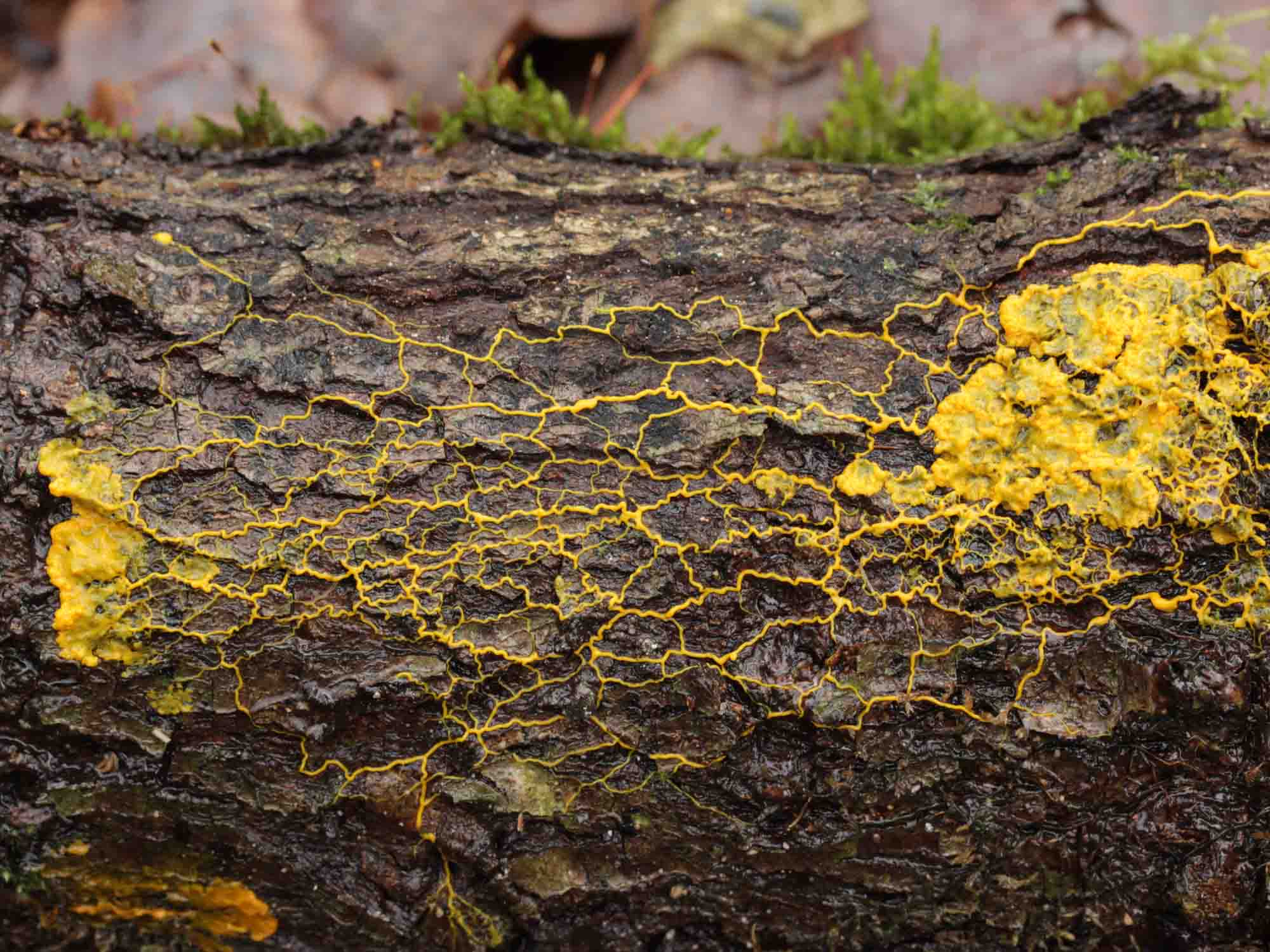
What is bright yellow, eats oats as its favourite food, does not like coffee, learns without a brain – even composes music , feels without nerves, moves without legs, heals itself, has 719 sexual partners with whom it can mate , can share its knowledge with others of its kind, and yet is neither a plant nor an animal nor a fungus? What recently even serves as a power source for a wristwatch with a heart rhythm monito Would you…
30 March 2023 · 5 min
Nature · EN
Butterflies – Flight Magicians?
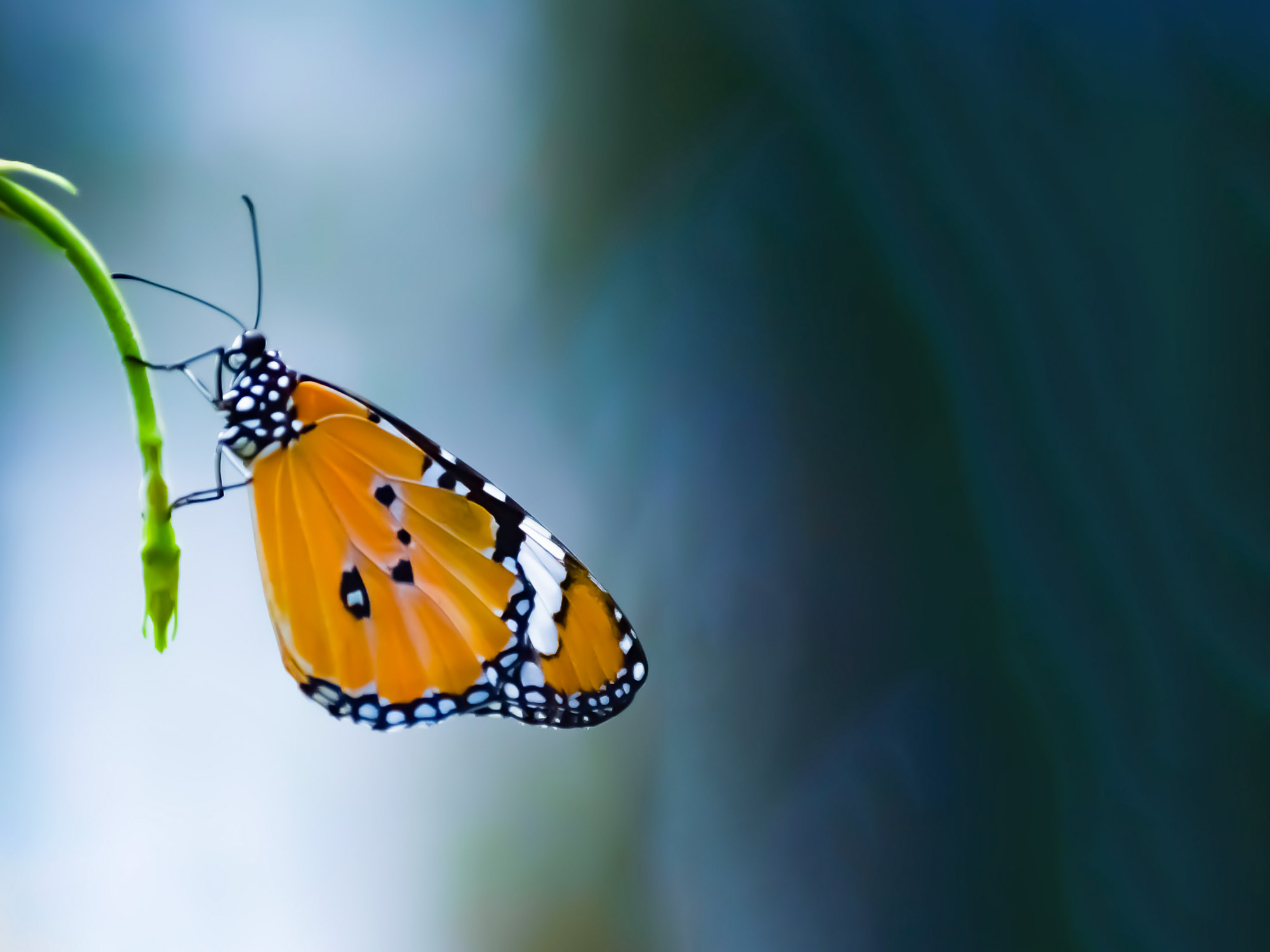
Airplanes, which humanity dreamed of for so long, have become omnipresent – their traces shape the blue sky every day. Butterflies provide a glimpse into the next step – aviation technologies of the future. Passengers flying over the clouds crisscrossed by the sun’s rays can find this experience magical. But aviation is one of the most polluting technologies – it is energy-intensive, and it is still hard to imagine how it could change to be less intensive for the Earth’s…
04 August 2022 · 8 min
Nature · EN
Mountains in Motion
Rigid, still, immobile – these are some of the words we use to describe mountains. If anything, geologists are taught that such movements occur over eons of time. So movement on a human time scale is a surprise. Though on our time scale, mountains are constantly shaking and swaying. They are alive. With musical energy – what is that? Every object wants to oscillate at a certain frequency – the so-called natural frequency – depending on how it is shaped…
08 July 2022 · 5 min

Natural Sciences · EN
Transhuman dreams
Notions of how technology can improve people also intervene in the way we deal with infants. They are made palatable to us as healing, future-oriented and meanwhile inexpensive methods. In September, an issue of the weekly scientific magazine ‹Science› was published on the subject of ‹The Human Genome›. The leading article is particularly illuminating. It is entitled “Baby Steps”. There is an ambiguity in this: a baby’s first steps or first interventions, based on the blood analysis of all newborns.…
19 November 2021 · 4 min