Autor·in
Johannes Wirz
Geboren 1955 in Thun. Studium der molekularen Biologie in Basel. Promotion in molekularer Entwicklungsgenetik. Seither wissenschaftlicher Mitarbeiter am Forschungsinstitut am Goetheanum. 1993 Mitbegründer des International Forum for Genetic Engineering (Ifgene) und dessen Koordinator bis 2003. Seit 1993 Herausgeber der ‹Elemente der Naturwissenschaft›, und seit 2012 im Vorstand der Schweizerischen Arbeitsgruppe Gentechnologie (SAG) und Mitarbeiter bei Zukunft säen! Drei Kinder. Seit 2020 Co-Leiter der Naturwissenschaftlichen Sektion.
Essay · EN
What We Share with Bees
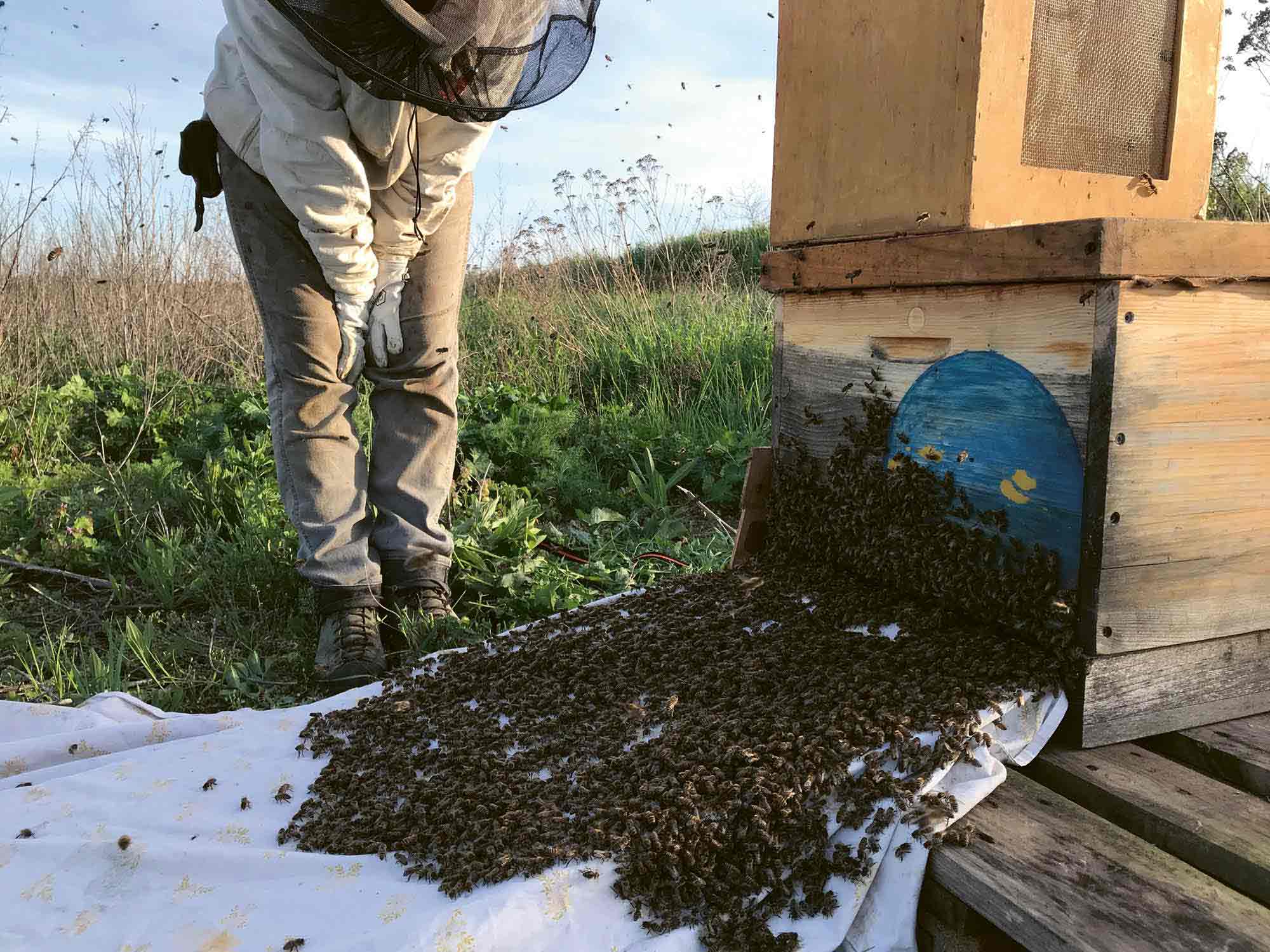
Nature is in full bloom, so the bees are also celebrating! We need their work to make it possible for nature to bloom again. With our sincere gratitude, we dedicate two articles to our hard-working and generous fellow creatures. “The bee’s life is like a magic well: the more you draw from it, the more it fills with water.” These words from Nobel Prize winner Karl von Frisch, discoverer of the dance language of bees, are absolutely true. Since I…
17 June 2025 · 7 min
Conversation · EN
From Earth to Heaven and Back
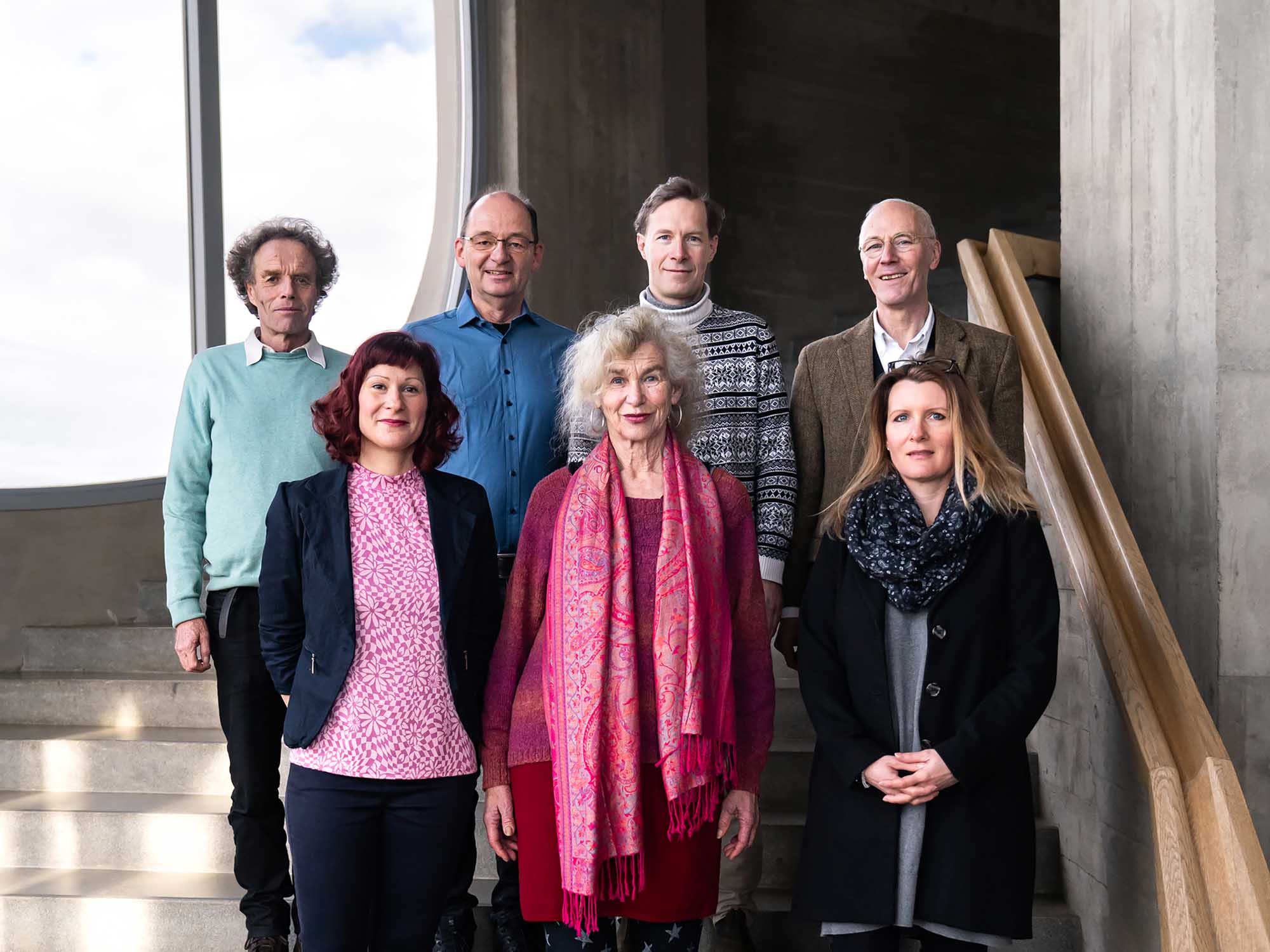
The leadership of the Natural Science Section changed in the new year. Johannes Wirz handed along his position to Vesna Forštnerič. The new leadership now consists of her and Matthias Rang. This offers a good opportunity for a look at the work and relevance of anthroposophical natural science. Gilda Bartel asked the questions. Dear Ms. Forštnerič Lesjak, dear Mr. Rang, what did you appreciate about Johannes Wirz’s work? Vesna Forštnerič: I met Johannes Wirz eleven years ago, when he was…
02 March 2023 · 11 min
Economics · EN
Where Have All the Flowers Gone?
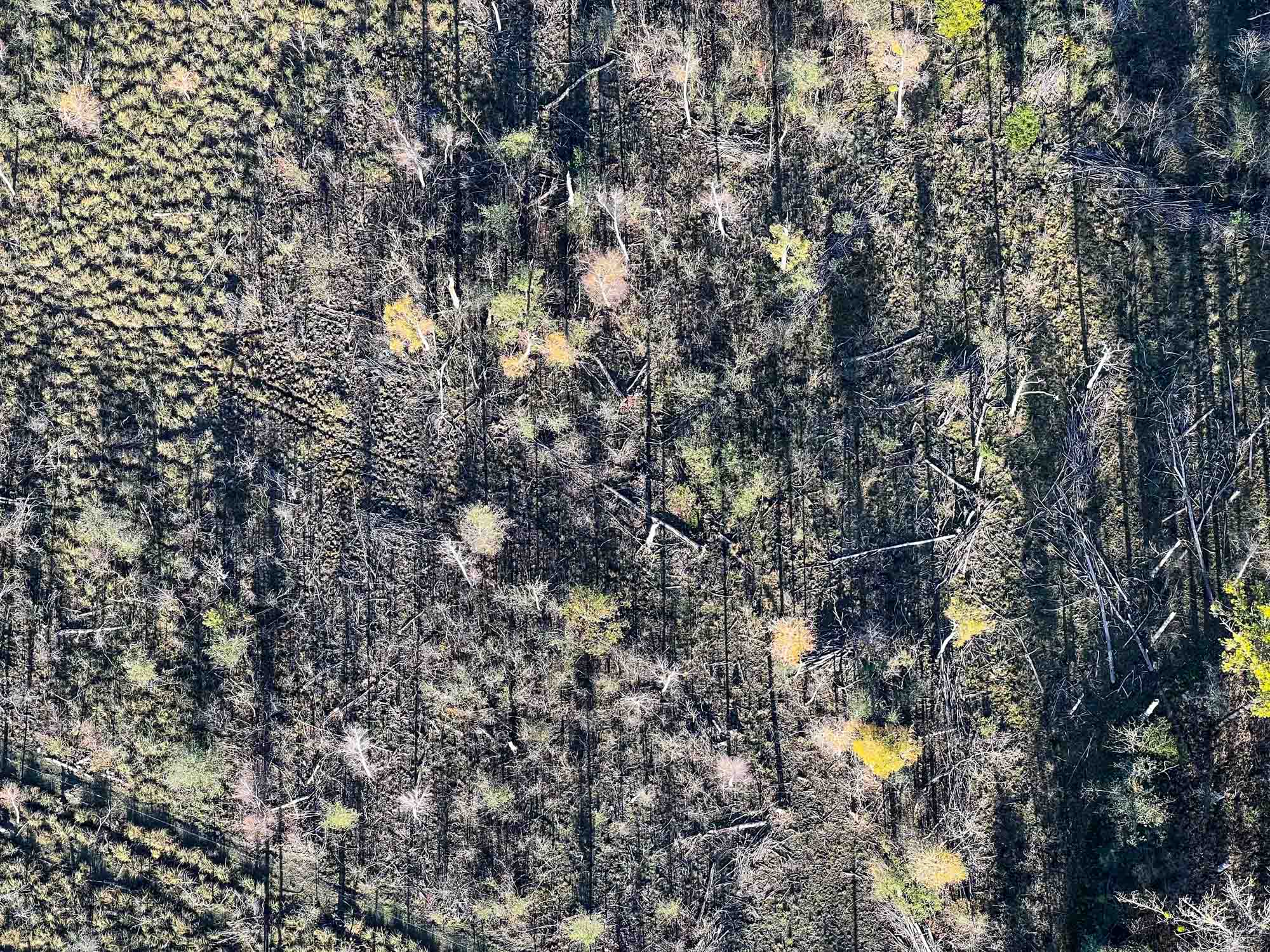
On the new Convention on International Trade in Endangered Species of Wild Fauna and Flora – hopes and challenges. The 15th Convention on Biodiversity, adopted by 196 nations in Montreal in December 2022, is, at first glance, a breakthrough. Thirty percent of all lands and oceans are to be placed under protection by 2030, and the rights of the indigenous population, who often live in the regions most worthy of protection, are to be secured. Therefore, these people are allowed…
10 February 2023 · 4 min
Natural Sciences · EN
Homo Sapiens and Their Companions
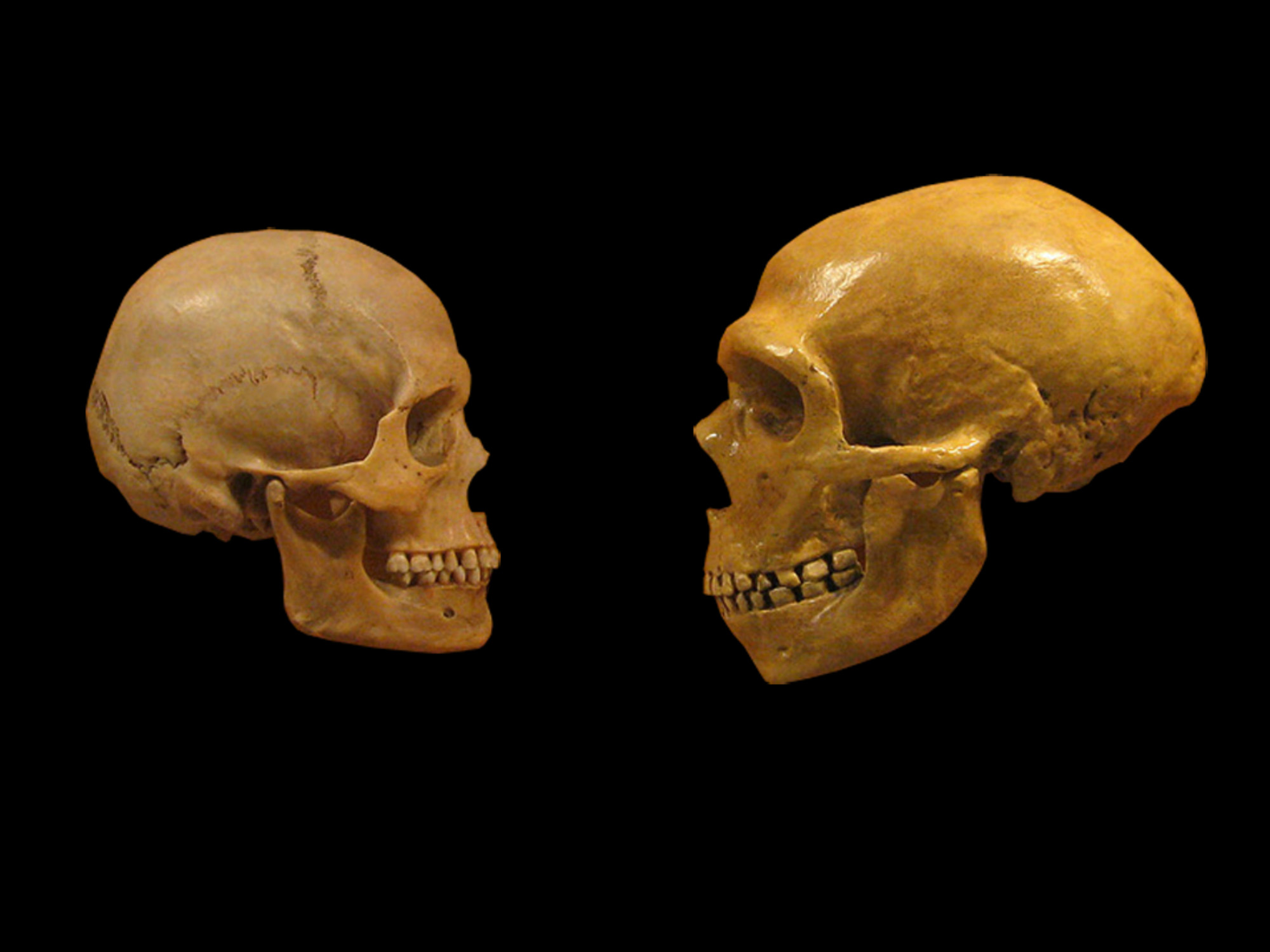
It is rare for the Nobel Prize in Medicine to be awarded to someone who is not researching topics with clinically or therapeutically relevant results. Svante Pääbo, a Swedish scientist and director at the MPI in Leipzig, has achieved it. His discoveries have consequences for the Anthroposophical interpretation of the origin of human beings. Already during his doctorate in the 80s, Svante secretly began isolating and sequencing DNA from an Egyptian mummy. An article published about it in 1985 aroused…
21 October 2022 · 5 min
Natural Sciences · EN
The First Will Be The Last
A quantum physicist annotated one of his talks with the following words: «I will tell you things that you understand and that I understand. I will tell you things you don’t understand, but I understand. And finally, things will come up that you don’t understand, and I don’t understand.» I don’t feel much different, because I look at the evolution of human beings from both an outside and inside perspective. I’ll start with a sketch of Charles Darwin, the founder…
13 May 2022 · 20 min