Autor·in

Martina Maria Sam
Martina Maria Sam, geb. 1960, Studium der Soziologie und Politologie in Heidelberg, Waldorfpädagogik und Eurythmie in Witten-Annen, Germanistik und Kunstgeschichte in Basel. Seit 2019 Herausgeberin im Rudolf Steiner Archiv.
History · EN
“The Misbegotten”: Fritz Koegel and His Family
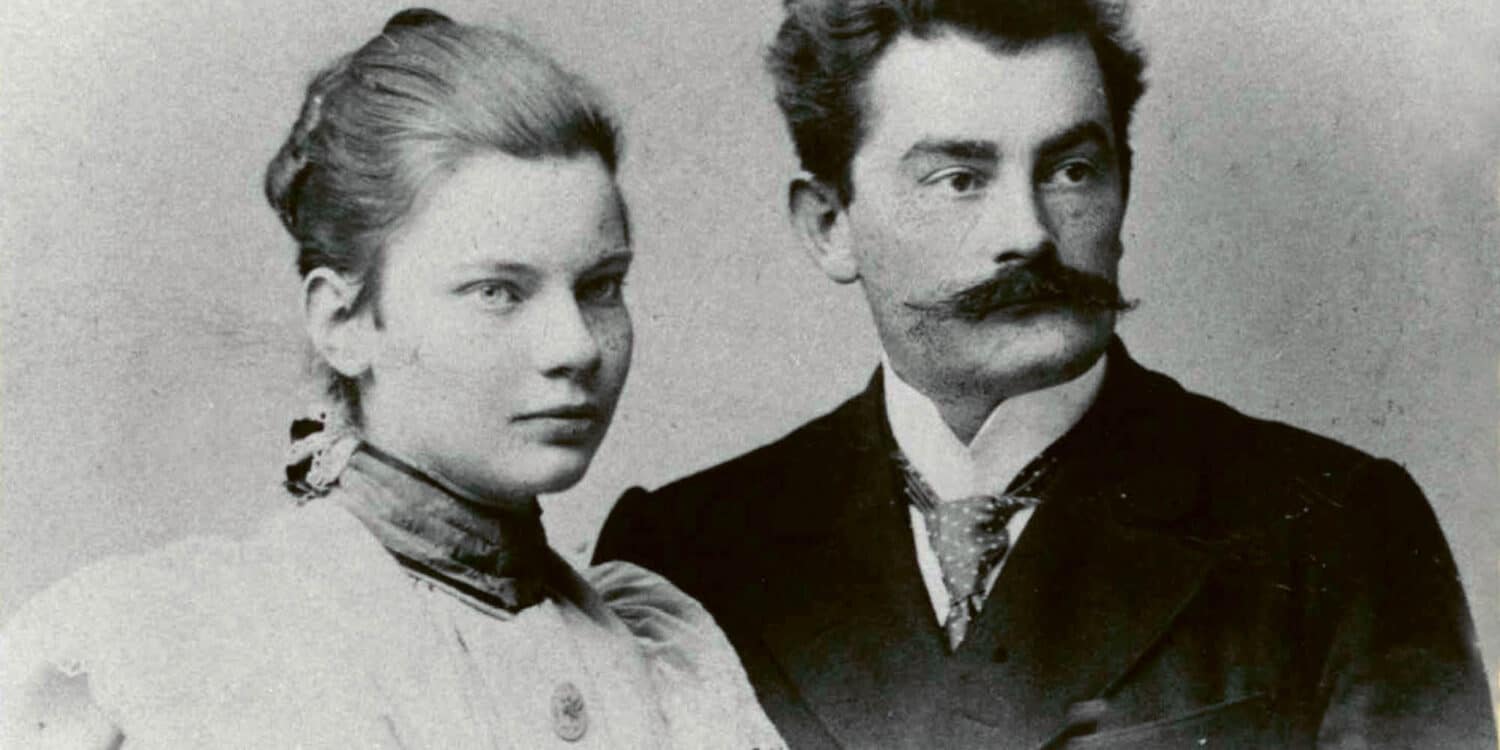
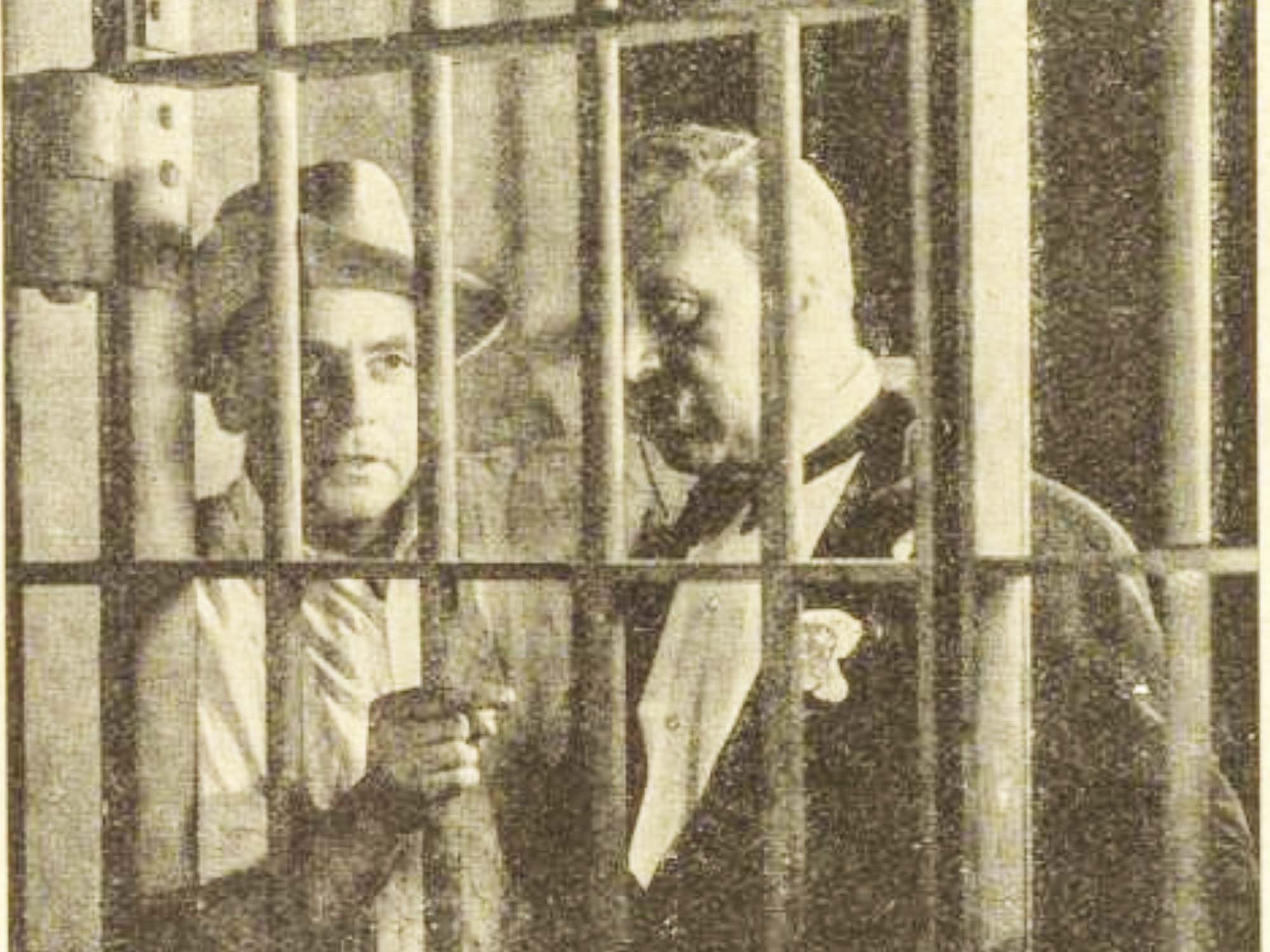
Marginalia on Rudolf Steiner’s Life and Work 39. As a talented editor, Fritz Koegel found his calling at the Nietzsche Archive. He became embroiled in a conflict with Elisabeth Förster-Nietzsche, a conflict Rudolf Steiner was also drawn into. Career setbacks, artistic endeavors, and a family life overshadowed by depression lead to early tragedies. When Rudolf Steiner visited the Nietzsche Archive in Naumburg for the first time on May 26, 1894, along with his colleagues from the archive and the poet …
20 May 2026 · 10 min
About Rudolf Steiner · EN
“A Seeker of Truth”—Dr. Max Asch
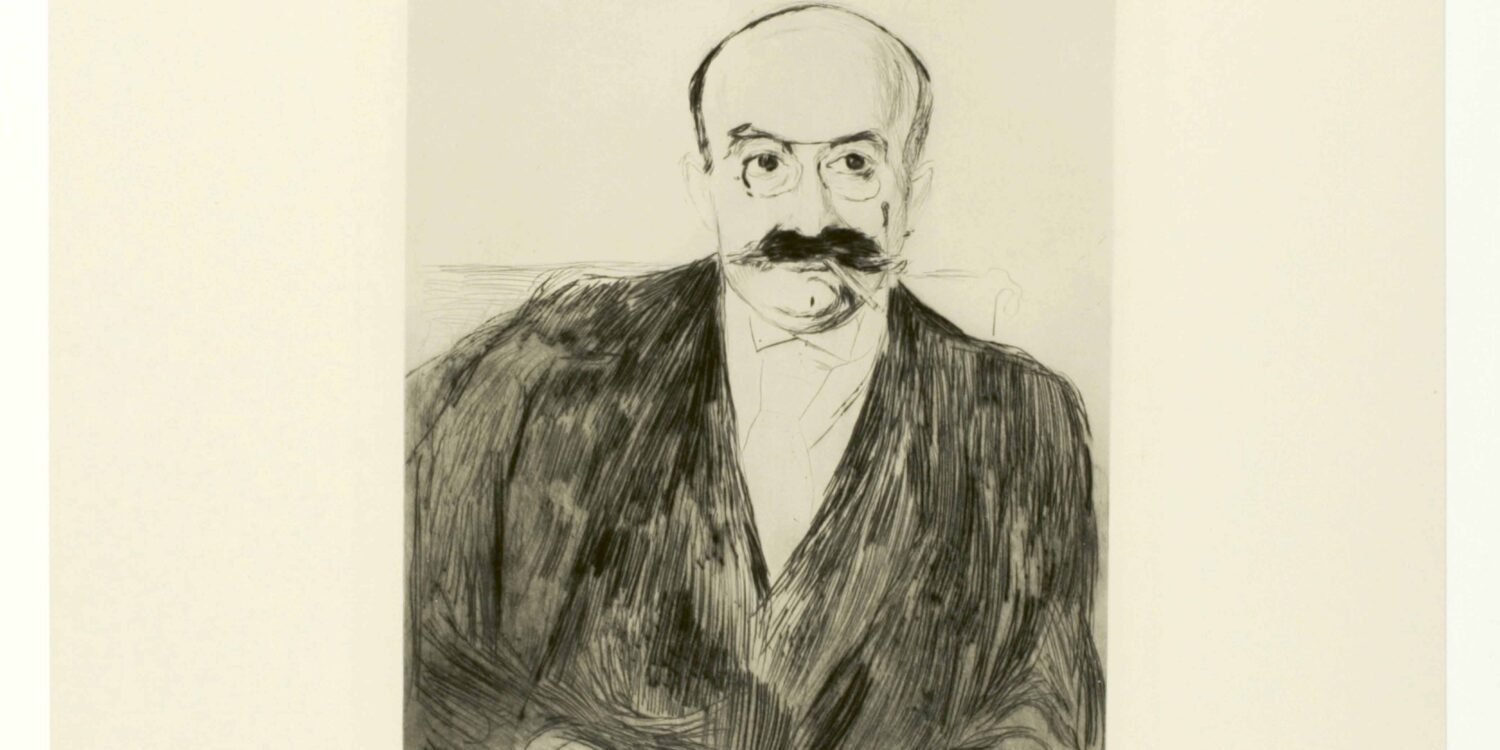
Marginalia on Rudolf Steiner’s Life and Work No. 38. The physician and cardiologist Max Asch was friends with August Strindberg, Edvard Munch, and the Polish writer Stanisław Przybyszewski. He always did everything in his power to support all of his companions. He had a gift for bringing people together—including introducing many to Rudolf Steiner. But he himself remained in the background, an unknown. Max Asch (Schneidemühl, now Piła, Poland, August 10, 1855–March 17, 1911, Berlin) came from a Jewish family…
30 April 2026 · 10 min
Conversation · EN
A Colorful Being
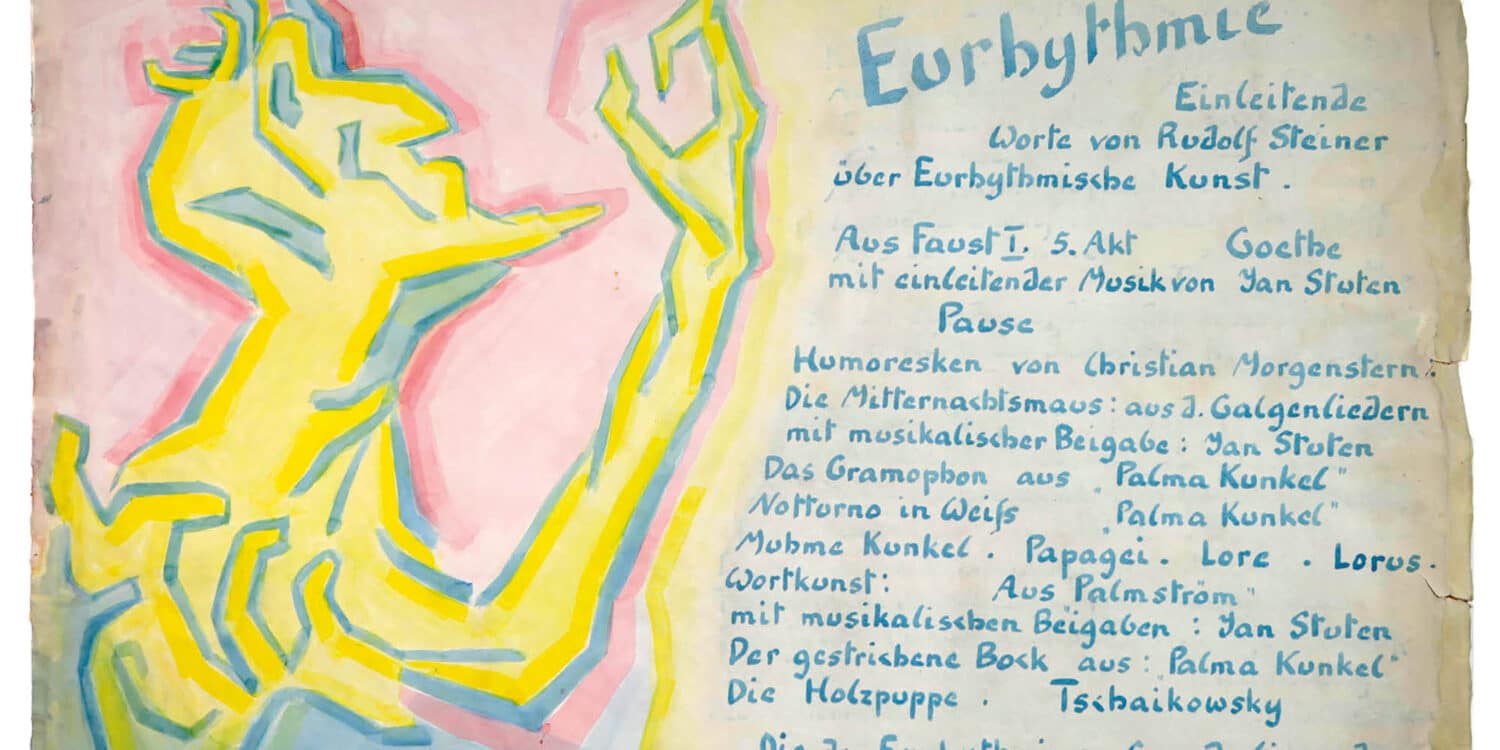
Martina Maria Sam and Stefan Hasler have re-edited and expanded all the volumes on eurythmy in the [German] Gesamtausgabe (GA) [Collected Works (CW)]. This work provides a breath of fresh air and a solid foundation for the second century of eurythmy. Here’s a conversation with them and the eurythmist Ulrike Wendt with questions from Wolfgang Held. Wolfgang Held: All the eurythmy volumes have now been reissued with new commentary: is this the completion of a major project? Martina Maria Sam: In…
14 April 2026 · 21 min
100 Years Rudolf Steiner · EN
A Feat Accomplished
Researchers encounter each other in a spirit of diversity and open-mindedness. A view on the 100 Years Rudolf Steiner conference, held at Harvard Divinity School in 2025. I often experience the debate about Rudolf Steiner and anthroposophy in Europe as polarized, black or white. Rarely do I encounter such unbiased views, beyond all categorizations, as I did at the 100 Years Rudolf Steiner Conference. For example, when Ikechukwu Anthony Kanu, professor of African philosophy and religious traditions in Nigeria, spoke…
04 March 2026 · 2 min
About Rudolf Steiner · EN
“His Enthusiasm Was Only a Flash in the Pan”: Pastor Max Christlieb
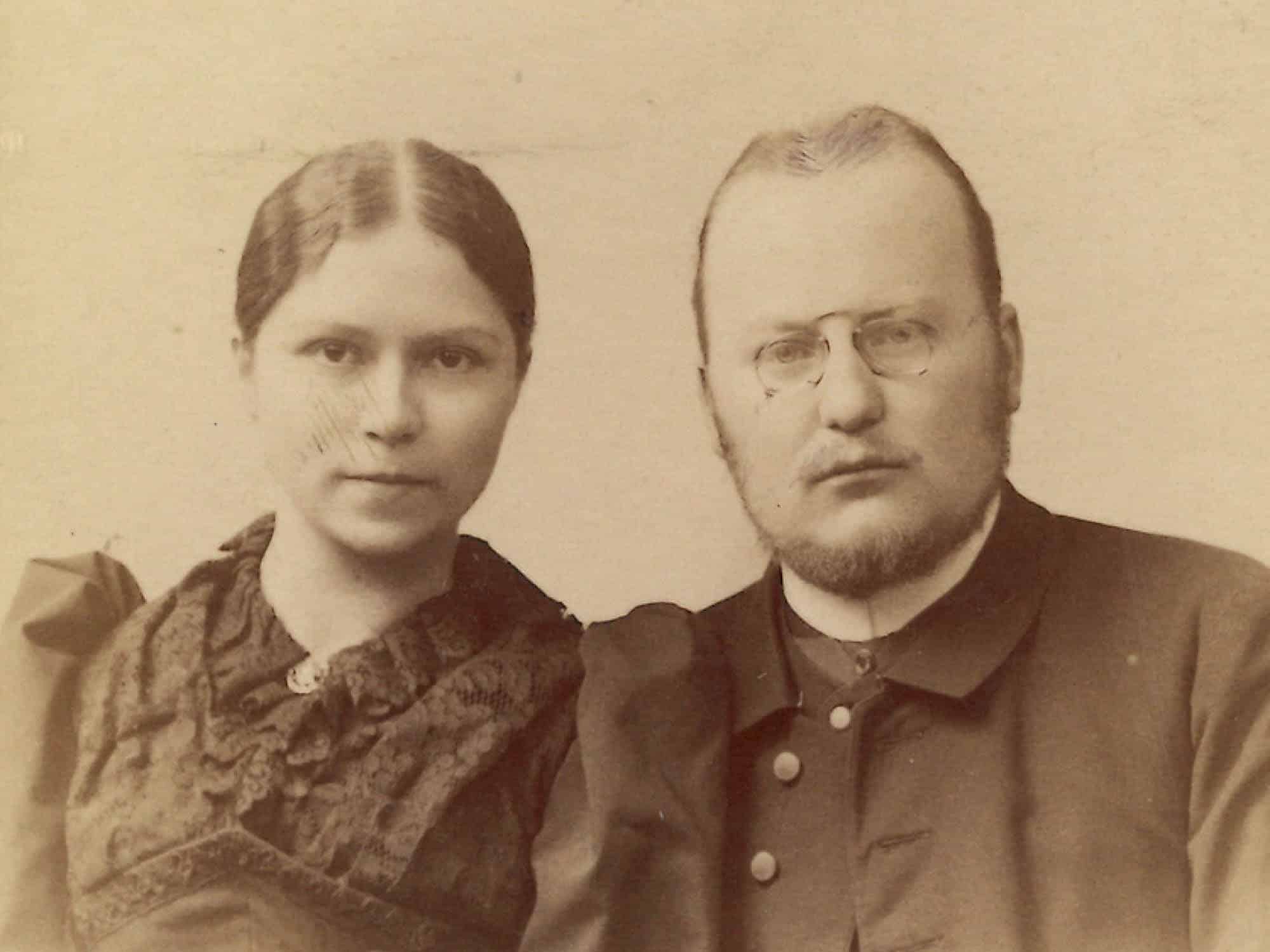
Marginalia on Rudolf Steiner’s Life and Work No. 37.After months of isolation in Weimar, in 1891, Rudolf Steiner found someone who understood him: Pastor Max Christlieb. But when they met again in 1906, their once-intimate soul connection had grown distant. During his first months in Weimar, Rudolf Steiner felt lonely because he had no one with whom he could discuss his deeper concerns. He missed the conversations he’d enjoyed in Vienna with Rosa Mayreder, Pauline Specht, and Friedrich Eckstein. He…
01 January 2026 · 10 min
About Rudolf Steiner · EN
The Painter of the Portraits of the Masters—Rudolf Steiner and Hermann Schmiechen
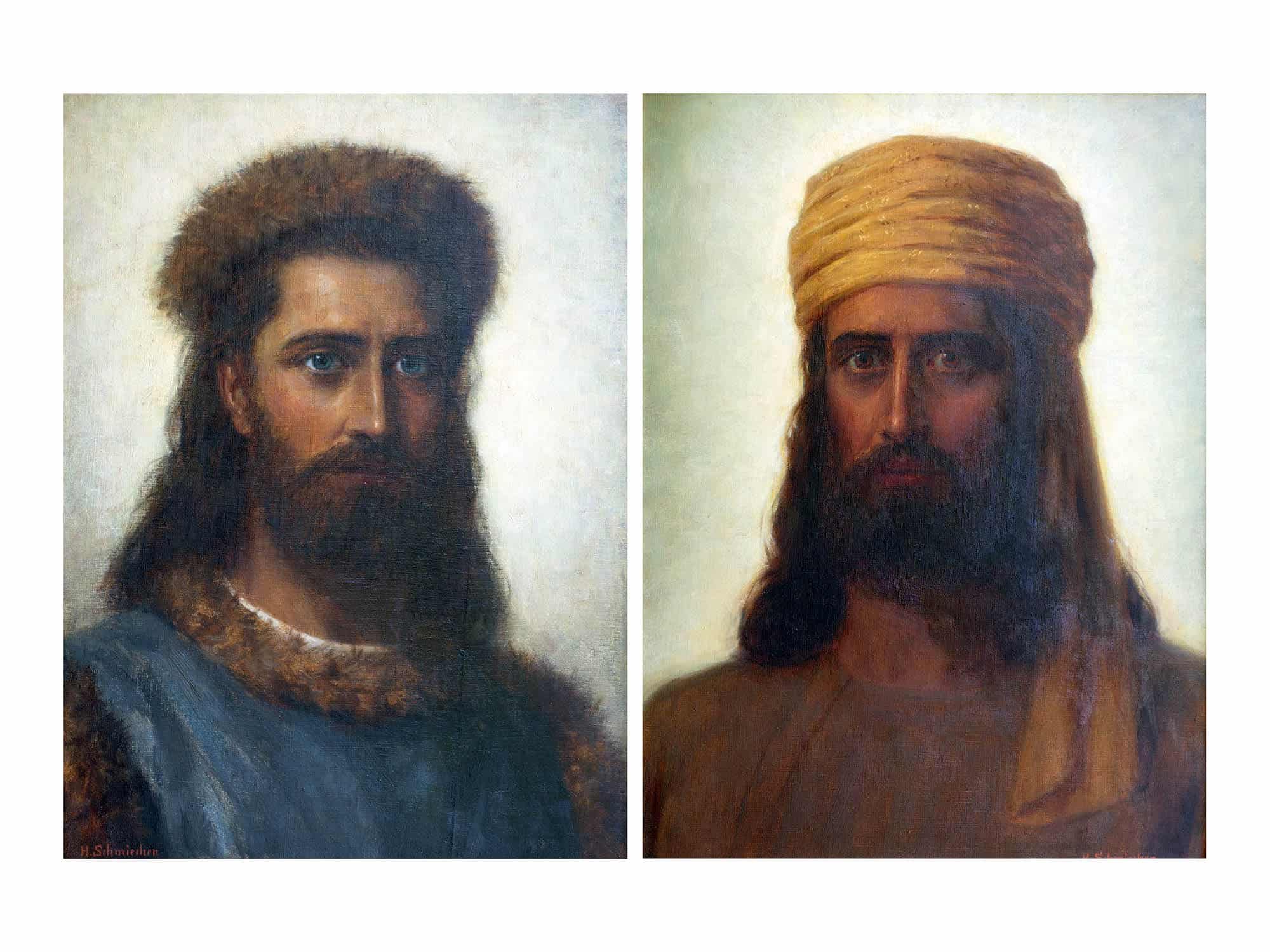
Copies of the Paintings of the Masters, often mentioned within the Theosophical Society, can be found today in the Rudolf Steiner Archive in Dornach, Switzerland. They were also important to Steiner. After the Anthroposophical and Theosophical Societies separated, the painter of the portraits committed himself to anthroposophy and remained loyal to Steiner. Henry Steel Olcott (1832–1907), founder of the Theosophical Society together with Helena Petrovna Blavatsky, shares many astonishing events that he experienced as president of this Society in his…
31 July 2025 · 11 min
Essay · EN
“Plomp! There Lay Our Philosopher on the Floor”—The Beginning of the Friendship between Rudolf Steiner and Moritz Zitter
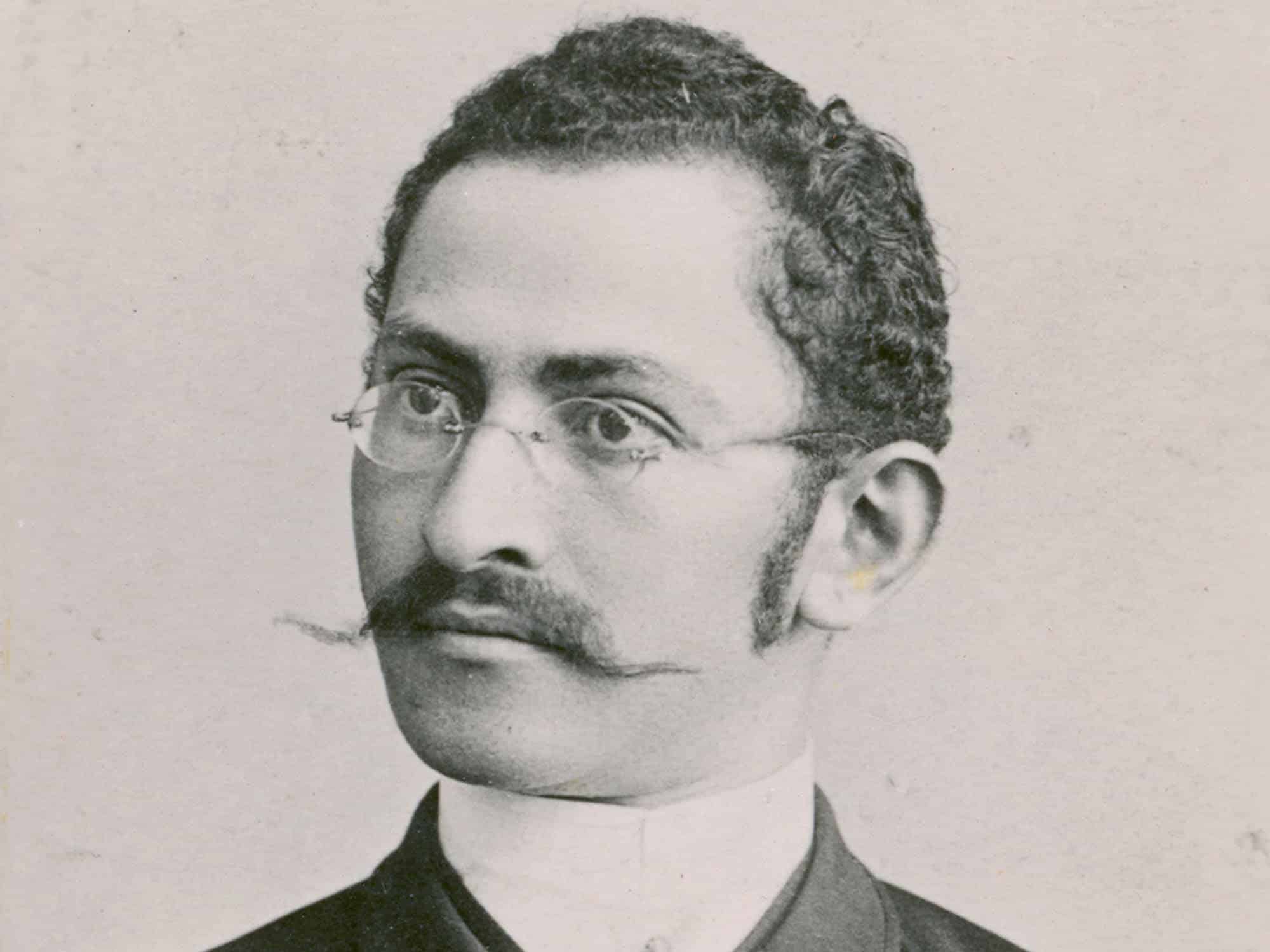
Marginalia on Rudolf Steiner’s Life and Work No. 35 In his autobiography, Rudolf Steiner describes Moritz Zitter (1861–1921), who was born the same year as Steiner and came from Transylvania, as one of his five closest friends during his youth. They remained friends until Zitter’s death in 1921. After completing his studies, Moritz Zitter spent several years working as a private tutor in his hometown before returning to Vienna in 1892. He then worked in various editorial offices and advertising…
27 May 2025 · 8 min
About Rudolf Steiner · EN
Lectures for Workers
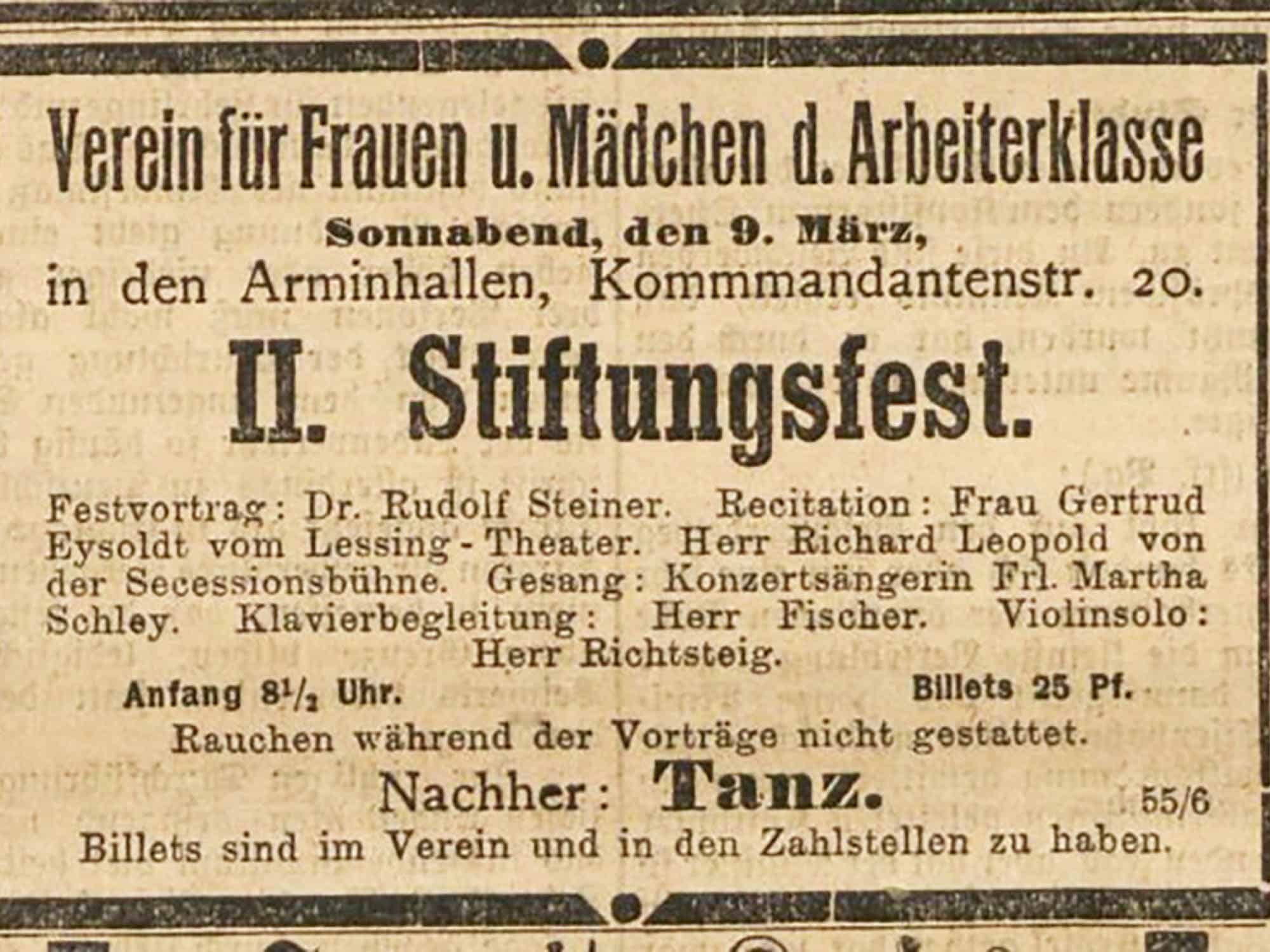
Marginalia on Rudolf Steiner’s Life and Work: In his early years in Berlin, Rudolf Steiner was closely associated with the labor movement. He gave many lectures in this circle and also spoke about women, whose untapped spiritual and mental capacities offered great promise to the future. In his autobiography, Rudolf Steiner described in detail how, when he was asked to teach at the Social Democratic Workers’ Education School [Arbeiterbildungsschule] in Berlin, he had to immerse himself entirely in the proletarian…
01 May 2025 · 11 min
Conversation · EN
Exploring the Continent
Martina Maria Sam has written seven books on Rudolf Steiner, his art, and his language. Wolfgang Held invited her for a conversation about her research. Wolfgang Held: Which book brought you closest to Rudolf Steiner? Martina Maria Sam Each book is a different exploration of the Rudolf Steiner continent. I’m always discovering new and interesting aspects. But I could say my experiences with three projects in particular have been the most profound: First, working through his personal library over many years—this…
26 March 2025 · 5 min
About Rudolf Steiner · EN
What the Press Is Capable of
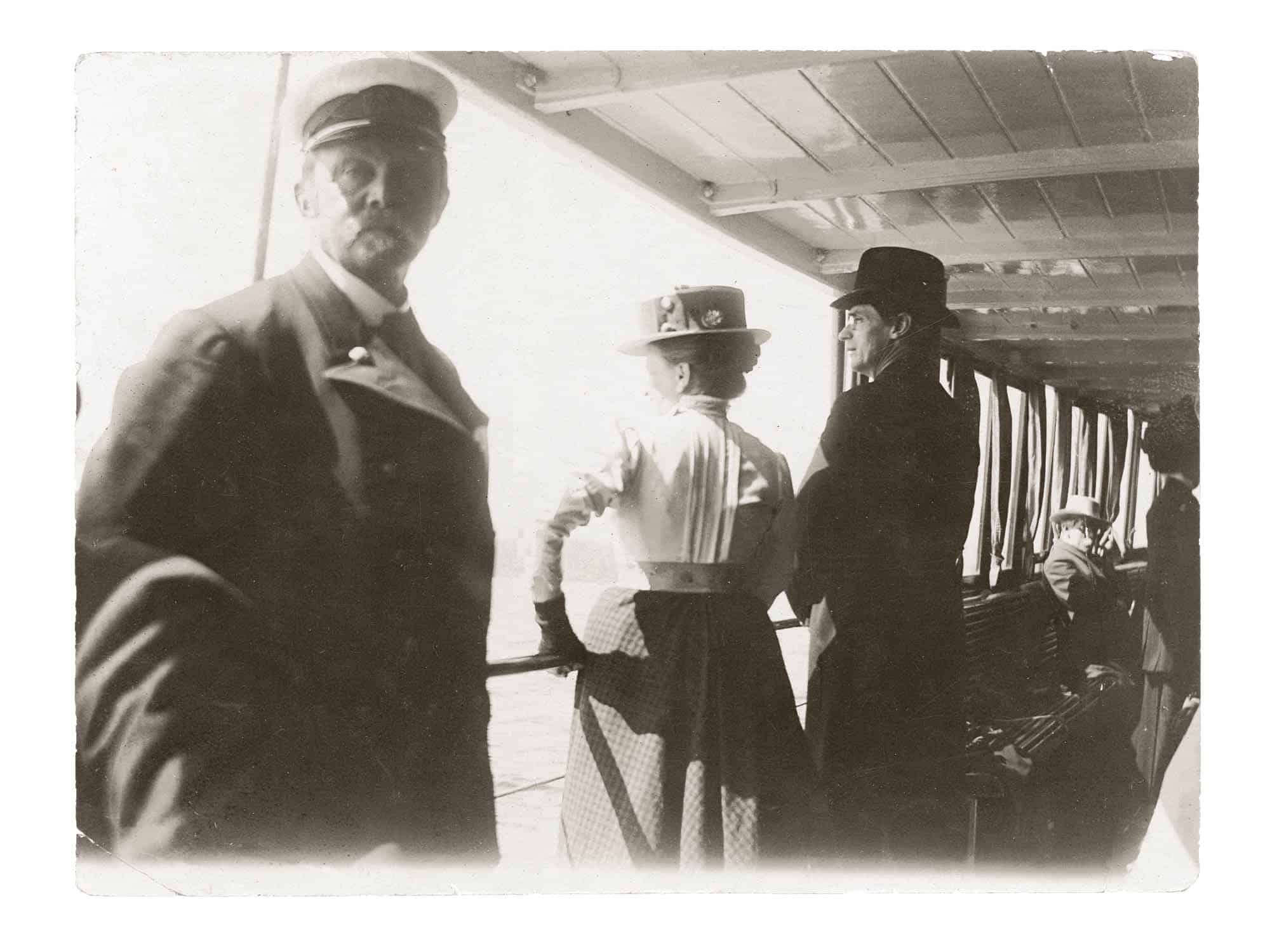
The Harden-Eulenburg affair caused quite a stir at the beginning of the twentieth century. Rudolf Steiner was acquainted with the protagonists, both of whom ended their lives in sorrow. In the years 1906 to 1908, the German Empire was shocked by a scandal known as the Harden-Eulenburg affair. The original cause was that, in the view of Bismarck’s admirer Maximilian Harden (1861–1927), publicist and editor of the influential weekly journal Zukunft [Future], Kaiser Wilhelm II was acting too compliantly in…
19 September 2024 · 12 min
About Rudolf Steiner · EN
Otto Erich Hartleben and Rudolf Steiner—Part 2: In Berlin
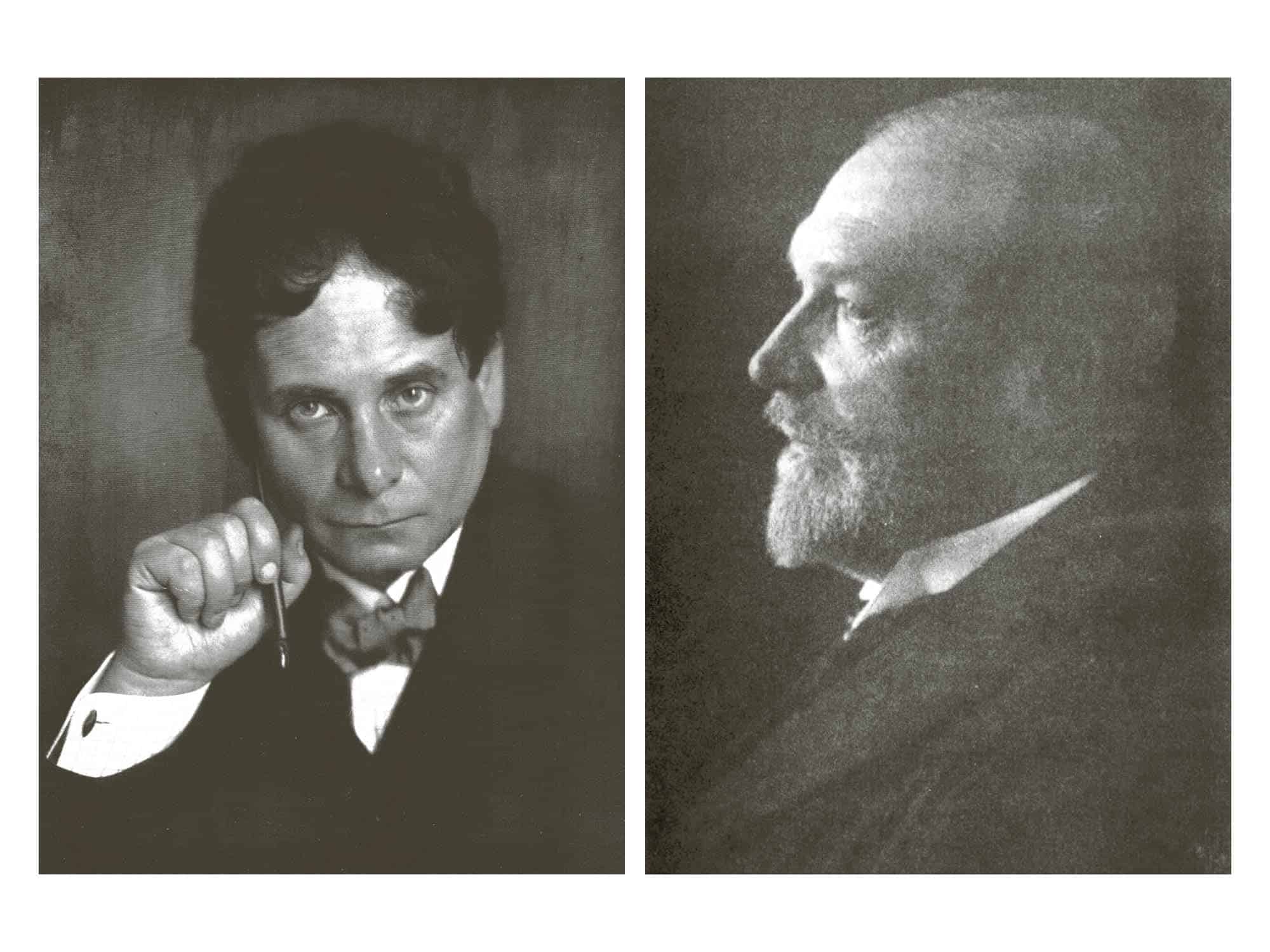
The friendship with Otto Erich Hartleben that began in Weimar continued in Berlin. It offered Rudolf Steiner the opportunity to empower himself with a perceptive grasp of the sensory world. When Rudolf Steiner took over the editorship of the Magazin für Litteratur [Magazine for Literature] in 1897, he was given the condition “that Otto Erich Hartleben should sign and work as co-editor,” as he had a name in the circles associated with the magazine. However, Hartleben’s activities were essentially just…
02 August 2024 · 8 min
About Rudolf Steiner · EN
Otto Erich Hartleben and Rudolf Steiner—Part 1: In Weimar
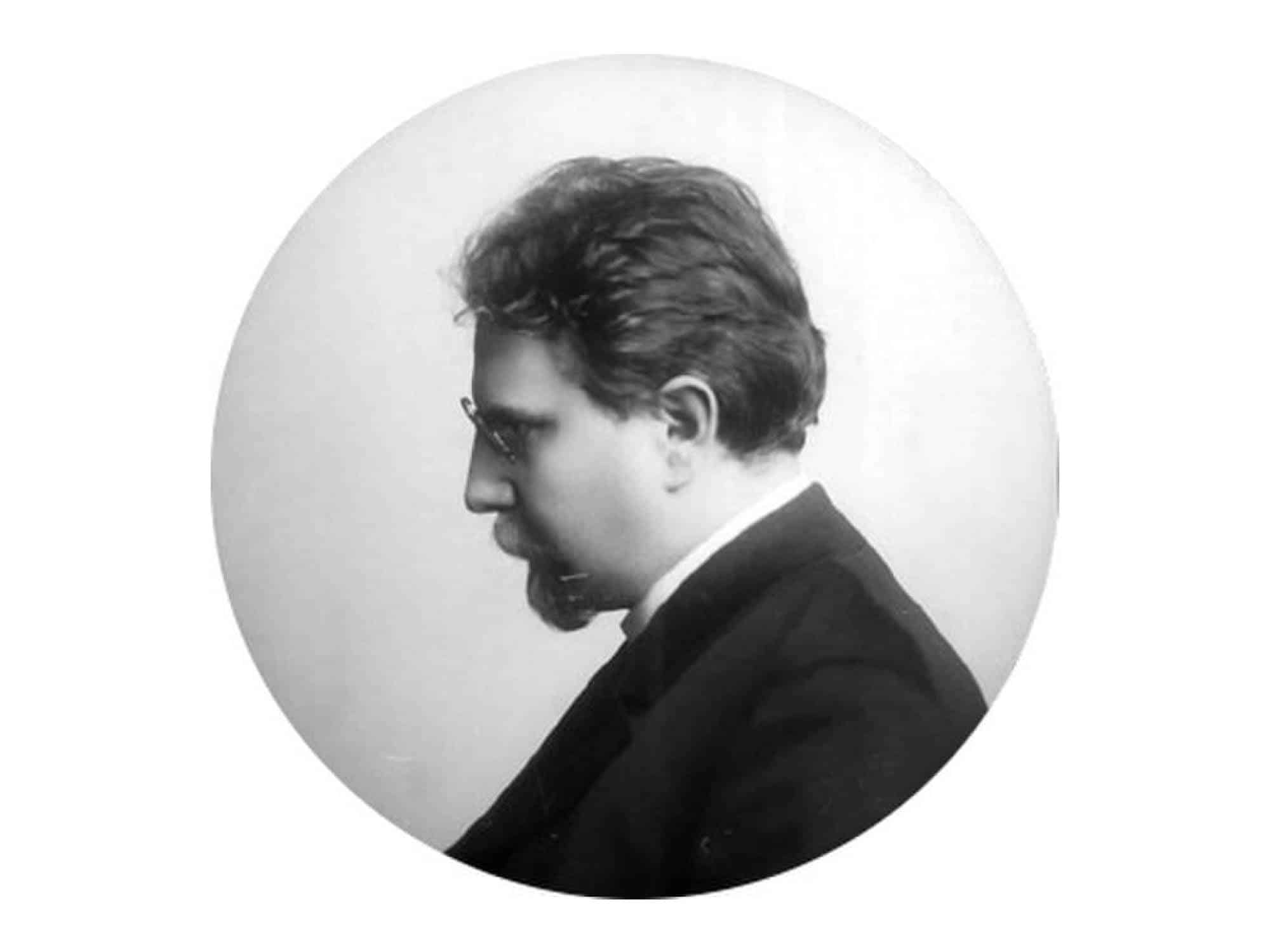
Rudolf Steiner met the poet and bon vivant Otto Erich Hartleben (1864–1905) in Weimar, together with whom, for several years, he would later publish the Magazin für Litteratur [Magazine for Literature]. Hartleben was known for his “wet and wonderful” lifestyle. It’s said that he paid extensive homage to Dionysus and Eros. Hartleben had initially studied law at the request of his grandfather, with whom he had grown up after the early death of his parents, and worked briefly as a…
18 July 2024 · 9 min
History · EN
The Desk Fire: Rudolf Steiner’s Life Crisis in 1898
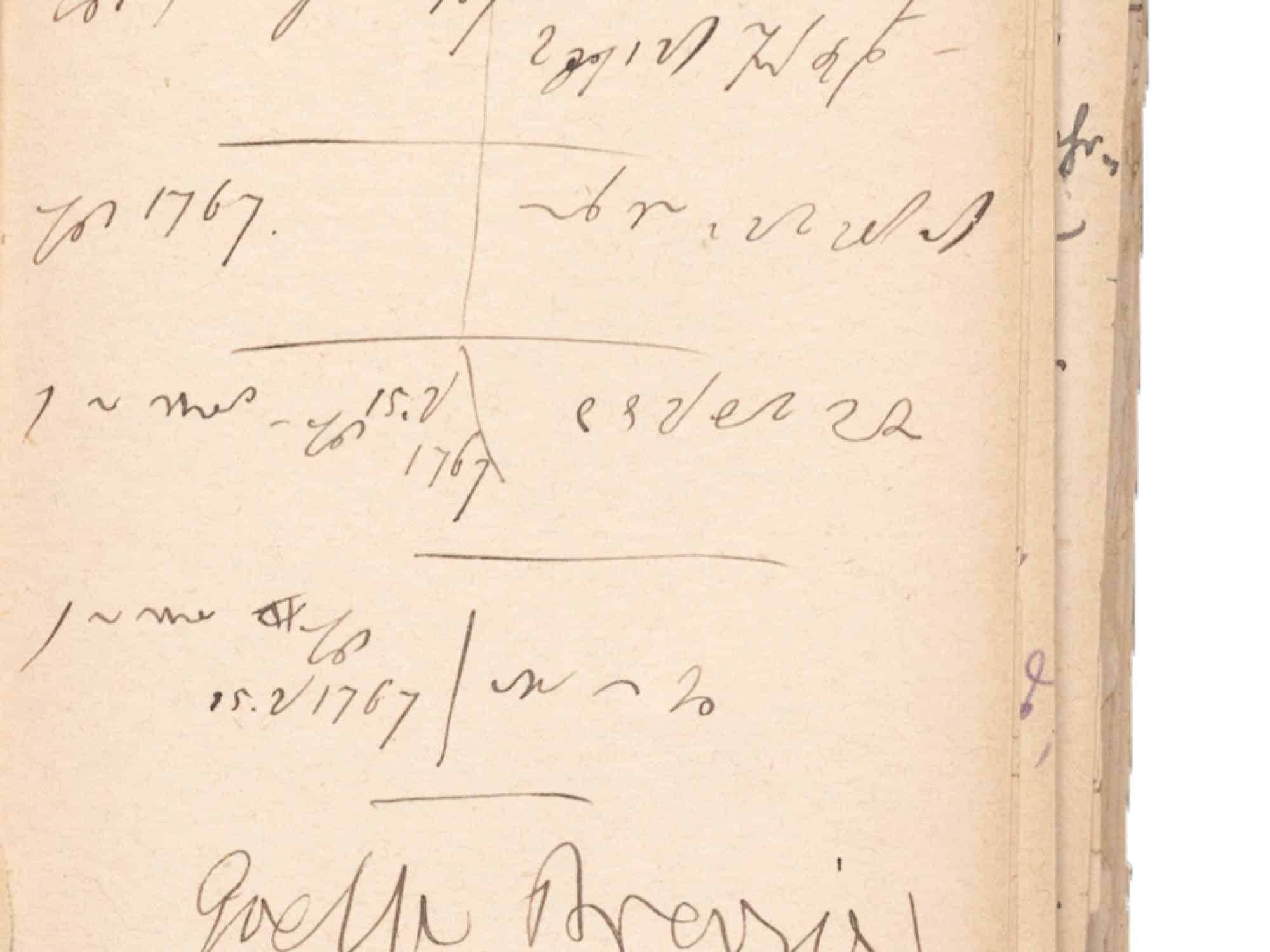
Shortly after Rudolf Steiner’s death, the art critic Max Osborn recounted an incident during his time as editor of the Magazin für Litteratur [Magazine for Literature]: “One day, we all received a strange letter, in which the mighty master of the Magazine communicated to us that, unfortunately, something fatal had occurred. As he, Steiner, tried to light his pipe last night, the whole desk went up in flames. ‘Should you, dear sir, suppose that I still have any unanswered letters…
18 January 2024 · 9 min
History · EN
In Place of God, The Free Human Being
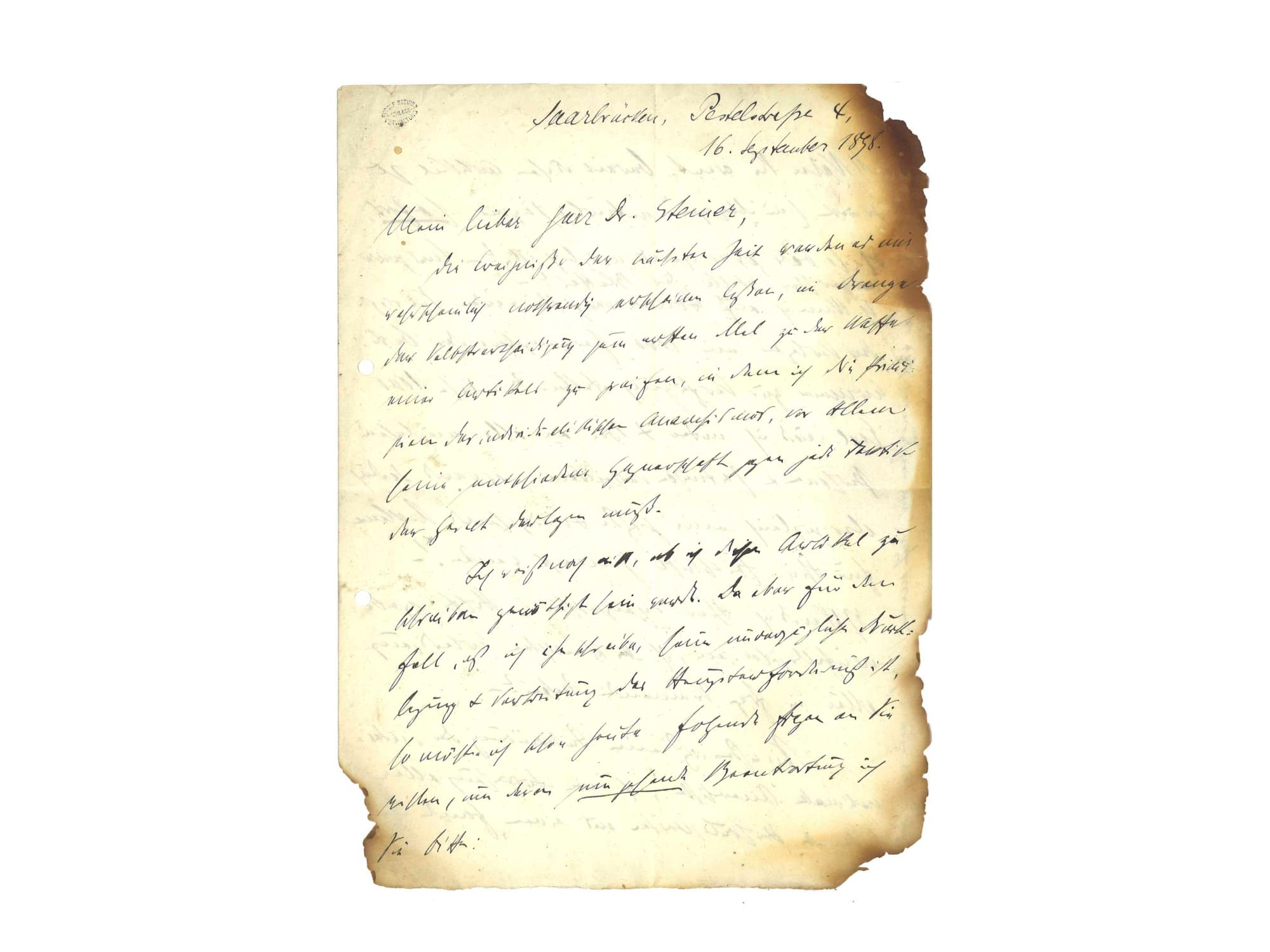
On the Background to the “Questionnaire” of 1892 One of the circles of friends that Rudolf Steiner belonged to in Weimar was formed around the newly married couple Hans and Grete Olden. “They gathered a social circle around them that wanted to live in the ‘present,’ in contrast to everyone who saw the center of spiritual life as the continuation of the past at the Goethe Archive and Goethe Society. I was accepted into this circle, and I think back…
02 November 2023 · 9 min
History · EN
Women’s Rights Pioneer
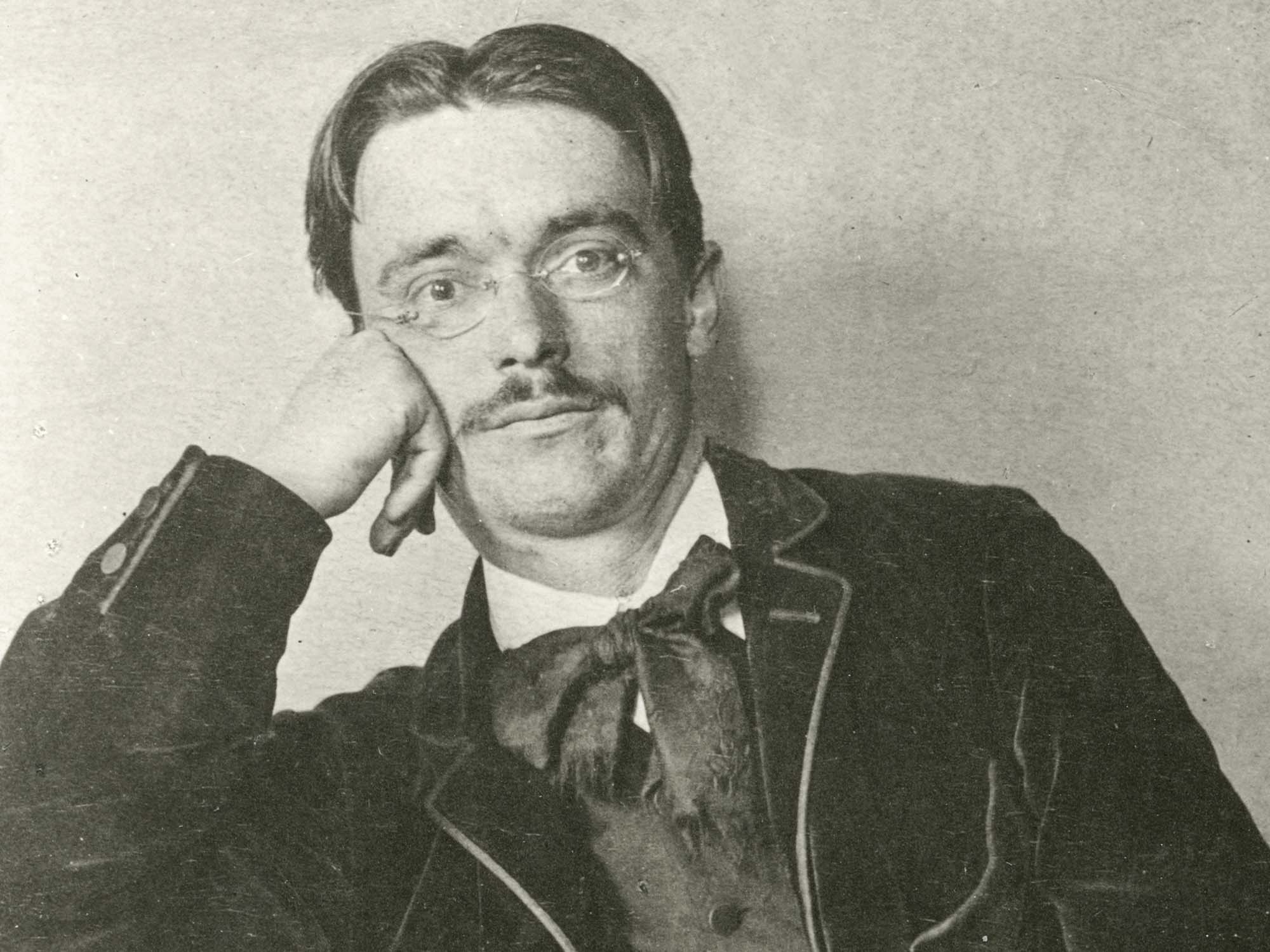
At the end of the 19th and beginning of the 20th century, the “women’s question”—the struggle of women for the right to education, independence, and suffrage—was a major social question that Rudolf Steiner addressed again and again. He was personally acquainted with many eminent protagonists of the women’s movement, including Rosa Mayreder and Marie Lang, and he also personally knew Hedwig Dohm, one of the first women to stand up for women’s rights. Hedwig Dohm wrote novels and novellas but…
14 September 2023 · 8 min
Column · EN
What Do I Mean by Inspiration?
It is in the nature of things that inspiration, the middle of the three stages of knowledge—the transitions between which are considered to be fluid in a certain way—is the most difficult to grasp independently. It joins the imagination by transforming the images from the first stage that are still personally colored, into “objective imagination”; and as the practitioner at this stage of cognition really enters into the spiritual experience and comes to encounter beings, it leads directly into the…
21 July 2023 · 1 min

History · EN
Best Man Otto Bock and His Wife Mila
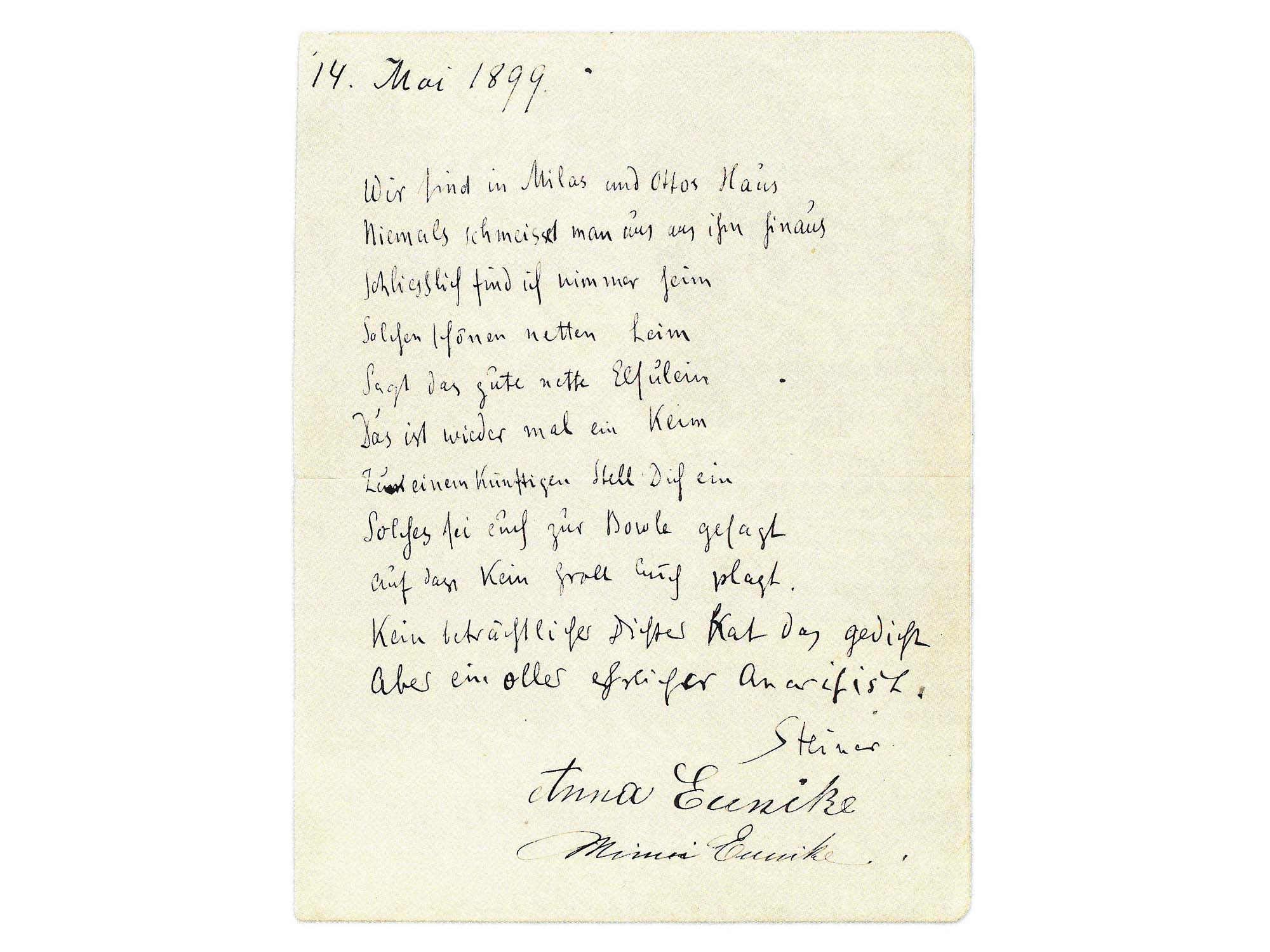
Marginalia on the Life of Rudolf Steiner, Number 27. While in Weimar, Rudolf Steiner maintained a friendship with the Bock family. He was probably introduced to them in October 1890 by the Danish writer Rudolf Schmidt because, like Schmidt, the engineer and brickworks owner Otto Bock (1850–1913) was originally from Copenhagen. Rudolf Steiner helped Bock with his book on brickworks as an agricultural and independent business (Berlin 1893). The book has the following dedication: “To his dear friend Dr. Steiner…
07 July 2023 · 5 min
History · EN
“Energetic and Strong-Willed”
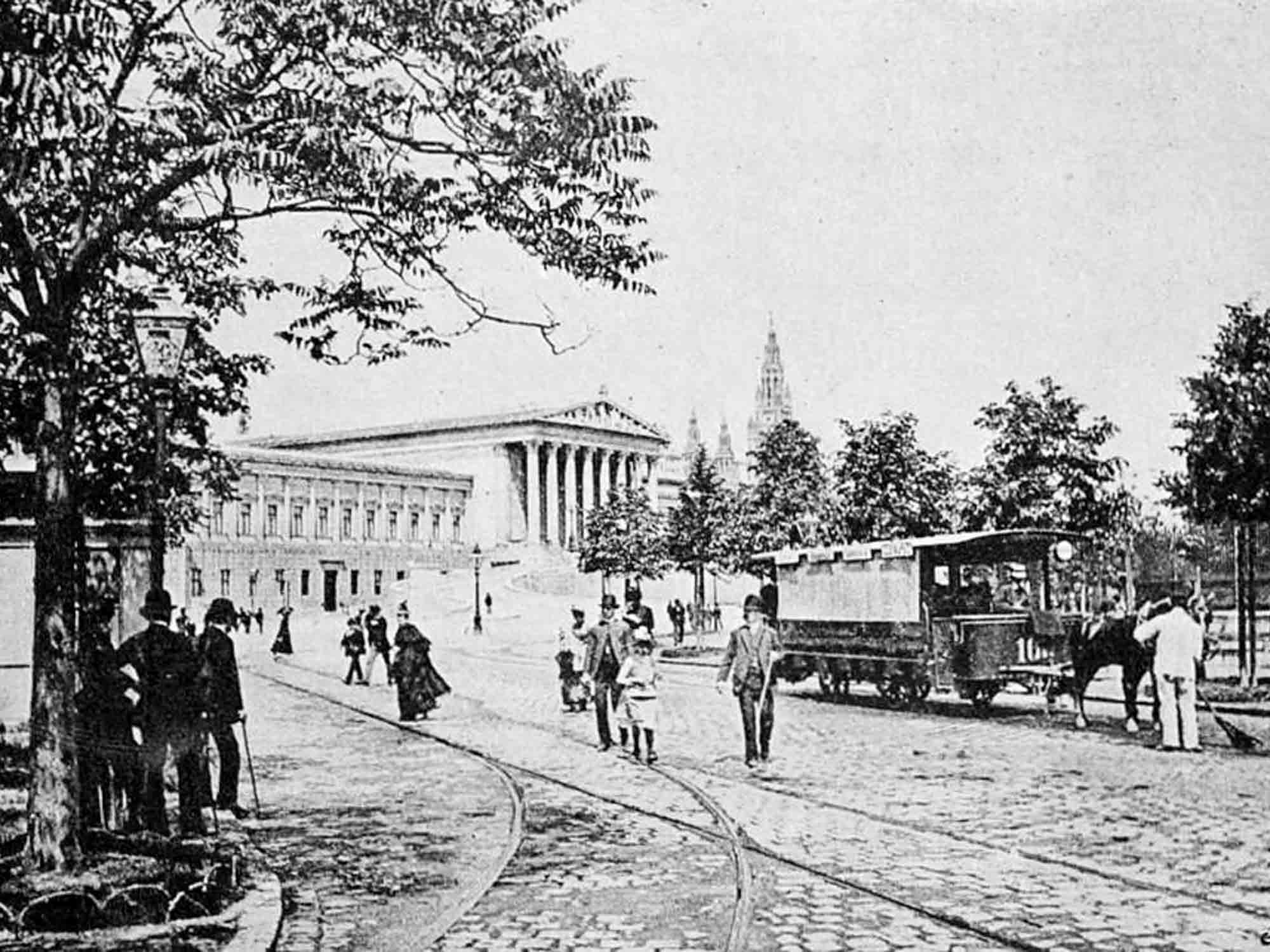
Marginalia on Rudolf Steiner’s Life and Work 26 In his Autobiography, Rudolf Steiner wrote in detail about a personality who would later turn both against him and Anthroposophy: the “liberal politician” Dr. Heinrich Fränkel (1859–1939), “an adherent of Eugen Richter and politically active in the same spirit.” Richter represented the Deutsche Freisinnige Partei (German Liberal Party) which was critical of the government and economically liberal. In 1893, he founded the even more leftist Freisinnige Volkspartei (Liberal People’s Party). Fränkel, who came…
04 May 2023 · 5 min
History · EN
«A Crazy Fellow»
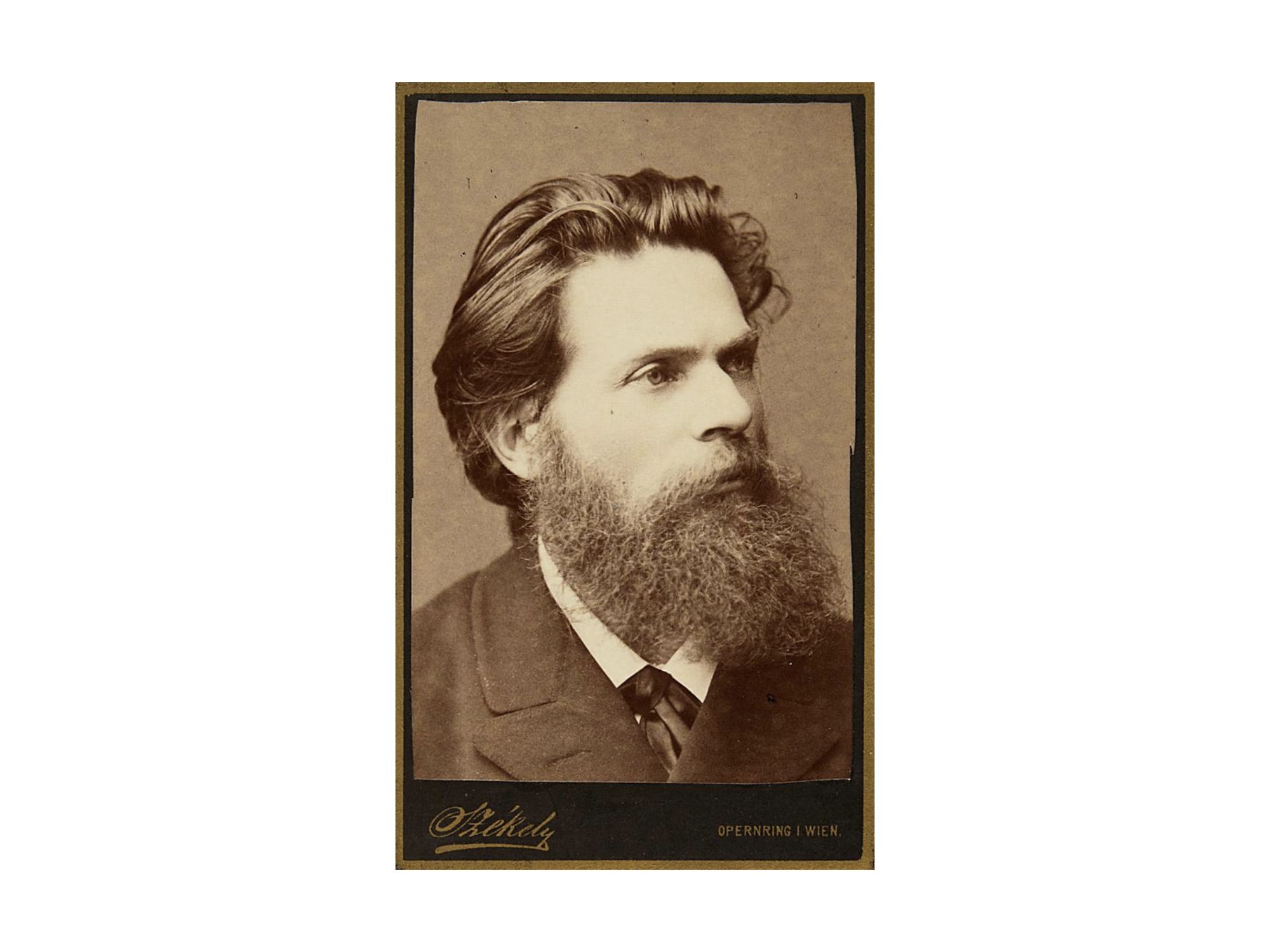
Marginalia to Rudolf Steiner’s Life and Work, Number 25. Before Rudolf Steiner met the famous reciter Alexander Strakosch in person, he had heard much about him from his friend Moritz Zitter. On January 14 and 16, 1892, Strakosch performed various poetic works at the Weimar Hoftheater, including Faust’s great monologue and a scene from Schiller’s ‹Demetrius›. Apparently, he sat talking with Rudolf Steiner for some time after the performance. It was close to midnight, when, «moved by the heightened temperature…
30 March 2023 · 7 min
History · EN
Steiners Doctoral Thesis
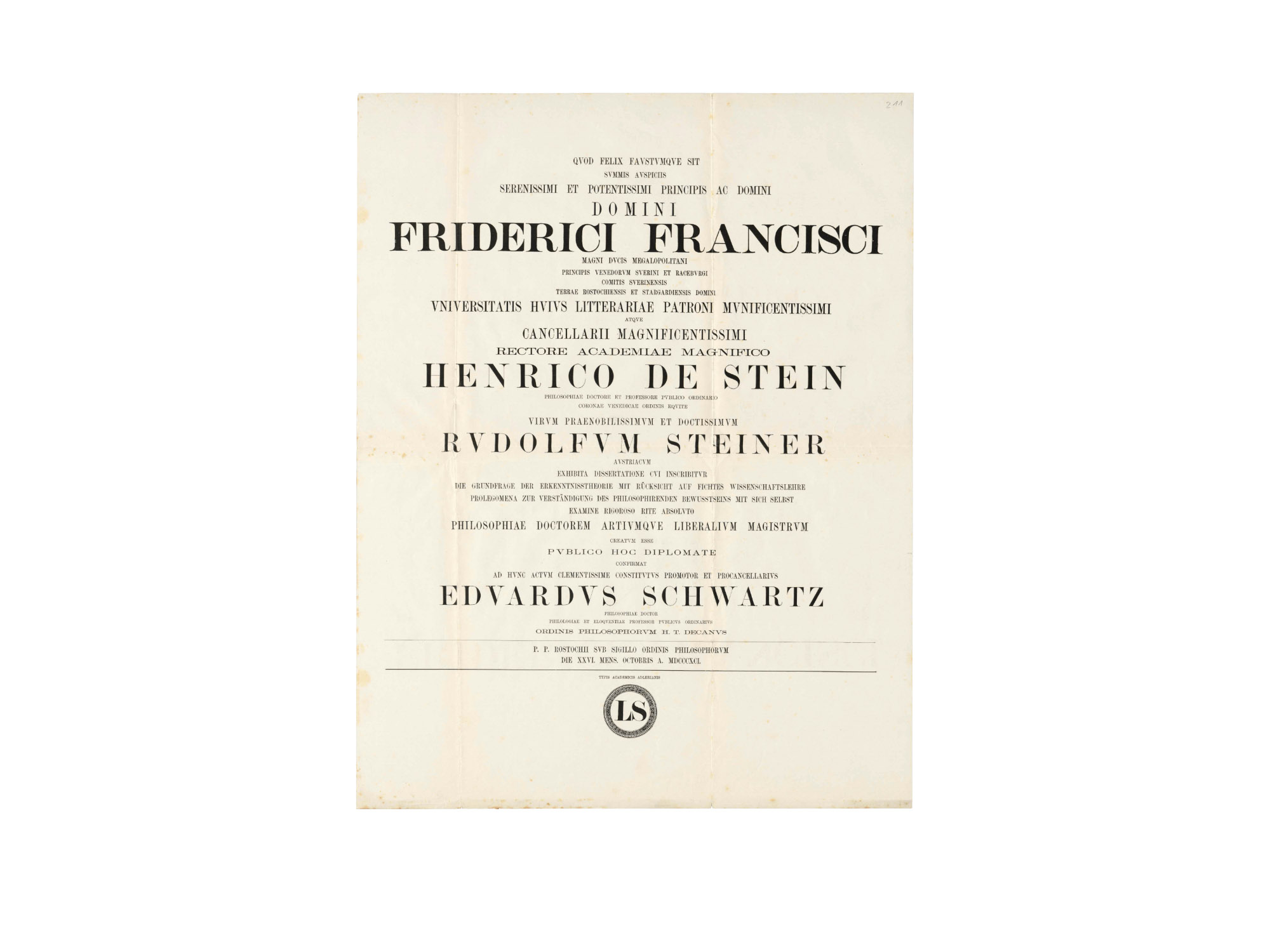
Marginalia on Rudolf Steiner’s Life and Work 24. In Memory of Friedwart Husemann. A few months before moving to Weimar where he was to publish most of ‹Goethes Naturwissenschaftlichen Schriften› [Goethe’s Scientific Writings] as part of the first Goethe Complete Edition, Rudolf Steiner began exploring his possibilities for a doctorate. On the one hand, he probably wanted to catch up with his future archive colleagues, who all ha Would you like to keep reading? We’re pleased to present our Summer 2026 offer, valid…
20 January 2023 · 9 min
History · EN
«This Look Asked Me Something»
Marginalia of Rudolf Steiner’s Life and Work, No. 23 – In peripheral encounters, and once directly, Ludwig Berger circled around Rudolf Steiner. Above all, his Bible commentaries developed with Emil Bock were a gateway to spiritual science for Berger. Ludwig Berger (originally: Bamberger) was born on January 6, 1892, into a musical family in Mainz. His mother, Anna Klara, was a pianist, and his father, Franz, was a banker by profession, but his whole heart belonged to music. He determined…
24 November 2022 · 6 min
History · EN
Rudolf Steiner’s Family – Part III.
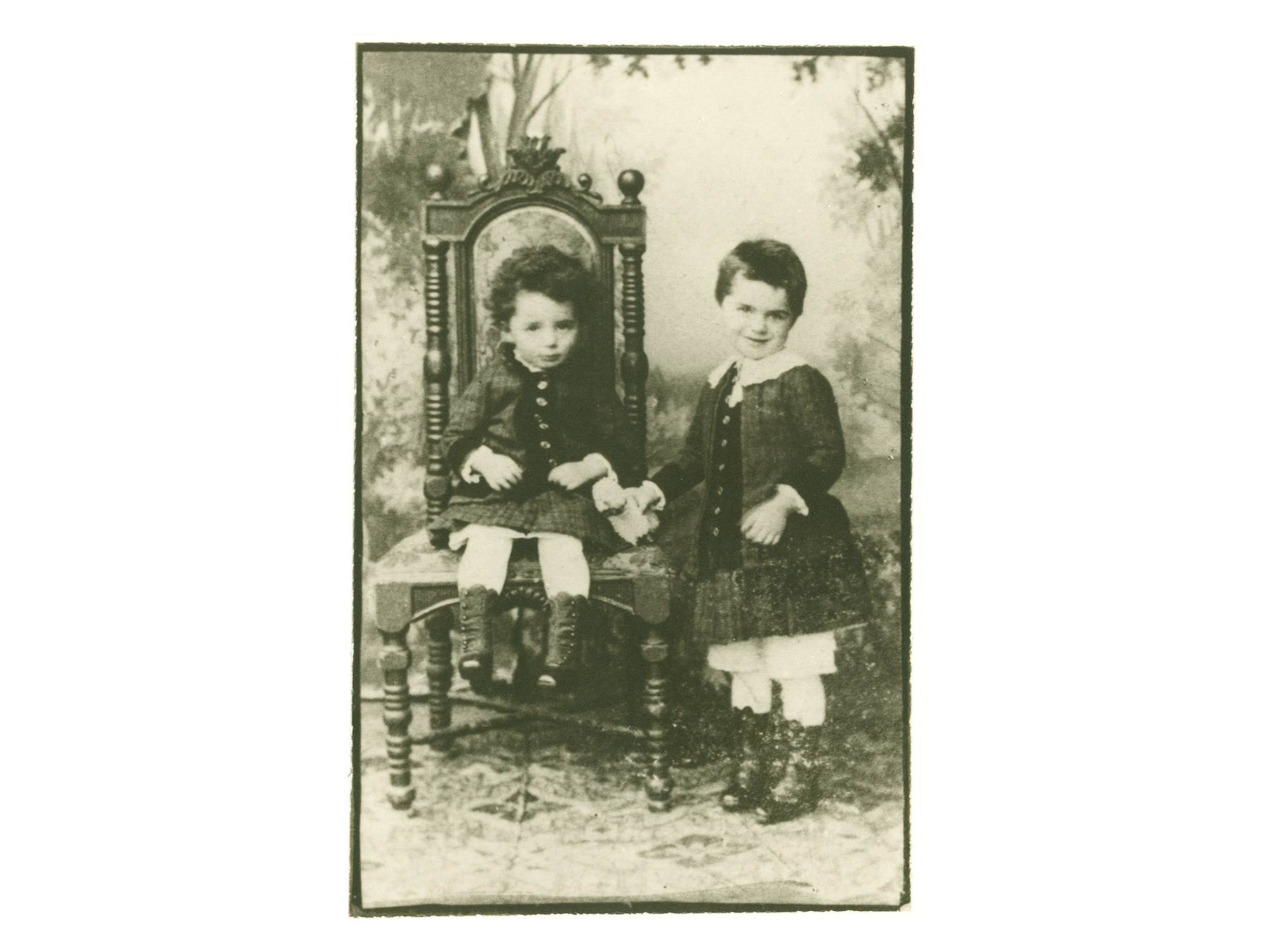
Marginalia on Rudolf Steiner’s Life and Work No. 22 – The Sister had the works of her famous brother read to her after her blindness. The deaf brother copied them after his death. Rudolf Steiner had two younger siblings: Leopoldine and Gustav. Both were born in Pottschach and had godparents from the Solterer family, owners of a mill in the village. As a child, he «often spent hours» looking at picture books with moving figures with his sister, Rudolf Steiner…
30 September 2022 · 12 min
History · EN
Rudolf Steiner’s Family. II – The Parents
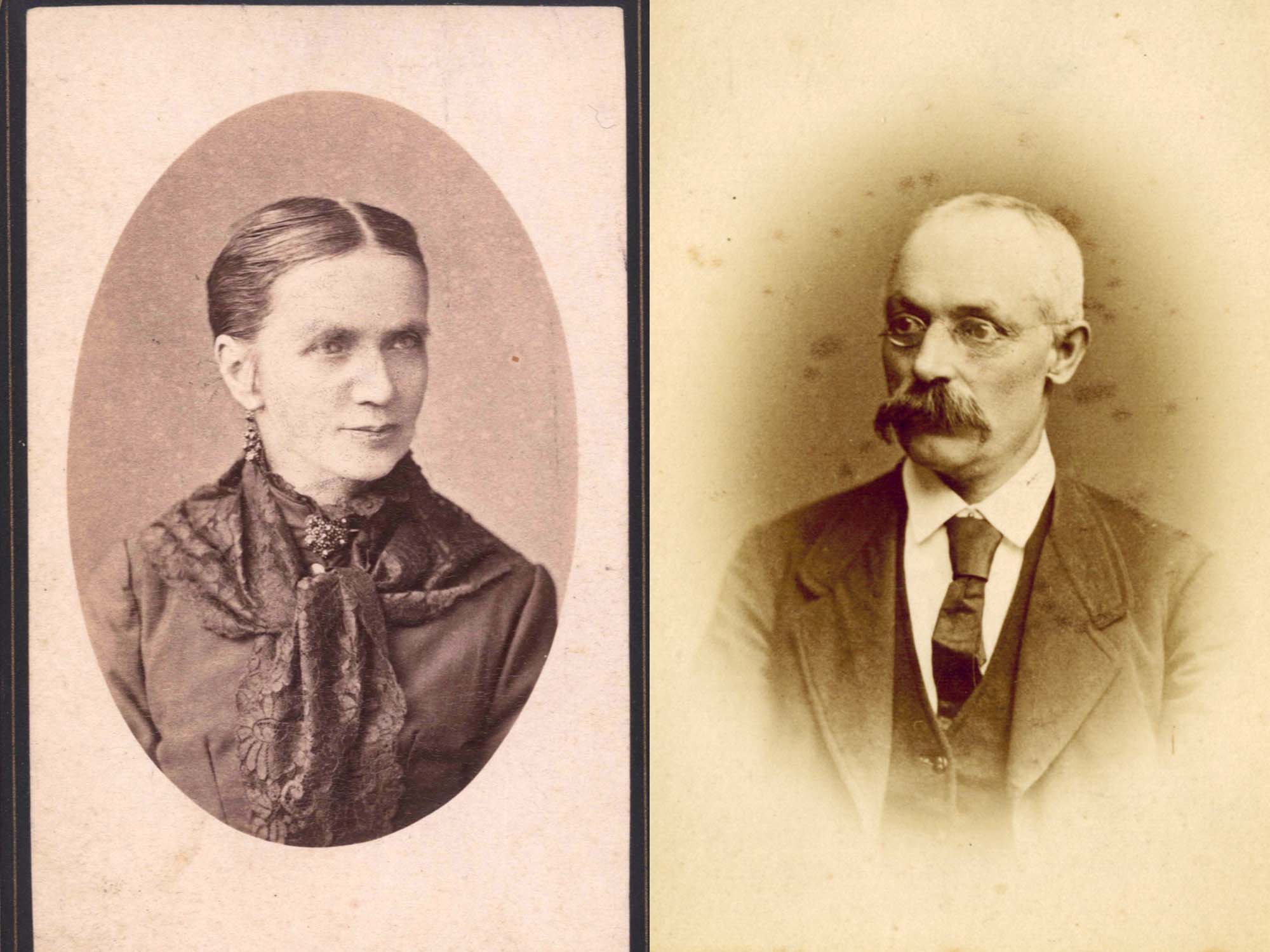
His father fought for his children and was a freethinker. His quiet mother feared throughout her life that her son was overexerting himself because of the financial support he kept sending home. It was a poor but loving home. Rudolf Steiner came from a family that lived in modest circumstances. His parents, he relates, had «always shown a willingness to give their last penny for the good of their children; but there were not very many such last pennies available.»…
20 July 2022 · 14 min
About Rudolf Steiner · EN
“This Life Had Profound Tragedy”
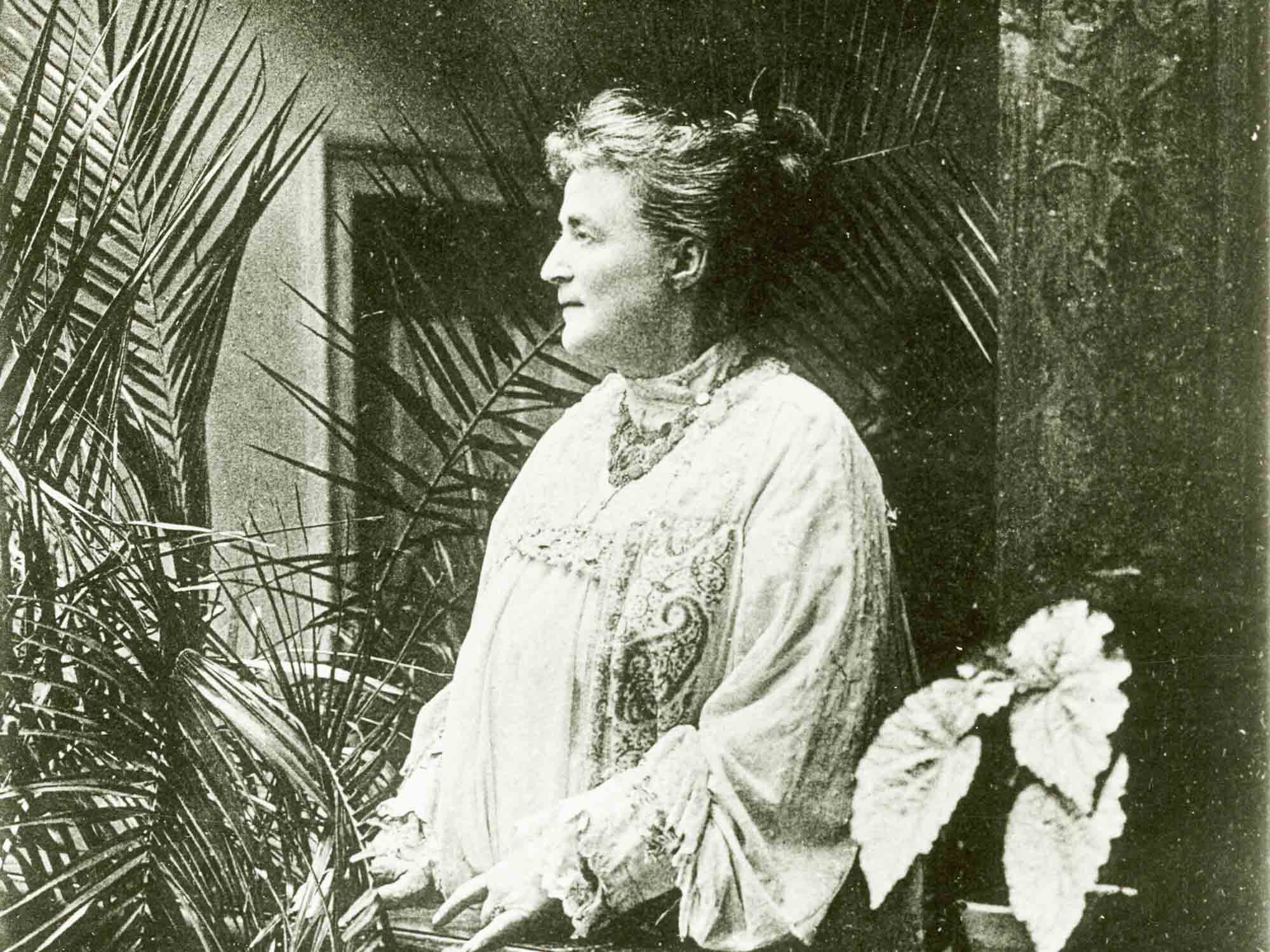
The life of Helene von Schewitsch was so incredibly dramatic, so full of twists and turns, and populated with so many of her famous contemporaries that if this extraordinary woman’s biography were a novel, much of it would be considered a complete exaggeration. Alfred Meebold described “her indomitable temperament, her perpetually lively intellect, . . . her empathy, which was instantly implemented as either sympathy or antipathy, her lively imagination . . . . All this contained, as I understand it, an enormously strong urge for freedom.…
16 June 2022 · 11 min
History · EN
Rudolf Steiner’s Family I – The Relatives
Oskar Schmiedel (1887–1959) was the first to conduct research on Rudolf Steiner’s family. He personally visited descendants of the Blie and Steiner families and received photos from them – the portraits depicted here come from his collection (now the Goetheanum Archive). Rudolf Steiner’s ancestors – as far as they can be traced back – lived in a manageable geographical radius: in the Waldviertel (northeastern Austria) and in neighboring Moravia. All were craftsmen: farmers, millers, hunters, foresters, weavers, whitewashers, gingerbread bakers.…
25 February 2022 · 14 min
About Rudolf Steiner · EN
Why Didn’t Rudolf Steiner Take a Final Examination at the Technical College?
Marginalia on Rudolf Steiner’s Life and Work. Rudolf Steiner studied for eight semesters [1879–83] at the Technical College in Vienna—as a student of the “General” Department, which existed alongside the specialist departments: The School of Engineering, the School of Architecture, the School of Mechanical Engineering, and the School of Chemistry. The General Department encompassed all subjects that could not be clearly assigned to one of the four existing specialist schools. Around 1880, this included mathematics, descriptive geometry, and physics, as…
05 November 2020 · 7 min
About Rudolf Steiner · EN
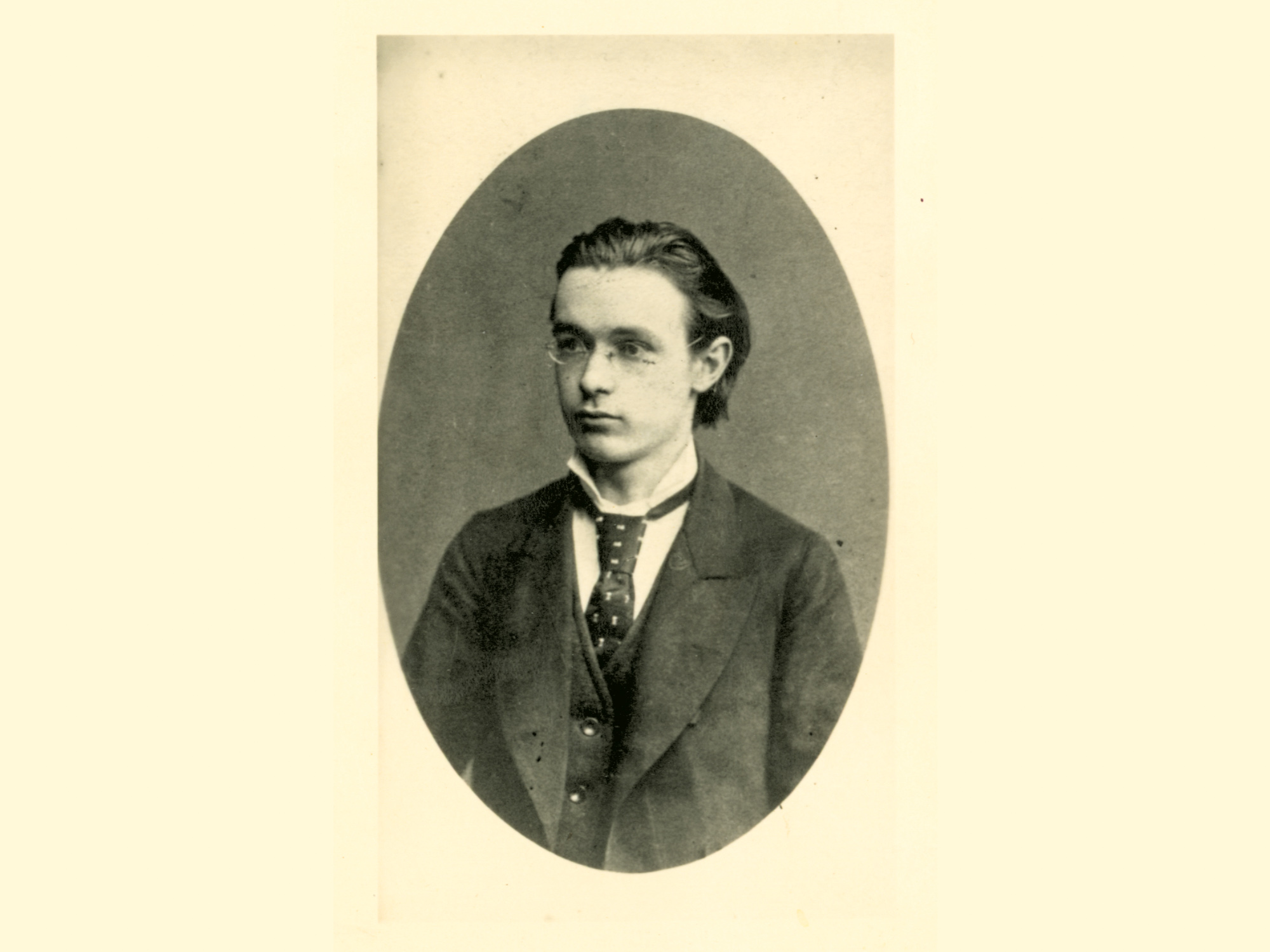
Luise Kautsky-Ronsperger and a Special Photograph of Rudolf Steiner
One of Rudolf Steiner’s closest friends during his first years of study was Rudolf Ronsperger (Aug. 29, 1863–Oct. 2, 1890), the son of the Jewish Viennese master confectioner Felix Ronsperger. Some of Rudolf Steiner’s early letters come from Ronsperger’s estate and give us an intimate look into what he was occupied with during the summer of 1881.The letters were in the possession of Karl Kautsky Jr., the second son of Luise Kautsky, who “made his living as a doctor in…
16 October 2020 · 7 min
About Rudolf Steiner · EN
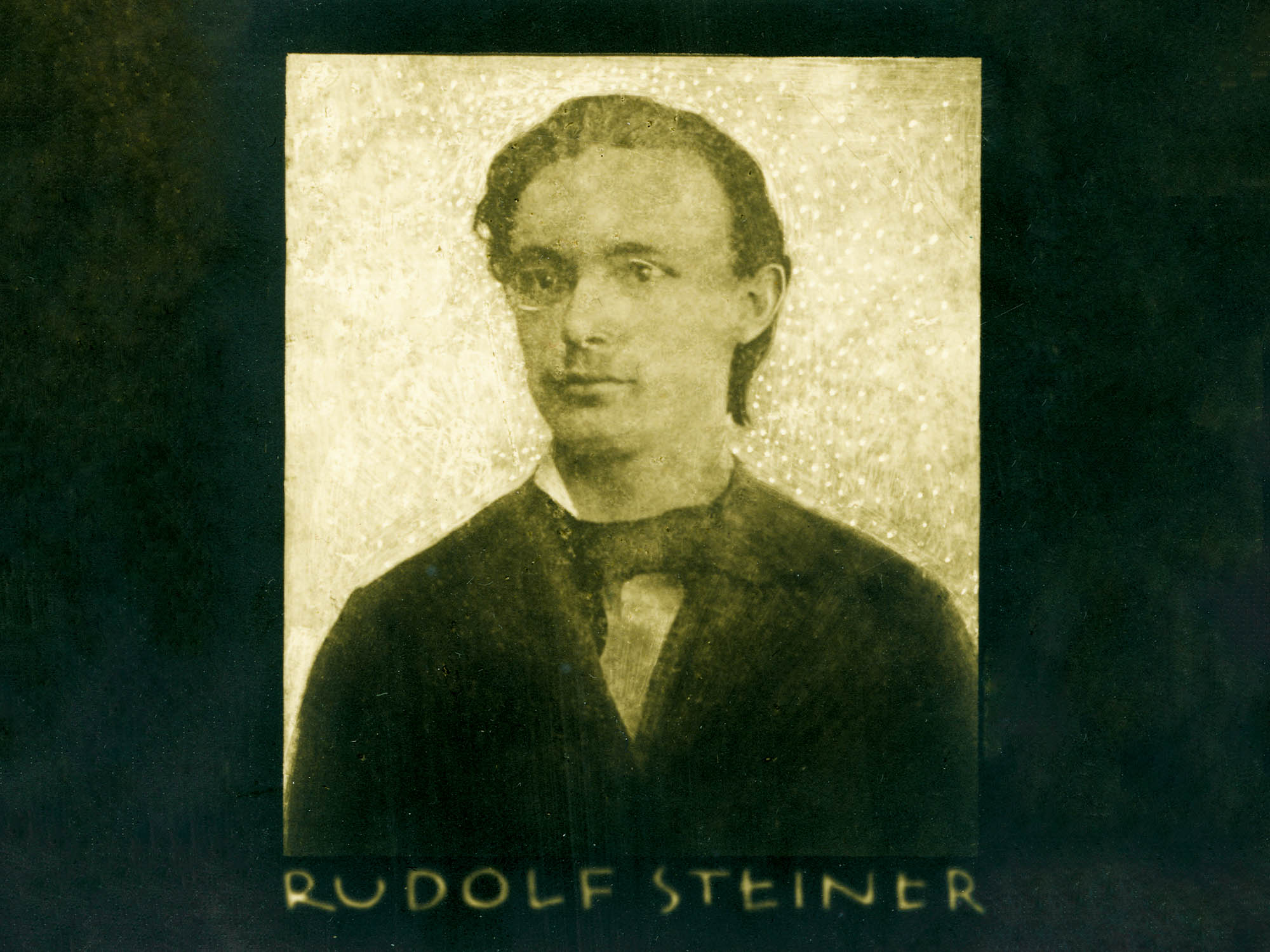
“When One Is Dealing with Spiritual Science, Humor Is Necessary.”
Marginalia from the life and work of Rudolf Steiner. In his lecture of July 11, 1916, Rudolf Steiner described in detail how he met the Austrian mathematician and professor Oskar Simony (April 23, 1852–April 6, 1915) of the Institute for Soil Cultivation [Institut für Bodenkultur, today part of the University of Natural Resources and Life Sciences]: “We encountered each other one time (I know it as if it had been yesterday) on Salesianergasse . . . in Vienna. I knew him by sight; I…
31 July 2020 · 8 min
About Rudolf Steiner · EN
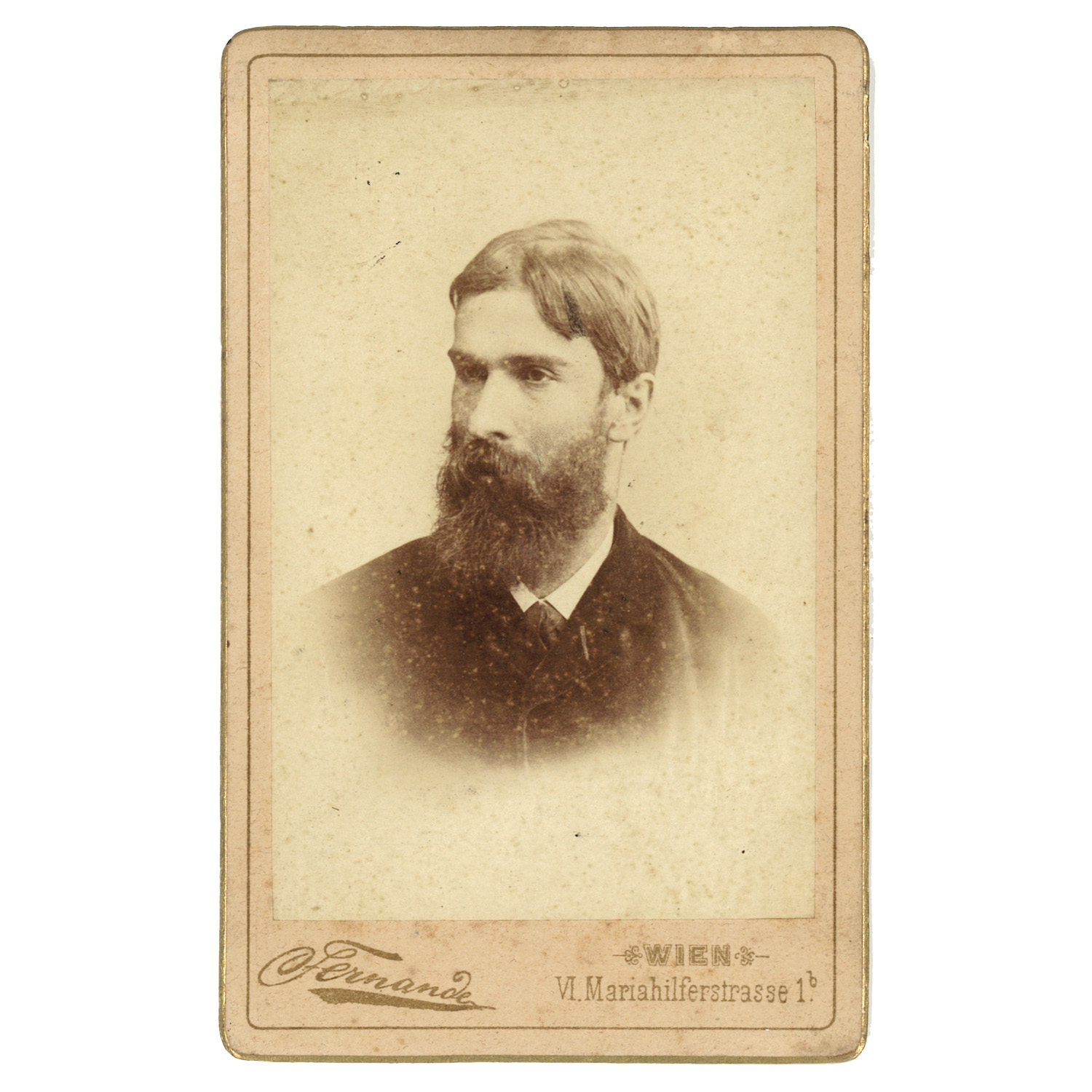
“The Most Unforgettable Thing Was His Eyes . . . .” Felix Heinemann and Rudolf Steiner
Not many people who got to know Rudolf Steiner before the turn of the century followed him on the path to anthroposophy, but Felix Heinemann (1863–1935) was one who did. Heinemann was born into a Hamburg merchant family and trained for a career as a publisher and bookseller. In 1896, together with Otto Neumann-Hofer (1857–1941), he took over the then-popular magazine Romanwelt [World of Novels] from the Cotta publishing house, which kept him fully occupied alongside his own publishing house,…
28 May 2020 · 9 min
About Rudolf Steiner · EN
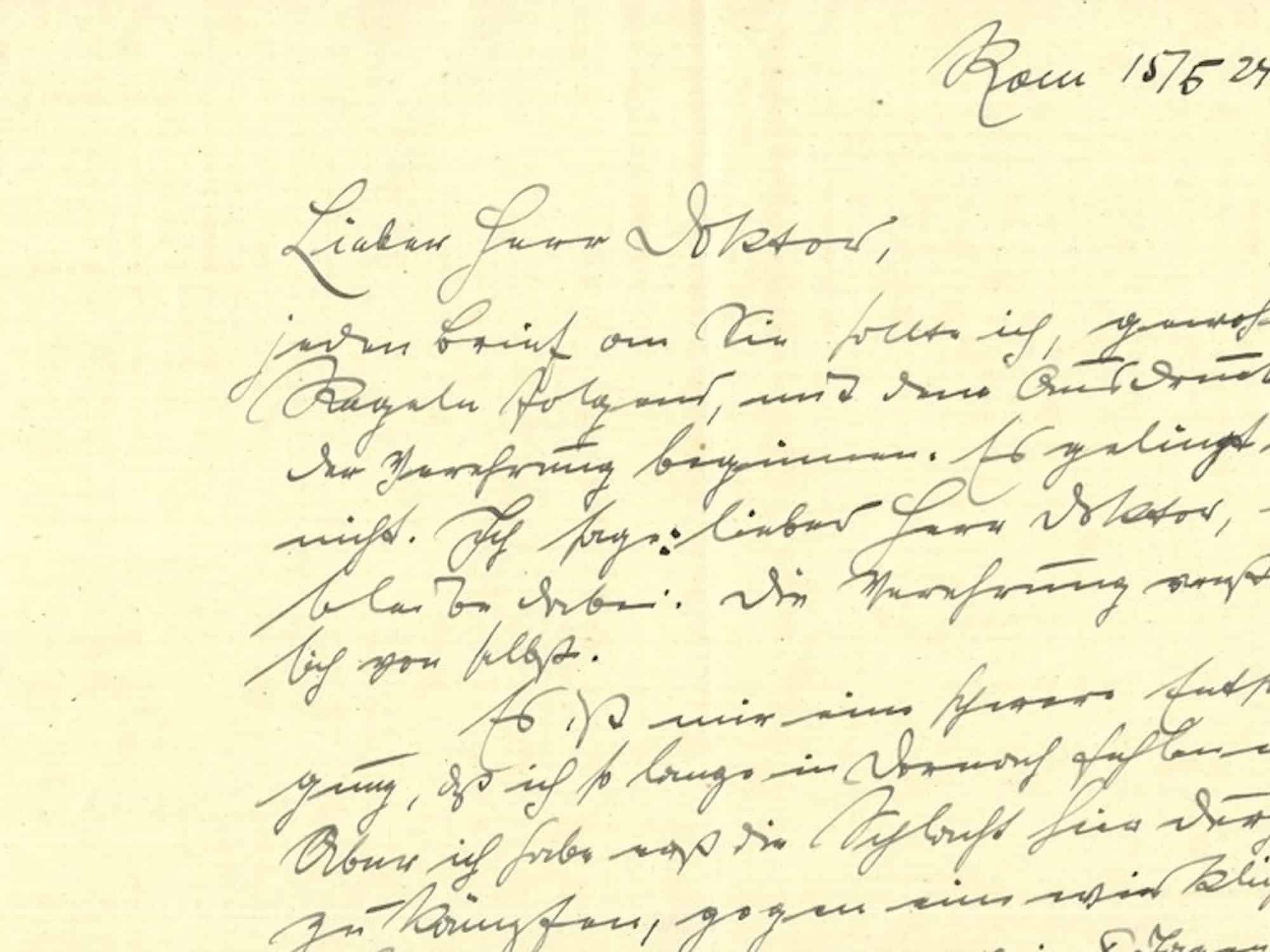
The Paleontologist and Peace Activist Margarethe Lenore Selenka
Margarethe Lenore Selenka (1860–1922) played a major role in the peace movement and was the older sister of Felix Heinemann, who was one-time publisher of the Magazin für Literatur, later worked as a diplomat, and maintained close contact with Rudolf Steiner in his final years. She first married the writer Ferdinand Neubürger (1836–1895) but divorced him in 1891. In 1893, she married Emil Selenka (1842-1902), a zoologist, explorer, and professor at the University of Erlangen.Rudolf Steiner often points to the…
02 April 2020 · 4 min
About Rudolf Steiner · EN
“Sabaheddin Spoke to Me of Rudolf Steiner, Who Was His Personal Friend”
Der britische Mathematiker und als spiritueller Lehrer tätige John G. Bennett (1897 – 1974) erzählt in seinen Lebenserinnerungen ‹Das Durchqueren des großen Wassers›, wie nach einer intensiven Nahtoderfahrung am Ende des Ersten Weltkriegs seine spirituelle Suche begann.
16 January 2020 · 8 min