Autor·in

Martin Kollewijn
Geboren 1953 in den Niederlanden. Nach dem Studium der niederländischen Philologie und der Philosophie in Amsterdam studierte er Philosophie und Sprachwissenschaft in Berlin. 1987 bis 1991 Mitarbeit am Hardenberg Institut für Kulturwissenschaften in Heidelberg, von 1991 bis 2007 Mitarbeiter der Anthroposophischen Gesellschaft in Berlin. Martin Kollewijn publiziert zu Fragen der Philosophie und Geistesgeschichte. Weitere Forschungsthemen: Kunst der Gegenwart, Bewusstseinsentwicklung, Fragen der Bioethik und Neurowissenschaft.
Conversation · EN
The Rediscovery of Speech
The editorial team asked me to write about my illness and recovery. I decided to do so in the form of a fictional interview: both the questions and the answers are written by me. You’re in a wheelchair and are generally unable to do many things. What illness have you been diagnosed with? Cerebral ataxia, in my case, the hereditary disorder SCA6. It doesn’t manifest until later in life. The first symptoms appear after middle age. They are mild at…
08 October 2026 · 4 min
Column · EN
We Carry a Child Inside
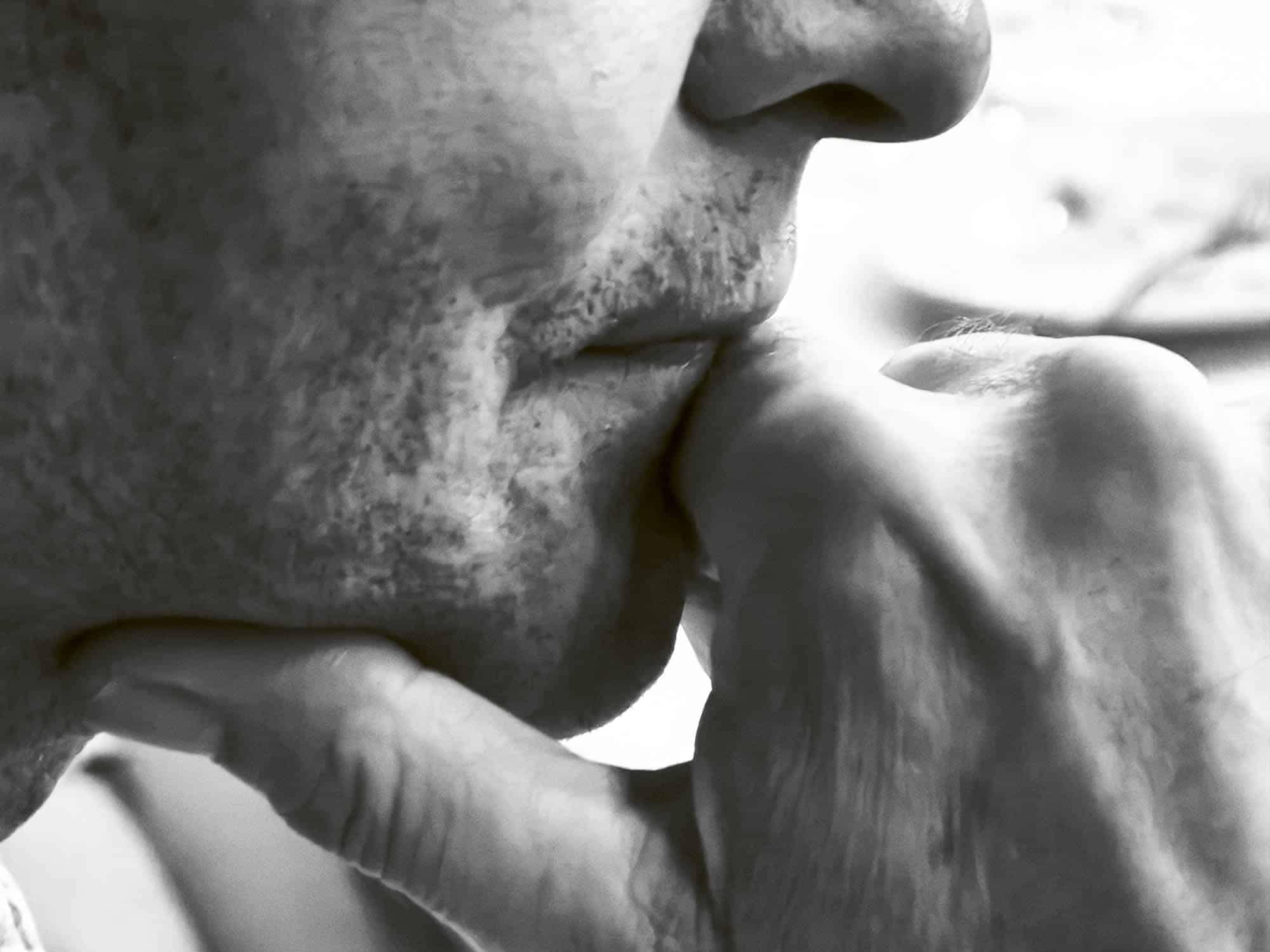
A child deprived of her parents draws a picture of her mother on the floor with chalk, then lies down inside the drawing and falls asleep. A photographer captures the touching scene; it’s as if the child carries her mother’s form within her. In the same way, we carry a child within us whom we need just as much as the little child does her parents. Forty years ago, the concept of the “inner child” was developed in psychotherapy, and…
07 May 2026 · 1 min
Obituary · EN
Walk Tall
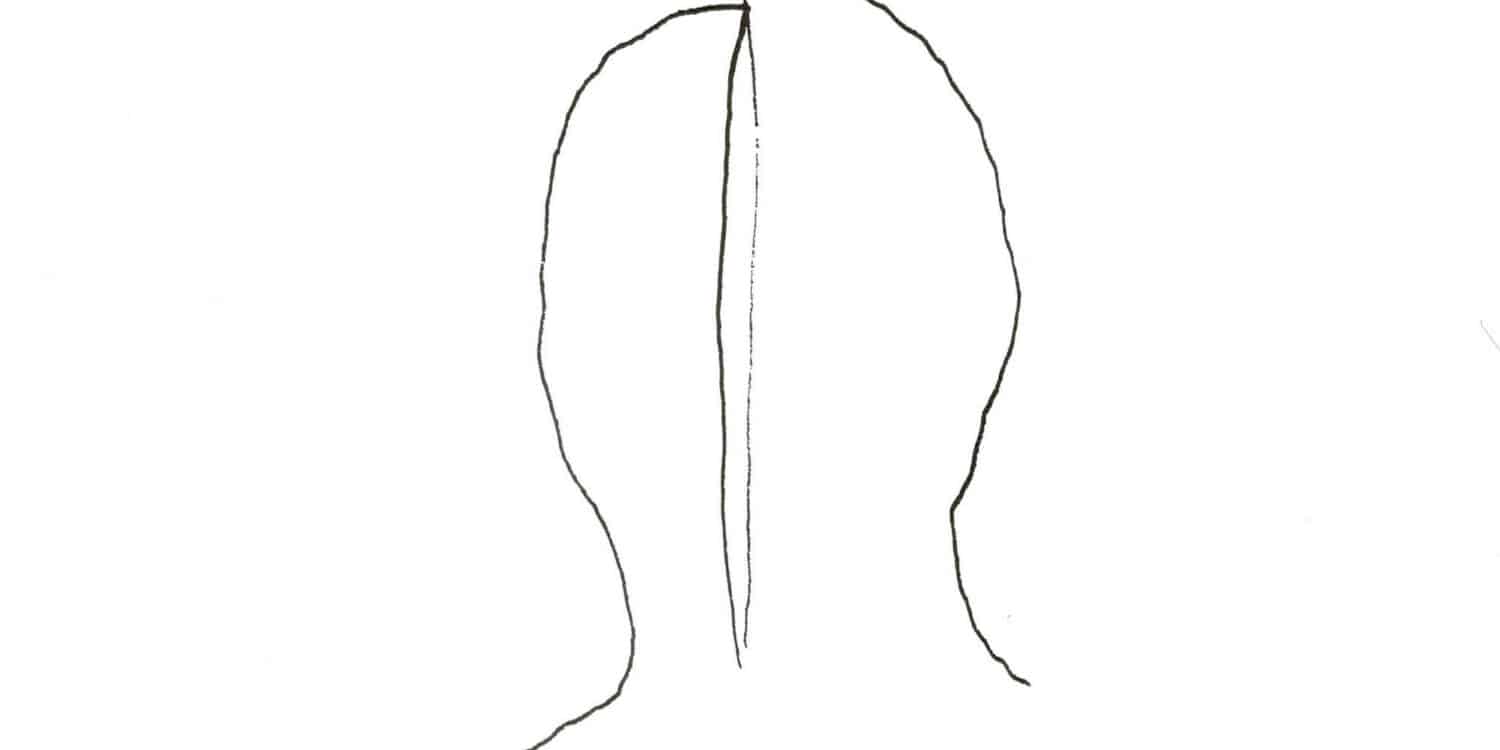
For over seventy years, Jürgen Habermas provided a sharp polemic that served as a safeguard for the young Federal Republic of Germany and later for the entire country. Originally intending to become a journalist, he went on to become a scholar of international renown and lived till the age of 97. On March 14, 2026, the philosopher and sociologist Jürgen Habermas passed away. He was born on June 18, 1929, the exact same day that the anthroposophist Michael Bauer died.…
26 March 2026 · 5 min
Essay · EN
Spiritual Experience Through Art
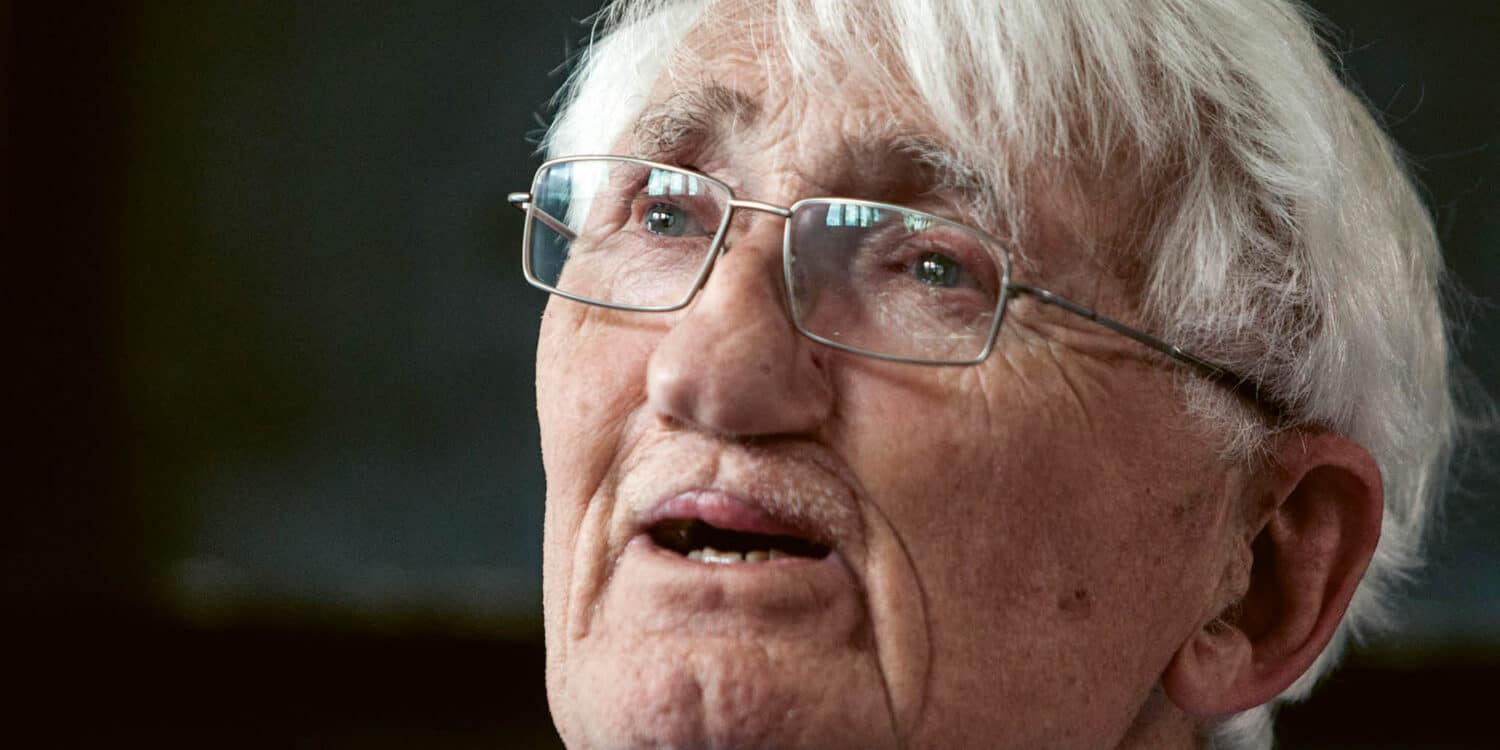
Both in the creation of art and in its appreciation, the spirit plays an important role. But especially when it comes to the enjoyment of art, the spiritual aspect is often overlooked. How can I become more receptive to the spiritual in art? Sensory perception is the starting point in art. At the same time, art provokes the life of thinking, and this can already be a path to the spirit. The connection between percept and concept is crucial to…
09 March 2026 · 7 min
Essay · EN
The Double-Edged Sword of Artificial Intelligence
Technology evolves up through our bodily members: first, it replaced the foot and hand—our will; then, our middle region, by reproducing images, sounds, and feelings; and now, human thought. Similar to our neurons, a network is now raising its head. A cry rings out… The cosmos and nature reveal an immeasurable wisdom. At one time, this wisdom was creative. Now, it’s no longer so, and even the harmony of the universe seems fragile. We can speak of an “original cosmic…
16 October 2025 · 9 min

Essay · EN
Let’s Expand Our Knowledge!
So many new practical endeavors originate with Rudolf Steiner: eurythmy, Waldorf education, biodynamic agriculture, anthroposophic medicine. The source for all of these was what he called “spiritual science.” Who was he as a researcher? Rudolf Steiner’s fundamental innovation was spiritual research, the expansion of cognition, knowledge, into the realm of the suprasensible. In his early philosophical writings, he writes that “cognition” involves the connection of percept and concept. This applies to both sensory and suprasensory cognition. In both cases, perception…
06 March 2025 · 6 min
Column · EN
What Do I Mean by “Waking Up in the Other”?
The perception of the other takes place in the tension between self-surrender and self-assertion. When two people meet, we attempt to put the other to sleep, so to speak, in order to assert ourselves. If we listen to the words of the other and perceive their thinking, we merge with them for a moment. But since the sensory object consciousness then disappears, it falls asleep. We immediately defend ourselves against this, distance ourselves from the thoughts of the other, and…
14 September 2023 · 1 min

Obituary · EN
Short Impromptu Lectures
On the 150th anniversary of Goethe’s death, Schad gave a lecture in the hall of the Waldorf School Uhlandshöhe in Stuttgart, in which he compared assumptions of the normal natural scientist with the attitude of many autistic people. His remarks remain unforgettable to me. I got to know him better in the Deutscher Mitarbeiterkreis [German Employee Group], an association of researchers within the German Anthroposophical Society, in which Schad played an important role for a long time. He brought about…
10 February 2023 · 1 min
History · EN
100 Years of the Movement for Religious Renewal
The Christian Community Movement for Religious Renewal was founded on September 16, 1922, with the execution of the first Act of Consecration of Human Beings. It was mostly Protestant theologians who had asked Rudolf Steiner for help. Beforehand, they often met at Michael Bauer’s house, but Rudolf Steiner’s actions and advice were critical. Nevertheless, he never considered himself the actual founder. After 100 years, a critical event is often commemorated by the right people. Some aspects of this moment are…
15 September 2022 · 5 min