Autor·in
Matthias Rang
Matthias Rang ist 1973 geboren in Freiburg im Breisgau. Studium der Physik und Didaktik der Physik in Freiburg und Berlin. Forschungsaufenthalt im Bereich der Nahfeldspektroskopie an der University of Washington in Seattle (USA). Promotion bei Johannes Grebe-Ellis, Bergische Universität Wuppertal, über phänomenologische Zugänge zu komplementären Spektren. Besonderes Forschungsinteresse in Goethes Farbenlehre. Aufbau der Ausstellung ‹Experiment Farbe› zum zweihundertjährigen Jubiläum der Farbenlehre Goethes zusammen mit Nora Löbe. Seit 2007 als wissenschaftlicher Mitarbeiter an der Naturwissenschaftlichen Sektion und seit 2020 in ihrer Leitung tätig.
AI Challenges · EN
When the Past Rolls into the Future
What makes us special as human beings is our bodies. We experience reality through our body. AI has no body and no overarching spiritual organism that can change its habitat, as living beings do. The following is a comparative analysis from a scientific perspective. The trend that led humans to live increasingly in a world of information did not originate in recent decades but rather stretches back centuries. With the advent of writing, a cultural technology emerged that allowed human…
25 September 2025 · 8 min

Conversation · EN
Thinking for the Earth
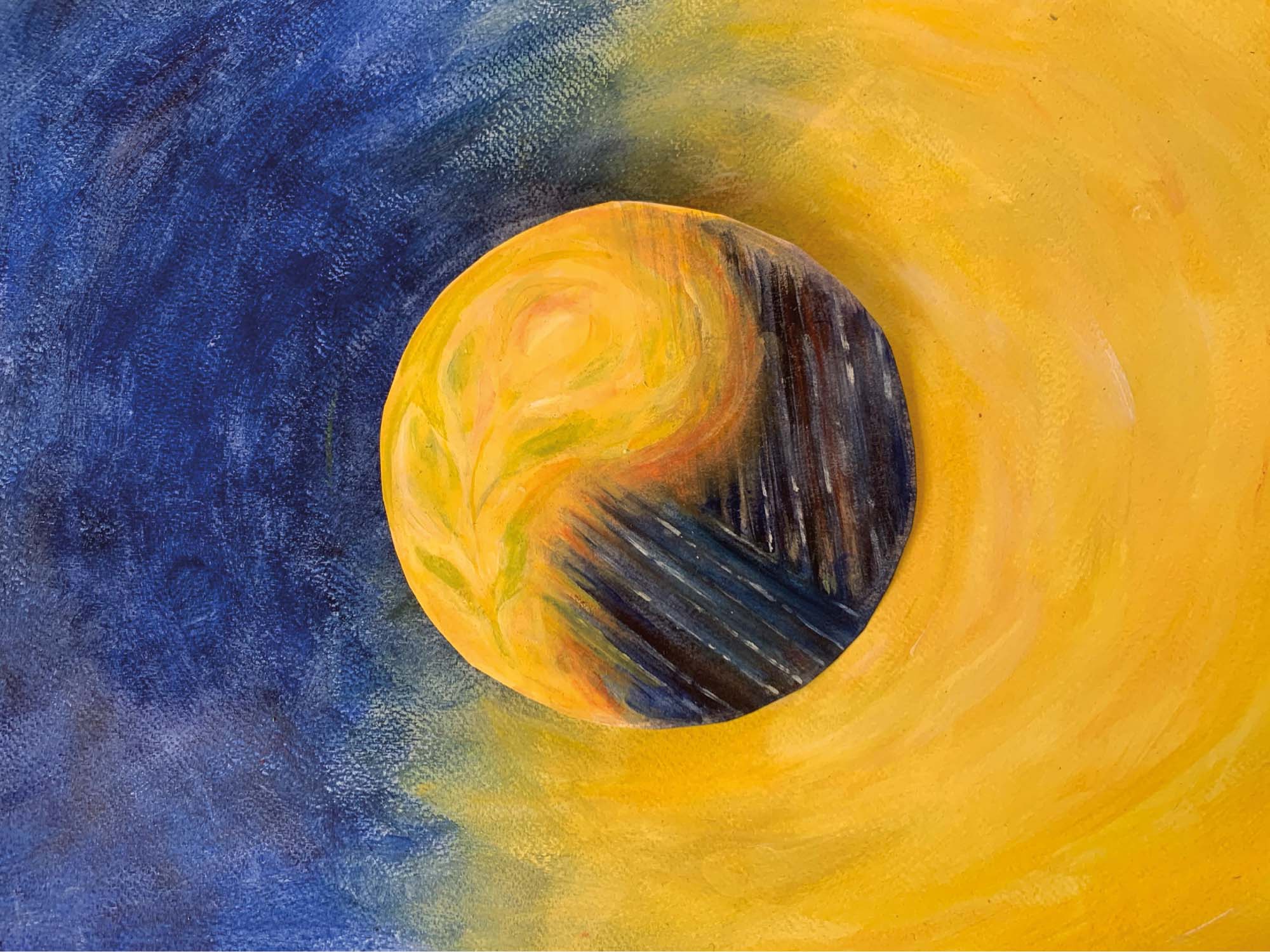
Ueli Hurter and Matthias Rang discuss how to think about the Earth as a living being and how this living understanding creates a new substance. The second of three dialogues that were inspired by working together with the Michael Letter “The Task of Michael in the Sphere of Ahriman” and held during the Agriculture Conference in Dornach, 2025. Matthias Rang: Thinking creates distance. For instance, we can look at the Earth from the outside. We see it as a blue planet,…
18 March 2025 · 9 min
Retrospective · EN
Stepping into the Next 100 Years
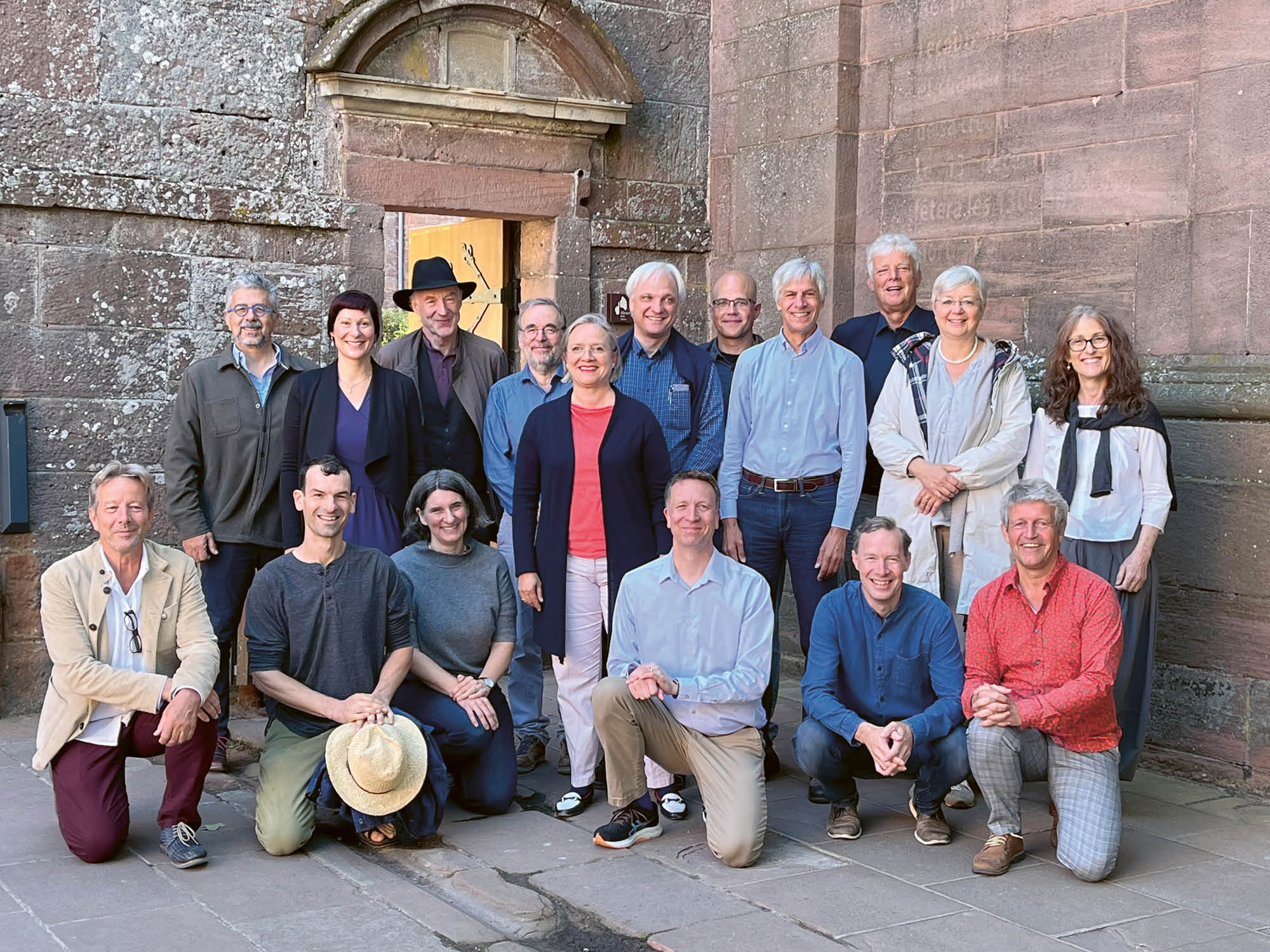
Goetheanum Leadership. From August 26 to 28, the Goetheanum Leadership met for its autumn retreat on the Odilienberg in Alsace. The place is historically closely linked to Arlesheim through St. Odilie (ca. 660-720 AD). On the first evening, Peter Selg reported on these connections and the trips that Rudolf Steiner made annually, from 1906 to 1912, to Barr at the foot of the Odilienberg. As a way of self-reflection for the Goetheanum and the School of Spiritual Science, those responsible…
03 October 2024 · 3 min
Natural Sciences · EN
Ways Out of Polarization
“I can – whilst facing thee – but weep – and cry –.” These are words spoken by Strader, the natural scientist, to Ahriman at the moment in Rudolf Steiner’s third mystery drama when Strader realizes that this being is trapped within the limits of calculating intellectual thinking. But the words could just as easily be addressed to a Minister of the Environment who decides to import coal from Bolivia because Germany has decided to phase out coal production to…
21 July 2023 · 13 min
Conversation · EN
From Earth to Heaven and Back
The leadership of the Natural Science Section changed in the new year. Johannes Wirz handed along his position to Vesna Forštnerič. The new leadership now consists of her and Matthias Rang. This offers a good opportunity for a look at the work and relevance of anthroposophical natural science. Gilda Bartel asked the questions. Dear Ms. Forštnerič Lesjak, dear Mr. Rang, what did you appreciate about Johannes Wirz’s work? Vesna Forštnerič: I met Johannes Wirz eleven years ago, when he was…
02 March 2023 · 11 min
Event · EN
Who Dances with the Polarities
Today, life is shaped by polar impulses that come from nature and technological developments. The conference of the Natural Science Section from October 6 to 9 will shed light on the spiritual effects of the poles on us humans. By observing our interactions with digital technology and nature, we work out the forms and gestures that underlie both. As humans standing between Heaven and Earth, we embody reactions to the polarities within which we exist. A rhythmic change characterizes heartbeat…
18 August 2022 · 1 min