Autor·in
Meinhard Simon
Meinhard Simon, geb. 1953, Studium der Biologie und Gewässerkunde in Konstanz und Freiburg. Seit 1997 an der Universität Oldenburg tätig als Professor für Marine Mikrobiologie und Biologische Meereskunde. Er hat an Forschungsfahrten im Südpolarmeer, Atlantischen und Pazifischen Ozean teilgenommen und insgesamt mehr als ein Jahr auf See verbracht. Er ist Mitglied im Sektionskollegium der Naturwissenschaftlichen Sektion.
Essay · EN
Nature Is Our Mirror
Biodiversity is a hot topic in academia today. It seems that wherever civilization spreads, species diversity dwindles—natural habitats are lost, and the landscape becomes fragmented. If nature reflects our thinking, can we change this? On one hand, with the loss of natural habitats, environmental toxins, introduction of foreign species, hunting, overgrazing, overfishing, exploitation, and deforestation, we see how civilization can have a negative impact on biodiversity. In short, we’ve used nature for our own purposes, and the extinction of species…
05 November 2024 · 5 min
Nature · EN
Protecting the Oceans
An agreement by the UN community of states on a new treaty aims to protect the world’s oceans. The world’s oceans cover about seventy percent of our planet’s surface and include inshore and offshore areas, the high seas. It is the largest fairly uniform habitat in the biosphere, extending from the sea surface to the deep sea at 11,000 metres with an average depth of about 3,700 metres. The high seas cover two-thirds of the world’s oceans and thus more…
14 April 2023 · 5 min
Essay · EN
Does the Earth Have a Fever?
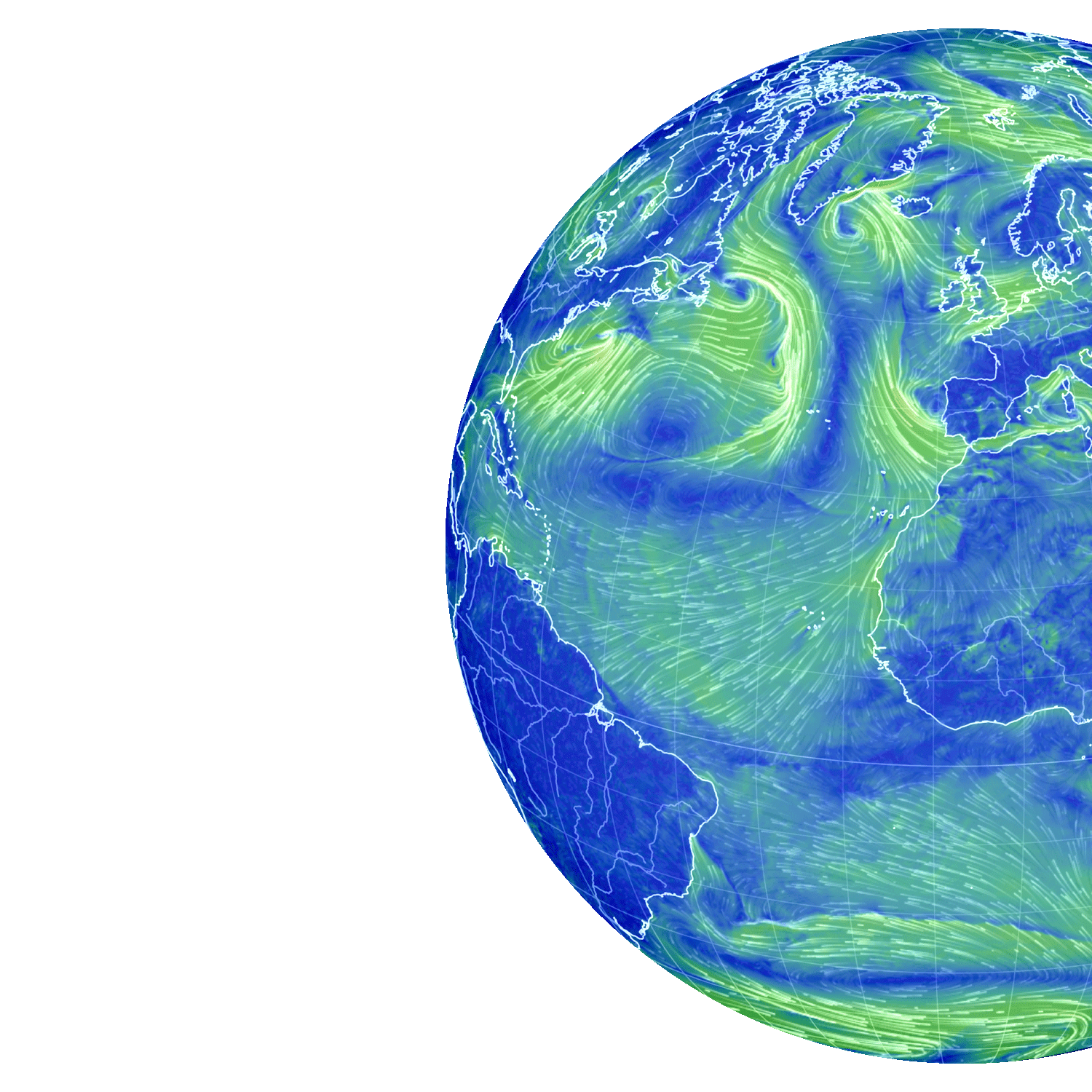
The warming of the Earth’s atmosphere is causing the winds to blow more strongly, which is reflected in the currents of the world’s oceans, on the surface and – as has recently been discovered – in the deep sea. Thus, climate change not only means a change in the air body of the earth, but also in its fluid organism, a change not only in its thermal organization, but also in its flow life.
23 April 2020 · 13 min