Autor·in

Peter Selg
Peter Selg leitet das Ita-Wegman-Institut für anthroposophische Grundlagenforschung in Arlesheim und gehört dem Leitungskollegium der Allgemeinen Anthroposophischen Sektion am Goetheanum an. Er unterrichtet medizinische Anthropologie und Ethik an der Universität Witten-Herdecke und an der Alanus-Hochschule für Kunst und Gesellschaft Alfter.
Essay · EN
The Class Lessons of the School of Spiritual Science
“A stronger impetus is needed than has been applied in the past if the spirit that humanity needs is to take hold”: these are Rudolf Steiner’s words spoken at the moment of the reconstitution of the School of Spiritual Science in 1923/24. Through the “esoteric school of the Goetheanum”—as a real “Michael School” upon the Earth—the anthroposophical movement was finally to gain the “spiritual strength” it so urgently needs. “The spiritual world wants something from humanity at this present moment…
22 October 2026 · 18 min
Essay · EN
Cosmic Intelligence and the Learning Heart
Therapeutic meditations are part of a future medicine with greater emphasis on the spirit and soul aspects of health and illness. There is much to suggest they will become important for the body’s central organ, the heart. In the context of anthroposophical anthropology and medicine, meditative practices aim to establish—through willful effort—a renewed connection to the p Would you like to keep reading? We’re pleased to present our Summer 2026 offer, valid until August 8: three months of free access…
24 September 2026 · 17 min
Essay · EN
Inspired by Saint Francis
Whether in Lambaréné or in exile, Albert Schweitzer and Simone Weil drew strength from the way of Saint Francis to confront the upheaval and violence of their times. In his letter, “To the Rulers of the Peoples” (1219/1220), written in the wake of his journey to the East and the terrible experiences he endured in the Egyptian city of Damietta (under siege by Crusaders), Francis of Assisi (c. 1181–Oct. 3, 1226) began—a few years before his death—with the following words:…
02 September 2026 · 8 min
Essay · EN
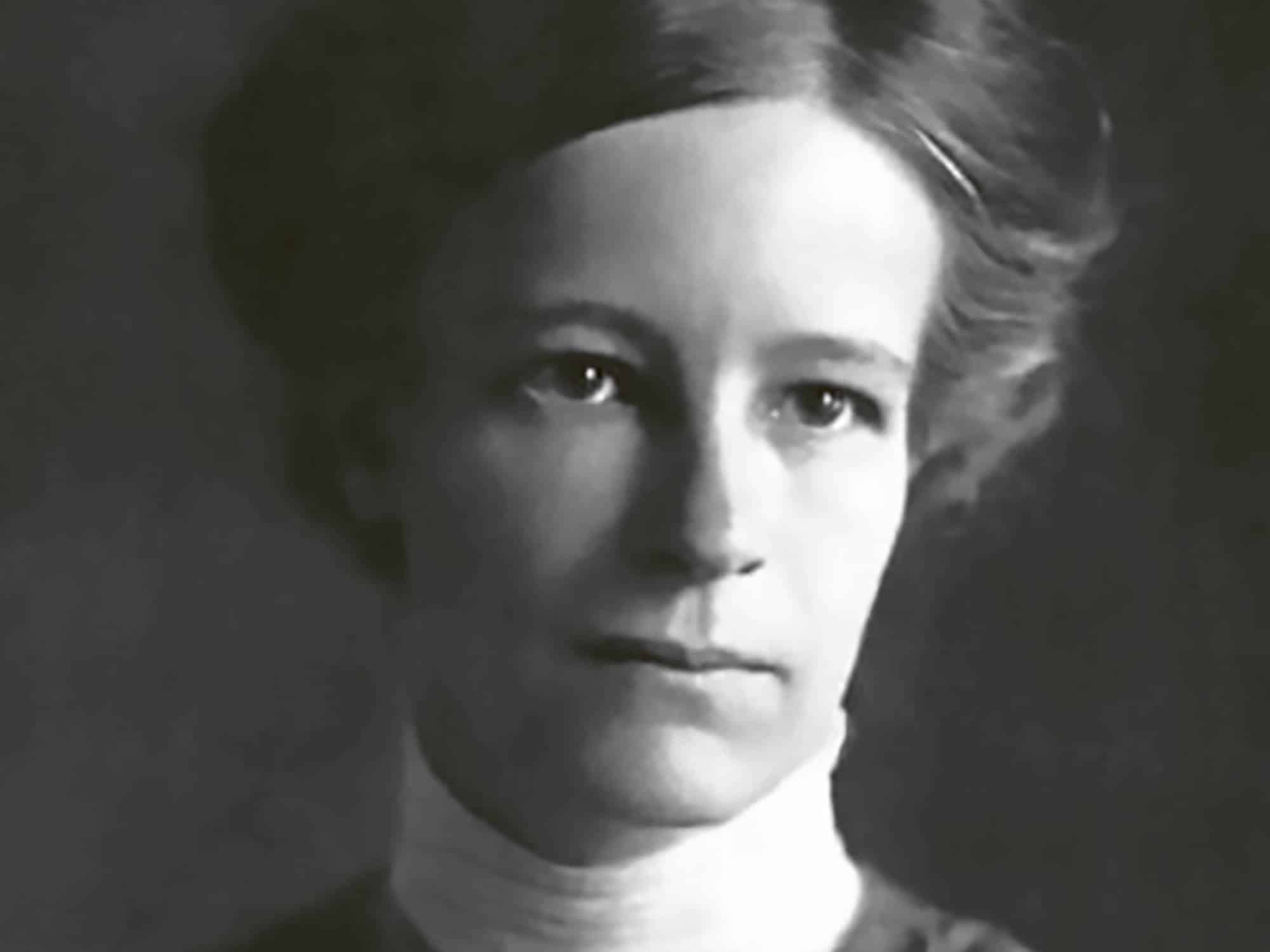
Elisabeth Vreede
As the first leader of the Mathematical-Astronomical Section at the Goetheanum, Elisabeth Vreede played a decisive role in shaping its development and work. She possessed clarity, warmth, and the rare ability to support others in their research. “To understand human life by drawing from the universe through living knowledge—that is what is intended by contemporary spiritual science,” stated Rudolf Steiner, and he gave the responsibility for leading the Mathematical-Astronomical Section of the School for Spiritual Science at the Goetheanum to…
16 July 2026 · 6 min
Essay · EN
Starting Anew from the End
Where do we experience moments of “dying and being reborn”? In what situations have we been struck by a sense of resurrection? How does this experience arise in consciousness? Several Section leaders at the Goetheanum share brief reflections on moments, often quite personal, when they have gone through such experiences. Sonja Zausch, Bart Vanmechelen, Jan Göschel Self-Efficacy as Resurrection Force Resurrection is experienced wherever I sense the connection between the physical-sensory world and the spiritual world. Here is an account…
01 April 2026 · 26 min
Essay · EN
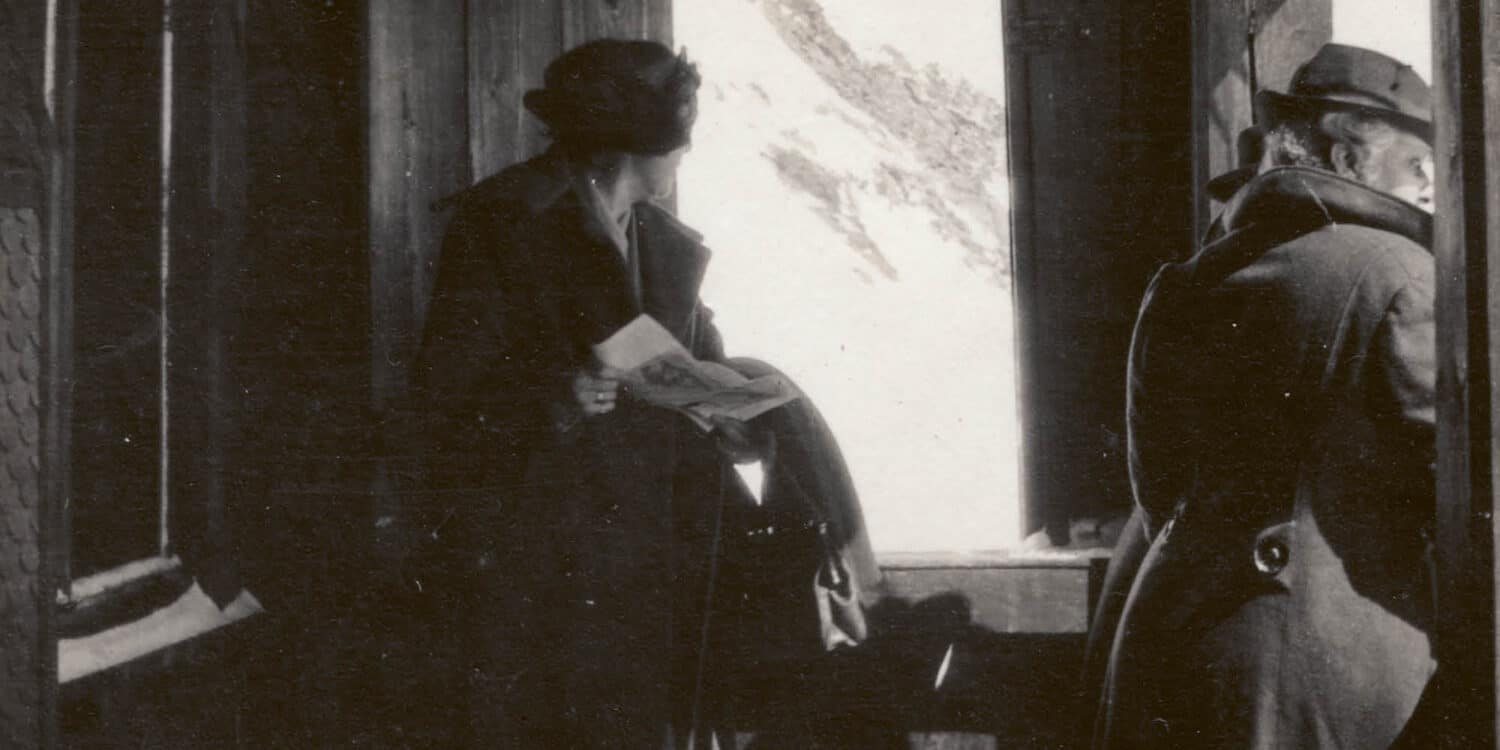
The World of Ita Wegman
She was a born cosmopolitan—arriving via Java, the Netherlands, and Berlin to Switzerland, where she studied in Zurich and practiced medicine in Arlesheim, near Basel. From her base in Arlesheim, her Clinical Therapeutic Institute, she once again ventured far out into the world. She spent half the year traveling, in France, Scotland, and England; in Belgium and the Netherlands; in Palestine, Turkey, and Greece; in Sicily, Italy, and Scandinavia; in Germany and Iceland; in Czechoslovakia, Austria, Bulgaria, Hungary, Serbia, and…
20 February 2026 · 22 min
History · EN
Dachau, Demeter, and Weleda
Historical Studies and Historical Reality. “Eco-products for Nazis” was the headline of an article in the September 5, 2025, issue of the news magazine Der Spiegel. The subtitle read: “In the Dachau concentration camp, the SS experimented with anthroposophical methods and remedies using forced labor. The natural cosmetics company Weleda also played a role.” Included in the article were photographs of Rudolf Steiner, Margarete Himmler (the wife of the SS chief), Sigmund Rascher and another SS doctor conducting human experiments…
25 November 2025 · 22 min

Conversation · EN
Lived Commitment
Peter Selg and Constanza Kaliks lead the General Anthroposophical Section at the Goetheanum. Here, they talk about the image and mission of the School for Spiritual Science, about commitment, and the difference between being an enthusiast or a representative for anthroposophy. Questions by Gilda Bartel. In your view, what is the significance of the School for Spiritual Science in these turbulent times? Peter Selg: From the beginning, Rudolf Steiner considered an institute of higher education to be an impulse for research,…
20 November 2025 · 13 min

Essay · EN
In His Studio—Rudolf Steiner’s Illness
October 1, 1924 to March 30, 1925—“A sudden end [to the September courses]: Rudolf Steiner’s illness set in. The situation changed completely. I left the clinic to nurse Dr. Steiner with no idea of the difficulties to come,” wrote Ita Wegman years later. On Tuesday, September 30, 1924, she sent urgent telegrams to her medical colleagues Ludwig Noll and Eberhard Schickler, asking them to come to Arlesheim to support the clinic during her Would you like to keep reading? We’re…
06 March 2025 · 21 min
History · EN
Anthroposophical Doctors under National Socialism
Did anthroposophical doctors follow, profit from, or oppose the medicine under National Socialism and its “New German Medicine” [Neue Deutsche Heilkunde]? How did the anthroposophical medical profession position itself with regard to the guidelines and consequences of Nazi medicine—from the biological census of the entire population under the dictate of “public health” and maximum performance to the exclusion of Jewish colleagues, forced sterilizations of human beings, and killing of psychiatric patients? If the anthroposophical medical profession was really part of…
14 November 2024 · 22 min

General Anthroposophy · EN
General Assemblies of an Anthroposophical World Society of the Future
The gap is widening. The General Assembly of the Anthroposophical Society could be the place where members of the world society share and support initiatives and ideas. Instead, what often takes place is self-referential and obscured by local associations. How can a change come about? I came to Dornach and Arlesheim in 2003, now 21 years ago, to work as a medical specialist at the Ita Wegman Clinic and in the Medical Section at the Goetheanum. After reading my dissertation…
10 May 2024 · 7 min
Essay · EN
The Effectiveness of Anthroposophy
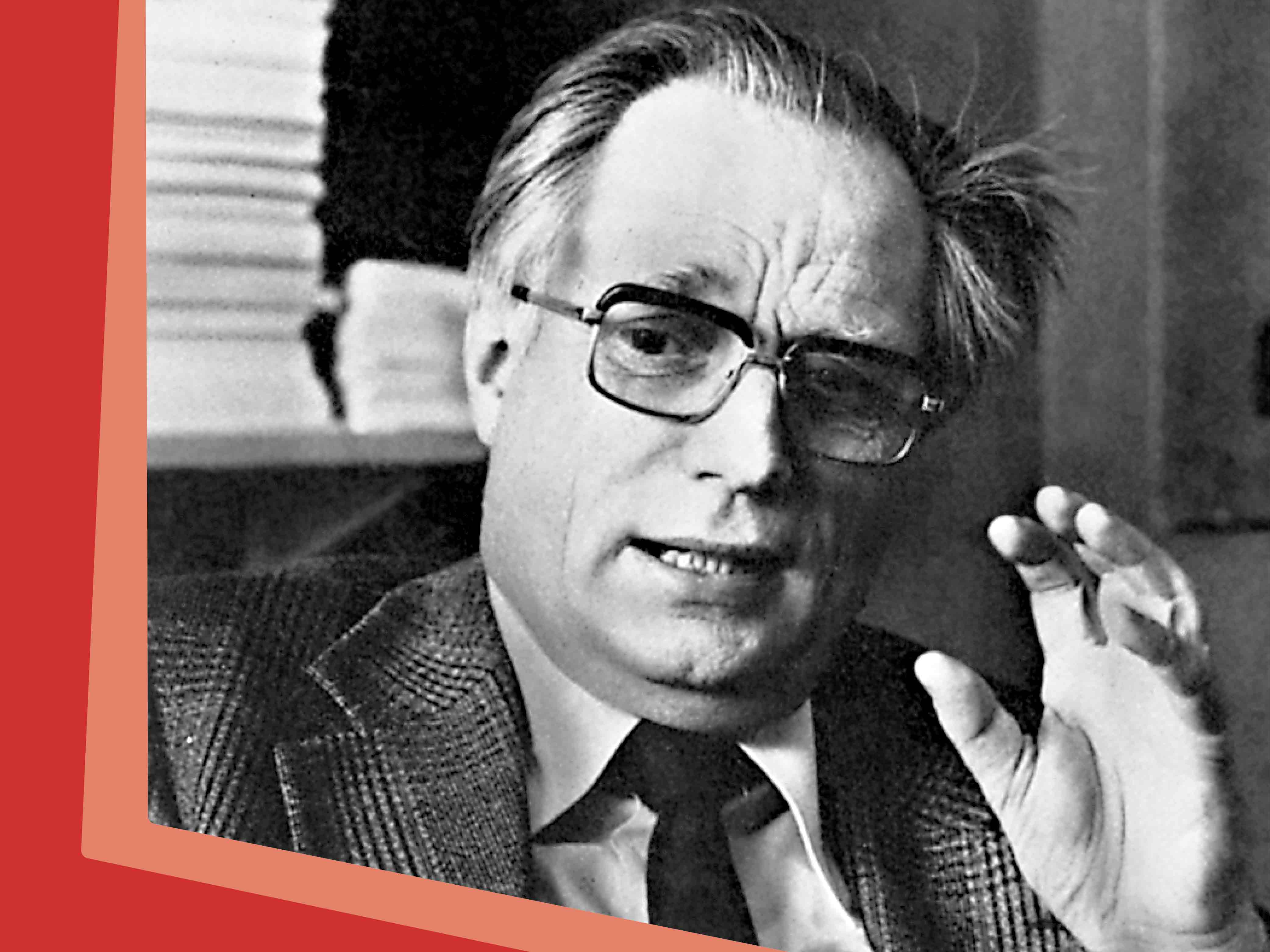
Gerhard Kienle (1923-1983), founder of the Herdecke Community Hospital and Witten-Herdecke University, was as involved in politics and culture as he was in the Anthroposophical Society. This was a balancing act that, according to Kienle, should not have been one, and even today, it casts a harsh light on the self-centredness of the Anthroposophical Society. In July 1954, Kienle wrote in a letter about his work at the Tübingen University Psychiatric Hospital (under Prof Ernst Kretschmer): “Everyone knows that I…
10 April 2024 · 19 min
Retrospective · EN
That the Work Continues
Rudolf Steiner held the Christmas Conference as an encounter with and response to the dramatic events of the twentieth century. From our vantage point today, his intention is evident and is also a mission: to bring the impulse of that time into realization. After the Christmas conference (this present one), if we raise the question of “The New,” I believe that the words of John apply: “But, the hour will come, and is already here” [John 4:23]. What I wish…
07 February 2024 · 12 min
Anthropology · EN
Discover the Future
The will is a very mysterious human faculty. Three thousand years of history in philosophy and psychology show that it was an unknown phenomenon for a long time. Even at the height of Greek culture, there was no doctrine of the human will. Aristotle was the first to formulate something anticipating what would later become a fully developed theory of the will. The discovery of human will is indeed a phenomenon of the recent past. And the debate about whether…
30 November 2023 · 5 min
History · EN
The School for Spiritual Science and Its Pedagogical Section
At the recent World Teachers’ Conference, there was an event devoted to themes on the tasks of the School for Spiritual Science, its inauguration through Rudolf Steiner, and the meaning of the Sections—the Pedagogical Section in particular. This Section, along with the General Anthroposophical Section, was led personally by Rudolf Steiner. Another theme was the pedagogical course given by Steiner one hundred years ago in the Dornach carpentry shop—the first professional training course after the destruction of the building (The…
15 June 2023 · 6 min
Consciousness · EN
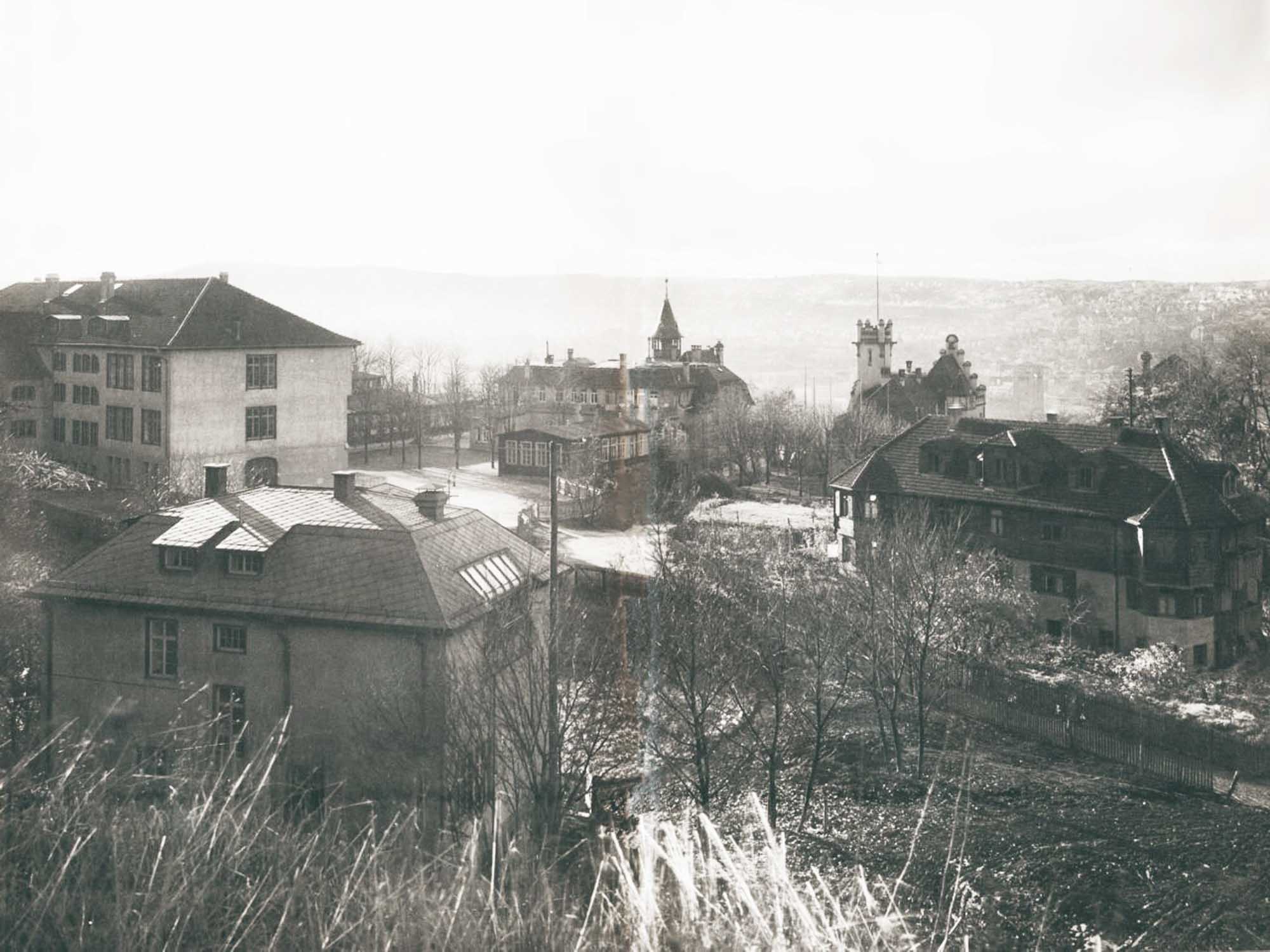
Unlived Life and Destiny
He (The Lord) said to Abram:Go from your country, your people and your father’s household to the land I will show you. Thomas Fuchs, in an essay, writes about the dimension of the “unlived life” and its relevance with regard to accounting for life in the face of approaching death. Drawing on aspects set out by Viktor von Weizsäcker, he deals with the discrepancy that can be found in many biographies between the original life plan and the shape of…
19 May 2023 · 5 min
History · EN
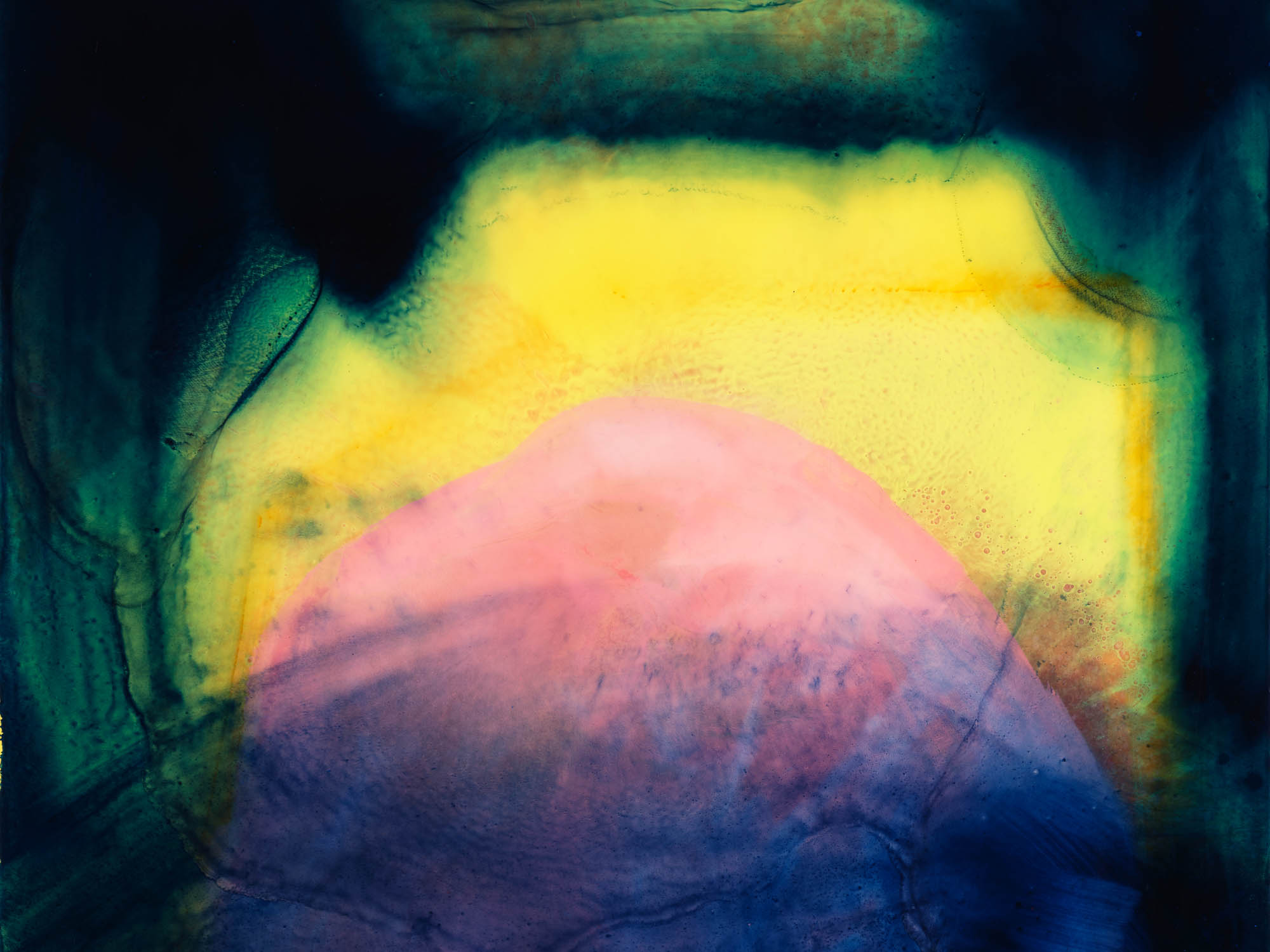
Steiner’s Vision for the Anthroposophical Society
Having been asked what kind of vision Rudolf Steiner developed in 1923 for the Anthroposophical Society after the Goetheanum burned down and on the way to the Christmas Conference – an Anthroposophical Society fit for the future, which makes possible, deserves and needs a second Goetheanum – I will briefly report on what was important, indeed essential, to him in doing so. Friedrich Wilhelm Schelling wrote in his 1811 work ‹The Ages of the World›: «The past is known, the…
04 May 2023 · 13 min

Consciousness · EN
Memories of Traute Lafrenz
The death of Traute Lafrenz Page on the evening of March 6, 2023, two months before her 104th birthday, was reported in many daily newspapers; radio and TV broadcasts commemorated her, the last survivor of the White Rose student resistance group. Traute’s friends Hans Scholl, Alexander Schmorell, Christoph Probst, and her teacher, philosophy professor Kurt Huber, had been executed in 1943. Hans and Sophie Scholl, Alexander Schmorell, and Christoph Probst did not live to be 25. Traute lived to be…
20 April 2023 · 21 min
Literature · EN
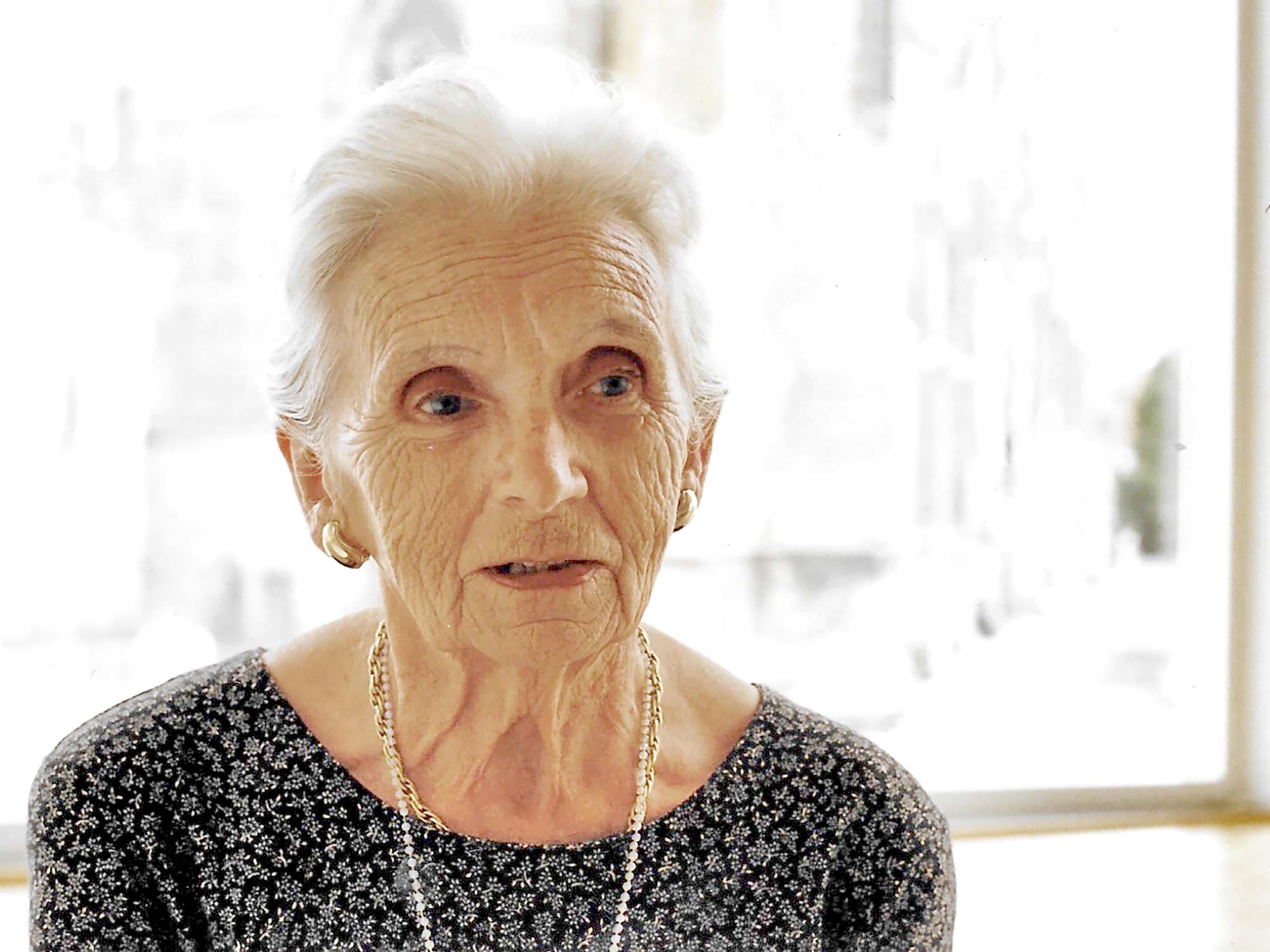
The Heart in the Gospels
In all four of the gospels – but especially in Luke – the organ of the heart plays an essential, if not central role. The humanistic points of view, or rather the presuppositions of the corresponding gospel passages, are multilayered and distinctly differentiated in themselves; an overview of the totality – and an intensive effort for each individual heart-word – leads further and opens great, astonishing horizons. According to all the Gospels, the heart is an organ of compassion, of…
23 March 2023 · 2 min

Goetheanum · EN
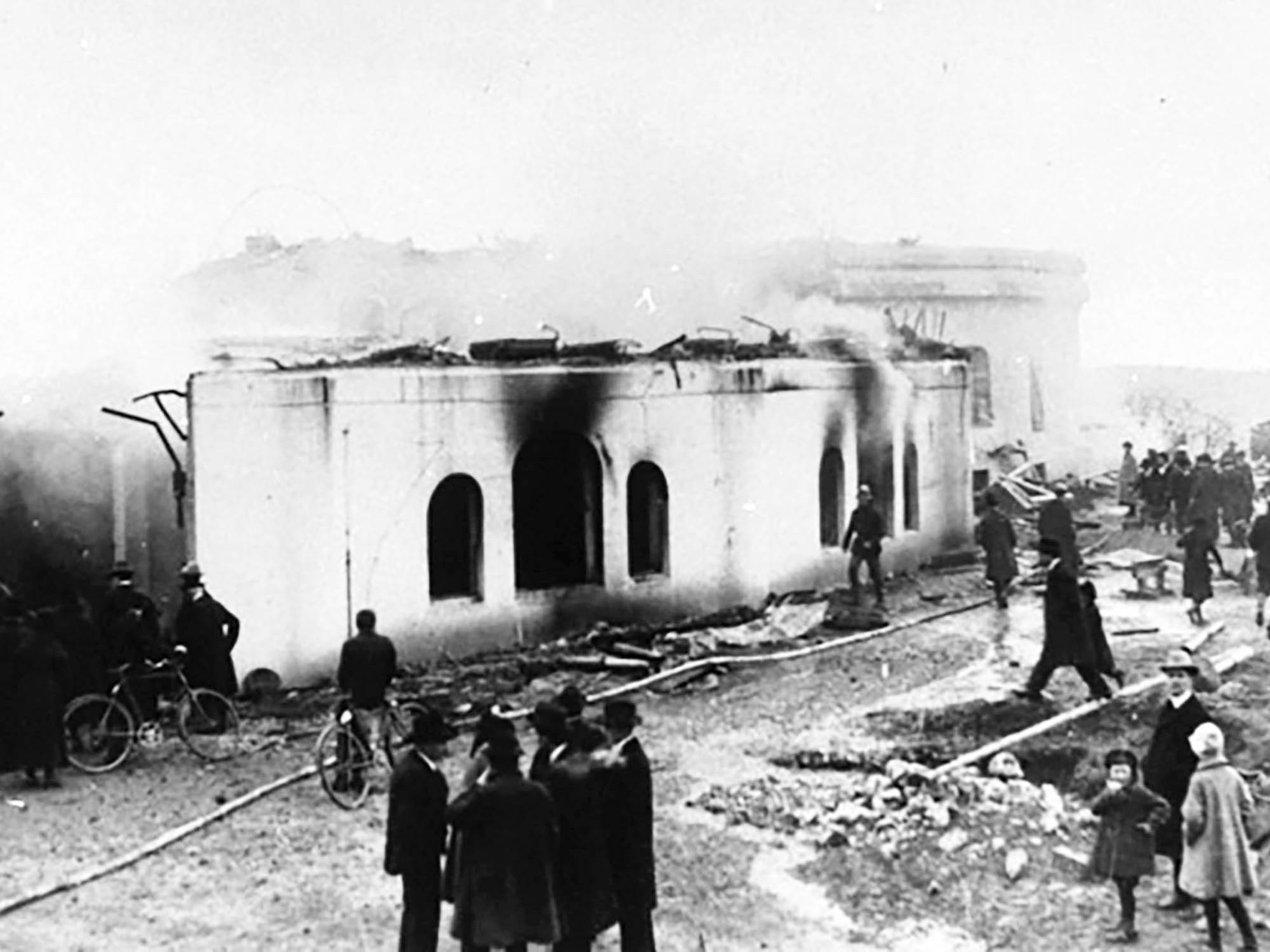
After the Burning
For Rudolf Steiner, the ruin after the fire signalled not only the defamation of anthroposophical work, but also the failure of the Anthroposophical Society to adequately protect the building. The smoke at the ruins of the Goetheanum had hardly cleared before Rudolf Steiner said: «And I hope, of course, that there will be no interruption of any kind in any direction here.» As a result, the fire became a caesura in the development of anthroposophy and not an obstacle. Rudolf Steiner was…
05 January 2023 · 5 min
General Anthroposophy · EN
The School of Spiritual Science
Recently the scientific character of Anthroposophy has been often publically questioned or denied in principle. The Goetheanum and other Anthroposophical institutions have attempted to respond to this, knowing full well that the accusations are part of an overall social context and are often more an instrument and method of deflection or defamation than an expression of a genuine interest in knowledge or a desire for truth. The Goetheanum sees itself as a School of Spiritual Science with various departments (Sections),…
24 June 2022 · 17 min

Art · EN
Miss Sabashnikov – Anthroposophy, Russia, and Christian Paintings
Margarita Woloschina found answers to her questions of life and knowledge in Rudolf Steiner and in anthroposophy. As a painter, she developed a new art in which she sought Christ and completed her work with great seriousness and completely unsentimental. The Waldorf teacher Ernst Weißert wrote in 1972 on the occasion of the 90th birthday of Margarita Woloschina (1882–1973): «This Russian person, who has been at home in Germany for forty years, lives among us, despite all the familiarity, enigmatic…
11 February 2022 · 11 min
History · EN
Our Century’s Meister Eckhart
For the 150th Birthday of Michael Bauer (1871–1929). In his recollections of Rudolf Steiner, the Russian symbolist and Anthroposophist Andrej Belyj wrote at one point: «Since 1915 I have had the good fortune to get to know Michael Bauer better, to visit him and to ask him for advice; and although I was able to see the Doctor (Steiner) at the time, I have to admit: Bauer’s advice, the conversations with him, his wisdom, unfathomable, profound word, which sometimes took…
12 November 2021 · 16 min