Autor·in

Tomáš Zdražil
Tomáš Zdražil, gebürtig aus Tschechien, hat Geschichte in Prag studiert und promoviert in Erziehungswissenschaften zum Thema Gesundheitsförderung und Waldorfpädagogik an der Universität Bielefeld. Tomáš Zdražil war Klassenlehrer in Semily in Tschechien und lehrt heute an der Freien Hochschule Stuttgart, Seminar für Waldorfpädagogik. Seine Schwerpunkte sind die anthropologischen und anthroposophischen Grundlagen der Waldorfpädagogik und schulische Gesundheitsförderung.
Essay · EN
Between Factory and Pedagogy
Emil Molt (April 14, 1876–June 16, 1936) was cosmopolitan and firmly convinced of the power of the spiritual realm. By acting on his courageous intuition, he made possible the founding of the first Waldorf School in 1919 through an unusual collaboration between workers and business owners. April 14, 2026 marked the 150th anniversary of his birth. The social constellation for the founding of the Waldorf School in 1919 was truly remarkable. On one side, there were the workers of the…
21 April 2026 · 7 min
Essay · EN
Perseverance for the Little Ones
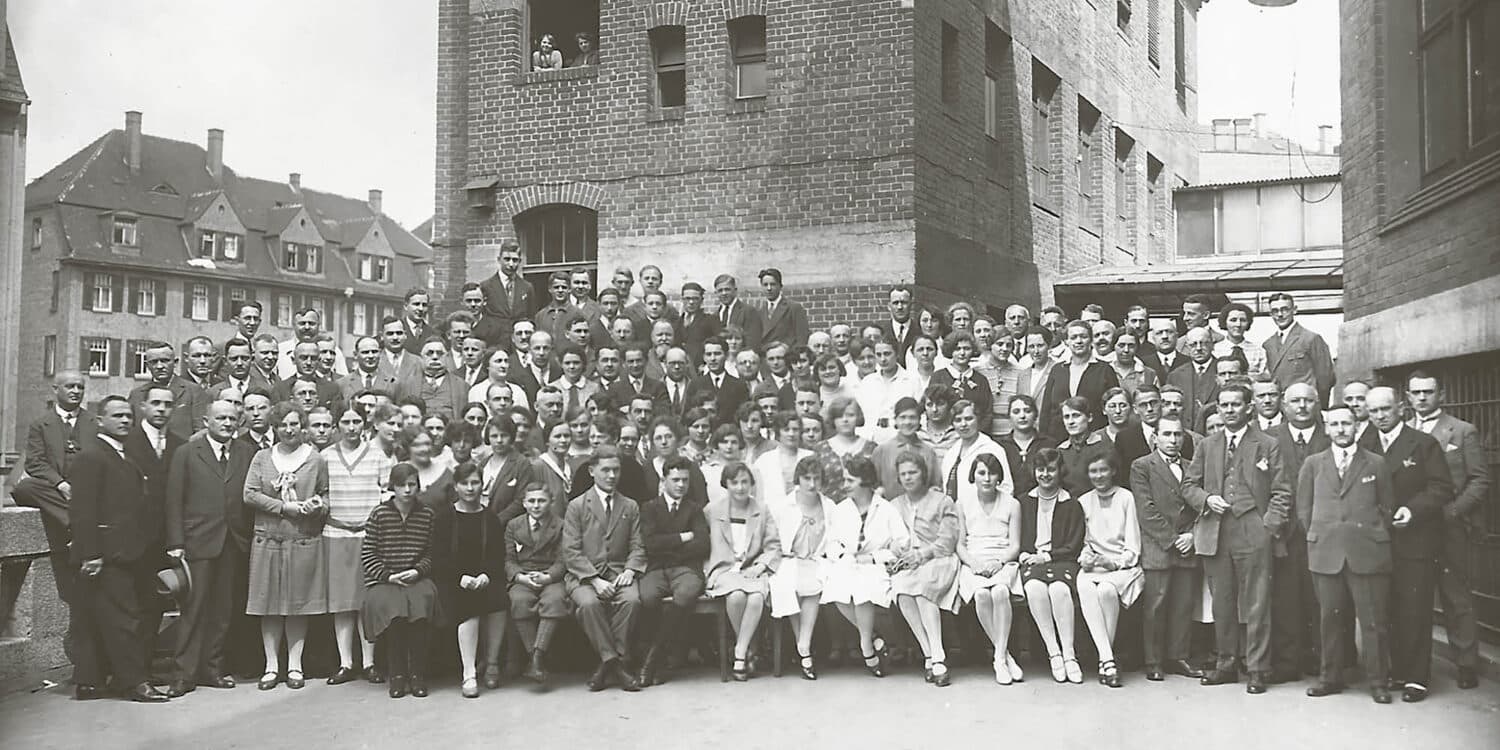
The first Waldorf school required all available forces. A place for the youngest children was simply not considered important in the socio-cultural understanding of the time. That the kindergarten exists, we owe to Elisabeth von Grunelius. She even financed it entirely herself. In September 1919, the first Waldorf School opened in Stuttgart with 253 students in eight grades. Emil Molt, the school’s founder and financier, hired eight class teachers and four subject teachers. Starting in 1920, the upper school was…
26 March 2026 · 10 min
History · EN
Creating and Perceiving the Uhlandshöhe: Emil Molt and Hermann Hesse
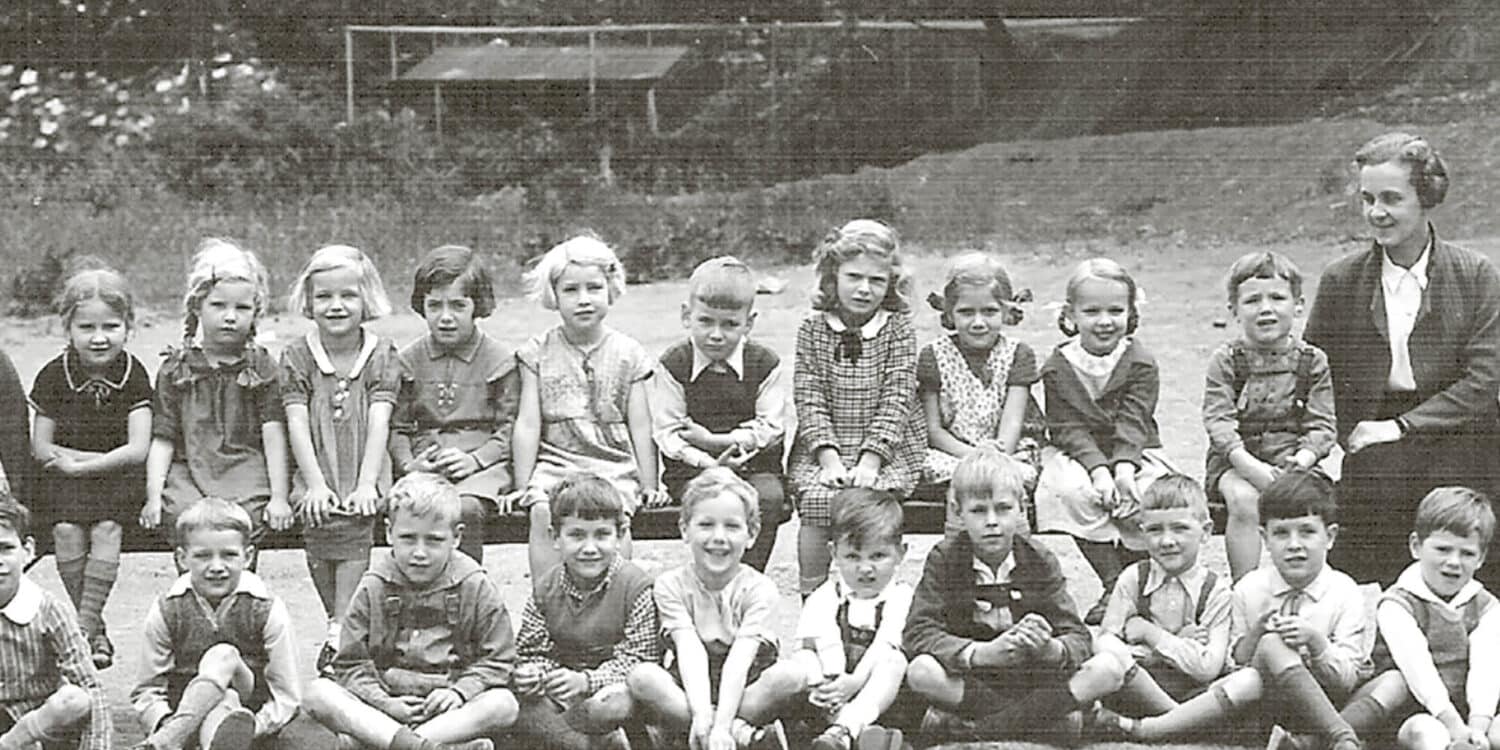
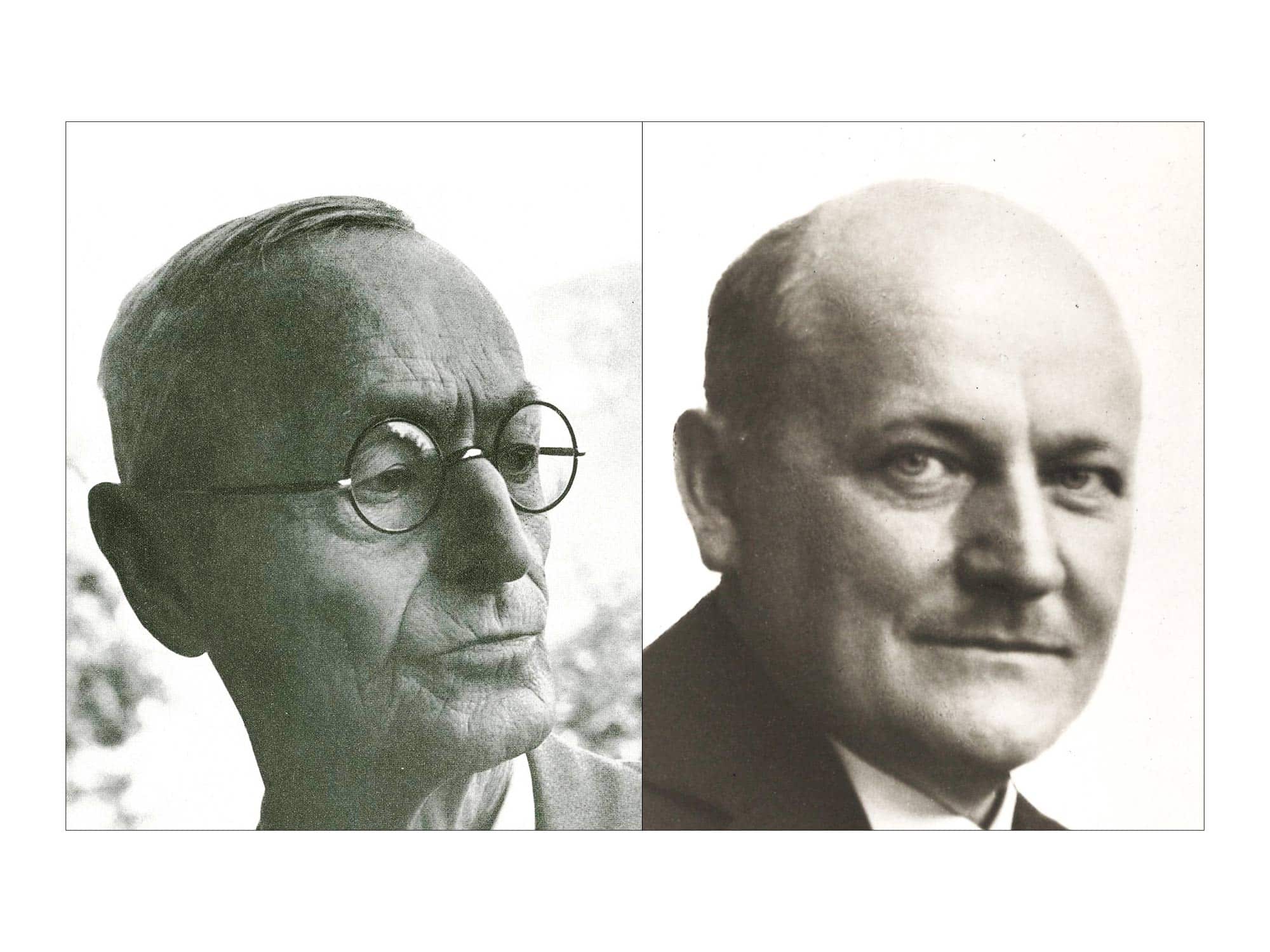
Cigarette manufacturer Emil Molt and writer Hermann Hesse were friends during their school days and became close again later in life, especially around the time of the founding of the first Waldorf School in 1919. However, Hesse did not seek a relationship with anthroposophy. More than twenty years after their childhood friendship, Emil Molt and Herman Hesse established contact again. In a July 1919 letter, Emil Molt enthusiastically reported about the forthcoming founding of the Waldorf school: “We here are…
15 May 2024 · 7 min
Pedagogy · EN
How Do Waldorf Education and Anthroposophy Relate to Each Other? Part 4
The finale of this four-part series considers how anthroposophy inspired the foundations of Waldorf Education as practically applied and transformed knowledge. We can, therefore, distinguish between the content and the method of anthroposophy. Part 1 can be found here, Part 2 here, and Part 3 here. Key Topic III: Spiritual Beings Alongside reincarnation, karma, and cosmology, a world permeated by spiritual forces and beings is another key anthroposophical topic. Rudolf Steiner often referred to these beings of a spiritual world…
03 August 2023 · 6 min
Pedagogy · EN
How do Waldorf Education and Anthroposophy Relate to Each Other? Part 3
The third in this four-part series looks at key topics in anthroposophy that have become fundamental for teachers in Waldorf Education, namely reincarnation, karma, and cosmology. Part 1 of the series can be found here, Part 2 here. The following paragraphs focus on certain purely anthroposophical aspects of Rudolf Steiner’s approach to education. It is more of a basic list, without thorough explanation or discussion, as this would go beyond the scope of this essay. The aspects listed were and…
21 July 2023 · 8 min
Pedagogy · EN
How do Waldorf Education and Anthroposophy Relate to Each Other? Part 2
The second in this four-part series looks at the differences between presenting anthroposophy to a group of practicing Waldorf teachers or to a public audience with a general interest in Waldorf Education. Part 1 of the series can be found here. Because Waldorf Education has grown out of anthroposophy, there are at least two very different groups it may be targeted to: firstly, Waldorf teachers who practice this form of education and require the relevant training and professional development; and…
07 July 2023 · 6 min
Pedagogy · EN
How Do Waldorf Education and Anthroposophy Relate to Each Other?
Part 1 – Current Representations of Waldorf Education in the Public Media. Waldorf schools, anthroposophy, and Rudolf Steiner are currently being subjected to a critical media campaign. This didn’t begin with the Corona pandemic but could be noticed, more subtly, earlier in 2019. The last sentences of an article in the September 19, 2019 issue of Süddeutsche Zeitung (South German Newspaper), when Waldorf schools celebrated their 100-year anniversary in the Berlin Tempodrom, is one example: “Precisely because Waldorf schools are…
23 June 2023 · 7 min
History · EN
Waldorf Education for Czechoslovakia
From April 15 to 22, 1923, a course for Swiss teachers was held in the carpentry workshop (Schreinerei) right next to the ruins of the burnt down first Goetheanum. A group of Czech teachers also travelled to Dornach for the course. During that week, Rudolf Steiner gave eight lectures (GA 306) and additional talks were given by Walter Johannes Stein, Ernst Blümel, Hermann von Baravalle, and Caroline von Heydebrand. An article in the Bern school newsletter (Berner Schulblatt) described the…
19 May 2023 · 7 min
Pedagogy · EN
Children are Stars
Janusz Korczak was a doctor who came to the conclusion: if I want to do something substantial for the health of children and young people, then I have to live with children and shape their lives. Thus the doctor, author and poet turned into an educator. Yet his work and life are elusive to a certain extent. They unfold in another world, a higher world of which he was a witness. He was not the creator of a system of…
22 December 2022 · 12 min