Autor·in

Ueli Hurter
Ueli Hurter, bis 2020 als biologisch-dynamischer Landwirt in der Leitung von L’Aubier, Demeter-Hof mit Ökohotel. Seit 2010 in der Co-Leitung der Sektion für Landwirtschaft. Seit 2020 Mitglied des Vorstandes der Allgemeinen Anthroposophischen Gesellschaft.
Column · EN
Dynamic Development
Weleda’s shareholders’ meeting and the interview took place over three months ago at the end of May 2026. Time marches on. Within the anthroposophic medicine (AM) movement, among the major shareholders, and at Weleda, the focus has shifted to new issues. The rejuvenation of the brand and the accelerated growth of the cosmetics division were successful, but that came at a price. Now there are other issues that require attention and resources. This has been recognized and the issues are…
26 August 2026 · 2 min
Essay · EN
Working with the Intelligence of Life
Every time we go online, AI is there. Whether we want it to or not, AI is becoming part of our everyday lives. In many cases, it is incredibly convenient—the machine knows! In other situations, it’s enormously unsettling—how can a machine know that? And then there’s the question: Are there other forms of intelligence besides AI? There is the intelligence of life. Ernst Zürcher knows this. Trees are living witnesses to annual rhythms, pulsations of cosmic forces. They are also …
03 June 2026 · 2 min
Essay · EN
The Earth Is the Substance of Our Destiny
We incarnate on a planet whose evolution is intertwined with the destiny of humanity. The “Great Mother” is our body. We have a karmic relationship with the Earth. Our primary experience is unity—oneness between self and world. Gradually, duality emerges: child–mother, ‘I’–world, human–Earth. Every day—upon waking—we can try to catch that moment when the ‘I’ again falls out from the unified continuum of experience and ‘I’ and world stand in opposition to one another as separate objects. This awakening to …
13 May 2026 · 10 min
Essay · EN
Starting Anew from the End
Where do we experience moments of “dying and being reborn”? In what situations have we been struck by a sense of resurrection? How does this experience arise in consciousness? Several Section leaders at the Goetheanum share brief reflections on moments, often quite personal, when they have gone through such experiences. Sonja Zausch, Bart Vanmechelen, Jan Göschel Self-Efficacy as Resurrection Force Resurrection is experienced wherever I sense the connection between the physical-sensory world and the spiritual world. Here is an account…
01 April 2026 · 26 min
You Never Farm Alone · EN
Together of Our Own Free Will
The Earth’s elliptical orbit has two focal points: the Sun as a physical center, and the other as a spiritual center. Two focal points, one earthly and one cosmic, also sustain a community. The common will arises when everyone in the community wills it together. The title of the Agriculture Conference was “You Never Farm Alone.” But often, out of courage or perhaps overconfidence, people still say, “I can do it alone.” Then another voice warns, “No, a biodynamic farm…
17 March 2026 · 13 min
You Never Farm Alone · EN
Rethinking Collaborative Economy
Six stories of farming and trade, inspired by the vision of individuals, the courage of the few, and the power of the many. Ueli Hurter: These six people are heroes. They stepped into the unknown; they did something no one had done before. This is not rethinking economic activity; it’s redoing economic activity. Alice Groh comes from the farm that pioneered CSA (Community Supported Agriculture). Alice Groh: You need to want the farm, not just the farm products. My husband,…
17 March 2026 · 11 min
You Never Farm Alone · EN
“We Freely Shape Our Own Destiny”
This famous quote from the Dottenfelder Hof in the era of Manfred Klett and Georg Glöckler stands as the motto of our recap of the 2026 Agriculture Conference. This sentence captures the mood and essence of the Agriculture Conference. Freedom and destiny are usually contradictions: either freedom or fate. But there are moments that break through this logic in unexpected ways. You can’t arrange for them to happen, only prepare. Whether we successfully break through to the realm beyond “either/or”…
17 March 2026 · 5 min
Announcements · EN
Re-thinking Economic Activity
Previously guided by values of ecological and social transformation, a new search for direction within agriculture reveals a bigger change in the times. At the 2026 Agriculture Conference at the Goetheanum, members of the Economic Circle of the Section for Agriculture offered a platform to discuss practice-based research and exchange ideas about successes and failures in production, processing, and trade. In 1924, when Rudolf Steiner gave his Agricultural Course, most food was still produced, processed, and traded using traditional methods.…
29 January 2026 · 6 min
Conversation · EN
You Never Farm Alone
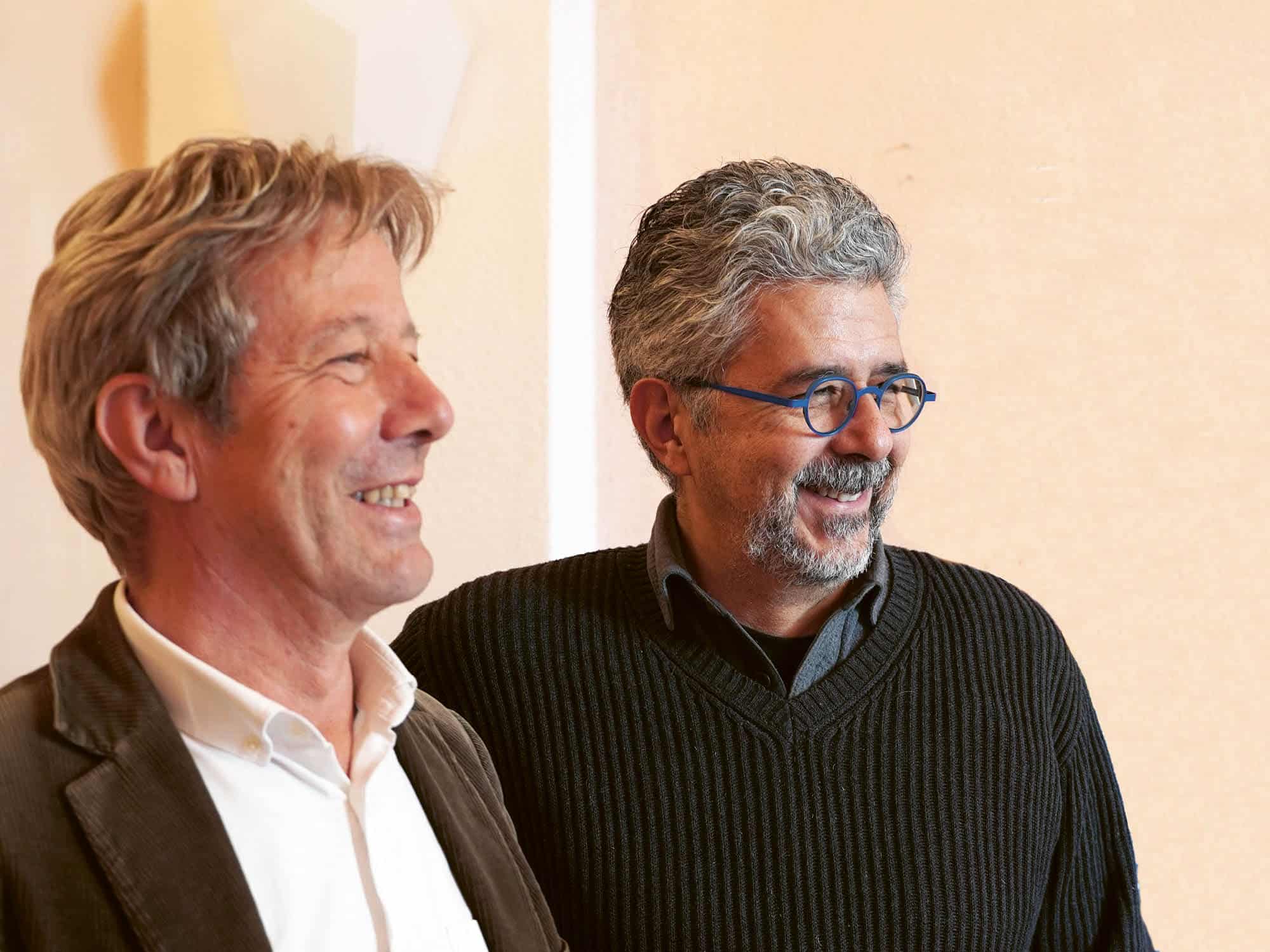
The challenges facing biodynamic agriculture are significant, both socio-politically and economically. The Agricultural Section will address this through the theme of “community” at its annual conference, February 4-7, 2026. Wolfgang Held spoke with section leaders Ueli Hurter and Eduardo Rincón. How did you come up with the conference title? It reminds me of the song “You’ll Never Walk Alone.” Ueli Hurter The origin is different: last year, we were in the Flemish part of Belgium with the representatives of the…
01 January 2026 · 6 min
Essay · EN
Faustian Ascent from the Faustian Abyss
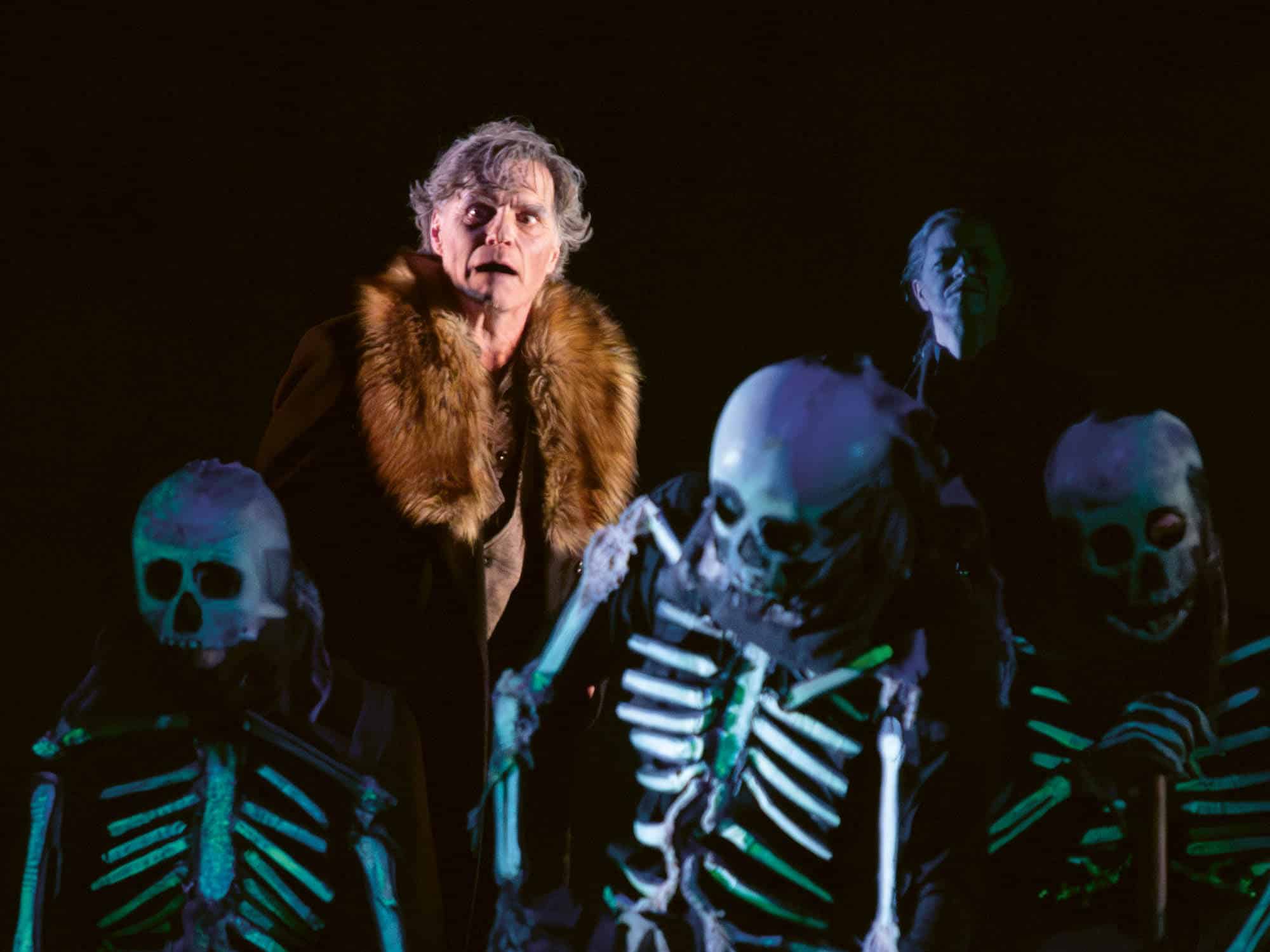
There is really nothing to add to the Goetheanum Stage’s production of Faust. As a work of art, it speaks for itself. So, instead, I’d like to suggest a change of perspective: Let’s turn our gaze from the Faust on the stage to the Faust in us, to ourselves as one who has signed the Faustian pact. Like Faust, we can no longer escape this contract. But I believe there are three important perspectives in the drama that point the…
21 October 2025 · 13 min
Current Issues · EN
Francis: The Pope from the Other End of the World
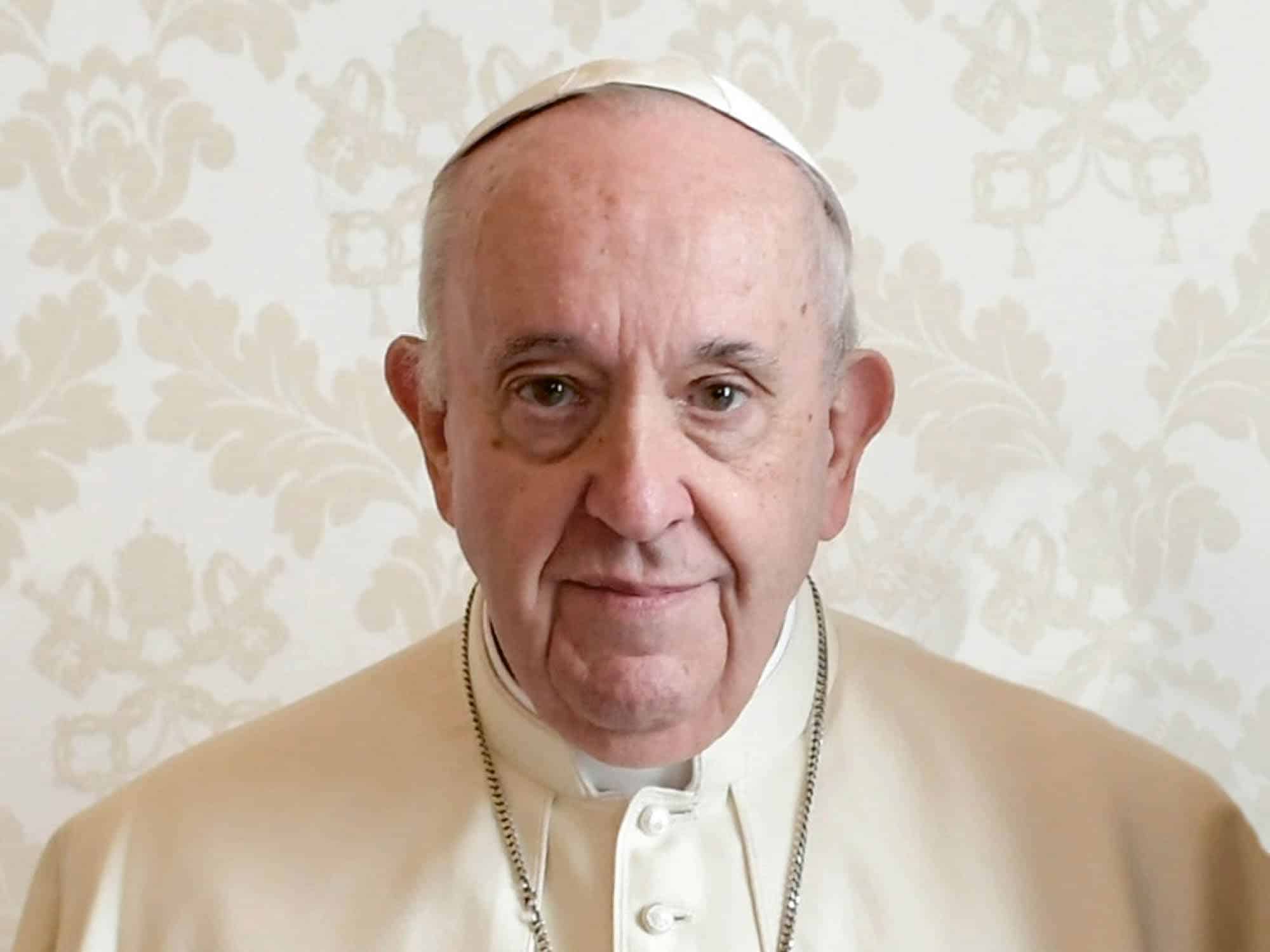
It may be tempting to say something about the Pope simply because he’s the Pope. Or, just as likely, we may be tempted not to say anything about the Pope because he’s the Pope. I actually belong to this second group, but notwithstanding, I’ll try to say something. I had an inner dialogue with Pope Francis after reading Laudato Si’, his encyclical on the environment, and Fratelli Tutti, his encyclical on social fellowship. But first, let me make a preliminary…
08 May 2025 · 6 min
Agriculture · EN
In Memory of Manfred Klett (1933-2025)
Manfred Klett passed away peacefully on April 2, 2025, in the early hours of the dawning day on “his” beloved Dottenfelderhof, accompanied by his family. He was laid out in the old hall, where the funeral service took place on April 5. Manfred Klett was the doyen of the biodynamic movement. He was a practitioner—initially in agriculture and in the development of the farm at Dottenfelderhof, then as head of the Section for Agriculture at the Goetheanum with the large…
08 May 2025 · 4 min
Agriculture Conference 2024 · EN
Agricultural Individuality
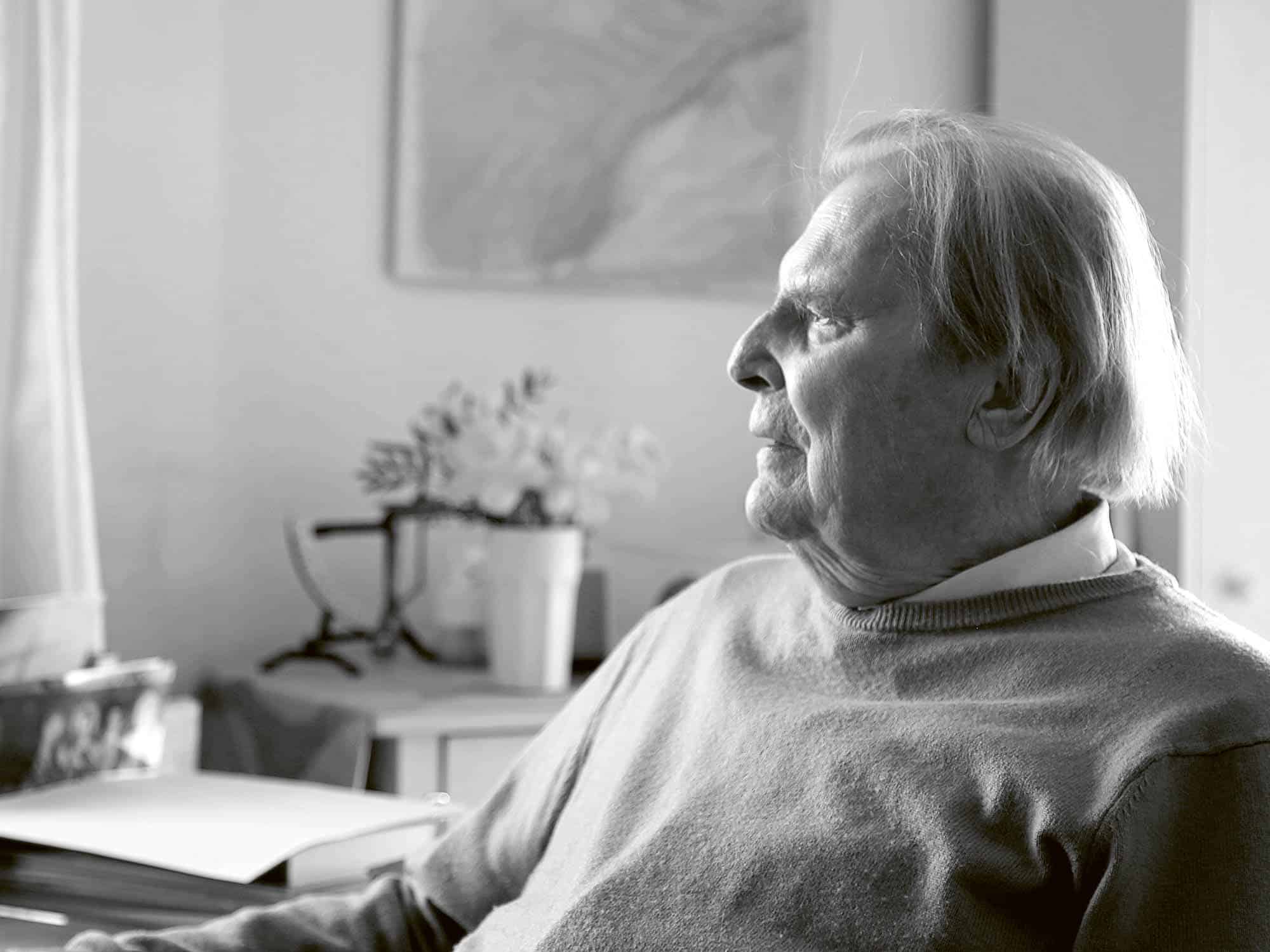
In the Agriculture Course, Rudolf Steiner developed the concept of an “agricultural individuality” in a truly authentic way. For many biodynamic practitioners, this is the anchor of their existence and commitment—they would rather sell their best cow than give up solidarity with their “agricultural individuality.” Even today, there is still something enigmatic about the concept—it points to the potential for an inner connection between human being, farm, and Earth. Ueli Hurter spoke about this at this year’s Agriculture Conference. Here…
21 March 2024 · 14 min
Agriculture · EN
What Were Rudolf Steiner’s Sources for the Agriculture Course?
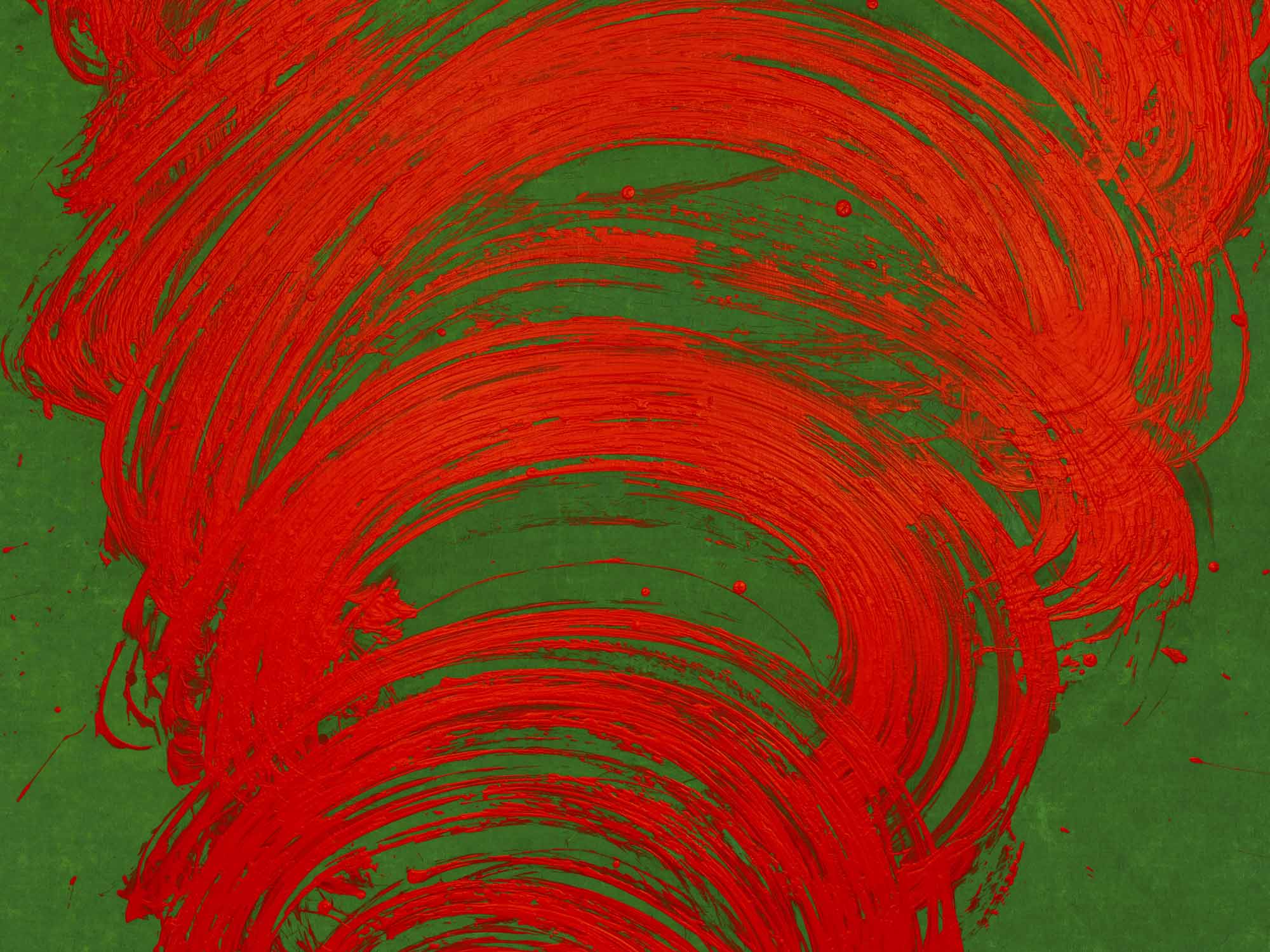
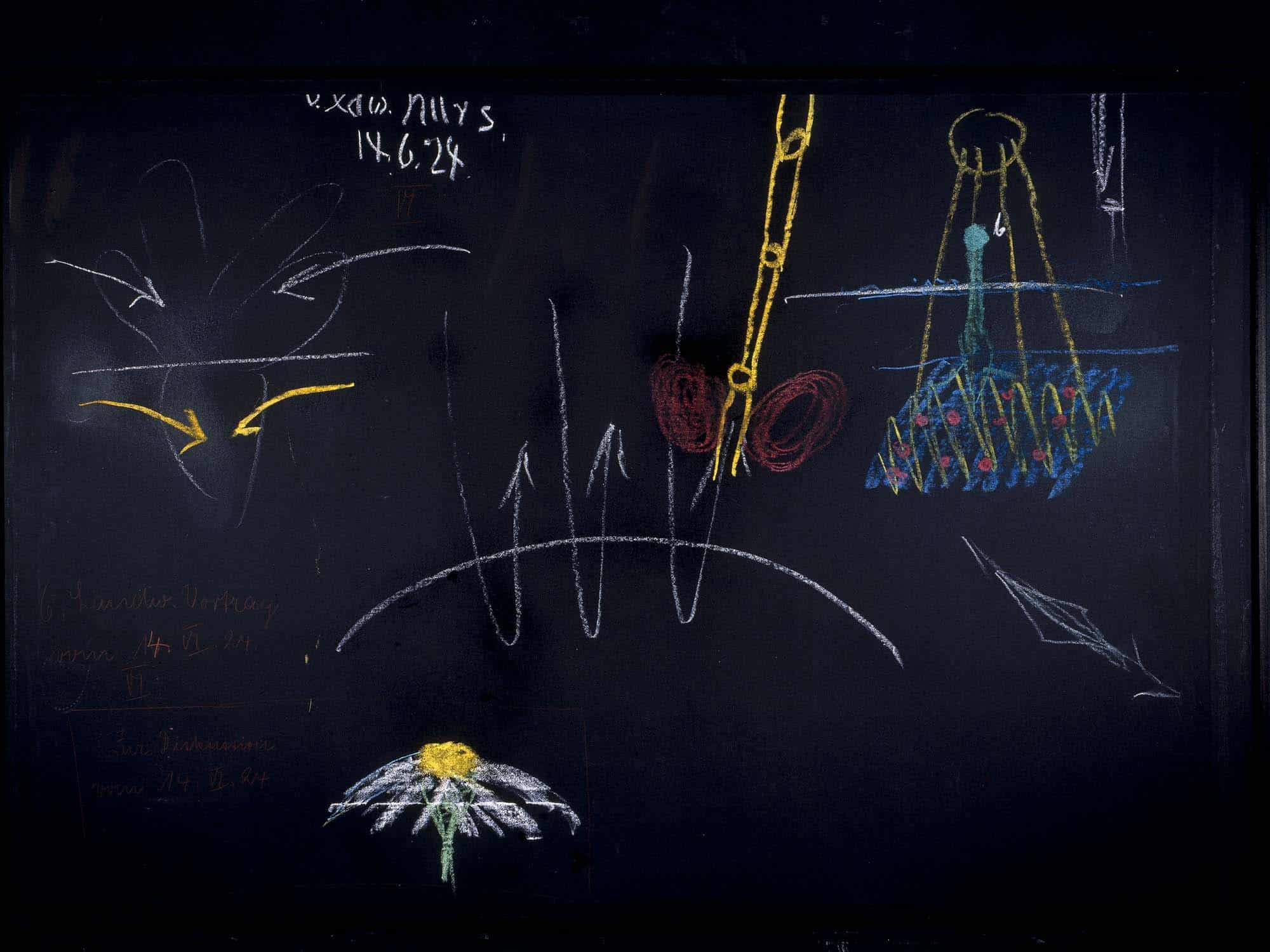
Rudolf Steiner was not a farmer. Despite this, he delivered the Agriculture Course—eight lectures in June 1924 that provided the starting point for a profound and wide-ranging renewal of agriculture. How was he able to speak in such a way that his words were and still are fruitful for farmers, gardeners, landscape designers, and plant breeders? Where did he get this knowledge from? Ueli Hurter, co-leader of the Section for Agriculture In this context, I also aim to resolve some…
02 February 2024 · 17 min
Agriculture · EN
Taking a Consistent Approach
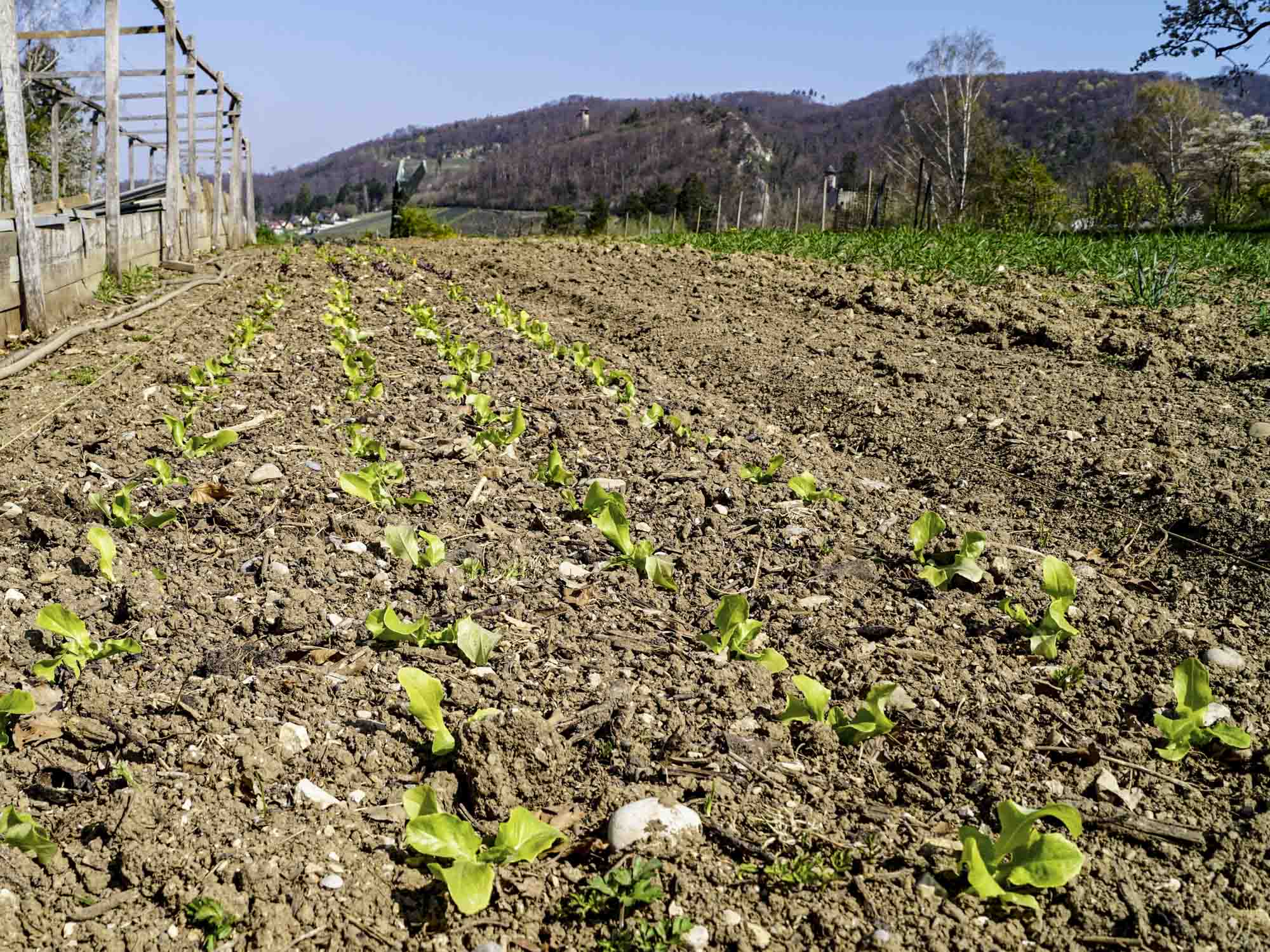
The European Union’s Agriculture Commission has decided to extend the authorization of the broad-spectrum herbicide Roundup in EU agriculture for another ten years. Below is an interview with Ueli Hurter, Co-Leader of the Section for Agriculture at the Goetheanum. What does the extension of Roundup mean for European agriculture? Many farmers will say to themselves, “If it is approved, it won’t be that bad.” They will continue to reach for the bottle, even though it carries the usual warnings for…
15 December 2023 · 2 min
Conversation · EN
Presence of the Past
One hundred years of Biodynamics and ten thousand years of agriculture. An interview with Ueli Hurter on the Agricultural Conference 2023. Wolfgang Held conducted the interview. «A Retrospective as a Preview» is the subtitle of the upcoming meeting of the Section for Agriculture. What does this mean? Ueli Hurter We are planning a trilogy. We do not want to push everything into one conference, into one moment in 2024, when we celebrate 100 years of the «Agricultural Course.» In 2024, we…
05 January 2023 · 8 min
Agriculture · EN
Biodynamics at the Climate Conference
The Goetheanum Agricultural Section’s Lin Bautze and Ueli Hurter participated in the COP27 Climate Conference in Sharm el-Sheikh, Egypt. Back Story In 2019, Guillermo Scallan asked Constanza Kaliks whether representatives of the Goetheanum or of the Anthroposophical Society wanted to visit the Climate Summit in Santiago de Chile, in order to bring Anthroposophical contributions to the challenges of the climate crisis. He would be organising round table discussions there on behalf of the Avina Foundation, and we would be warmly…
02 December 2022 · 12 min
Nature · EN
Towards a New Anthropocene
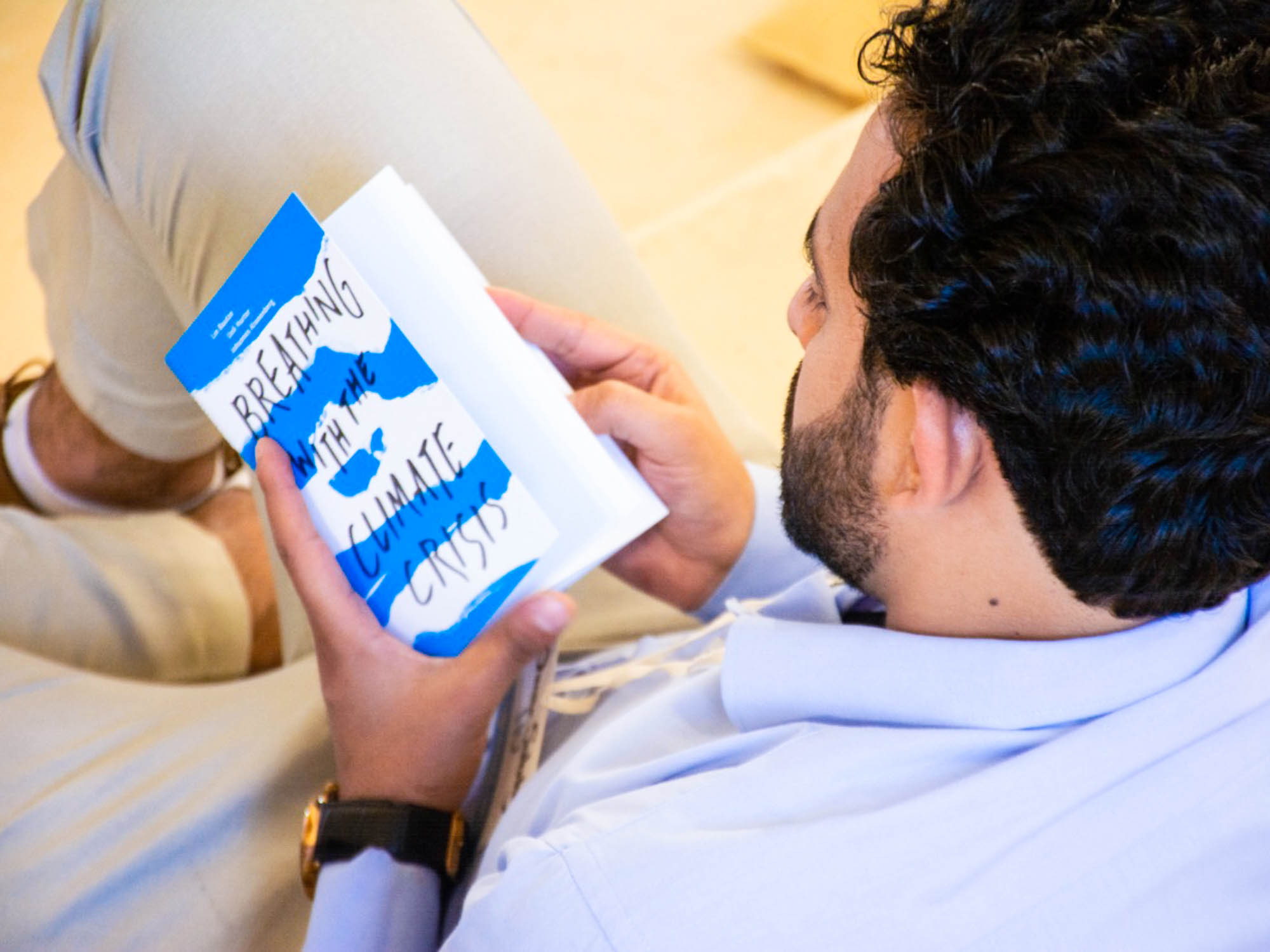
A small book dealing with a big issue, ‹Breathing with the Climate Crisis›, has recently been published at the Goetheanum. Following the 2021 conference of the same name, jointly organized by the Youth Section and the Section for Agriculture, this ‹Call for a New Relationship between Humanity and the Earth› was written by Lin Bautze, Johannes Kronenberg, and Ueli Hurter. It is also an attempt to develop a new language at the Goetheanum and to build a new relationship to…
03 November 2022 · 13 min

Agriculture · EN
The Drama Around Wheat
From wheat, we bake bread. Our ‹daily bread› represents our daily nourishment in general. But where does wheat for bread come from? Of course, from farmers’ wheat fields. But for many people who eat bread every day, the fields ‹their› wheat is grown on are far away, for example in Ukraine or even in Russia. For instance, 90 percent of the wheat consumed by Egypt’s 100 million inhabitants comes from Ukraine and Russia. The situation is similar in Lebanon, Morocco,…
27 May 2022 · 12 min
Economics · EN
Not Only Calculating, but Also Feeling
It is called ‹Loi de vigilance› in France, ‹Lieferkettengesetz› in Germany, ‹Supply Chain Act› in the US, and ‹Wet Zorgplicht Kinderarbeid› in the Netherlands. The goal is always to commit companies and hold them liable for ecological or social violations, even outside the legal area of their own country. However, none of these right-wing initiatives goes as far as the ‹Corporate Responsibility Initiative›, which was recently rejected in Switzerland by a referendum with a narrow result. Franka Henn and Wolfgang…
09 December 2020 · 6 min