Section

2022/22

9 articles

Pentecost and the Community of the Word

Pentecost and the Community of the Word

Humanity is today crossing the threshold. This is a mysterious event, and it is connected also with the ‹Second Coming of Christ in the Etheric,› an event that began in the year 1933. This transformative event at the threshold will have a profound impact on coming centuries. Every attempt at serious inquiry in the present age needs to be framed in the light of this threshold event. A concern for language is one of the hallmarks of this threshold time…

Iftach Ben Aharon und Francisca de Vries · 03 June 2022 · 13 min

Thanks

Thanks

If you are looking to express gratitude in English, a superficial ‹thanks› quickly comes to mind. If you are being sincere, you say «thank you», always addressing the other person, or one step further, «I am grateful». It comes from the Latin word «gratias,» in turn leading back to ‹grate›: ‹pleasant,› ‹comforting.› Tracing it back even further in a linguistic sense leads to the Indo-European word ‹gwere›, which means ‹inclined,› ‹pleasing,› ‹benevolent.› So, in order to avoid superficiality and express…

Ronald Templeton · 03 June 2022 · 1 min

Gǎn xiè

Gǎn xiè

When writing in Chinese, one uses ‹感(gǎn)谢(xiè)› or colloquially ‹谢(xiè)谢› to express gratitude. ‹感(gǎn)› means ‹feel› and its subpart ‹心› is an image of the heart. Thus, in Chinese culture, one first expresses gratitude through feeling or from the heart. When speaking, one uses a double ‹谢(xiè)›, which soothes and lifts the spirits. The character ‹谢› consists of two parts: the left part ‹讠› means speak, and the right part means shoot. In summary, ‹谢› means shooting out by speaking.…

Hao Bu und Paul Franke · 03 June 2022 · 1 min

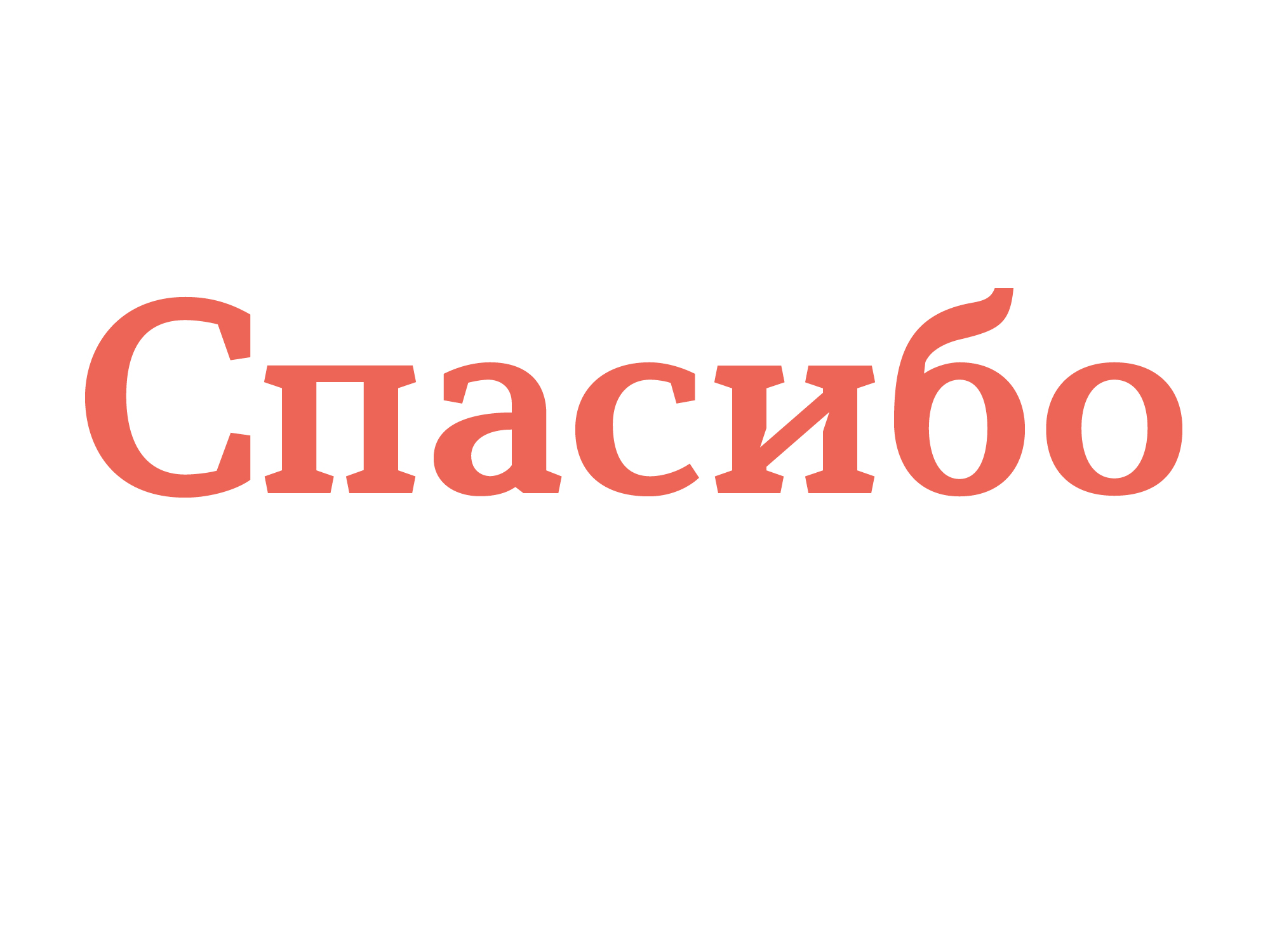
Spasibo

Spasibo

When asked to comment on the word ‹thank you› in my native language, Russian, I was quickly torn between two words: спасибо (spasibo) and благодарю (blagodariu). In everyday life, people use спасибо to express gratitude to someone who handed you food at the table or made the elevator wait for you. The word спасибо comes from the expression ‹спаси Бог›: (May) God save (you). No one uses or means it that way anymore, even though the meaning is so obvious.…

Sofia Lismont · 03 June 2022 · 1 min

Shukran

Shukran

In Arabic, ‹shukran› stands for the German word ‹danke›. However, ‹shukran› is not sufficient to express every form of gratitude in Arabic. This is illustrated by a question that many native Arabic speakers ask sooner or later while in the process of learning German. A question that points to discomfort in regard to the German word ‹danke›: «Isn’t there something else you can say in German than just ‹danke›?» Behind this statement lies the feeling that the German word ‹danke›…

Laura Schalück · 03 June 2022 · 2 min

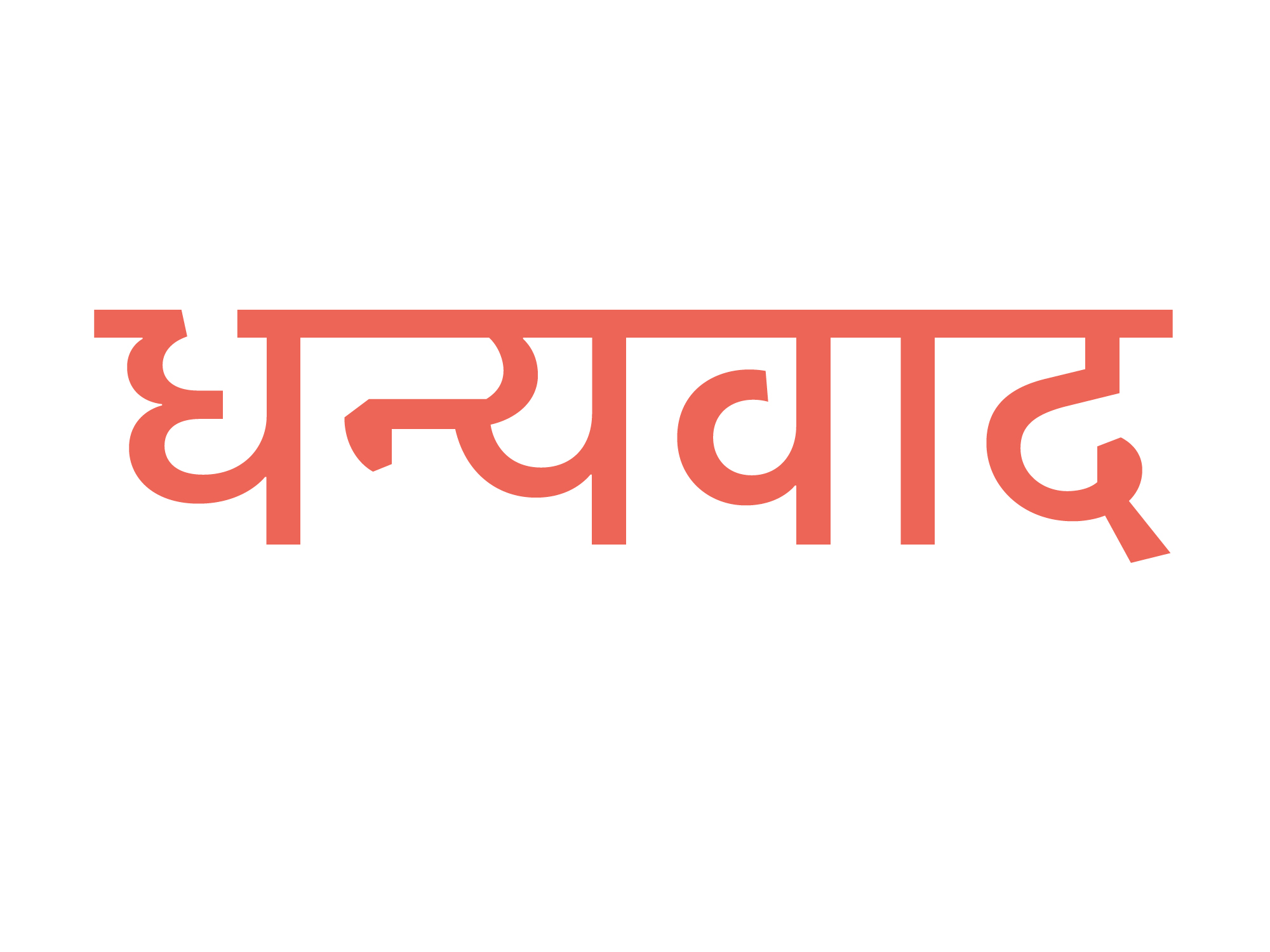
Dhanyawaad

Dhanyawaad

In India, ‹Dhanyawaad› is the word closest to the German word ‹Danke›. It means ‹I feel deep gratitude›. Accordingly, it is rarely used. In India, I feel that it’s a matter of course to do things for each other without having to explicitly say thank you. It is facial expressions or even gestures that express gratitude – lowering your gaze briefly, combined with a nod or, underlined, bringing both hands together in front of your chest in a praying position,…

Hanna Sharma und Satya Sharma · 03 June 2022 · 1 min

The Fear Of The Neighbor

The Fear Of The Neighbor

After Russia’s war of aggression in Ukraine, Finland now wants to join NATO quickly. How could the climate change so quickly? Hans Hasler By the way, this also applies externally. Even the seasons change very quickly. Today (May 14), the birch trees in front of our summer cottage got the first leaves, and only a week ago, the ice on our lake melted. But on the world events: with Russia’s attack on February 24, the Finnish population’s previous reservations about…

Hans Hasler · 03 June 2022 · 5 min

Medical Religion, Religious Medicine

Medical Religion, Religious Medicine

The teacher should look at the students medically, and the doctor should look at his patients pedagogically. In our complex world, it is worthwhile to follow Rudolf Steiner’s call for interdisciplinary cooperation. This is about more than just cooperation. The cooperation begins in one’s own soul. Thus, a mathematics teacher should know that humor is indispensable in his subject because otherwise, the factual superiority of numbers burdens the vitality of the child’s organism. Another bridge concerns the coexistence of priests…

Wolfgang Held · 03 June 2022 · 1 min

Bridge Pillars

Bridge Pillars

When visiting another country, I show my appreciation for ‹foreign› people and their culture by trying to thank, greet, and say goodbye to them in their language. I accept one part of the other, the unfamiliar, appreciatively into myself. Giving thanks creates a bridge from myself to the other. This applies in general, no matter in which language. Asking also builds bridges, but somehow more inwardly, to myself. If you don’t know what you’re asking for, you don’t know who…

Gilda Bartel · 03 June 2022 · 1 min