Section

2022/27-28

11 articles

Phenomenology Day

Phenomenology Day

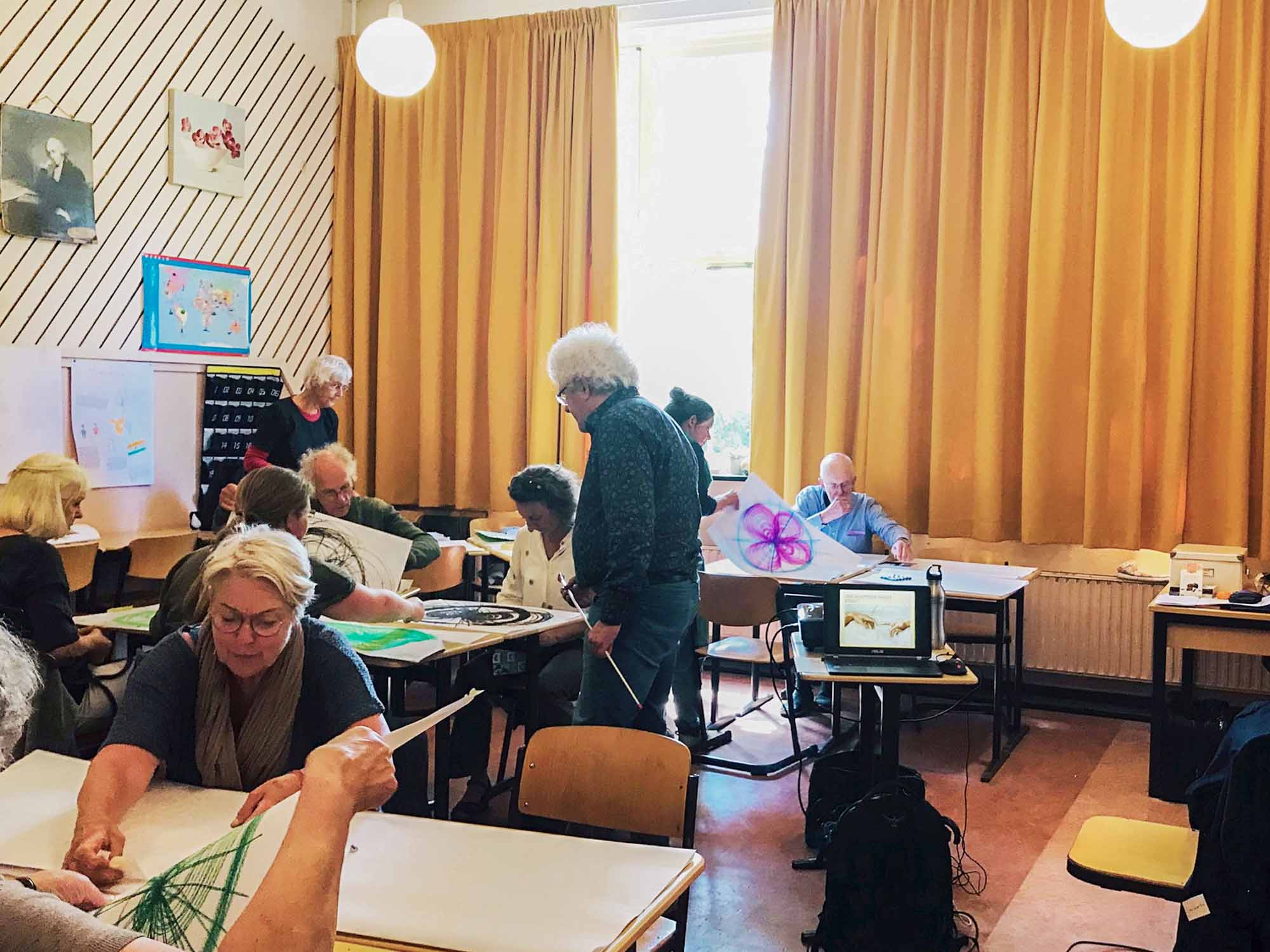
On May 14, the Day of Phenomenology took place for the second time to ensure more awareness of phenomenology among the Dutch public. This day was the ‹crowning achievement› of our Goetheanistic phenomenological courses, which we have been conducting for laypeople for five years on topics such as plants, trees, birds, rocks, water, and chemistry. We also wanted to reach young people and teachers so that a new generation of people interested in phenomenology can come up. Jaap van der…

Silfriede Bos, Antoon van Hooft, Willemien Roelse und Wolter Bos · 08 July 2022 · 1 min

Goethean Science

Goethean Science

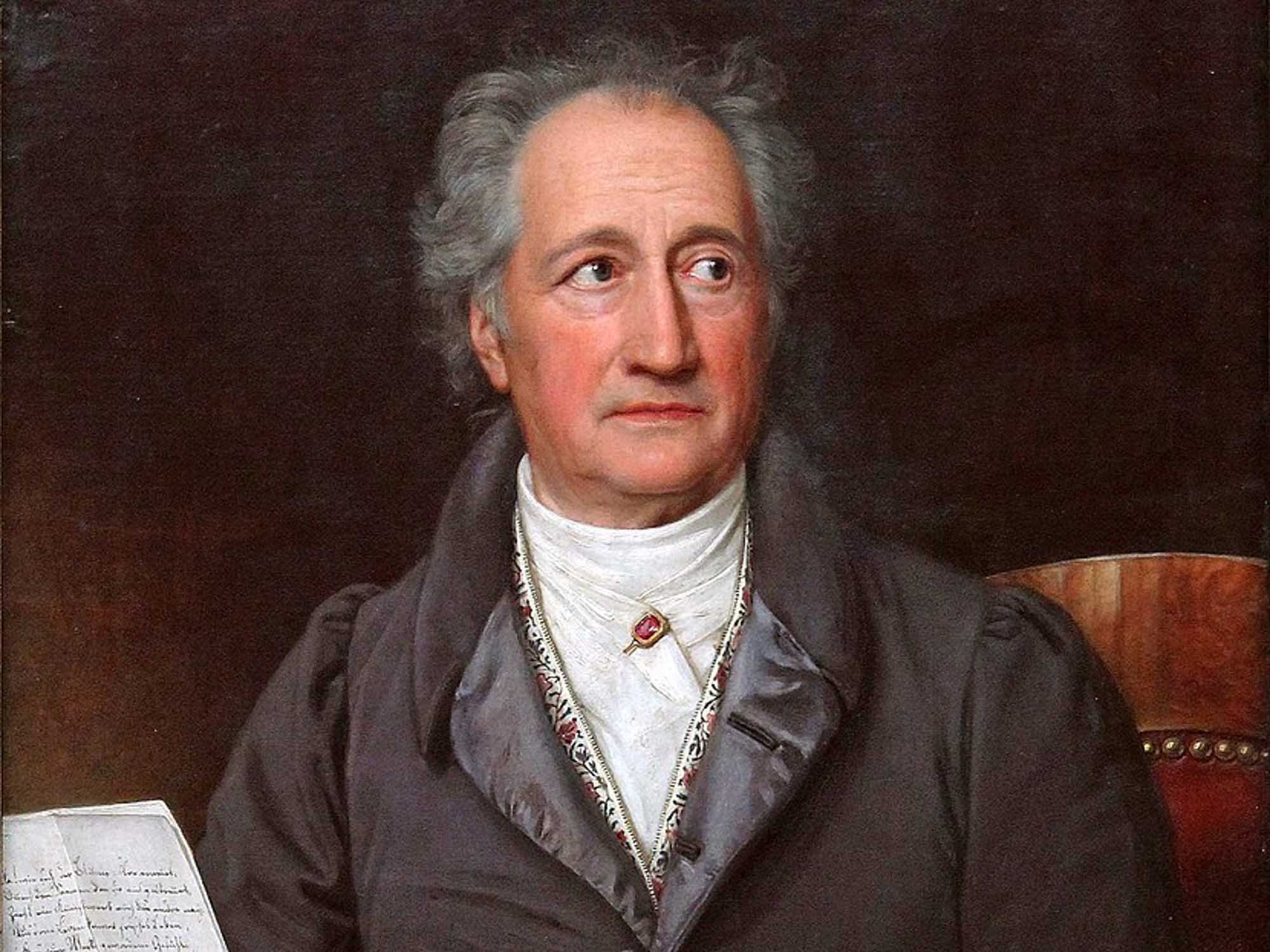
Craig Holdrege is director of the ‹Nature Institute› in Ghent. Its goal is to broaden the view of nature from the laboratories. I experience «Goethean Science» as a way of transforming and developing human abilities. It makes it possible to gradually immerse oneself in the sensory world’s meaningful living nature and recognize it. It is a path of experience that leads out of the abstractness of modern consciousness and its attachment to what has become (whether thought or thing). Thinking…

Craig Holdrege · 08 July 2022 · 1 min

A Small Initiation

A Small Initiation

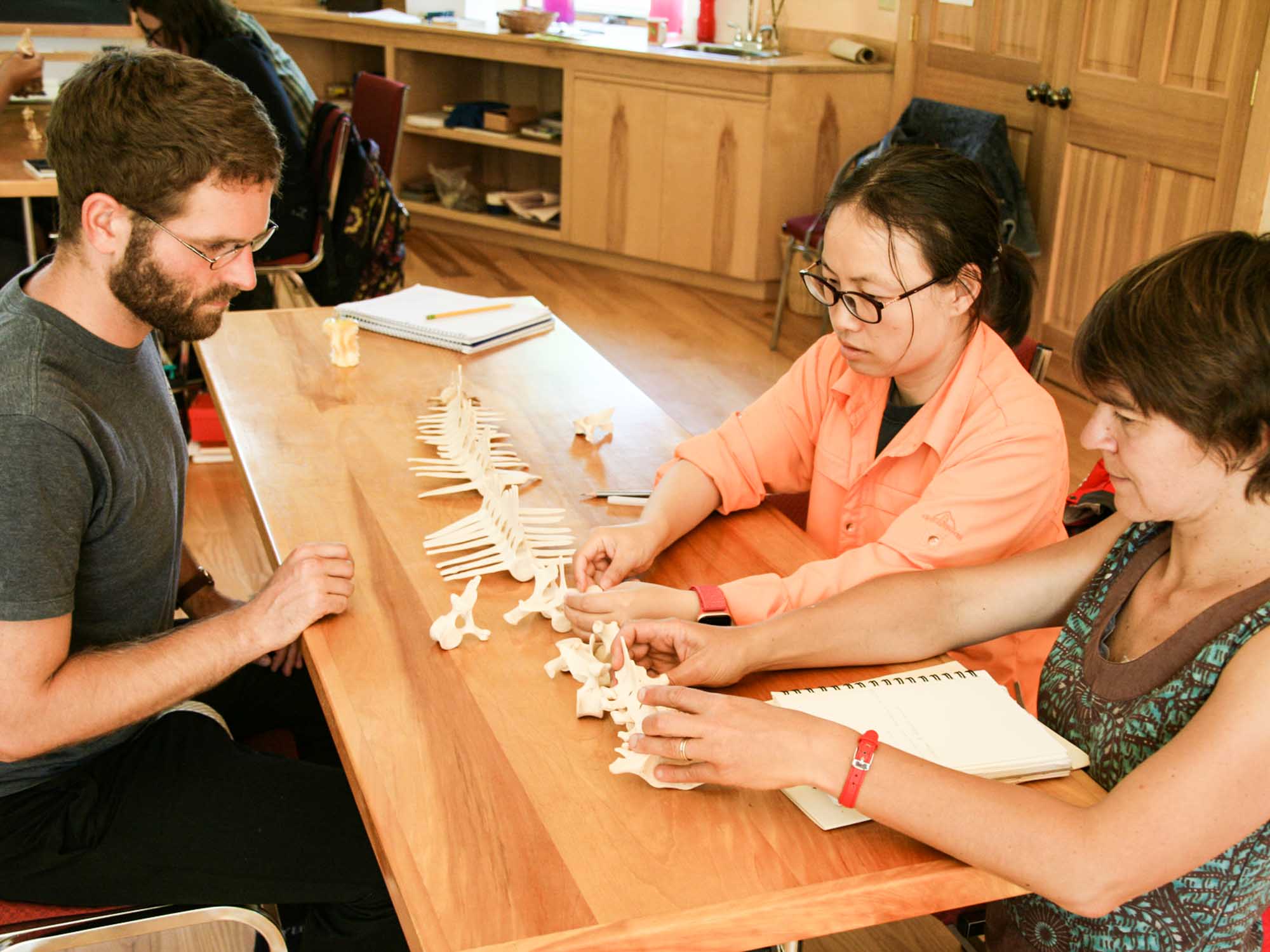
Phenomenology: for the first time, looking at the world properly! As an active participant in the field of further education in Goetheanistic natural sciences, Anthroposophical pharmacy, and Biodynamic agriculture, I move in different circles, professions, and age groups. Again and again, I experience how crucial concrete practice in nature is. Going to the world’s phenomena through loving and careful attention leads to a real awakening for many people, to a kind of small initiation. The Goetheanist approach is accessible to…

Vesna Forštnerič Lesjak · 08 July 2022 · 1 min

Human Beings as an Organ of Knowledge

Human Beings as an Organ of Knowledge

Iris Hennigfeld works on ‹Goethe’s Natural Science as Phenomenology› at the Friedrich Schiller University in Jena. She is also co-editor of the English-language ‹Goethe Lexicon of Philosophical Concepts› at the University of Pittsburgh. Phenomenology is not a technique that, once learned, could be applied uniformly to this or that field. Instead, the method is developed in the course of research on and with the phenomena – and with new phenomena in new ways. The corresponding organs of perception and cognition…

Iris Hennigfeld · 08 July 2022 · 2 min

Finding Meaning Through Goetheanism

Finding Meaning Through Goetheanism

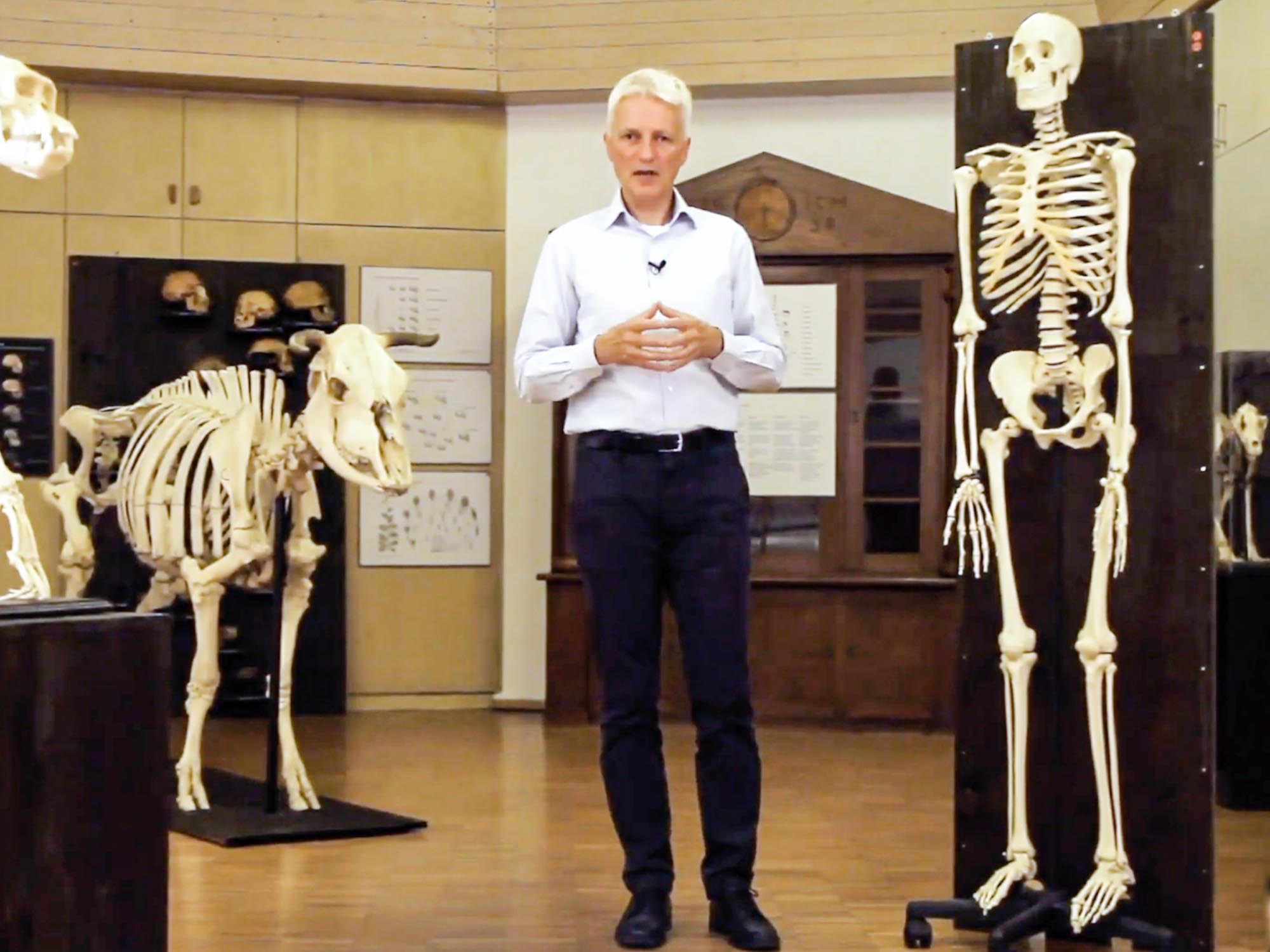
Coming from biology and chemistry, Christoph Hueck received his doctorate in bacterial genetics. He worked as a Waldorf teacher and helped found the Akanthos Academy in Tübingen in 2014. Why do we have five fingers and not four or six? Why is the head round? Why do we walk on two legs? Science says that all this has developed by chance and ultimately serves survival. However, if we had six fingers, an elongated head, and walked four-legged, the answer would…

Christoph J. Hueck · 08 July 2022 · 2 min

Mountains in Motion

Mountains in Motion

Rigid, still, immobile – these are some of the words we use to describe mountains. If anything, geologists are taught that such movements occur over eons of time. So movement on a human time scale is a surprise. Though on our time scale, mountains are constantly shaking and swaying. They are alive. With musical energy – what is that? Every object wants to oscillate at a certain frequency – the so-called natural frequency – depending on how it is shaped…

David Auerbach · 08 July 2022 · 5 min

The Dawn of the Beautiful: A Utopian Future?

The Dawn of the Beautiful: A Utopian Future?

In the context of the present dire world situation, in which we witness ever-present threats of destruction and darkness, thoughts about Beauty and the Beautiful assume an aura of utopian speculation. On the other hand, such speculations might be considered pathways to the light. Faced with suffering, destruction, and death, can a deeper questioning of Beauty and the Beautiful illuminate our world situation—or are we merely indulging in utopian fantasies? Christiane Haid, head of the Section for the Literary Arts…

Christiane Haid · 08 July 2022 · 15 min

Humanity and Its Reality

Humanity and Its Reality

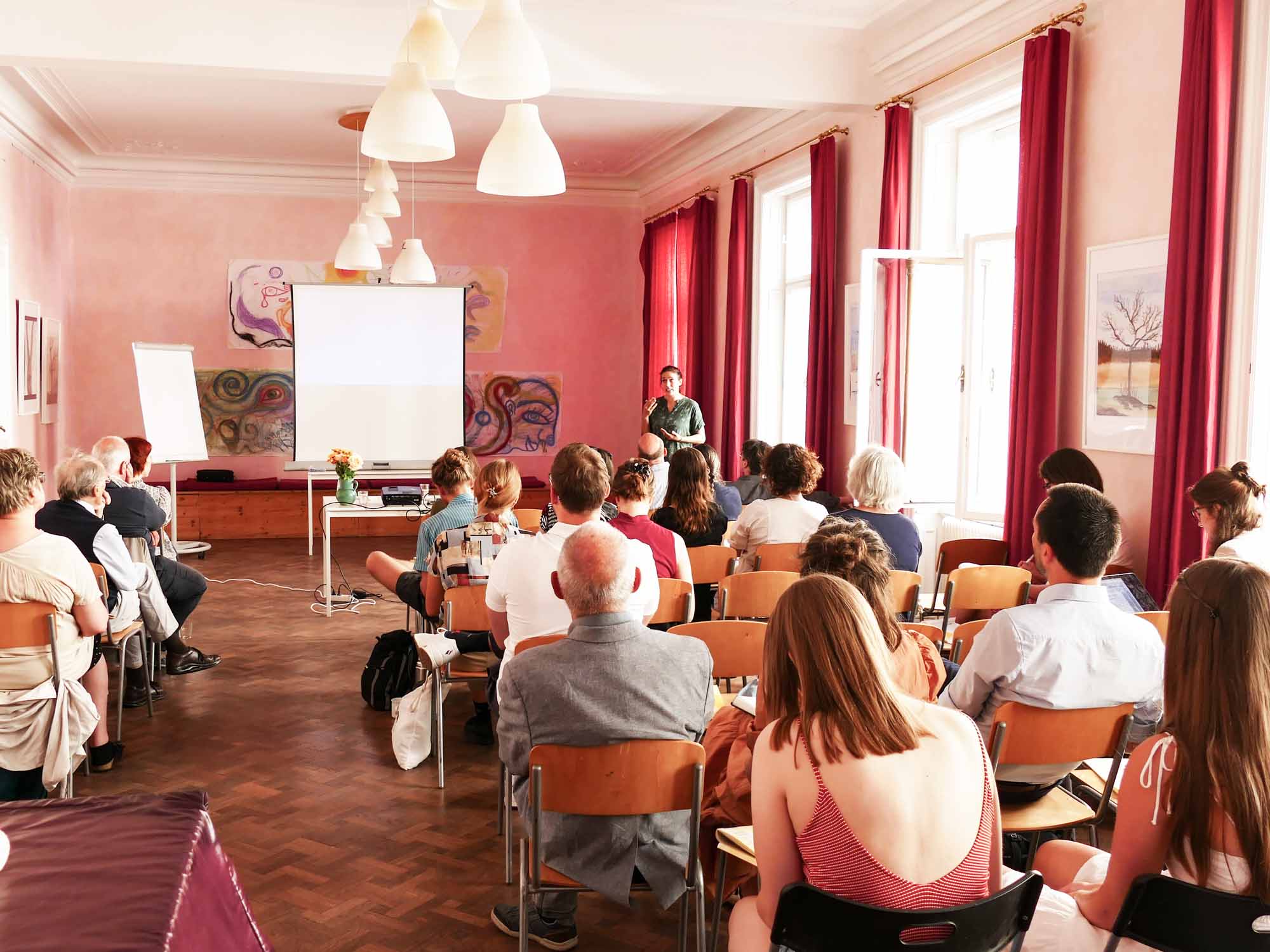
After cancellations due to COVID in 2020 and 2021, the conference of the International Network of Academic Steiner Teacher Education (INASTE) ‹Realizing Humanity› could finally take place, in the beautiful month of May and in the beautiful city of Vienna. 150 participants from Germany, Scandinavia, Austria, and the Netherlands came together seeking perspectives on education. This was the fourth INASTE conference in which professors, lecturers and students related to Waldorf education and other academic institutions met to exchange views. The…

Peter Lutzker und Peter Lutzker und Matthias Jeuken · 08 July 2022 · 4 min

What Do I Mean By New?

What Do I Mean By New?

New things always enter the world through pain. Birth does not exist without pain. For new things, it is also painful to live in an old world. Old and new bump into each other. One must never envision new things as too glorious and superheroic. It is always our wounds and our pain and weaknesses that make us especially sensitive. That is where new things reveal themselves first. The fact that time management is an issue for so many people…

Paul Franke und Johannes Greiner · 08 July 2022 · 1 min

When We Feel Again

When We Feel Again

Do you know the exhaustion where you can no longer see clearly? You run through the world, and you don’t see. The eyes have become numb, blurred as if their light could no longer connect with the world’s light. A dullness has come upon them and the soul. This is an unpleasant condition and quite worrying. On the other hand, alert senses are perceptive, nimble like a weasel, and register colors, sounds, and heartbeats. In most cases, they compare the…

Gilda Bartel · 08 July 2022 · 1 min