UNICEF, the United Nations Children’s Fund, has released its 2026 report on child well-being. Germany is in 25th place out of the 37 countries evaluated. How is that possible?
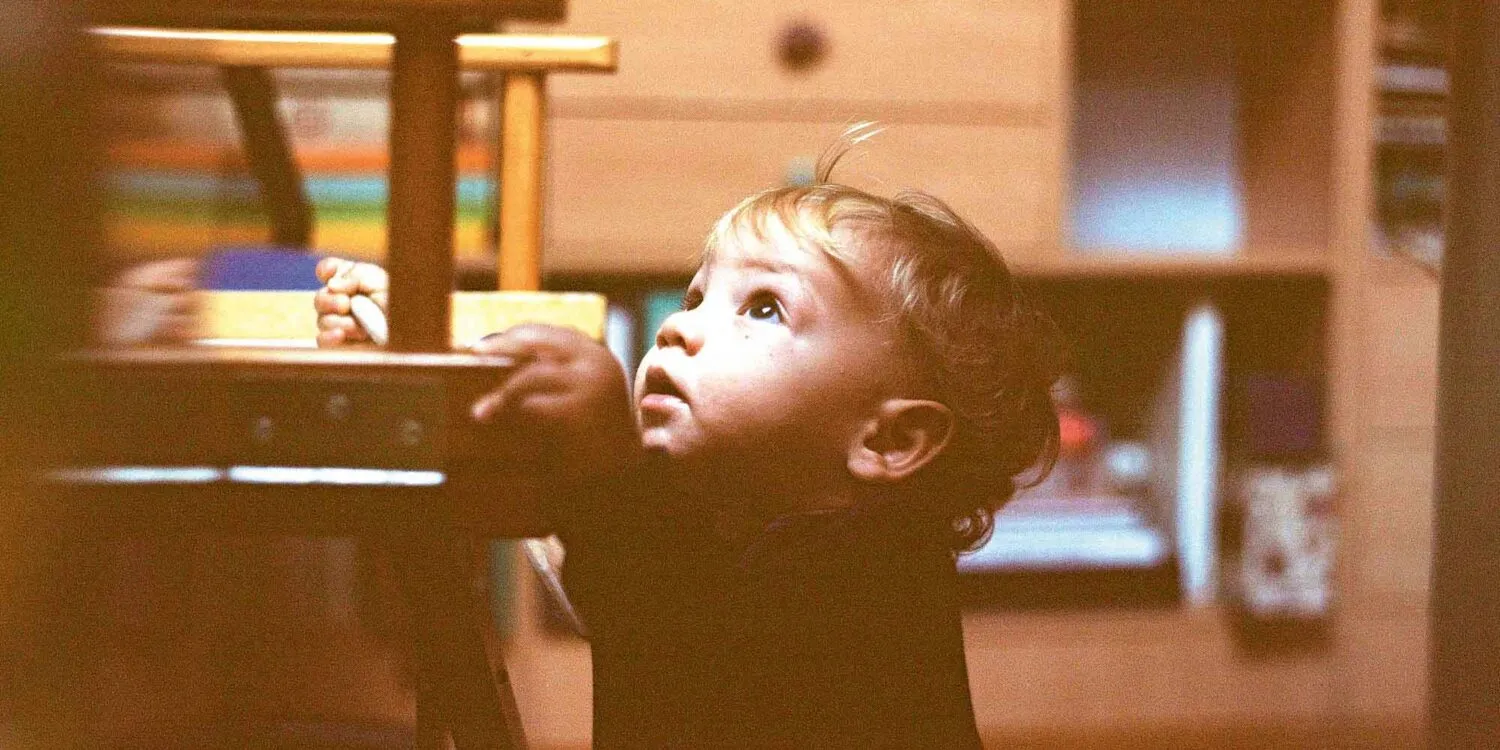
When children are having fun, it sometimes means that adults aren’t. As soon as children can stand, they’re off and running, jumping, and climbing; they get dirty and fall down; they turn the house upside down; and they ask questions or need help right when we’re busy with an important Excel spreadsheet. They also don’t learn the same way that adults do through transmission of information. They learn best when the material is presented with feeling, creativity, and hands-on experiences. As teenagers, they become completely enigmatic: they’re lethargic and/or hysterical, and they need conversation and authenticity from adults, even though they might act as if they want nothing more to do with us.

Phillipp Reubke arbeitet ab 1989 als Waldorflehrer in Frankreich, später als Waldorfkindergärtner. Er ist Mitglied des Haager Kreis – Internationale Konferenz für Steiner Waldorf Pädagogik. Seit Oktober 2020 leitet er mit Constanza Kaliks die Pädagogische Sektion am Goetheanum.