Autor·in

Philipp Reubke
Phillipp Reubke arbeitet ab 1989 als Waldorflehrer in Frankreich, später als Waldorfkindergärtner. Er ist Mitglied des Haager Kreis – Internationale Konferenz für Steiner Waldorf Pädagogik. Seit Oktober 2020 leitet er mit Constanza Kaliks die Pädagogische Sektion am Goetheanum.
Pedagogy · EN
Digital Whipped Cream
In the ’70s, Udo Jürgens sang “Aber bitte mit Sahne” [But please with whipped cream] about the crowd at the cake buffet and their rush for cherry and cream meringue. The song ends tragically for the sugar addicts and cream lovers. Today’s “whipped cream” is digital, served up by Facebook, Instagram, and TikTok. In March, Meta was fined $375 million by the U.S. state of New Mexico after being found guilty of “failing to protect children on its platforms.” Facing…
24 September 2026 · 4 min
Essay · EN
Well-being Instead of Well-off
UNICEF, the United Nations Children’s Fund, has released its 2026 report on child well-being. Germany is in 25th place out of the 37 countries evaluated. How is that possible?
03 June 2026 · 4 min
Essay · EN
Starting Anew from the End
Where do we experience moments of “dying and being reborn”? In what situations have we been struck by a sense of resurrection? How does this experience arise in consciousness? Several Section leaders at the Goetheanum share brief reflections on moments, often quite personal, when they have gone through such experiences. Sonja Zausch, Bart Vanmechelen, Jan Göschel Self-Efficacy as Resurrection Force Resurrection is experienced wherever I sense the connection between the physical-sensory world and the spiritual world. Here is an account…
01 April 2026 · 26 min
Essay · EN
Love in Educating
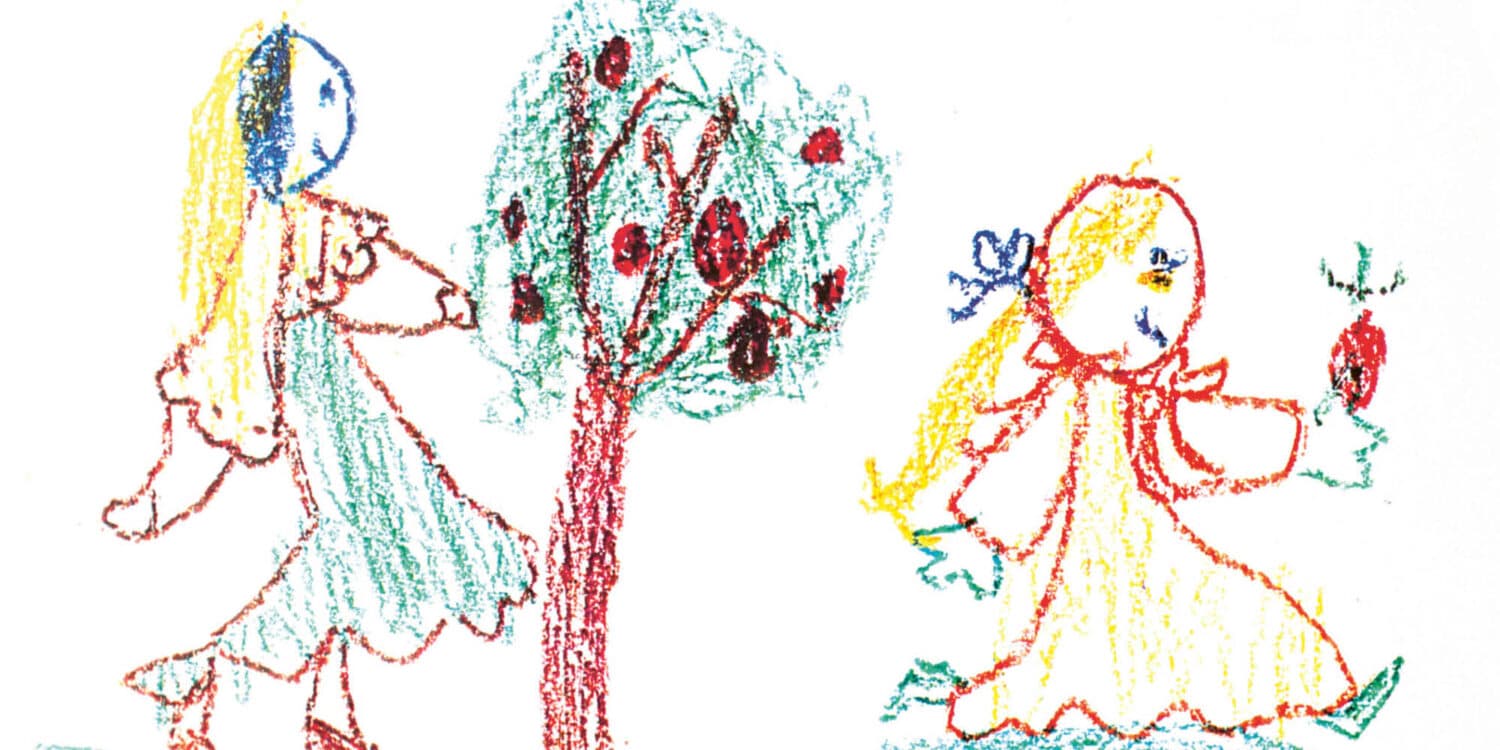
Pole beans need sunshine and so do little children. Anyone who sows pole beans in Switzerland in March won’t be able to enjoy the fast-growing climbing plants. It’s simply still too cold for them to germinate. Whoever wants to help a sow give birth during the Norwegian winter must seal the barn well and hang an infrared lamp. Anyone looking for investors for a modern sailing ship that brings organic spices and coffee from the Southern Hemisphere to Europe must…
26 March 2026 · 7 min
News · EN
On an Island in the Pacific
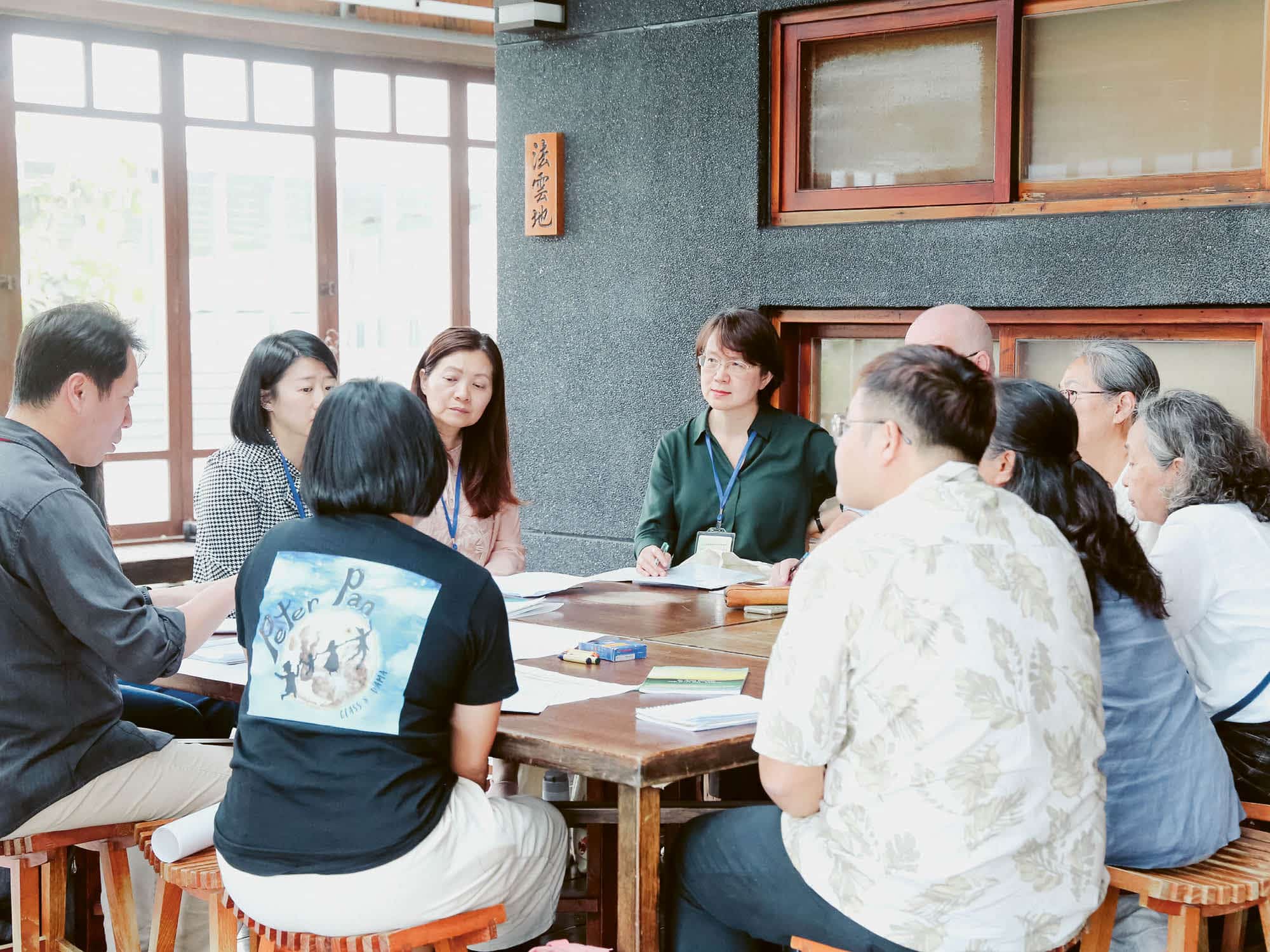
Yilan, Taiwan. Taiwan could be a small paradise for Waldorf education. How can I educate and teach in a way that allows me to observe how children and young people learn? How can I draw conclusions from my observations and form concepts that inform my practice? Anyone cultivating a strong Waldorf educational ethos who happens to live far from Europe on a small island in the Pacific, will find local support: they can join the working group “Practical Research for…
25 September 2025 · 2 min
News · EN
International Waldorf Conference
Kassel, Germany. Waldorf upper school is a realm of development, because our rapidly changing world is calling for new content and forms of teaching. It is important for upper school teachers to exchange ideas. The Teachers’ Seminar for Waldorf Education in Kassel and the Pedagogical Section at the Goetheanum in Dornach, supported by the Association of Free Waldorf Schools, are dedicated to this. In order to facilitate intensive encounters between senior school teachers in a global context, the Teachers’ Seminar…
29 August 2025 · 2 min
Column · EN
Awakening the Becoming
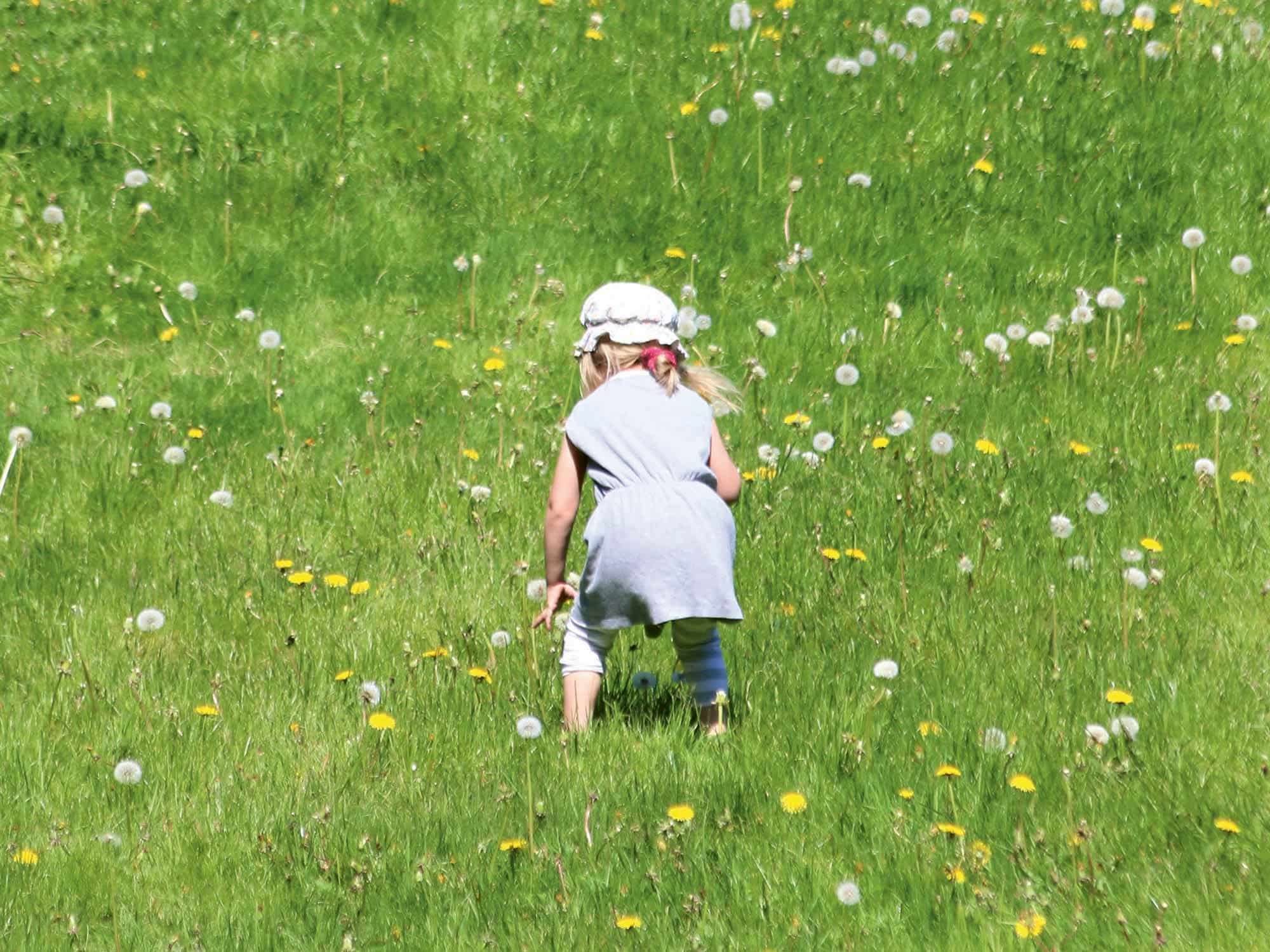
Fragile and needy, a child comes into the world—a world in which we are fond of displaying strength, intelligence, and free will. The child, on the other hand, is dependent, and its existence is at stake. They can do what we adults have forgotten: they are unconditionally devoted to their surroundings, and they love us so strongly that they identify completely with us, so strongly that they absorb and adopt our way of being, speaking, feeling, and thinking. This takes…
08 May 2025 · 1 min
Pedagogy · EN
Anthroposophy as a Path
For the first time, the instructors of Waldorf teacher trainings worldwide were invited to a meeting. What was the response? Wolfgang Held speaks with Philipp Reubke. Philipp Reubke There were 250 participants, some from quite far away—India, Japan, Taiwan, China, and South America. We were very pleased and will continue to organize such conferences. What questions did they bring with them? How can we prepare future teachers for this difficult profession, so that they’re able to activate their resilience without…
14 June 2024 · 2 min
Column · EN
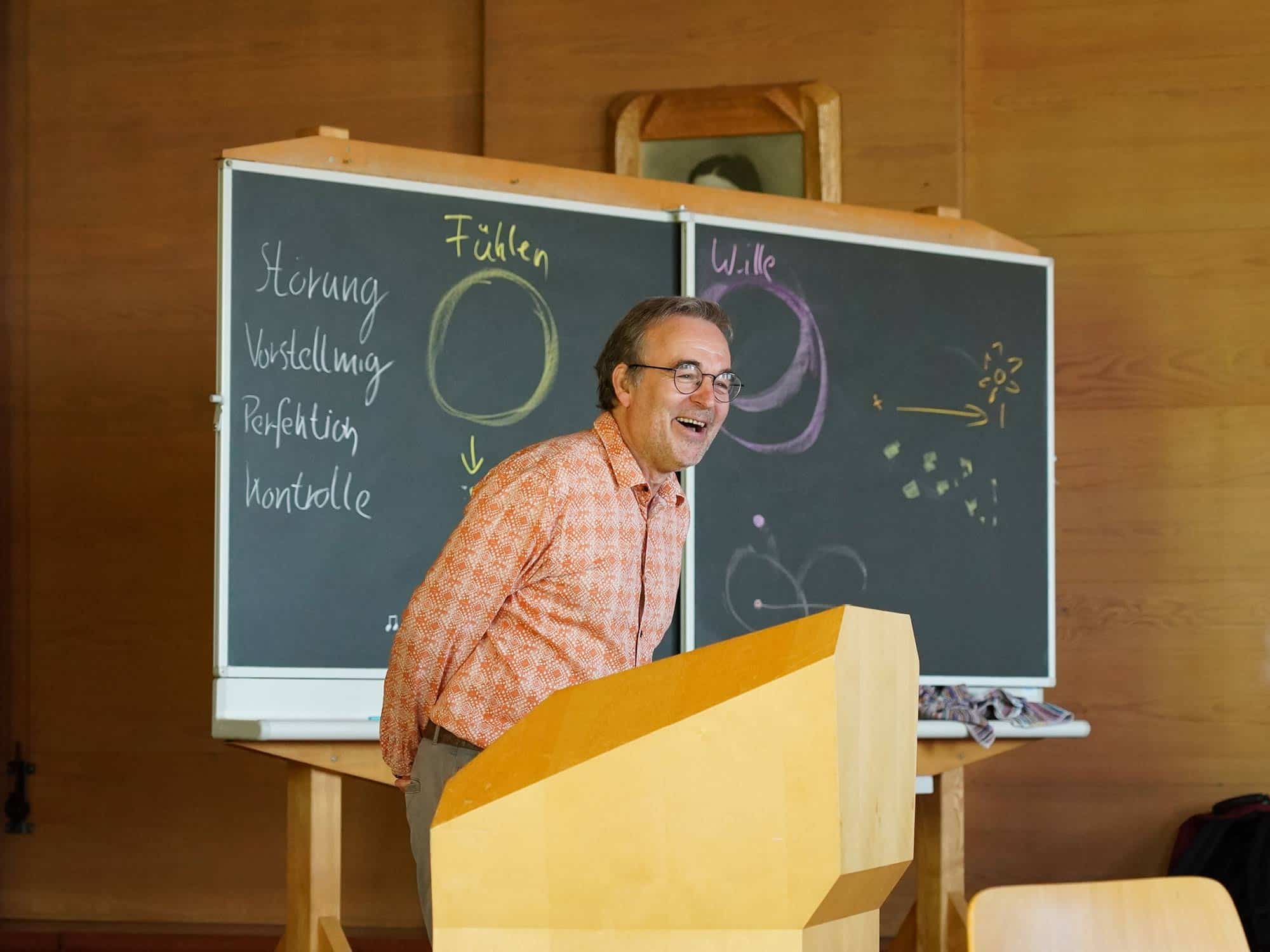
Lettuce in the Classroom
Dear farmers, gardeners, agronomists, and colleagues; dear worldwide friends of crisp lettuce, delicious carrots, and sublime Pinot Noir; dear friends of hedges, songbirds, and earthworms, and of charming fields that you wander over, again and again, on walks after which you suddenly have unexpected ideas about what to do with the soil so that it is harmoniously exposed to the influences of light, warmth, water, air, and earth. In the Pedagogical Section, we have tried for many years to gather…
12 April 2024 · 2 min
Consciousness · EN
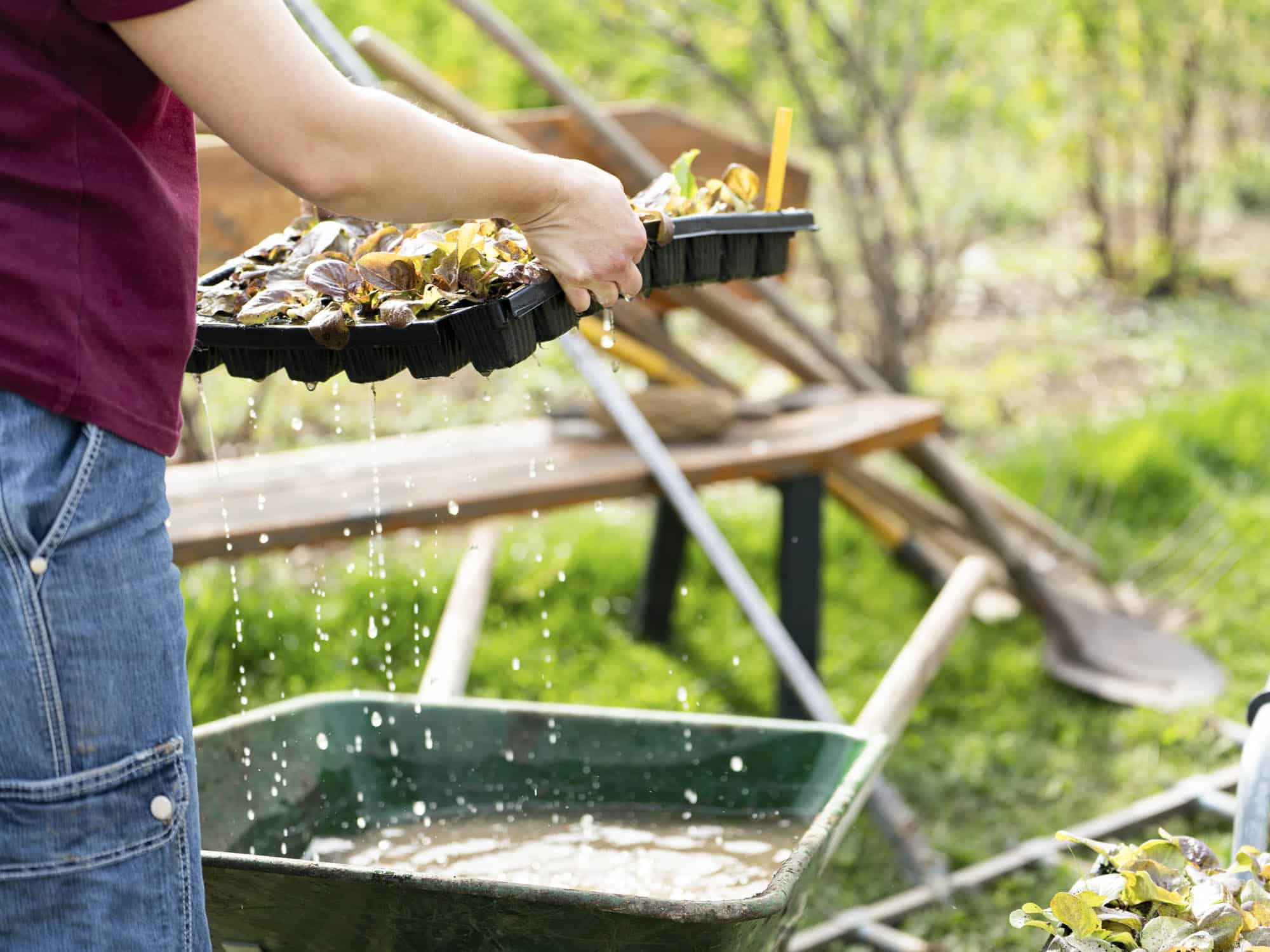
Individuality and Context Shape the Curriculum
Waldorf education is not a program that is set in stone. No matter how many critics claim that Waldorf education is based on a dogmatic structure that is unscientific and outdated, this is not the case: it needs the individual and their ability to empathize. What exactly is Waldorf education? In August 1923 in England, Rudolf Steiner gave a succinct answer to this question asked repeatedly by parents, teachers, and journalists. Waldorf education, he said, “is purely and simply a…
14 March 2024 · 6 min
Current Issues · EN
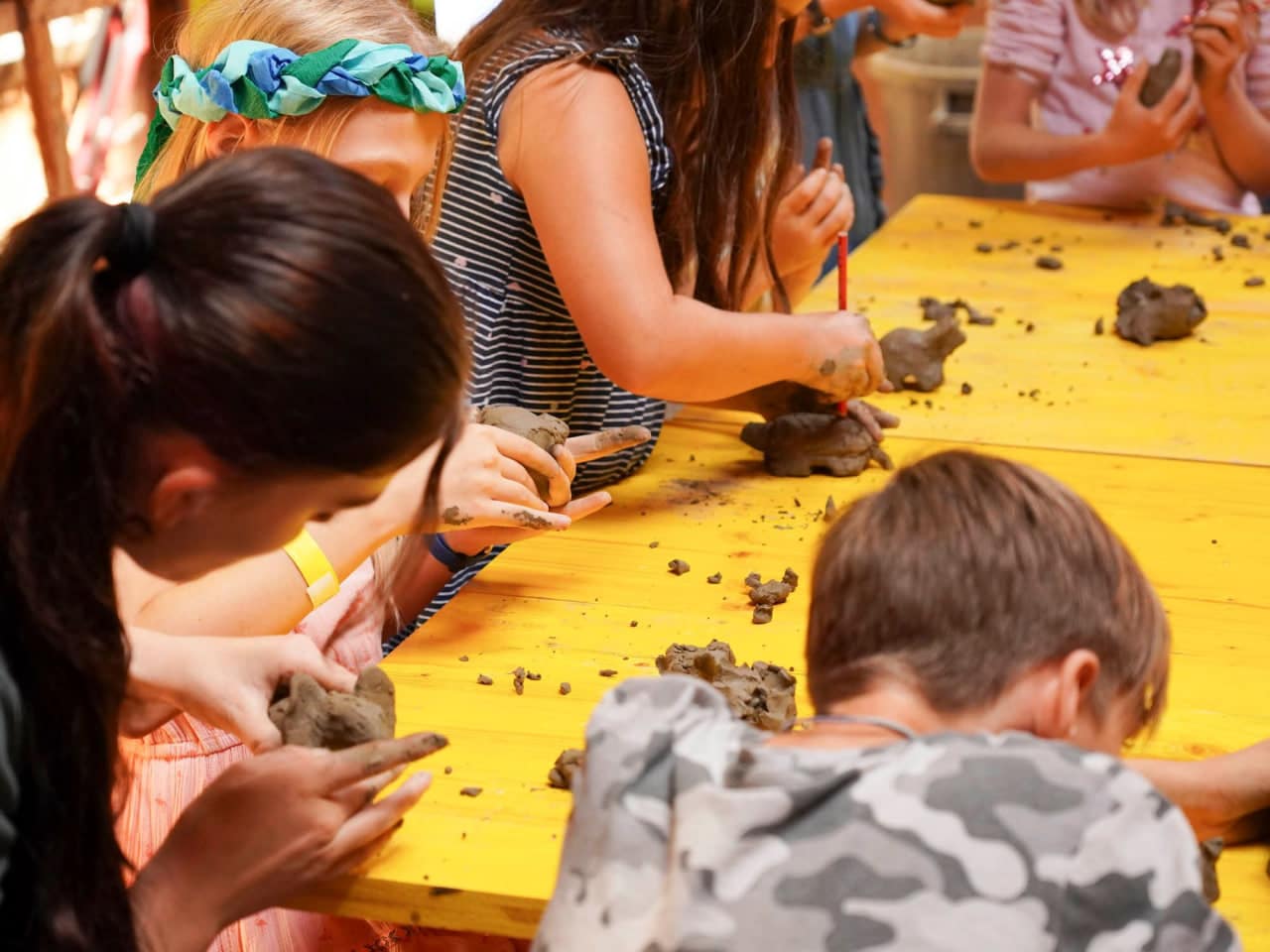
The Same and Yet So Different
How can we contribute to the search for the ‘I’ in dialogue and debates on cultural diversity, gender, identity, karma and reincarnation? This topic will be addressed in a forum entitled ‘Equal and Different!’ at the Goetheanum World Conference in September. The several billion people who live on planet Earth are incredibly diverse. Everyone looks different and sees in a different way. Everyone feels and thinks differently, has different likes and dislikes, lives, speaks, and eats differently, prays and curses…
03 August 2023 · 5 min
Retrospective · EN
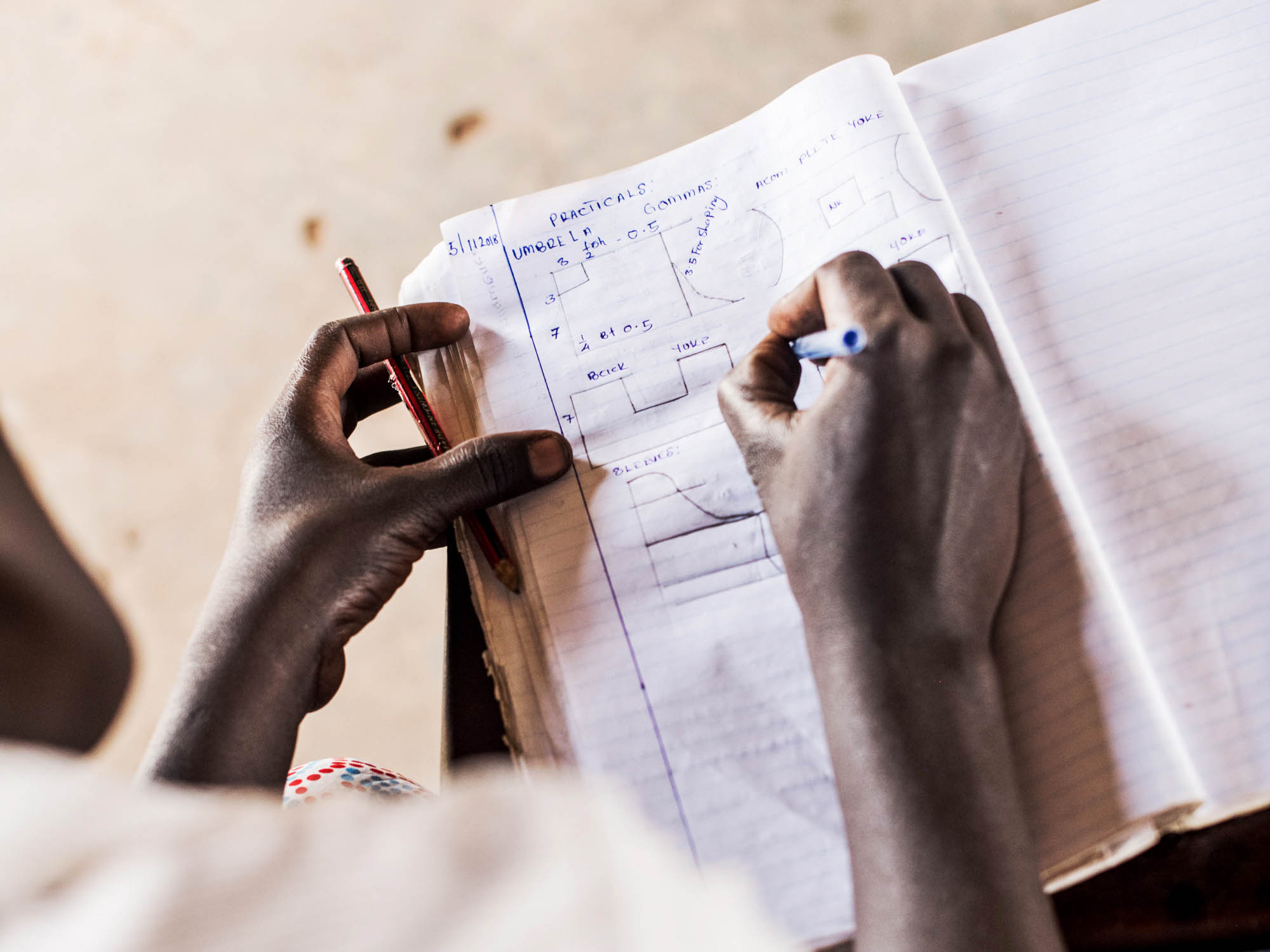
Diverse Human Community
It was a joyful celebration when the world came together at the Goetheanum—diverse and yet united in the will to shape the future of childhood. Monday, 10 April, 8.30pm: 995 teachers and educators from 61 countries have just heard a lecture by the Spanish philosopher Josep Esquirol, when a man, dressed in a leather jacket, a telescope in hand, steps onto the stage. A group of flamboyantly attired ladies and gentlemen follow him, speaking several conference languages simultaneously. In the…
15 June 2023 · 7 min
Pedagogy · EN
Love Is Always Practical
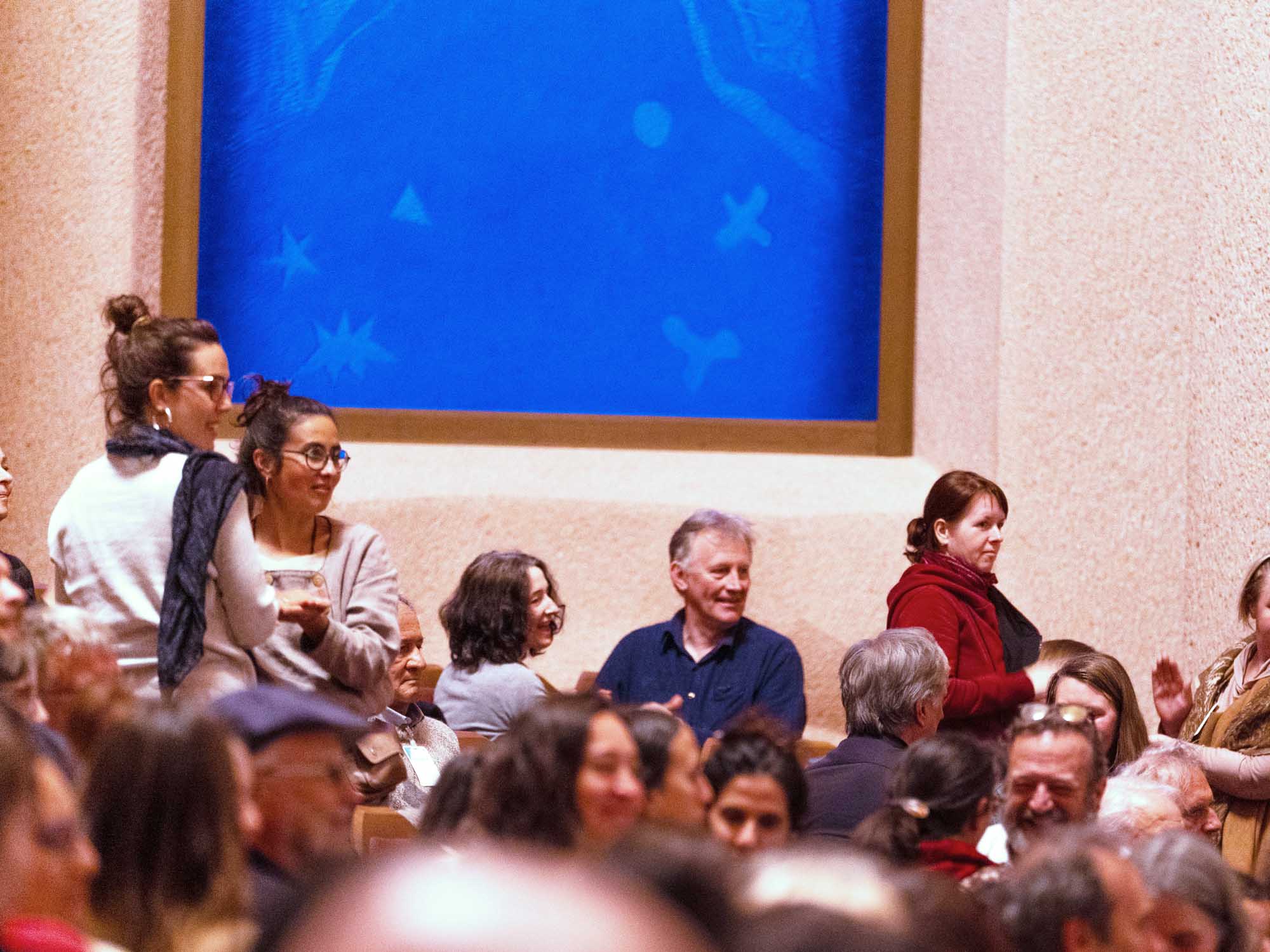
Constanza Kaliks and Philipp Reubke head the Pedagogical Section at the Goetheanum. In the series ‹Anthroposophy – an Extension of Science?› they spoke about pedagogy as enabling what has never been seen before. It is a balancing act to mediate between the world that is and the still unknown future of the child. Rudolf Steiner’s approach, from which the Waldorf school movement emerged, is a pedagogy oriented towards knowledge of the human being. The struggle towards this is the starting…
08 September 2022 · 17 min

Society · EN
It’s No Laughing Matter!
A serious study on the role of humor in pedagogical practice. It prevents blockages, regulates the heat balance, helps with proper breathing, and even leads to new hair growth. It’s no laughing matter!! If the Paris metro does not run every three minutes during rush hour, thousands of people will be stuck in underground passages. The anger and annoyance at those responsible for these conditions condense into tremendous pressure in each stuck individual, accumulating in the arteries, muscles, larynx, and…
24 June 2022 · 5 min
Pedagogy · EN
Research in the Garden of Childhood
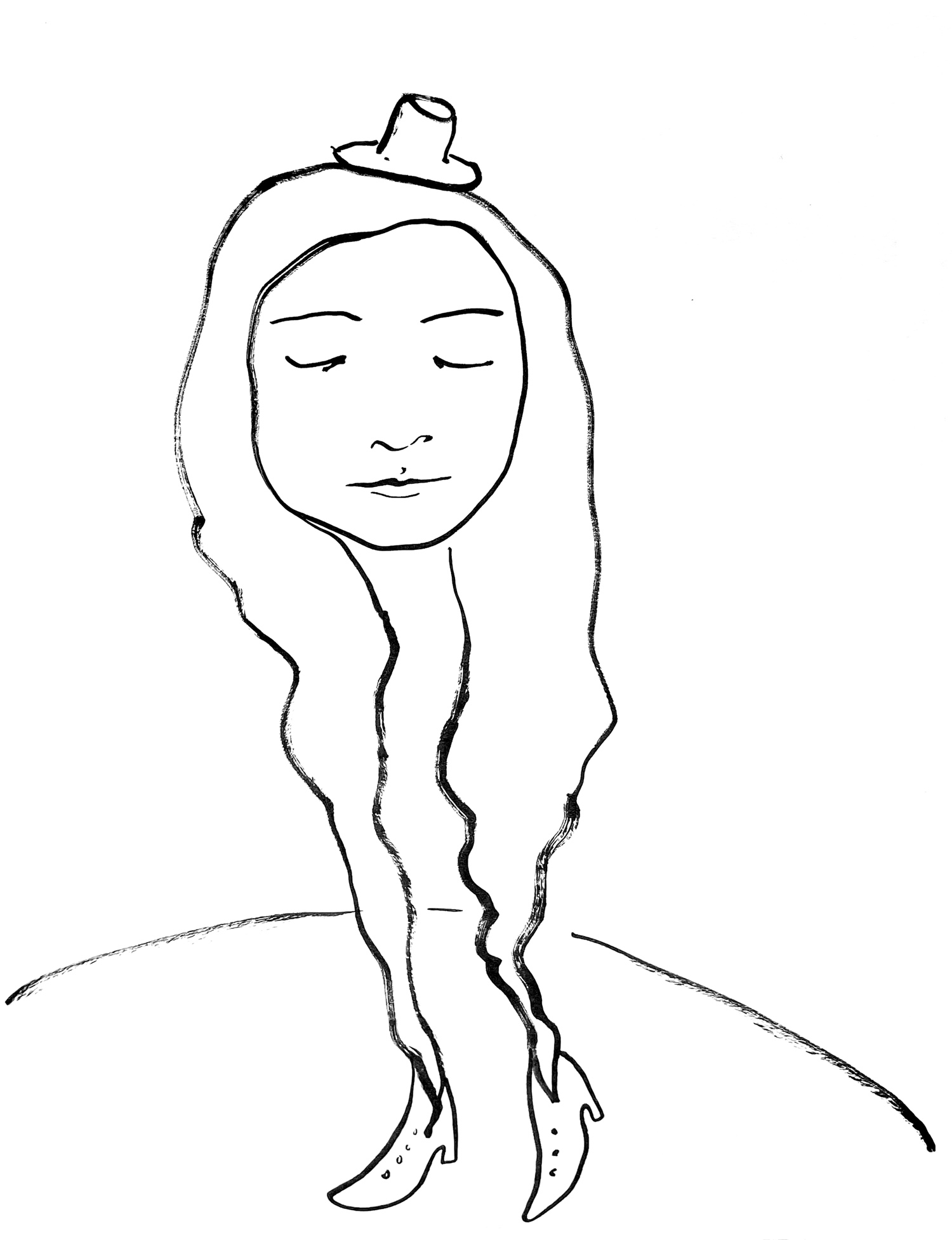
Philipp Reubke works in the management of the Pedagogical Section. For him, free play is not only a space for children’s development. Educators also enter the field of inspiration and intuition, where unexpected things can occur and be solved. The Pedagogical Section feels responsible for this. Three years ago, the monthly magazine ‹Le Monde diplomatique› published an article entitled: ‹L’anthroposophie – la multinationale de l’ésoterisme›. The article suggested that the Goetheanum, as a kind of ‹headquarters of Anthroposophy›, works similarly…
18 May 2022 · 7 min
Pedagogy · EN
No Freedom Without Development
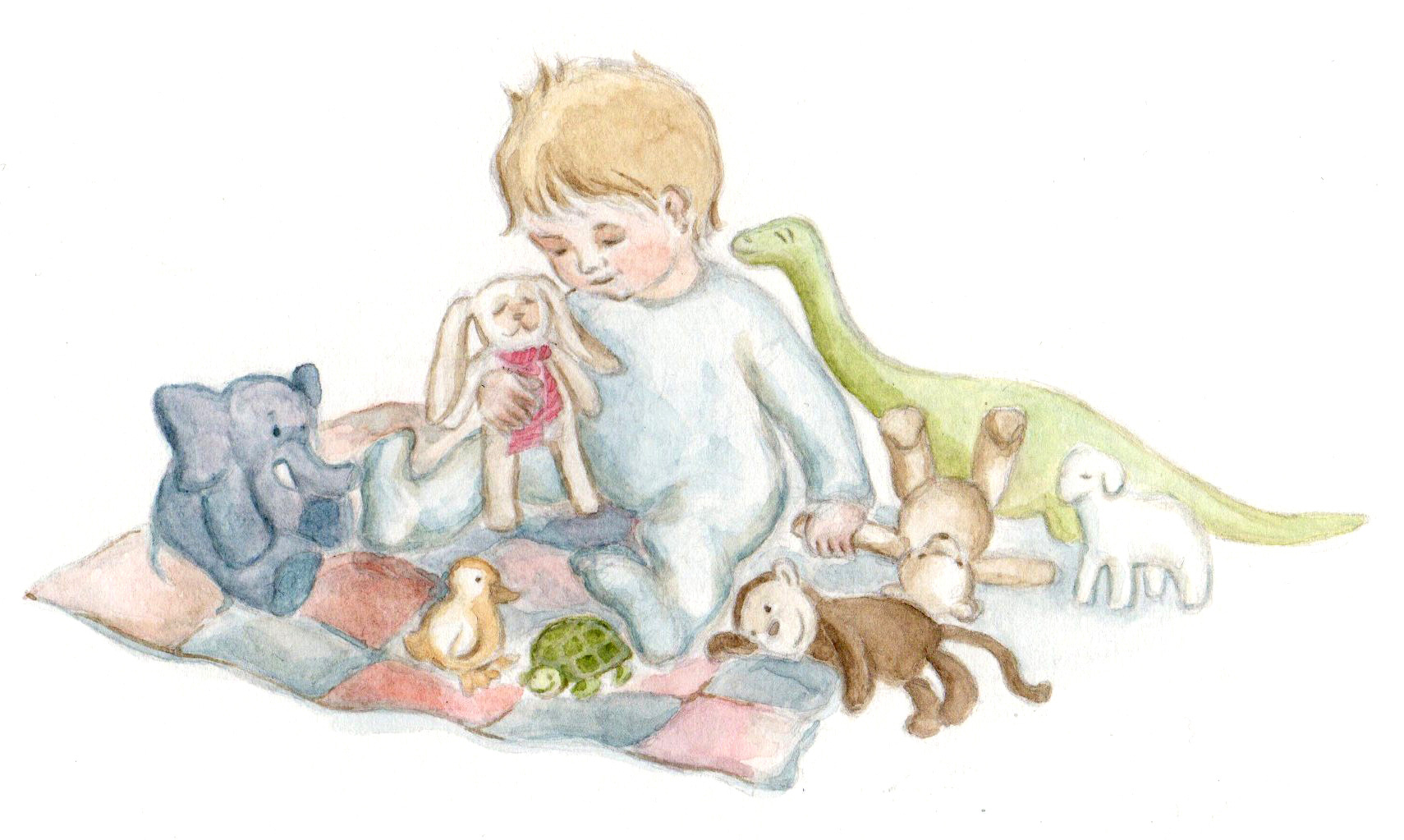
As early as 100 years ago, progressive educators were concerned with allowing children to be children, not integrating them into the supposed necessities of adults. Thoughts on free play and religious tolerance in Waldorf Kindergartens. When Emmi Pikler opened her pediatric practice in Budapest in the early 1930s and had her first child, Hungary’s politics were dominated by a right-wing government under Miklós Horthy, who passed anti-Semitic laws and brutally persecuted dissenters. It was in this context that Pikler began…
18 May 2022 · 5 min