Section

About Rudolf Steiner

16 articles

“The Misbegotten”: Fritz Koegel and His Family

“The Misbegotten”: Fritz Koegel and His Family

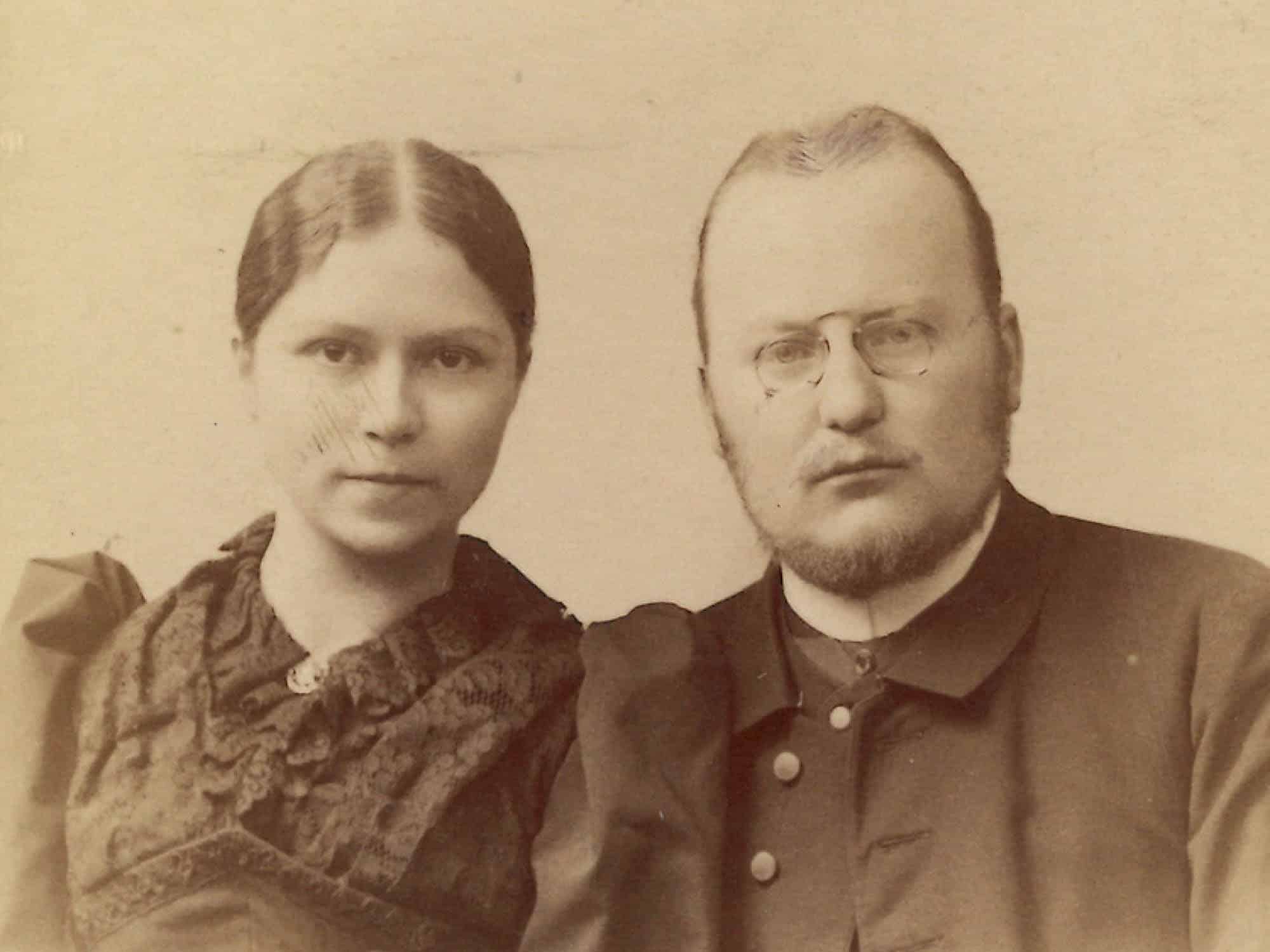
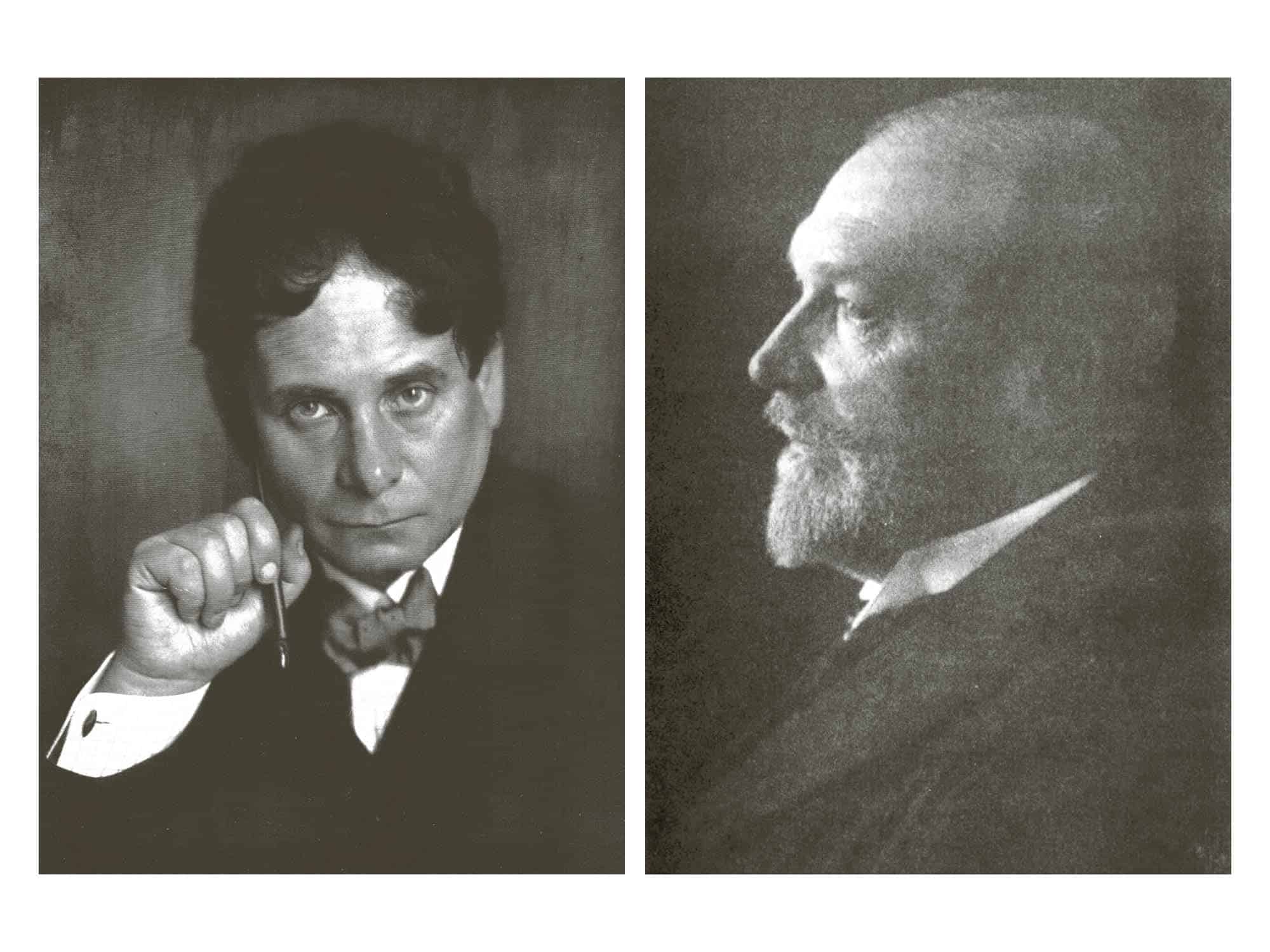
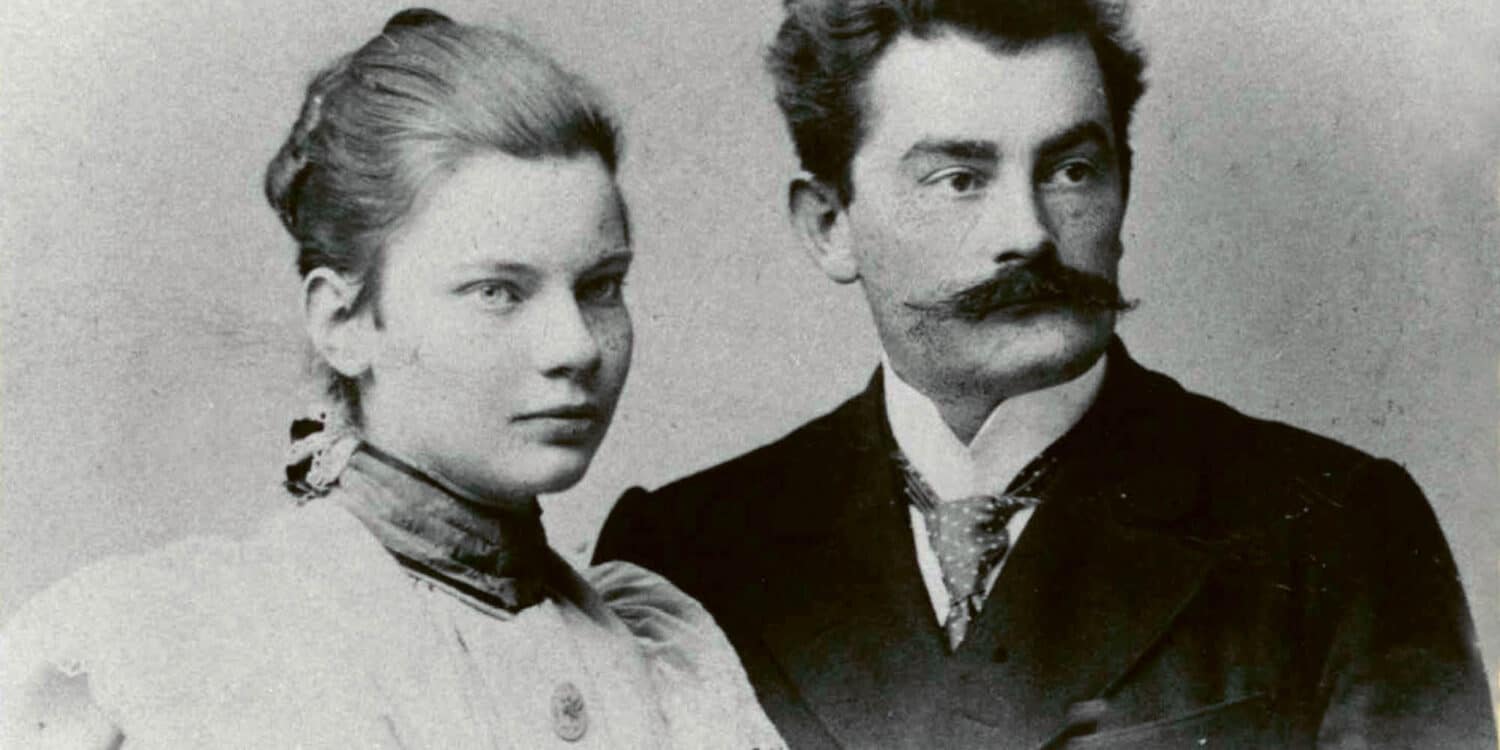
Marginalia on Rudolf Steiner’s Life and Work 39. As a talented editor, Fritz Koegel found his calling at the Nietzsche Archive. He became embroiled in a conflict with Elisabeth Förster-Nietzsche, a conflict Rudolf Steiner was also drawn into. Career setbacks, artistic endeavors, and a family life overshadowed by depression lead to early tragedies. When Rudolf Steiner visited the Nietzsche Archive in Naumburg for the first time on May 26, 1894, along with his colleagues from the archive and the poet …

Martina Maria Sam · 20 May 2026 · 10 min
“A Seeker of Truth”—Dr. Max Asch

“A Seeker of Truth”—Dr. Max Asch

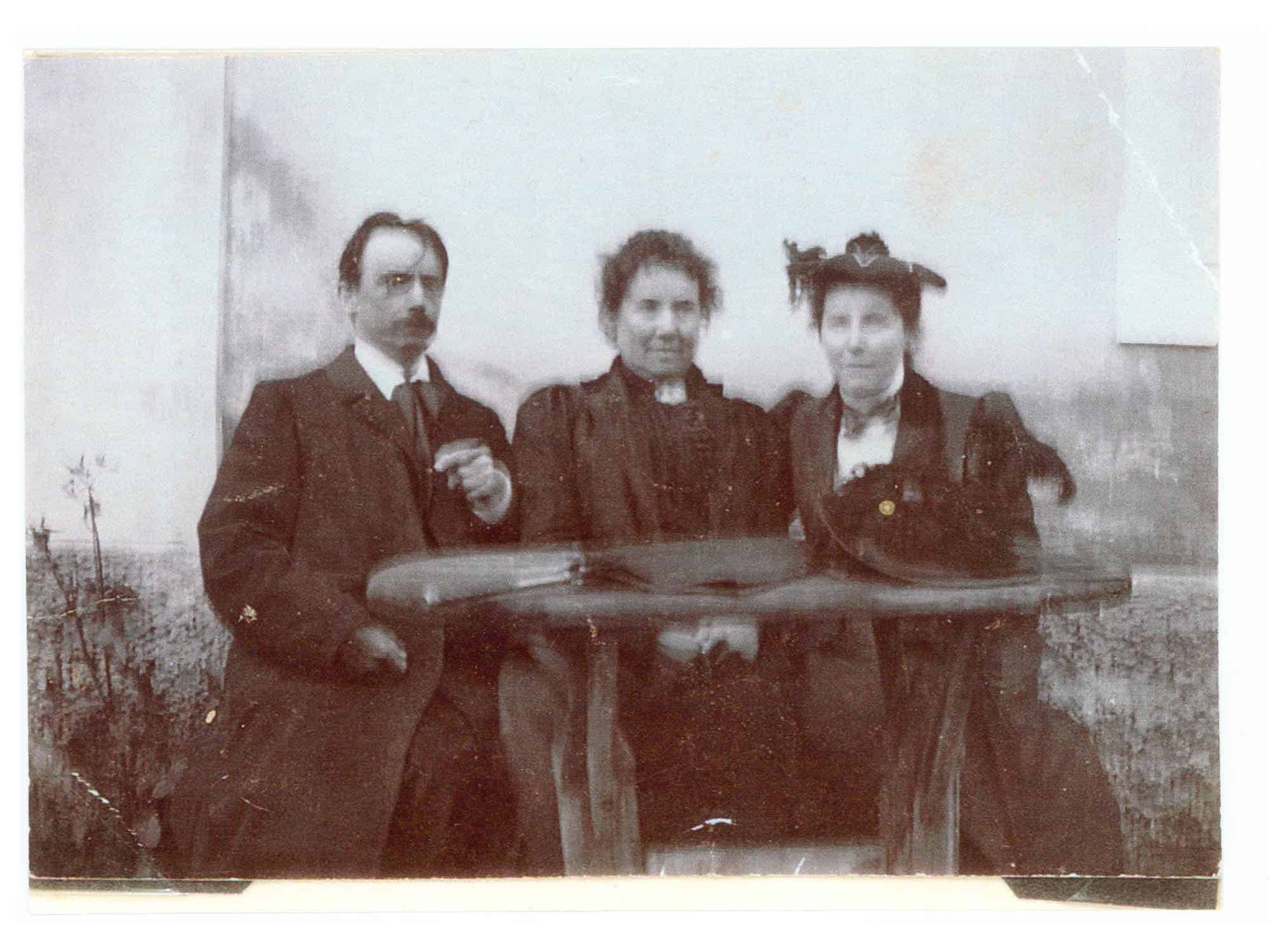
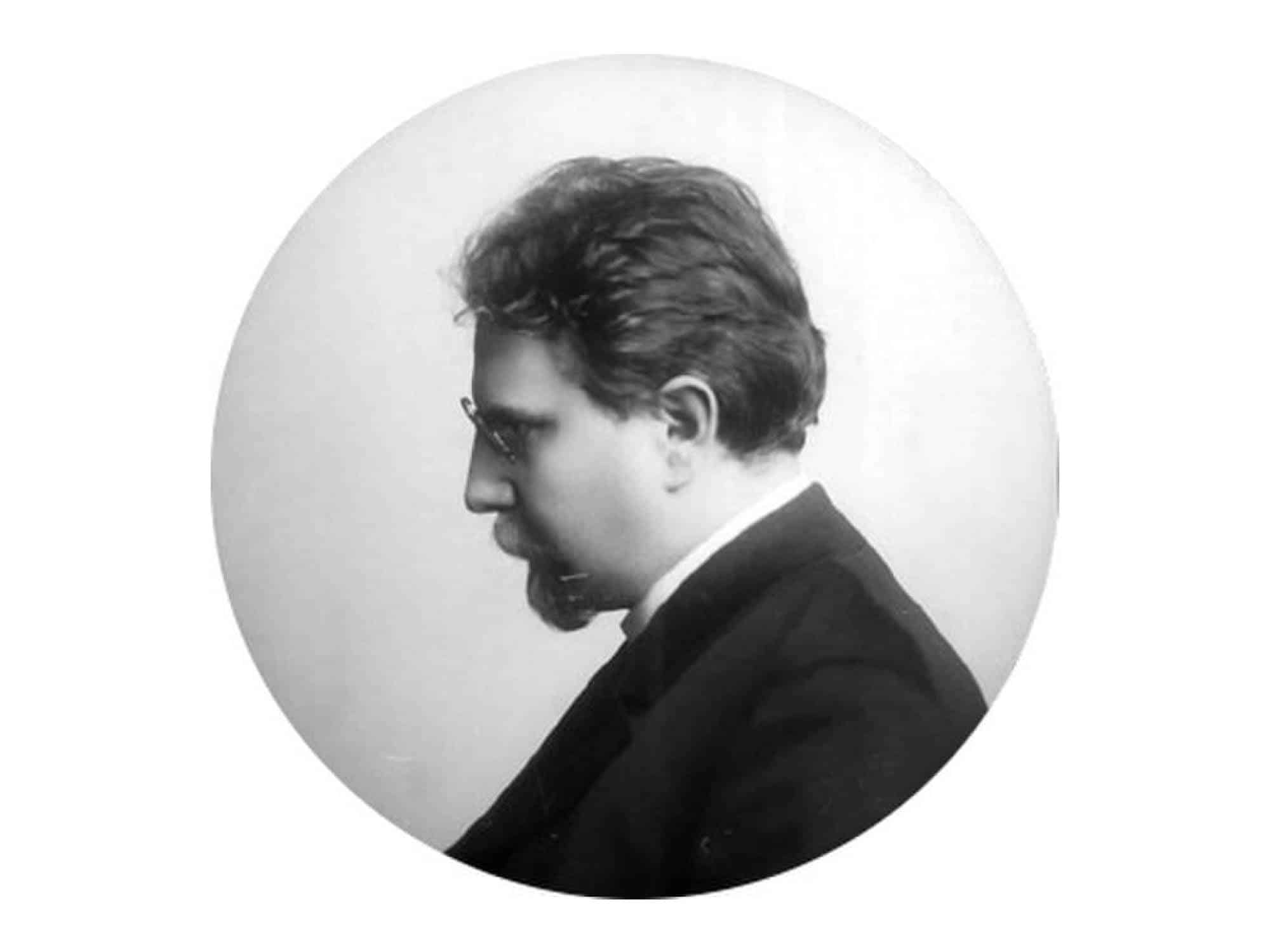
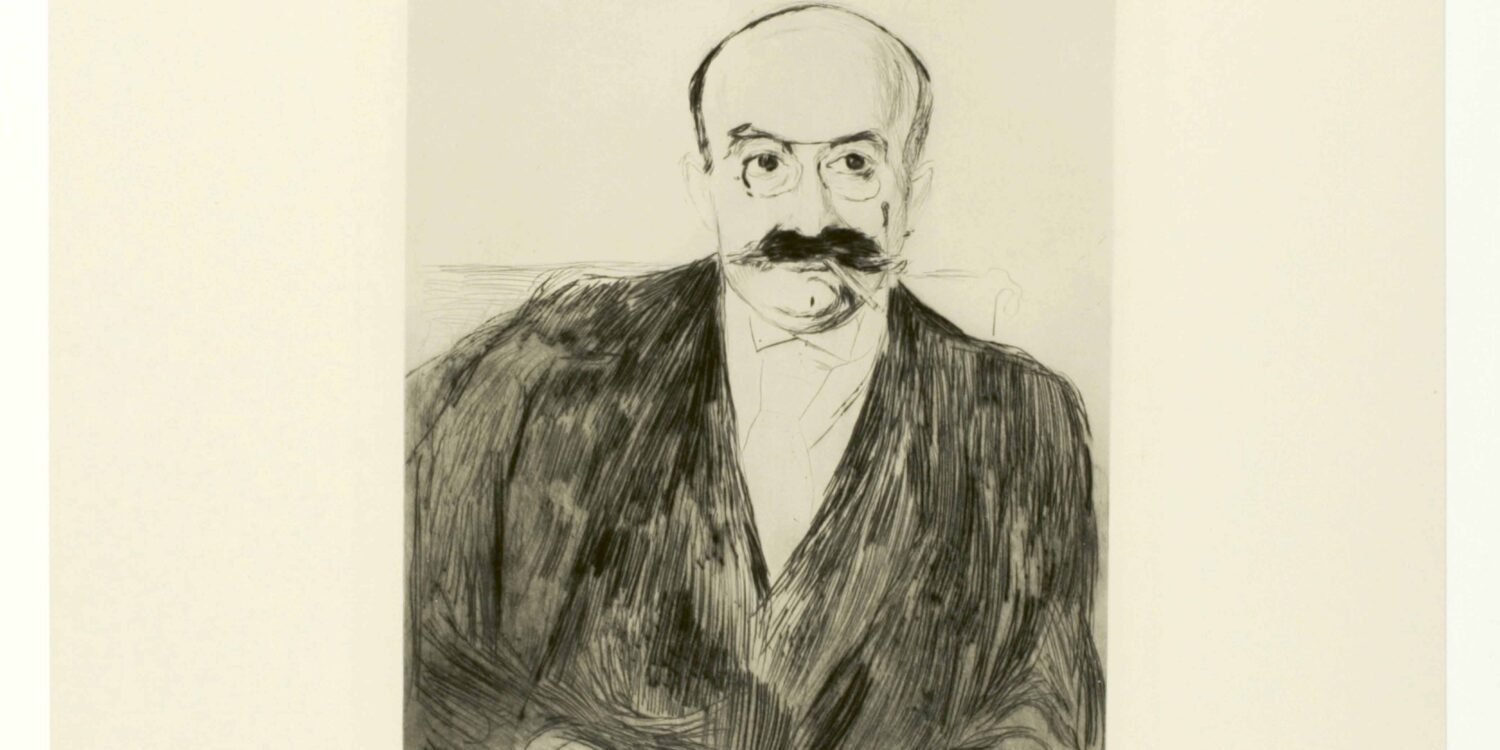
Marginalia on Rudolf Steiner’s Life and Work No. 38. The physician and cardiologist Max Asch was friends with August Strindberg, Edvard Munch, and the Polish writer Stanisław Przybyszewski. He always did everything in his power to support all of his companions. He had a gift for bringing people together—including introducing many to Rudolf Steiner. But he himself remained in the background, an unknown. Max Asch (Schneidemühl, now Piła, Poland, August 10, 1855–March 17, 1911, Berlin) came from a Jewish family…

Martina Maria Sam · 30 April 2026 · 10 min

“His Enthusiasm Was Only a Flash in the Pan”: Pastor Max Christlieb

“His Enthusiasm Was Only a Flash in the Pan”: Pastor Max Christlieb

Marginalia on Rudolf Steiner’s Life and Work No. 37.After months of isolation in Weimar, in 1891, Rudolf Steiner found someone who understood him: Pastor Max Christlieb. But when they met again in 1906, their once-intimate soul connection had grown distant. During his first months in Weimar, Rudolf Steiner felt lonely because he had no one with whom he could discuss his deeper concerns. He missed the conversations he’d enjoyed in Vienna with Rosa Mayreder, Pauline Specht, and Friedrich Eckstein. He…

Martina Maria Sam · 01 January 2026 · 10 min

Getting Closer in Becoming

Getting Closer in Becoming

When anthroposophists hear the name Rudolf Steiner, they probably think of his works and deeds. Non-anthroposophists (in the more amiable cases) think of an unusual man from the beginning of the 20th century who brought concepts of a not-wholly-understandable worldview into something real. In what other ways can we meet him? How might we develop a new closeness to him? A conversation with Martina Maria Sam, who is particularly familiar with the small and often little-known facts of Rudolf Steiner’s…

Gilda Bartel · 17 September 2025 · 15 min

The Painter of the Portraits of the Masters—Rudolf Steiner and Hermann Schmiechen

The Painter of the Portraits of the Masters—Rudolf Steiner and Hermann Schmiechen

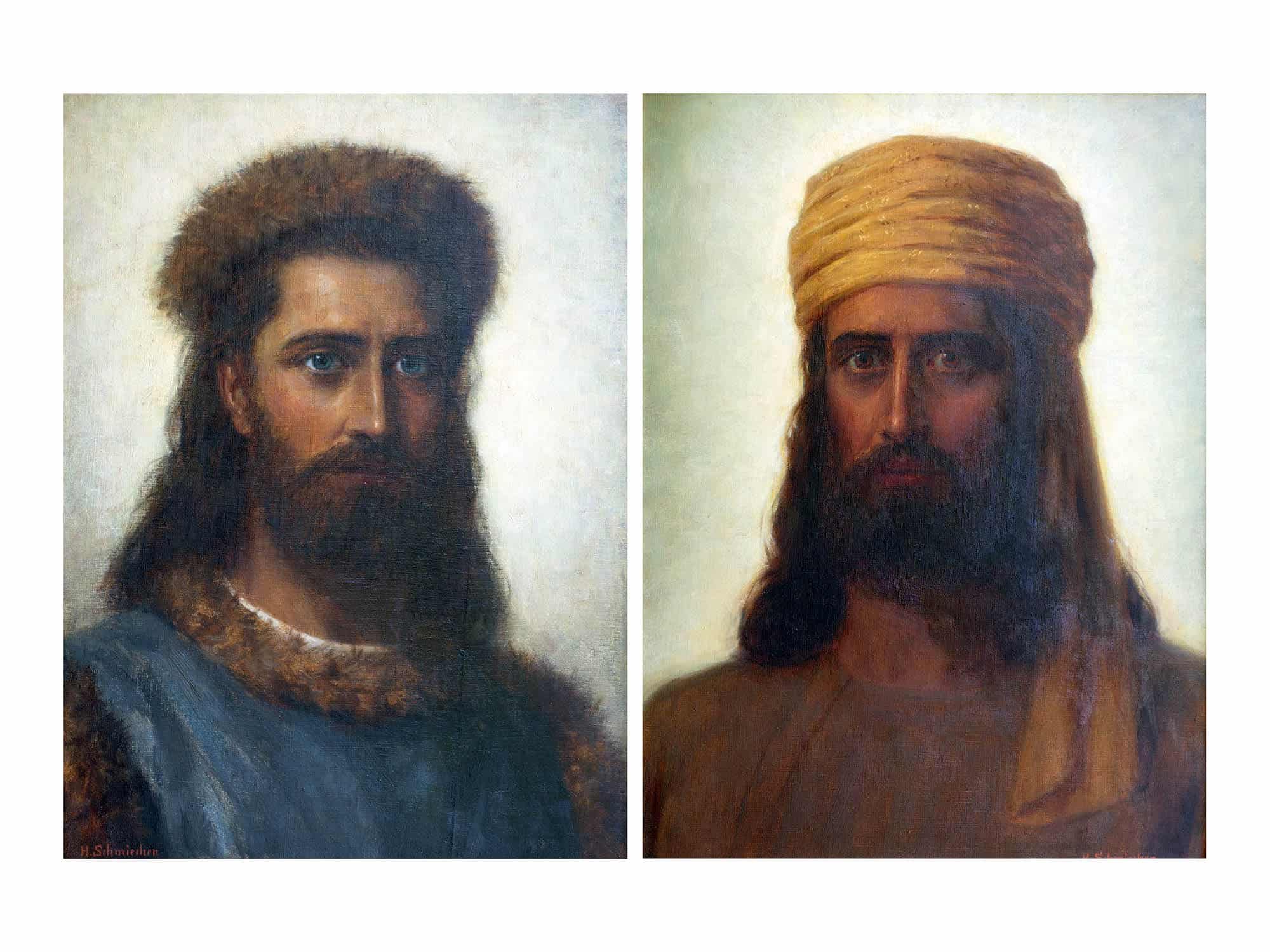
Copies of the Paintings of the Masters, often mentioned within the Theosophical Society, can be found today in the Rudolf Steiner Archive in Dornach, Switzerland. They were also important to Steiner. After the Anthroposophical and Theosophical Societies separated, the painter of the portraits committed himself to anthroposophy and remained loyal to Steiner. Henry Steel Olcott (1832–1907), founder of the Theosophical Society together with Helena Petrovna Blavatsky, shares many astonishing events that he experienced as president of this Society in his…

Martina Maria Sam · 31 July 2025 · 11 min

Lectures for Workers

Lectures for Workers

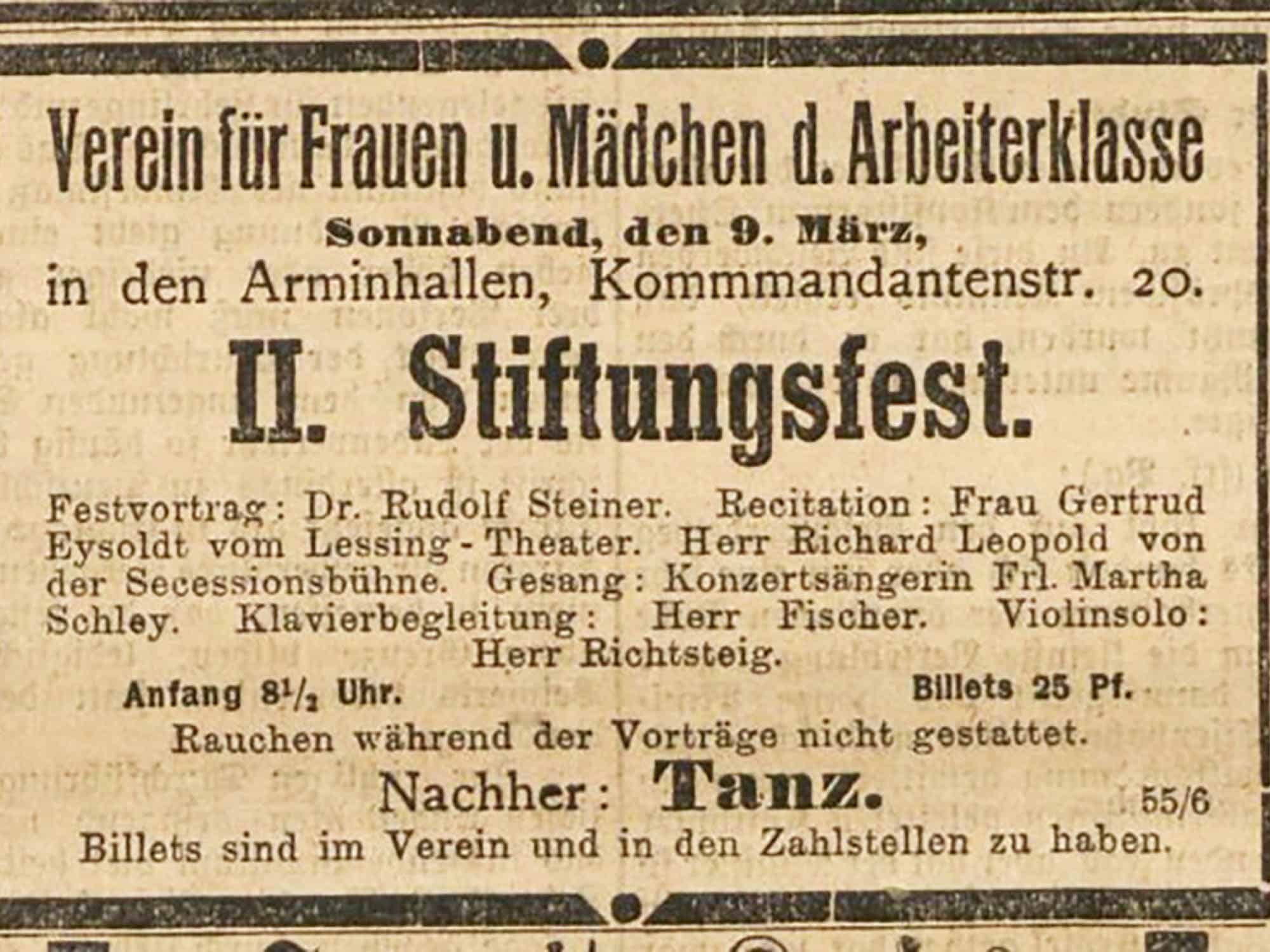
Marginalia on Rudolf Steiner’s Life and Work: In his early years in Berlin, Rudolf Steiner was closely associated with the labor movement. He gave many lectures in this circle and also spoke about women, whose untapped spiritual and mental capacities offered great promise to the future. In his autobiography, Rudolf Steiner described in detail how, when he was asked to teach at the Social Democratic Workers’ Education School [Arbeiterbildungsschule] in Berlin, he had to immerse himself entirely in the proletarian…

Martina Maria Sam · 01 May 2025 · 11 min

What the Press Is Capable of

What the Press Is Capable of

The Harden-Eulenburg affair caused quite a stir at the beginning of the twentieth century. Rudolf Steiner was acquainted with the protagonists, both of whom ended their lives in sorrow. In the years 1906 to 1908, the German Empire was shocked by a scandal known as the Harden-Eulenburg affair. The original cause was that, in the view of Bismarck’s admirer Maximilian Harden (1861–1927), publicist and editor of the influential weekly journal Zukunft [Future], Kaiser Wilhelm II was acting too compliantly in…

Martina Maria Sam · 19 September 2024 · 12 min

Otto Erich Hartleben and Rudolf Steiner—Part 2: In Berlin

Otto Erich Hartleben and Rudolf Steiner—Part 2: In Berlin

The friendship with Otto Erich Hartleben that began in Weimar continued in Berlin. It offered Rudolf Steiner the opportunity to empower himself with a perceptive grasp of the sensory world. When Rudolf Steiner took over the editorship of the Magazin für Litteratur [Magazine for Literature] in 1897, he was given the condition “that Otto Erich Hartleben should sign and work as co-editor,” as he had a name in the circles associated with the magazine. However, Hartleben’s activities were essentially just…

Martina Maria Sam · 02 August 2024 · 8 min

Otto Erich Hartleben and Rudolf Steiner—Part 1: In Weimar

Otto Erich Hartleben and Rudolf Steiner—Part 1: In Weimar

Rudolf Steiner met the poet and bon vivant Otto Erich Hartleben (1864–1905) in Weimar, together with whom, for several years, he would later publish the Magazin für Litteratur [Magazine for Literature]. Hartleben was known for his “wet and wonderful” lifestyle. It’s said that he paid extensive homage to Dionysus and Eros. Hartleben had initially studied law at the request of his grandfather, with whom he had grown up after the early death of his parents, and worked briefly as a…

Martina Maria Sam · 18 July 2024 · 9 min

“This Life Had Profound Tragedy”

“This Life Had Profound Tragedy”

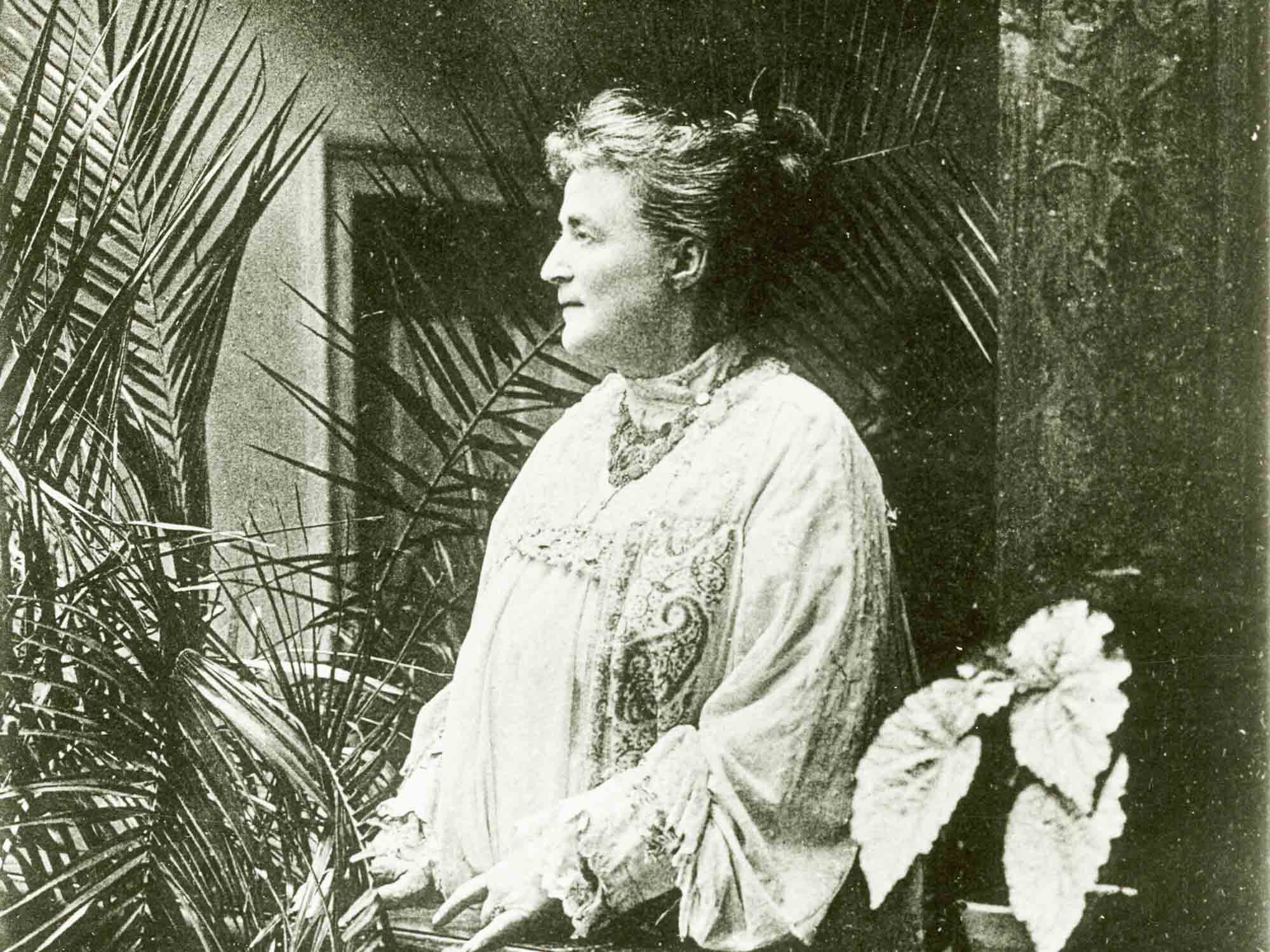
The life of Helene von Schewitsch was so incredibly dramatic, so full of twists and turns, and populated with so many of her famous contemporaries that if this extraordinary woman’s biography were a novel, much of it would be considered a complete exaggeration. Alfred Meebold described “her indomitable temperament, her perpetually lively intellect, . . . her empathy, which was instantly implemented as either sympathy or antipathy, her lively imagination . . . . All this contained, as I understand it, an enormously strong urge for freedom.…

Martina Maria Sam · 16 June 2022 · 11 min

Why Didn’t Rudolf Steiner Take a Final Examination at the Technical College?

Why Didn’t Rudolf Steiner Take a Final Examination at the Technical College?

Marginalia on Rudolf Steiner’s Life and Work. Rudolf Steiner studied for eight semesters [1879–83] at the Technical College in Vienna—as a student of the “General” Department, which existed alongside the specialist departments: The School of Engineering, the School of Architecture, the School of Mechanical Engineering, and the School of Chemistry. The General Department encompassed all subjects that could not be clearly assigned to one of the four existing specialist schools. Around 1880, this included mathematics, descriptive geometry, and physics, as…

Martina Maria Sam · 05 November 2020 · 7 min

Luise Kautsky-Ronsperger and a Special Photograph of Rudolf Steiner

Luise Kautsky-Ronsperger and a Special Photograph of Rudolf Steiner

One of Rudolf Steiner’s closest friends during his first years of study was Rudolf Ronsperger (Aug. 29, 1863–Oct. 2, 1890), the son of the Jewish Viennese master confectioner Felix Ronsperger. Some of Rudolf Steiner’s early letters come from Ronsperger’s estate and give us an intimate look into what he was occupied with during the summer of 1881.The letters were in the possession of Karl Kautsky Jr., the second son of Luise Kautsky, who “made his living as a doctor in…

Martina Maria Sam · 16 October 2020 · 7 min