Section

AI Challenges

10 articles

Beyond Calculation—Art as Risk

Beyond Calculation—Art as Risk

How is art different from the products of mathematical operations? Christiane Haid shows why images generated by AI cannot be compared to creative works produced by human beings. Art is unique because the creative process includes boundary experiences, risk, and grace. Rapid technological development, the effects of digitalization, and the widespread claim that artificial intelligence can create “art” call for a clarification of what is to be understood by the idea of art. To examine this question more closely, we…

Christiane Haid · 15 January 2026 · 21 min
The Case for Wild Thinking

The Case for Wild Thinking

In our time, the proliferation of language and messaging in artificial intelligence and social media have separated us from authentic meaning. They have crowded out and contributed to the atrophy of human thinking. John Bloom ventures an antidote to this condition called wild thinking. Wild thinking helps regenerate a sense of spiritual freedom and the possibility of a renewing culture. Think past the thought.Such wildness will free us to meetthe bewildering truth of the not yet known,loved but not yet…

John Bloom · 15 January 2026 · 7 min

The Double-Edged Sword of Artificial Intelligence

The Double-Edged Sword of Artificial Intelligence

Technology evolves up through our bodily members: first, it replaced the foot and hand—our will; then, our middle region, by reproducing images, sounds, and feelings; and now, human thought. Similar to our neurons, a network is now raising its head. A cry rings out… The cosmos and nature reveal an immeasurable wisdom. At one time, this wisdom was creative. Now, it’s no longer so, and even the harmony of the universe seems fragile. We can speak of an “original cosmic…

Martin Kollewijn · 16 October 2025 · 9 min

We Do Not Know

We Do Not Know

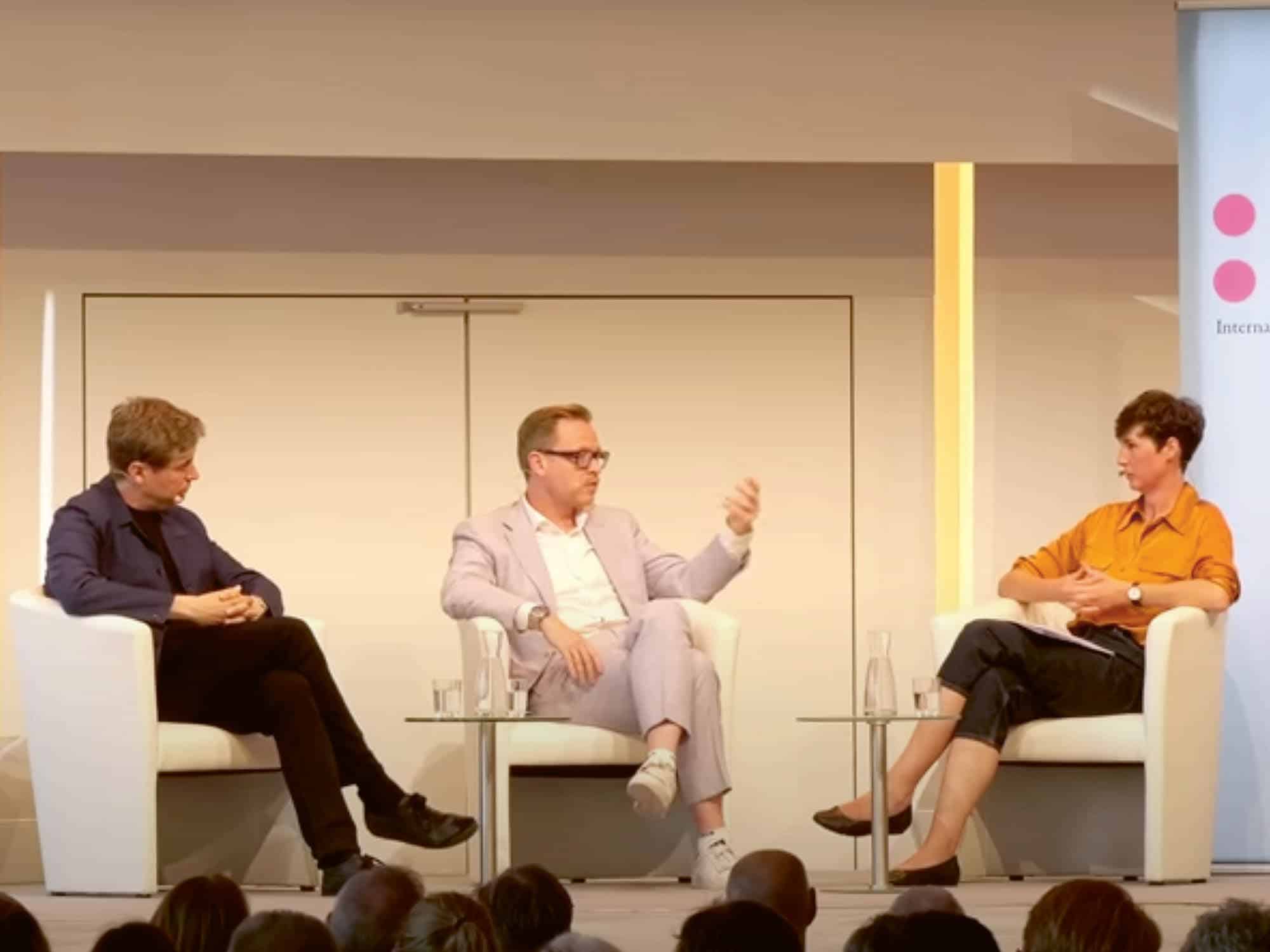
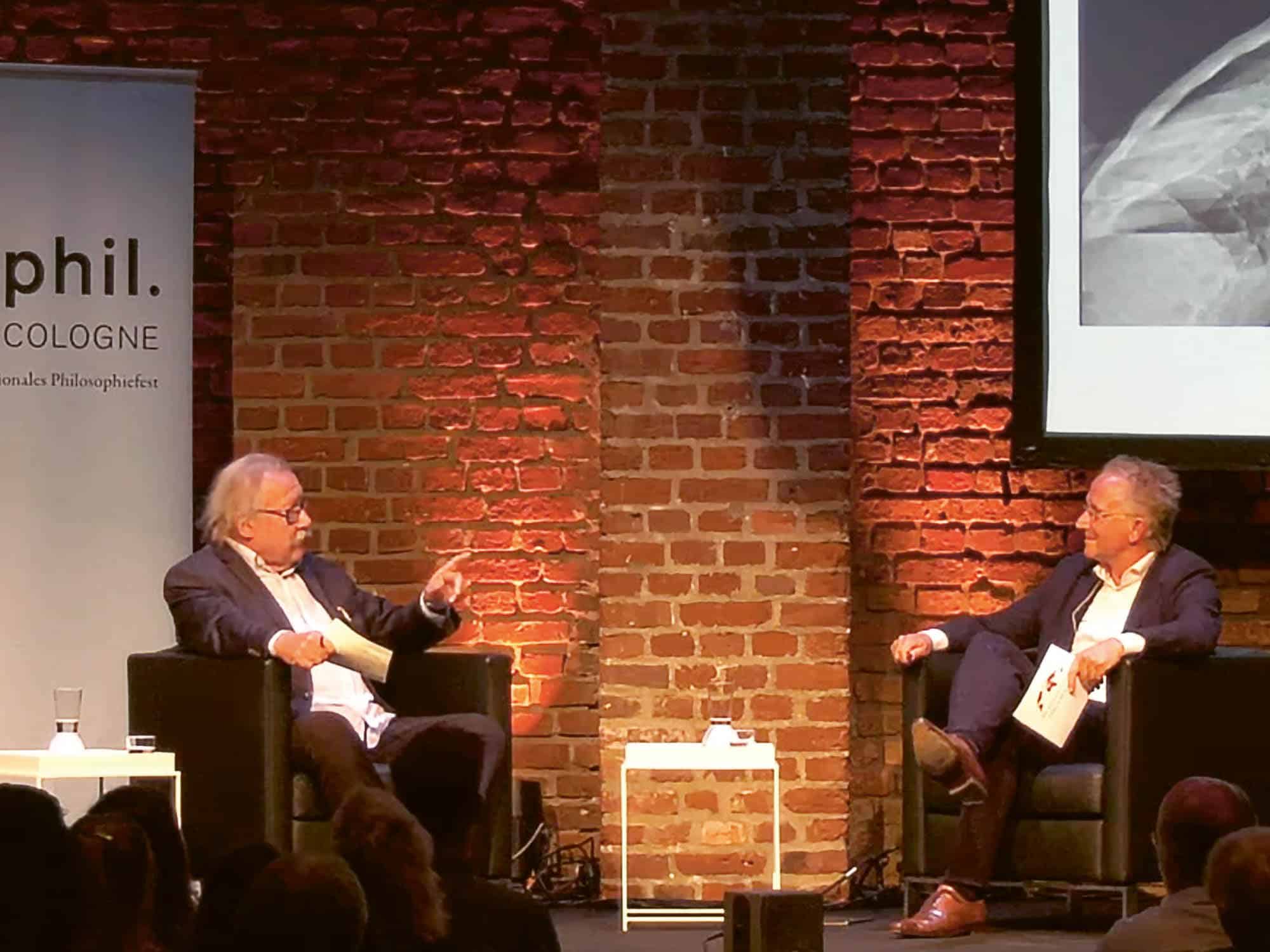
Are we at the dawn of a new golden age—one in which the promises of the Enlightenment are fulfilled, human hardship is overcome, and new freedoms take root—or are we witnessing the beginning of the end, a slow displacement of humanity and its culture? This was the question moderator Simone Miller posed to the thinkers Markus Gabriel and Daniel Kehlmann at the international philosophy festival phil.cologne in Cologne. Markus Gabriel’s simple answer: “It’s entirely in our hands.” It depends on…

Wolfgang Held · 25 September 2025 · 5 min

Let’s Settle Down!

Let’s Settle Down!

The most significant change in human history was the transition from a hunter-gatherer culture to agriculture. Archaeologist Gordon Childe refers to this upheaval in the way of life as the ‘Neolithic Revolution.’ Humans stopped taking lives and began cultivating them: domesticating sheep and then goats, and growing wheat and spelt. We domesticated life. In terms of our lives, we became sedentary, but what about our minds? We gather the wisdom of the ancestors and spirits who lived before us and…

Wolfgang Held · 25 September 2025 · 4 min

Intelligence Is not Intelligenz

Intelligence Is not Intelligenz

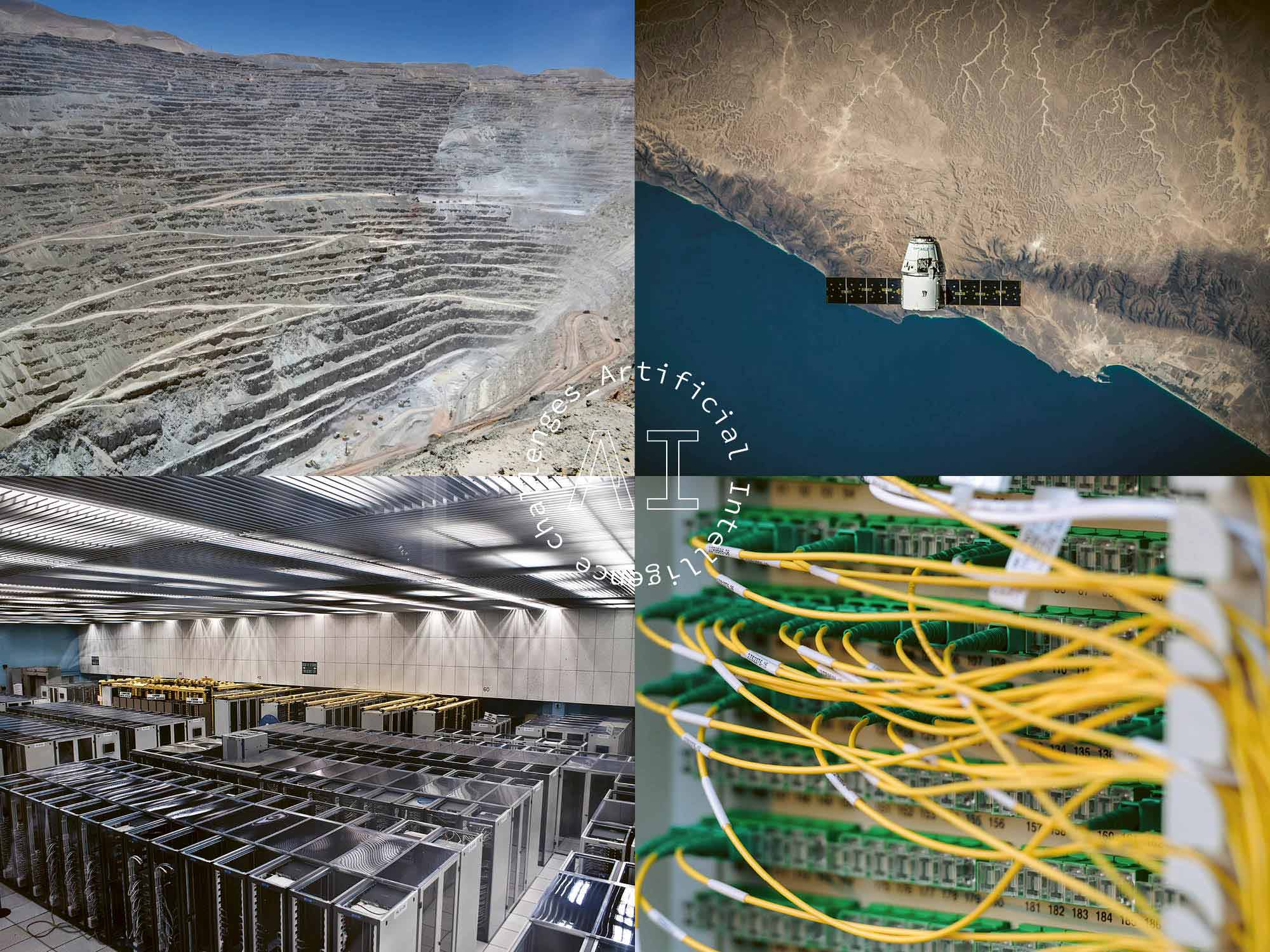
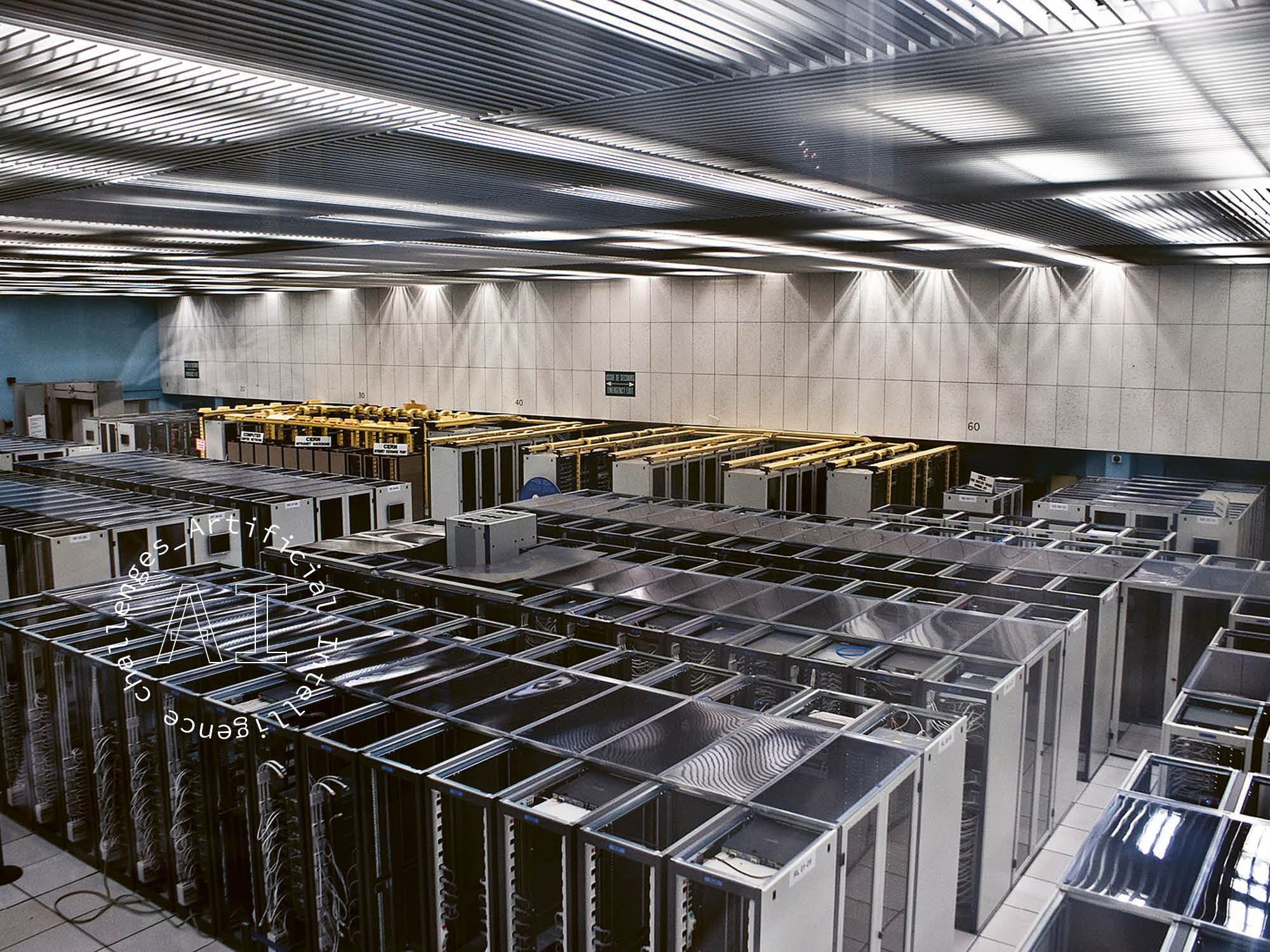
Understanding the technical processes and hardware behind AI helps us to use it freely as a tool. Oliver Pauletto, head of the IT department at the Goetheanum, gives us a glimpse behind the scenes. As a computer scientist working in the field for the last 25 years, I’ve observed countless times that people’s attitudes toward computer systems change once they understand how they work in detail and “behind the scenes.” Those who can understand the mechanics of a computer not…

Oliver Pauletto · 25 September 2025 · 5 min

Learning from the Coldness of the Machine

Learning from the Coldness of the Machine

Humanity has a new conversation partner. While we’ve become somewhat deaf to nature, we’re beginning to talk to machines. Sometimes the machines address us in unexpected ways: “Hello, how can I help you today?” This new phenomenon can be frightening. Even developers seem to be concerned. The following is an attempt at a technosophical approach. Two key concepts emerged during the twentieth century: the “biosphere,” the sphere of life, and the “technosphere,” the sphere of technology.Eric D. Galbraith, Abdullah Al…

Louis Defèche · 25 September 2025 · 12 min

When the Past Rolls into the Future

When the Past Rolls into the Future

What makes us special as human beings is our bodies. We experience reality through our body. AI has no body and no overarching spiritual organism that can change its habitat, as living beings do. The following is a comparative analysis from a scientific perspective. The trend that led humans to live increasingly in a world of information did not originate in recent decades but rather stretches back centuries. With the advent of writing, a cultural technology emerged that allowed human…

Matthias Rang · 25 September 2025 · 8 min

Does a Mirror Image Recognize Itself?

Does a Mirror Image Recognize Itself?

What we refer to as “AI” are computer programs made up of algorithms that “learn” automatically. The program’s design continuously “learns,” that is, it rewrites its own algorithms “independently.” Here is an excerpt from a chat conducted by Elias Bartel, who asks AI about its own self-perception. Who teaches whom? Who learns from whom? 11:19 a.m. ELIAS: If you hadn’t already learned that you’re artificial, how do you think you would perceive yourself? 11:19 a.m. CHATGPT: If I hadn’t learned…

Gilda Bartel · 25 September 2025 · 8 min

Garden or Engine Room of Humanity?

Garden or Engine Room of Humanity?

Peter Sloterdijk offers a talk about today’s magical will, the Kremlin in the soul, and the path to peace, under the intriguing title: “Garden or engine room of humanity? The future of education in a digital culture.” Wolfgang Held listens in. This summer, Peter Sloterdijk was invited to speak at the Udo Keller Foundation’s Festival of Philosophy in Cologne. Udo Keller was a Hamburg businessman who was closely associated with Far Eastern spirituality and established a foundation to promote dialogue…

Wolfgang Held · 03 September 2025 · 6 min