Section

Art

256 articles

The Metamorphosis of Fear

The Metamorphosis of Fear

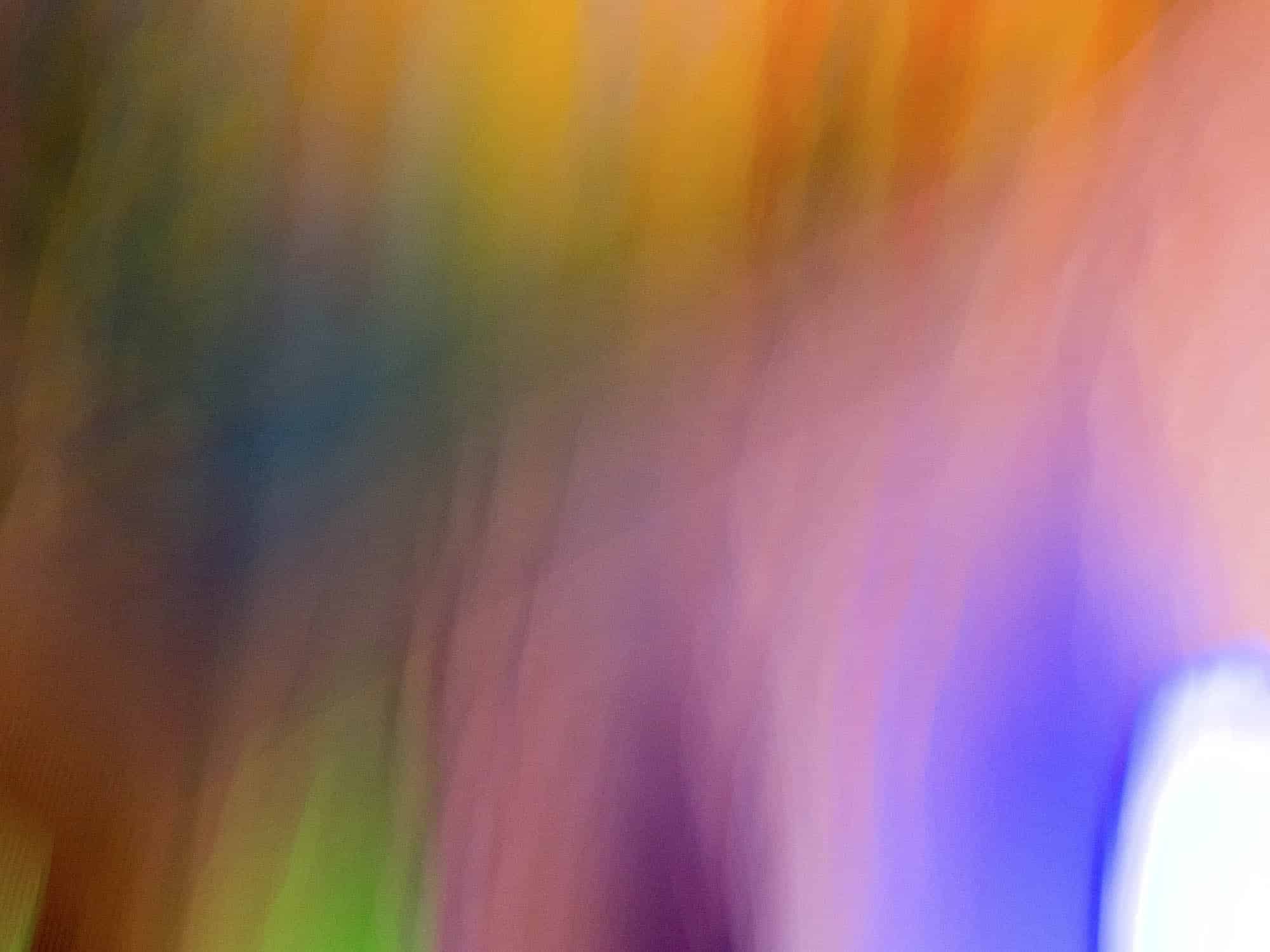
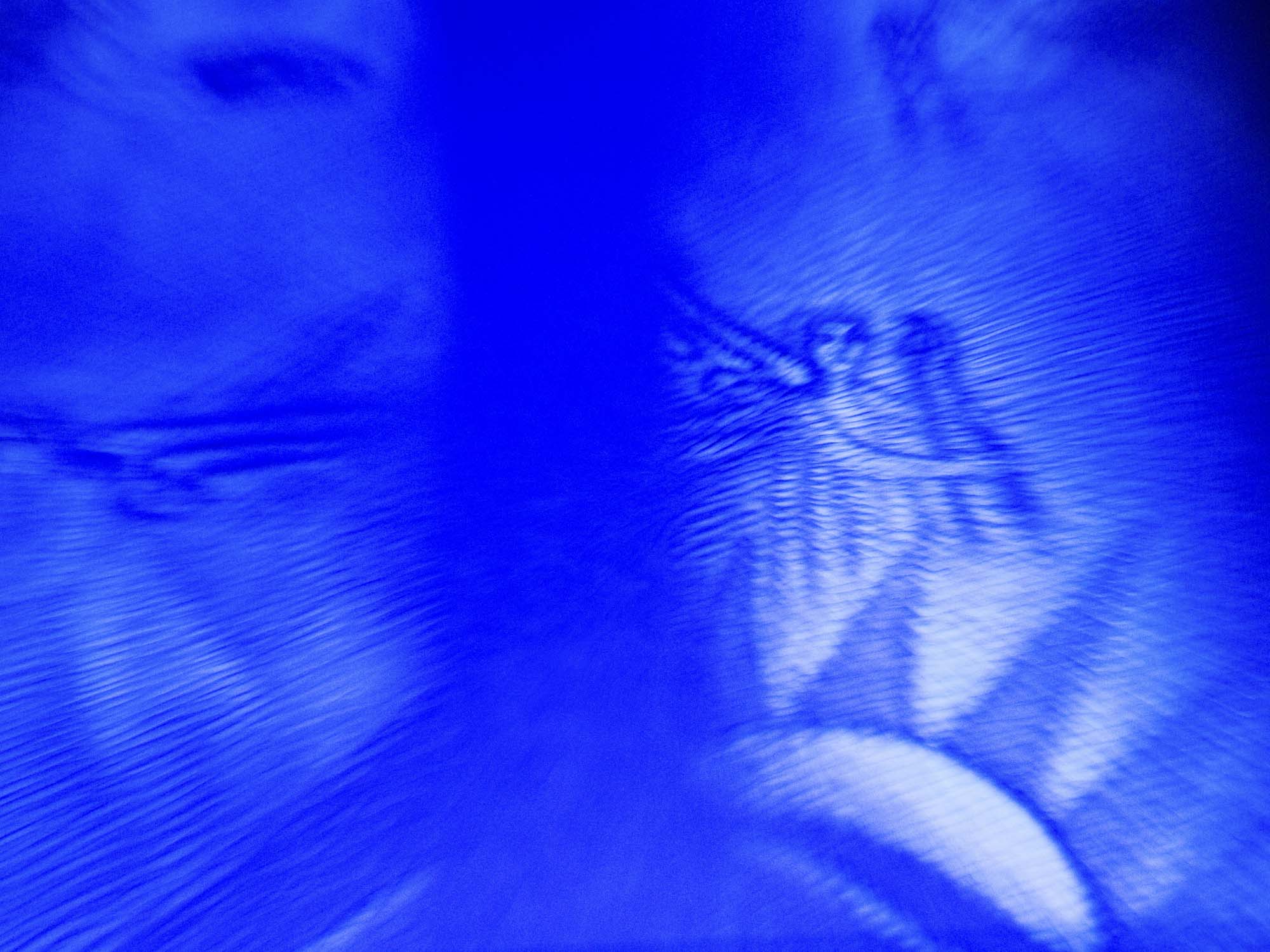
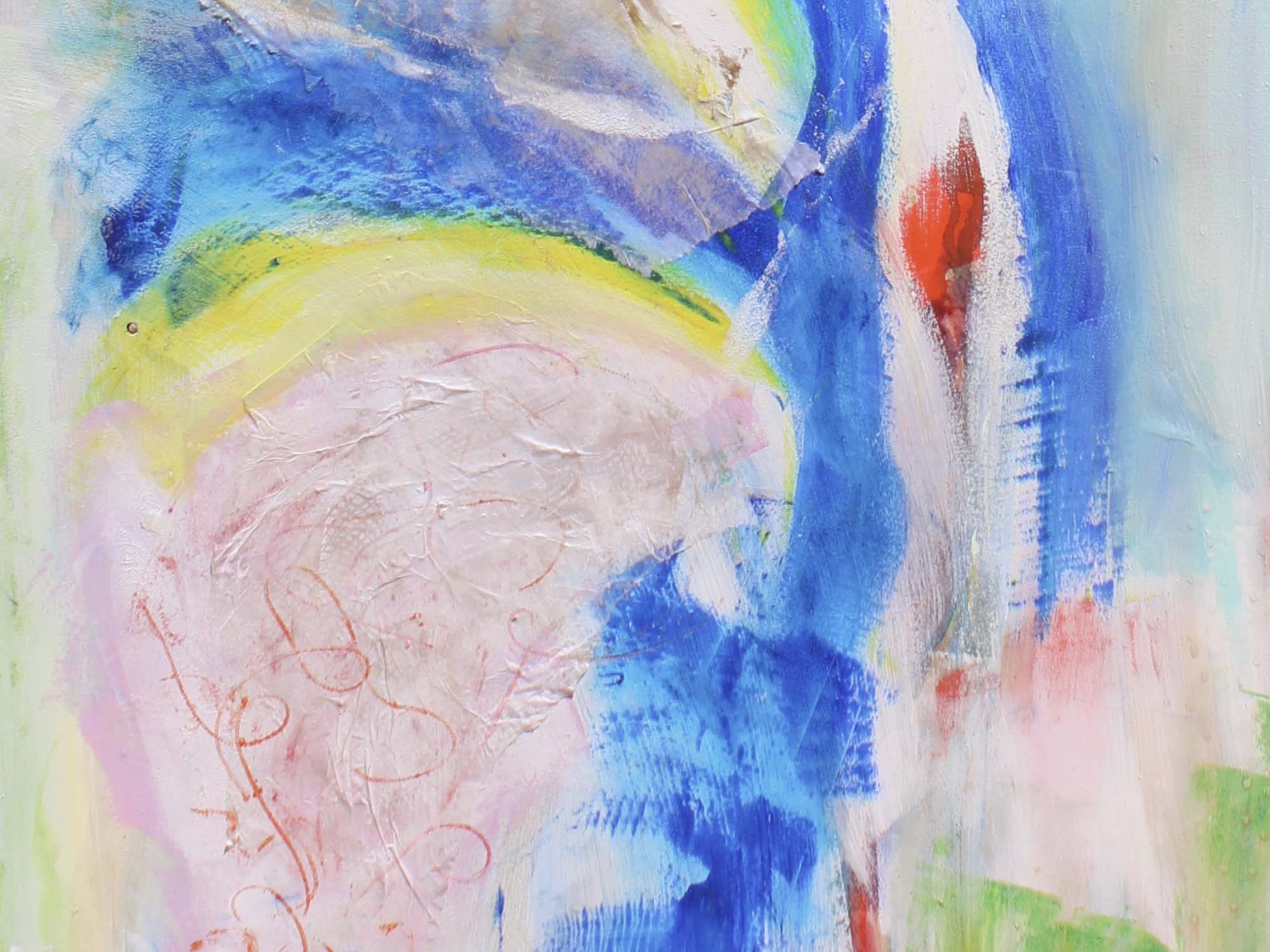
Philmont, New York. The art of transforming fear. In 1918, at the end of the First World War, Rudolf Steiner gave the musician, composer and landscape architect Jan Stuten a task: he was to create a new color art from a combination of sound, chromatic movement and colorful light and shadow. The interpretation of the result was to lie in the eyes of the beholder. Steiner entitled the theme of Stuten’s first work, “Metamorphoses of Fear,” thus creating a link…

Paula Boslau · 29 February 2024 · 2 min
The Game and the Mask

The Game and the Mask

Ecstasy and asceticism are states of the human soul in which nearness to God plays out. They are extremes that make it possible to swing from the divine to the human and back again. A free liminal interplay is created between the concealed and the revealed. One of the oldest and most popular games in some, if not all, cultures is when a child hides and then suddenly, with a loud shout, bursts out to reveal themselves. Although the parents…

Christine Gruwez · 22 February 2024 · 11 min

What Characters!

What Characters!

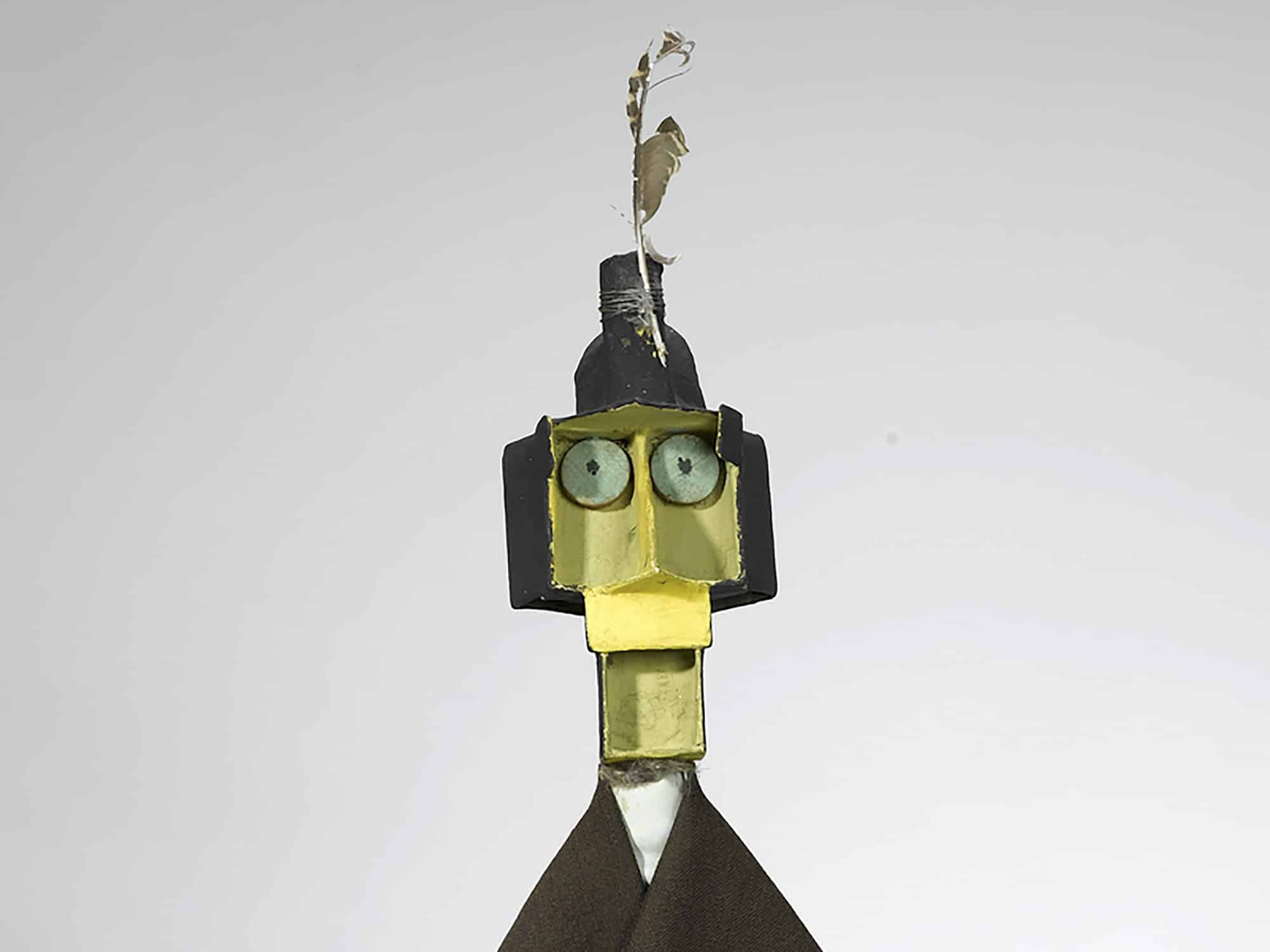
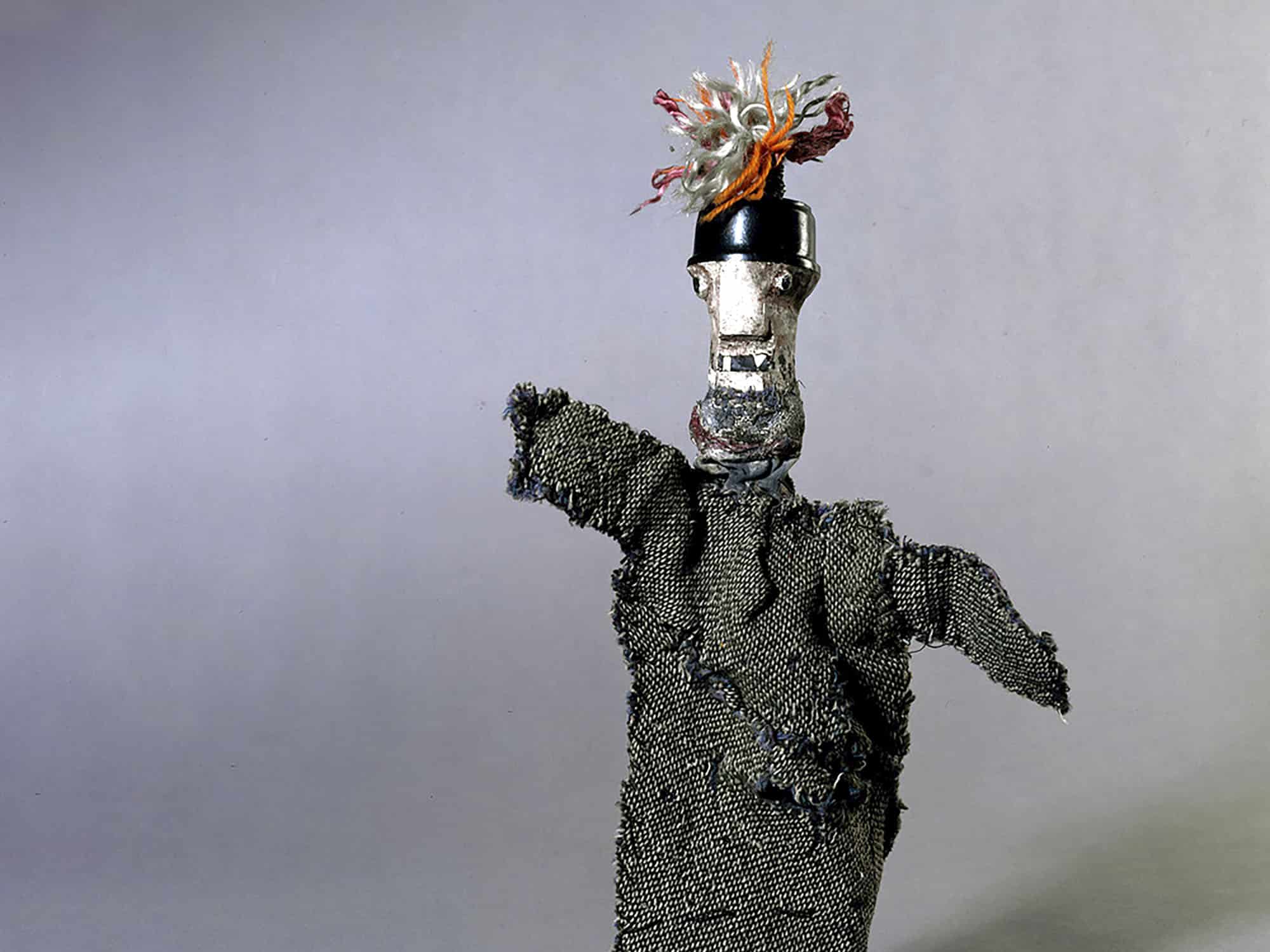
Between 1916 and 1925, Paul Klee created some 50 hand puppets for his son Felix Klee, some of them made during his years, from 1920 onwards, as a master at the Weimar Bauhaus. They were created in response to his child’s desire to have his own puppet theater and were intended exclusively for this intimate setting. Nevertheless, they reveal something of Klee’s enthusiasm for the stage and the search for characters. After the Second World War, 30 of these dolls…

Franka Henn · 22 February 2024 · 1 min

Where Speech is Born

Where Speech is Born

Herein lies the paramount importance of memory as the stepping-stone from sentient to intellectual soul. Memory, as the German word Er-innerung reminds us, internalizes; it makes the outward inward. The sentient soul can already effect this to some extent, inasmuch as it retains for a time inward pictures of the outer world. Else it would be merely sentient body. When there is a car outside the door and a bustle of some sort inside, especially if there is anything like…

Owen Barfield · 07 February 2024 · 1 min

The Desk Fire: Rudolf Steiner’s Life Crisis in 1898

The Desk Fire: Rudolf Steiner’s Life Crisis in 1898

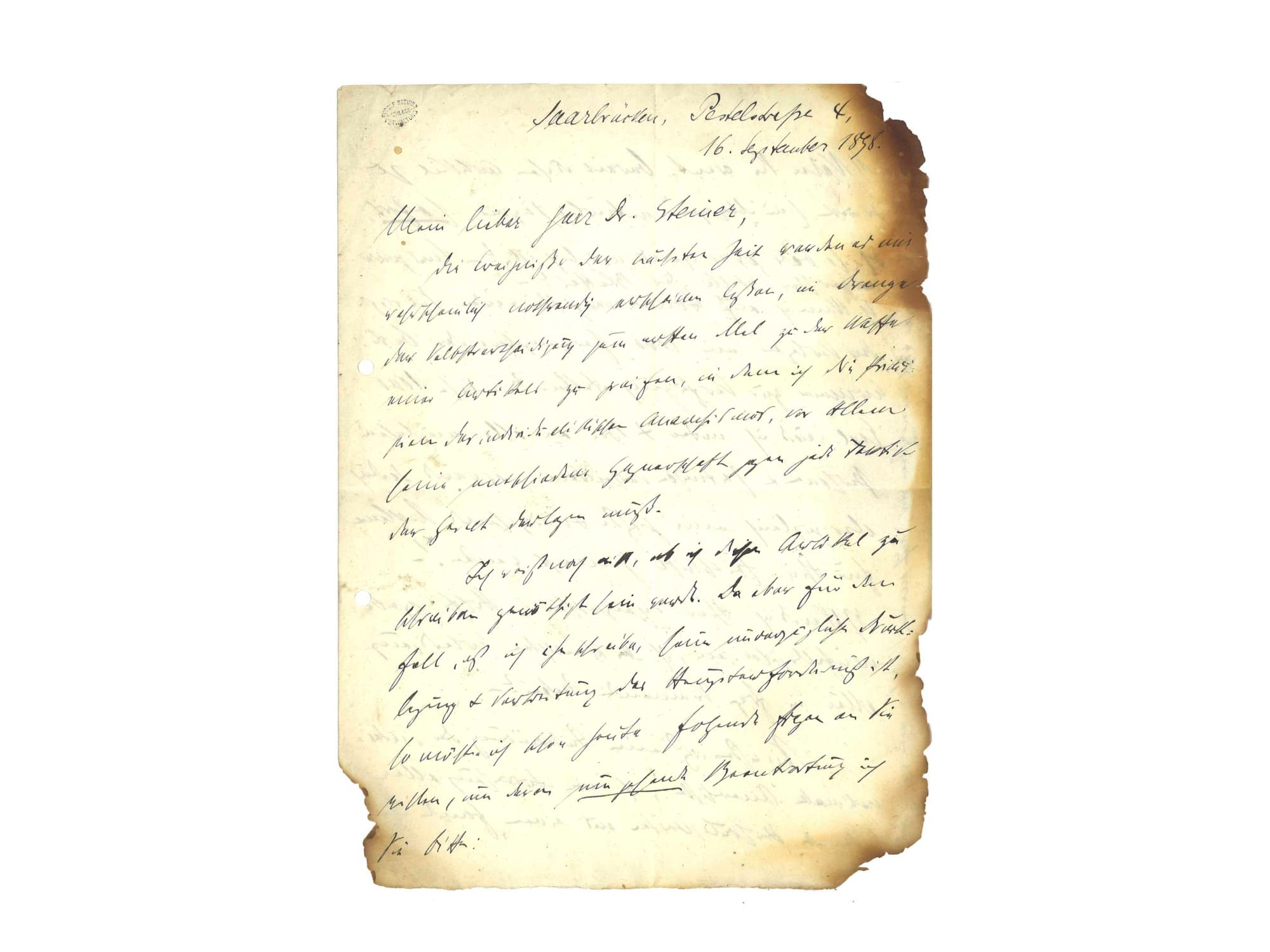
Shortly after Rudolf Steiner’s death, the art critic Max Osborn recounted an incident during his time as editor of the Magazin für Litteratur [Magazine for Literature]: “One day, we all received a strange letter, in which the mighty master of the Magazine communicated to us that, unfortunately, something fatal had occurred. As he, Steiner, tried to light his pipe last night, the whole desk went up in flames. ‘Should you, dear sir, suppose that I still have any unanswered letters…

Martina Maria Sam · 18 January 2024 · 9 min

The Dream of the Third Goetheanum

The Dream of the Third Goetheanum

If the first Goetheanum is an architectural image of inner development, the second calls on us to combine inner training with outer engagement. The third Goetheanum goes one step further—a step that is urgently needed in our times. The Anthroposophical Society was reorganised in 1923, in that individual national societies were founded that gathered in Dornach for the Christmas Conference. It was a dramatic time: the First World War had only recently ended, chaos reigned in Europe, and serious conflicts…

Espen Tharaldsen · 15 December 2023 · 18 min

Wise and Happy

Wise and Happy

Hanns Dieter Hüsch was a German poetic cabaret artist, book author, and actor. He was born the year Rudolf Steiner died [1925] and went on to narrate the century on a thousand small stages and late-night TV programs. The titles of his books portray his spirit: Das Schwere leicht gesagt [The Difficult Made Easy] or Mein Gott lehrt dich das Lachen [My God Teaches You to Laugh]. In one of his last performances, around the turn of the century, in…

Wolfgang Held · 30 November 2023 · 2 min

Poetry of the Dawn

Poetry of the Dawn

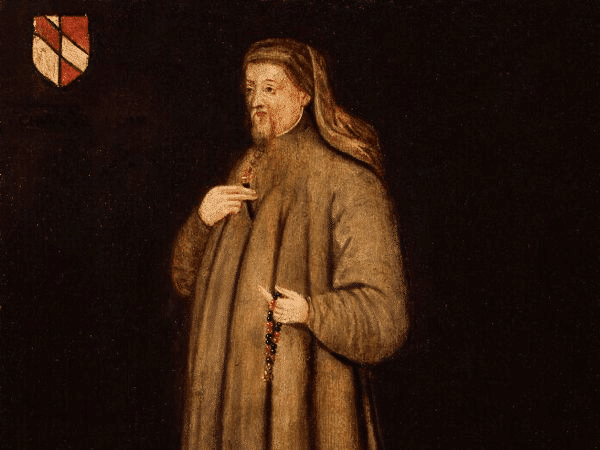
Through his experience of the sentient- and intellectual-soul dispositions of the northern and southern streams of medieval Europe, as expressed in their poetic traditions, the English poet Geoffrey Chaucer set the stage for the language of the consciousness soul in his time. Clifford Venho takes us on a journey through this development, seen through the lens of poetic form. Geoffrey Chaucer (1343 – 1400 CE) by an unknown artist. National Portrait Gallery, London (CC BY-NC-NC) Laying the Foundation: The Anglo-Saxon Bards…

Clifford Venho · 24 November 2023 · 14 min

What Do I Mean by an Ecological Viewpoint?

What Do I Mean by an Ecological Viewpoint?

In cyclic causality, the effects themselves become the cause of the causes. The view from the center—a summation of all genes, that is, the genome—belongs together with the view from the periphery—the living proteins of the cell, the tissues, the organs, the interrelationships within the organism, and the organism’s embeddedness in its habitat, its oikos [Gk. οἶκος, household, dwelling place]. Instead of environment or “outer world” [Umwelt], it is therefore better to speak of “convironment” or “co-world” [Mitwelt], as there…

Wolfgang Schad · 24 November 2023 · 1 min

How Could Rudolf Steiner Know All That?

How Could Rudolf Steiner Know All That?

When I make my way through a bewildering landscape, after a long and strenuous effort, and can survey the whole scene from atop a mountain peak, many things become clear—almost as if in one fell swoop. Some things I had to laboriously explore “down below”; others were not even on my path, but now are also perfectly clear from my new location. Do I then call that a “miracle”? Or is it not simply the result of a more favorable…

Wolfgang Müller · 16 November 2023 · 1 min