Section

Conversation

154 articles

The Rediscovery of Speech

The Rediscovery of Speech

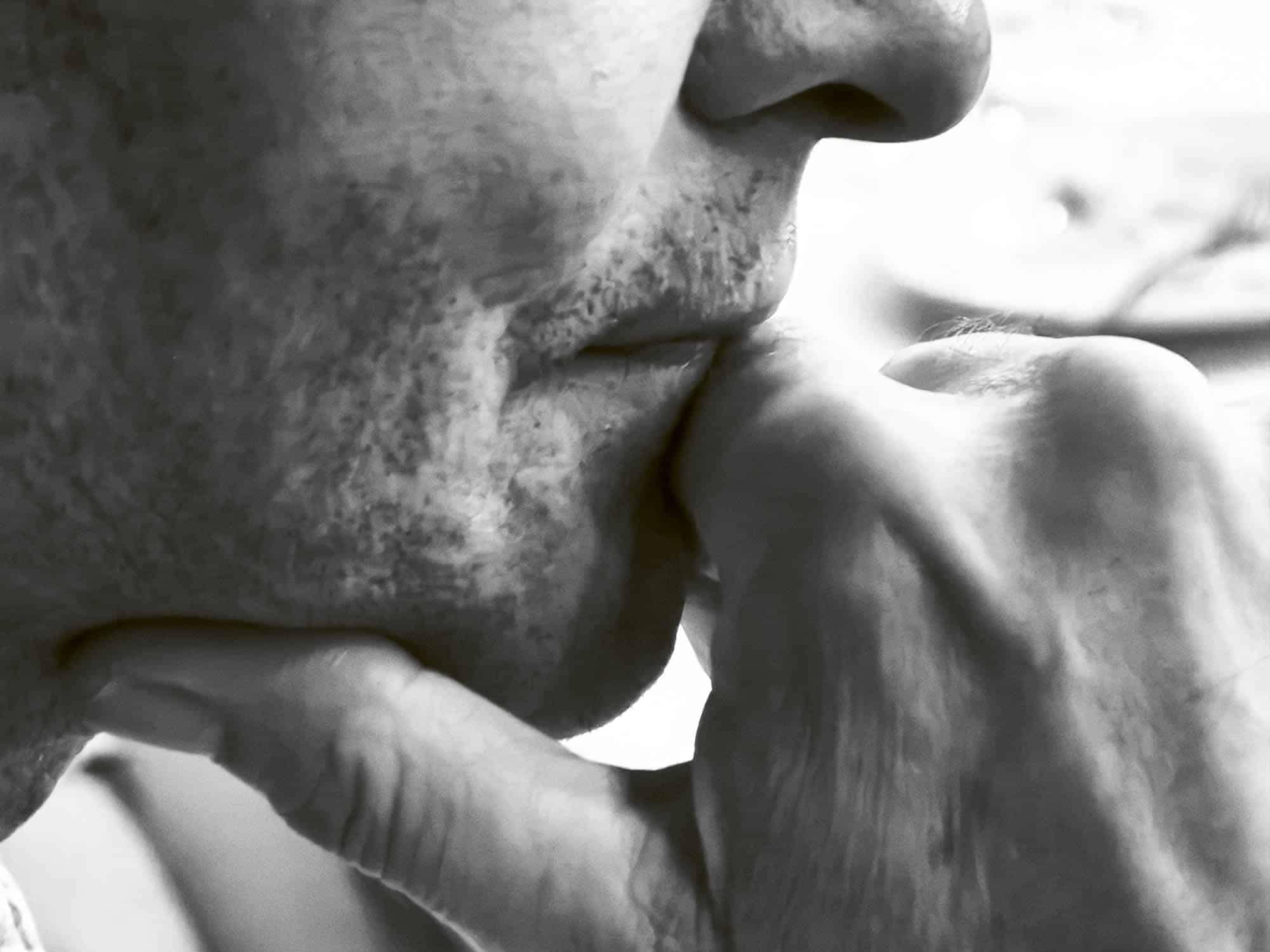
The editorial team asked me to write about my illness and recovery. I decided to do so in the form of a fictional interview: both the questions and the answers are written by me. You’re in a wheelchair and are generally unable to do many things. What illness have you been diagnosed with? Cerebral ataxia, in my case, the hereditary disorder SCA6. It doesn’t manifest until later in life. The first symptoms appear after middle age. They are mild at…

Martin Kollewijn · 08 October 2026 · 4 min
The New Weleda

The New Weleda

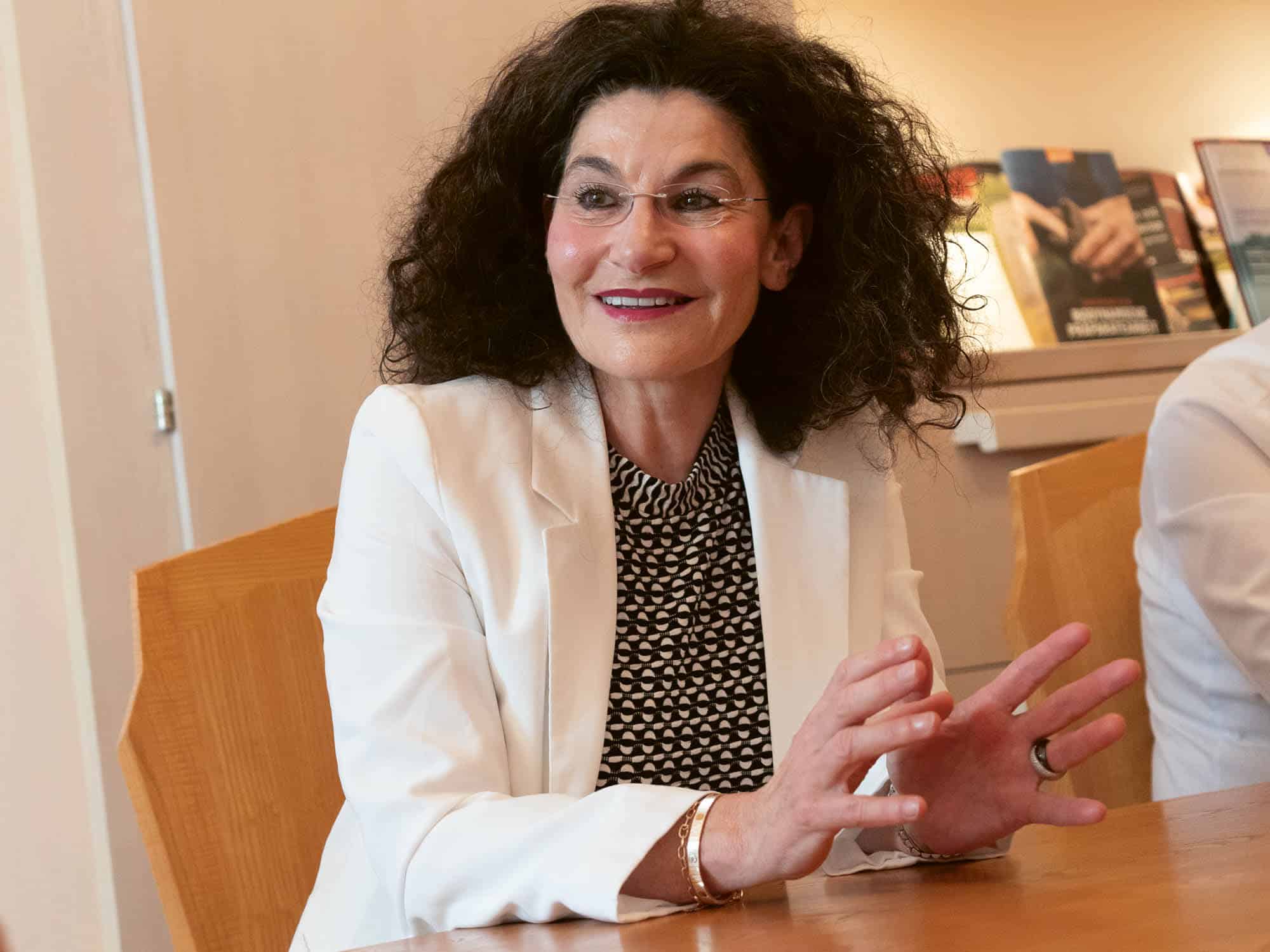
After several difficult years, Weleda is undergoing a transformation. Ueli Hurter of the Weleda Board of Directors described the journey with new CEO Tina Müller as a “triathlon”: some stages appear to have been completed, other goals are in sight, and still others remain in the distance. Wolfgang Held spoke with Tina Müller, Ueli Hurter, and Thomas Jorberg (Chairman of the Board) at the company’s annual general meeting. At its annual meeting in May, Weleda AG announced sales growth of…

Wolfgang Held · 26 August 2026 · 18 min

Making Meaning With Our Bodies

Making Meaning With Our Bodies

Developmentally, what does it matter if we learn to wash the dishes by hand? After all, in the future, we will have AI robots to do that. Laura Scappaticci met with Adam Blanning, doctor and co-leader of the Medical Section at the Goetheanum, to discuss the moral significance of embodiment. Laura Scappaticci: As an anthroposophical physician, when you hear the word “embodiment” what comes to mind? Adam Blanning: Do we really feel comfortable in our body? Does it feel like…

Laura Scappaticci · 14 August 2026 · 11 min

From the Logic of War to the Logic of Peace

From the Logic of War to the Logic of Peace

An interview with conflict researcher, mediator, and peace activist Friedrich Glasl about his new book, Die Paradoxie des Wettrüstens [The paradox of the arms race]. Questions by Wolfgang Held. What led you to decide to write this book? Friedrich Glasl I’ve been studying conflicts ever since I was a student over 60 years ago when I majored in international relations, international law, and political science in Vienna. My doctoral dissertation dealt with the issue of sanctions imposed by neutral states…

Wolfgang Held · 31 July 2026 · 22 min

A View from Russia

A View from Russia

Lidia Mikhailova has traveled all over the world. She’s lived in Moscow, Amsterdam, and Sydney before returning to Saint Petersburg. Born in 1982 in Togliatti on the Volga River, she holds a degree in finance and economics—but life took her on a very different path. She worked as a freelance journalist, in marketing, as a manager of large-scale events, and as a translator from English. She is also the mother of three children. For the past 15 years, anthroposophy has…

Louis Defèche · 31 July 2026 · 19 min

Song of Water

Song of Water

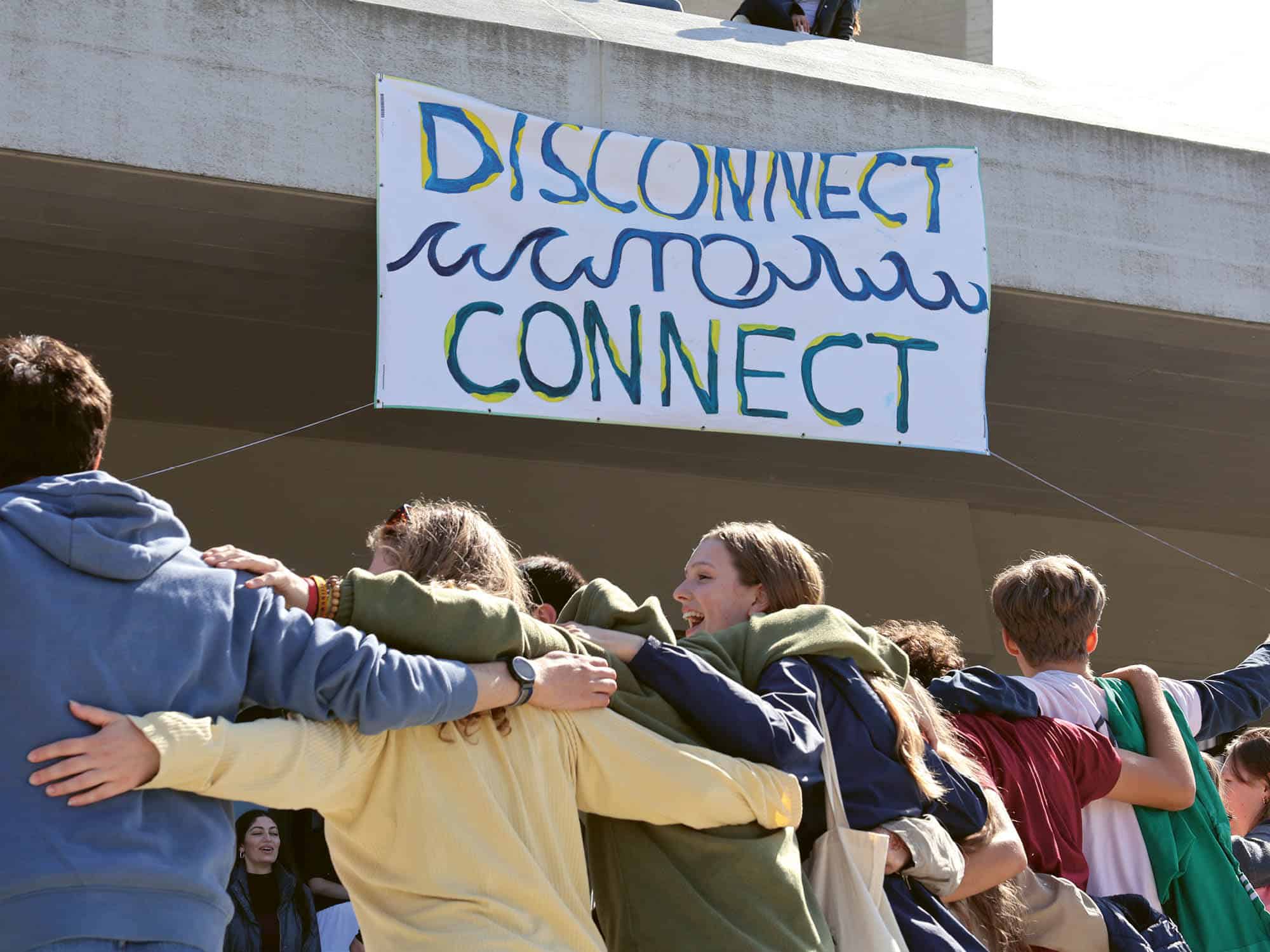
Music, movement, and the imagination of water brought a thousand young people from across the world into collective resonance during this year’s International Students Conference (ISC) at the Goetheanum. Ashton Arnoldy interviewed Gareth Dicker, organizer of the “Song of Water” project. Ashton: Tell us a little bit about yourself and how you got involved in youth work with the ISC. Gareth: I’m a Waldorf physics and math teacher in Chapel Hill, North Carolina. I also do a lot of music,…

Ashton Arnoldy · 02 July 2026 · 4 min

Your Decision Changes the Economy

Your Decision Changes the Economy

Many young people are calling for a different economic model. When communities work together more, this creates fertile ground for change. Andrea Valdinoci (CEO World Goetheanum Association) and Elias Bartel (aspiring entrepreneur) discuss how to counter the profit-driven mindset. Elias Bartel: Do you remember when I tried currency trading as a teenager? That pyramid scheme promised quick, big money. In the end, all I had was an empty savings account. Andrea Valdinoci: Pyramid schemes are a good example of an…

Elias Bartel · 02 July 2026 · 13 min

We Cannot Become Human Without the Devil

We Cannot Become Human Without the Devil

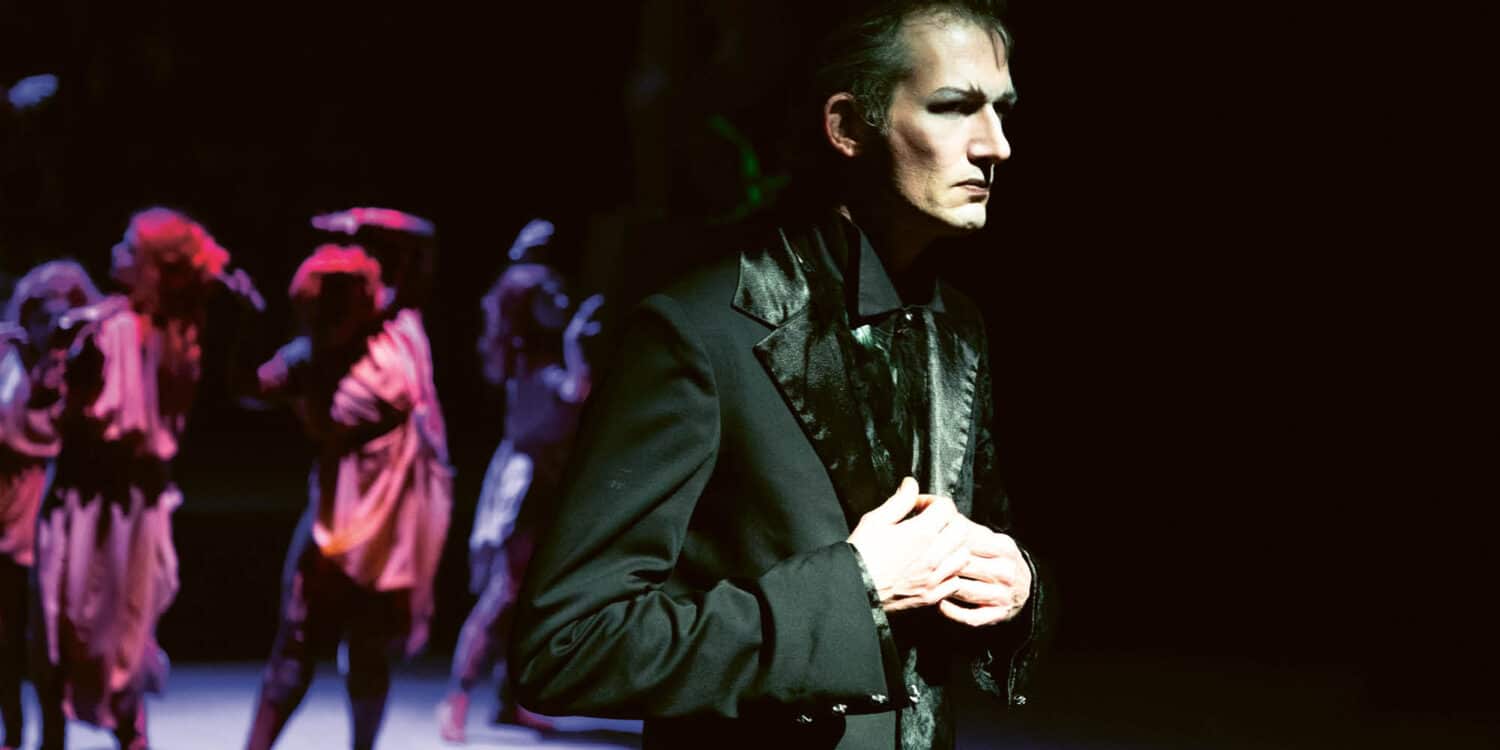
A conversation about the production of Faust with Andrea Pfaehler (director) and Rafael Tavares (eurythmy director) in anticipation of the 2026 Faust summer festival. Questions by Louis Defèche. Louis Defèche: The play is called Faust, but Mephisto really drives the plot. What does that signify? Andrea Pfaehler: Mephisto is everywhere and always present, but he doesn’t always find a way to exert his influence. I think that we humans have collectively entered into a pact. The way I see it, this…

Andrea Pfaehler, Rafael Tavares und Louis Defèche · 17 June 2026 · 16 min

Develop a Feeling for Humanity

Develop a Feeling for Humanity

Economic health is a reflection of societal health. The World Goetheanum Association (WGA) sees the associative approach as key. But working collaboratively first requires an ability to connect. What are the current trends and challenges for this approach? Friederike Mainz of the WGA spoke with Karin Michael, a specialist in pediatrics and adolescent medicine and co-director of the Medical Section at the Goetheanum. Friederike Mainz: Can you apply the social threefolding of economy, rights, and culture/human development to the human…

Karin Michael und Friederike Mainz · 10 June 2026 · 14 min

An Instrument for Tone Itself

An Instrument for Tone Itself

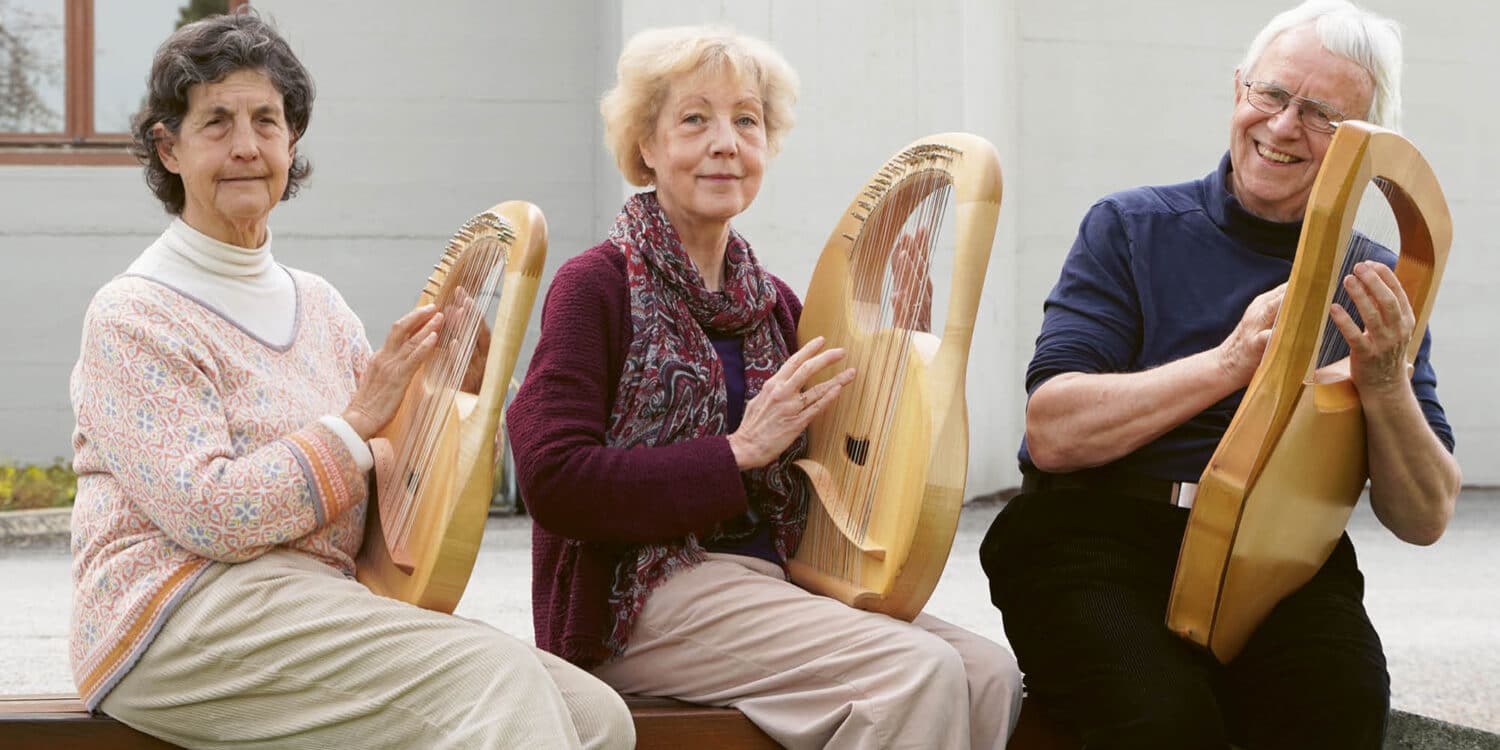
The lyre, kithara, or yoke lute is one of the oldest known stringed instruments. Its history dates back 5,000 years to Mesopotamia. In 1926, instrument maker Lothar Gärtner, in collaboration with musician Edmund Pracht, developed a new form of the instrument, which is now celebrating its 100th anniversary. Wolfgang Held spoke with three musicians and therapists: Viola Heckel, Susann Temperli, and Christian Giersch. Wolfgang Held: Many people associate the lyre with troubadours, ancient times, or Schubert’s “Der Leiermann.” What is…

Viola Heckel, Susann Temperli, Christian Giersch und Wolfgang Held · 10 June 2026 · 6 min

A Circle Around Mother and Child

A Circle Around Mother and Child

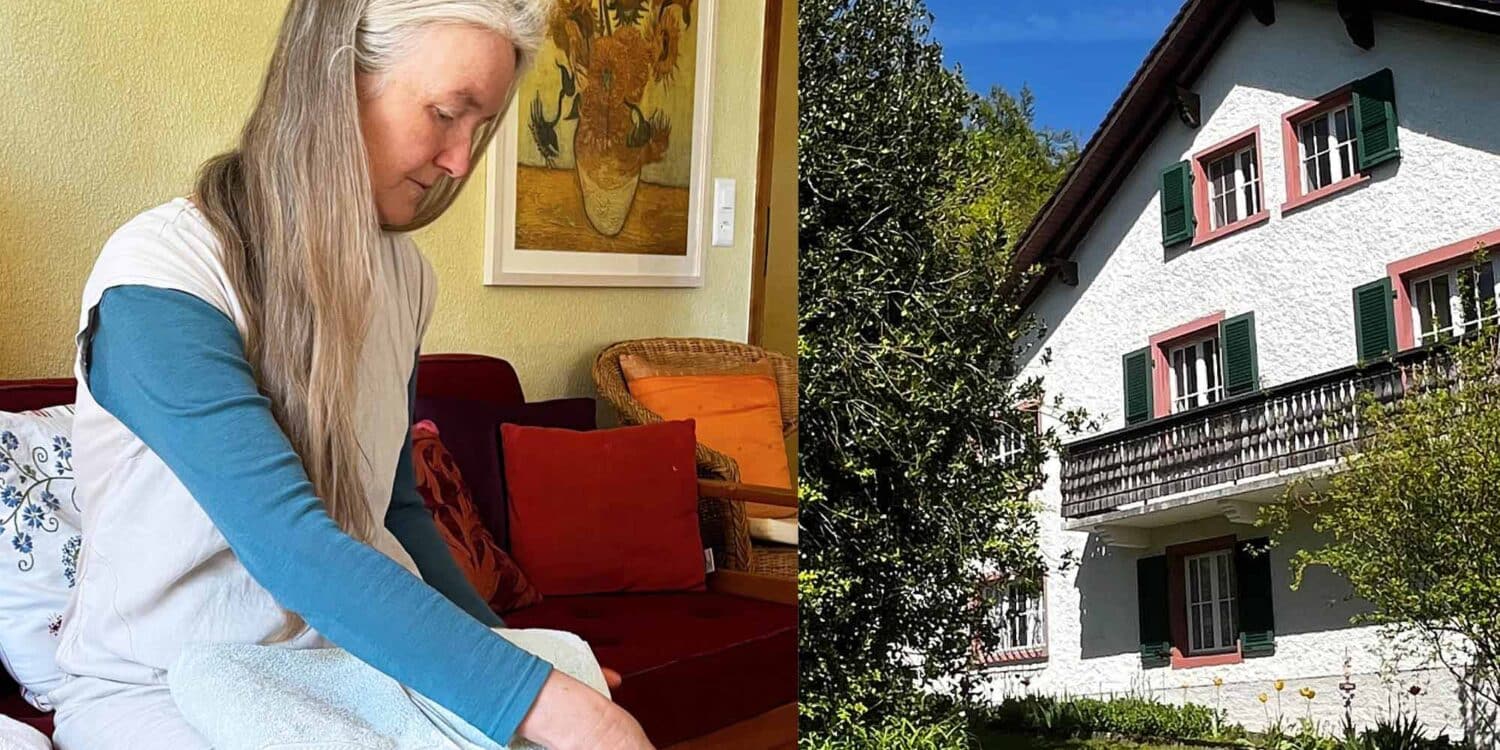
When a mother and child face a crisis, a living, supportive enclosure must be rebuilt. Katharina Guldimann describes the Ita Wegman Mutter-Kind-Haus [Ita Wegman Mother-Child House] as a protective space, a “family sheath” that envelops the mother, child, and the whole family organism. Questions by Johanna Lamprecht. On a beautiful, sunny spring day, I arrive at the Ita Wegman Mother-Child House in Gempen, a small village up on the plateau, east of Dornach. The house is located at the edge …

Katharina Guldimann und Johanna Lamprecht · 13 May 2026 · 11 min