Section

Literary Arts

← Art

110 articles

Save the Books!

Save the Books!

Interlochen, Michigan. A collection campaign for anthroposophical writings. The Rudolf Steiner Archive, based in Michigan, USA, is part of the Steiner Online Library—the largest English-language online library for Rudolf Steiner’s works. In addition to the digital collection, the archive has set itself the task of collecting used printed copies of anthroposophical writings in order to digitize them or resell them in its online shop. Another aim is to prevent Steiner’s books from being thrown away. The “Save the Books!” initiative…

Redaktion · 17 September 2025 · 1 min

A Book that Grounds You

A Book that Grounds You

The 2025 annual conference of the Medical Section will focus on Rudolf Steiner’s book Extending Practical Medicine: Fundamental Principles Based on the Science of the Spirit. Wolfgang Held spoke with Karin Michael, co-director of the Medical Section, about this late work by Rudolf Steiner. Wolfgang Held: Extending Practical Medicine is the only book that Rudolf Steiner co-authored, yes? Karin Michael: I don’t know of any other. This shows me that, when he wrote this book, it was essential for him to…

Wolfgang Held · 29 August 2025 · 14 min

Pooled Knowledge for Understanding Us Human Beings

Pooled Knowledge for Understanding Us Human Beings

Michaela Glöckler wrote the introduction for the Critical Edition of Rudolf Steiner’s book Extending Practical Medicine: Fundamental Principles Based on the Science of the Spirit. Here she describes ten special features of this work. The anthroposophical spiritual science developed by Rudolf Steiner over a period of forty years hasn’t just inspired researchers, artists, and those committed to the betterment of society. Already during his lifetime, his work provoked fierce controversy and massive opposition. Christian Clement, editor of the Rudolf Steiner…

Michaela Glöckler · 29 August 2025 · 7 min

The Aura of Cookbooks

The Aura of Cookbooks

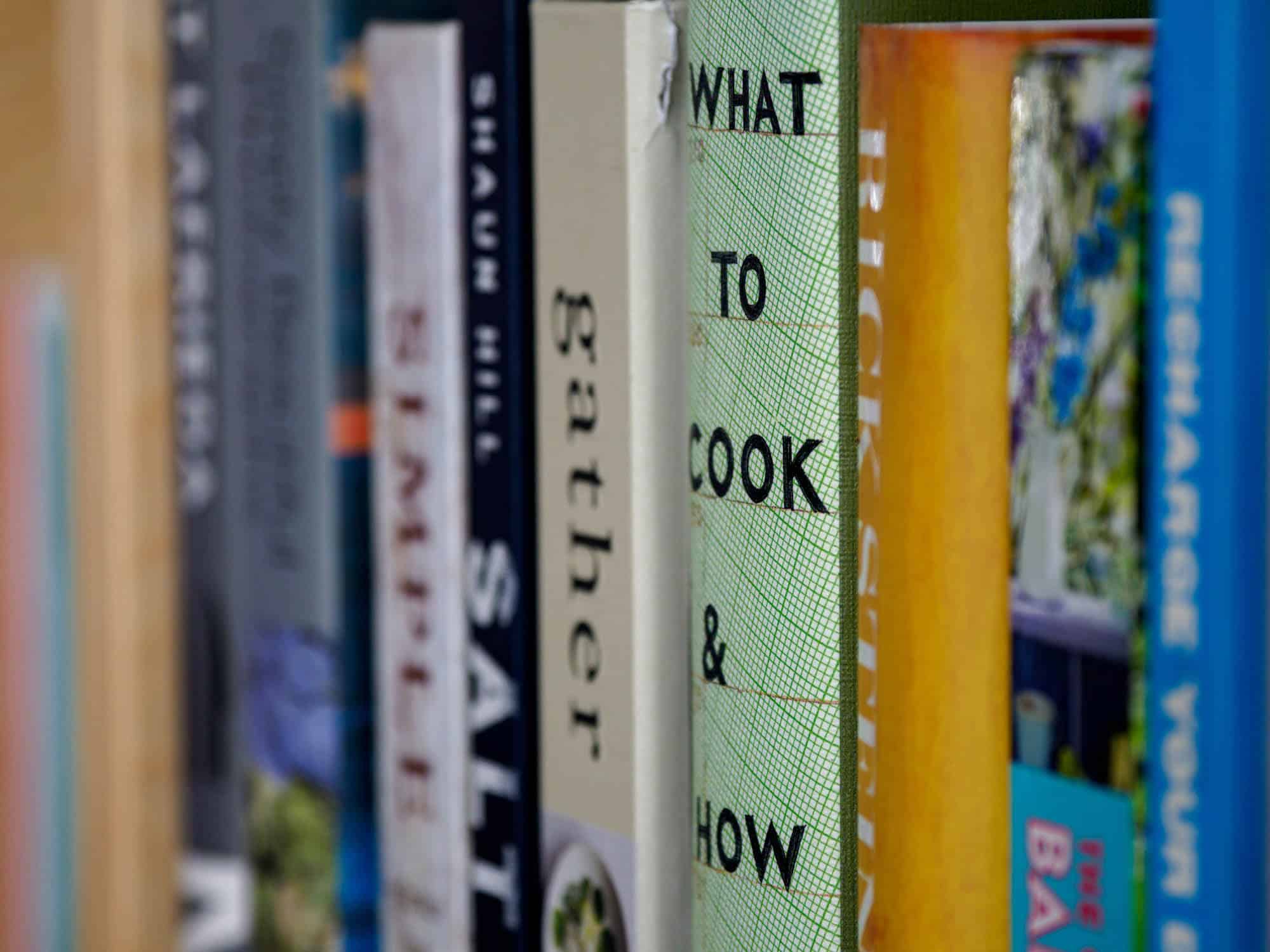
Over on a somewhat isolated shelf in my family’s kitchen, you’ll find the cookbooks. They don’t get much attention, except for one whose cover has long since been lost and whose grease and flour stains bear witness to frequent use, especially on the page that explains how to braid a loaf of bread. It’s the “Fülscher Cookbook.” Elisabeth Fülscher’s 100-year-old definitive work on Swiss cuisine contains 1,700 recipes, and throughout its numerous editions, it has managed to combine this traditional…

Wolfgang Held · 29 August 2025 · 1 min

Anthroposophy, Multilingual

Anthroposophy, Multilingual

Cambridge, Massachusetts. The translation of Rudolf Steiner’s texts from German into other languages plays a crucial role in the global networking of the anthroposophical movement and in its research. Thoughts by Henry Holland, translator and co-organizer of the “100 Years of Rudolf Steiner” conference at Harvard University. Ever since the first consecutive lecture translations in London in 1902, translations of Steiner’s writings and lectures into scores of languages have been indispensable in spreading what was originally a tiny movement to…

Henry Holland · 12 June 2025 · 2 min

The Pentagonal Dodecahedron and the Human Form

The Pentagonal Dodecahedron and the Human Form

The blurb on the cover of Hartmut Endlich’s book Das Pentagon-Dodekaeder als strukturgebendes Maß des Menschen [The pentagonal dodecahedron as a structural measure of the human being] promises a lot. Does it deliver? The visuals alone might make it worthwhile for those who don’t speak German. The book begins with Leonardo da Vinci’s world-famous image of the human being standing in a square and a circle. The author, an anthroposophical physician, then goes on to discuss today’s fragmented natural science,…

Luzia Birgit Gisler · 03 June 2025 · 4 min

From Effects to Essence and Back Again

From Effects to Essence and Back Again

Goethe developed a new method for studying nature, both inorganic and organic. His intention was to uncover the natural law—the essence, the being, the idea—of a thing by introducing a special way of beholding the phenomena—the manifestations of the thing—in order to gain knowledge and insight. This approach was not being pursued by the conventional, supposedly “objective,” sciences of his time, and it was not possible for anyone holding on to a pre-scientific, naive view of the world. Goethe’s approach…

Iris Hennigfeld · 27 May 2025 · 16 min

Language is Magic

Language is Magic

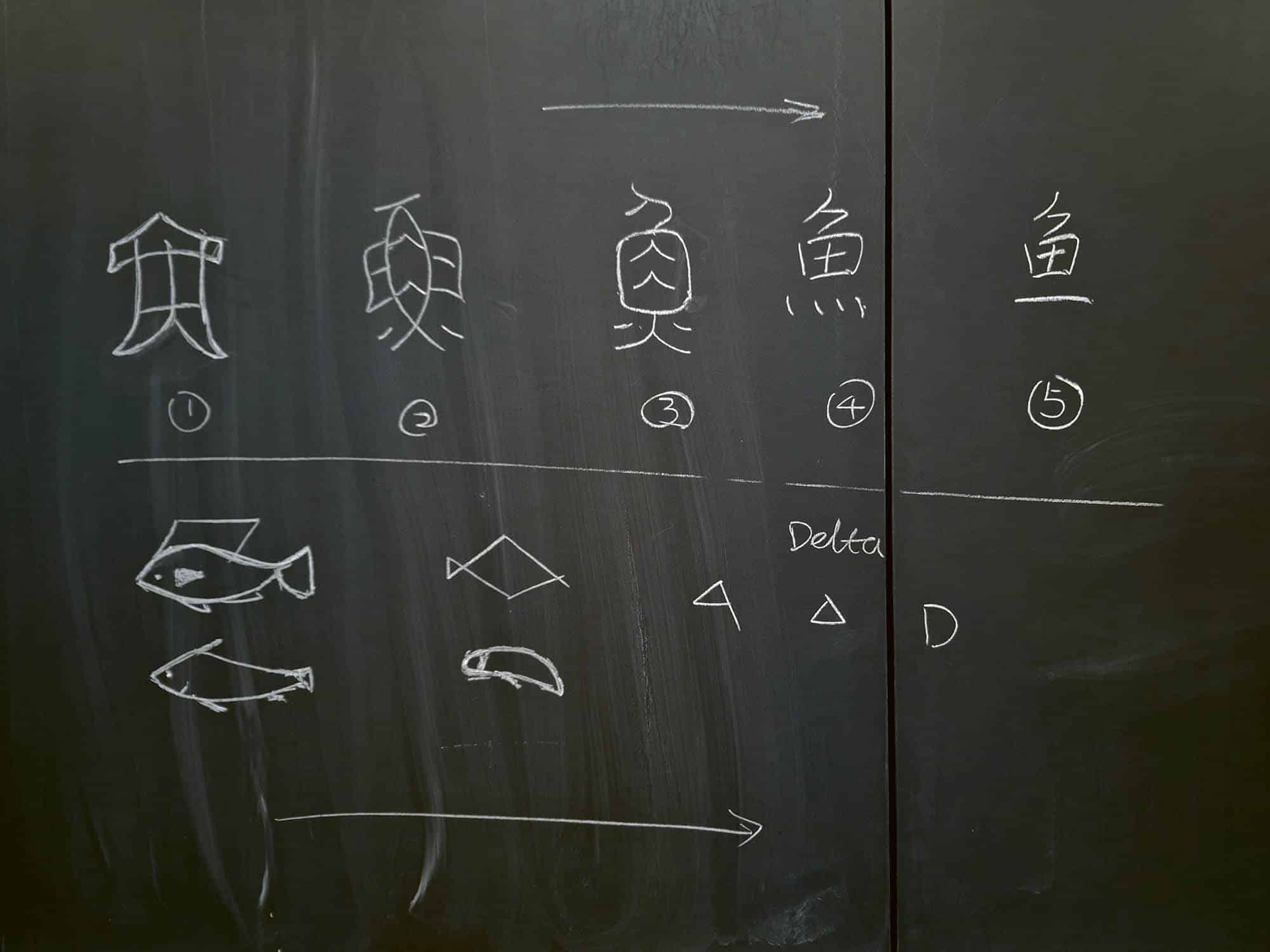
From out of past cultural epochs up through to the present day, the evolution of human language is truly a wonder to behold. The ‘I’ became flesh, granting the potential to know the spirit itself. The new Tower of Babel can now be built. Language is magic. It never ceases to amaze me how a cat intones one single syllable, “meow” but can express such a range of feelings and intentions. The archetypal principle of language is the syllable: a…

Hao Bu · 14 May 2025 · 8 min

The New Will

The New Will

Christian festivals are celebrations of life and the future. At Christmas, it is the arrival of the Son—a future that was prophesised and, therefore, has roots in the past. The Easter festival sanctifies a future that shines through death to a new becoming—it is still to be fulfilled, still to be lived. This year, Mars draws this drama in the sky. At Christmas, the planet of will was at Praesepe—the birthplace of stars. It returns to this cosmic source again…

Louis Defèche und Redaktion · 17 April 2025 · 1 min

What if We Stay Here

What if We Stay Here

What if we stay here…Floating atop the abyssSurrounded by beasts of prey. What if we do not look back…To former times of laughter and painThose times are gone now. What if we do not look ahead…To future times of sadness and joyThose times are not meant for us. What if we stay here…What if we turn this frozen moment in timeInto a pearl of living poetry. Do you feel it?Your beating heart.Gentle at firstYet growing strongerLike a huge drumWith each…

Omer Eilam · 17 April 2025 · 1 min

Exploring the Continent

Exploring the Continent

Martina Maria Sam has written seven books on Rudolf Steiner, his art, and his language. Wolfgang Held invited her for a conversation about her research. Wolfgang Held: Which book brought you closest to Rudolf Steiner? Martina Maria Sam Each book is a different exploration of the Rudolf Steiner continent. I’m always discovering new and interesting aspects. But I could say my experiences with three projects in particular have been the most profound: First, working through his personal library over many years—this…

Martina Maria Sam · 26 March 2025 · 5 min

The River Flows on Within Me

The River Flows on Within Me

David Marc Hoffmann, director of the Rudolf Steiner Archive (until his upcoming retirement), wrote a biography of Rudolf Steiner, tracing his life and work in eight stages. Wolfgang Held met with him for an interview. Wolfgang Held: Before we come to Rudolf Steiner, I have two questions about your own biography. Your focus was on German studies and history, but you also studied museology, the study of museums. I’d never even heard of that as a degree program. David Marc…

David Marc Hoffmann · 26 March 2025 · 14 min