Section

Literary Arts

← Art

110 articles

Translating Anthroposophical Books into Kiswahili

Translating Anthroposophical Books into Kiswahili

Anthroposophy in places around the world faces challenges with respect to the culture of those particular places. One such place is Africa, where indigenous languages are often used. In Tanzania and East Africa, for instance, where the most common language is Kiswahili, people are interested in anthroposophy, but the language barrier holds them back from engaging with the fullness of anthroposophy. In Tanzania, this problem is experienced by members of the anthroposophical community. Having access to fewer texts about anthroposophy…

Stacieva Imma Mbuguni · 17 August 2023 · 1 min
Research on the Calendar of the Soul

Research on the Calendar of the Soul

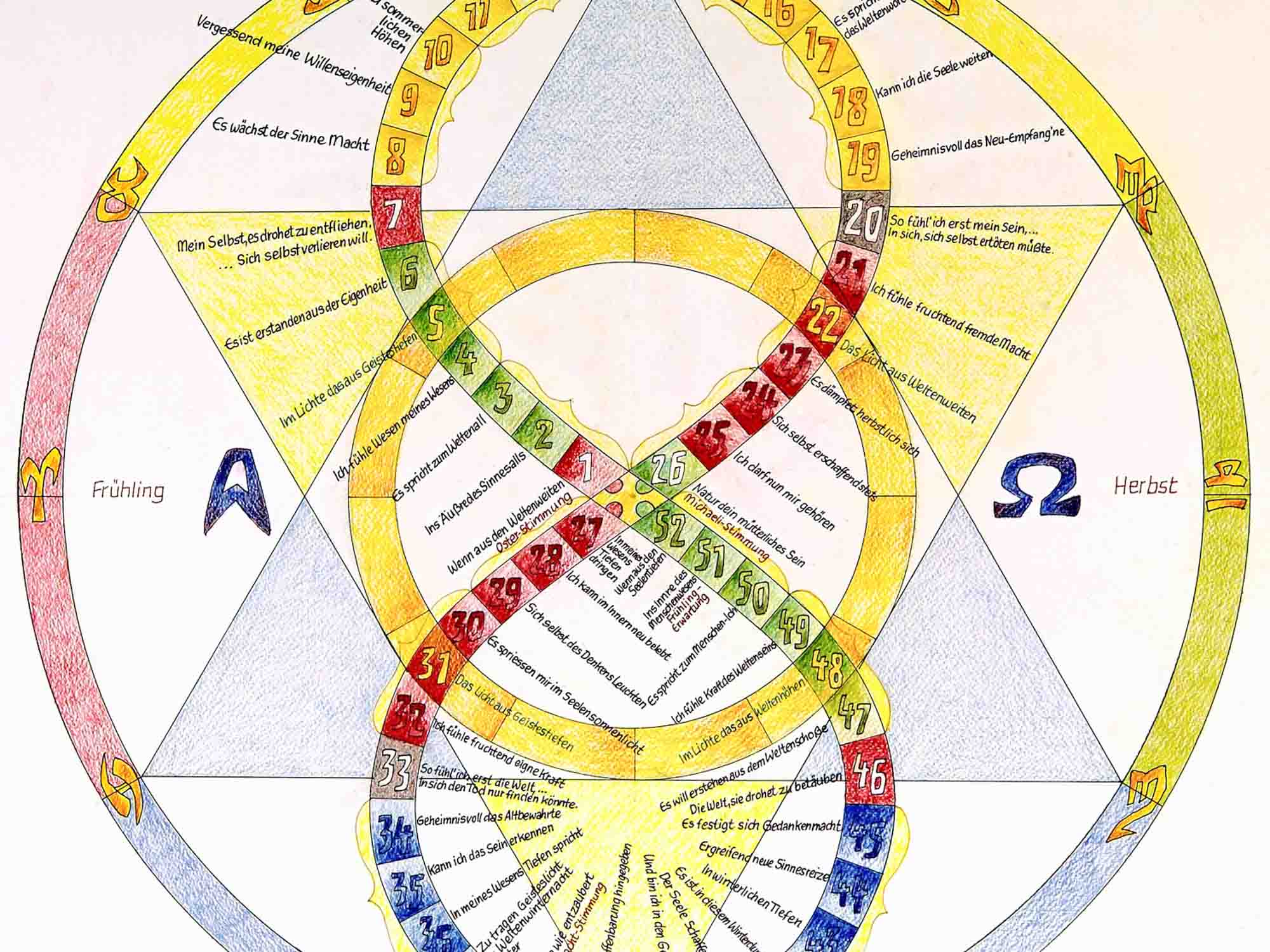
The weekly verses of the anthroposophical Calendar of the Soul can be experienced “as artfully constructed miniatures that are lawfully related to each other in many ways and only together produce the total work-of-art.” Wolfgang Ritter has been working with the verses for 30 years and reports on his research here. We have been working with the weekly verses for about 30 years at the Nuremberg branch. First, we wanted to understand their content; then, we looked for the relationship…

Wolfgang Ritter · 17 August 2023 · 14 min

Novalis and the Blue Flower

Novalis and the Blue Flower

Novalis’ poetry and prose reveal a master of inner development. His entire inner life was directed towards the blue flower, Sophia, as the ideal of soul development. Here, we share a special glimpse of the inner journey that Novalis underwent and communicated. The maturity and wisdom found in the writings of young Novalis is surprising. However, individual statements about his inner path towards recognising his “most own self” are scattered and must be strung together like pearls to form a…

Zoran Perowanowitsch · 03 August 2023 · 14 min

Speaking to the Stars

Speaking to the Stars

Charged with a significant task by the first head of the Mathematics and Astronomy section, Elisabeth Vreede, Willi Sucher devoted his life to the development of astrosophy—a new star wisdom born out of anthroposophy. Jonathan Hilton, a student of Sucher, writes about Sucher’s biography and offers introductory ideas from Sucher’s astrosophy in his new book Speaking to the Stars. The following are excerpts from the book, which was published by SteinerBooks this summer. Portrait of Willi Sucher At the beginning…

Jonathan Hilton · 14 July 2023 · 15 min

What Do I Mean by Life?

What Do I Mean by Life?

When, in 1924, student Rudolf Hauschka asked Rudolf Steiner his most important question, “Doctor, what is life?”, he did not get a defining answer but a task: “Study rhythms—rhythm carries life.” Steiner’s lecture series Geisteswissenschaftliche Menschenkunde (Spiritual-Scientific Anthropology/Knowledge of Man, GA 107), contains essential information on this subject, especially in the lectures of December 21, 1908 and January 12, 1909. This became the impetus for lifelong research on rhythms by medical doctor and occupational physiologist Gunther Hildebrandt (1924-1999) in Marburg.…

Wolfgang Schad · 07 July 2023 · 1 min

How Do I Distinguish Between Spiritual and Sensory Perception?

How Do I Distinguish Between Spiritual and Sensory Perception?

The fundamental difference between spiritual and sensory perception is apparent: with the latter, it is always possible—due to external solidity—to distinguish between what I am and what an object is. With spiritual perception it isn’t so easy, at first, to distinguish that which originates from one’s own spirituality and that which is related to spiritual beings. This is the basis of many of the objections about anthroposophy that question the possibility of cognizing spiritual worlds. However, objections of this kind…

Rudolf Steiner · 08 June 2023 · 1 min

What Does Steiner Mean by ‘Intuition’?

What Does Steiner Mean by ‘Intuition’?

Rudolf Steiner sharply distinguishes the spiritual meaning of the term ‘intuition’ from its everyday usage. If one generally associates the word with a somewhat unclear, unconscious, and emotional intuition, then intuition in anthroposophy is comparable to the clear, pure concept of a mathematical theorem. ‘Intuition’ is the first supersensory form of cognition mentioned by Rudolf Steiner, in the introductions to Goethe’s scientific writings (contained in GA 1.) Goethe’s concept of intuition leads back to two thinkers: Kant and Spinoza. Rudolf…

Rudolf Steiner · 19 May 2023 · 1 min

Introducing Steiner

Introducing Steiner

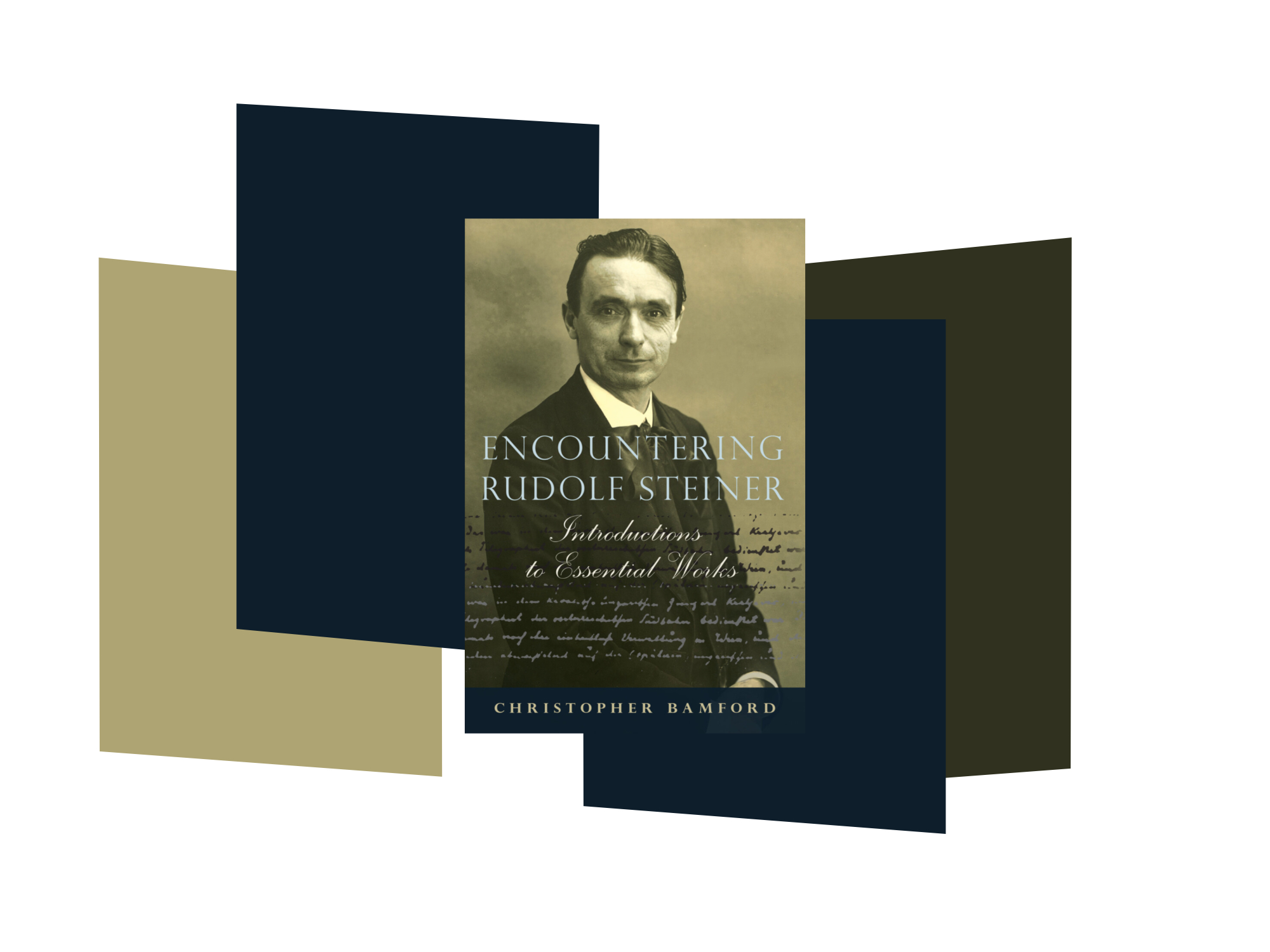
Christopher Bamford, the long-time editor of SteinerBooks, crossed the threshold early in the morning of May 13, 2022. He had very recently been able to hold a copy of his book, ‹Encountering Rudolf Steiner›, which features many of his introductions to the Collected Works of Rudolf Steiner. This article contains highlights of the volume’s forty-page introduction by his longtime friend, Dr. Robert McDermott. The deep aim, or intention, of an introduction (understood esoterically) is a ‹living understanding›, or, as the…

Robert McDermott · 12 May 2023 · 8 min

A Brick and Mortar SteinerBooks Store

A Brick and Mortar SteinerBooks Store

SteinerBooks, the publishing house for Rudolf Steiner’s works in the United States, has just opened a new bookstore at their headquarters in Spencertown, New York. The Anthroposophic Press, or ‹SteinerBooks›, is, aside from the Anthroposophical Society itself, the oldest anthroposophical organization in the United States, having been established in 1928. Today, it resides in the Hudson River Valley. SteinerBooks is in the middle of the ‹Collected Works of Rudolf Steiner in English› project, which was started in 2006 by the…

Charles Cross · 12 May 2023 · 1 min

What I Have Observed on Corners

What I Have Observed on Corners

In the district where our counseling center is located and which we are responsible for—a so-called social hot spot in Dortmund with a high proportion of migrants—there are public places where young men regularly gather. In my example, they are young people who have immigrated with their parents from the former Soviet Union. […] There are several such places, and what they have in common is this: they are ‘corners.’ The space is public and hidden at the same time.…

Mathias Wais · 11 May 2023 · 1 min

What Have I Observed at Teachers’ Conferences?

What Have I Observed at Teachers’ Conferences?

“If colleague Z says one thing, I can guarantee that colleague Y will say the opposite in response; and if colleague O says something, I stop listening altogether, because it’s always the same and always takes too long.” Our habits are not only mirrored in the classroom but also in real life; even deeper habits sit in our thought processes—in our thinking habits, in our listening and responding habits. In person-to-person conversation, these habits are not as consciously perceived because…

Christof Wiechert · 04 May 2023 · 1 min

Ignaz Troxler and Modern Switzerland

Ignaz Troxler and Modern Switzerland

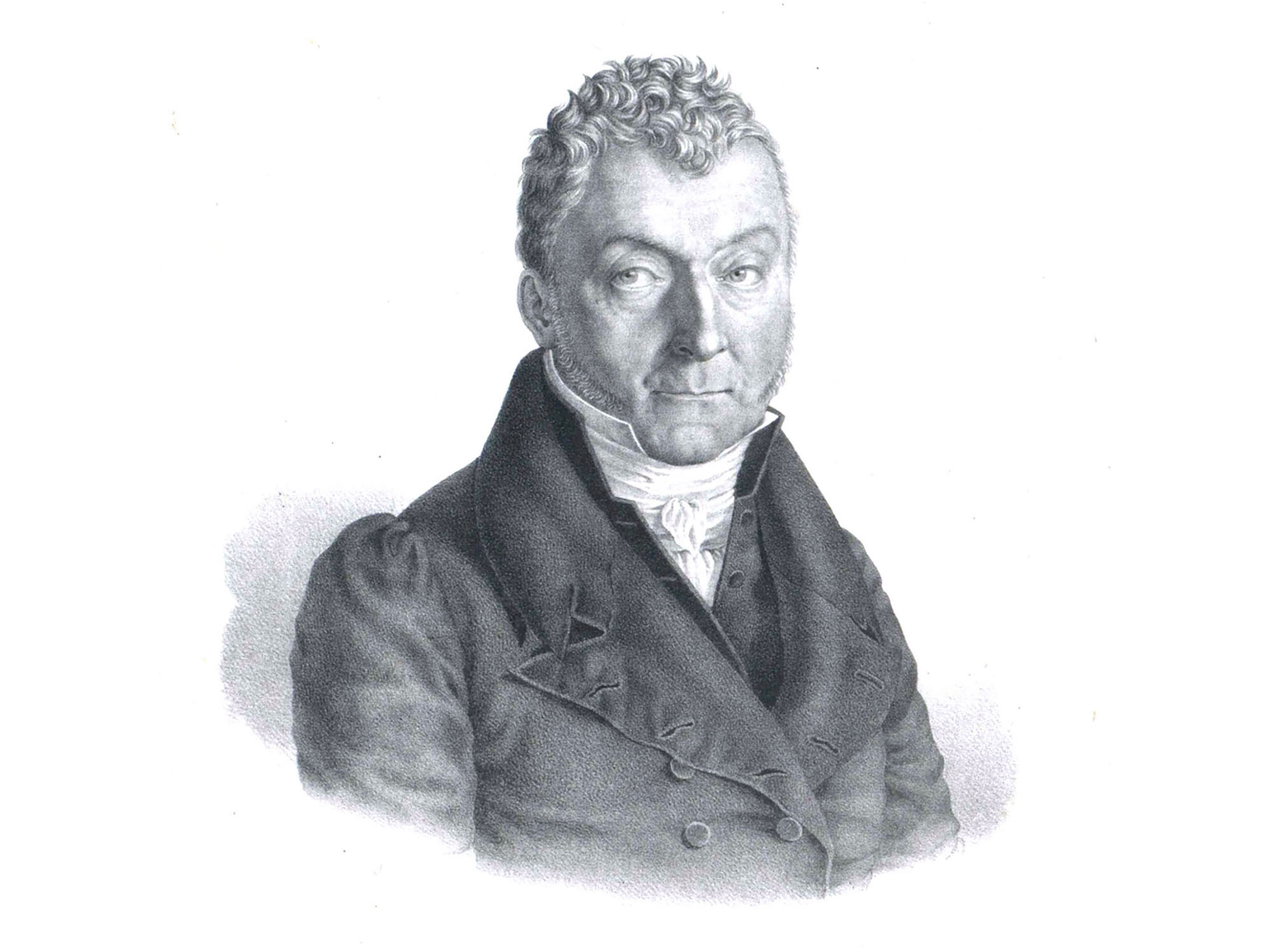
At a time when Europe is experiencing a deep crisis, the ‹Swiss model› is once again coming to the fore. The fate of modern Switzerland was decided 175 years ago. An important yet forgotten figure in anthroposophy and Swiss spiritual life played a decisive role in this: Ignaz Troxler. While the dark sides of the USA are often discussed today, the emergence of modern Switzerland also points to a ray of light that came from across the Atlantic. In 2018,…

Max Feurer · 05 April 2023 · 5 min