Section

Musings

355 articles

One Who Taught Me to Be Amazed

One Who Taught Me to Be Amazed

For Michael Kurtz, who crossed the threshold on April 25, 2024. In the beginning, I was simply amazed. In 1988, a biography of the composer Karlheinz Stockhausen was published by Bärenreiter. The author: Michael Kurtz. I’d never heard of him. I’d studied at the Cologne University of Music, where Stockhausen taught in the late 1960s and 1970s, but there was never any talk of a Michael Kurtz. And yet, an inner voice told me, “You must read this book”—and I…

Stephan Ronner · 04 July 2024 · 8 min
View of Humankind

View of Humankind

A synopsis such as the one from Kant’s intuitive mind—a synopsis of all things and all things in their totality—would probably be too much for humans. The knowing of an intuitive mind that grasps the entire temporality, its origin, its content and its end in one fell swoop is probably something that should not happen to humans. We would cease to be human because a boundary would be crossed. We would re-enter the higher, heavenly world, and everything would be…

Andreas Blaser · 21 June 2024 · 2 min

Sensation in the Center

Sensation in the Center

I place sensation in the center: it is the true link between nature and everything I create. It is what remains inside me from a perception. I usually experience my sensations as passive. They gradually fade as the experience that triggered them gets further away. However, it is possible to handle a sensation actively if we make it into something that it cannot be by itself. The first step is to increase the intensity of the experience through concentration and…

Gilda Bartel, Ulrich Kaiser und Sibylle Wissmeyer · 21 June 2024 · 2 min

Development of the Upper Senses is the Task of Our Time

Development of the Upper Senses is the Task of Our Time

In March, the fourth conference for studying the theory of the senses, “The I as Community—the Open Secret of the Upper Senses,” took place at the Goetheanum. This event of the Section for the Literary Arts and Humanities emerged from the Section’s ongoing research colloquium on Rudolf Steiner’s theory of the senses. Approximately 70 people came together to talk about Rudolf Steiner’s highly original understanding of the three upper senses—the sense of speech, the sense of concept, and the sense…

Peter Lutzker und Peter Lutzker und Ulrike Hans · 21 June 2024 · 6 min

Marie Steiner-von Sivers as a Pioneer of the Stage

Marie Steiner-von Sivers as a Pioneer of the Stage

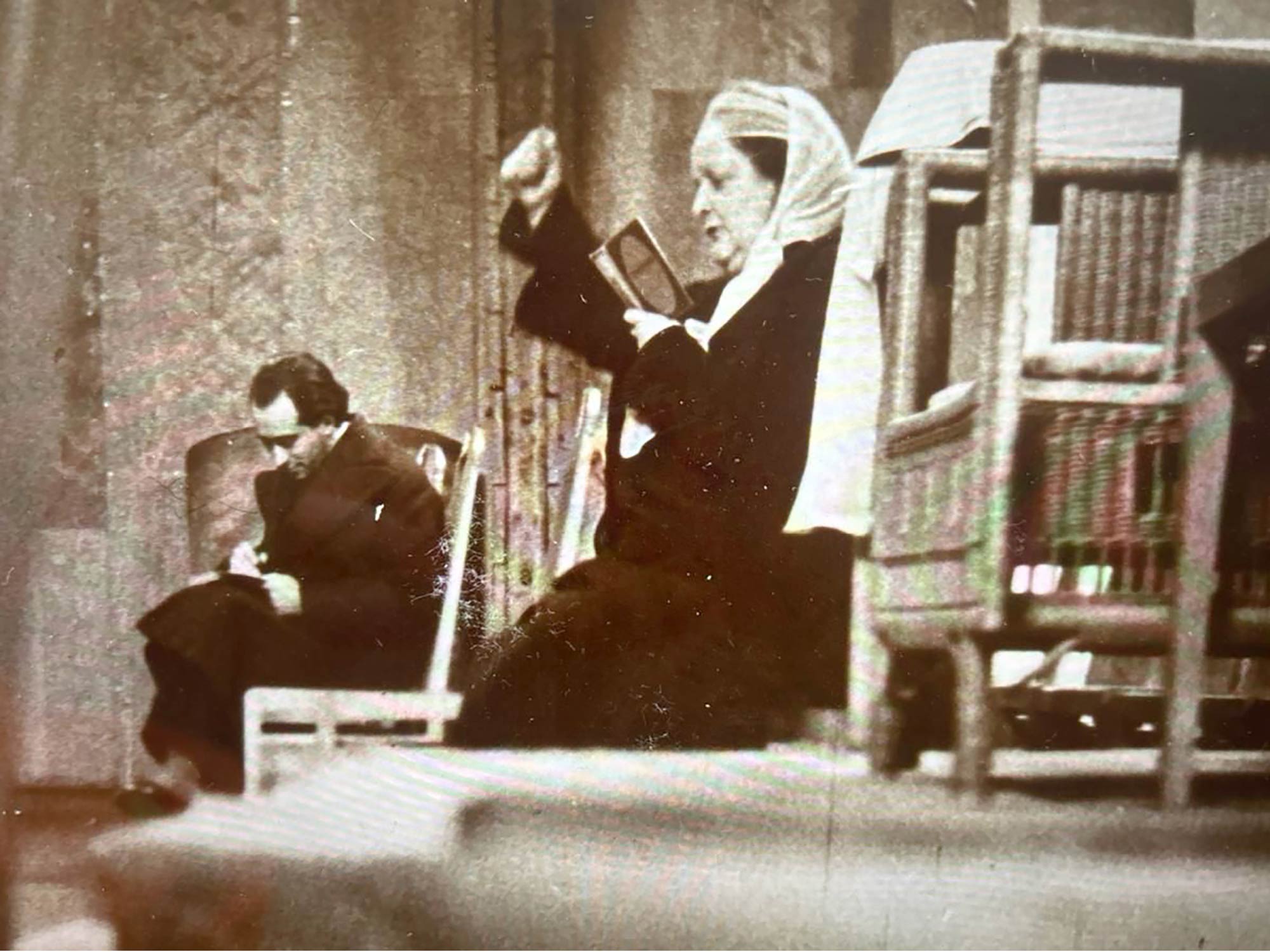
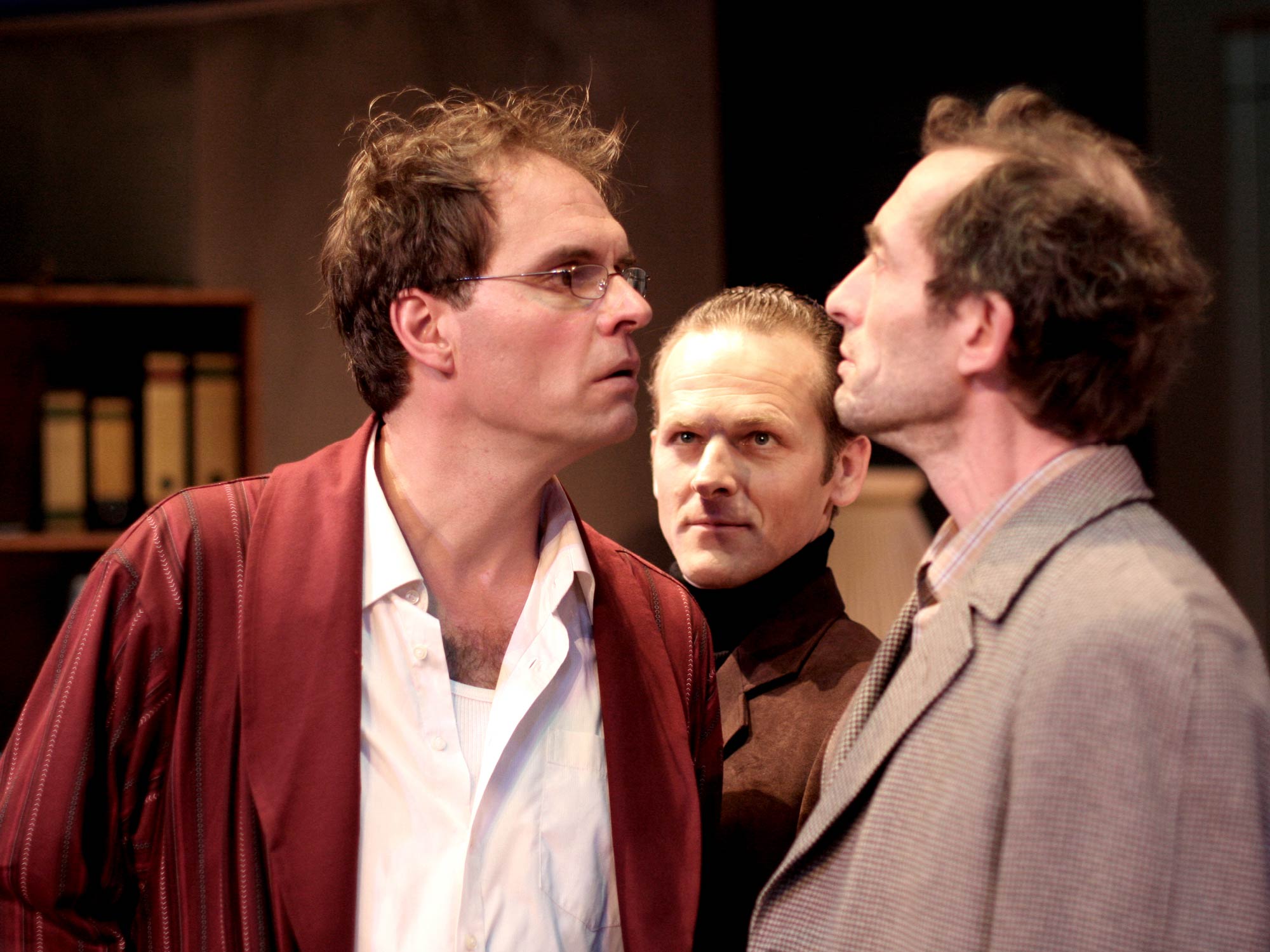
Marie Steiner-von Sivers, a trained actor, worked tirelessly with Rudolf Steiner over the years leading up to the “Dramatic Course” of 1924. After the course and Rudolf Steiner’s death six months later, Marie Steiner continued her artistic quest with incomparable intensity and in a new form: as a pioneer of the art of directing. Marie Steiner-von Sivers learned the art of the stage between 1894 and 1901 through three cultures, three cities, three women, three styles, and three stories. She…

Gaia Termopoli · 14 June 2024 · 6 min

100 Years of “Speech Formation and Dramatic Art”

100 Years of “Speech Formation and Dramatic Art”

It was an over-flowing carpentry workshop: there had been so much demand for the acting course planned for September 1924 that Rudolf Steiner felt the need to open the doors to all 700 interested people—professionals and amateurs alike. A true image of theater art? Speech formation concerns us all. The dimension of the word is one of the central concerns of anthroposophy. As Rudolf Steiner formulated (in CW 280), “Only when one learns to hear can one learn to speak.”…

Agnes Zehnter · 14 June 2024 · 8 min

Extending the Art of Theater

Extending the Art of Theater

Director Gosha Valerian Gorgoshidze sheds light on the contribution made by Rudolf Steiner’s 1924 Dramatic Course and the search for an art of theater that reconnects to the spiritual dimension through the experience of the forces of language and karmic connections. When Rudolf Steiner gave an overview of the development of drama in his so-called “Dramatic Course,” he emphasized the idea of fate or destiny that lay gestating within the womb of ancient Greek dramas (by Aeschylus, Sophocles, and Euripides)…

Gosha Valerian Gorgoshidze · 14 June 2024 · 4 min

Anthroposophy as a Path

Anthroposophy as a Path

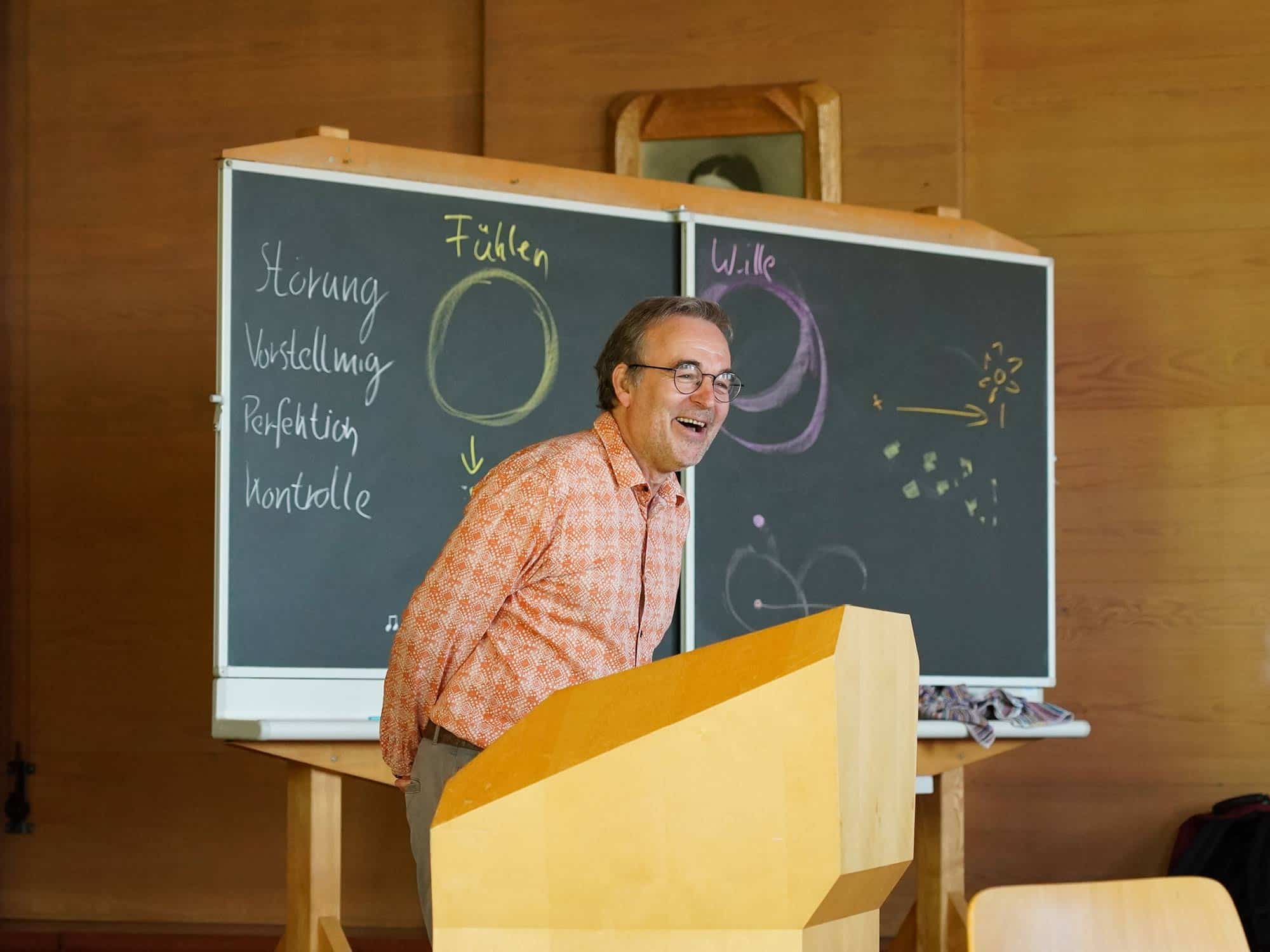
For the first time, the instructors of Waldorf teacher trainings worldwide were invited to a meeting. What was the response? Wolfgang Held speaks with Philipp Reubke. Philipp Reubke There were 250 participants, some from quite far away—India, Japan, Taiwan, China, and South America. We were very pleased and will continue to organize such conferences. What questions did they bring with them? How can we prepare future teachers for this difficult profession, so that they’re able to activate their resilience without…

Philipp Reubke · 14 June 2024 · 2 min

“Trans” Means “Beyond”

“Trans” Means “Beyond”

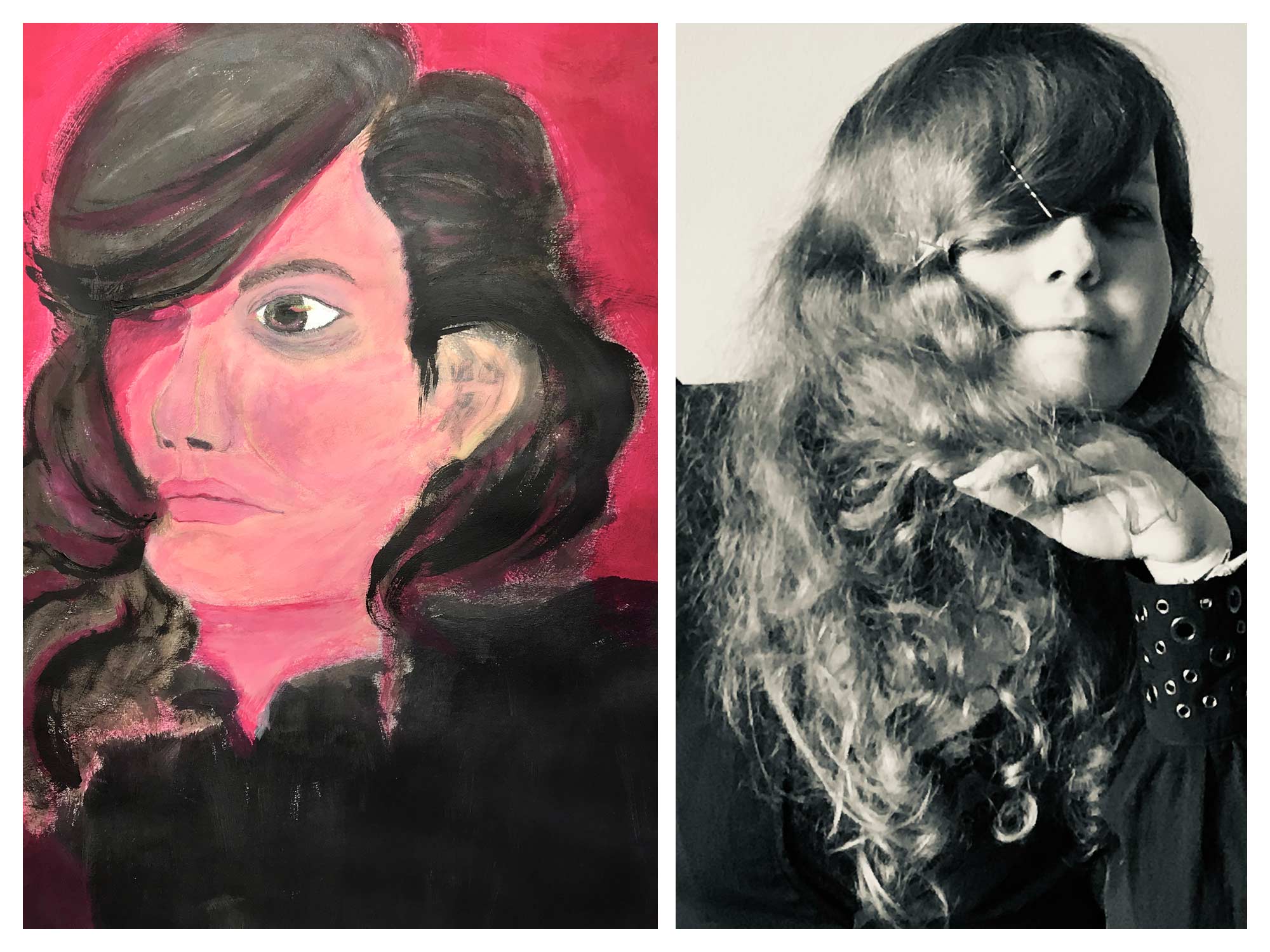
We want to go beyond prejudice. Sharing ideas with each other helps. Here are some perspectives on the topic. Sacred Freedom My life has taken me across borders; I live and lived in many worlds – in conservative Texas and cosmopolitan Switzerland, in buddy-buddy sports teams and spiritually sensitive communities. Some of these worlds are just a click away from each other. On Instagram, I see a dear trans friend celebrating the installation of a highway poster he designed that…

Louis Defèche und Franka Henn · 07 June 2024 · 5 min

Re-Imagining Potential through Education

Re-Imagining Potential through Education

In Britain, Rudolf Steiner’s impulse is transforming the lives of children and young people with learning differences and difficulties. For the past four decades, Ruskin Mill Trust has used traditional crafts and biodynamic farming as tools for therapeutic education to support the development of human freedom. Now, a new book by founder Aonghus Gordon and Dr Laurence Cox presents the Trust’s method of Practical Skills Therapeutic Education as a vision of a better way of living for everyone. In 1981,…

Laurence Cox · 31 May 2024 · 9 min

A Year of Becoming Inwardly Alive

A Year of Becoming Inwardly Alive

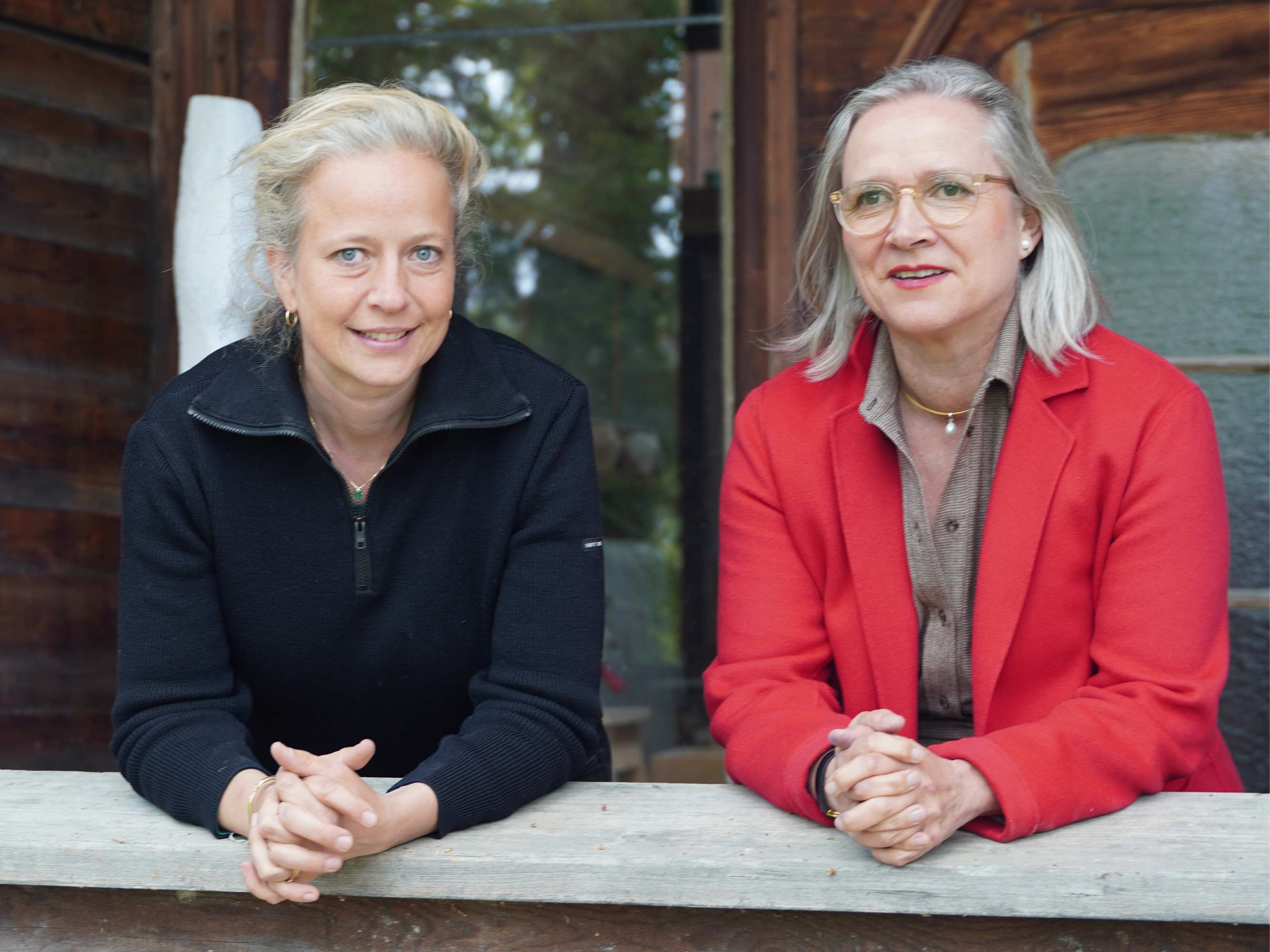
This fall, a new one-year art course taught in German will begin at the Goetheanum. What impulse has driven the two initiators to offer the course? Interview by Wolfgang Held. How did the idea for an artistic study year at the Goetheanum come about? Barbara Schnetzler It was mainly the students here at the Goetheanum who provided the impetus. They kept asking to be able to work more artistically. I experience this again and again in my courses, that there is…

Christiane Haid · 31 May 2024 · 8 min