Section

Nature experience

← Nature

69 articles

Worlds of Fog

Worlds of Fog

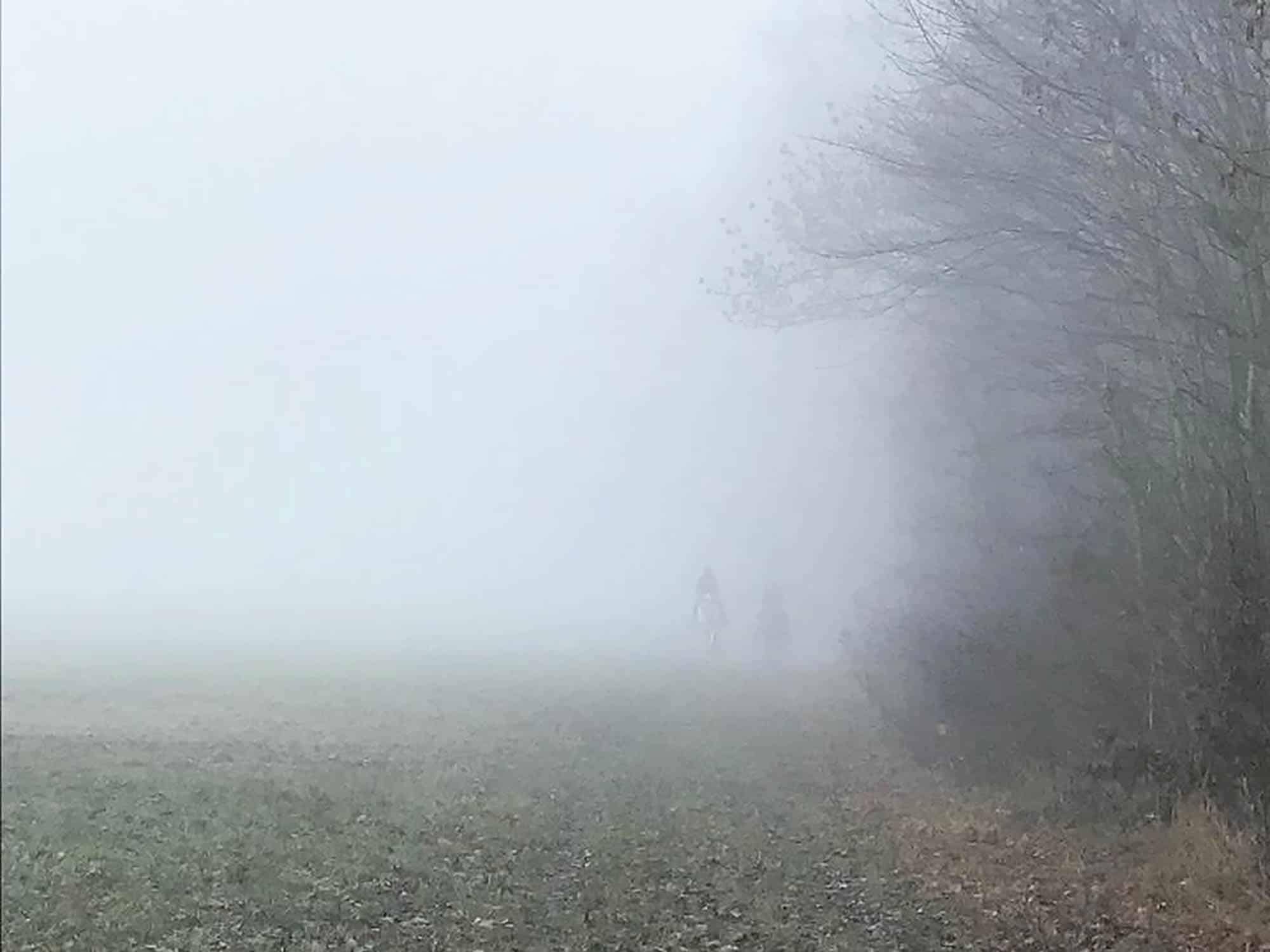
Fog is not a curtain in front of the landscape but a transformation of vision itself. Through precise sensory observation, an everyday phenomenon becomes a philosophical discovery. “Night-and-fog operations” [Nacht-und-Nebel-Aktion] (as covert actions are called in German) are presumably so named because they are meant to be safeguarded from the open, all-revealing view of daylight, and hence from witnesses. Not invisible, but hidden, covered, concealed. We associate night and fog with the deprivation of sight. When there’s fog, we can…

Hans-Christian Zehnter · 15 October 2026 · 9 min
Children in Trees

Children in Trees

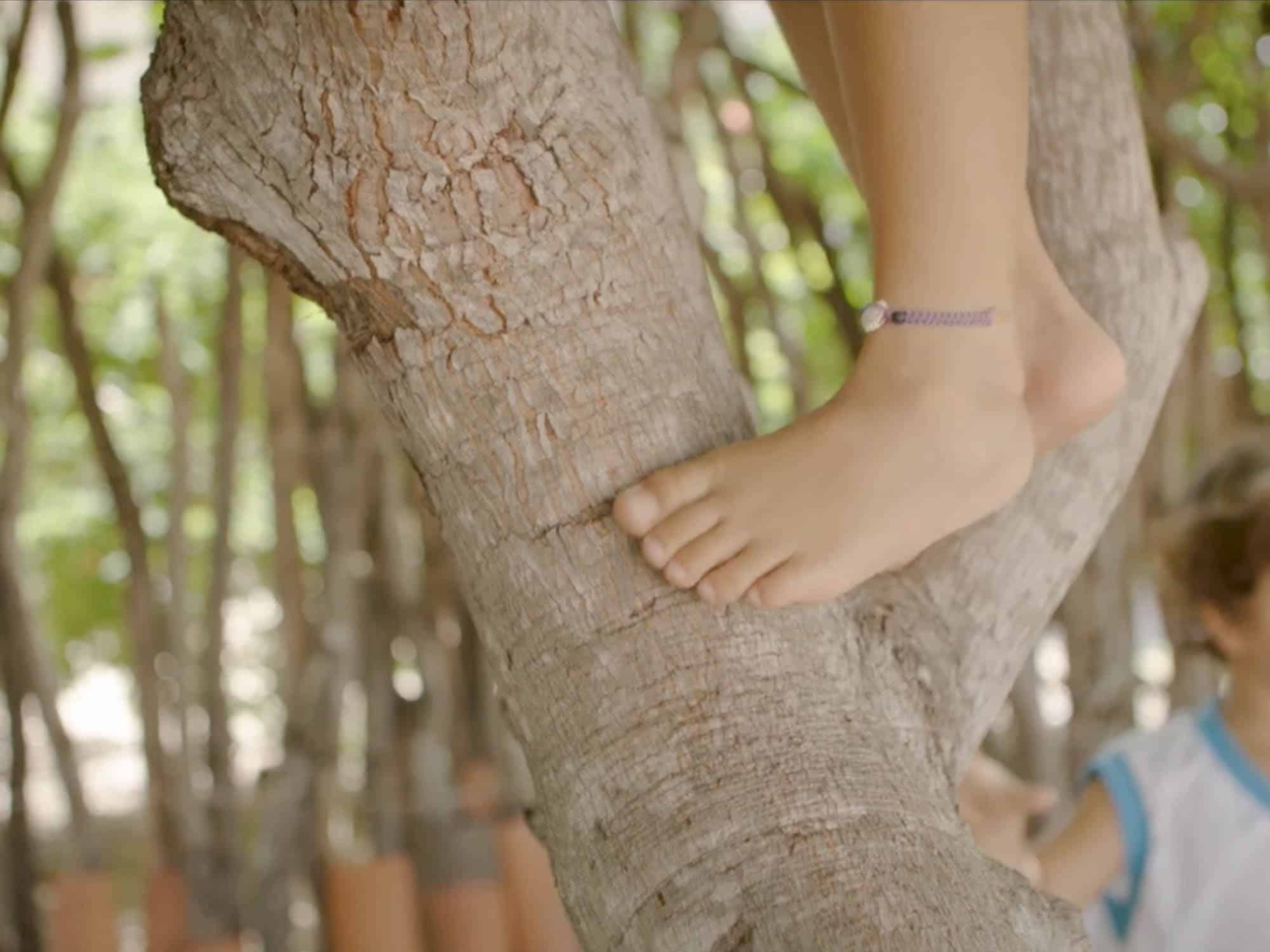
Brasília, Brazil. Documentary film about climbing and the art of close observation. What do children do when allowed to play freely in a tree? This question was the departure point for the film project “Crianças e Árvores” (”Children and Trees”), which involved 35 pedagogues from Waldorf kindergartens across Brazil. Over the course of two years, they gathered observations and impressions using the Goethean phenomenological method—an approach which had them pausing, tuning out the noise of daily pedagogical routines, and fully…

Redaktion · 16 September 2026 · 1 min

Christ’s Work in the Interstice

Christ’s Work in the Interstice

In the color green, light and darkness meet and find a living equilibrium. Kees Veenman’s experiments with color invite us to explore this mysterious interplay of balance. At the end of May, Christine Gruwez’s new book De Logos naderen (Approaching the Logos) was published in Belgium. It contains eleven of her articles, several of which are previously unpublished. In the article “The Grail Between East and West,” she draws on the work of Rudolf Steiner. He described the encounter between…

Kees Veenman · 16 September 2026 · 9 min

The Nature Workshop

The Nature Workshop

Cairo, Egypt. The Sekem initiative connects children with the natural environment. Not all children in Egypt have access to nature. Many of them grow up in densely artificial areas where litter-strewn streets, rather than green spaces and parks, dominate the cityscape. But watching plants grow or observing animals are among the experiences that allow children to discover, explore, and learn to understand how things are interconnected. Plus, a conscious relationship to nature is essential for taking responsibility for the planet…

Redaktion · 09 September 2026 · 1 min

And the Soil was Drinking

And the Soil was Drinking

Ytterjärna, Sweden. Seen, felt, understood: From the life of Aleksandra Domanska, Garden Coordinator at the Youth Initiative Program in Sweden. It was a very dry spring. Almost no rain. The sun was shining nearly every day. The day is endless here up north at that time of the year. The opposite of winter. The light is bringing us back to life and allows us to spend long days in nature. On one of the few rainy days the drops were…

Aleksandra Domanska · 26 August 2026 · 1 min

Snow in June

Snow in June

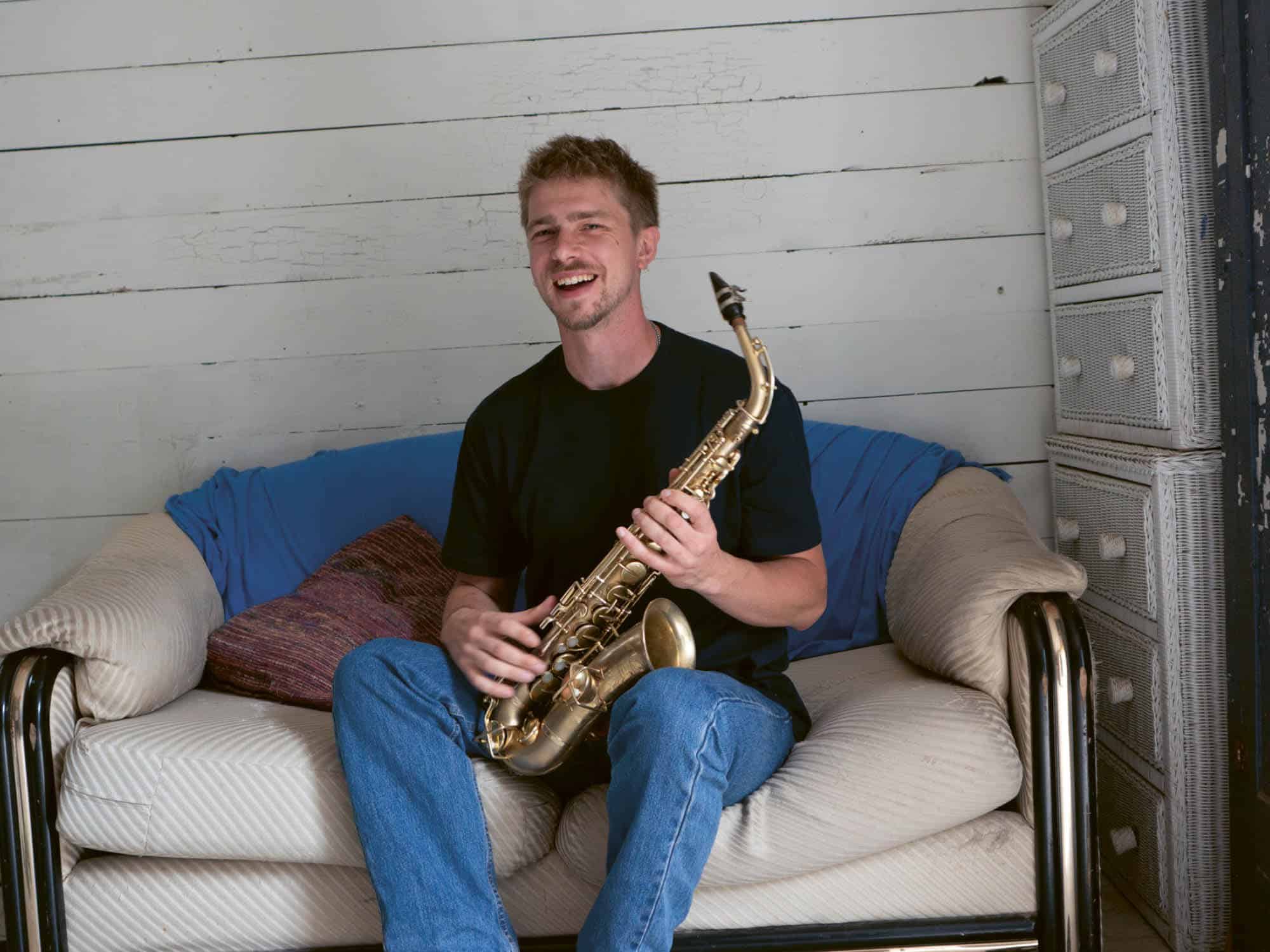
Buffalo, Wyoming. Seen, felt, understood: From the life of Soren Dietzel, saxophonist and Residency Director at Free Columbia. The snow fell in June. I was laying in my tent awaiting the sun. Camping miles away from civilization at 10,000 feet near the tree line, surrounded by rocks turning white, the mountain peaks extending into clouds, required surrender. I was afraid it would snow for days and make it impossible to hike the ten miles back to the truck. More realistically,…

Soren Dietzel · 14 August 2026 · 1 min

The Question of Consciousness

The Question of Consciousness

Burbank, USA. New season of The Telepathy Tapes. The podcast The Telepathy Tapes has garnered significant attention from listeners. Each of the ten episodes of the first season has been streamed more than one million times. They explore the phenomenon of telepathic communication among non-speaking individuals with autism. The podcast’s creator, filmmaker Ky Dickens, meets with various people who communicate via telepathy; through a combination of interviews, standardized tests, and scientific analysis, she paints a nuanced picture of their lived…

Redaktion · 13 May 2026 · 1 min

The Earth Is the Substance of Our Destiny

The Earth Is the Substance of Our Destiny

We incarnate on a planet whose evolution is intertwined with the destiny of humanity. The “Great Mother” is our body. We have a karmic relationship with the Earth. Our primary experience is unity—oneness between self and world. Gradually, duality emerges: child–mother, ‘I’–world, human–Earth. Every day—upon waking—we can try to catch that moment when the ‘I’ again falls out from the unified continuum of experience and ‘I’ and world stand in opposition to one another as separate objects. This awakening to …

Ueli Hurter · 13 May 2026 · 10 min

Inside a Rose

Inside a Rose

Media that attempts to convey a specific message increasingly distances us from immediate experience and reconstructs predictable relationships. But there are gaps that allow consciousness to shine through. How can a person enter the innermost essence of a rose? They can do so by observing its color and form, perceiving its fragrance, and following the rose’s whole life cycle as the seasons change—its blooming and its fading. In itself, the rose is a unity. But through the various activities of…

Hao Bu · 07 May 2026 · 5 min

Easter Morning on Iona

Easter Morning on Iona

On the quality of the sensual as a shared experience of the forces of resurrection in nature. On Easter morning, we walked from the ferry to the Abbey on Iona (Scotland) to join in the Iona Community’s Easter service. The day before, a violent storm had swept across the islands. The house was without power for hours; the wind whistled through the walls all night; sleep was nearly impossible. Cold, rain, hail, and turbulence dominated the day. And then, Easter…

Renatus Derbidge · 07 May 2026 · 3 min

On the Realization of the World

On the Realization of the World

Art, like nature, is “realized” through those who observe it. Human beings create reality because they can turn something that is intuited spiritually into something perceptible in the sensory world. No artwork without an observer. This insight has become programmatic for modern art. Cézanne spoke of “making real” and “realizing” to make it clear that the creative process of the artist and the observer does not consist in depicting a given reality but in creating a new reality. What applies…

Hans-Christian Zehnter · 09 March 2026 · 4 min