Section

Forum

312 articles

What the Press Is Capable of

What the Press Is Capable of

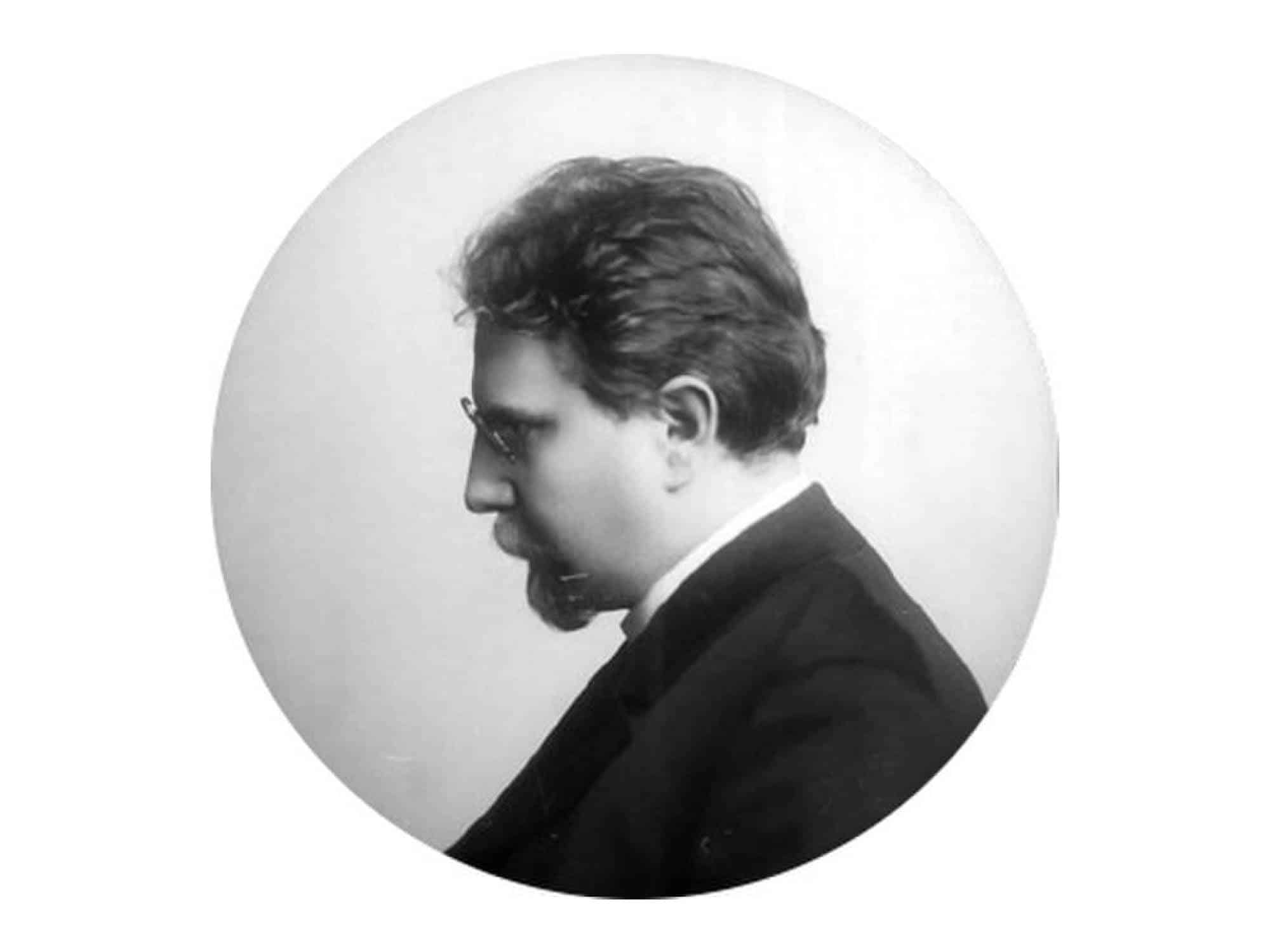
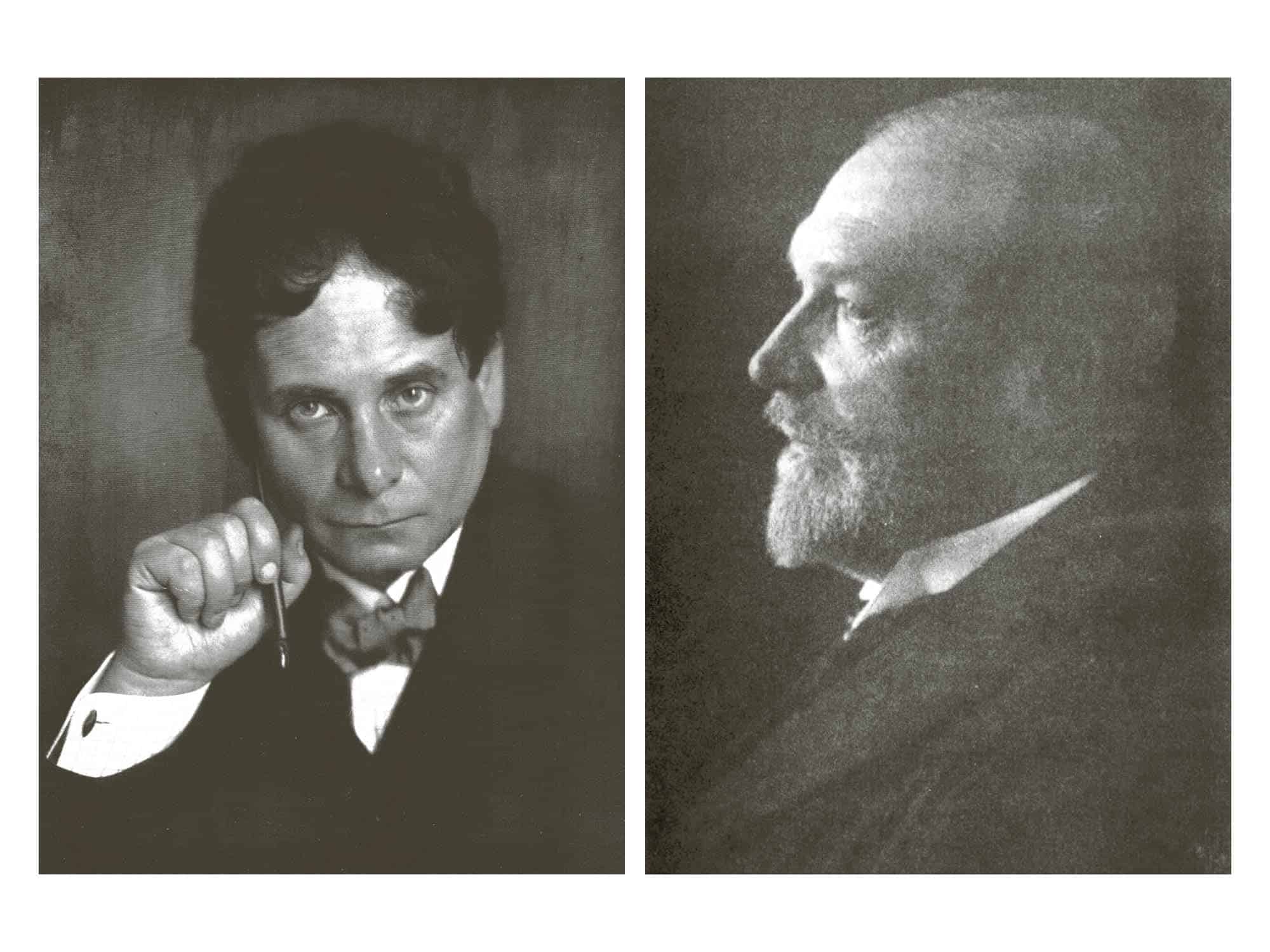
The Harden-Eulenburg affair caused quite a stir at the beginning of the twentieth century. Rudolf Steiner was acquainted with the protagonists, both of whom ended their lives in sorrow. In the years 1906 to 1908, the German Empire was shocked by a scandal known as the Harden-Eulenburg affair. The original cause was that, in the view of Bismarck’s admirer Maximilian Harden (1861–1927), publicist and editor of the influential weekly journal Zukunft [Future], Kaiser Wilhelm II was acting too compliantly in…

Martina Maria Sam · 19 September 2024 · 12 min
Living From the Spirit

Living From the Spirit

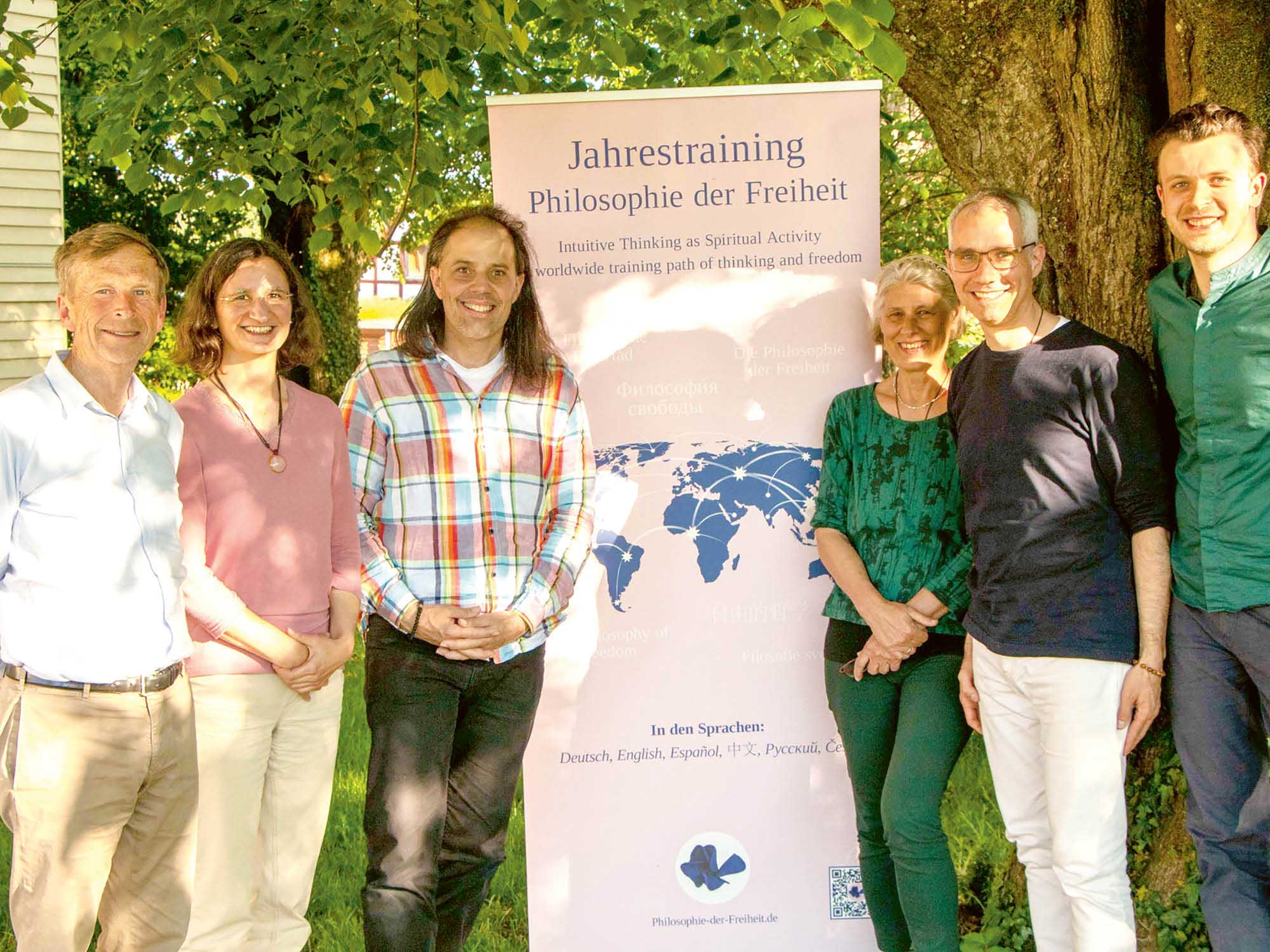
Gaining an understanding of the spiritual—and living from it—is the longing and goal of anthroposophy. The Annual Training: Philosophy of Freedom starts a new cycle on September 29. People from all over the world will take part in this training course together. Looking back on the Christmas Conference and the laying of the foundation stone in 1923, Rudolf Steiner wrote the following lines to the members of the General Anthroposophic Society on January 13th, 1924: “This could only be a…

Andreas Schmitt · 06 September 2024 · 7 min

Rare Earths—Hidden Earths

Rare Earths—Hidden Earths

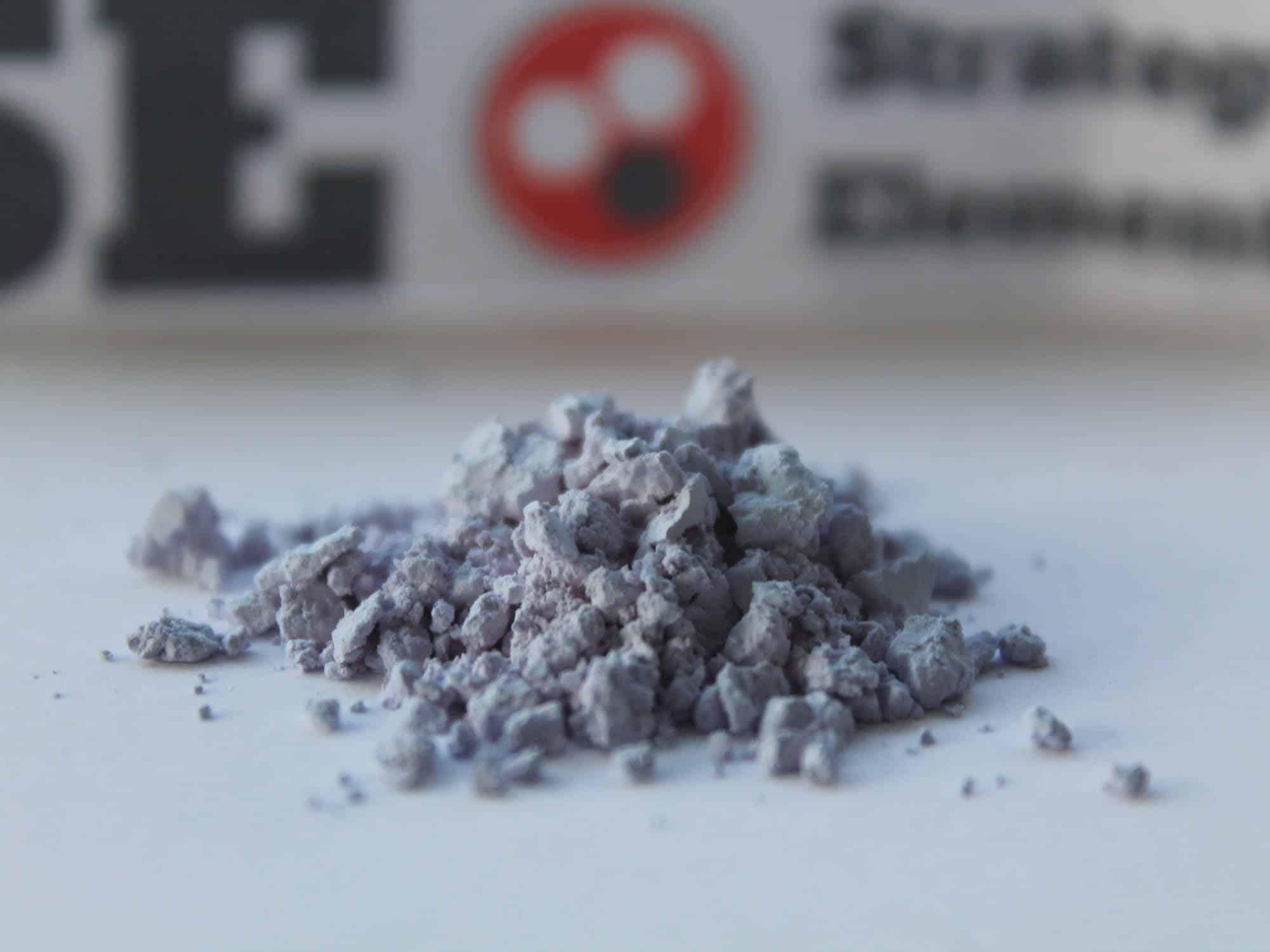
Chemistry and the social sciences belong together. Reality emerges from the combination of different perspectives. In the third natural science course that Rudolf Steiner held in 1921 on the subject of the relationship of the various scientific fields to astronomy, he encouraged people to discuss scientific fields that were traditionally separated from one another. The limited perspective of specialist scientists, who only understand their own field, remains on the surface of the world and does not permit penetration into reality…

Martin Errenst · 15 August 2024 · 3 min

What Does Quantum Theory Reveal About Homeopathy

What Does Quantum Theory Reveal About Homeopathy

The science of homeopathy was introduced in 1810 by the German doctor Samuel Hahnemann. In the interim 213 years, thousands of doctors have researched and applied it in the most varied of cases, and, as a result, numerous case studies elaborate on its effectiveness. Nevertheless, we still read statements like this one from a science advisory council: “There are no known diseases for which there is reliable evidence that homeopathy is effective.” Would you like to keep reading? We’re pleased…

Tamás Bükki · 15 August 2024 · 7 min

An Indication for the Sense of Thought

An Indication for the Sense of Thought

Research results show that the brains of the speaker and listener are coupled. Is this evidence for the sense of thought? Rudolf Steiner describes the sense of thought as the sense of perceiving the thoughts of other human beings. This sense is especially cultivated, for example, when one reproduces the content of another human being’s speech before expressing one’s own opinion. The prevailing contemporary model for communication is based on the principle of the encoding and decoding of thoughts by…

Patrick Pfaehler · 15 August 2024 · 3 min

Otto Erich Hartleben and Rudolf Steiner—Part 2: In Berlin

Otto Erich Hartleben and Rudolf Steiner—Part 2: In Berlin

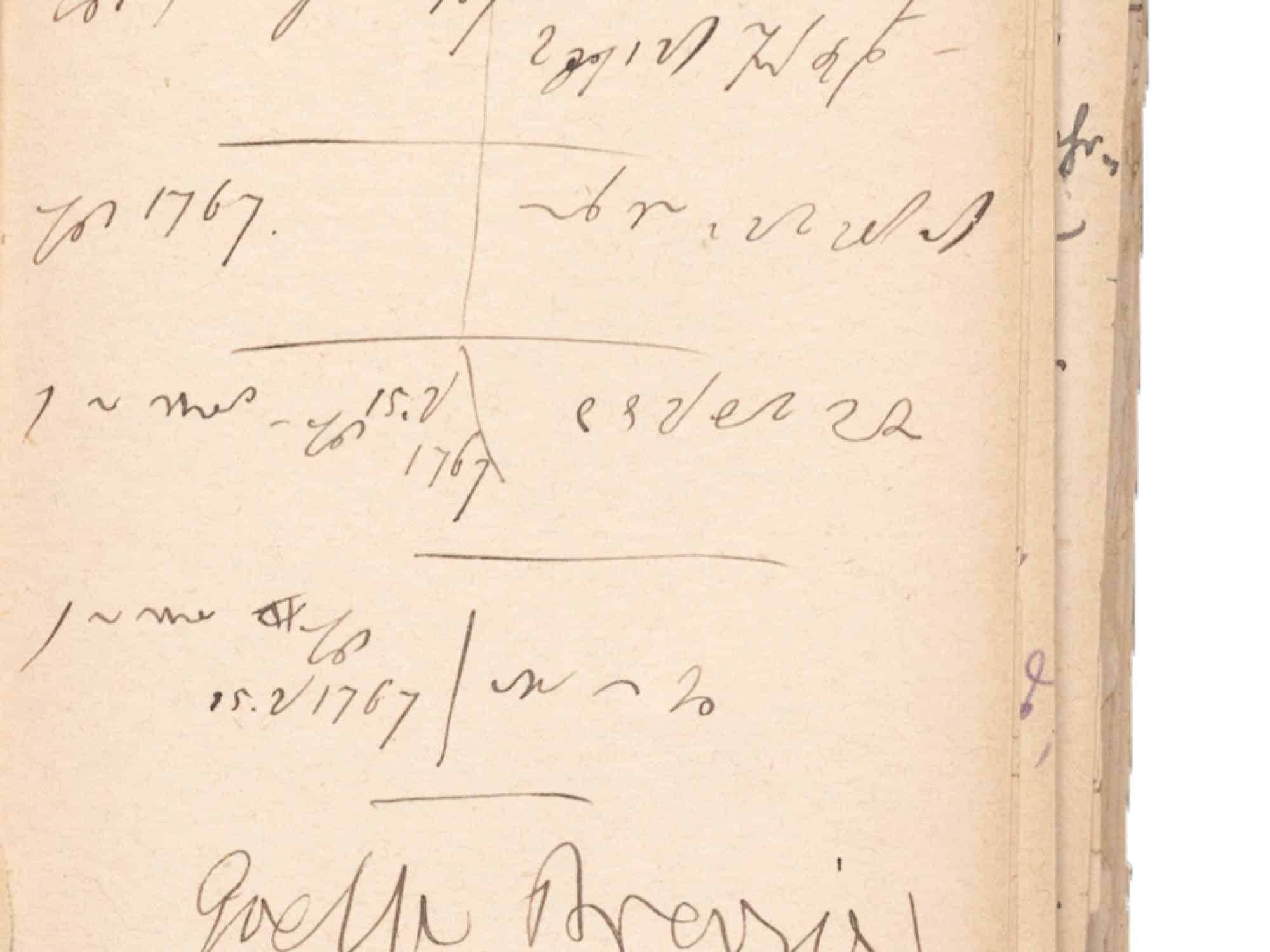
The friendship with Otto Erich Hartleben that began in Weimar continued in Berlin. It offered Rudolf Steiner the opportunity to empower himself with a perceptive grasp of the sensory world. When Rudolf Steiner took over the editorship of the Magazin für Litteratur [Magazine for Literature] in 1897, he was given the condition “that Otto Erich Hartleben should sign and work as co-editor,” as he had a name in the circles associated with the magazine. However, Hartleben’s activities were essentially just…

Martina Maria Sam · 02 August 2024 · 8 min

View of the Living and the Current Philosophy of Biology

View of the Living and the Current Philosophy of Biology

Goethe uses the expression “seeing with spiritual eyes” to characterize his imaginative view of the living organism. On the basis of Rudolf Steiner’s indications and with many years of experience, this can be described and practiced quite concretely. Even outside anthroposophical circles, the question of the view of the living organism is highly topical today. Here is some background information. In the second half of the 20th century, the question of the essence and evolution of living things seemed to…

Christoph Hueck · 18 July 2024 · 4 min

Otto Erich Hartleben and Rudolf Steiner—Part 1: In Weimar

Otto Erich Hartleben and Rudolf Steiner—Part 1: In Weimar

Rudolf Steiner met the poet and bon vivant Otto Erich Hartleben (1864–1905) in Weimar, together with whom, for several years, he would later publish the Magazin für Litteratur [Magazine for Literature]. Hartleben was known for his “wet and wonderful” lifestyle. It’s said that he paid extensive homage to Dionysus and Eros. Hartleben had initially studied law at the request of his grandfather, with whom he had grown up after the early death of his parents, and worked briefly as a…

Martina Maria Sam · 18 July 2024 · 9 min

Woven and Entangled

Woven and Entangled

The main characteristic of life is to communicate, to build social relationships, and to network. A fantastic variety of tiny organisms pulsate in the soil. They enable plants, animals, and humans to survive. Microbes were already on Earth a few billion years before other life developed. They “invented” almost everything that makes up life—cellular respiration, cellular communication, and the formation of dynamic networks, for example. Every plant has a microbiome—a community of microorganisms—in its root area. This is by no…

Florianne Koechlin · 18 July 2024 · 3 min

One Who Taught Me to Be Amazed

One Who Taught Me to Be Amazed

For Michael Kurtz, who crossed the threshold on April 25, 2024. In the beginning, I was simply amazed. In 1988, a biography of the composer Karlheinz Stockhausen was published by Bärenreiter. The author: Michael Kurtz. I’d never heard of him. I’d studied at the Cologne University of Music, where Stockhausen taught in the late 1960s and 1970s, but there was never any talk of a Michael Kurtz. And yet, an inner voice told me, “You must read this book”—and I…

Stephan Ronner · 04 July 2024 · 8 min

View of Humankind

View of Humankind

A synopsis such as the one from Kant’s intuitive mind—a synopsis of all things and all things in their totality—would probably be too much for humans. The knowing of an intuitive mind that grasps the entire temporality, its origin, its content and its end in one fell swoop is probably something that should not happen to humans. We would cease to be human because a boundary would be crossed. We would re-enter the higher, heavenly world, and everything would be…

Andreas Blaser · 21 June 2024 · 2 min

Sensation in the Center

Sensation in the Center

I place sensation in the center: it is the true link between nature and everything I create. It is what remains inside me from a perception. I usually experience my sensations as passive. They gradually fade as the experience that triggered them gets further away. However, it is possible to handle a sensation actively if we make it into something that it cannot be by itself. The first step is to increase the intensity of the experience through concentration and…

Gilda Bartel, Ulrich Kaiser und Sibylle Wissmeyer · 21 June 2024 · 2 min