Section

Forum

312 articles

Vladimir Korolenko and the October Revolution in Russia

Vladimir Korolenko and the October Revolution in Russia

The other view of the contemporary witness Vladimir Korolenko – translated by Rosa Luxemburg. On the 100th anniversary of the human rights activist’s death. While in prison in Breslau, Rosa Luxemburg edited the work of the Russian writer and humanist Vladimir G. Korolenko in prison in Wrocław, whose stories she translated into German. In addition to a very detailed overview of modern Russian literature, she translated, notably, the autobiography of Korolenko, ‹Die Geschichte meines Zeitgenossen› (The Story of My Contemporary…

Peter Stühl · 07 January 2022 · 7 min
In the Beginning, There Was … A Harmonious Relationship

In the Beginning, There Was … A Harmonious Relationship

A reflection on the Johannine logos The beginning of the prologue of the Gospel of John, translated from Greek, is well known: «In the beginning there was the Word, and the Word was with God» (John 1:1). In the following reflection, I do not want to criticize this common transmission, but to supplement and deepen it with an interpretation of the Greek term ‹lógos›, which points to a dimension of this inexhaustible source of spirituality, as far as I know,…

Salvatore Lavecchia · 24 December 2021 · 3 min

Our Century’s Meister Eckhart

Our Century’s Meister Eckhart

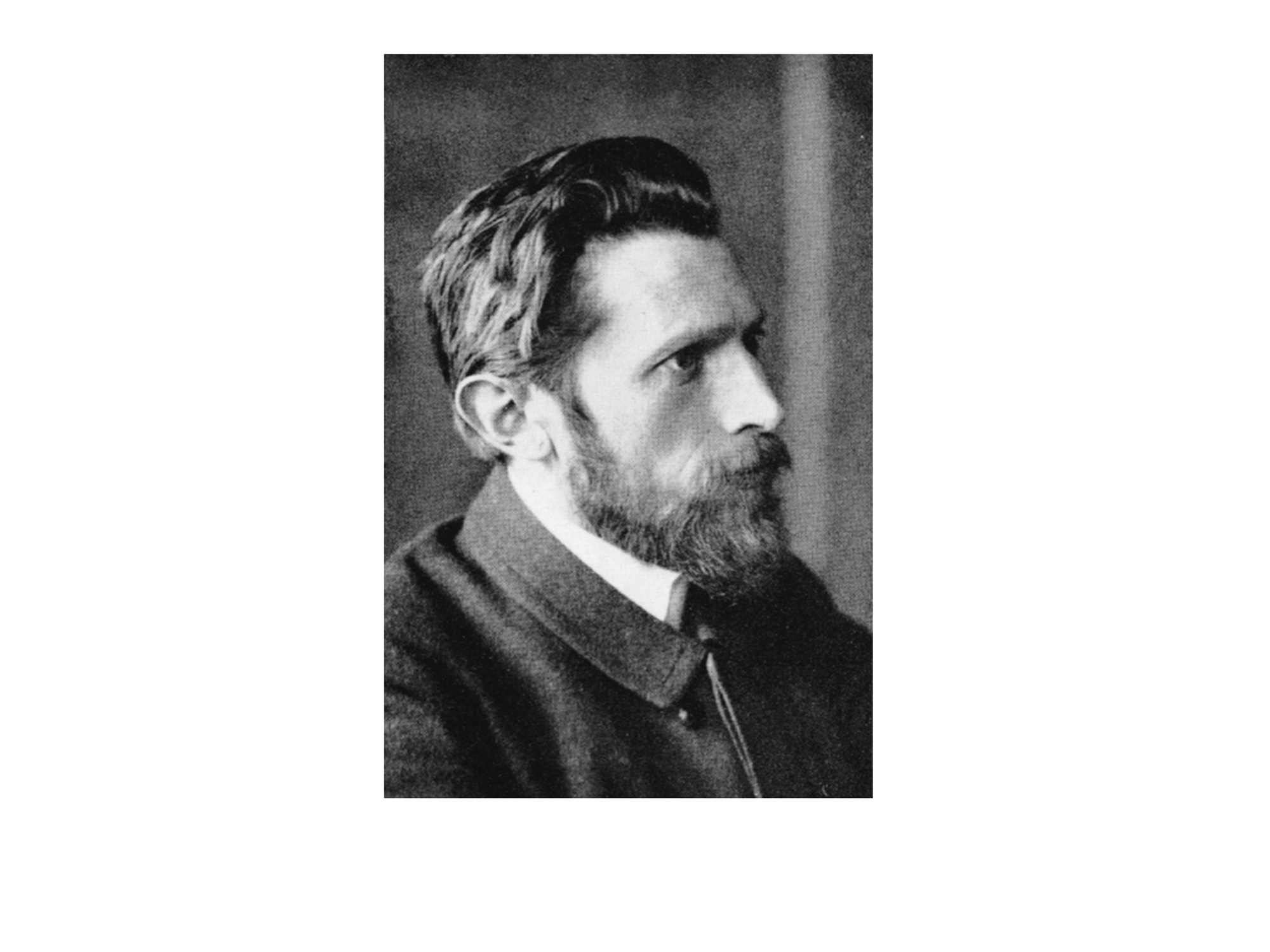
For the 150th Birthday of Michael Bauer (1871–1929). In his recollections of Rudolf Steiner, the Russian symbolist and Anthroposophist Andrej Belyj wrote at one point: «Since 1915 I have had the good fortune to get to know Michael Bauer better, to visit him and to ask him for advice; and although I was able to see the Doctor (Steiner) at the time, I have to admit: Bauer’s advice, the conversations with him, his wisdom, unfathomable, profound word, which sometimes took…

Peter Selg · 12 November 2021 · 16 min

The Distress of Freedom

The Distress of Freedom

Anthroposophy conceived as an extension of consciousness creates consequences for the social organism. The initiator of The Foundation for Independent Education, Thomas Brunner, relies on the power of civil society and sees it as the primary field of realization of the method of Anthroposophy. «Our time doesn’t actually know much about either the physical world or the spiritual world. It actually only knows what it thinks of itself. Due to the nature of our intellectuality as a sum of mirror…

Thomas Brunner · 04 November 2021 · 7 min

Questions of Freedom – Declarations of Love to a Spiritual Philosophy

Questions of Freedom – Declarations of Love to a Spiritual Philosophy

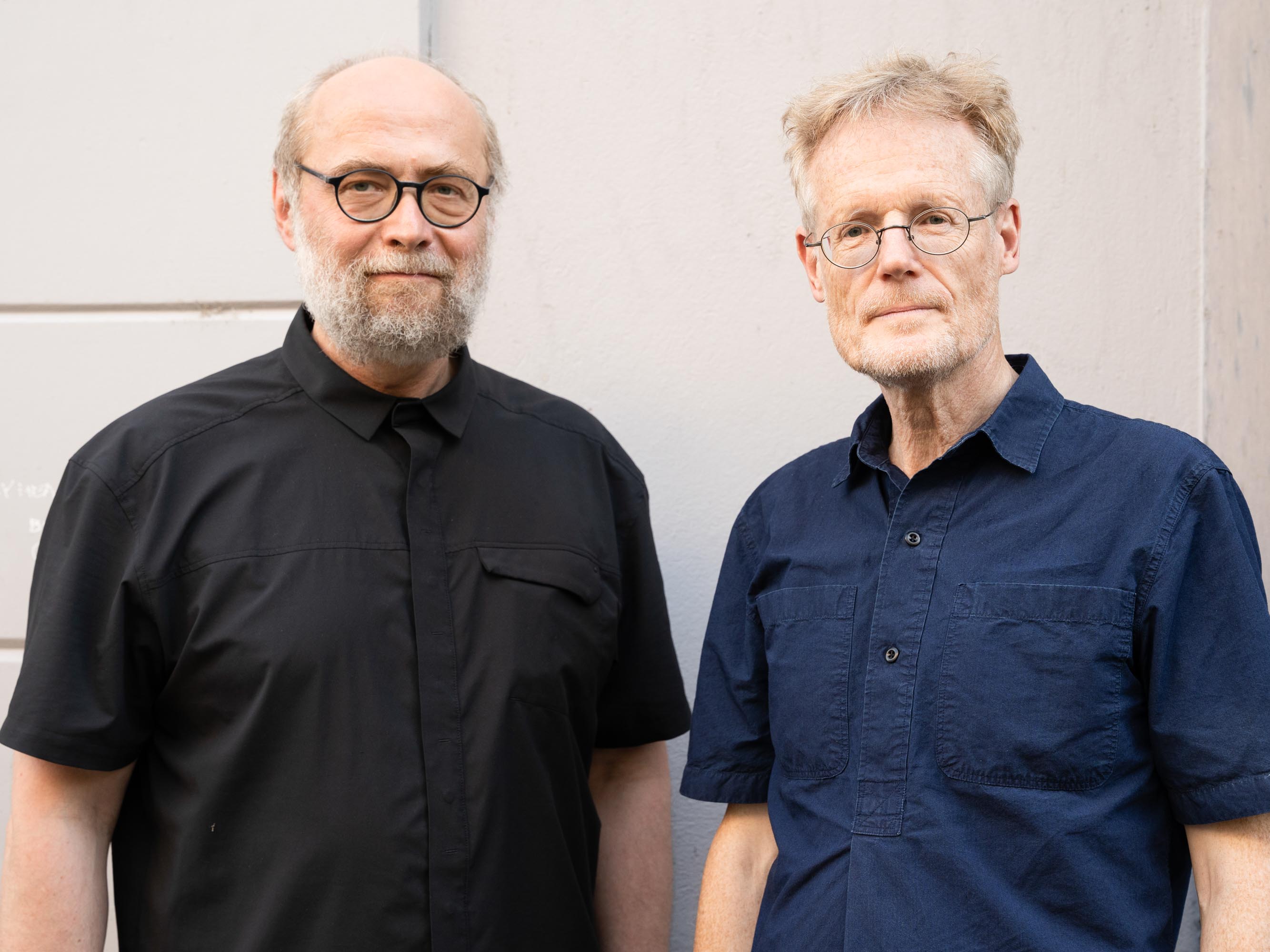
Questioning after knowledge and freedom inspired Renatus Ziegler to tackle a project that had been in preparation for a long time: to make ‹Philosophy of Freedom› accessible in such a way that its content could be worked through and experienced independently, through questions, exercises and reflections. ‹The Letters› were created as a collaborative project with the Philosophicum Basel. Christiane Haid had a conversation with the author and the founder of the Philosophicum Basel, Stefan Brotbeck. What does freedom mean to…

Renatus Ziegler und Stefan Brotbeck · 29 October 2021 · 8 min

The World Needs More Rebels

The World Needs More Rebels

In many organizations, change can actually begin immediately, and almost everything can be changed within a few years. This was said by Pim de Morree from Eindhoven (Netherlands) as part of the online congress ‹New Work Medicine› on February 19, 2021. He has experienced this in dozens of organizations worldwide with his Corporate Rebels initiative – and he radiates this energy himself. Three principles are essential: find people who want change. Proceed in small, achievable steps. Generate a movement from…

Andrea Valdinoci · 15 October 2021 · 4 min

Why Didn’t Rudolf Steiner Take a Final Examination at the Technical College?

Why Didn’t Rudolf Steiner Take a Final Examination at the Technical College?

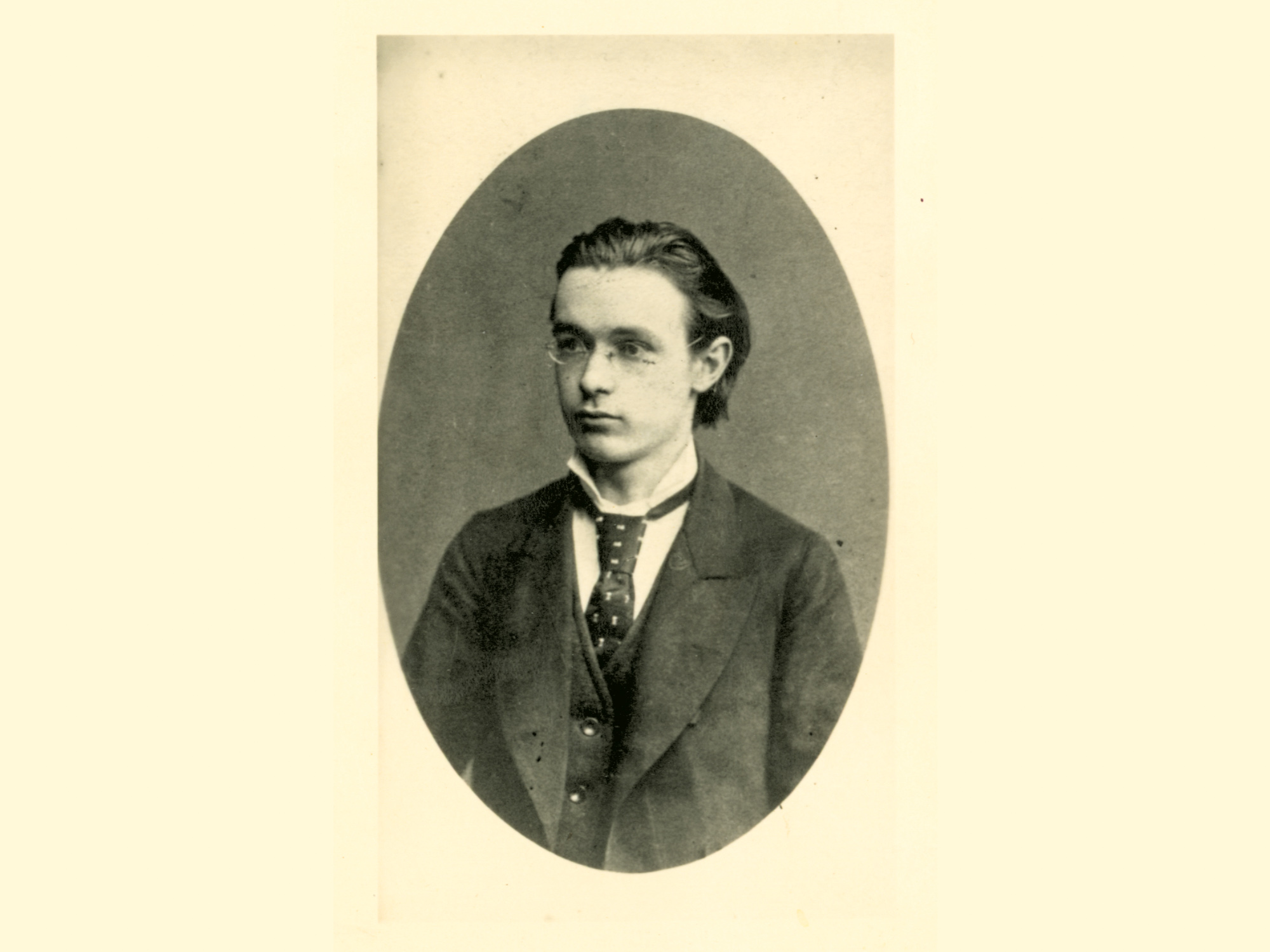
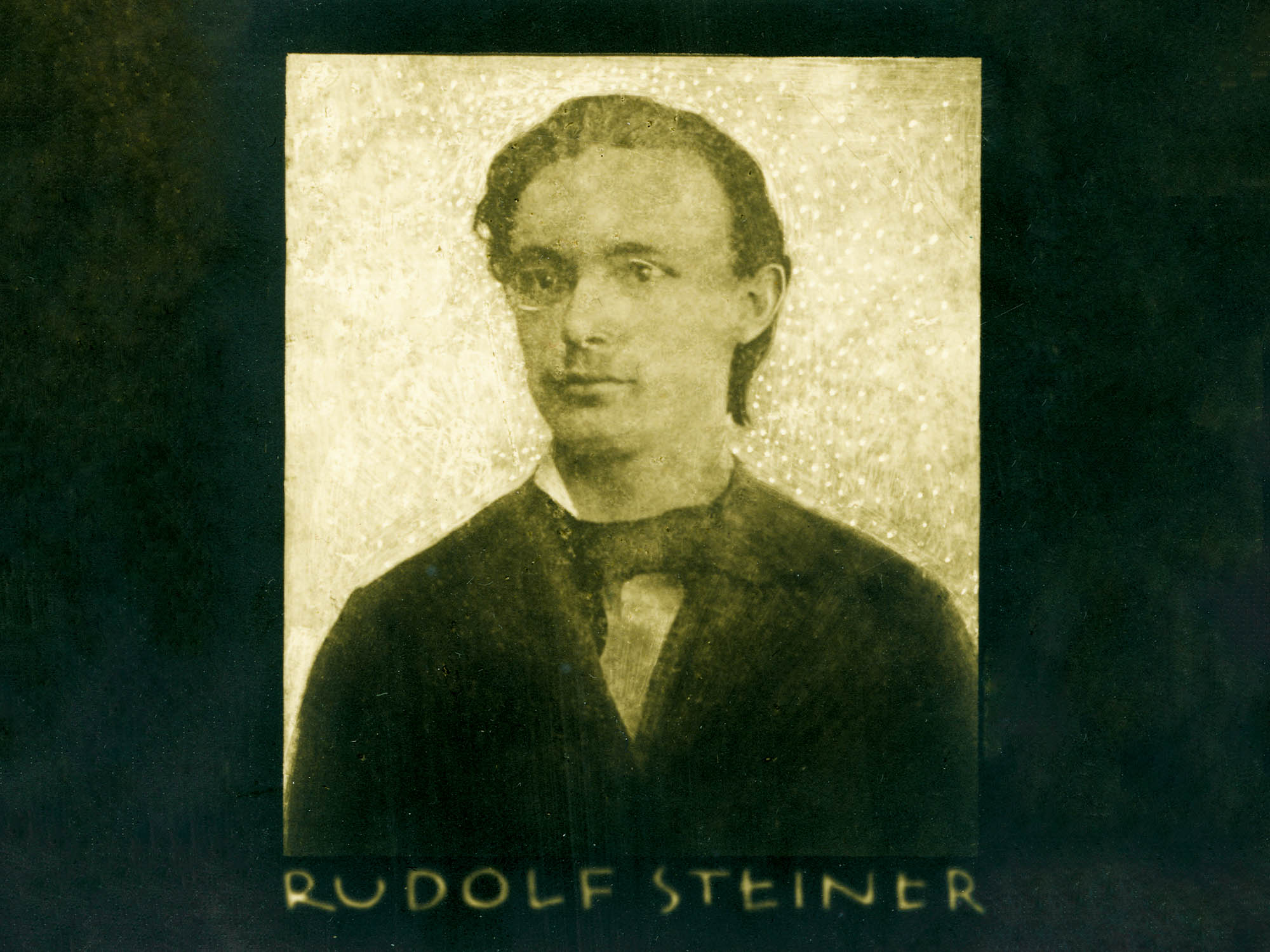
Marginalia on Rudolf Steiner’s Life and Work. Rudolf Steiner studied for eight semesters [1879–83] at the Technical College in Vienna—as a student of the “General” Department, which existed alongside the specialist departments: The School of Engineering, the School of Architecture, the School of Mechanical Engineering, and the School of Chemistry. The General Department encompassed all subjects that could not be clearly assigned to one of the four existing specialist schools. Around 1880, this included mathematics, descriptive geometry, and physics, as…

Martina Maria Sam · 05 November 2020 · 7 min

Luise Kautsky-Ronsperger and a Special Photograph of Rudolf Steiner

Luise Kautsky-Ronsperger and a Special Photograph of Rudolf Steiner

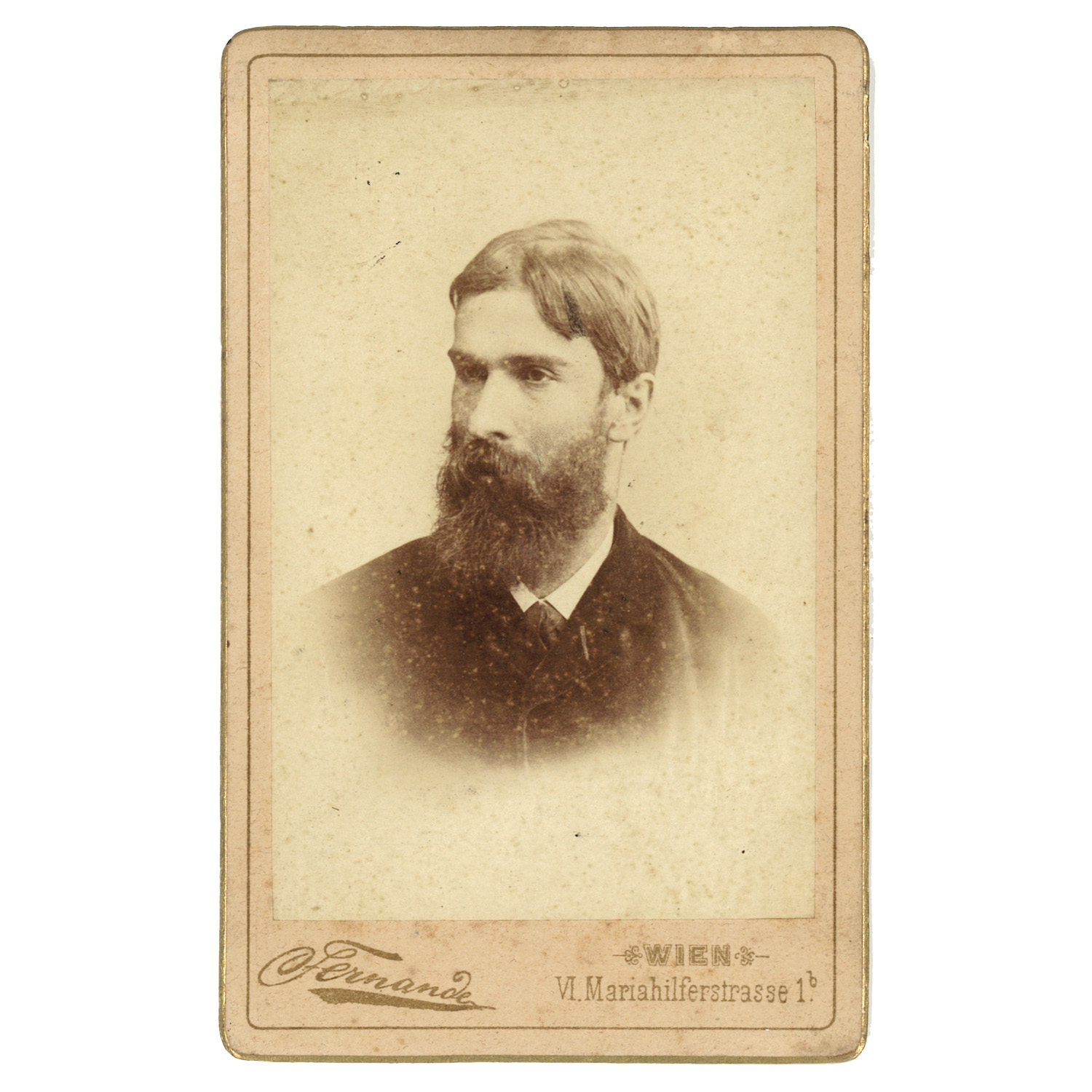
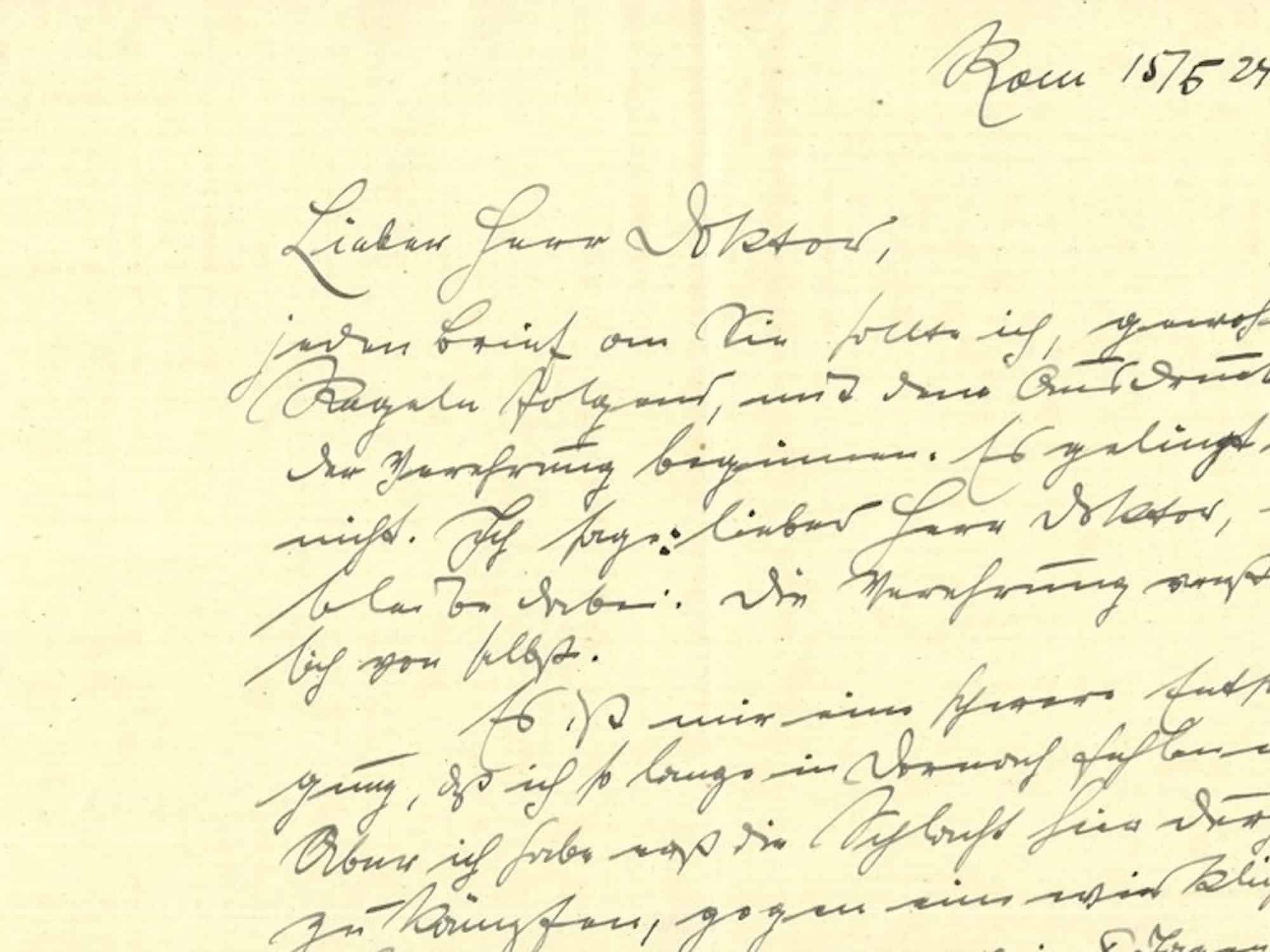
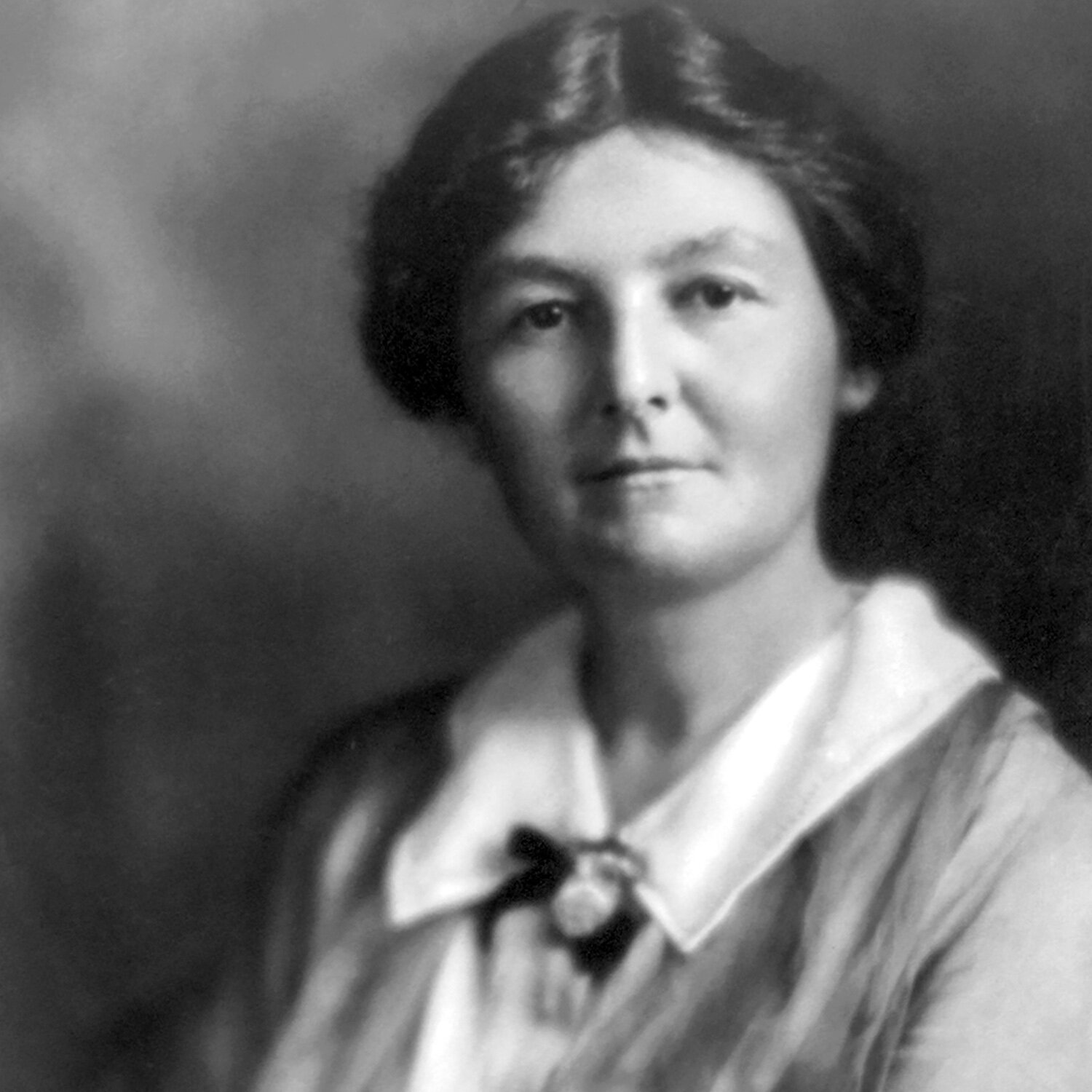
One of Rudolf Steiner’s closest friends during his first years of study was Rudolf Ronsperger (Aug. 29, 1863–Oct. 2, 1890), the son of the Jewish Viennese master confectioner Felix Ronsperger. Some of Rudolf Steiner’s early letters come from Ronsperger’s estate and give us an intimate look into what he was occupied with during the summer of 1881.The letters were in the possession of Karl Kautsky Jr., the second son of Luise Kautsky, who “made his living as a doctor in…

Martina Maria Sam · 16 October 2020 · 7 min

“When One Is Dealing with Spiritual Science, Humor Is Necessary.”

“When One Is Dealing with Spiritual Science, Humor Is Necessary.”

Marginalia from the life and work of Rudolf Steiner. In his lecture of July 11, 1916, Rudolf Steiner described in detail how he met the Austrian mathematician and professor Oskar Simony (April 23, 1852–April 6, 1915) of the Institute for Soil Cultivation [Institut für Bodenkultur, today part of the University of Natural Resources and Life Sciences]: “We encountered each other one time (I know it as if it had been yesterday) on Salesianergasse . . . in Vienna. I knew him by sight; I…

Martina Maria Sam · 31 July 2020 · 8 min

“The Most Unforgettable Thing Was His Eyes . . . .” Felix Heinemann and Rudolf Steiner

“The Most Unforgettable Thing Was His Eyes . . . .” Felix Heinemann and Rudolf Steiner

Not many people who got to know Rudolf Steiner before the turn of the century followed him on the path to anthroposophy, but Felix Heinemann (1863–1935) was one who did. Heinemann was born into a Hamburg merchant family and trained for a career as a publisher and bookseller. In 1896, together with Otto Neumann-Hofer (1857–1941), he took over the then-popular magazine Romanwelt [World of Novels] from the Cotta publishing house, which kept him fully occupied alongside his own publishing house,…

Martina Maria Sam · 28 May 2020 · 9 min

The Paleontologist and Peace Activist Margarethe Lenore Selenka

The Paleontologist and Peace Activist Margarethe Lenore Selenka

Margarethe Lenore Selenka (1860–1922) played a major role in the peace movement and was the older sister of Felix Heinemann, who was one-time publisher of the Magazin für Literatur, later worked as a diplomat, and maintained close contact with Rudolf Steiner in his final years. She first married the writer Ferdinand Neubürger (1836–1895) but divorced him in 1891. In 1893, she married Emil Selenka (1842-1902), a zoologist, explorer, and professor at the University of Erlangen.Rudolf Steiner often points to the…

Martina Maria Sam · 02 April 2020 · 4 min