Section

History

89 articles

Otto Erich Hartleben and Rudolf Steiner—Part 2: In Berlin

Otto Erich Hartleben and Rudolf Steiner—Part 2: In Berlin

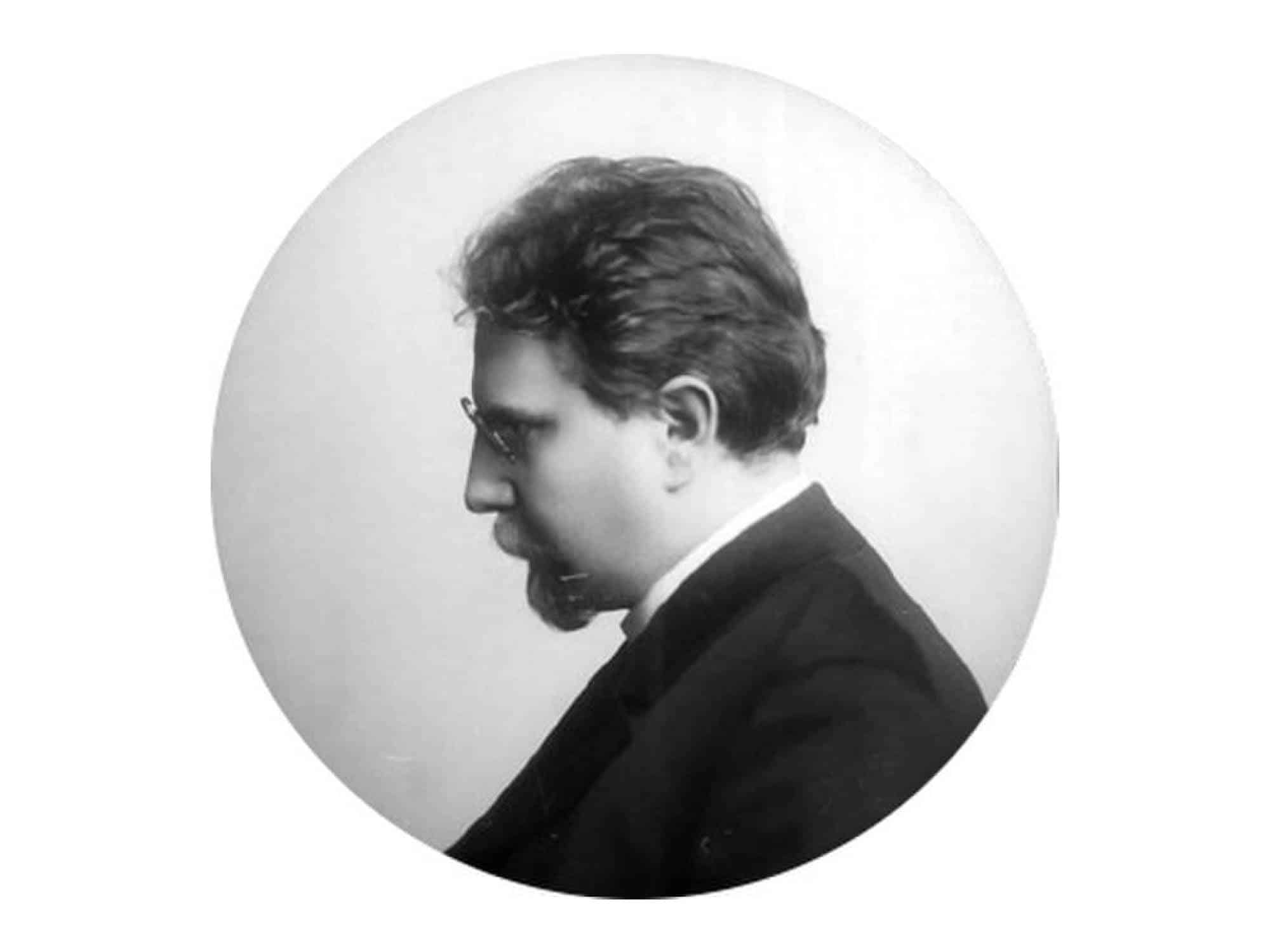
The friendship with Otto Erich Hartleben that began in Weimar continued in Berlin. It offered Rudolf Steiner the opportunity to empower himself with a perceptive grasp of the sensory world. When Rudolf Steiner took over the editorship of the Magazin für Litteratur [Magazine for Literature] in 1897, he was given the condition “that Otto Erich Hartleben should sign and work as co-editor,” as he had a name in the circles associated with the magazine. However, Hartleben’s activities were essentially just…

Martina Maria Sam · 02 August 2024 · 8 min
Otto Erich Hartleben and Rudolf Steiner—Part 1: In Weimar

Otto Erich Hartleben and Rudolf Steiner—Part 1: In Weimar

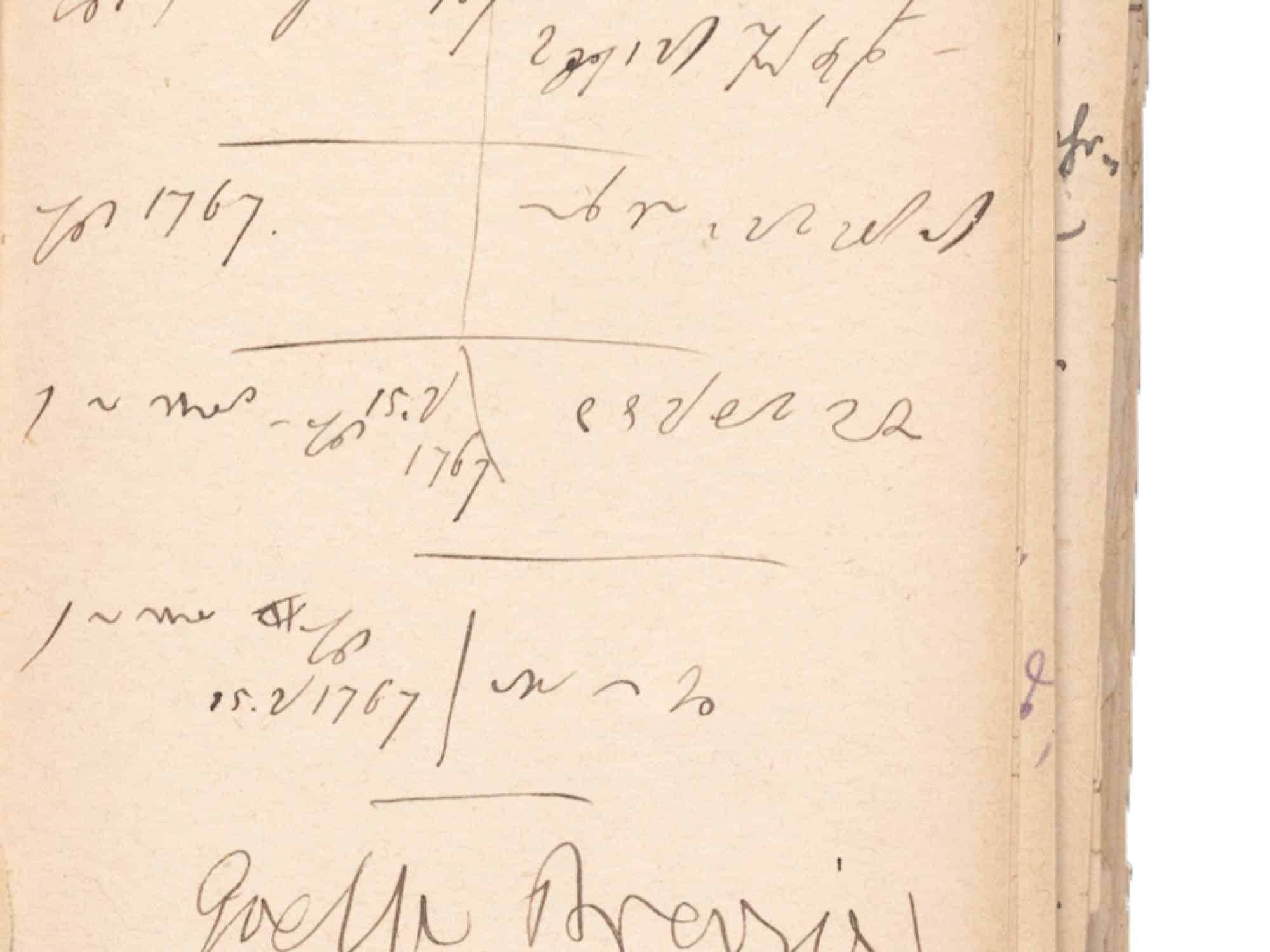
Rudolf Steiner met the poet and bon vivant Otto Erich Hartleben (1864–1905) in Weimar, together with whom, for several years, he would later publish the Magazin für Litteratur [Magazine for Literature]. Hartleben was known for his “wet and wonderful” lifestyle. It’s said that he paid extensive homage to Dionysus and Eros. Hartleben had initially studied law at the request of his grandfather, with whom he had grown up after the early death of his parents, and worked briefly as a…

Martina Maria Sam · 18 July 2024 · 9 min

Creating and Perceiving the Uhlandshöhe: Emil Molt and Hermann Hesse

Creating and Perceiving the Uhlandshöhe: Emil Molt and Hermann Hesse

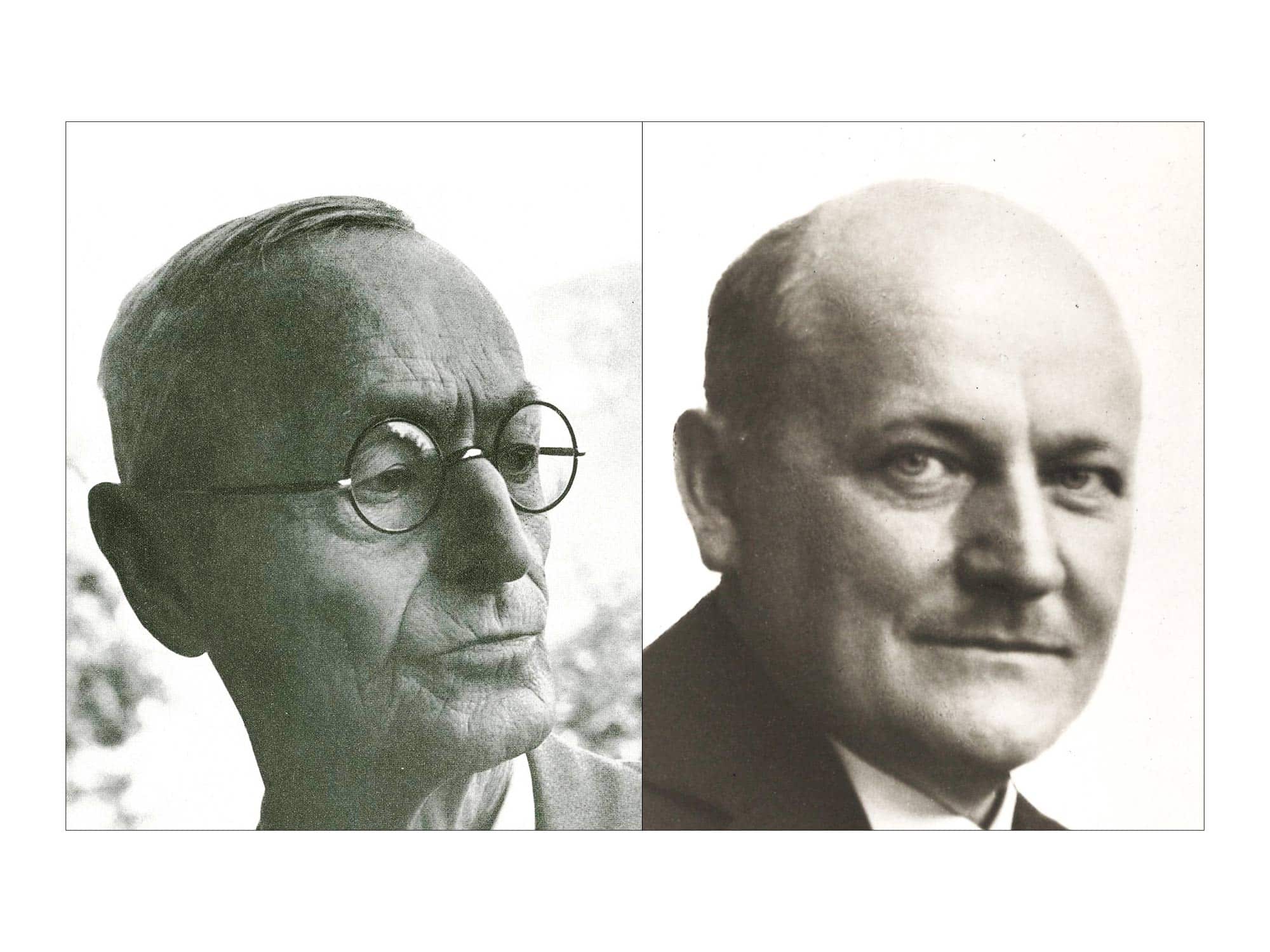
Cigarette manufacturer Emil Molt and writer Hermann Hesse were friends during their school days and became close again later in life, especially around the time of the founding of the first Waldorf School in 1919. However, Hesse did not seek a relationship with anthroposophy. More than twenty years after their childhood friendship, Emil Molt and Herman Hesse established contact again. In a July 1919 letter, Emil Molt enthusiastically reported about the forthcoming founding of the Waldorf school: “We here are…

Tomáš Zdražil · 15 May 2024 · 7 min

Edith Maryon

Edith Maryon

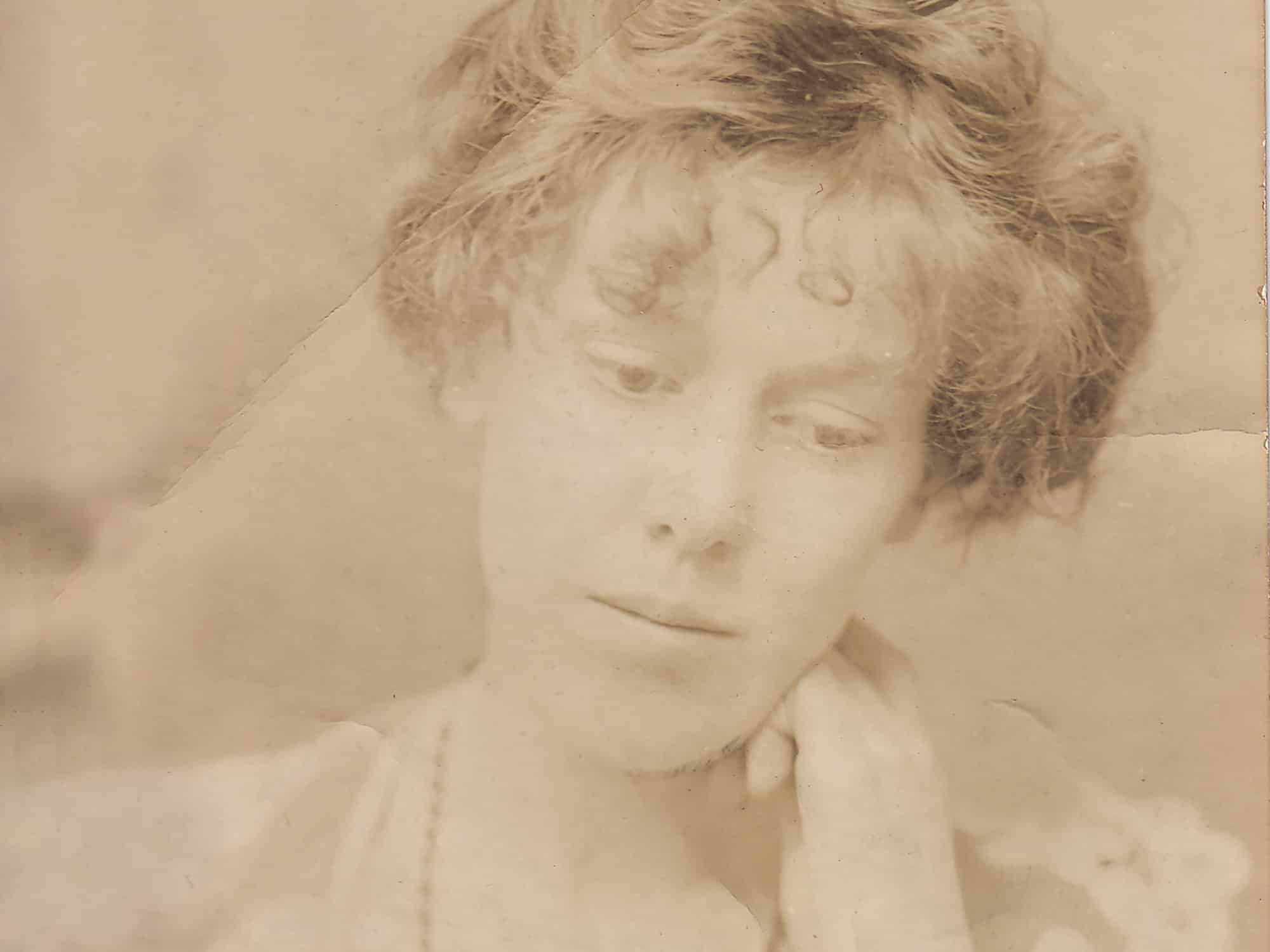
One hundred years ago, on May 2, 1924, Rudolf Steiner’s friend and collaborator, the artist Edith Maryon, died. Barbara Schnetzler and Rembert Biemond speak about the British sculptor with Wolfgang Held. Rembert Biemond, how did you become involved with Edith Maryon’s work and biography, back in the 1990s? Biemond Like many, I was interested in the history of the Anthroposophical Society. In 1924, six board members were appointed, including Rudolf Steiner, but seven section leaders—the same six plus one, and this…

Barbara Schnetzler · 24 April 2024 · 22 min

The Three Temptations

The Three Temptations

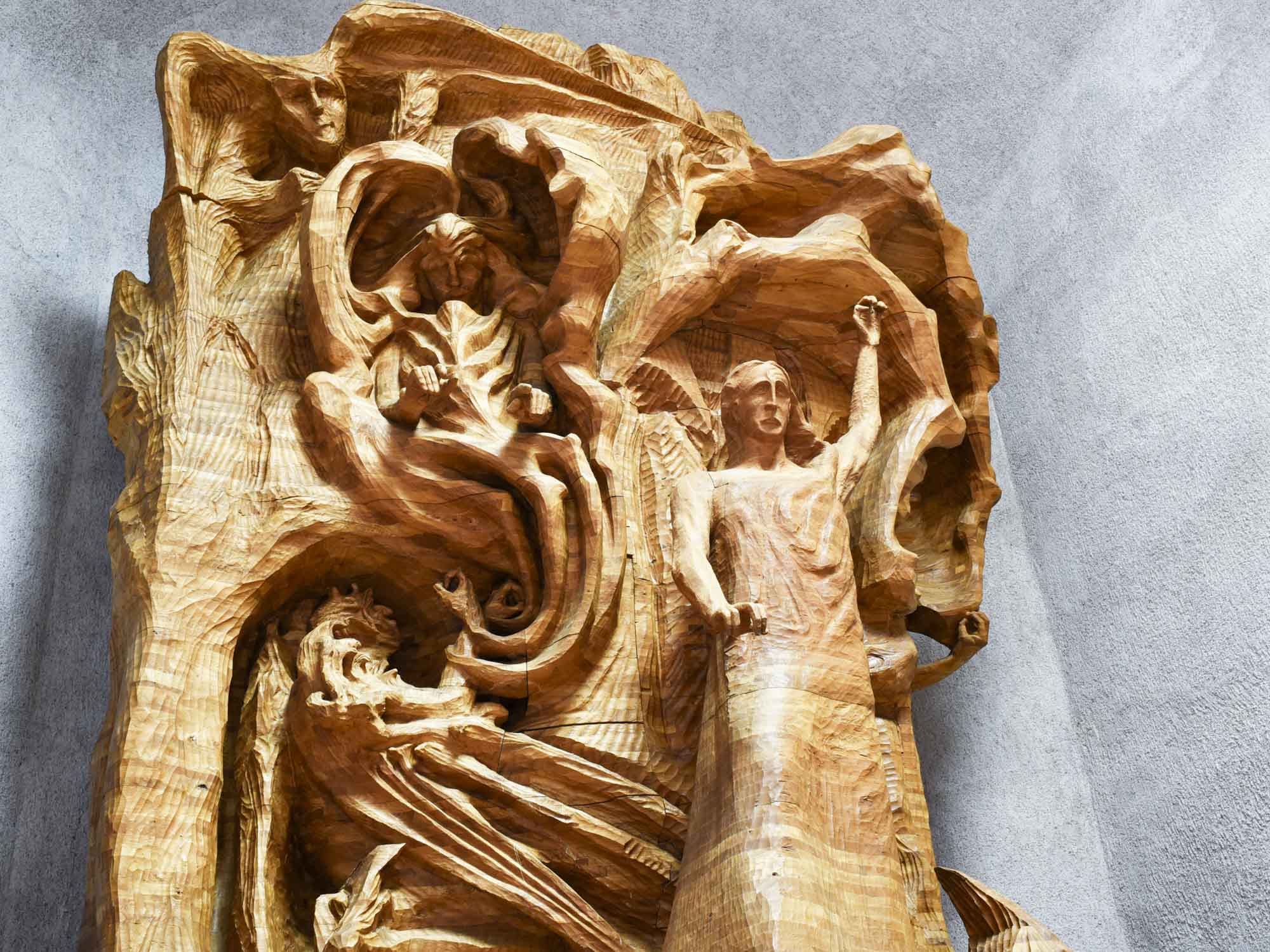
I have made great efforts to investigate the scene of the Temptation and to relate it as it actually transpired. Now Lucifer confronted Christ Jesus and spoke more or less as is recorded in the other Gospels: “If you enter my realm I will give you all the beauty and the glory contained in the old kingdoms. But you must sever yourself from the other Gods and acknowledge me!” But the Christ Being came from the spiritual worlds and knew…

Rudolf Steiner · 24 April 2024 · 2 min

Poet of Polarities

Poet of Polarities

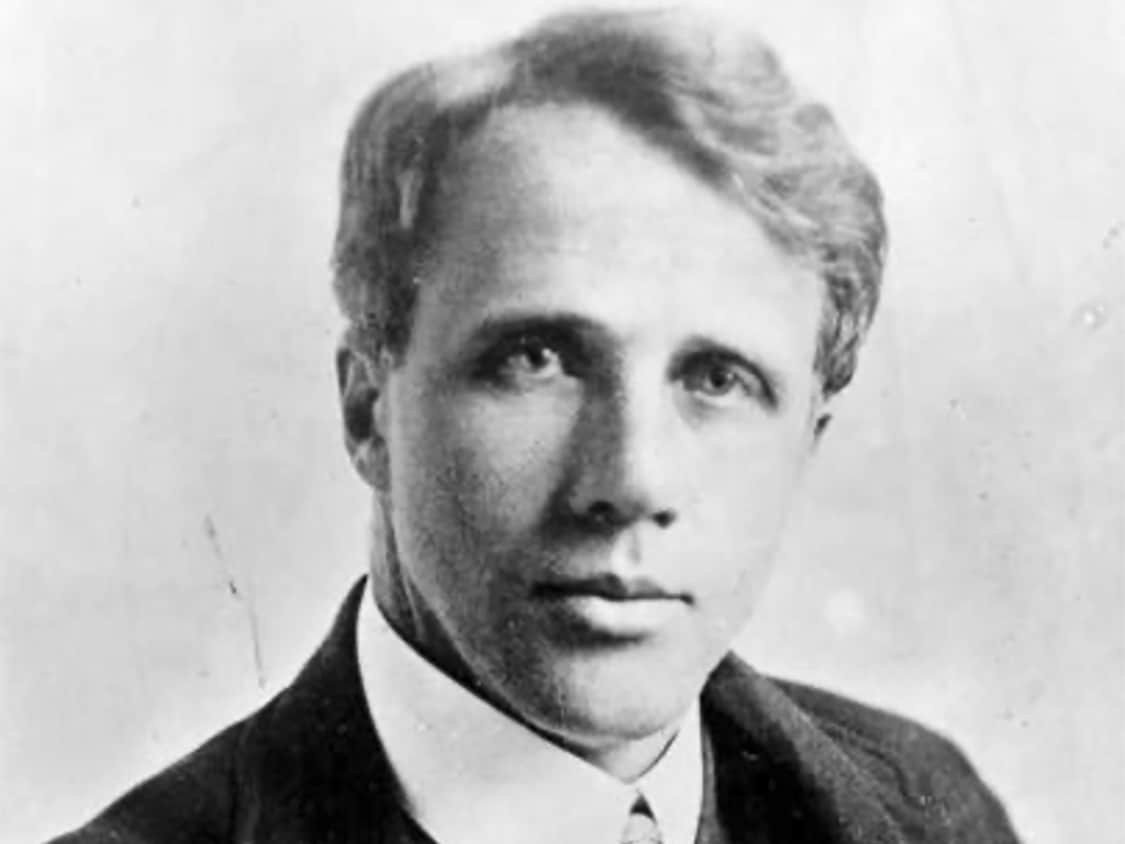
The American poet Robert Frost (1874–1963), revered and celebrated in his homeland, would have been 150 years old on March 26, 2024. The work of this poet, little-known outside the United States, reflects a lifelong struggle with existential human questions and a century of US history. Frost’s long life took place in the shadow of dramatic epoch-making events: two world wars, the Great Depression, the dropping of the atomic bomb, the Cuban Missile Crisis, etc. He took a lively interest…

Werner Friedl · 18 April 2024 · 9 min

A Centennial of “Seed Pictures”

A Centennial of “Seed Pictures”

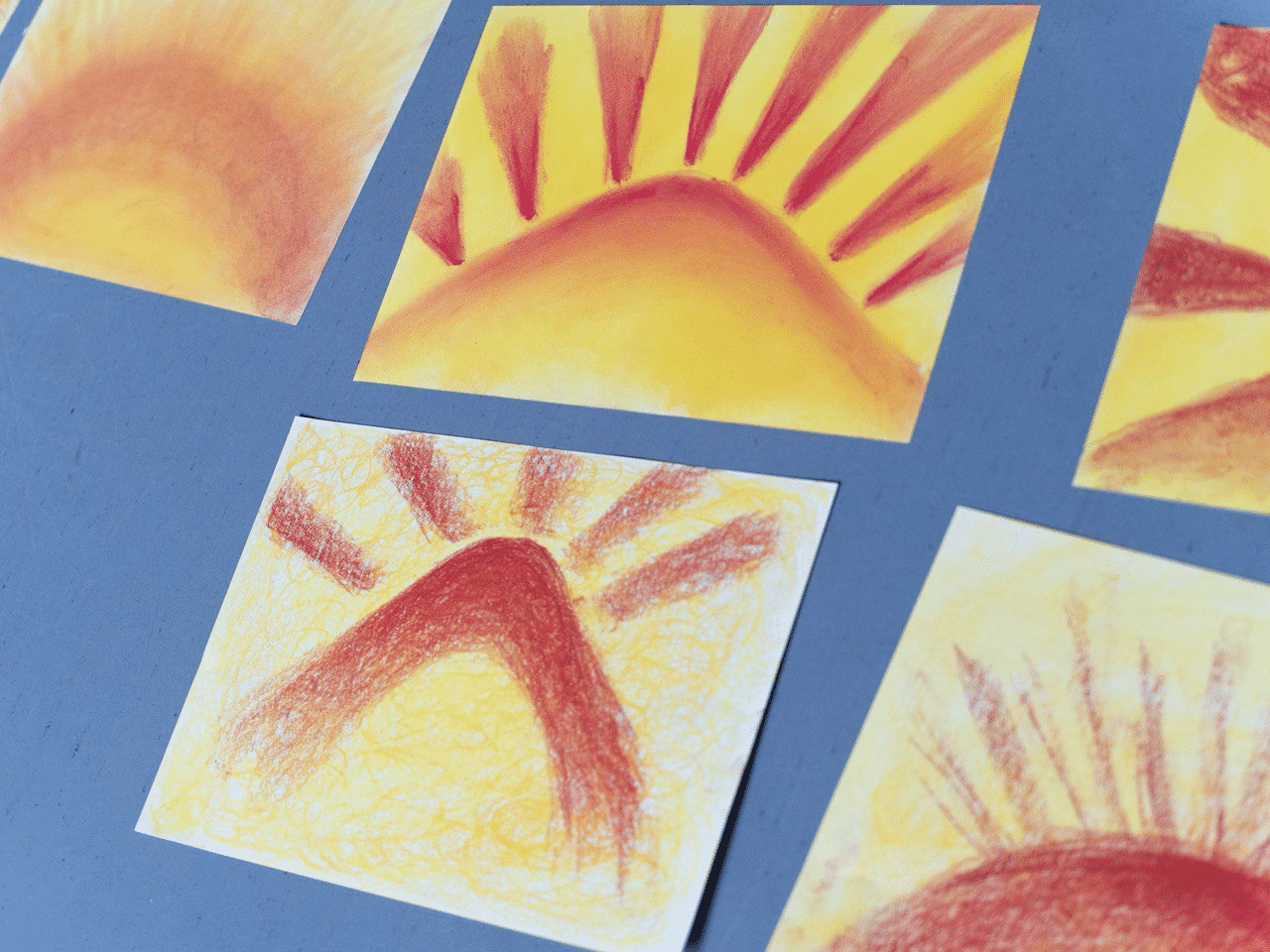
Alongside the many one-hundred-year anniversaries in different anthroposophical fields, this year marks a century since Rudolf Steiner gave Henni Geck his last painting sketches, which have been a cornerstone of anthroposophical art trainings. Here, Van James tells us of the ways this centennial and other important anniversaries have been celebrated by those involved with the anthroposophical visual arts. Over the past few years, there has been a rich revisiting of Rudolf Steinerʻs work as a twentieth-century spiritual scientist. Centennial celebrations…

Van James · 15 March 2024 · 2 min

Not My Hero

Not My Hero

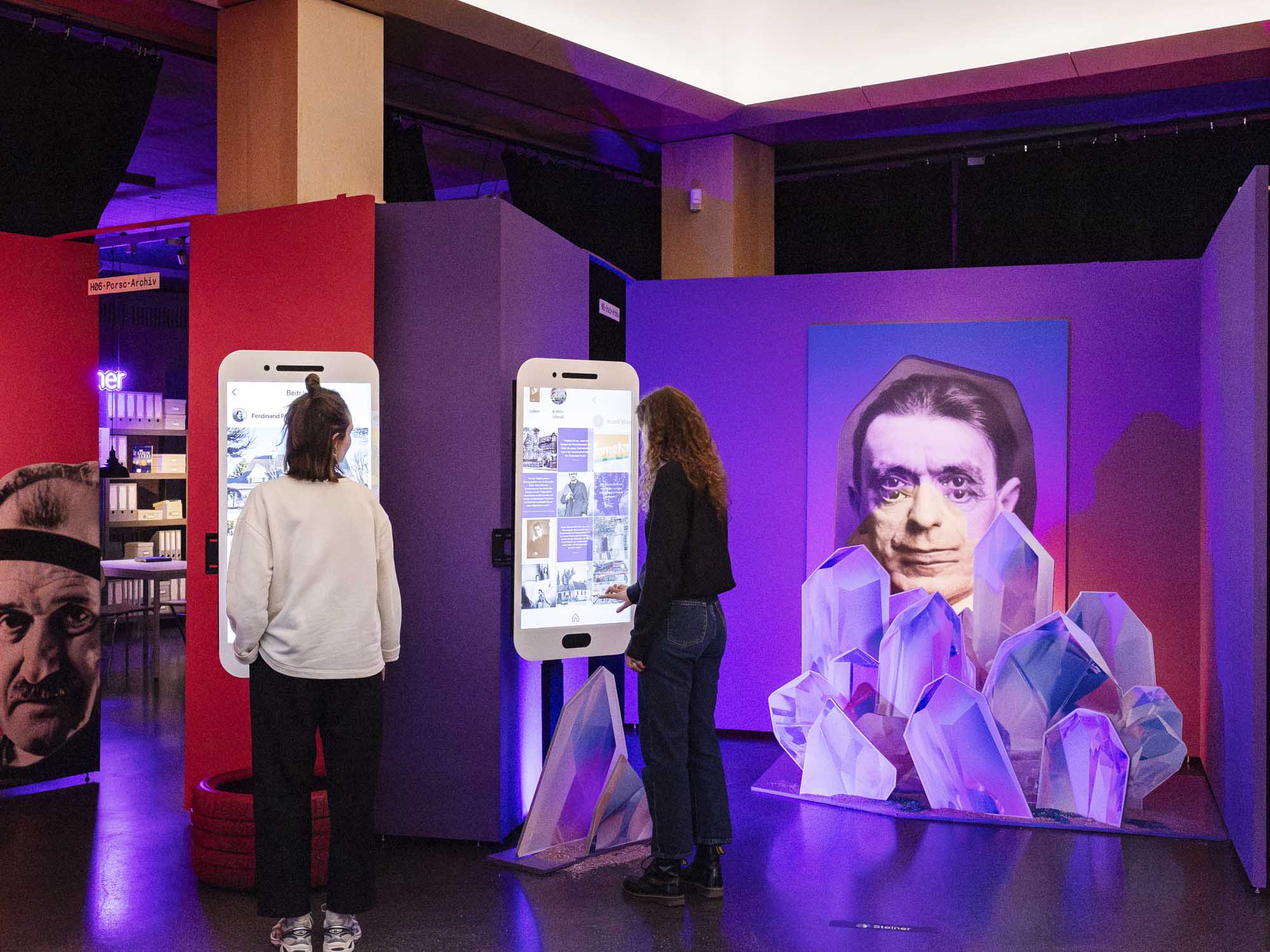
Stuttgart, Germany. Putting heroes and heroines under the microscope. The special exhibition, “Not my Hero,” at Stuttgart’s Stadtpalais until September 1, brings seven significant figures from Stuttgart’s history to life. These figures, including Rudolf Steiner, Clara Zetkin, and Georg Wilhelm Friedrich Hegel, are portrayed in a modern context as social media influencers, with their Instagram profiles being a key feature of the interactive exhibition. The exhibition explores the extent to which these historical figures were idealized and heroized in a…

Paula Boslau · 14 March 2024 · 1 min

Experiencing Eternity in the Moment

Experiencing Eternity in the Moment

According to recently deceased Egyptologist Jan Assmann, bringing the image of the eternal into the world of change was the motif of the most powerful building impulse in human history. Out of the original 800 pyramids, 120 are still standing in the Egypt of today—a testimony to the timelessness of these stones. The Egyptians had a measure of “eternal time” they called Djet. The cults and rites of the pharaoh served to repeatedly reconfirm this heavenly time for human beings…

Wolfgang Held · 07 March 2024 · 2 min

Renate Riemeck: A Human Being with Contradictions

Renate Riemeck: A Human Being with Contradictions

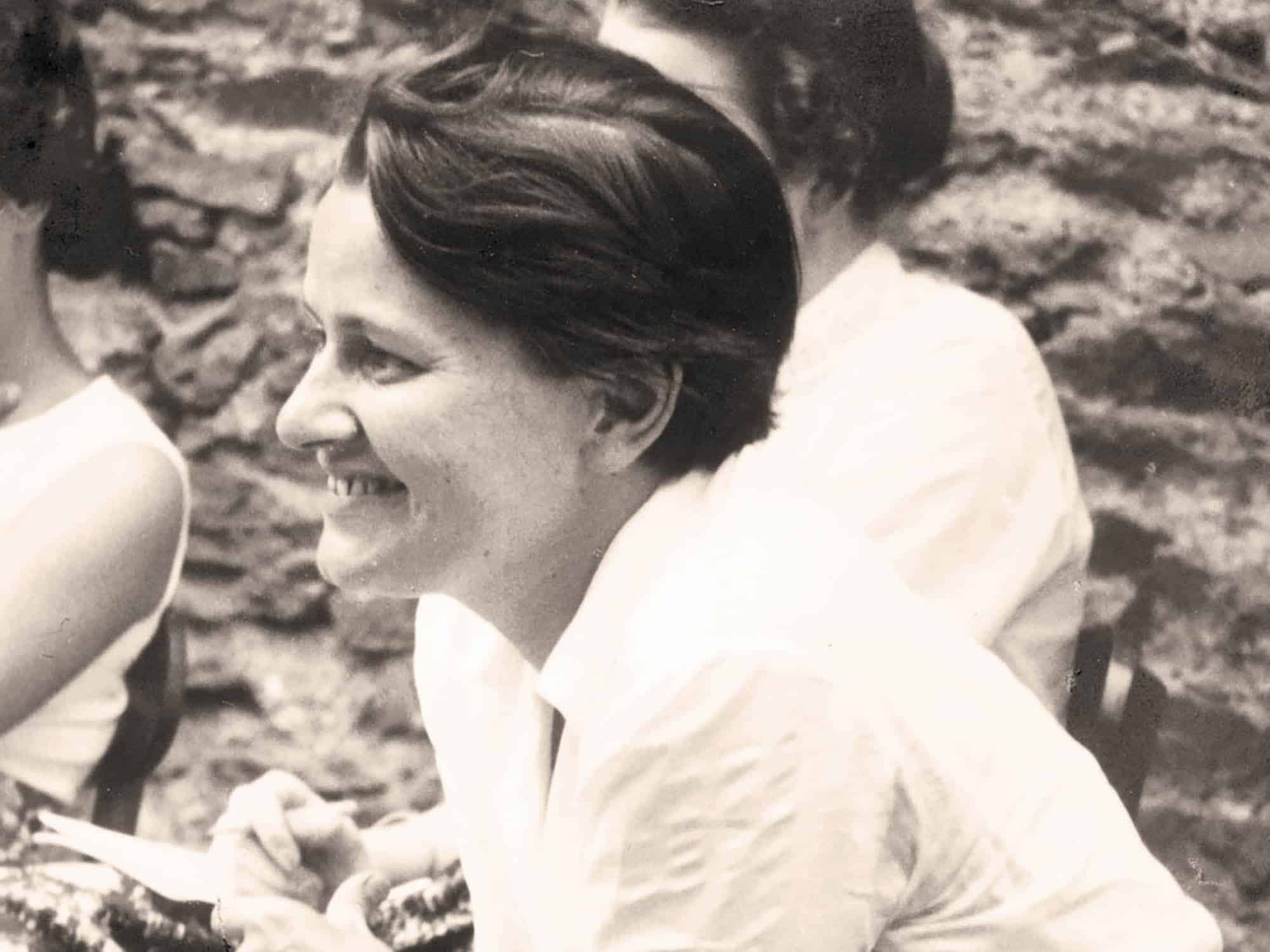
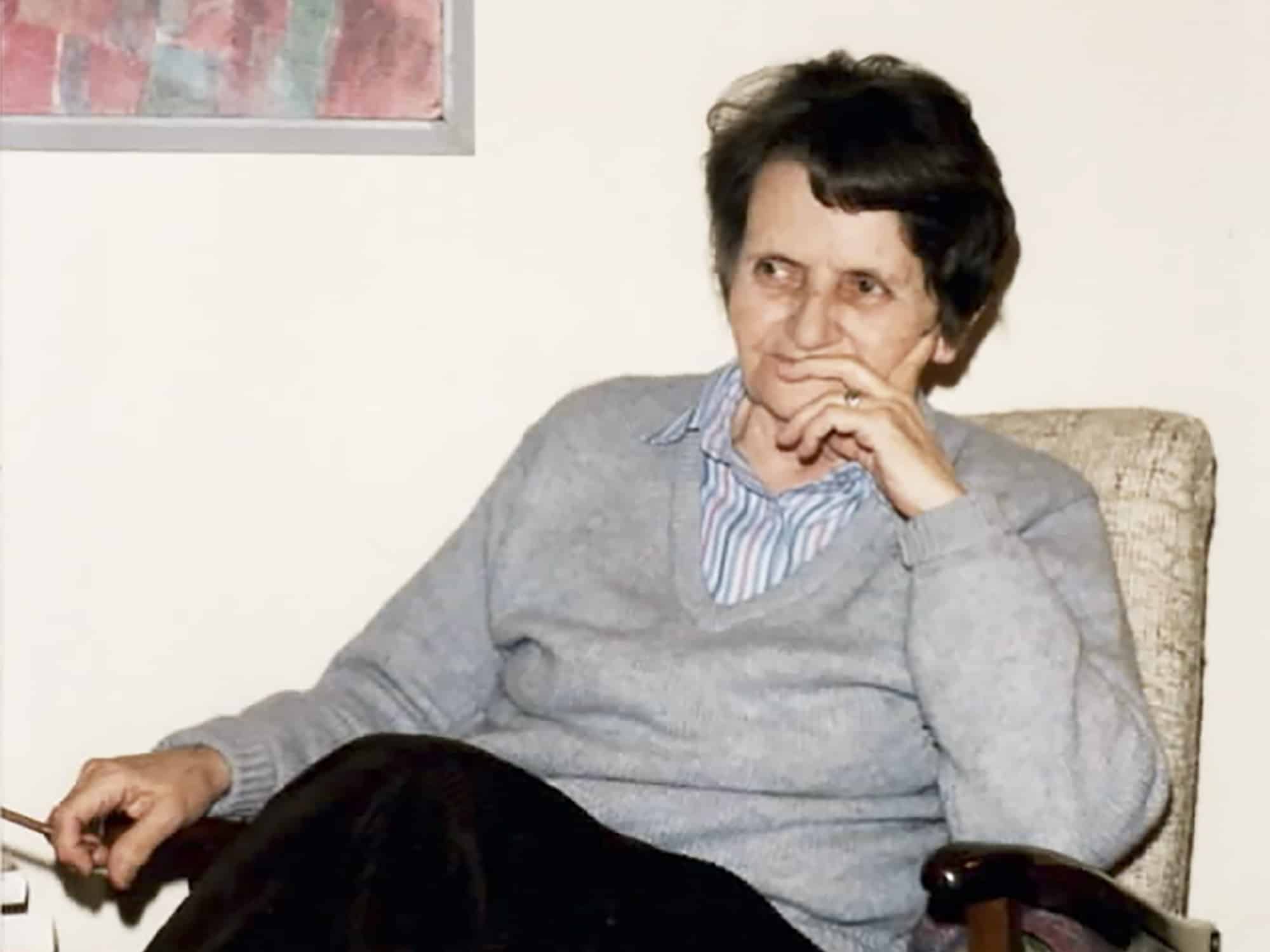
If Renate Riemeck (1920-2003) is known at all today, it’s as Ulrike Meinhof’s foster mother or perhaps as the author of anthroposophically oriented history books. That her name is largely forgotten a signature of her life, which itself is a mirror of the tragedy of German history in the twentieth century with all its fractures. With considerable courage and commitment, educationalist and writer Albert VinzensAlbert Vinzens, Renate Riemeck. Historikerin, Pädagogin, Pazifistin. 1920–2003 [Renate Riemeck. Historian, Teacher, Pacifist. Would you like…

David Marc Hoffmann · 29 February 2024 · 9 min

Renate Riemeck’s Philosophy of Education

Renate Riemeck’s Philosophy of Education

Albert Vinzens’ remarkable biography of Renate Riemeck (1920–2003) succeeds in sketching a detailed and authentic picture of his subject. Vinzens considers (and I certainly concur) that Riemeck’s masterpiece was her lectures in Marburg on the pioneers of education (chapter 8), which were published posthumously through funding by the Software AG Foundation.Renate Riemeck, Klassiker der Pädagogik von Comenius bis Reichwein. Marburger Sommervorlesungen 1981/1982/1983 mit Quellentexten. [Classics of pedagogy from Comenius to Reichwein. Marburg Summer Lectures 1981/1982/1983 with source te Would you like…

Wolfgang Klingler · 29 February 2024 · 7 min

The Biodynamic Movement during the Nazi Regime

The Biodynamic Movement during the Nazi Regime

USA. Steffen Schneider and Will Bratton presented a workshop at the 2023 North American Biodynamic Conference in Westminster, Colorado, to look at different aspects of biodynamic practice during the Nazi regime. A workshop with the same theme, held during the 2023 International Biodynamic Conference in Dornach, Switzerland, inspired us to bring this topic to Colorado. Thanks to cooperation with and support from biodynamic friends in Germany, archival materials were available, which made this workshop a unique learning opportunity. A special…

Charles Cross · 15 February 2024 · 2 min