Section

Musings

355 articles

An Instrument for Tone Itself

An Instrument for Tone Itself

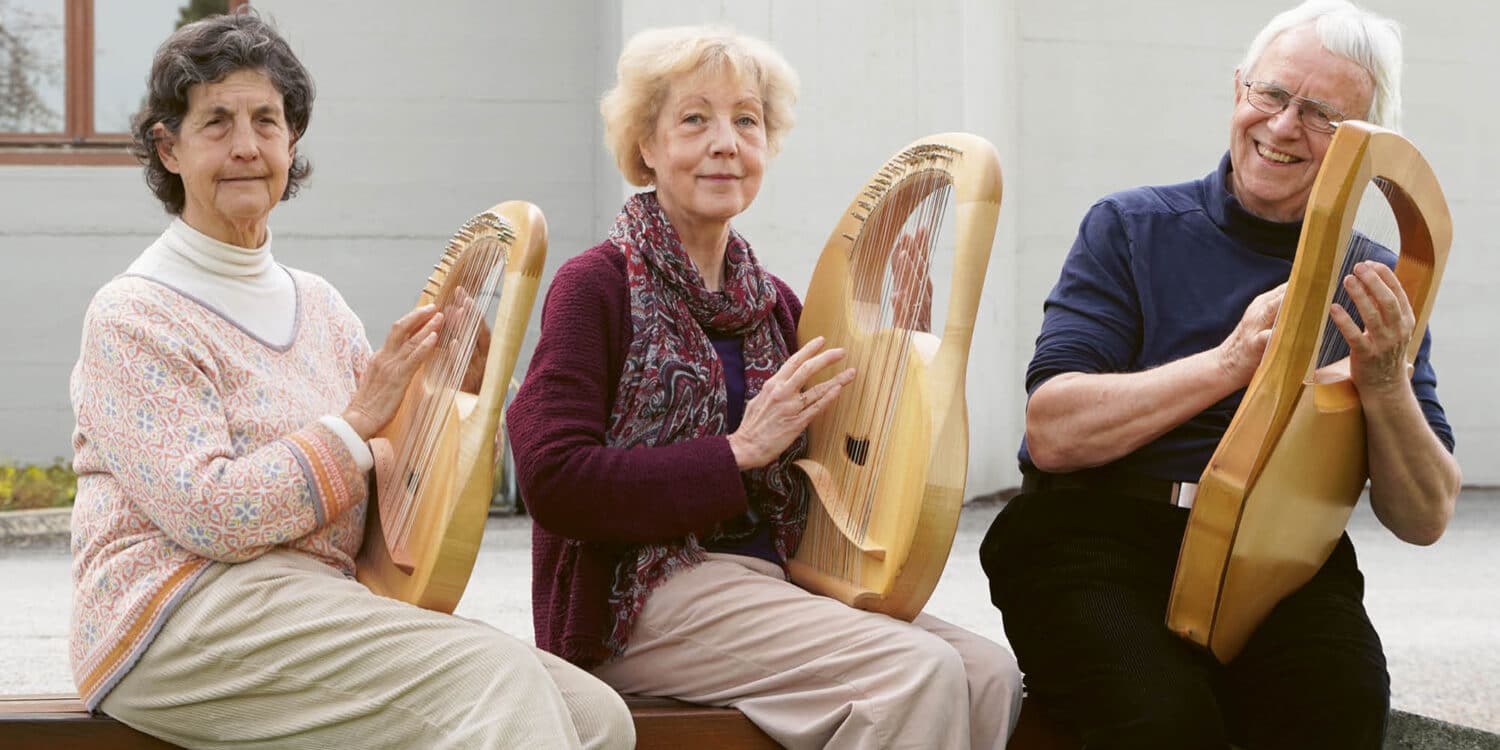
The lyre, kithara, or yoke lute is one of the oldest known stringed instruments. Its history dates back 5,000 years to Mesopotamia. In 1926, instrument maker Lothar Gärtner, in collaboration with musician Edmund Pracht, developed a new form of the instrument, which is now celebrating its 100th anniversary. Wolfgang Held spoke with three musicians and therapists: Viola Heckel, Susann Temperli, and Christian Giersch. Wolfgang Held: Many people associate the lyre with troubadours, ancient times, or Schubert’s “Der Leiermann.” What is…

Viola Heckel, Susann Temperli, Christian Giersch und Wolfgang Held · 10 June 2026 · 6 min

When Life Calls Us Deep Within

When Life Calls Us Deep Within

The age of 49 is a time to reorient and mature. The Greek philosopher Plato, as always, offers some guidance. Around the time we turn 49, we tend to question our self-image. We often experience self-doubt and emphasize more the deficit on our balance sheet of life. Add to this questioning the fact that—for the last 49 years—we’ve been convinced our bodily performance would continue unabated. The first signs of demise disrupt this autosuggestion. We probably find our careers overly …

Volker Rothfuß · 28 May 2026 · 3 min

Responses to the Interview with Serhii Kopyl

Responses to the Interview with Serhii Kopyl

Reflections and reader responses to the interview by Frode Barkved with Ukranian Serhii Kopyl, “Everything I Own, I Carry with Me.” Winston Churchill wrote that the first casualty of war is truth, speech. Indeed, violence silences and polarizes. We welcome here an open conversation about this most terrible war in Europe since 1945. Renatus Derbidge Questions We Can No Longer Avoid To me, this article is among the best I have read in Das Goetheanum in a long time. Not …

Redaktion · 21 May 2026 · 11 min

“The Misbegotten”: Fritz Koegel and His Family

“The Misbegotten”: Fritz Koegel and His Family

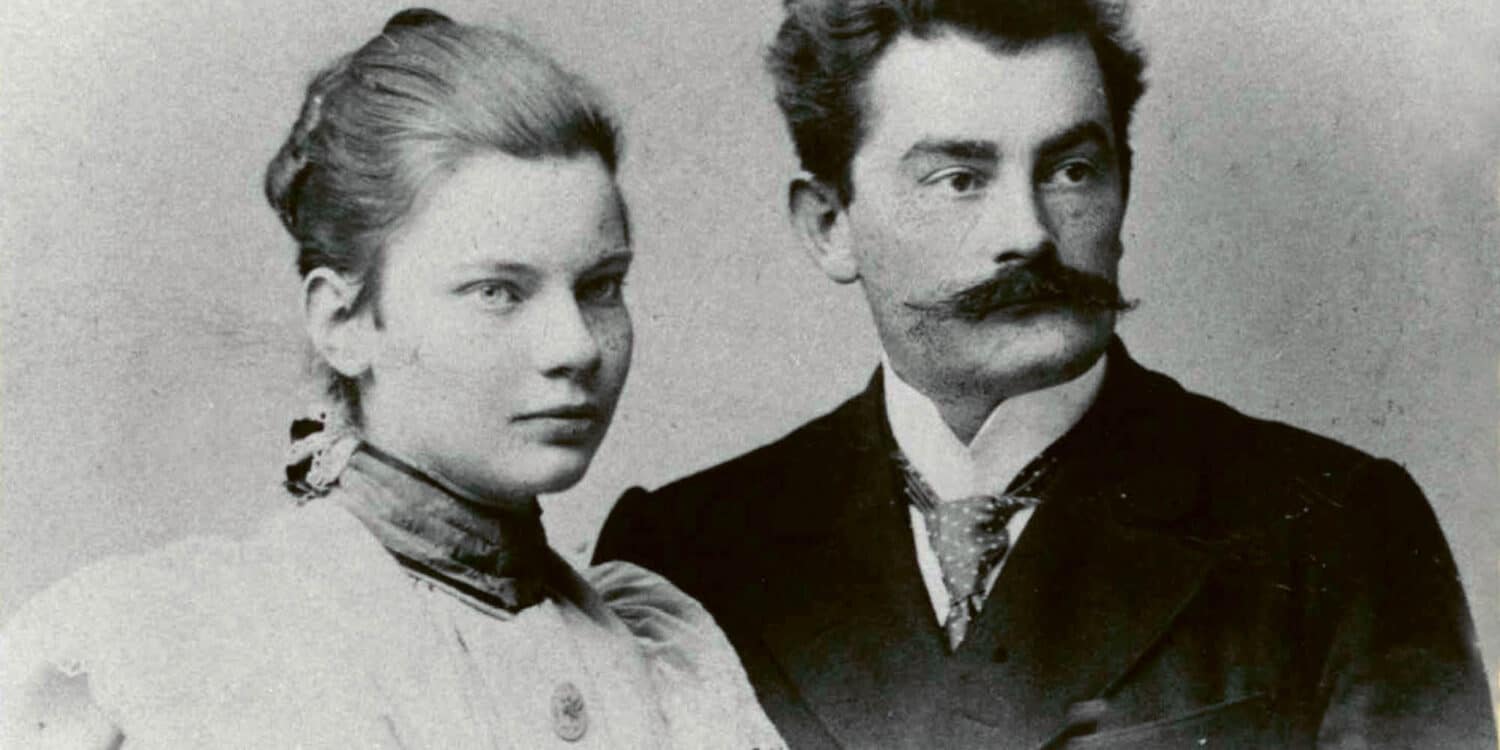
Marginalia on Rudolf Steiner’s Life and Work 39. As a talented editor, Fritz Koegel found his calling at the Nietzsche Archive. He became embroiled in a conflict with Elisabeth Förster-Nietzsche, a conflict Rudolf Steiner was also drawn into. Career setbacks, artistic endeavors, and a family life overshadowed by depression lead to early tragedies. When Rudolf Steiner visited the Nietzsche Archive in Naumburg for the first time on May 26, 1894, along with his colleagues from the archive and the poet …

Martina Maria Sam · 20 May 2026 · 10 min

The Maternal Body

The Maternal Body

When Marcel Proust was denied a kiss, the longing that remained gave birth to his future writings. Ensheathed by the principles of the mother and unconditional love, we are perpetually reborn. Marcel Proust’s In Search of Lost Time opens with a missing kiss. His mother stays at an evening party and sends word to her son that she cannot say goodnight to him tonight—and thus plunges him into a deep crisis. In the absence of his mother’s kiss, an inner …

Luke Wilkins · 13 May 2026 · 9 min

Embodying Anthroposophy

Embodying Anthroposophy

Our physical body [Körper] resembles everything visible and formed. When viewed as a body of functions and processes [Leib], it emerges as a living whole. Anthroposophy can be understood as this kind of body, a body of spirit for the ‘I’. A meditation for the Pentecostal season. The physical body [Körper] refers to the material form of a human being. The Latin root corpus denotes a corpse, as well as things like a piece of furniture or a musical instrument, …

Kai Hansen · 13 May 2026 · 10 min

Inside a Rose

Inside a Rose

Media that attempts to convey a specific message increasingly distances us from immediate experience and reconstructs predictable relationships. But there are gaps that allow consciousness to shine through. How can a person enter the innermost essence of a rose? They can do so by observing its color and form, perceiving its fragrance, and following the rose’s whole life cycle as the seasons change—its blooming and its fading. In itself, the rose is a unity. But through the various activities of…

Hao Bu · 07 May 2026 · 5 min

Easter Morning on Iona

Easter Morning on Iona

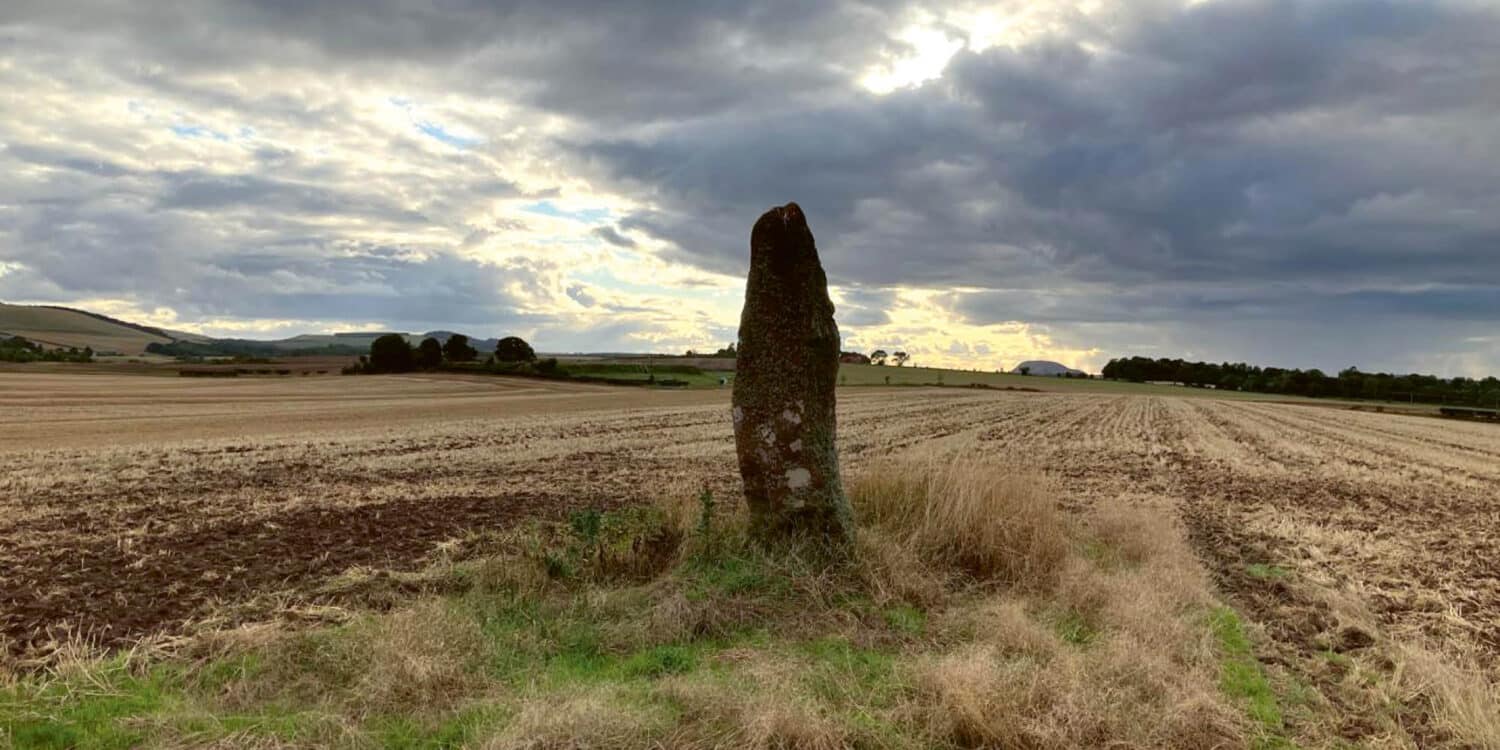
On the quality of the sensual as a shared experience of the forces of resurrection in nature. On Easter morning, we walked from the ferry to the Abbey on Iona (Scotland) to join in the Iona Community’s Easter service. The day before, a violent storm had swept across the islands. The house was without power for hours; the wind whistled through the walls all night; sleep was nearly impossible. Cold, rain, hail, and turbulence dominated the day. And then, Easter…

Renatus Derbidge · 07 May 2026 · 3 min

To Know Is To Be Able: A Plea for Joy

To Know Is To Be Able: A Plea for Joy

Is there something real in the statement “I can’t”? It is through owning the resistances we face, step by step, that we discover our ability. We are then sustained by purpose and the power of joy. When faced with a challenging task and our own soul’s limitations, we often exclaim, “I can’t!” But if we look closely at the situation, we realize that these words don’t actually refer to something real, but rather to a mental picture like “I can’t…

Georg Gölzer · 07 May 2026 · 7 min

“A Seeker of Truth”—Dr. Max Asch

“A Seeker of Truth”—Dr. Max Asch

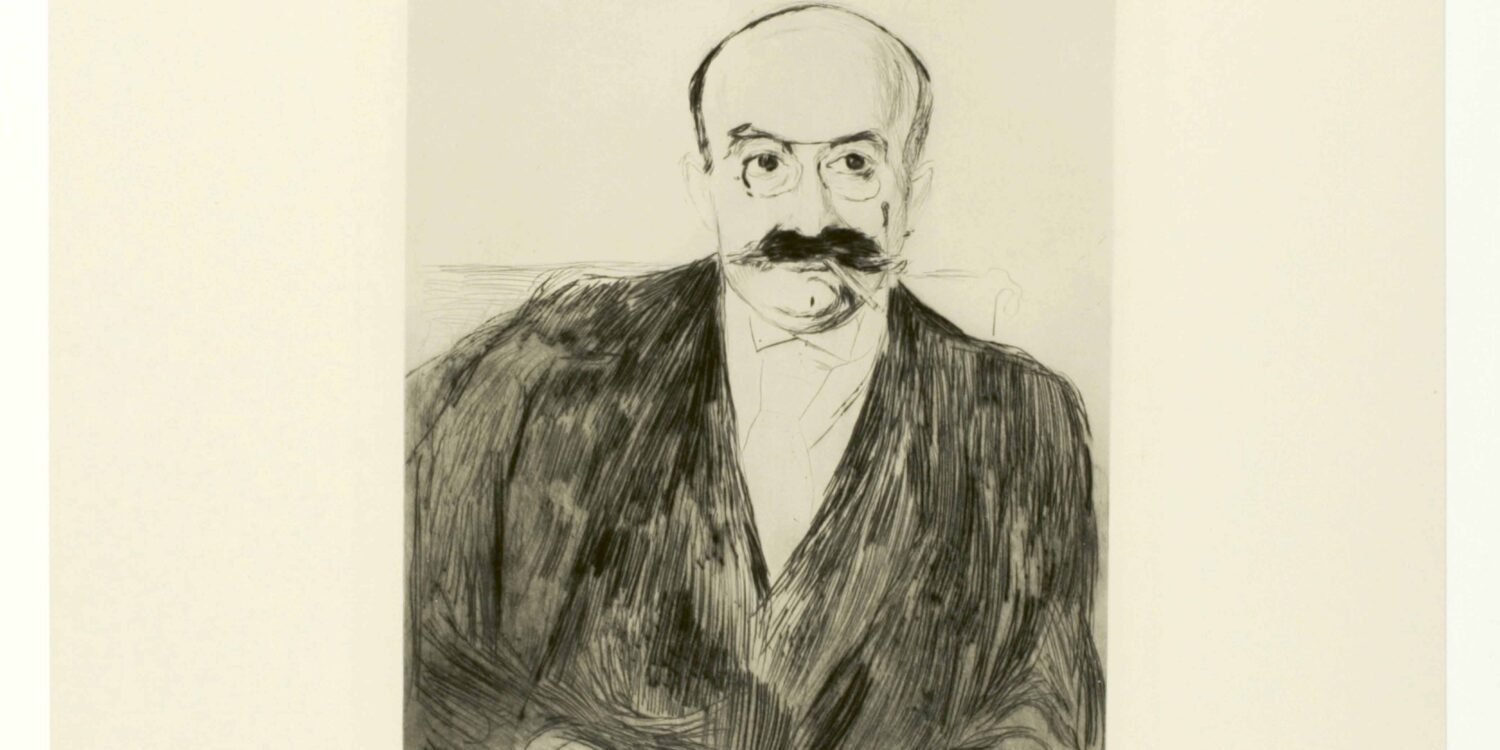
Marginalia on Rudolf Steiner’s Life and Work No. 38. The physician and cardiologist Max Asch was friends with August Strindberg, Edvard Munch, and the Polish writer Stanisław Przybyszewski. He always did everything in his power to support all of his companions. He had a gift for bringing people together—including introducing many to Rudolf Steiner. But he himself remained in the background, an unknown. Max Asch (Schneidemühl, now Piła, Poland, August 10, 1855–March 17, 1911, Berlin) came from a Jewish family…

Martina Maria Sam · 30 April 2026 · 10 min

Between Factory and Pedagogy

Between Factory and Pedagogy

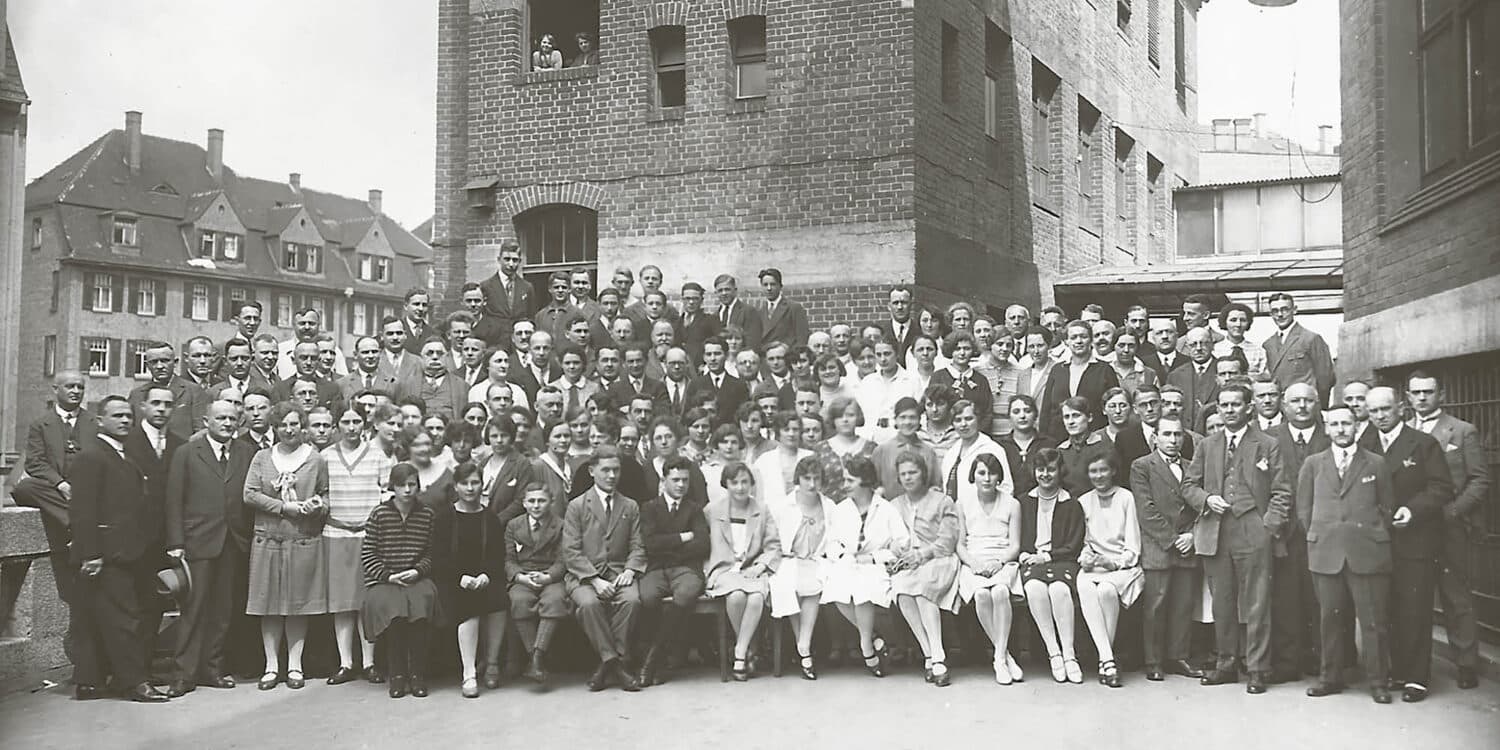
Emil Molt (April 14, 1876–June 16, 1936) was cosmopolitan and firmly convinced of the power of the spiritual realm. By acting on his courageous intuition, he made possible the founding of the first Waldorf School in 1919 through an unusual collaboration between workers and business owners. April 14, 2026 marked the 150th anniversary of his birth. The social constellation for the founding of the Waldorf School in 1919 was truly remarkable. On one side, there were the workers of the…

Tomáš Zdražil · 21 April 2026 · 7 min

Learning to Be in the World

Learning to Be in the World

This little book explores themes of the work of the Pedagogical Section at the Goetheanum. The collected articles focus on the question: How can insights from an anthroposophical study of the human being help us “see” and support the becoming individual in their development? The contributions were prepared for events organized by the Section, such as the Goetheanum Worldwide Teacher Education Conference. Here is a taste: Constanza Kaliks (Goetheanum) explores the rhythm of attention between teacher and l Would you…

Matthias Maurer · 14 April 2026 · 4 min