Section

Natural Sciences

← Nature

82 articles

When Science and Art Play Together

When Science and Art Play Together

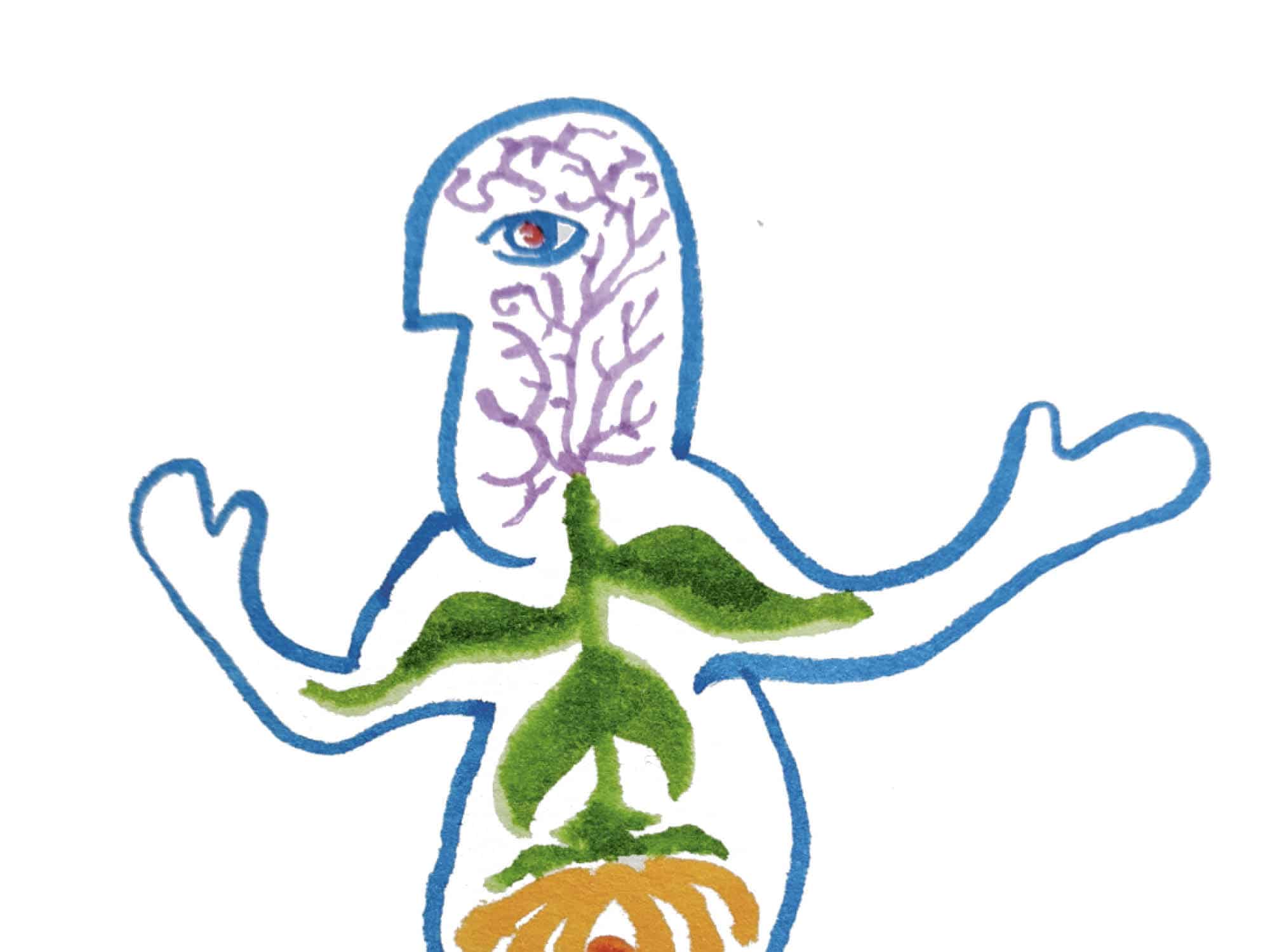
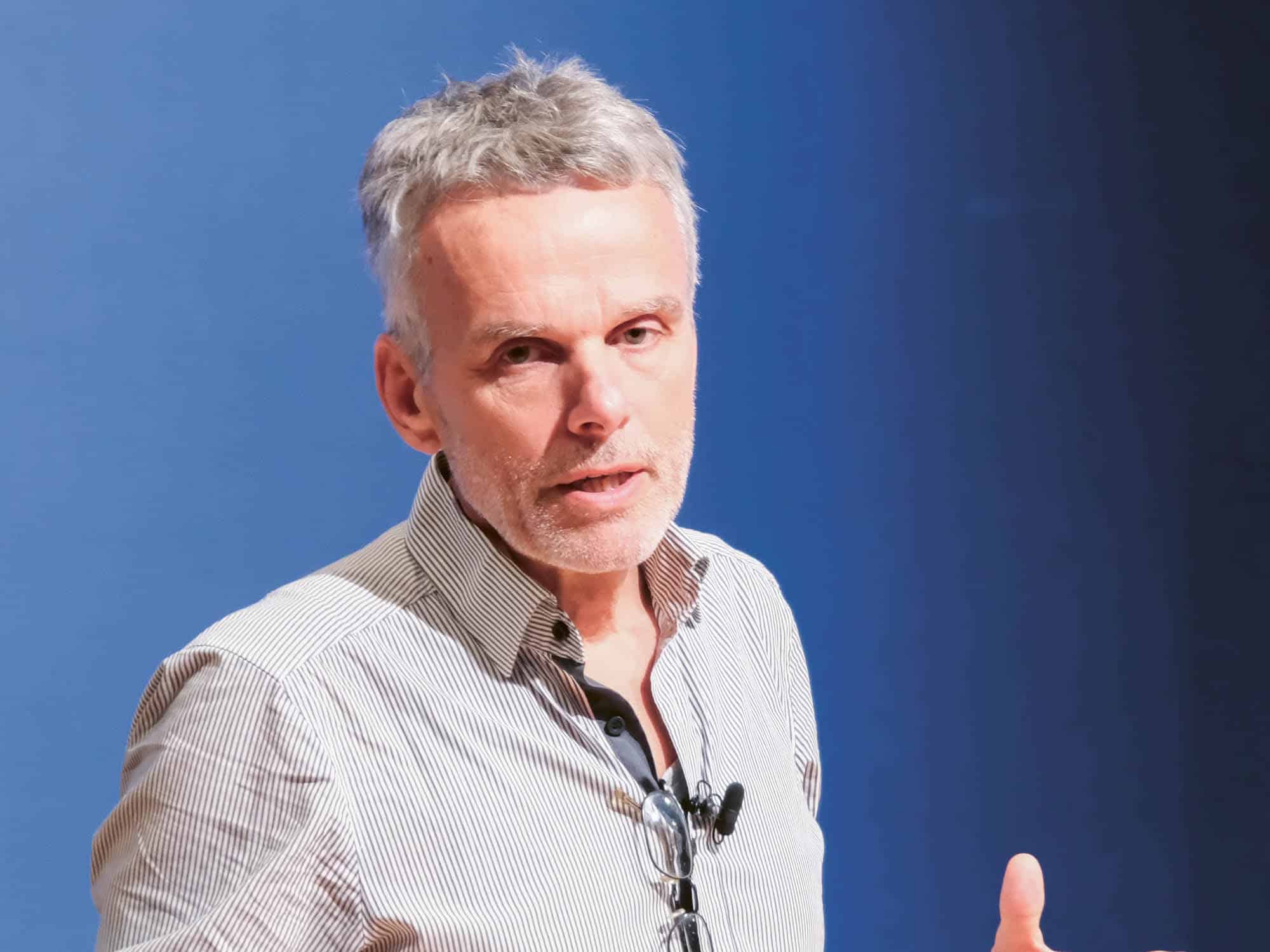
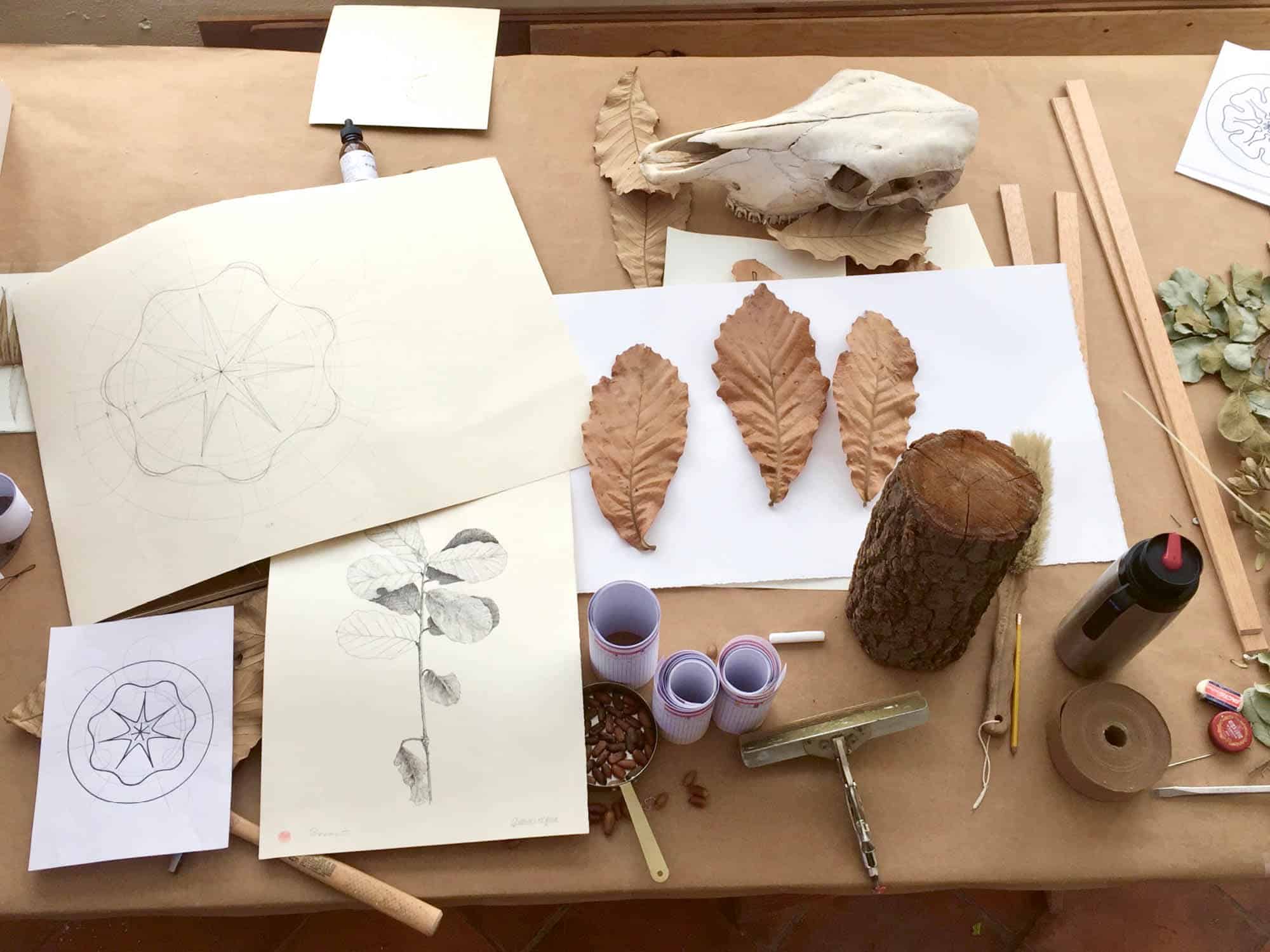
When art helps us deepen our understanding of nature, art becomes research. Eduardo Rincón, co-leader of the Agriculture Section, engages artistically and scientifically with his objects of study and talks about his oscillation between the two. He tells his story with science and art. Eduardo Rincón during his presentation at the conference. Photo: Johannes Kühl We grew up on a large farm in the high desert in central Mexico. My brother and I could ride the horses to the horizon…

Eduardo Rincón · 05 November 2024 · 10 min
Communication Is the Foundation of Life

Communication Is the Foundation of Life

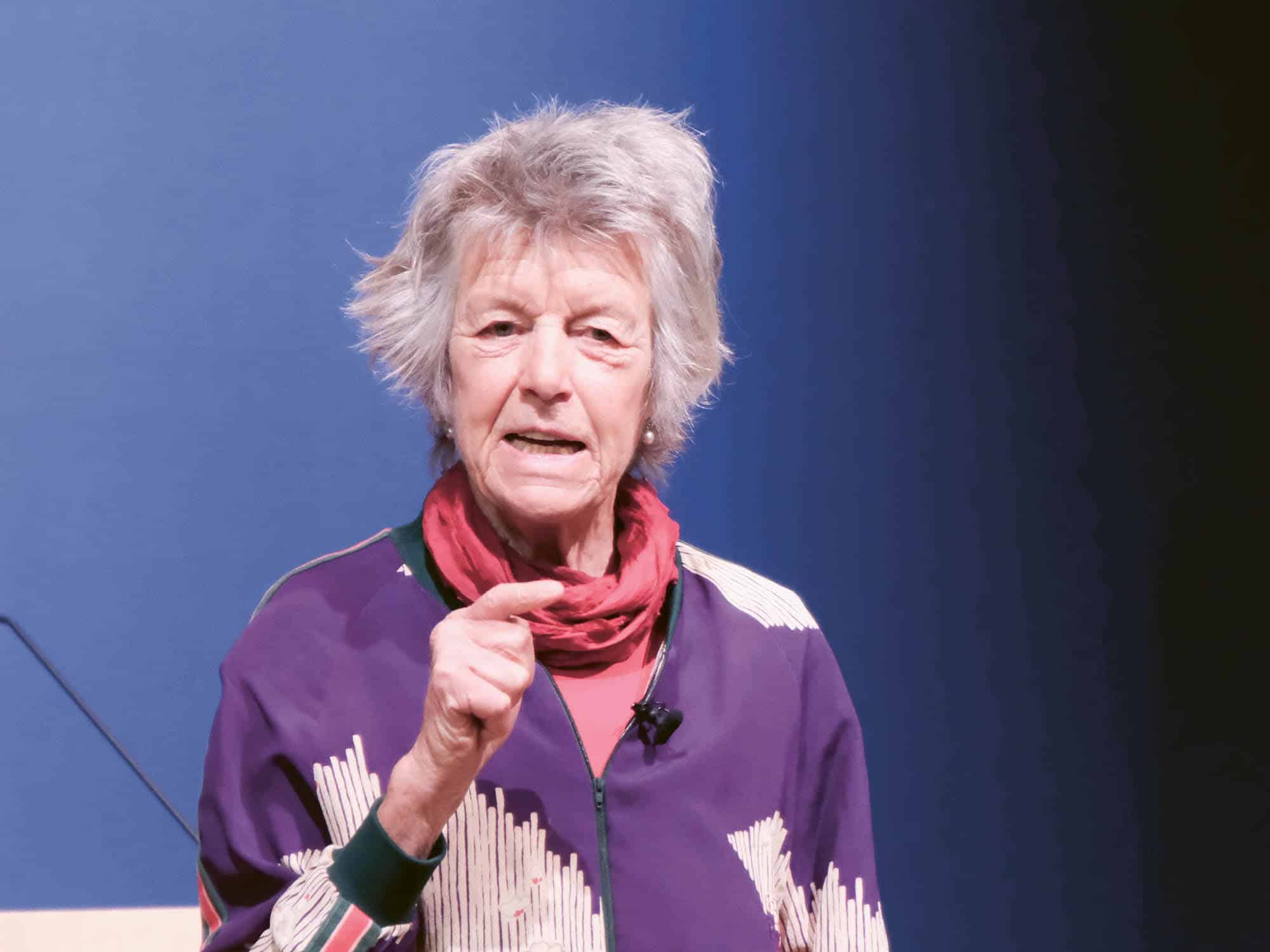
Microbes were on Earth for three billion years before any other living creature appeared. As Florianne Koechlin puts it, they invented almost everything that constitutes life. Microbes connect cells, internal metabolism, soil with plants, plants with animals, and everything with us. Plants choose which microbes they take into their root area and which they don’t. They keep harmful pathogens out and let others in. They do all this using “aromas” to communicate with their soil microbiome. Microbes also communicate with…

Florianne Koechlin · 05 November 2024 · 4 min

Individualizing Biodynamics: Soil and Soul

Individualizing Biodynamics: Soil and Soul

A plant transplanted from one bioregion to another area remains the same species, but its expression embodies its new environment. Therefore, the importance of diversity in the method underlies the production of biodynamic preparations and raises the question of what constitutes identity. Stewart Lundy during his presentation. Photo: Johannes Kühl The soil is the last thing that happens, but in agriculture, it’s what we begin with. We begin with what is sense-perceptible, but what is initially obvious to the senses…

Stewart Lundy · 05 November 2024 · 6 min

The Preparations and the Soil Microbiome

The Preparations and the Soil Microbiome

How biodynamic preparations inoculate the soil. As a result of climate change, we’re finding that drought, cold, poor soil structure, and nutrient deficiencies in the soil have become major challenges (growth stress) for plants. The microbiome in the soil plays an important role in strengthening plants. The diversity of bacteria and fungi in the soil is particularly relevant. In conventional agriculture, there are attempts to inoculate the soil with certain bacteria and fungi that are beneficial for plant growth, known…

Jürgen Fritz · 05 November 2024 · 4 min

Nature Is Our Mirror

Nature Is Our Mirror

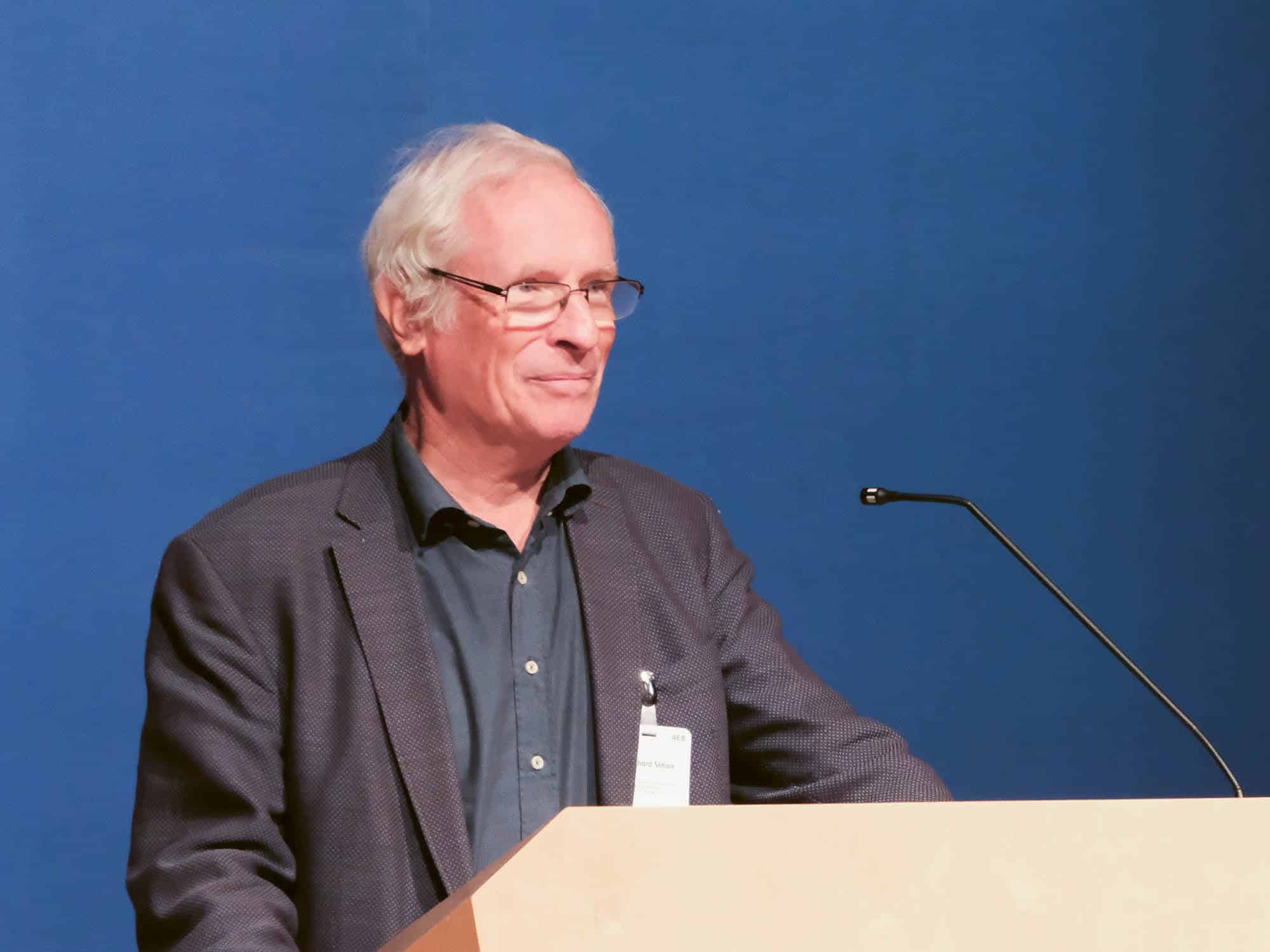
Biodiversity is a hot topic in academia today. It seems that wherever civilization spreads, species diversity dwindles—natural habitats are lost, and the landscape becomes fragmented. If nature reflects our thinking, can we change this? On one hand, with the loss of natural habitats, environmental toxins, introduction of foreign species, hunting, overgrazing, overfishing, exploitation, and deforestation, we see how civilization can have a negative impact on biodiversity. In short, we’ve used nature for our own purposes, and the extinction of species…

Meinhard Simon · 05 November 2024 · 5 min

A Plant Just Wants To Be a Plant

A Plant Just Wants To Be a Plant

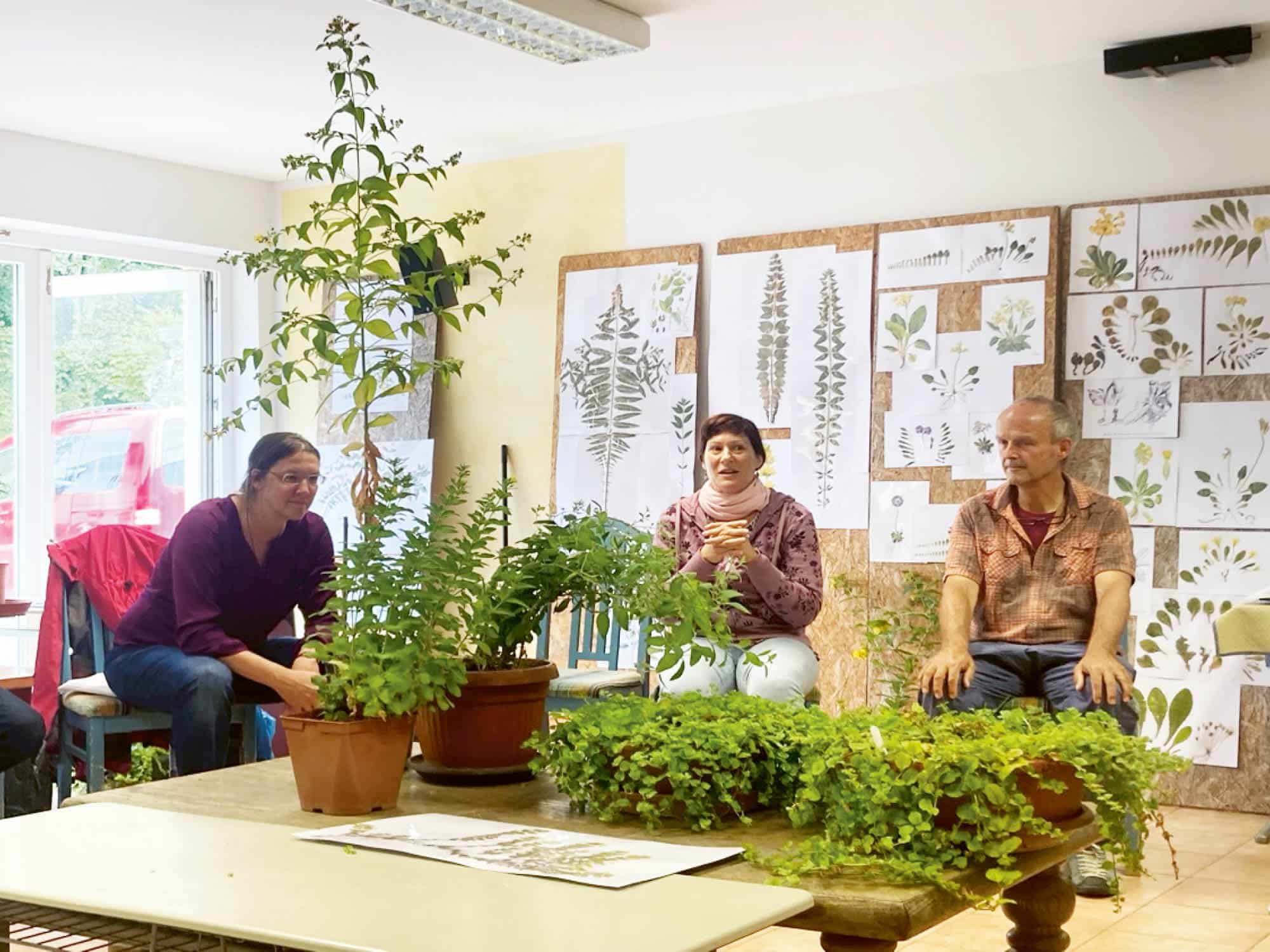
Plant observation and its healing effect on the human-social. In July 2024, a seminar week on Goetheanistic plant observation took place in the Karawanken mountains in Slovenia. People from various anthroposophical fields took part: biologists, pharmacists, doctors, homeopaths, alternative medicine practitioners, and people who were simply interested. The week was organized by Vesna Forštnerič Lesjak (co-leader of the Natural Science Section at the Goetheanum, pharmacist, and Goetheanist) and Jan Albert Rispens (biologist and Goetheanist). As a non-professional participant, I experienced…

Sonja Zausch · 03 October 2024 · 4 min

A Path to Promote Life

A Path to Promote Life

Vesna Forštnerič Lesjak has co-led the Natural Science Section of the School of Spiritual Science with Matthias Rang since 2023. We ask where she comes from, where she’s heading, and what she’s all about. The interview was conducted by Philipp Tok. Earth A warm-up question: What is your favorite sound? Vesna My daughter’s laughter. When the two of us are together in the evening, in bed before prayers, we laugh a lot in our own unique, funny way. My first…

Vesna Forštnerič Lesjak · 06 September 2024 · 15 min

Rare Earths—Hidden Earths

Rare Earths—Hidden Earths

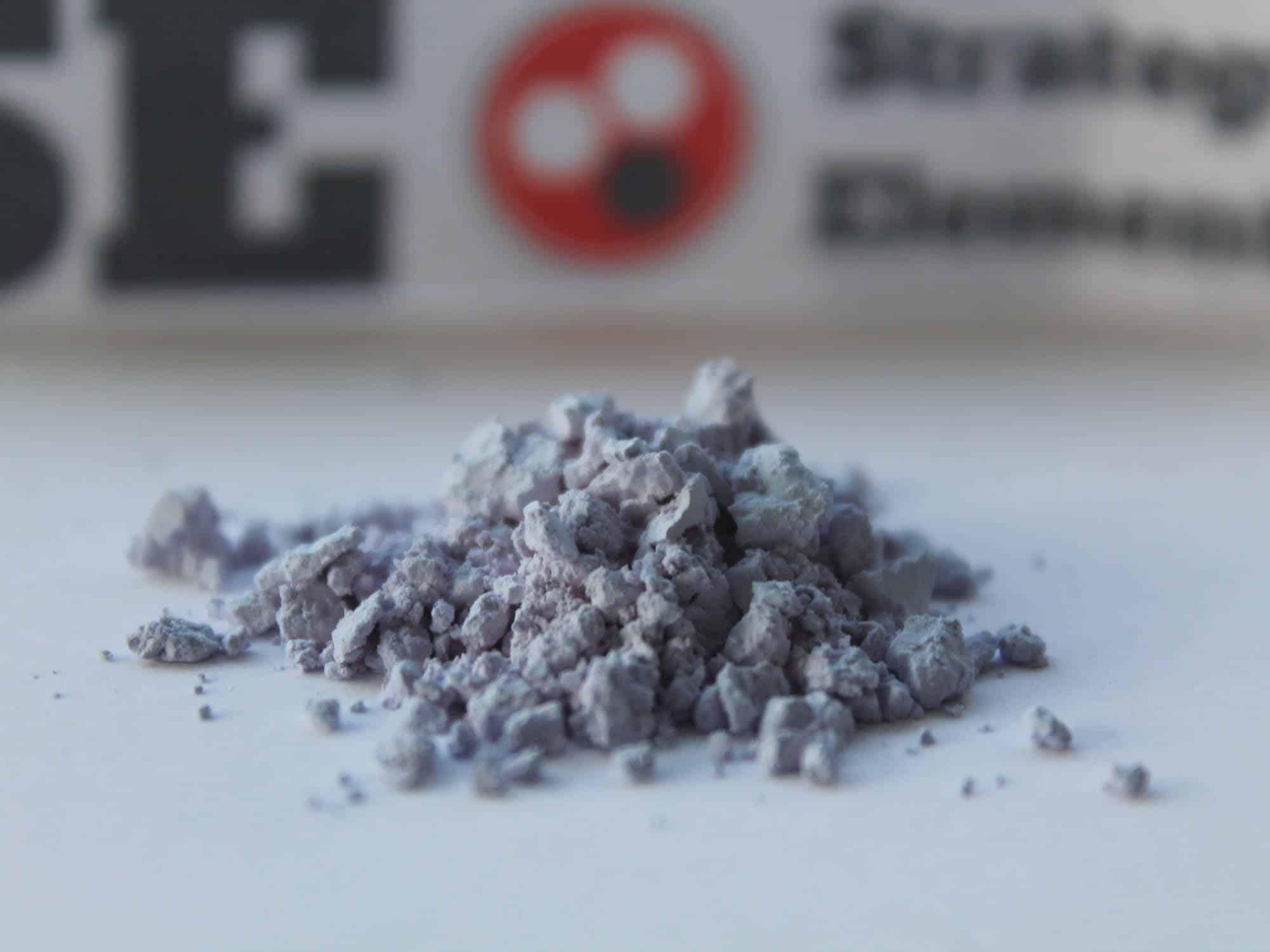
Chemistry and the social sciences belong together. Reality emerges from the combination of different perspectives. In the third natural science course that Rudolf Steiner held in 1921 on the subject of the relationship of the various scientific fields to astronomy, he encouraged people to discuss scientific fields that were traditionally separated from one another. The limited perspective of specialist scientists, who only understand their own field, remains on the surface of the world and does not permit penetration into reality…

Martin Errenst · 15 August 2024 · 3 min

What Does Quantum Theory Reveal About Homeopathy

What Does Quantum Theory Reveal About Homeopathy

The science of homeopathy was introduced in 1810 by the German doctor Samuel Hahnemann. In the interim 213 years, thousands of doctors have researched and applied it in the most varied of cases, and, as a result, numerous case studies elaborate on its effectiveness. Nevertheless, we still read statements like this one from a science advisory council: “There are no known diseases for which there is reliable evidence that homeopathy is effective.” Would you like to keep reading? We’re pleased…

Tamás Bükki · 15 August 2024 · 7 min

The New Pollution

The New Pollution

Humans have started to incorporate their intelligence into machines and will be left standing on the sidelines as fools, with their machines ultimately coming back at them. — Rudolf Steiner (GA 202) If adequate precautions and controls based on a fundamental understanding of the biological effects of electromagnetic radiation are not introduced in the near future, humanity will enter an age of environmental energy pollution comparable to the chemical pollution of today. The US government recognized this as early as…

Otto Ulrich · 15 August 2024 · 5 min

View of the Living and the Current Philosophy of Biology

View of the Living and the Current Philosophy of Biology

Goethe uses the expression “seeing with spiritual eyes” to characterize his imaginative view of the living organism. On the basis of Rudolf Steiner’s indications and with many years of experience, this can be described and practiced quite concretely. Even outside anthroposophical circles, the question of the view of the living organism is highly topical today. Here is some background information. In the second half of the 20th century, the question of the essence and evolution of living things seemed to…

Christoph Hueck · 18 July 2024 · 4 min

Woven and Entangled

Woven and Entangled

The main characteristic of life is to communicate, to build social relationships, and to network. A fantastic variety of tiny organisms pulsate in the soil. They enable plants, animals, and humans to survive. Microbes were already on Earth a few billion years before other life developed. They “invented” almost everything that makes up life—cellular respiration, cellular communication, and the formation of dynamic networks, for example. Every plant has a microbiome—a community of microorganisms—in its root area. This is by no…

Florianne Koechlin · 18 July 2024 · 3 min