Section

Nature

338 articles

Woven and Entangled

Woven and Entangled

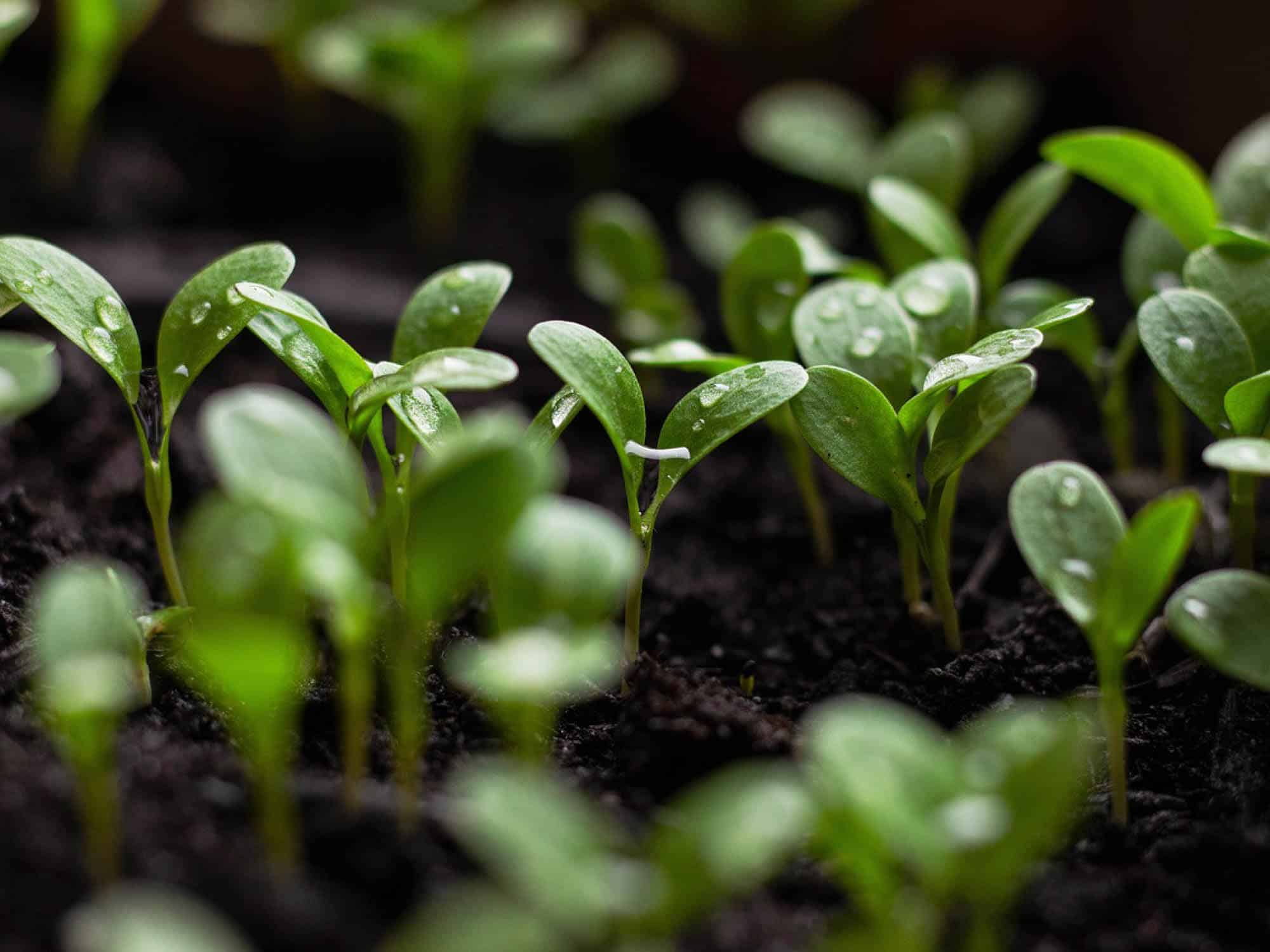
The main characteristic of life is to communicate, to build social relationships, and to network. A fantastic variety of tiny organisms pulsate in the soil. They enable plants, animals, and humans to survive. Microbes were already on Earth a few billion years before other life developed. They “invented” almost everything that makes up life—cellular respiration, cellular communication, and the formation of dynamic networks, for example. Every plant has a microbiome—a community of microorganisms—in its root area. This is by no…

Florianne Koechlin · 18 July 2024 · 3 min
The Philosopher’s Stone

The Philosopher’s Stone

Albert Pröbstl will lead a working group titled “The ‘Polarization Realm’—From Physics to Chemistry to Biochemistry: a Path with Gaps in Awareness” at the Natural Science Section conference to be held October 10 to 13 in Dornach. Here is a taster. Polarization of light refers to the spatial orientation of light. It was studied scientifically from 1808 onwards. After the optical activity of substances was discovered in 1815, it led to the tetrahedral model of carbon in 1874. The working…

Albert Pröbstl · 18 July 2024 · 2 min

An Organismic Farm

An Organismic Farm

Naples, Italy/Überlingen, Germany. Biodynamics under different climatic conditions From August 6 to 16, the Israeli organization Adama Haya is organizing a tour through Italy and southern Germany with a thematic focus on the diversity of biodynamic farms. The practice-oriented field course is open to anyone who wants to learn more about the diversity of practices and local specifics within biodynamic agriculture. The course covers soil health and regeneration, growing grains and vegetables, animal husbandry, seed propagation, making and using biodynamic…

Paula Boslau · 05 July 2024 · 1 min

The DOK Experiment

The DOK Experiment

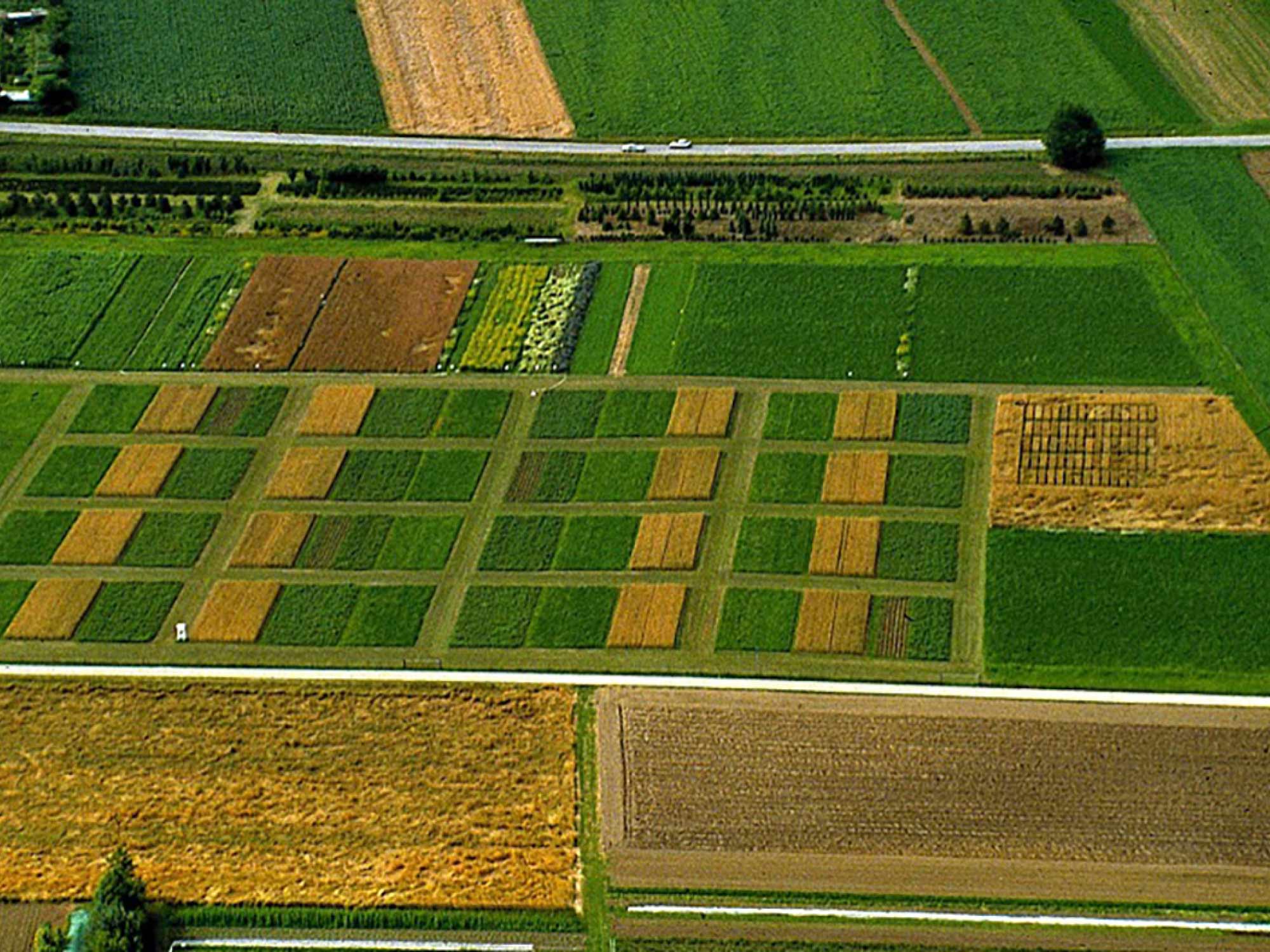
Leimental, Switzerland. A summary of the unique agriculture research project. The DOK experiment is a long-term study that has been coordinated by the Research Institute of Organic Agriculture (Forschungsinstitut für biologischen Landbau), the Swiss Agroscope, and other partner organizations since 1978. In 96 fields in Leimental, near Basel, three different agricultural systems are being compared: dynamic (D), organic (O), and conventional (K). Dynamic stands for biodynamic agriculture, the organic system includes typical organic farming methods, and conventional refers to agriculture…

Paula Boslau · 07 June 2024 · 2 min

Demeter in the Fashion Industry

Demeter in the Fashion Industry

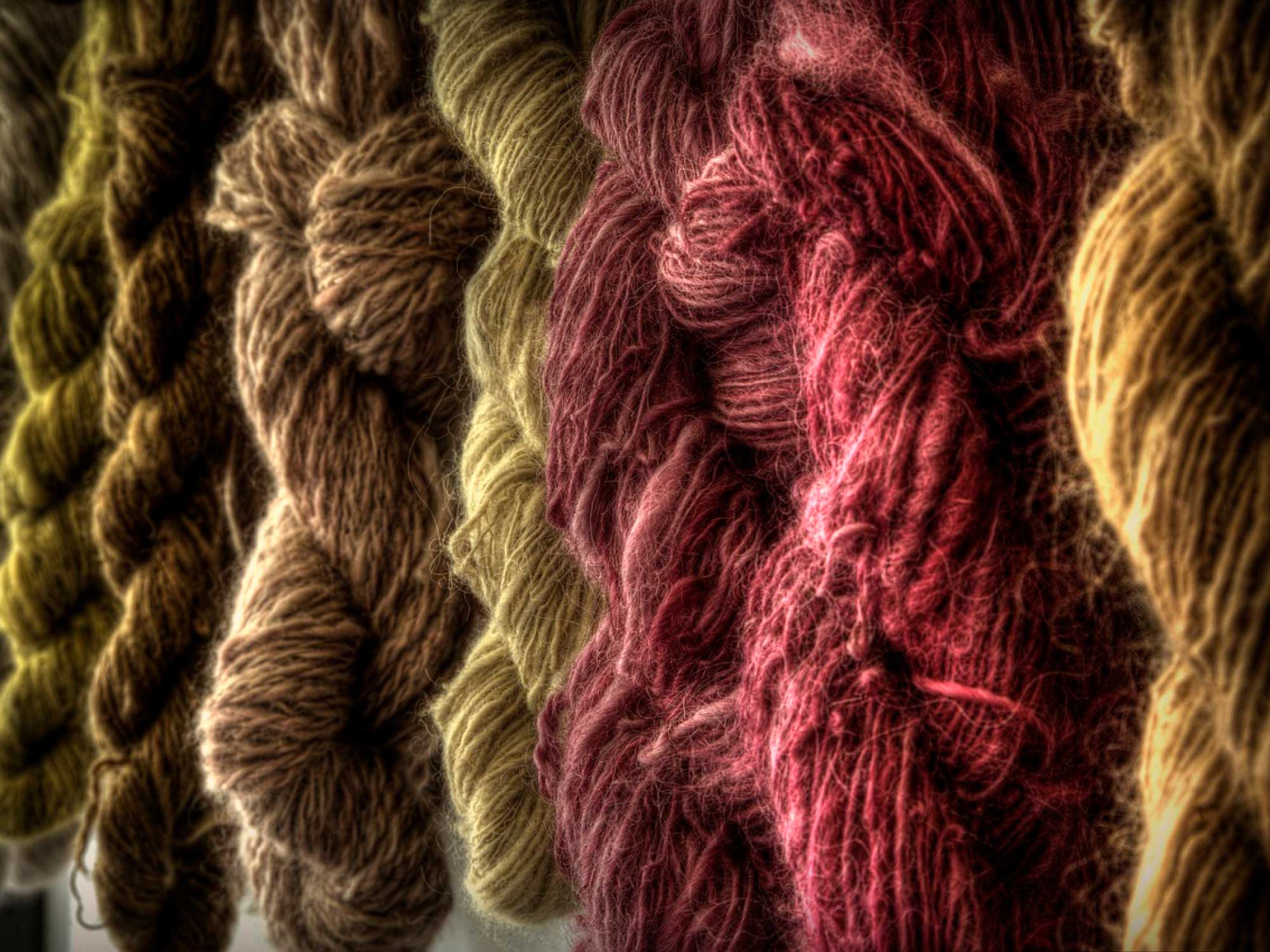
Darmstadt, Germany. How the earth becomes clothing and clothing becomes the earth. Since its foundation in 1954, the Demeter label has stood for ecologically sustainable agriculture and food of particularly high quality. Now, the Biodynamic Federation is expanding its field of work by turning its attention to the fashion world. In cooperation with the Dirt Charity Foundation, which was founded by model and environmental activist Arizona Muse, the Federation is working to create uniform Demeter standards for textiles. The raw…

Paula Boslau · 31 May 2024 · 2 min

Sensitive Fluidity

Sensitive Fluidity

Blue Hill, Maine. A conference on the intrinsic nature of water. What if we gave water back its archetypal movements in order to rehabilitate it? This question guided the flow and water research of the German engineer Theodor Schwenk and the British sculptor John Wilkes. Thanks to their work at the Institute for Flow Research in the Black Forest, we have a large number of designs that are still used today in biodynamic agriculture and landscape design. Based on Schwenk’s…

Paula Boslau · 23 May 2024 · 1 min

Our Cosmic Heart?

Our Cosmic Heart?

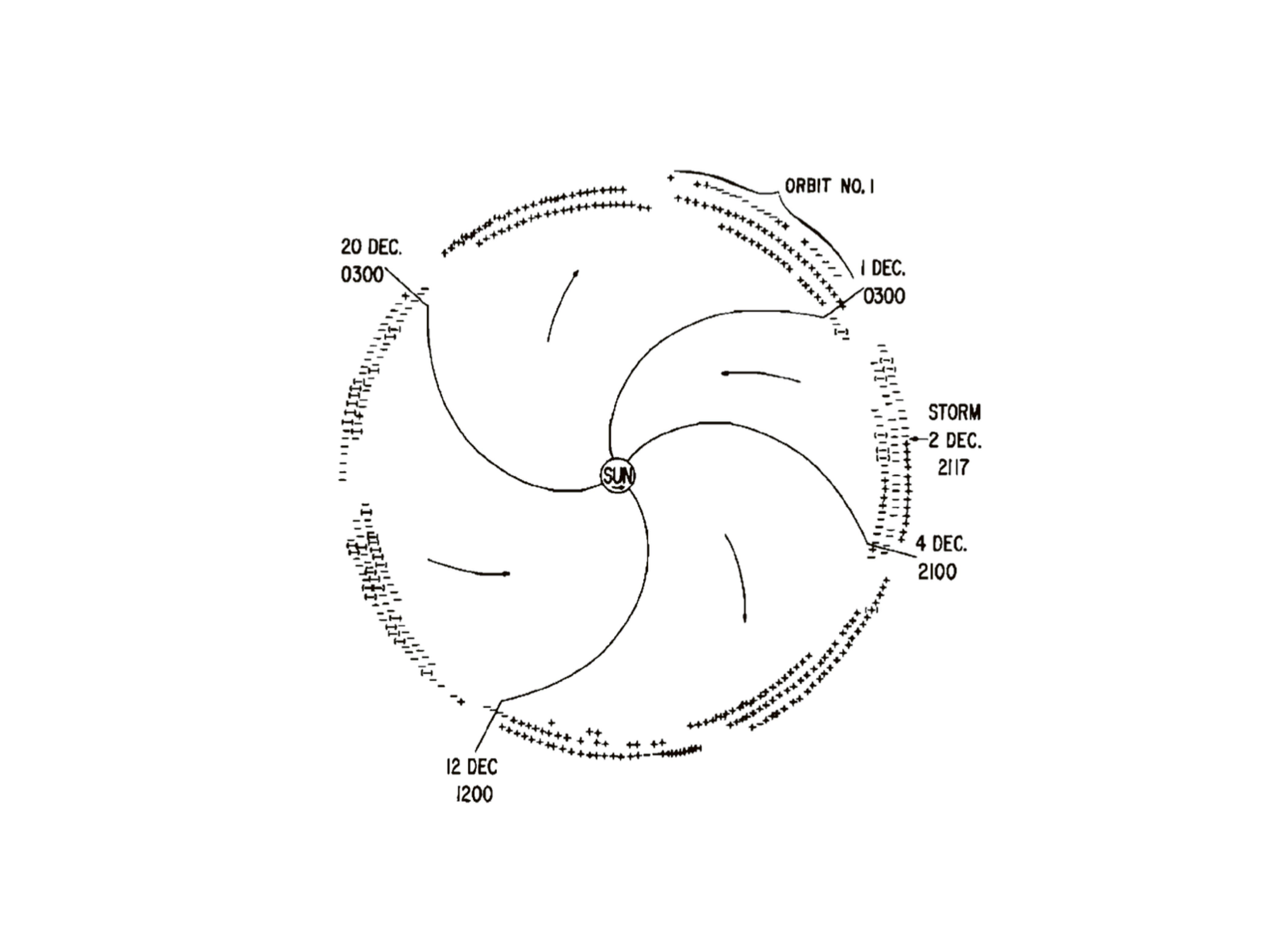
Similar methods are used to measure the electromagnetic fields that help us understand the heart and understand the sun. Space probes are being sent to the sun to determine the structure of these fields. Do these fields reveal invisible shaping forces? The electromagnetic fields of the sun, along with so-called plasma currents, i.e. electrically charged gas particles, reveal structures reminiscent of the spiral forms of the main heart muscles, of the to-and-fro of our blood through its four chambers, and…

David Auerbach · 23 May 2024 · 5 min

Mindful Tasting

Mindful Tasting

Darmstadt, Germany and Corinth, Greece. From 10 to 15 June, the Israeli educational initiative Adama Haya is organizing a course in Greece on quality testing in the biodynamic production of olive oil. Part of the course program is a workshop on the Empathic Food Test, which measures the emotional and body effects of food. An interview with the agronomist and developer of the method, Uwe Geier. Where are methods for measuring food-induced emotions used? Methods for measuring food-induced emotions are…

Paula Boslau · 16 May 2024 · 2 min

The Heart as Economics

The Heart as Economics

Our current economic system has much to learn from the regenerative nature of the heart as a self-managing orchestrator of circulation and interdependence. The heart is the reciprocating bridge between all that happens within us and all that occurs in the spaces between us. While economic life concerns itself primarily with the world of material matters, how we conduct ourselves in that world matters a lot. An economics divorced from human need, the value of relationships, and the earth as…

John Bloom · 16 May 2024 · 6 min

The Divine, Nature, and Humans

The Divine, Nature, and Humans

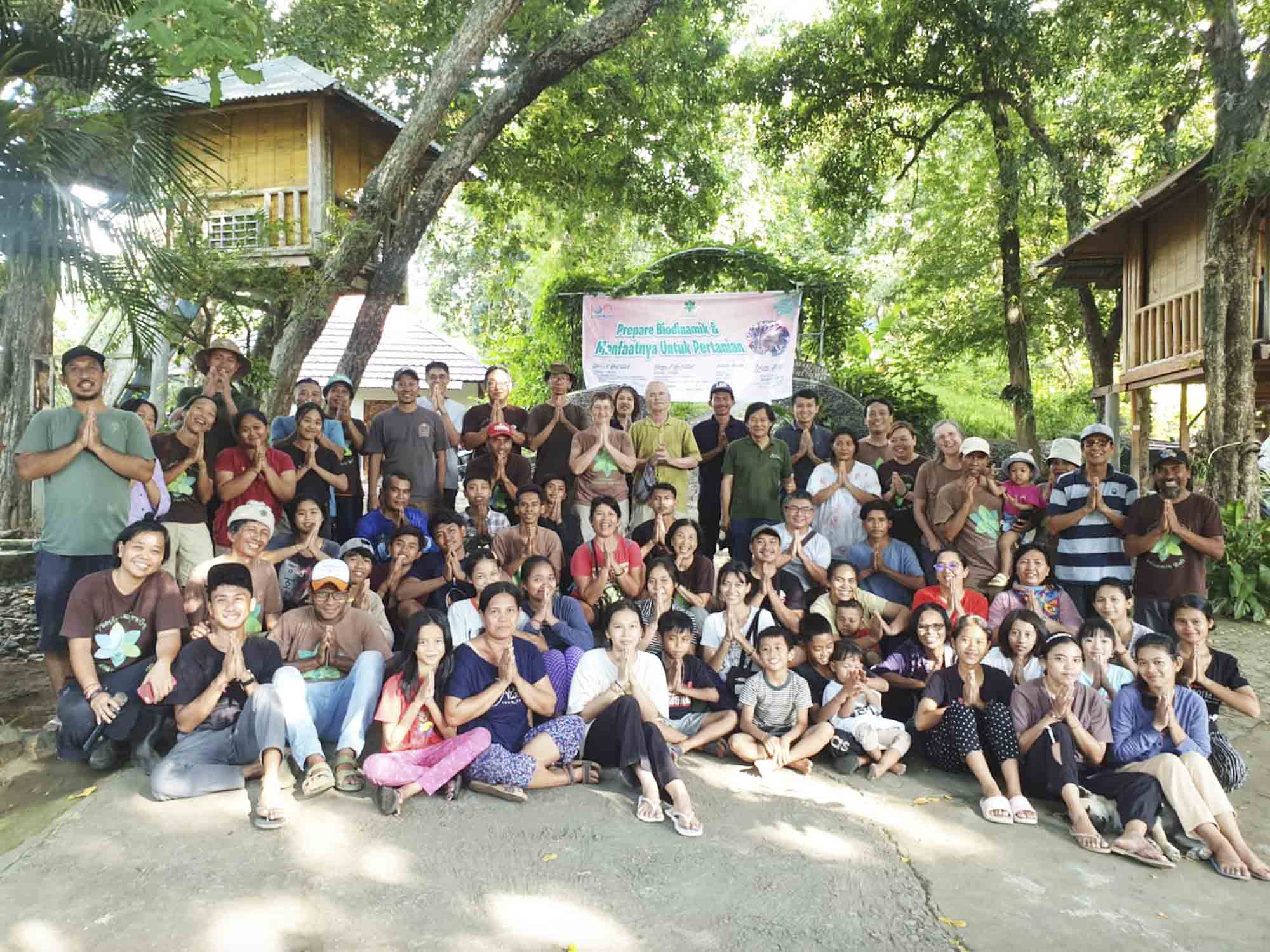
Denpasar, Indonesia. Biodynamic agriculture first arrived on the Indonesian island of Bali in 2019. Since that initial impulse, a committed community has formed. An interview with Etha Widiyanto from Biodynamic Bali. What does biodynamic agriculture look like in Bali? In October 2022, some of our members participated in the Asia-Pacific Biodynamic Conference in Malaysia. Since then, we have given many introductory courses and several workshops on making biodynamic preparations for local farmers. For example, we use cow horns and cow…

Paula Boslau · 10 May 2024 · 2 min

Carbon Is a God

Carbon Is a God

What’s next in the “fight” against carbon dioxide? A change of thought. We usually associate “CO₂” with the idea that a molecule of carbon dioxide consists of one atom of carbon (C) and two atoms of oxygen (O), whereupon the three little balls from the atom-and-molecule model of our schooldays hazily appear in our consciousness. But, originally, “CO₂” was nothing more than a quantitative ratio: what we call carbon dioxide consists, when quantitatively analysed, of two parts oxygen and one…

Hans-Christian Zehnter · 10 May 2024 · 5 min

The Oceans Need Our Care

The Oceans Need Our Care

When we look at the Earth, the oceans, as the largest region in terms of surface area, are still little studied, and their nature is poorly understood. Climate researchers are concerned and questioning the extensive reports of temperature changes, ocean acidification and changes in ocean currents. Civilization’s conversion of fossil hydrocarbon compounds into carbon dioxide is having an increasingly disastrous effect on this habitat with its many living creatures. Life Began in the Sea The oceans were the environment wherein…

Hans-Ulrich Schmutz · 10 May 2024 · 13 min