Section

Nature

338 articles

Light Is Consciousness

Light Is Consciousness

In the Goetheanum Weekly 2/2025, Martin Rozumek and Hans-Christian Zehnter developed their view of how sensory phenomena invite us to read them as a Book of Nature. The central question was: What is “matter” from a spiritual scientific perspective? Now, they turn their attention to light and develop guidelines for observing it in accordance with its nature. We love light: sunshine, beautiful weather. The rising of the light, whether in the morning or in spring, fills us with gratitude and…

Hans-Christian Zehnter · 03 September 2025 · 18 min

Co-Creating Biodynamics

Co-Creating Biodynamics

San Ramón, Costa Rica. A biodynamic conference in Latin America. This year’s Latin American Biodynamic Conference will take place in Costa Rica from September 21 to 25. The venue is the Cantalagua Tierra Viva biodynamic farm in San Ramón. The program includes a variety of interactive, practice-oriented, educational offerings and workshops on key topics of biodynamics in Latin America. It is rounded off with artistic and spiritual activities such as eurythmy, singing, painting, and meditation. Each activity also creates an…

Redaktion · 29 August 2025 · 1 min

The Common Structure of the Brain and the Cosmos

The Common Structure of the Brain and the Cosmos

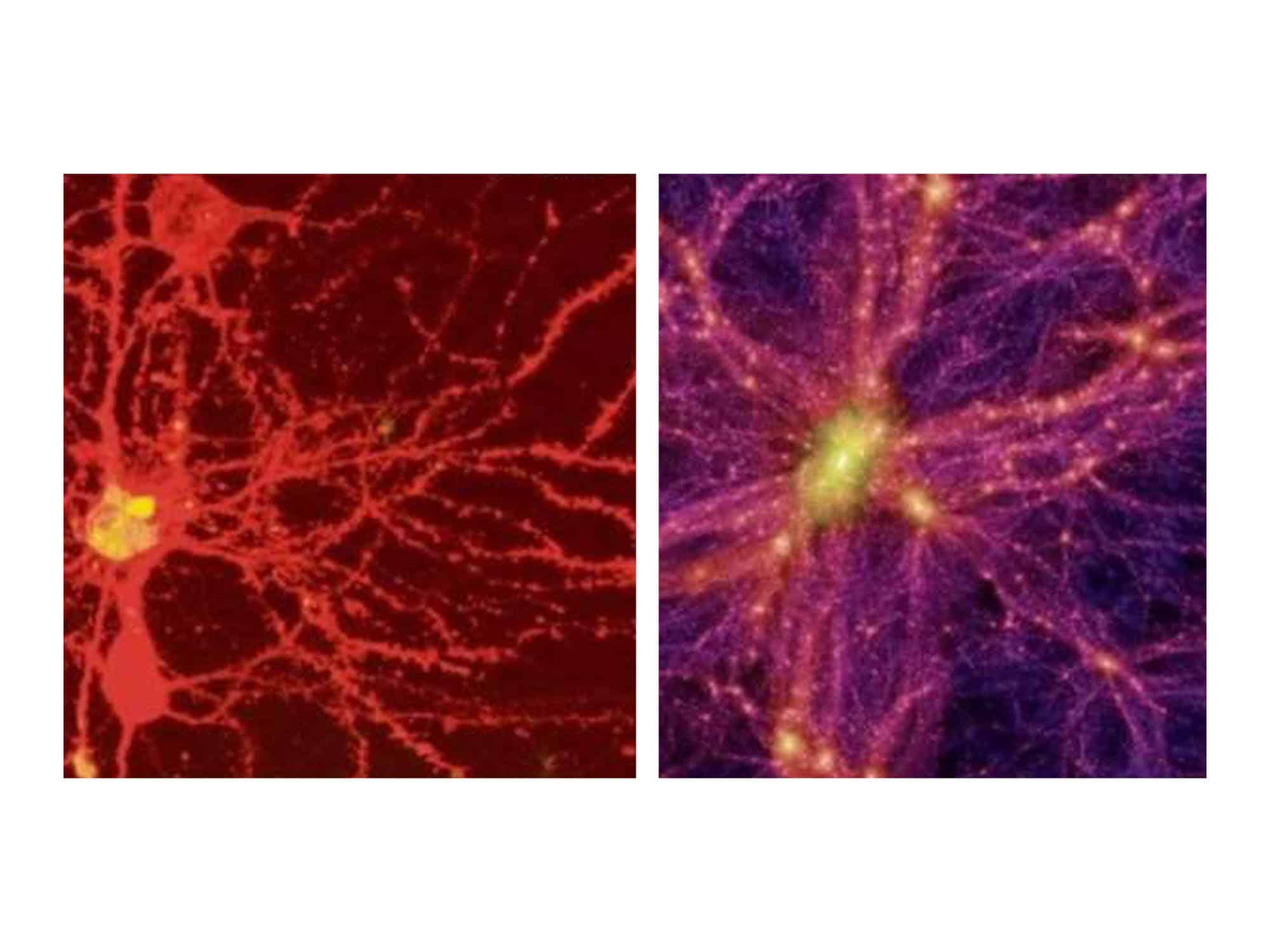
In February 2025, a remarkable study was published in the renowned journal Nature Astronomy (Glavin et al. 2025). During its seven-year mission, NASA’s OSIRIS-REx spacecraft collected cosmic rock samples from Bennu, a 500-meter-wide asteroid in near-Earth orbit. The samples were returned to Earth in a sealed capsule to prevent any terrestrial contamination. In addition to numerous amino acids and other organic compounds, the rock samples from Bennu also contained all the nucleic bases (adenine, guanine, cytosine, thymine, and uracil) that…

Thomas Hardtmuth · 13 August 2025 · 5 min

Healing Himalayas

Healing Himalayas

Pokhara, Nepal. The Third Asian Biodynamic Conference. The Himalayas, the world’s largest mountain range, is also showing ever clearer signs of the global ecological crisis—its ecosystems, farmland, and glacial lakes are disappearing at an alarming rate. From November 6 to 9, 2025, a Biodynamic Conference of Asian countries will be held in Nepal for the third time. The conference will address the question of how biodynamics can help to protect and regenerate the valuable mountain landscape. Further aims of the…

Redaktion · 13 August 2025 · 1 min

A Path of Research

A Path of Research

Dornach, Switzerland. 2025 is the 100th anniversary of Rudolf Steiner’s death. How does he live on in particular individuals? Eduardo Rincón, co-leader of the Section for Agriculture at the Goetheanum, gives his answers. Which life questions in anthroposophy are important to you? Ever since I started studying life through biology and agriculture, I have had questions that science could not fully answer, like: What is life? Where does life come from, and how does it manifest? How can we perceive…

Redaktion · 18 July 2025 · 3 min

New Anthropological Perspectives to Extend Science

New Anthropological Perspectives to Extend Science

A study by Jürgen Fritz on the two biodynamic spray preparations takes an important step toward explaining their effects scientifically. New analytical techniques show that the preps have the same effect as soil inoculants, which promote the growth of microorganisms and thereby support plant growth. But this is not enough for the critics of biodynamics. How can we bridge the gap between these different worldviews? Despite serious scientific studies, critics of biodynamics continue to mock it and label it pseudoscience,…

Jean-Michel Florin · 18 July 2025 · 4 min

What We Share with Bees

What We Share with Bees

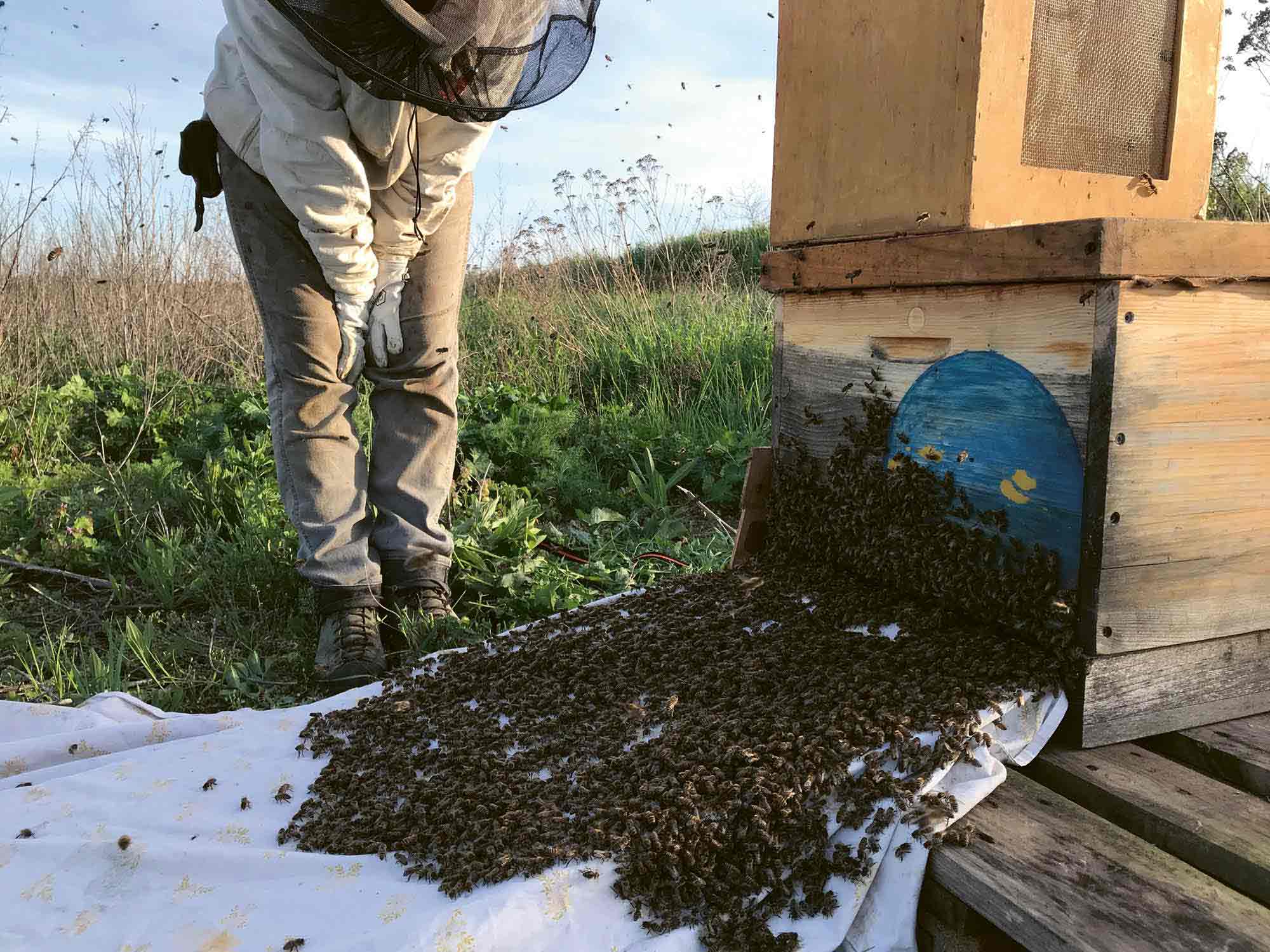
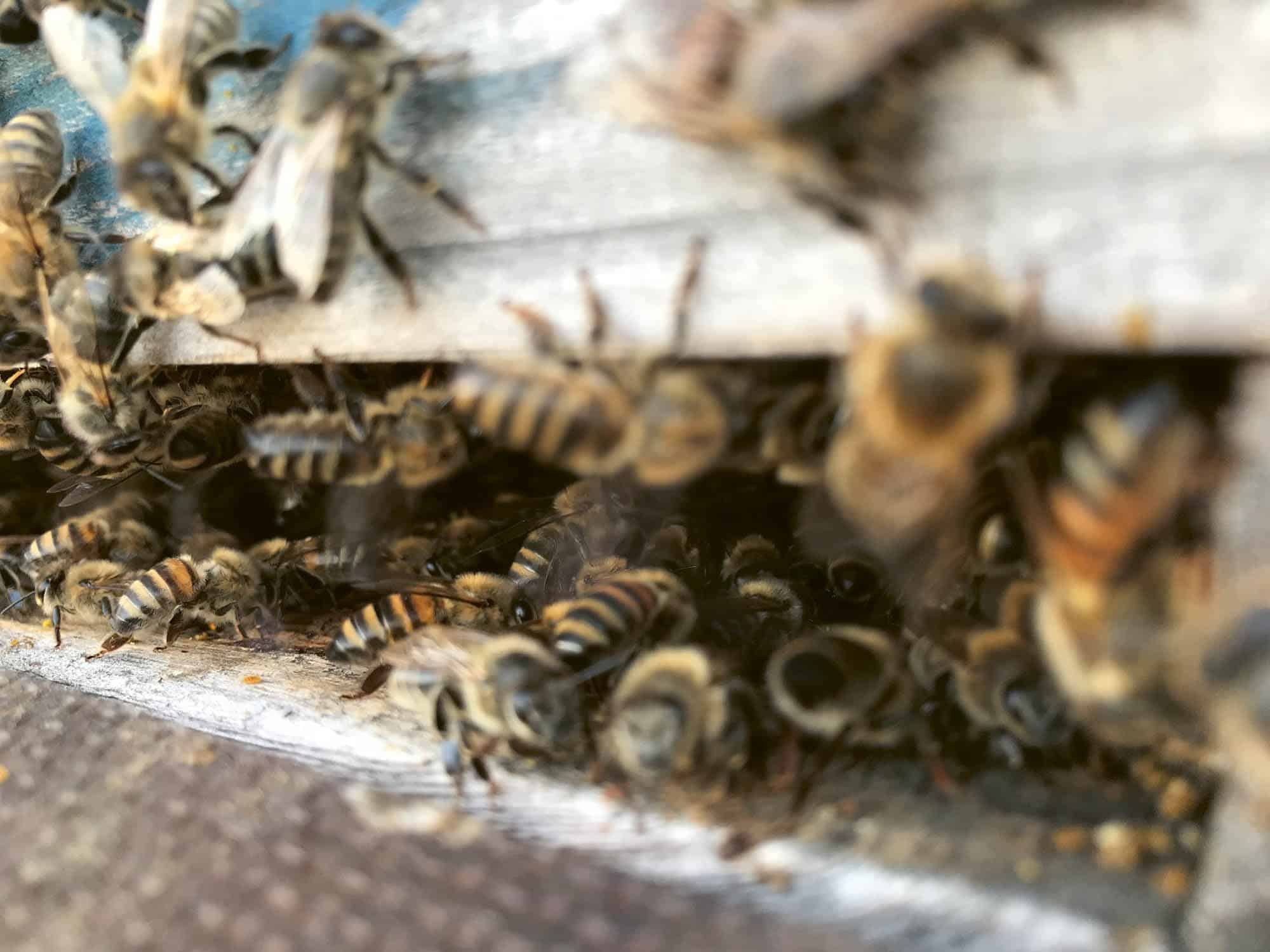
Nature is in full bloom, so the bees are also celebrating! We need their work to make it possible for nature to bloom again. With our sincere gratitude, we dedicate two articles to our hard-working and generous fellow creatures. “The bee’s life is like a magic well: the more you draw from it, the more it fills with water.” These words from Nobel Prize winner Karl von Frisch, discoverer of the dance language of bees, are absolutely true. Since I…

Johannes Wirz · 17 June 2025 · 7 min

The Turning Point

The Turning Point

Our language was made for earthly things. It’s harder to speak about the realm of the ethers. They’re difficult to differentiate; their individuality isn’t distinct. They aren’t like the elements which go from warmth through air and water to earth, expressing ever-increasing multiplicity and distinctiveness. No, the ethers tend towards unity, towards the wholeness of life. We need another language for that. There’s a tenderness towards our dilemma in the way John the Baptist points to Christ, the light of…

Laura Liska · 17 June 2025 · 1 min

Organic in Europe

Organic in Europe

Warsaw, Poland. European Organic Congress in Poland. The expansion and strengthening of organic farming remain important issues for Europe. After all, providing the population with healthy, sustainably grown food affects everyone at the most basic level of their needs. From June 25 to 27, 2025, Poland will host the European Organic Congress, a conference that will bring together representatives from the organic agricultural sector to discuss the present and future of organic farming. How can the sector’s economy and finances…

Redaktion · 12 June 2025 · 1 min

A Place of Quiet and Contemplation

A Place of Quiet and Contemplation

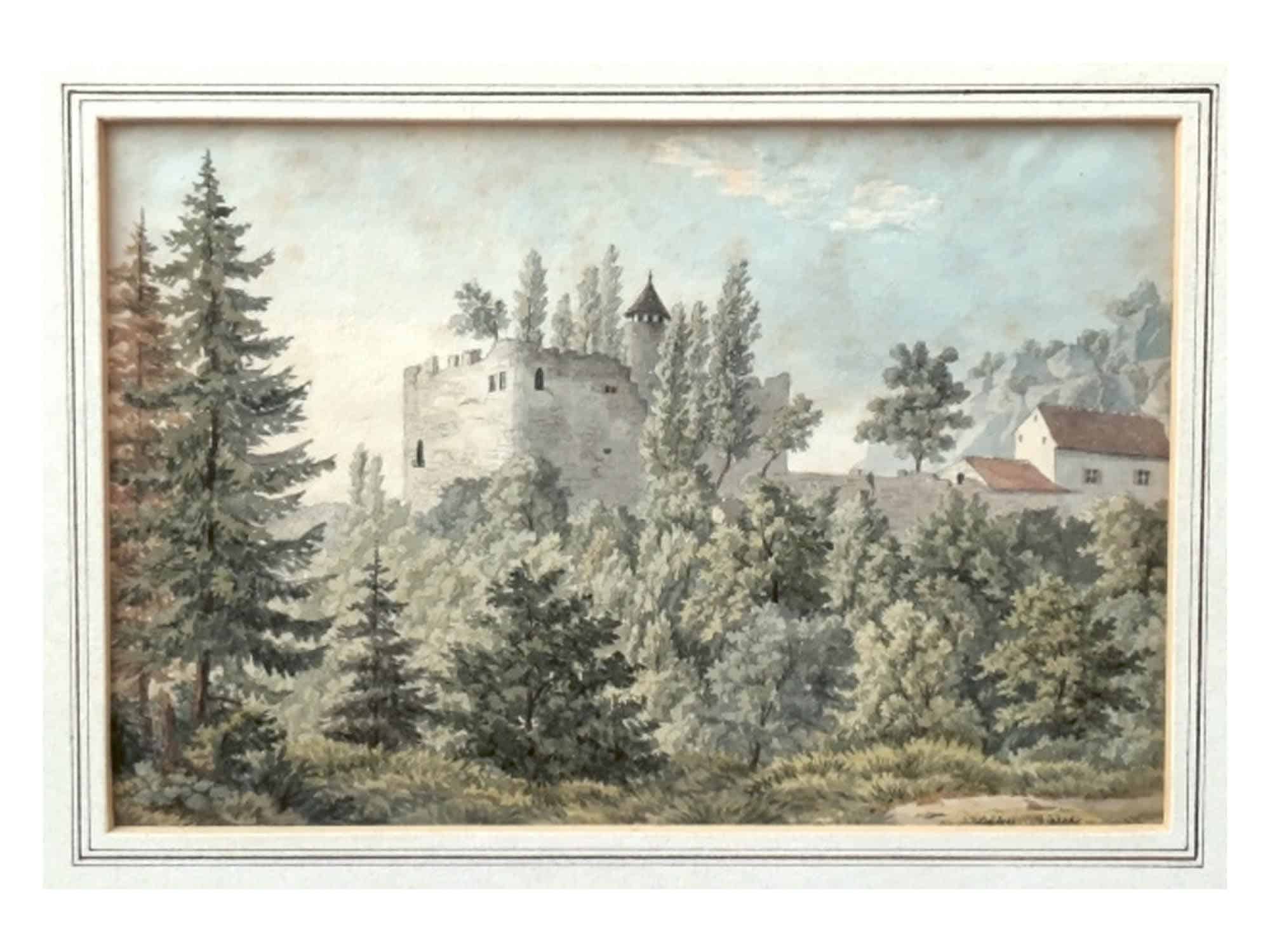
240 years ago, the Arlesheim Hermitage was designed in the style of an English landscape garden. Not far from the Goetheanum in Dornach, it’s one of the most beautiful and important landscape gardens in Switzerland. Visitors are greeted by a natural oasis with streams, ponds, and labyrinthine paths reminiscent of a fairy-tale landscape where time seems to stand still. The Hermitage was opened in 1785 as a place of “romantic solitude near Arlesheim” by Balbina von Andlau-von Staal (wife of…

Clemens Engel · 12 June 2025 · 4 min

From Effects to Essence and Back Again

From Effects to Essence and Back Again

Goethe developed a new method for studying nature, both inorganic and organic. His intention was to uncover the natural law—the essence, the being, the idea—of a thing by introducing a special way of beholding the phenomena—the manifestations of the thing—in order to gain knowledge and insight. This approach was not being pursued by the conventional, supposedly “objective,” sciences of his time, and it was not possible for anyone holding on to a pre-scientific, naive view of the world. Goethe’s approach…

Iris Hennigfeld · 27 May 2025 · 16 min